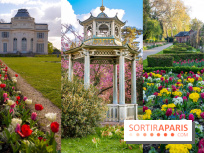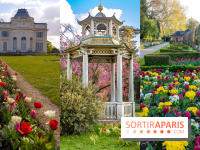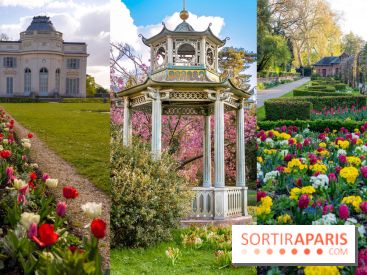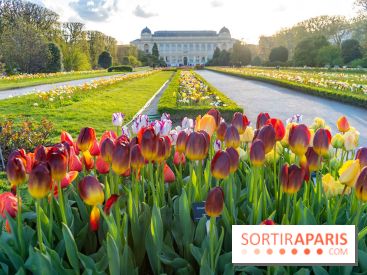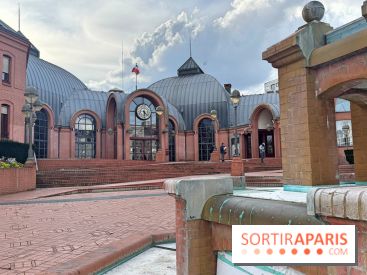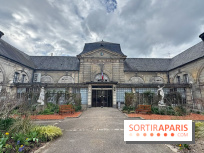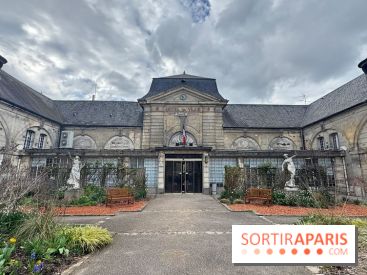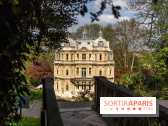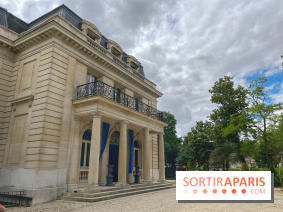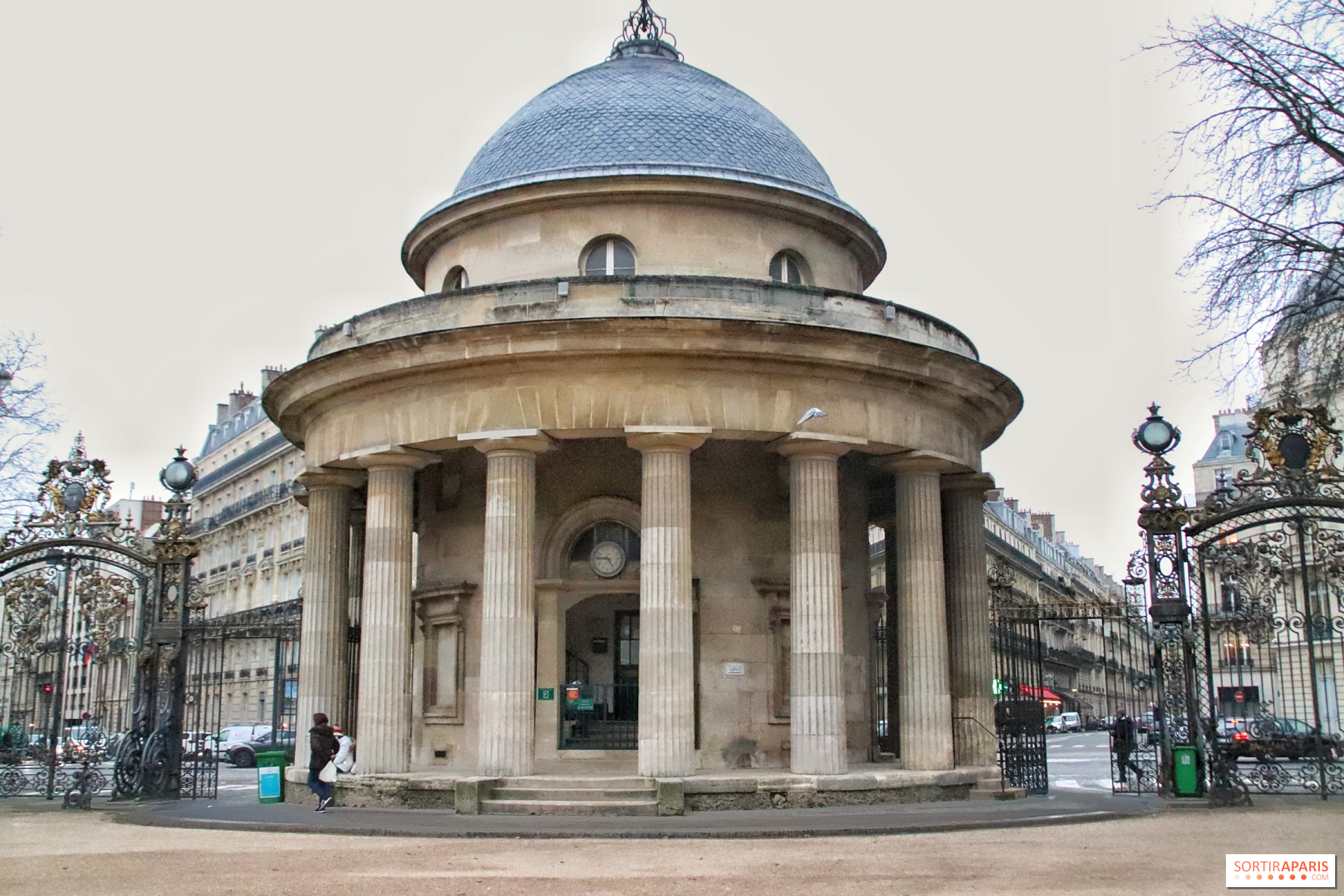
If you pass through Place de la République-Dominicaine, you can't miss the neoclassical pavilion surrounded by columns. Today, it provides an elegant backdrop at the entrance of the Parc Monceau (and, amusingly, houses public toilets and park offices), but in the 18th century, its purpose was far more imposing.
This rotunda, originally known as the Chartres Gate, served as one of the toll booths along the famous Wall of the Farmers-General. Built just before the French Revolution (between 1784 and 1790), its purpose was not to defend the city from invaders, but rather to impose taxes on all goods—such as wine, meat, and timber—that entered Paris, as part of efforts to combat smuggling.
This is where the famous phrase of the time originated: “The wall surrounding Paris makes Paris whisper.” Parisians disliked this royal toll that raised the cost of living.
The brilliant architect behind this monument known as the propylée (along with 53 other gates surrounding Paris) was Claude-Nicolas Ledoux. For the Monceau rotunda, he aimed to create something spectacular. Why? Because it was built on the lands of the Duke of Chartres—the future Philippe Égalité.
The Duke even secured a remarkable privilege: while the ground floor and upper floors served as offices, the top terrace was reserved exclusively for him. This allowed him to enjoy a panoramic view of his private garden (now Parc Monceau) while keeping an eye on who was entering the city!
Out of the 54 monumental barriers designed by Ledoux, only four have withstood the demolition efforts during Haussmann’s renovations in 1860. If you’re a fan of the Rotonde de Monceau, why not go on a quest to find the other remaining relics?
Next time you walk beneath the columns of Monceau, picture customs officers inspecting wine carts right where children now enjoy their cotton candy!
This page may contain AI-assisted elements, more information here.