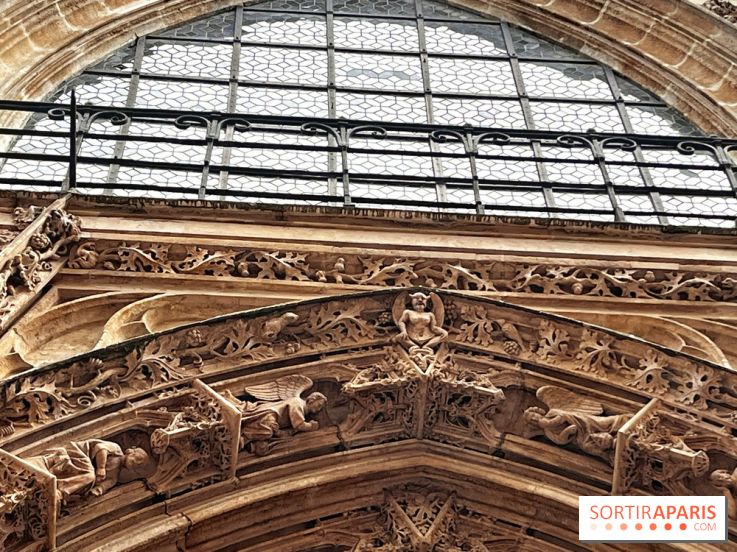
Le saviez vous guide

mosaique gutenbergmosaique gutenbergmosaique gutenbergmosaique gutenberg

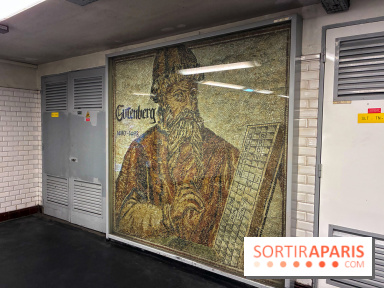
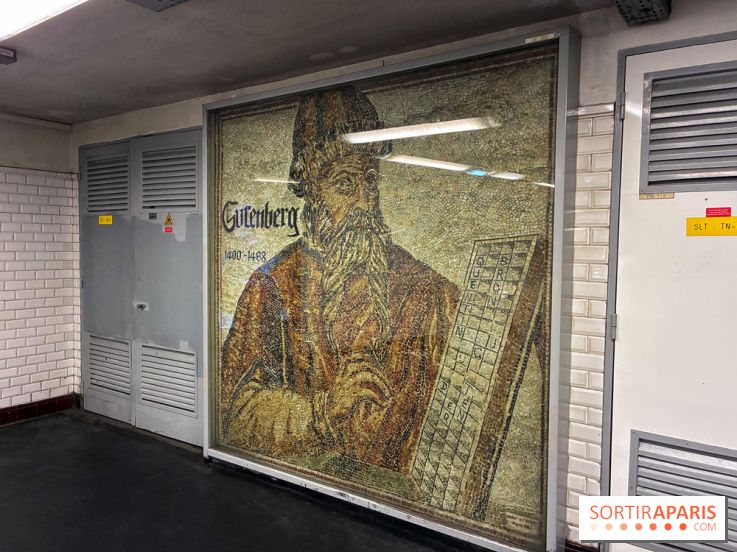
Did you know? An astonishing mosaic of Gutenberg can be found in this metro station on Line 4.

In the Saint-Germain-des-Prés station, away from the stark white corridors, lies a stunning mosaic dedicated to Johannes Gutenberg and the history of printing. An unexpected artistic pause before catching the metro!
square Félix desruelles art nouveausquare Félix desruelles art nouveausquare Félix desruelles art nouveausquare Félix desruelles art nouveau

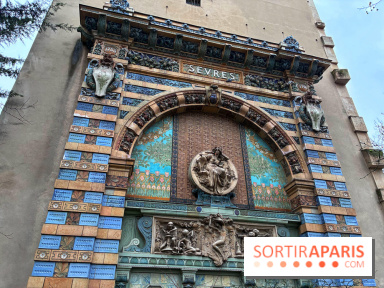
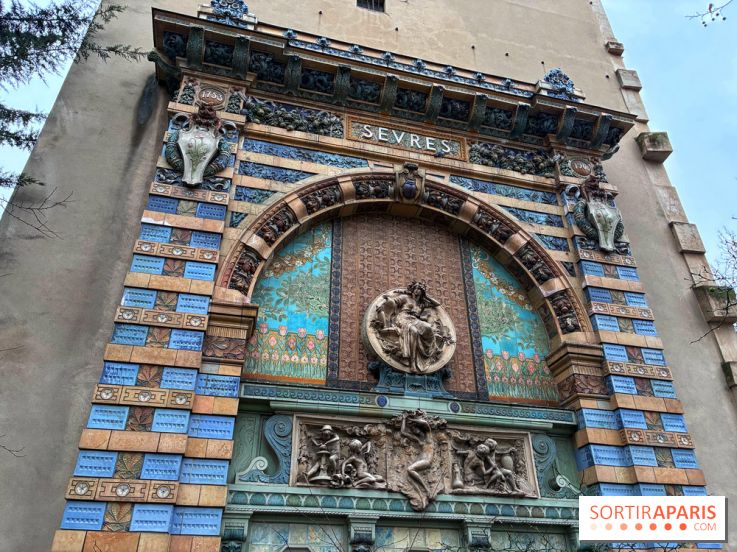
Where can you admire this stunning Art Nouveau ceramic portico tucked away in a square in Paris?

It’s one of the most stunning facades in Paris, yet it’s not part of a building. Hidden away in a quiet square, a multicolored ceramic wall has withstood the test of time since 1900. Discover the captivating history of the Sèvres portico, a masterpiece of Art Nouveau that survived the ages.
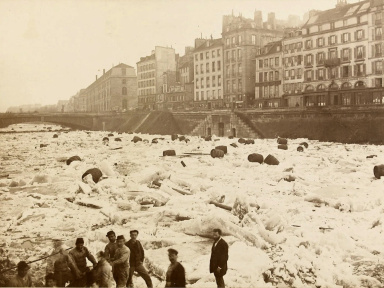
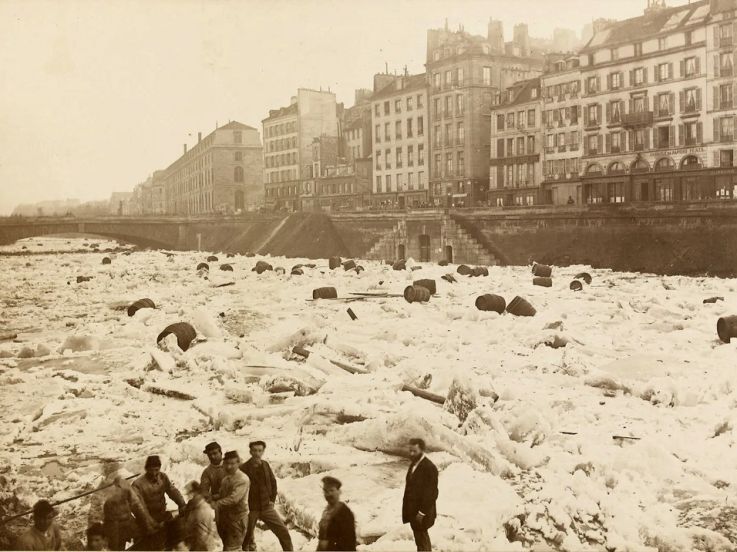
Paris : redécouvrez en images la dernière fois où la Seine a geléParis : redécouvrez en images la dernière fois où la Seine a geléParis : redécouvrez en images la dernière fois où la Seine a geléParis : redécouvrez en images la dernière fois où la Seine a gelé

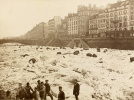
Did you know? In Paris, the Seine has frozen over before — the last time was back in 1956!

Nowadays, it's hard to imagine the river that flows through the capital completely frozen after days of freezing cold. Yet, the last time the Seine was ice-covered isn’t so long ago — it happened in 1956! Explore these historic images of the icy river.
Le saviez-vous ? Cette pyramide à Villejuif a permis de créer la première carte de FranceLe saviez-vous ? Cette pyramide à Villejuif a permis de créer la première carte de FranceLe saviez-vous ? Cette pyramide à Villejuif a permis de créer la première carte de FranceLe saviez-vous ? Cette pyramide à Villejuif a permis de créer la première carte de France

Did you know? This pyramid in Villejuif was instrumental in creating the very first map of France.

Did you know that a small leaning monument in Villejuif played a key role in defining France's measurements and inventing the meter? The enigmatic Cassini Pyramid, once a vital reference point for mapping the kingdom during Louis XV’s reign, is still visible today.
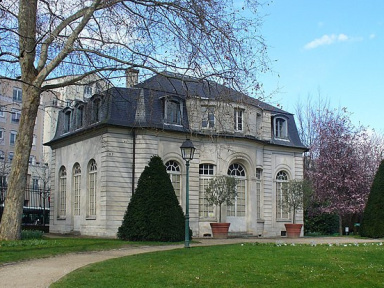
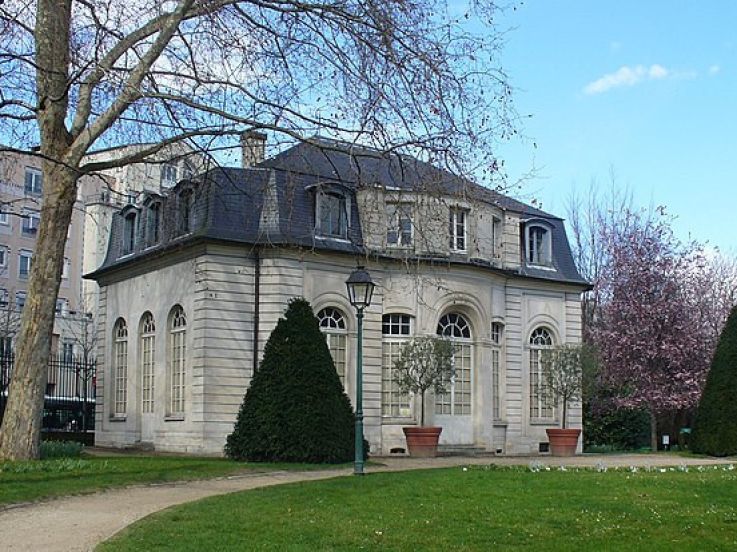
Pavillon de l'ErmitagePavillon de l'ErmitagePavillon de l'ErmitagePavillon de l'Ermitage

The Pavilion of the Hermitage, the last remnant of the Château de Bagnolet, is a must-see curiosity in the 20th arrondissement.

Through its gates, you can glimpse a genuine relic from the 18th century: the Pavilion of the Hermitage, the last remaining structure from the Château de Bagnolet still standing, and a true folly of its era.
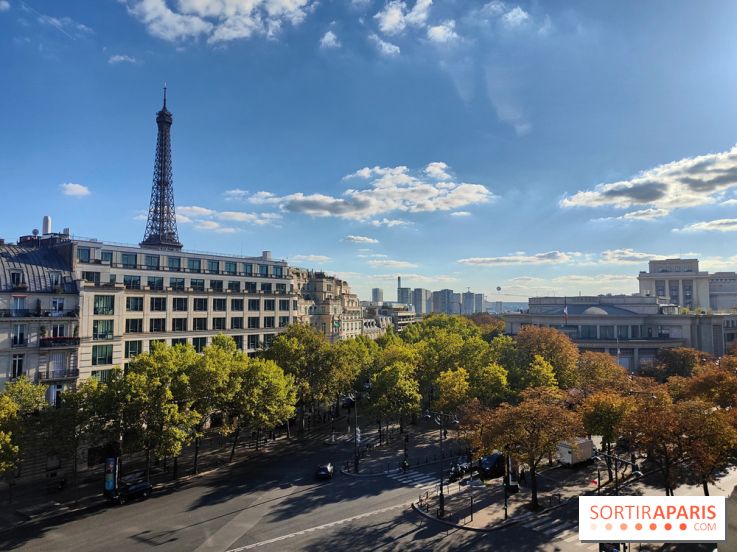
Visuel Paris 16e - Tour Eiffel automne IénaVisuel Paris 16e - Tour Eiffel automne IénaVisuel Paris 16e - Tour Eiffel automne IénaVisuel Paris 16e - Tour Eiffel automne Iéna

Did you know? Why does the city of Paris have a snail-shaped layout?

If you look at a map of Paris, you'll notice an intriguing spiral winding outward from the city center to the outskirts. Known as the "Parisian snail," this pattern is more than just a visual quirk. Beneath its artistic charm lies a subtle political and historical shift that transformed the daily lives of Parisians in 1860.
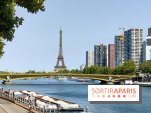
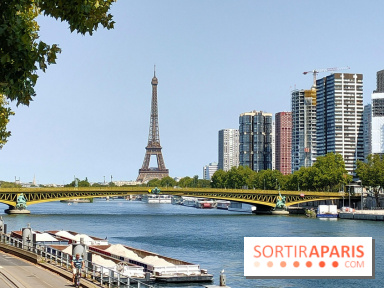
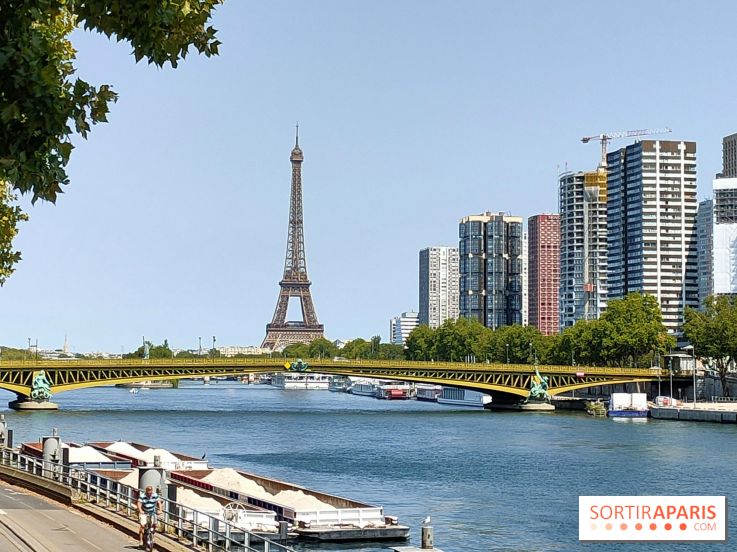
Visuels Paris - Pont MirabeauVisuels Paris - Pont MirabeauVisuels Paris - Pont MirabeauVisuels Paris - Pont Mirabeau

Left Bank or Right Bank: How to effortlessly remember which is which?

This is the classic dilemma faced by any Parisian stroller. While the Seine divides the city into two distinct banks, knowing exactly which side you're on after crossing a bridge isn't always straightforward. To avoid mixing up the Left Bank and the Right Bank forever, just remember an age-old rule as ancient as the river itself.
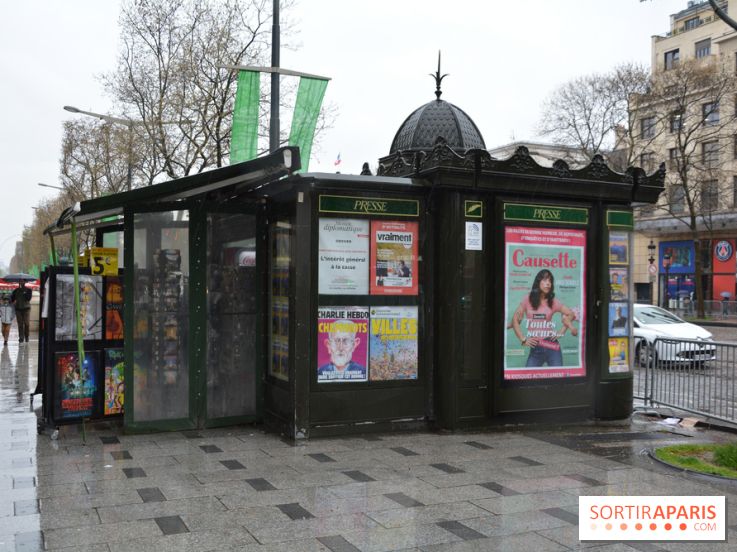
kiosque pariskiosque pariskiosque pariskiosque paris

The Little History of Parisian Street Furniture: The Newsstand, a Corner to Read the News Outdoors

It's a familiar silhouette, crowned with a scaled dome, that seems to watch over our news. The newsstand is much more than a simple point of sale: it’s a Parisian institution. Once adorned with ornate cast iron, and now reinvented, it remains the last stronghold of print in a digital world—a place where Parisians connect and gauge the pulse of the city.
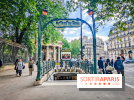
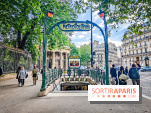
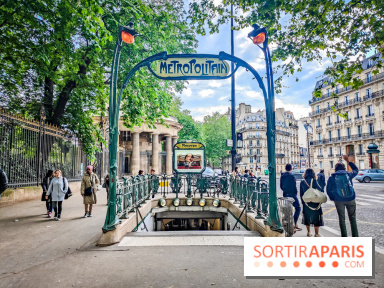
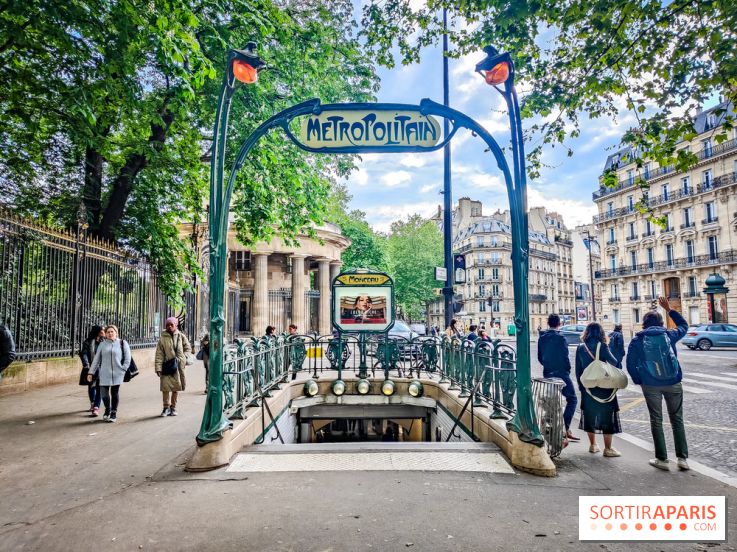
Visuels métro - ligne 2 MonceauVisuels métro - ligne 2 MonceauVisuels métro - ligne 2 MonceauVisuels métro - ligne 2 Monceau

The Little History of Parisian Design: The Guimard Entrance, an Art Nouveau Metro Icon

Like a forged iron vine bursting from the sidewalk, the entrance to the Paris Métro is an open-air work of art. Designed by Hector Guimard, it revolutionized the way we access the underground world. Delve into the history of these metro entrances, with their flowing, plant-like curves—silent witnesses to an era when industrial progress and poetic elegance went hand in hand.
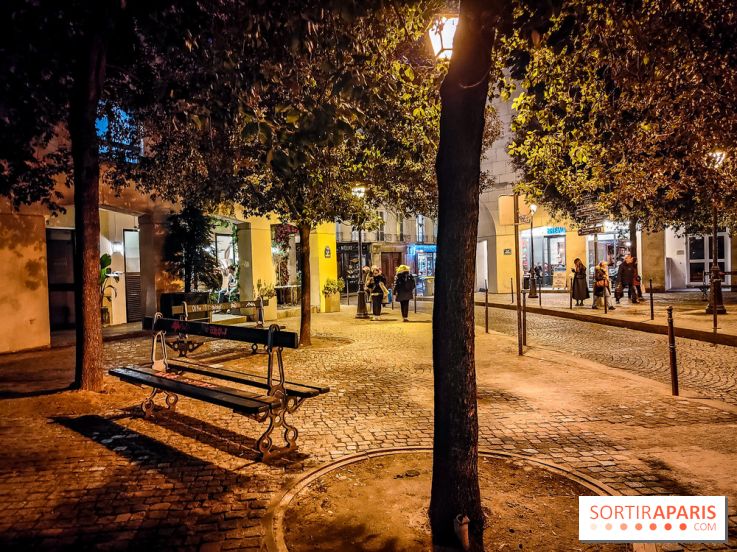
Visuels Paris - place de Thorigny nuit - bancVisuels Paris - place de Thorigny nuit - bancVisuels Paris - place de Thorigny nuit - bancVisuels Paris - place de Thorigny nuit - banc

The little story of Parisian furniture: the Davioud Bench, an invitation to stroll through Paris

You sit on it to rest or watch the world go by—the Davioud bench, with its polished wooden slats and ornate cast-iron legs, is the silent companion of our urban respites. Originally designed to turn Paris into a sprawling open-air living room, it has, over 150 years, become a universal emblem of leisure in the city.
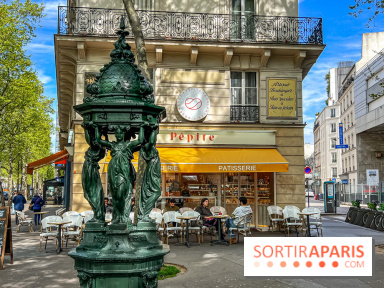
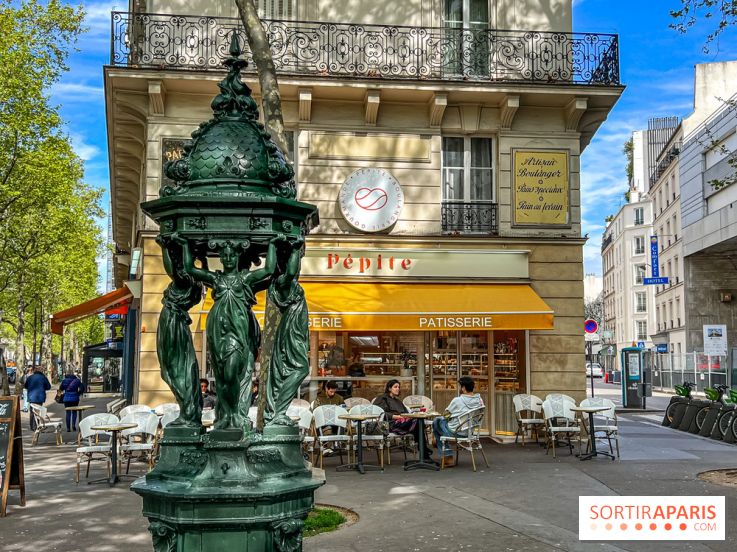
Visuel Paris 11e - fontaine wallaceVisuel Paris 11e - fontaine wallaceVisuel Paris 11e - fontaine wallaceVisuel Paris 11e - fontaine wallace

The little history of Parisian furniture: the Wallace Fountain, a gift that saved the city from thirst

Silhouette of a green cast-iron fountain, an iconic fixture of Parisian squares, the Wallace fountain is much more than a free water source. It stands as a monument to philanthropy and a masterpiece of sculpture, reminding us that in Paris, even drinking water is a moment of beauty. Discover the story of these guardians of thirst, serving life at street corners for over 150 years.
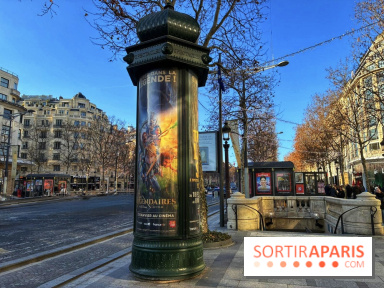
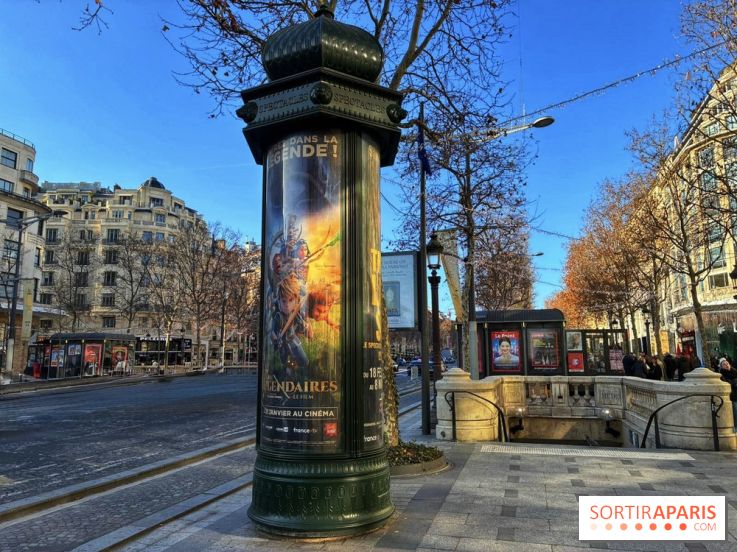
La Colonne MorrisLa Colonne MorrisLa Colonne MorrisLa Colonne Morris

The Little History of Parisian Furniture: The Morris Column, a Beautiful Showcase for Advertising in Paris

A familiar silhouette of the city landscape, the Morris column is much more than just an advertising pillar. A true beacon of cultural life, it has adorned the sidewalks of the capital with its deep green hue and vibrant posters since the 19th century. Let’s take a look back at the history of a piece of urban furniture that has outlived countless city transformations to remain a cherished link between Parisians and live entertainment.
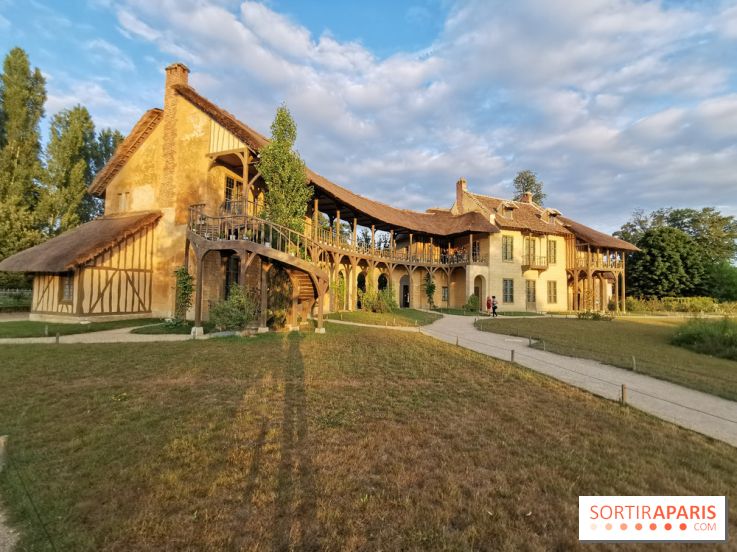
Le Domaine de Trianon et Hameau de la ReineLe Domaine de Trianon et Hameau de la ReineLe Domaine de Trianon et Hameau de la ReineLe Domaine de Trianon et Hameau de la Reine

Did you know? The Queen's Hamlet at Versailles was nearly lost to history, only to be saved by Napoleon I.

It’s one of Versailles’ most iconic backdrops. Built between 1783 and 1786 at the heart of the Petit Trianon, the Queen’s Hamlet appears as a quaint Norman village frozen in time. Yet behind its thatched roofs and vegetable gardens lie realities far removed from the fairy-tale image of the “occasional farmer” often associated with Marie-Antoinette.
Palais de l'Elysée ParisPalais de l'Elysée ParisPalais de l'Elysée ParisPalais de l'Elysée Paris

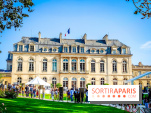
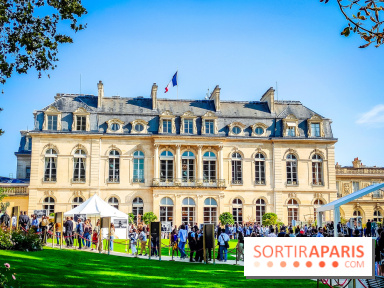
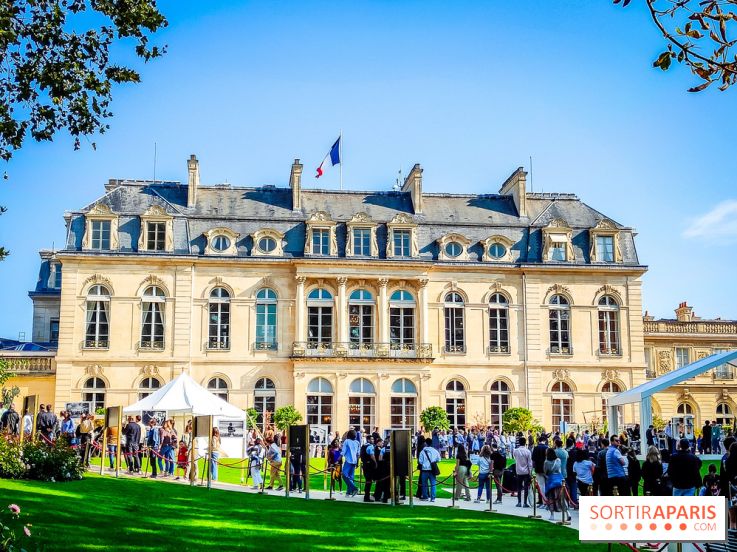
From the Hôtel d'Évreux to the Élysée Palace: Between Private Mansion and State Secrets

Before becoming the office of the President of the Republic, 55 Rue du Faubourg-Saint-Honoré was the dream project of a single man: Count d'Évreux. Built in 1718, this private mansion was then regarded as the most beautiful residence on the outskirts of Paris. Let’s take a look back at the history of a building that survived revolutions and went on to become the very heart of the State.
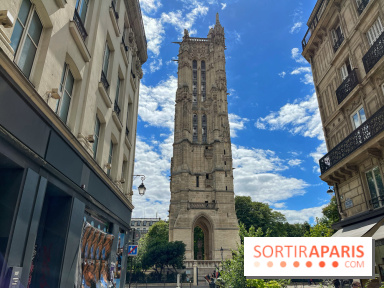
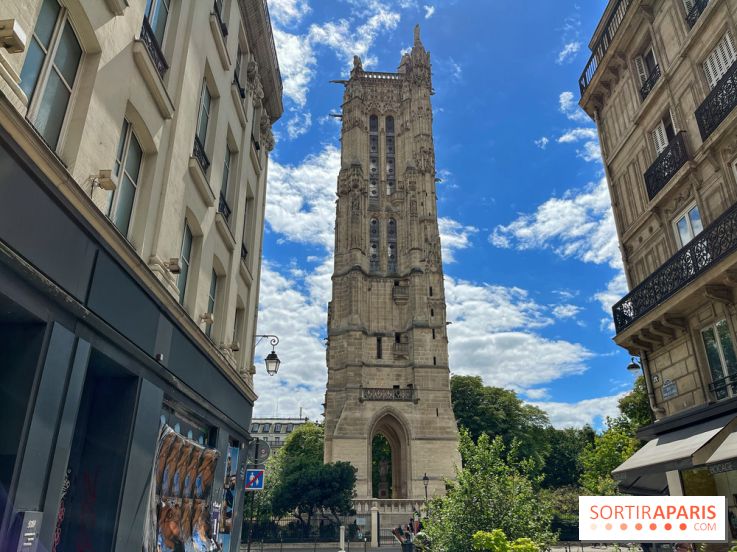
Vue Paris Tour Saint JacquesVue Paris Tour Saint JacquesVue Paris Tour Saint JacquesVue Paris Tour Saint Jacques

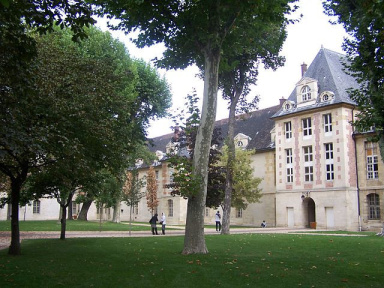
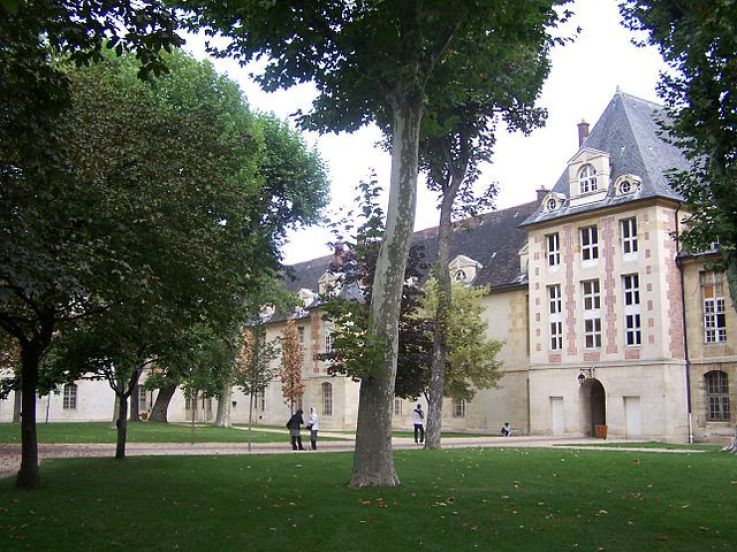
Connaissez-vous ce jardin caché, réplique de la Place des Vosges dans un hopital ?Connaissez-vous ce jardin caché, réplique de la Place des Vosges dans un hopital ?Connaissez-vous ce jardin caché, réplique de la Place des Vosges dans un hopital ?Connaissez-vous ce jardin caché, réplique de la Place des Vosges dans un hopital ?

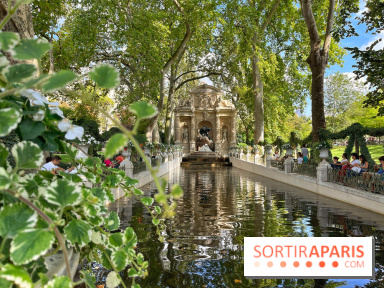
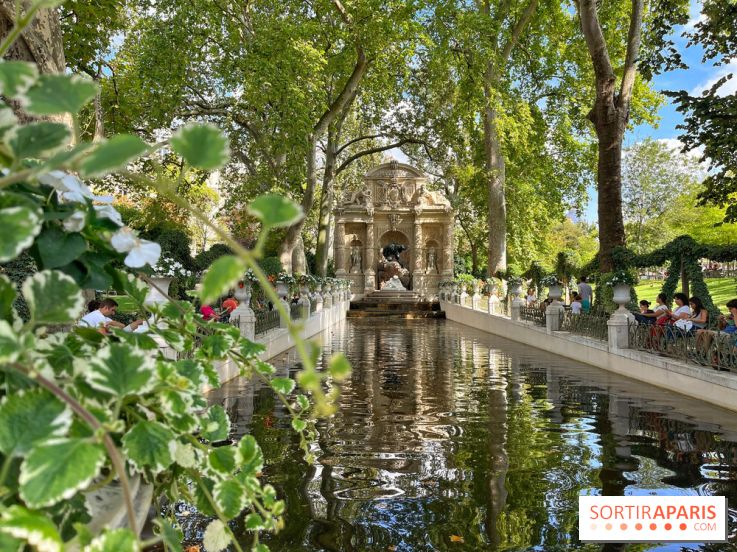
Visuel Fontaine MédicisVisuel Fontaine MédicisVisuel Fontaine MédicisVisuel Fontaine Médicis

6 anecdotes ésotériques et mystérieuses autour de monuments parisiens6 anecdotes ésotériques et mystérieuses autour de monuments parisiens6 anecdotes ésotériques et mystérieuses autour de monuments parisiens6 anecdotes ésotériques et mystérieuses autour de monuments parisiens

La Basilique Saint-Denis et sa nécropole royaleLa Basilique Saint-Denis et sa nécropole royaleLa Basilique Saint-Denis et sa nécropole royaleLa Basilique Saint-Denis et sa nécropole royale

What is contained within this mysterious jar with a sorrowful story, nestled deep in the crypt of Saint-Denis Basilica?

Did you know that a jar hidden in the crypt of Saint-Denis contains the dried heart of a child king? Amid thefts, DNA analyses, and centuries of mystery, explore the remarkable story behind the relic of Louis XVII.
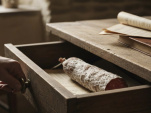
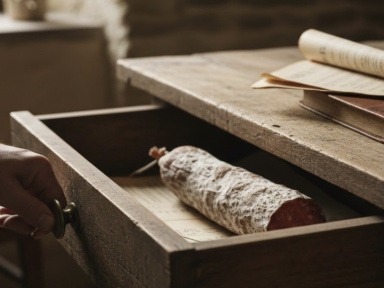
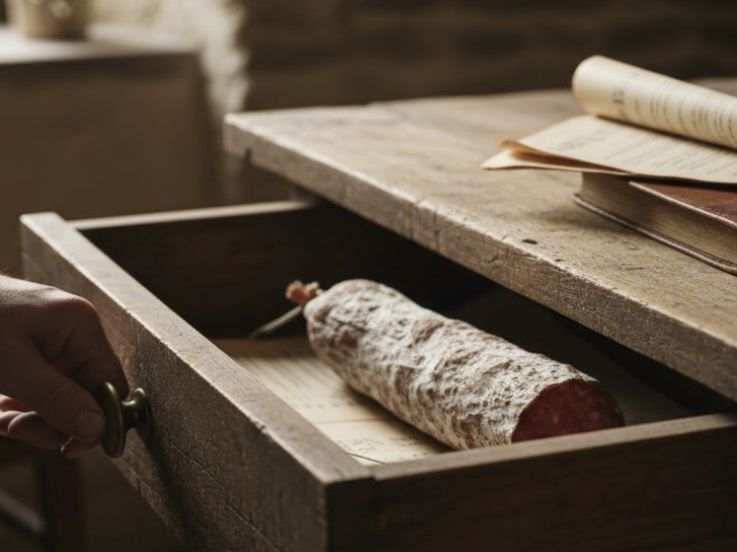
le saucisson de malrauxle saucisson de malrauxle saucisson de malrauxle saucisson de malraux

Why is there a hidden sausage tucked away in a drawer of a table at the Auberge Ravoux?

Behind the historic walls of the Auberge Ravoux lies a story just as rich and intriguing, though far less tragic than that of Van Gogh. Did you know that the renowned André Malraux, former Minister of Culture and a frequent visitor, left behind an unexpectedly playful mark on the place?