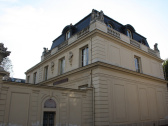
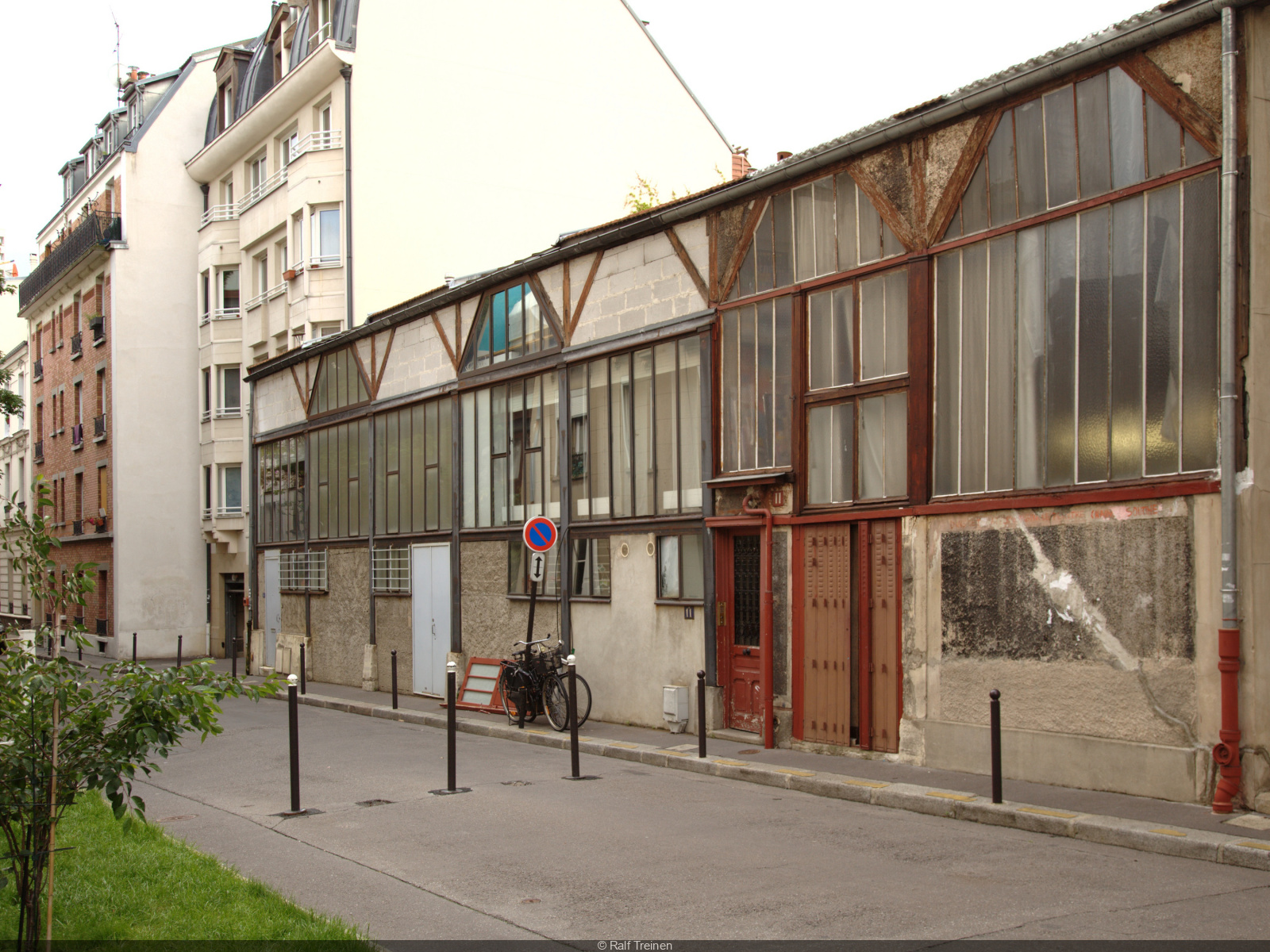
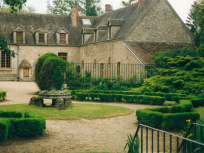
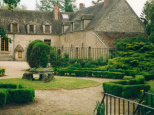
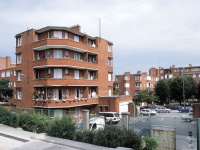
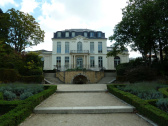
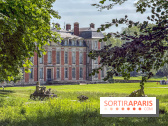
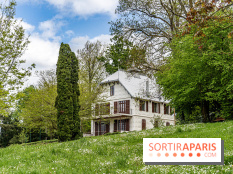
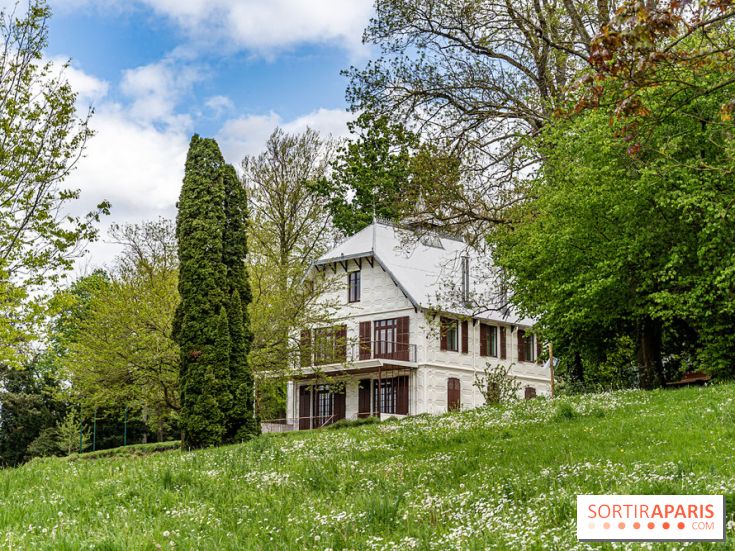
In the heart of Montparnasse, a key district for artists between 1910 and 1940, we discover the Cité Falguière. Initiated by sculptor Jules-Ernest Bouillot in 1861, this housing estate, mainly made up of studios, was home to such great names as Modigliani, Brancusi and Soutine. Unfortunately, urban development projects have resulted in the disappearance of a large part of the estate, leaving only ateliers n°9 and 11.
Treasures of the Cité Falguière:
Atelier 11 is not just a relic of the past, it's a vibrant testament to artistic heritage. For over six decades, the local community has fought to preserve this unique space. In 2022, their efforts finally bore fruit with the institutional support of the Fondation du Patrimoine, launching a project to preserve Atelier 11 as an international Arts and Research residence. However, the battle does not end there. The need for funding for interior renovations persists, keeping alive the hope that this studio will continue to inspire contemporary artists.
For the Journées du Patrimoine, these 19 and 20 September 2026, you’re invited to this unique discovery. Before Atelier 11 embarks on its next phase of restoration, come explore its living heritage, a testament to the resident artists, and dive into this 60-year saga for its preservation.
{Schools} Workshop 11: Revive, Resist, Reimagine
Workshop 11: revive, resist, reimagine
--------------------------------------------
Workshop 11 opens its doors for the European Heritage Days 2026, presenting a program that speaks to this year's theme, “Heritage in Peril.” This comes at a moment when questions about what heritage is, who it belongs to, and how it endures are more urgent than ever.
Tucked in the heart of the historic Cité Falguière in Montparnasse, Workshop 11 is one of the last 19th‑century artist studios still active in a neighborhood that once thrived on creative energy. Built in 1875 by artists for artists, it has weathered more than 150 years of uninterrupted creative life. From French sculptors like Joseph Bernard and Paul Gauguin to Paris School painters such as Modigliani, Soutine, Brancusi and Foujita, Workshop 11 continues to welcome generations of artists from around the world.
Today, it is both a living studio and a fragile monument. Officially listed as a regional heritage site in Île-de-France, Workshop 11 is currently launching a fundraising campaign for essential restoration, carried out in partnership with the Foundation for Heritage.
Friday, September 18, a day devoted to school groups, will feature a guided tour of Workshop 11, Cité Falguière, paired with a briefing on the history of the Cité Falguière, Workshop 11, and the artists who have worked there. The visit is recommended for children aged 10 and up.
September 18: School group visits by appointment rendez-vous
Workshop 11, Cité Falguière, 75015 Paris
### Preservation in action: safeguarding a living heritage
Participating in the 2026 European Heritage Days under the banner “Heritage in Peril” is no gesture for Workshop 11: it is itself a heritage under threat, facing risks to both its material fabric and its artistic lineage.
The Workshop 11 preservation plan sits at the crossroads of three core strands of this year’s theme: reviving a nearly vanished artistic lineage and the memory of the Paris School; resisting the loss of this site by spotlighting urban development and gentrification pressures; and reimagining how heritage continues through contemporary creation, including artist residencies and collaborative programs.
Workshop 11 is a place in transition, where heritage is continually built, transformed, and passed on. The European Heritage Days invite reflection on the fragile condition of cultural heritage in a changing world. Workshop 11 embodies these concerns, facing both the risk of physical degradation and the rupture of artistic transmission.
Through the Heritage Days, we invite visitors into this suspended space between past and future, preservation and transformation, disappearance and reinvention. By opening its doors, Workshop 11 joins the broader conversations sparked by this annual event: heritage is not only what we inherit, but what we choose to keep alive.
### Open Studio: converging views on heritage
During this Open Studio, Workshop 11 hosts resident artists Māhina Bennett and Matariki Bennett, whose work forges a powerful dialogue between heritage, memory, and the survivability of intangible knowledge systems across the world.
Māhina and Matariki Bennett are Māori women from Aotearoa (New Zealand). Matariki is a poet and writer; Māhina is a multimedia visual artist. Through their practice, they explore identity, gender, history, and the enduring impact of colonialism on Māori peoples in their homeland. Their work is rooted in whakapapa, a Māori concept of genealogy and relational knowledge that links people to their ancestors, land, and traditions.
At Workshop 11, their practice extends the theme of “heritage in peril” beyond Europe, inviting a global, postcolonial perspective. Through poetry, performance, and visual work, they explore cycles of life, mourning, rupture, and continuity. Their presentation probes a central question at the heart of Workshop 11: how do you hold onto what is at risk of being erased?
### Photography: memory as resistance
Alongside this immersion in a living studio, the 2026 edition also echoes the second theme of the European Heritage Days, “Heritage of Photography,” marking the bicentennial of photography’s invention.
Photography sits at the center of how heritage is perceived, remembered, and transmitted. At Workshop 11, this question is explored through the work of Croatian artist SofijaSilvia, a former resident, whose project Transmissions (2025) transformed the studio into a living photographic subject in its own right.
Through her lens, SofijaSilvia presents Workshop 11 not as a static monument but as a fragile organism, its walls bearing the marks of time and surfaces bearing the traces of generations of artists. Photography becomes a practice of care and preservation: a way to document what is slowly disappearing and to make visible what risks fading away. Her work traces the living memory of the studio through its textures, resisting loss by recording its current fragile state while fostering a transnational dialogue between Paris and other European and international memory sites.
Participation terms: By appointment only - Free | Booking required - program@lairarts.com
Hours: Friday, September 18, 2026 — 10:00–18:00
Workshop 11: Revitalize, Resist, Reimagine
Workshop 11: rekindling, resisting, reimagining
--------------------------------------------
Workshop 11 opens its doors for the European Heritage Days 2026, presenting a program that echoes this year’s theme, “Heritage in Danger,” at a moment when questions about heritage—what it is, who it belongs to, and how it survives—are more urgent than ever.
Nestled in the historic Cité Falguière in Montparnasse, Atelier 11 stands as one of the last remaining 19th-century artist studios still active in a neighborhood once throbbing with creativity. Built in 1875 by artists for artists, it has spanned more than 150 years of uninterrupted creative life. From French sculptors like Joseph Bernard and Paul Gauguin to Paris School figures such as Modigliani, Soutine, Brancusi, and Foujita, Atelier 11 continues to welcome generations of artists from around the world.
Today, it is both a living studio and a fragile monument. Officially recognized as a regional heritage site in Île-de-France, Atelier 11 is currently spearheading a fundraising drive for its restoration, a vital project conducted in partnership with the Fondation du Patrimoine.
September 19 & 20: 2–7 PM
Atelier 11, Cité Falguière, 75015 Paris
### Heritage in Action: safeguarding living memory
Taking part in the 2026 European Heritage Days under the banner “Heritage in Danger” is far from symbolic for Atelier 11: the studio itself is a heritage in peril, its tangible and intangible legacies under threat.
The atelier’s preservation project sits at the crossroads of three core facets of this year’s theme: rekindling a nearly vanished artistic lineage and the memory of the Paris School; resisting the disappearance of the site by highlighting the pressures of urban growth and gentrification; and reimagining how heritage persists through contemporary creation, with artists’ residencies and collaborative programs.
Atelier 11 is a place in transition, where heritage is continually built, transformed, and handed on. The European Heritage Days invite reflection on the fragile condition of cultural heritage in a changing world. Atelier 11 embodies these concerns as it faces the risk of losing not only its material integrity but also the continuity of its artistic transmission.
Through the Heritage Days, we invite visitors to step into this suspended space between past and future, preservation and transformation, disappearance and reinvention. By opening its doors, Atelier 11 joins the broader conversations sparked by this annual event: heritage is not only what we inherit, but what we choose to keep alive.
### Open Studio: cross-cutting views on heritage
For this Open Studio, Atelier 11 hosts resident artists Māhina Bennett and Matariki Bennett, whose practices forge a powerful dialogue between heritage, memory, and the survival of intangible knowledge systems across the world.
Māhina and Matariki Bennett are māori women from Aotearoa (New Zealand). Matariki is a poet and writer; Māhina is a multimedia visual artist. Through their work, they explore identity, gender, history, and the lasting impact of colonialism on Māori peoples in their homeland. Their practices are anchored in whakapapa, a Māori concept of genealogy and relational knowledge that ties people to ancestors, land, and tradition.
At Atelier 11, their work extends the theme of “heritage in danger” beyond Europe, inviting a global, postcolonial reflection. Through poetry, performance, and visual work, they explore life cycles, grieving, rupture, and continuity. Their presentation poses a fundamental question at the heart of Atelier 11: how to hold onto what risks being erased?
### Photography: memory as resistance
Alongside this immersion in a living studio, the 2026 edition also speaks to the other European Heritage Days theme, “Heritage of Photography,” marking the bicentennial of photography’s invention.
Photography lies at the center of how heritage is seen, remembered, and transmitted. At Atelier 11, this question is explored through the work of Croatian artist SofijaSilvia, a former resident, whose project Transmissions (2025) transformed the building into a photographic subject in its own right.
Through her lens, SofijaSilvia reveals Atelier 11 not as a static monument but as a fragile organism—its walls weathered by time, its surfaces bearing the traces of generations of artists. Photography becomes an act of care and preservation: a way to document what is slowly vanishing and to render visible what risks erasure.
Her work documents the atelier’s living memory through its textures, resisting loss by recording its current, fragile state, while enabling a transnational dialogue between Paris and other European and international memory sites.
Participation requirements: Free | No booking required
Schedule: Saturday, September 19, 2026 – 2:00 PM ⤏ 7:00 PM | Sunday, September 20, 2026 – 2:00 PM ⤏ 7:00 PM
An experience not to be missed, a heritage to be celebrated and a history to be continued. Embark on this journey to the heart of Parisian art, a good deal we're proud to share with you.
This page may contain AI-assisted elements, more information here.
Dates and Opening Time
From September 19, 2026 to September 20, 2026
Location
Cité Falguière
Cité Falguière
75015 Paris 15
Route planner
Prices
Free
Recommended age
For all