November 13, 2026 is a Friday the 13th. This calendar alignment has sparked mixed reactions: some see it as a good omen, others as a bad sign. The fear of this date even has a name—the paraskevidekatriaphobia. But its reputation is rooted in popular superstition, with explanations piling up over time.
A commonly cited explanation links Friday—the day of Christ's Passion in Christian tradition—with the number of diners at the Last Supper: Jesus and his twelve apostles, thirteen in all. Judas is counted among the twelve. This cultural association, however, is not by itself enough to pinpoint the origin of a single superstition.
In an interview picked up by France Inter, Marie-Charlotte Delmas, a specialist in popular beliefs, separates the traditions tied to Friday from those linked to the number thirteen. She traces their more systematic pairing to the 19th century. So we must distinguish old references to a belief from how the form we know today has spread.
Why does this date keep drawing attention? Research on beliefs invites us to move beyond a simplistic dichotomy between people who are superstitious and those who are not. In an interview published by UQAM, researcher Nicolas Boissière highlights the complex and evolving nature of belief. The same symbol can be taken seriously, dismissed, or simply repurposed as a game.
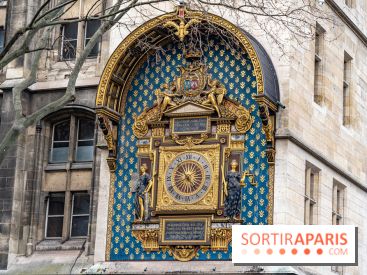
In Paris, that date can also mark the start of a heritage trip: explore the mysterious places to visit and Parisian beliefs and legends. The stories told about the monuments belong to folklore; they offer no guarantee of luck or misfortune.
This page may contain AI-assisted elements, more information here.