Taking public transport has become a habit for many Parisians. And few ask where the trains are assembled and how the equipment is tested. And yet, testing is essential to ensure the reliability of the metro and the safety of future passengers. When tests are not conclusive, a line's commissioning is postponed. This is precisely what happened with line 15 Sud, following a problem detected during " phase 3.2 ", explained Nicolas Patin, Executive Director of Transport Systems and Operations at Société des grands projets, during a press visit organized on April 16, 2025.
In concrete terms, these test phases can be broken down into four main stages, starting with factory testing. This is followed by systems testing. The aim? To ensure that each piece of equipment communicates correctly with its IT system. This is followed by " integration " testing, to check that all the equipment works well together. Last stage? Validation tests, which involve integrating more and more trains into the network in order to"simulate operation".
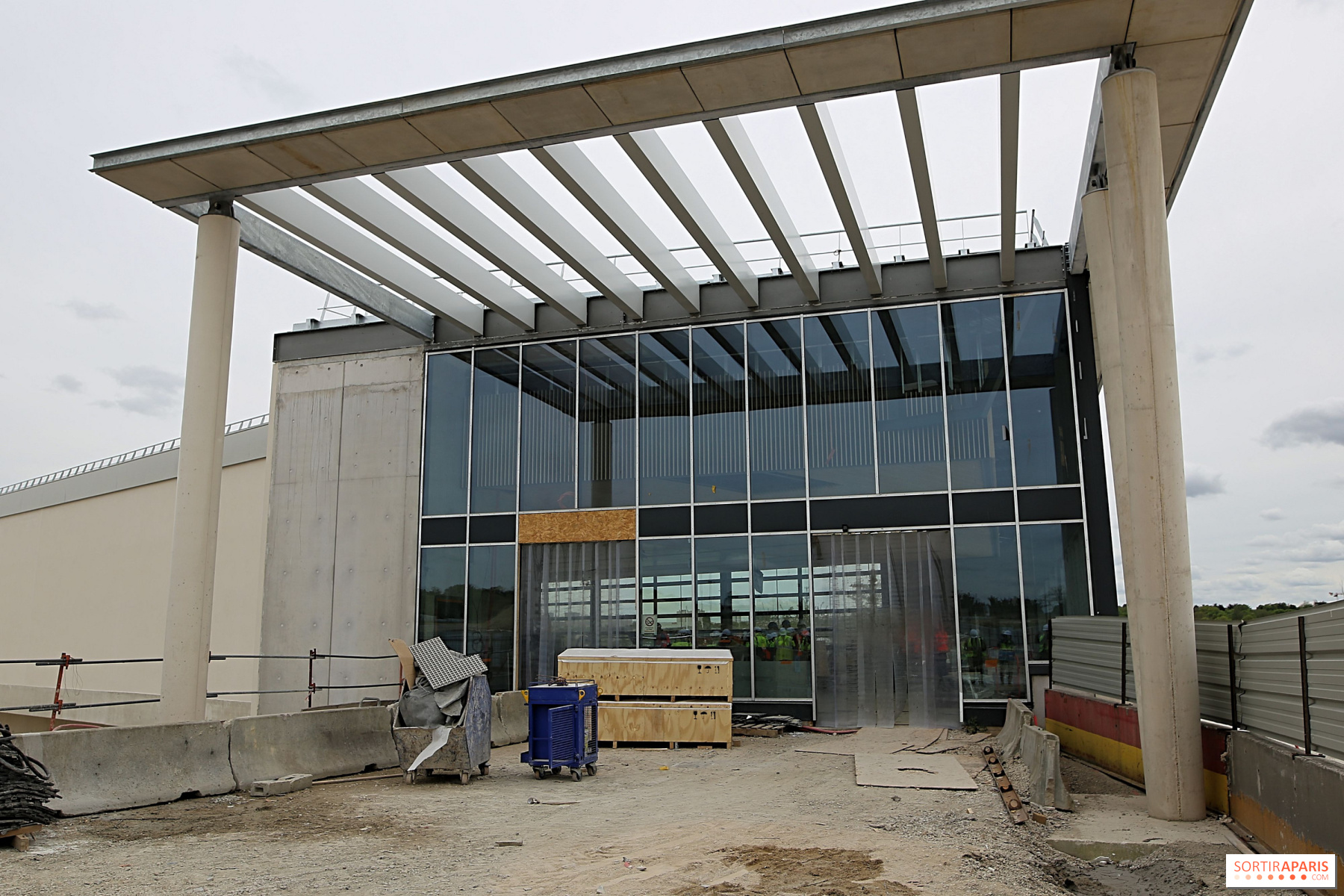
Today, " integration " tests are being carried out on line 15 Sud. At 33 km long (like metro line 1), line 15 Sud will pass through 22 communes in the Paris region and serve 16 stations. On Wednesday April 16, 2025, along with other media, we were invited to discover the Champigny operations center and the construction site of one of these future stations, Villiers-Champigny-Bry (formerly Bry-Villiers-Champigny), nicknamed the"pilot fish" station. This is the first station to be tested and operated from the control room. Once all the tests have been completed and validated, the model will be extended to all stations on line 15. We tell you all about it.
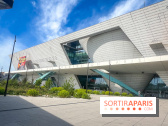
The penultimate station before the future terminus of line 15 Sud (Noisy-Champs), the 6,557m² Villiers-Champigny-Bry station is located at the intersection of the Val-de-Marne municipalities of Champigny-sur-Marne, Villiers-sur-Marne and Bry-sur-Marne. With 55,000 passengers expected per day, this station will be directly connected to the future RER line E station.
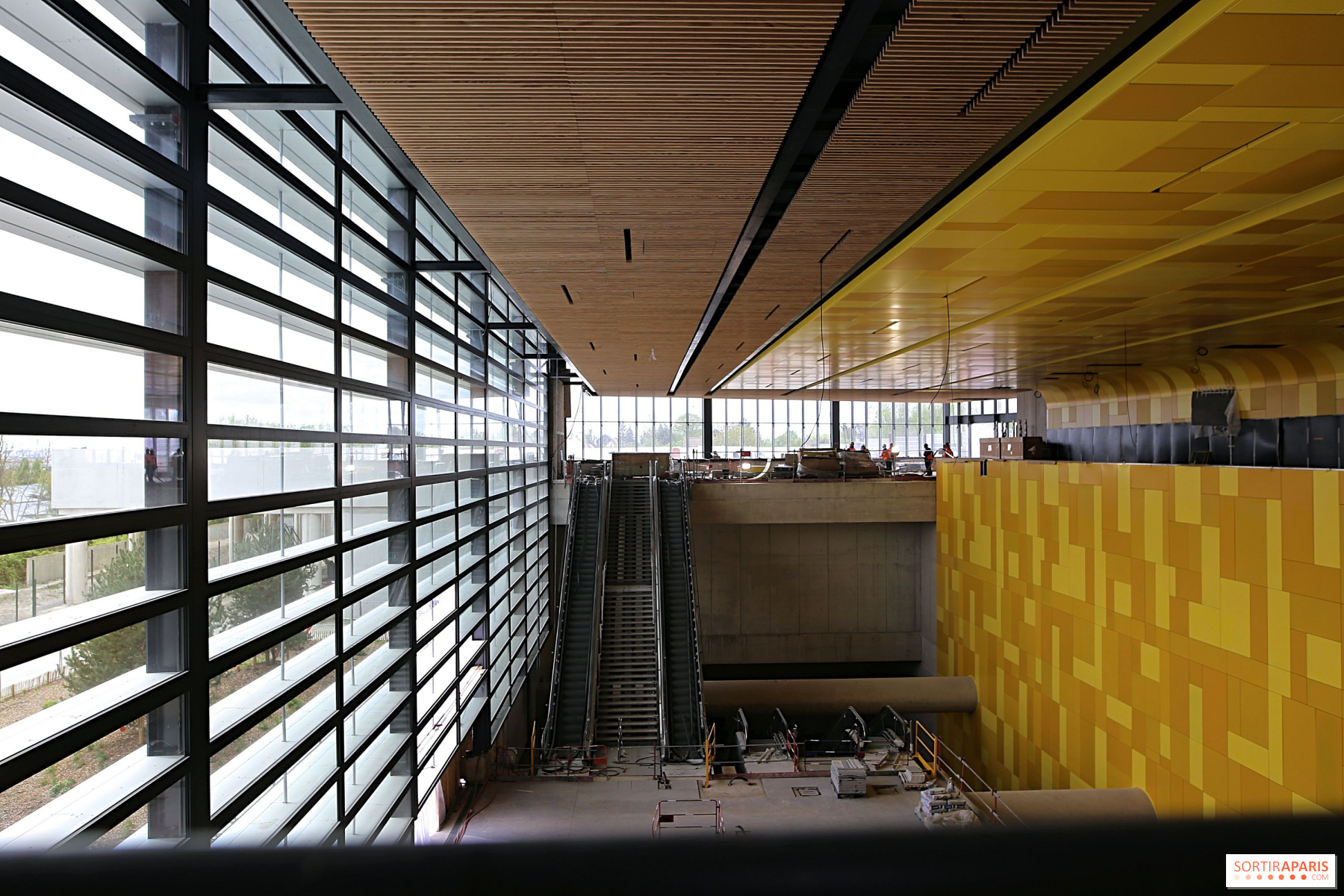
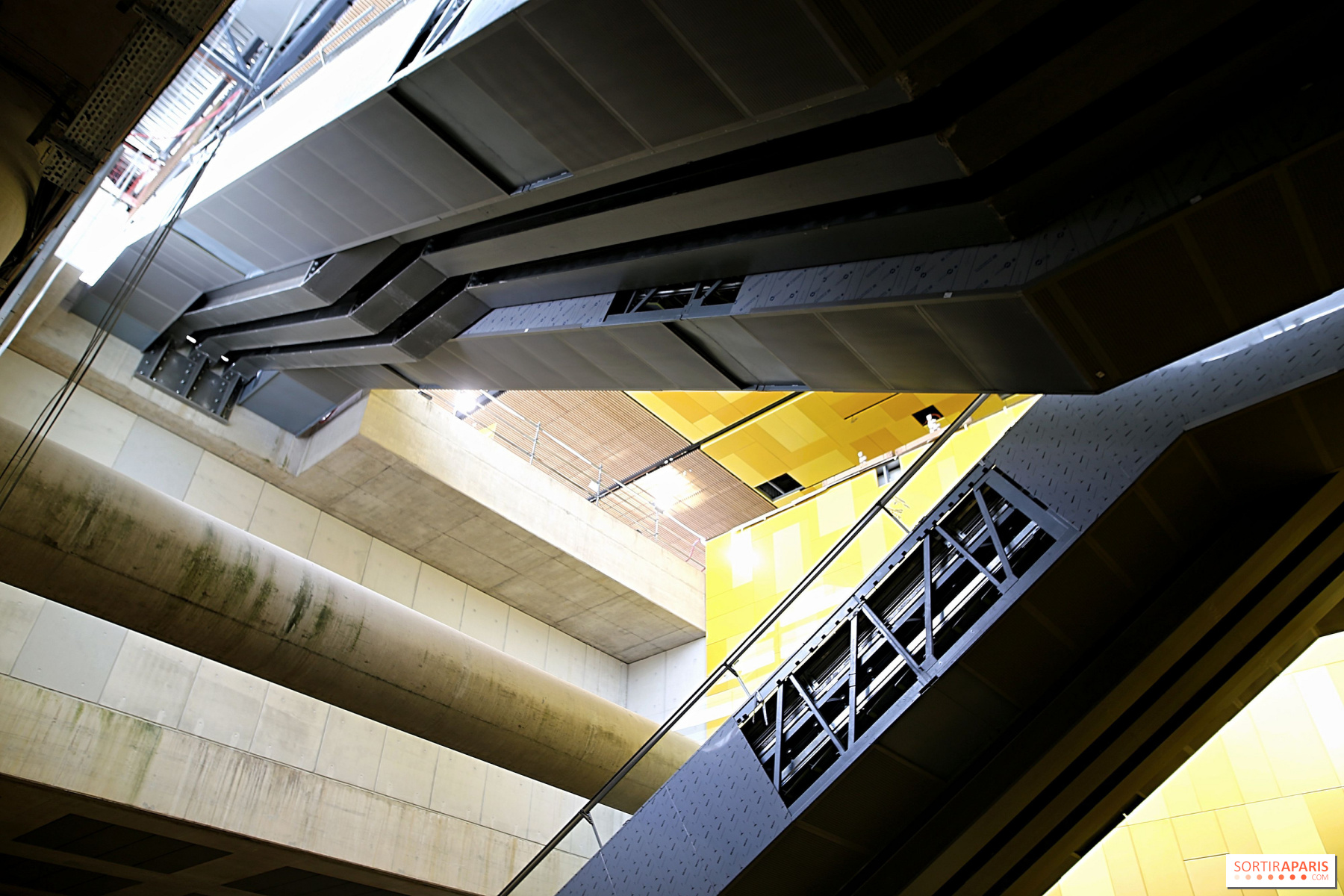
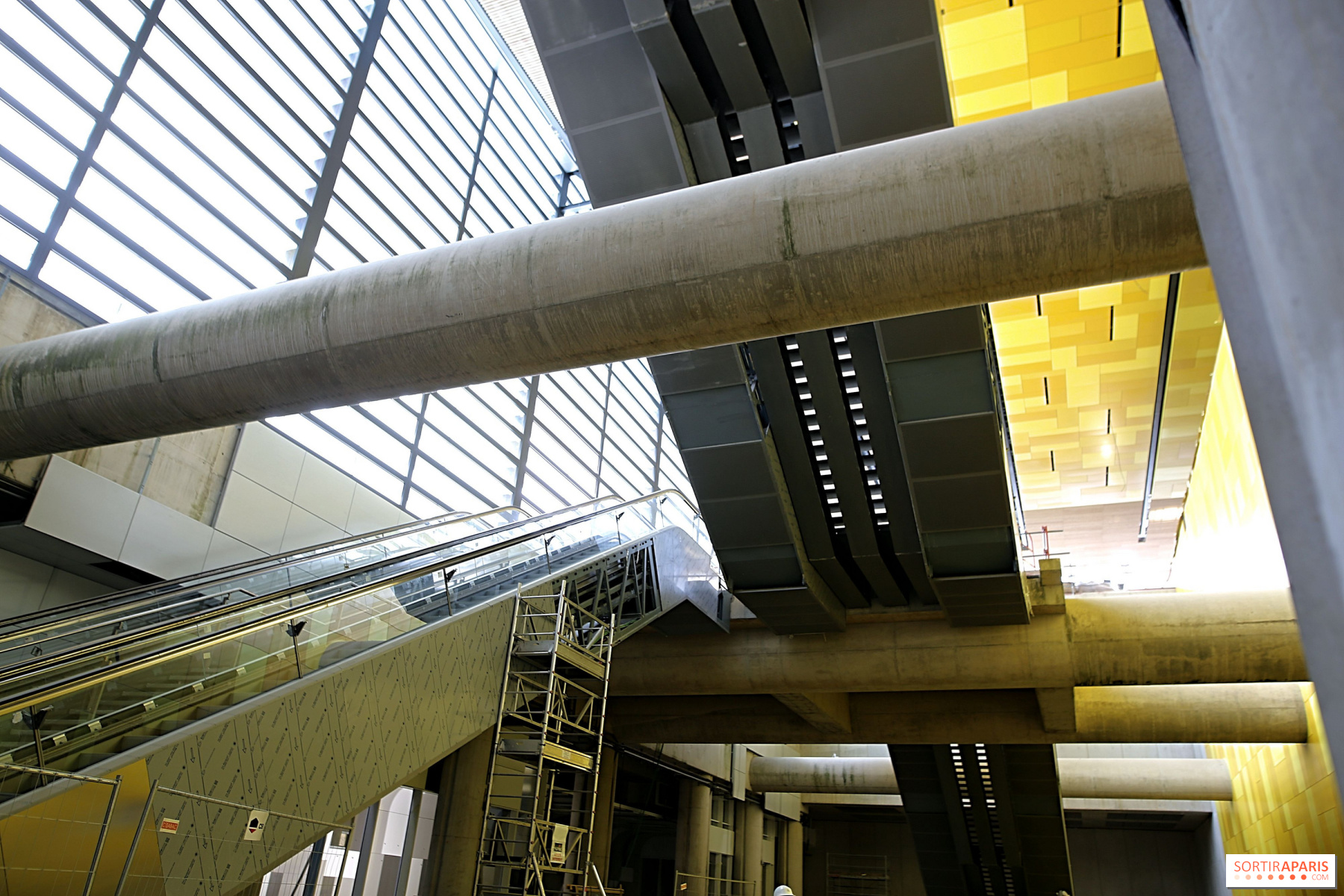
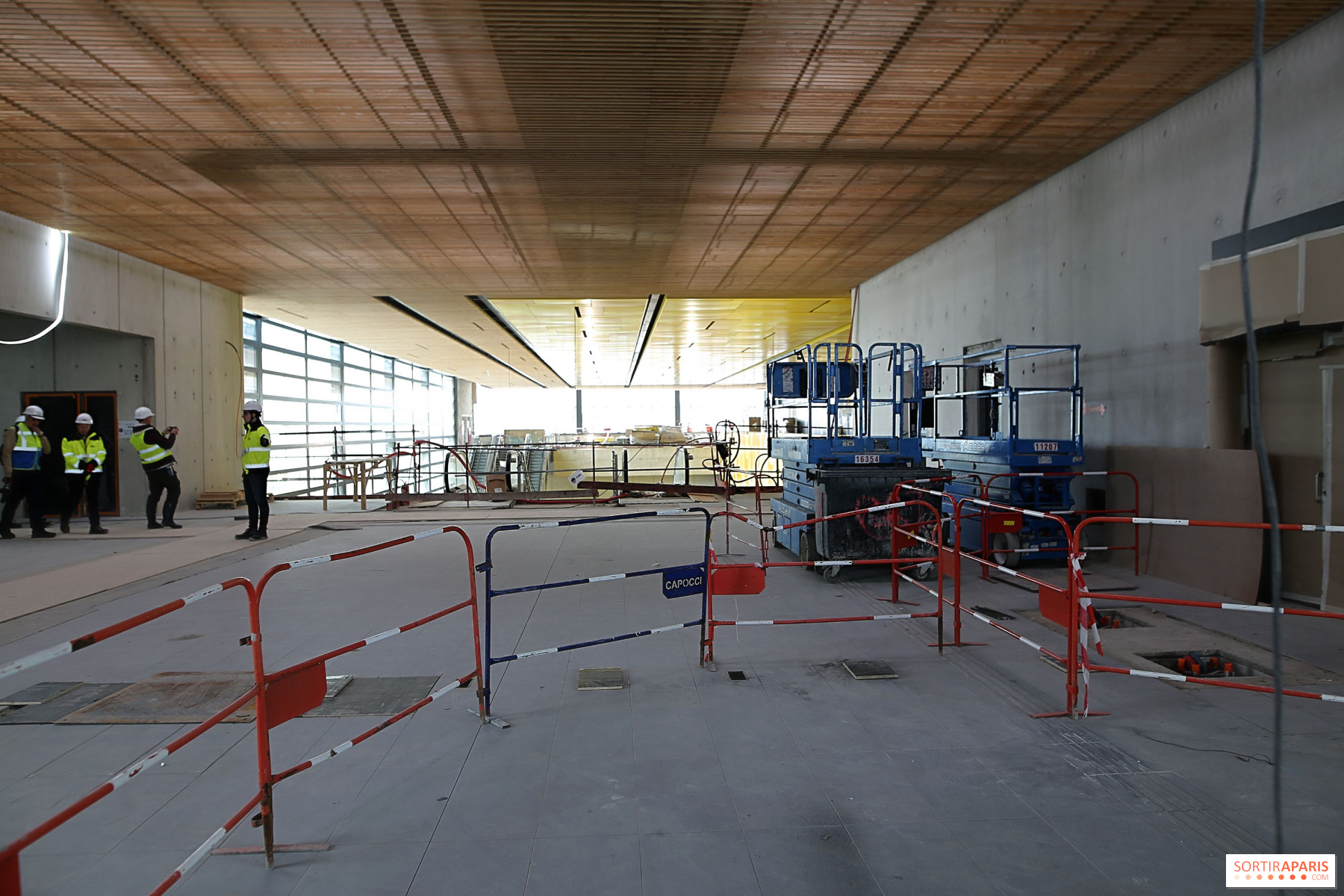
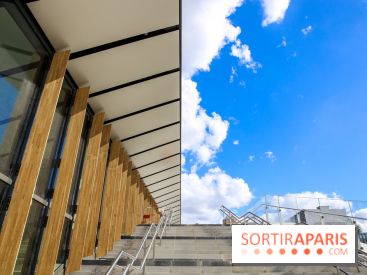
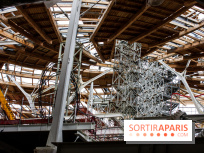
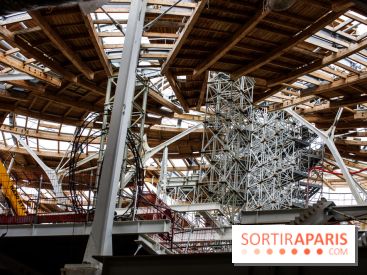
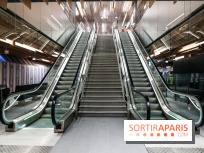
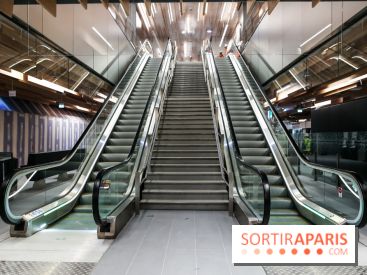
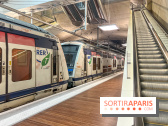
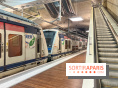
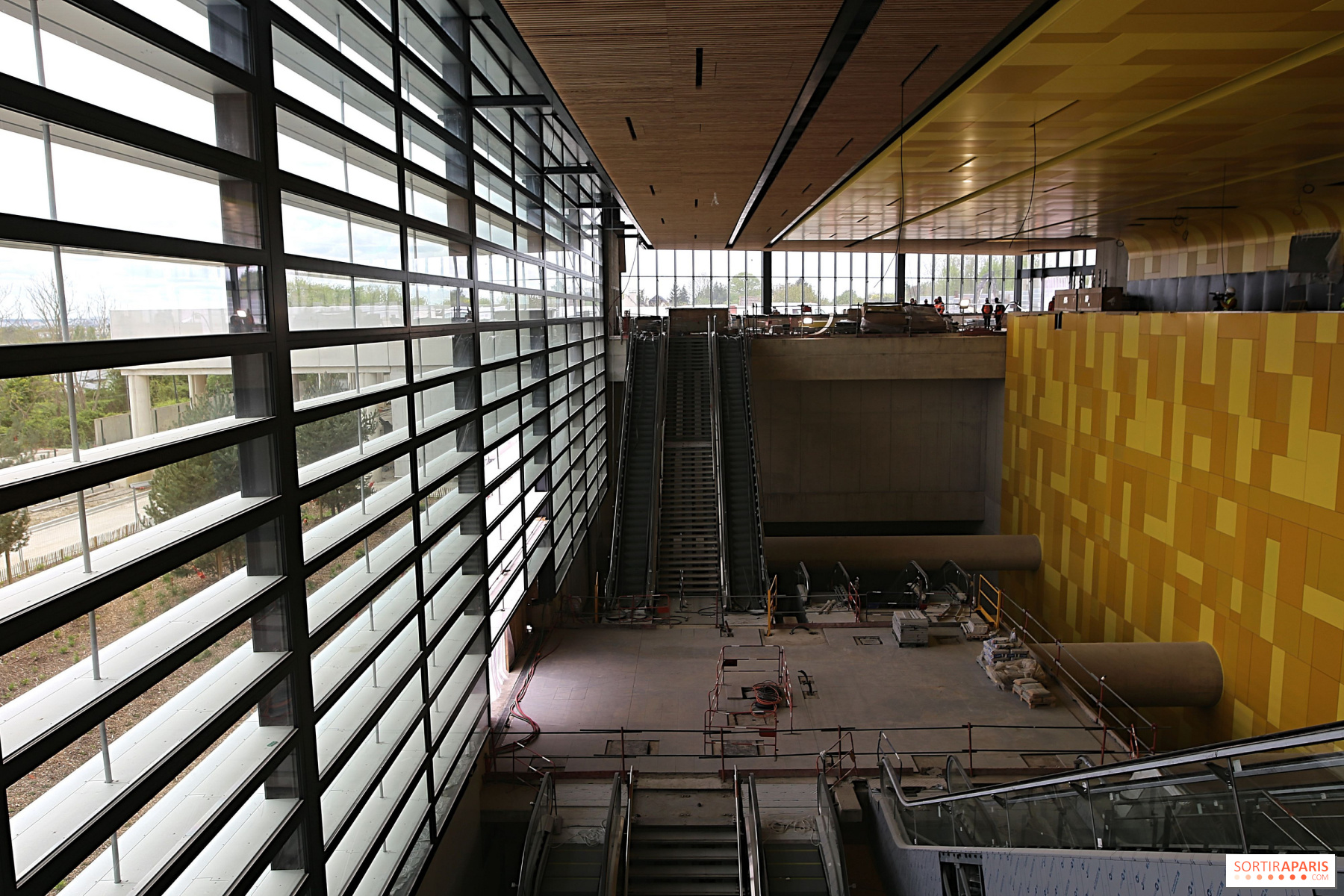
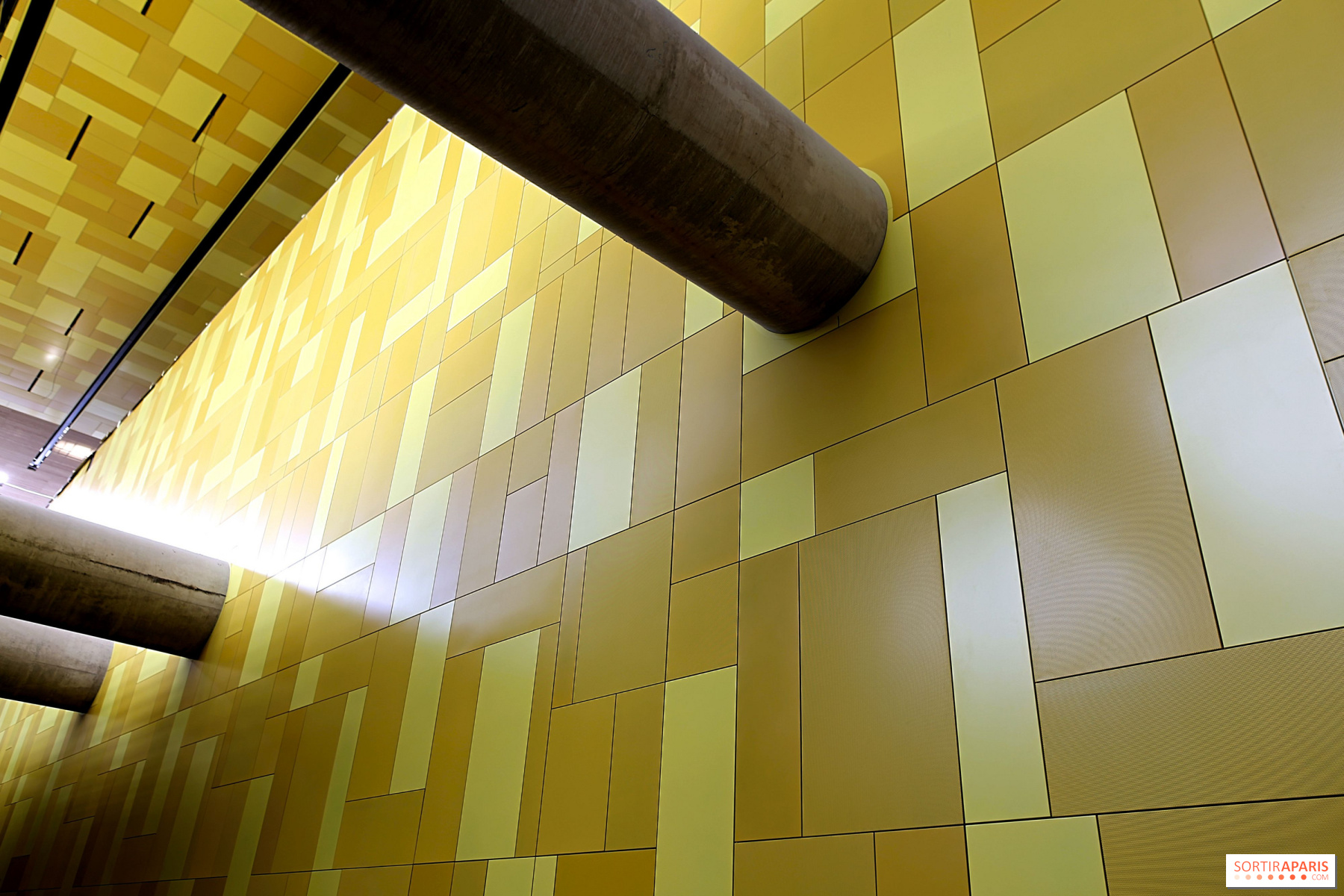
In the meantime, exterior and interior work is still in progress at Villiers-Champigny-Bry station. The escalators have been installed, but are not yet in operation. The ceiling and metal and wooden walls have also been installed, giving a glimpse of what the architecture of the new station, designed by the Richez & Associés agency, will look like.
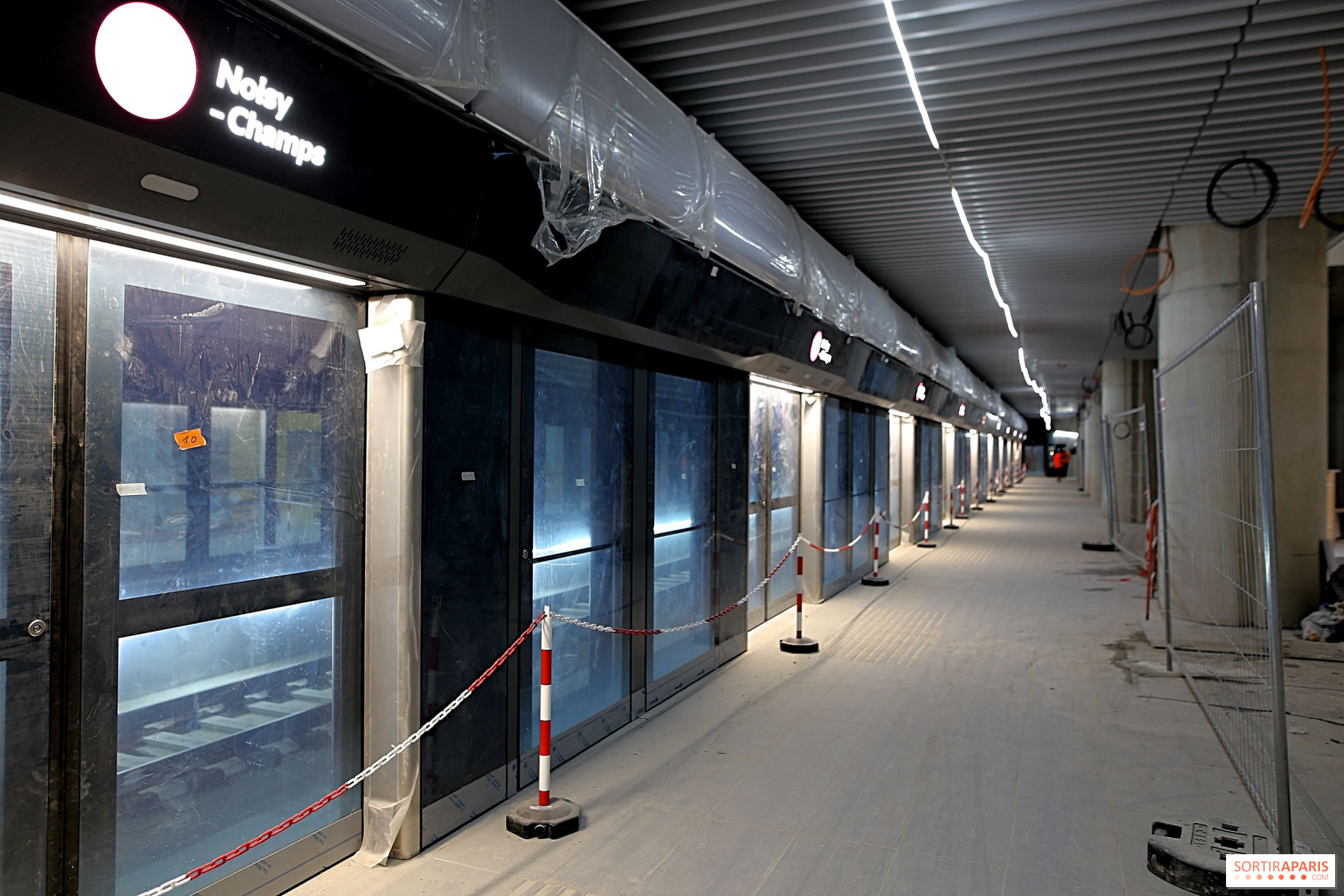
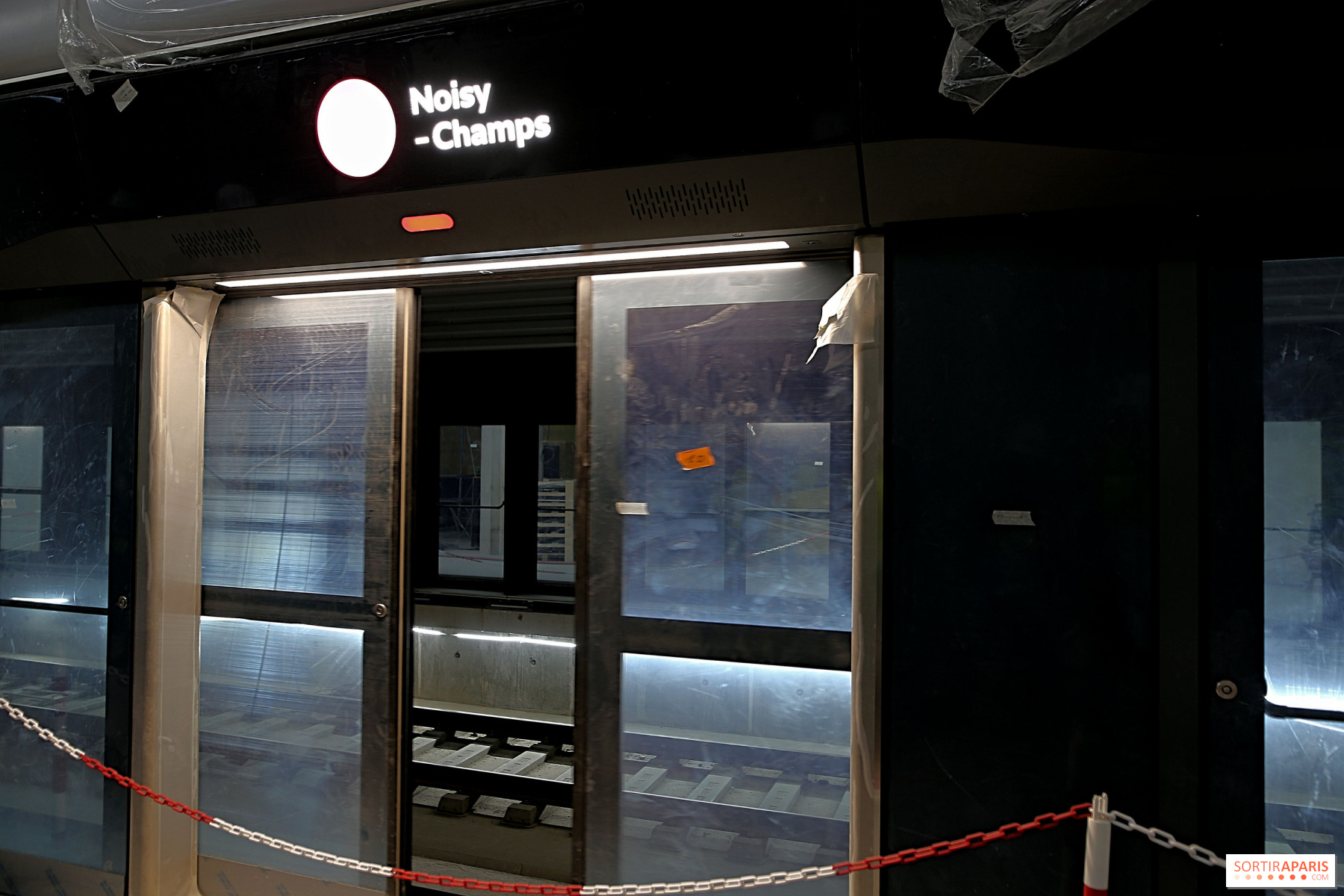
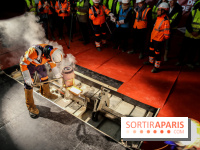
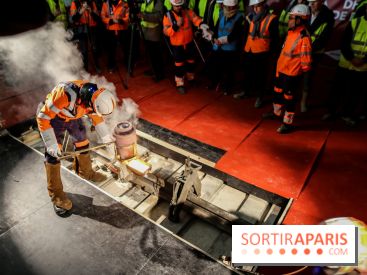
At the same time, tests are currently being carried out in the station, and will continue until the famous " dry run ", the final stage before the train is put into service. These tests concern equipment, rolling stock and automatic controls. During our visit, we join the 23-meter-deep platforms to witness the testing of the platform fronts, the famous automatic platform doors. The aim? To ensure that the doors reopen properly in the event of a trapped passenger's leg or foot. This test will be carried out almost a thousand times!
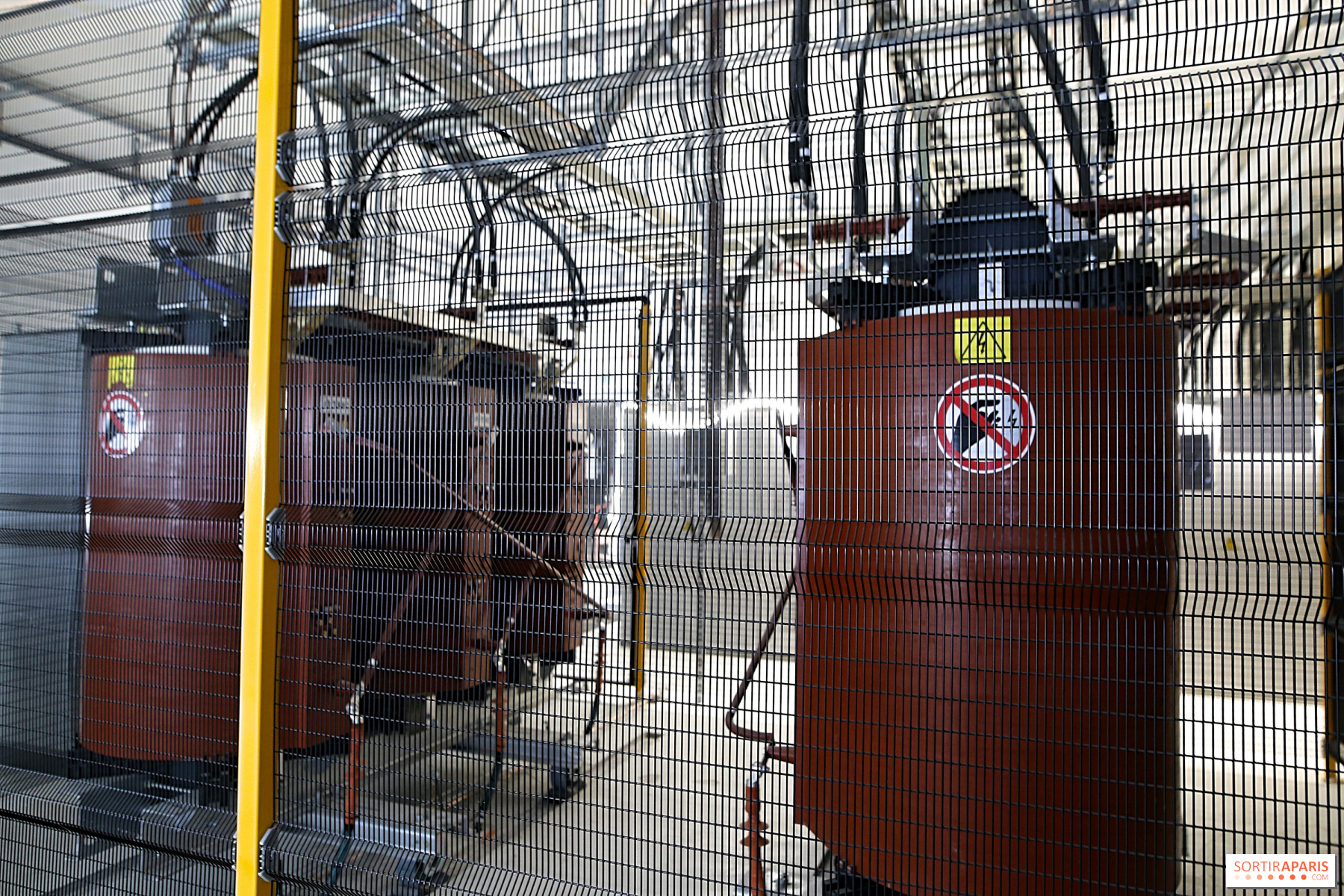
We then headed for a technical room to talk about the station's power supply tests. These will enable the station's final power supply to be deployed imminently, and the station's equipment to be tested. This afternoon, we're also testing the elevators. No problem there, we're not stuck.
We then head for the Champigny operating center. Less than a 10-minute walk away, this 30,000m² site is considered one of the largest operating centers for the Grand Paris Express, and indeed in France.
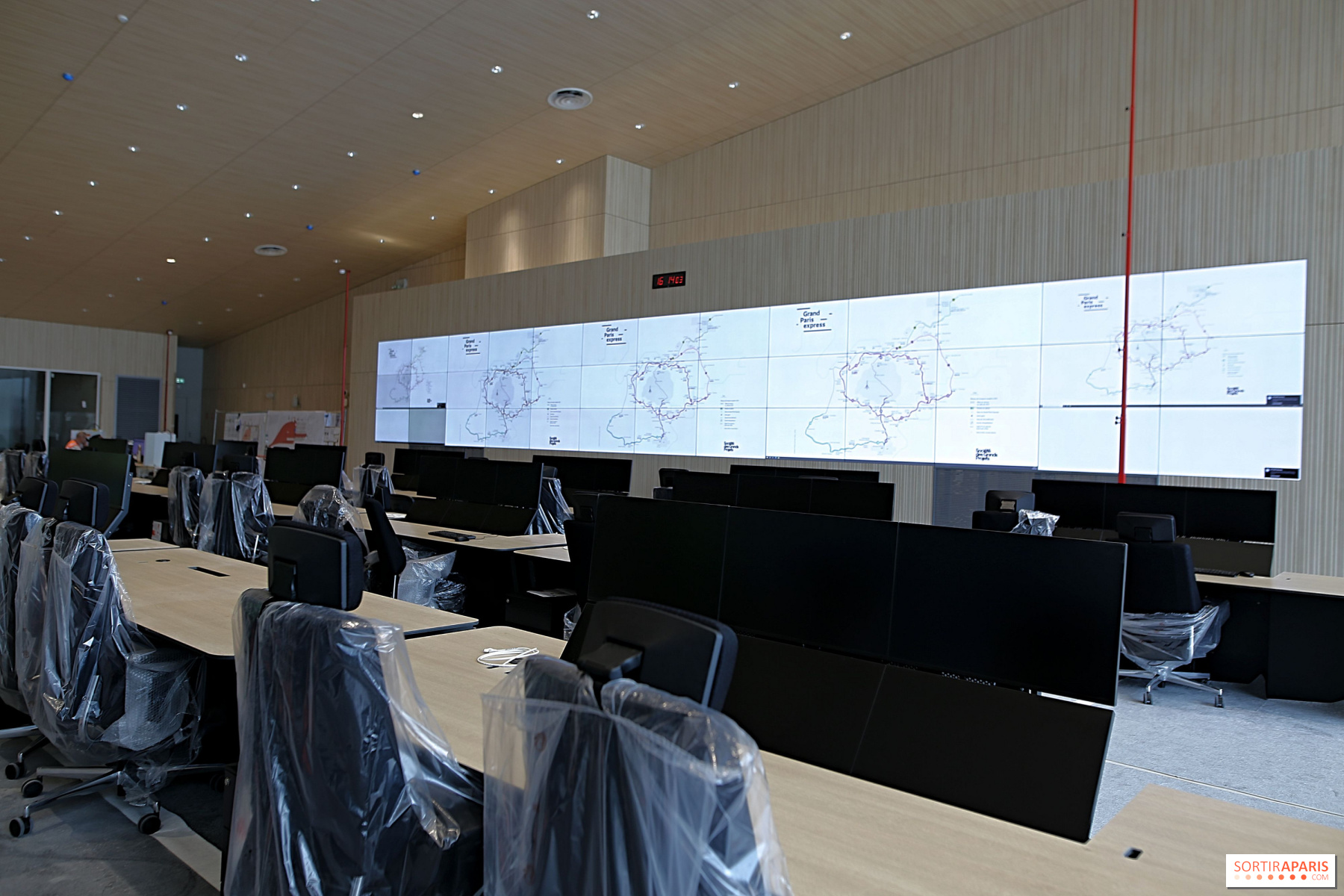
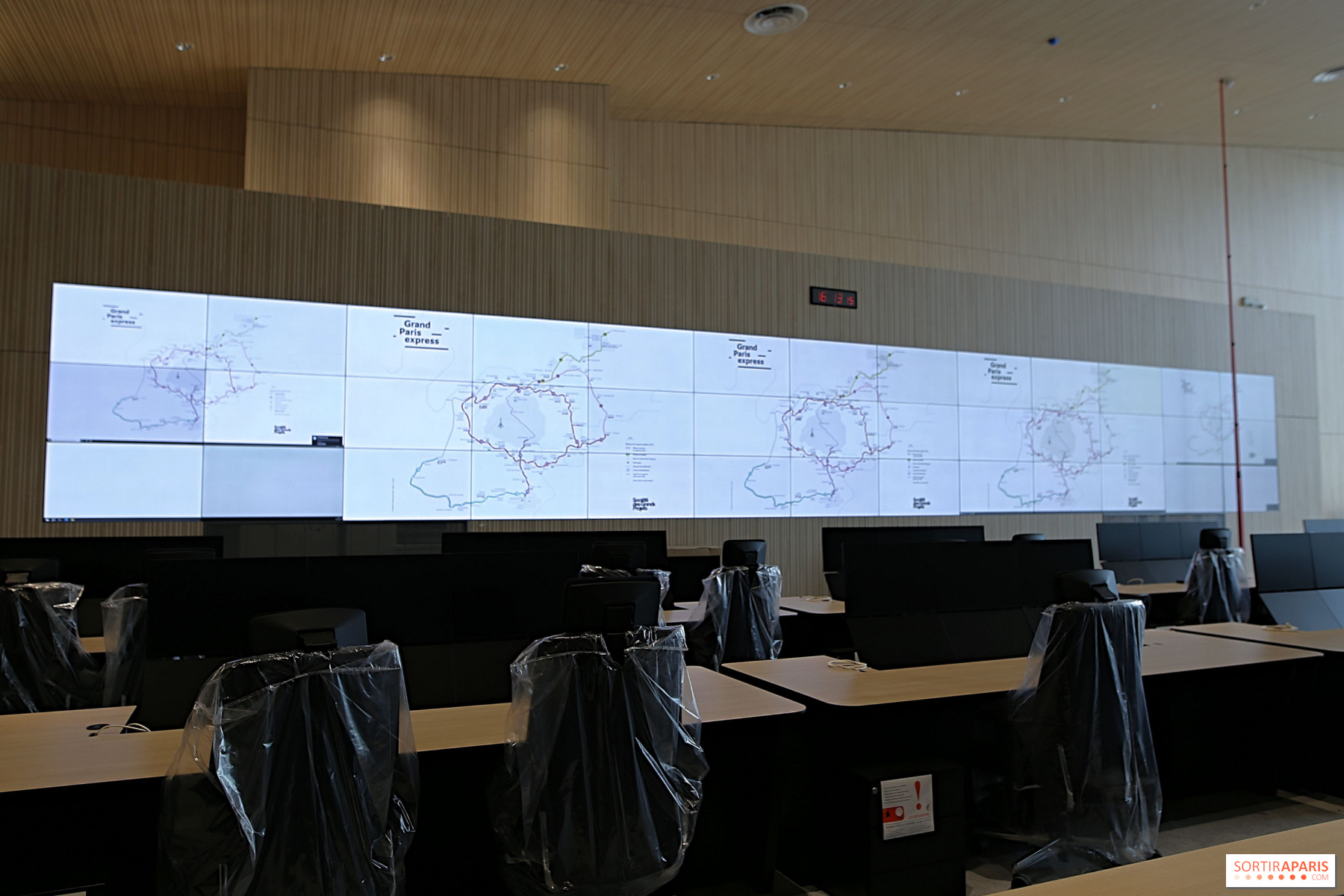
Described as a " strategic location for line 15 ", it houses the Central Command Post (PCC), which centralizes all information relating to the operation of the lines, stations and the running of 100% automatic trains. " This fully centralized control of the line and stations on a single site is a unique feature of the Grand Paris Express," explains Bernard Cathelain, member of the Board of Directors of Société des grands projets.
As Nicolas Patin explains, line 15 comes under the Champigny Operations Centre. Future lines 16 and 17, on the other hand, are linked to the Aulnay Operations Center. As for line 18, it is connected to the Palaiseau Operations Centre.
On April 16, we discover this PPC and its imposing picture wall showing an overall view of the line. Two employees are hard at work, supervising the tests.
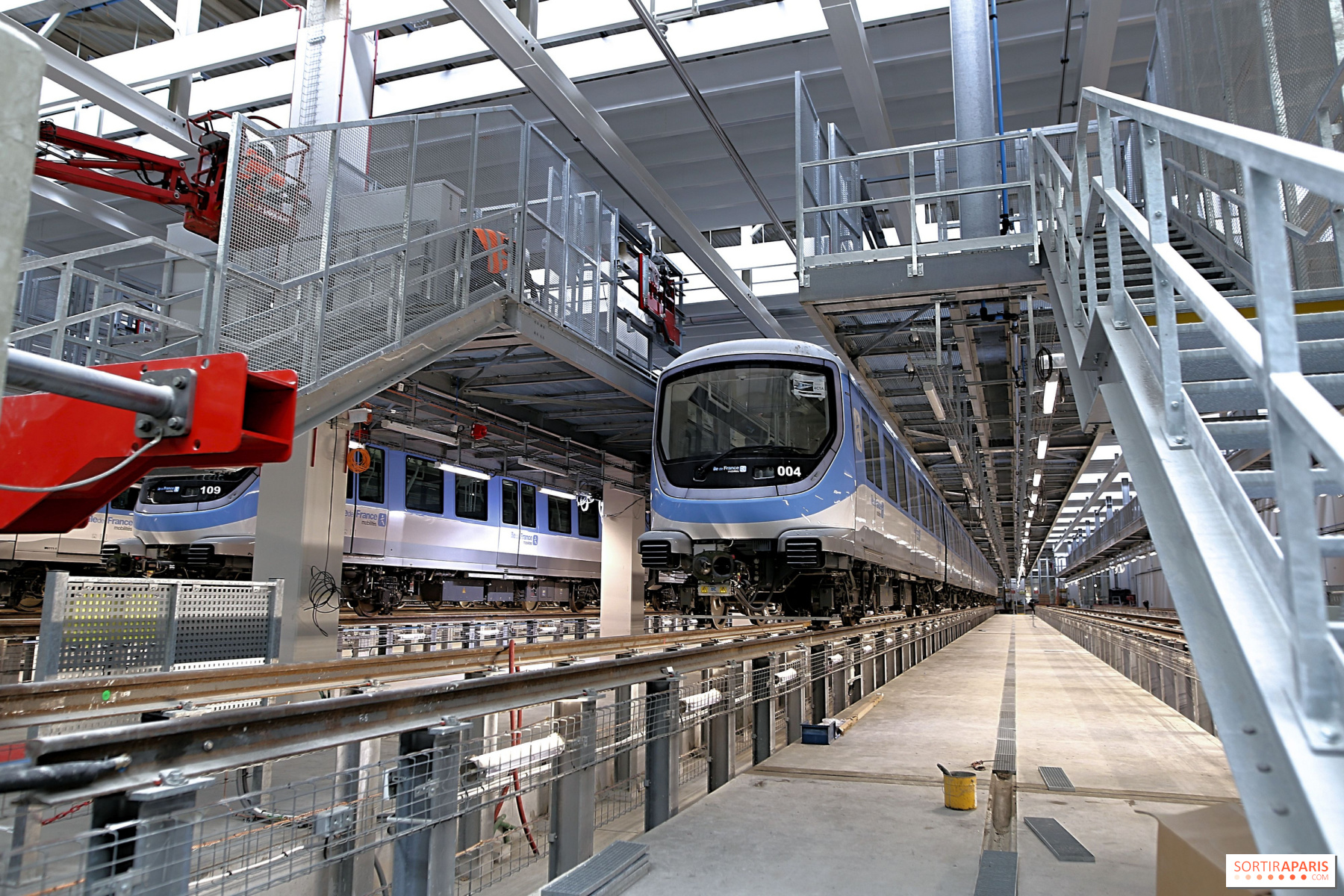
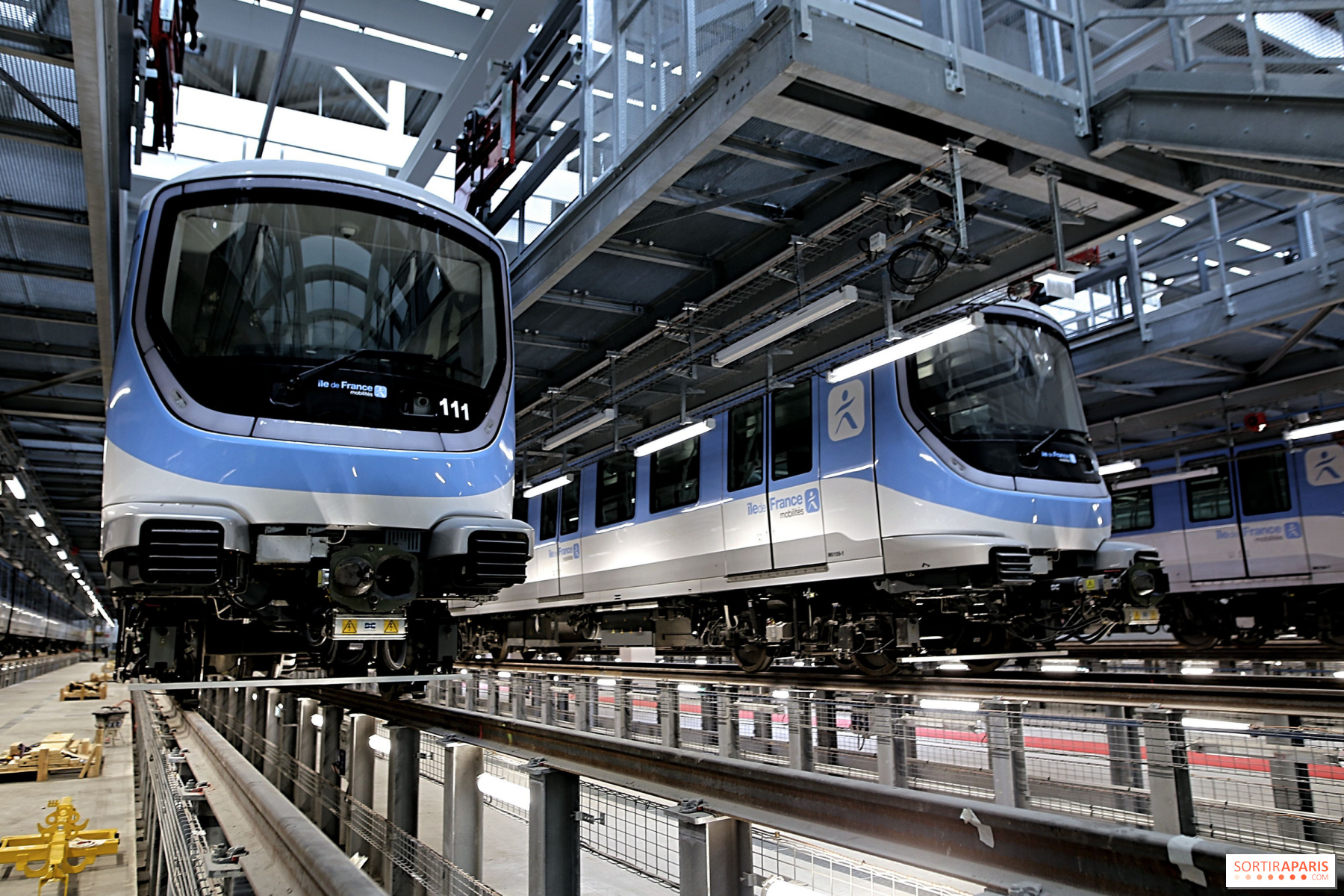
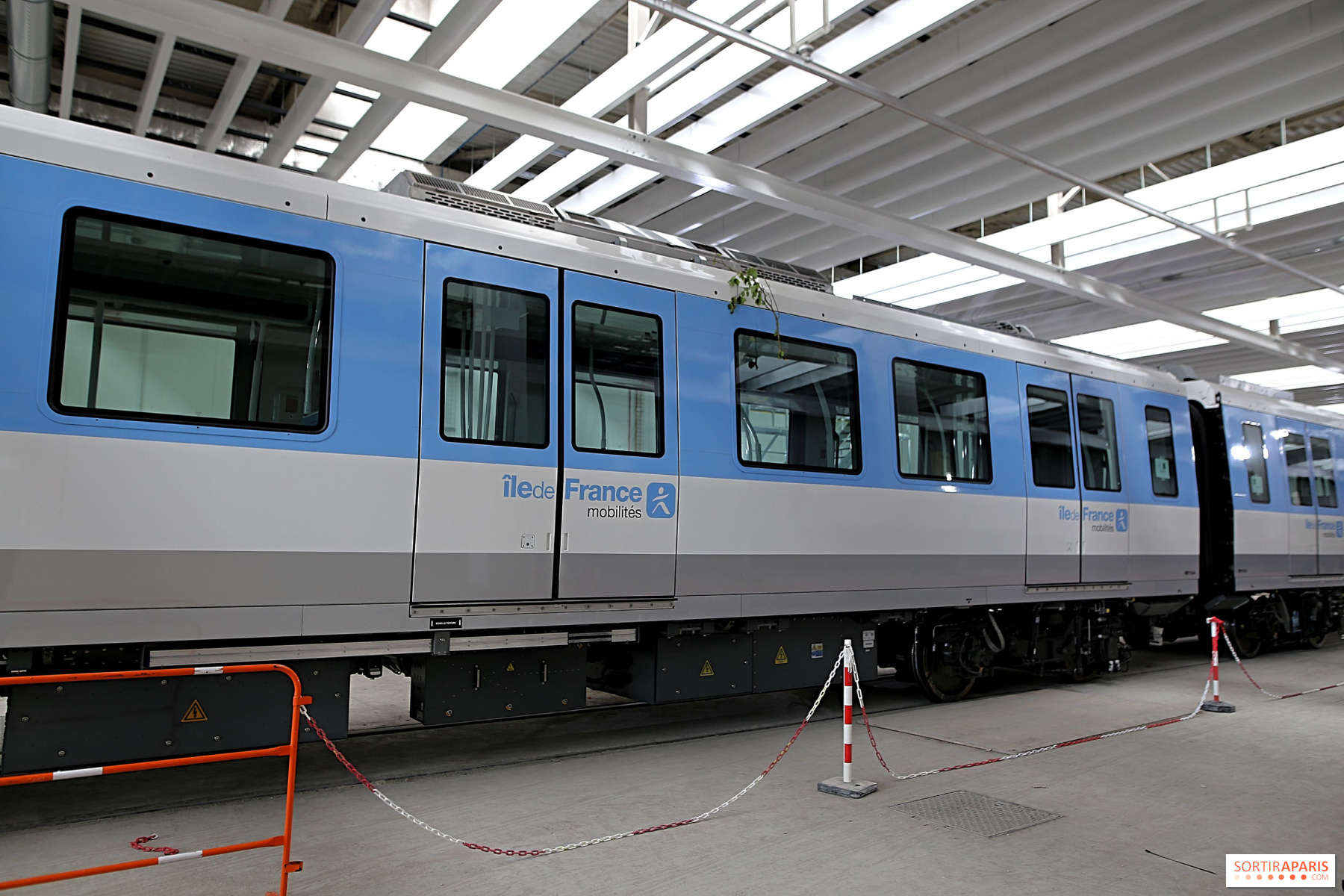
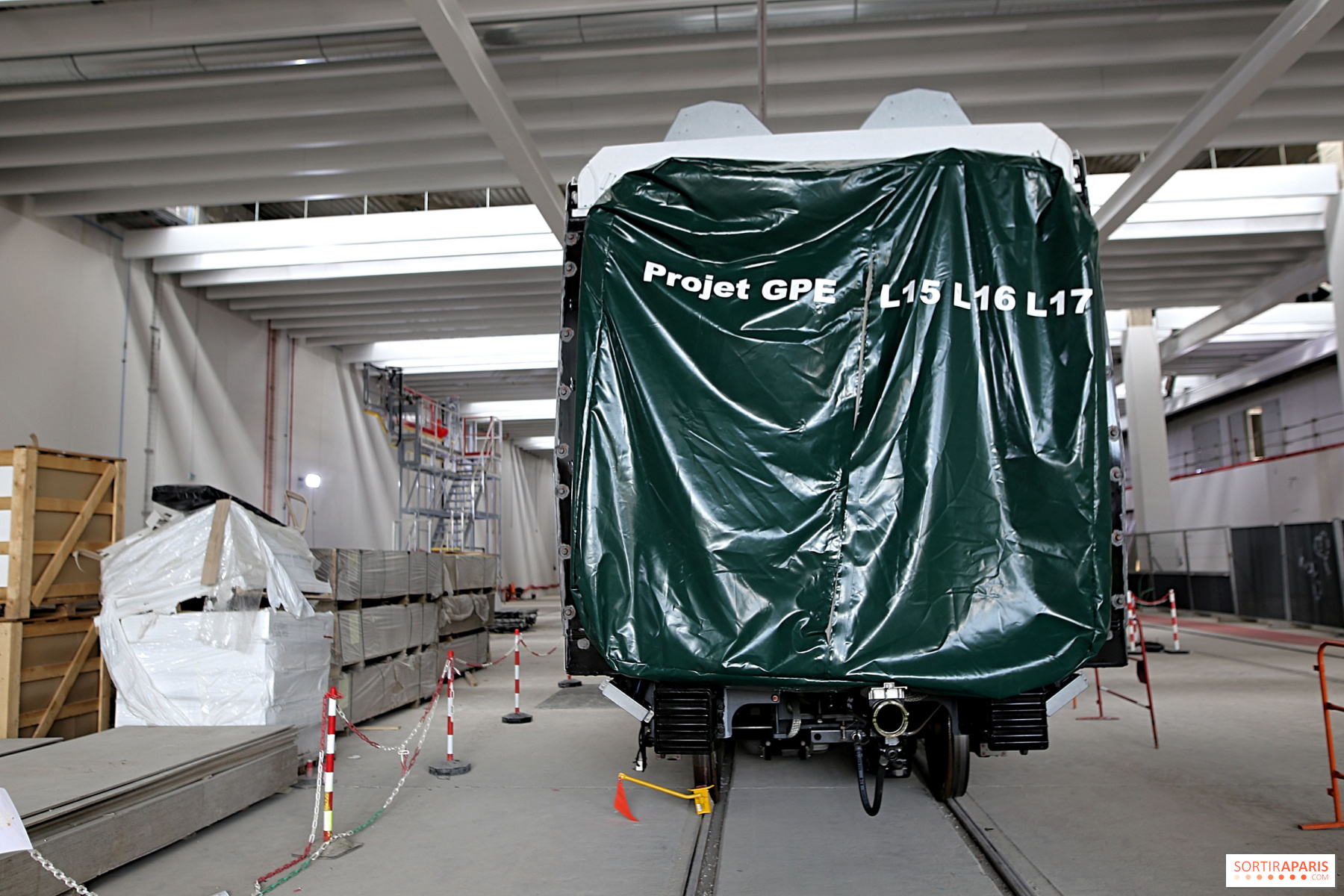
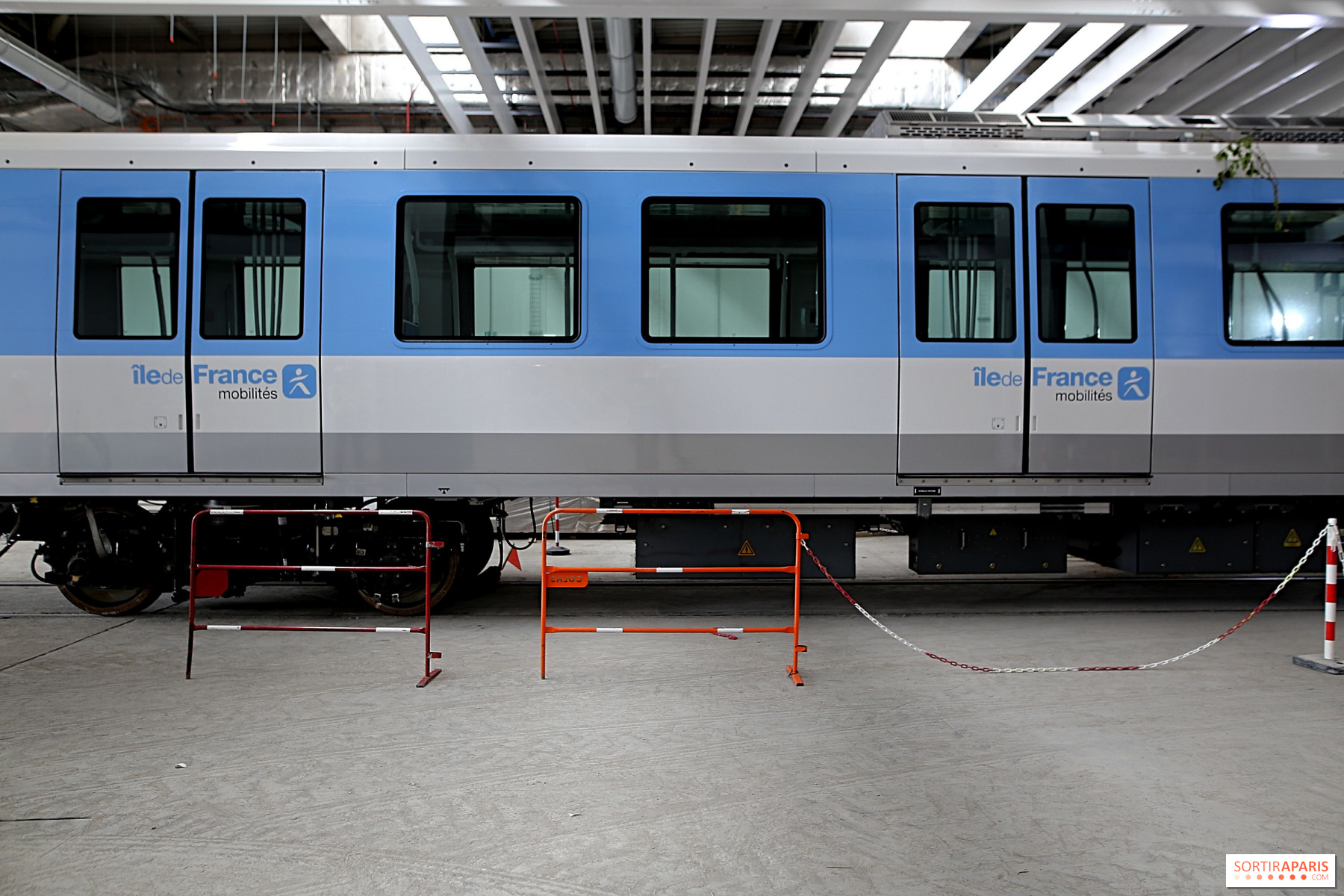
But the Champigny operations center is also home to the rolling stock maintenance and repair site (SMR). As Adrien Berthouin, project manager for the maintenance site at the Champigny Operations Center (SGP), explained during our visit, this operations center takes delivery of metro trains every three to four weeks. Financed by Île-de-France Mobilités, they come from Alstom's 8 Valenciennes plants.
We then head for the impressive maintenance hall, where we discover no less than 9 maintenance tracks and 7 trainsets suspended on their rails that day. This is where the trainsets are assembled and stored, before being tested one after the other. Eventually, 27 trainsets will be put into operation when Line 15 South is commissioned, then a total of 108 trains by 2031, when the other sections of Line 15 (West and East) are inaugurated.
These test phases will continue over the coming months, right up to the commissioning of Line 15 South, scheduled for the last quarter of 2026.
Official website
www.societedesgrandsprojets.fr