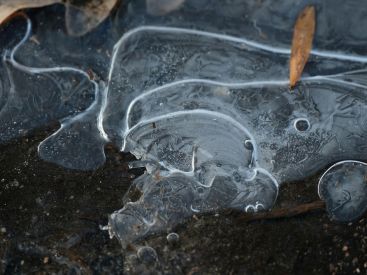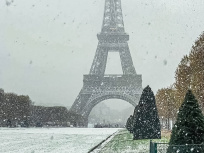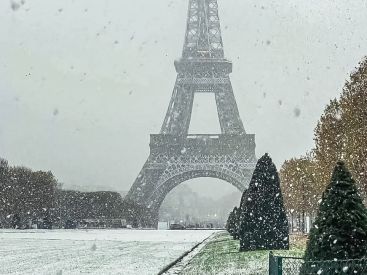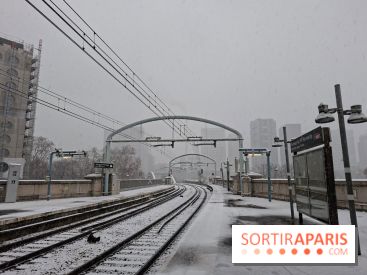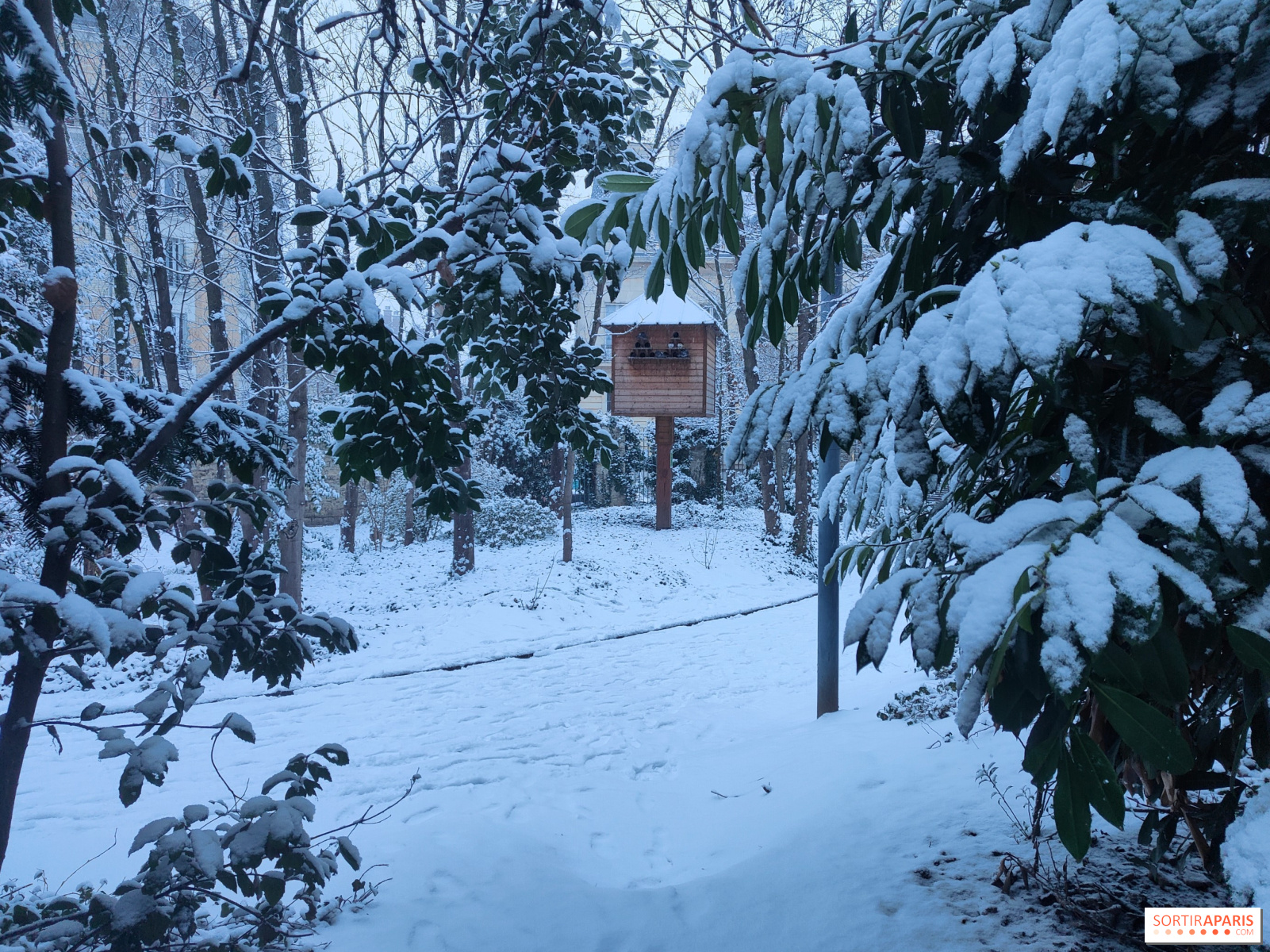
The thermometer reads just 2°C , the sky is overcast, and yet... large flakes are beginning to fall. This isn't a optical illusion but a well-known weather phenomenon. While many associate snow with hitting the zero-degree mark, scientific reality is more nuanced. It's common to see snow showers stay on the ground even when the ambient temperature is technically above freezing.
So then, by what miracle do these ice crystals not turn into rain before reaching us? Known as "melt season snow" or isothermy, this phenomenon relies on a precise mechanism. Here are the three main reasons that allow the snow to survive until it hits us.
Snow doesn’t form at sidewalk level but instead originates thousands of meters above sea level, where temperatures are well below freezing (often between -10°C and -20°C). While the warm layer of air near the ground is very thin (a few hundred meters), snowflakes simply don't have enough time to melt completely before reaching the surface. As a result, they arrive as “wet snow” or “slush,” but they are still ice.
Here's the most surprising fact. For a snowflake to melt, it needs heat. If it lands in a very dry air environment, part of the snow will evaporate directly. This evaporation process consumes energy and causes the air around the snowflake to cool. Essentially, the snowflake creates its own tiny "cold bubble," allowing it to pass through areas at 3°C or 4°C without turning into rain.
When heavy snow begins to fall, the sheer volume of cold flakes quickly chills the layer of warm air they pass through. As they melt, the first snowflakes steal warmth from the surrounding air. Gradually, the air temperature drops, approaching 0°C. That’s why we often see cold rain turn into snow in just a few minutes.
This page may contain AI-assisted elements, more information here.