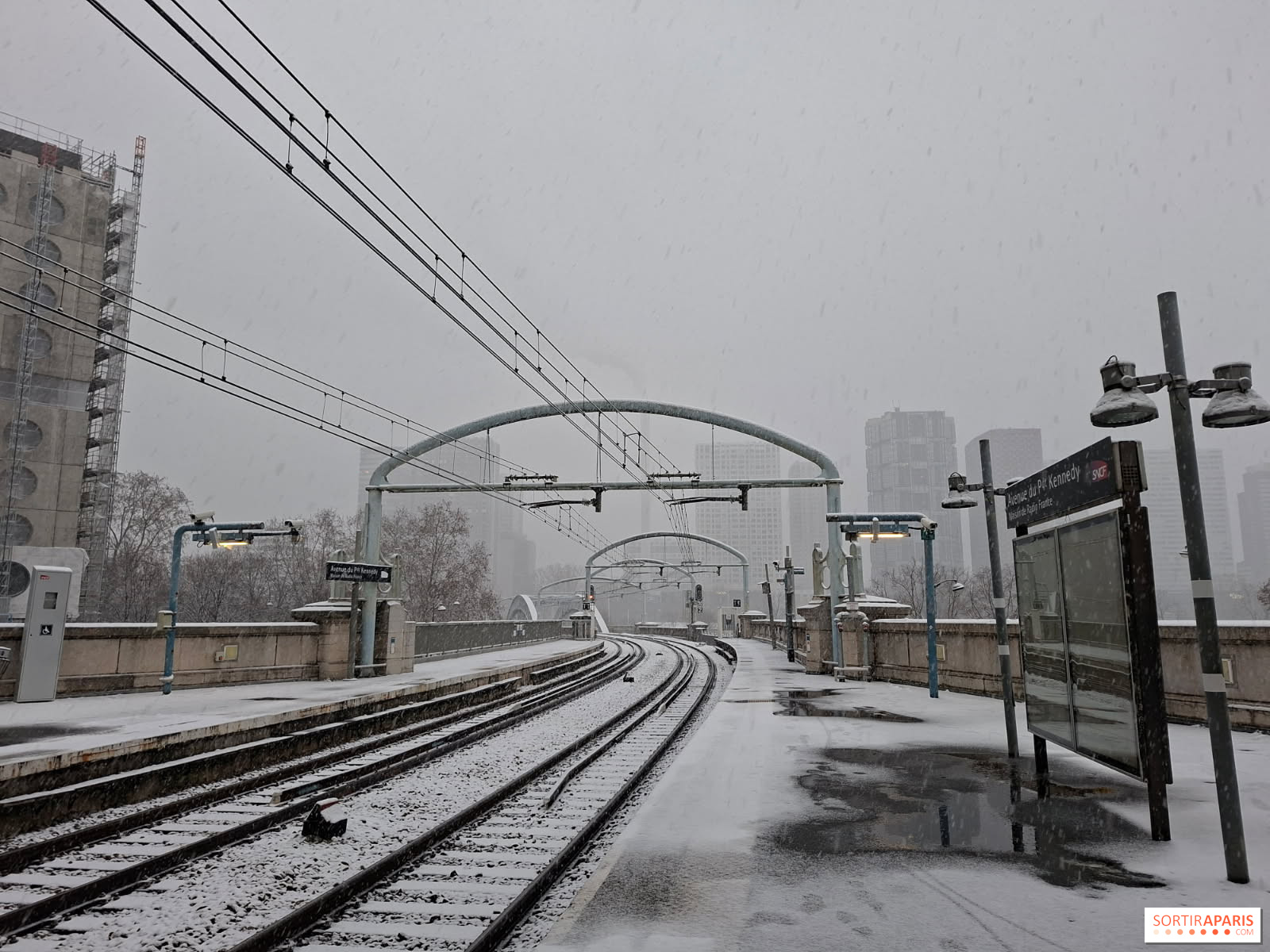
It's a familiar frustration for commuters: just a few centimeters of snow are enough to throw the entire Île-de-France transport network into chaos. Bus services suspended, RER trains crawling at a snail's pace, train cancellations... While Paris struggles to cope, some major northern cities appear to handle similar conditions with remarkable efficiency. So why does such turmoil happen here? This question resurfaces every winter, fueling public annoyance. The answer lies in a mix of climate factors, infrastructure resilience, adaptation strategies—and perhaps a slightly different cultural approach to risk management.
Bus, tram, RER, and suburban train networks must contend with winter weather conditions: snow, ice, and freezing temperatures. On the tracks, snow and frost can build up, obstruct switches, disrupt electrical systems (overhead wires), and compromise train grip. SNCF Réseau activates its annual "Great Cold" plan from December to March, aiming to anticipate and mitigate these challenges, primarily using snowplows and anti-ice equipment on contact wires.
Although the Paris metropolitan area typically experiences less snowfall than other regions, its transport network isn't built to handle winter conditions like those in Nordic cities. In those areas, snow is a regular part of daily life: infrastructure is prepared accordingly, staff are specially trained, and contingency plans are seamlessly integrated into routine traffic management. In contrast, Paris sees snowfalls infrequently and unpredictably, making its response more reactive than proactive.
Buses and trams rank among the most vulnerable modes of transportation: icy roads, poorly cleared streets, and traffic jams… During heavy snowfall, RATP sometimes suspends most of its lines. In 2018, only 25% of buses were able to operate during a severe snowstorm.
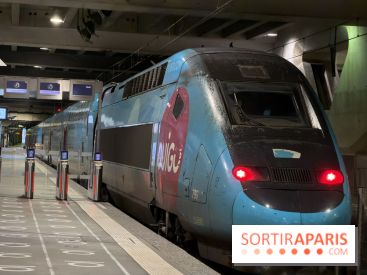
The RER and Transilien networks are also affected, particularly on surface sections. Frozen switches, snowy tracks, and ice on the overhead wires are slowing down traffic, sometimes causing complete stops.
On the other hand, the Paris metro, which is mostly underground, remains largely unaffected. Its stable temperatures and lack of exposure to the elements help ensure smooth operation, with only a few rare exceptions.
Confronted with these vulnerabilities, transportation operators in the Île-de-France region have implemented specialized measures. Over the past few years, SNCF and RATP have strengthened their collaboration with Météo-France, proactively preparing for snowstorms through preventive plans and deploying appropriate equipment such as snowplows, sanders, and anti-icing materials. Additionally, SNCF’s “Great Cold” plan includes monitoring vulnerable infrastructure like switches and catenary wires to prevent disruptions.
Additionally, as part of the national strategy to adapt to climate change, studies are underway to bolster the resilience of transportation networks against extreme weather events, including cold and snow. While these efforts are part of a long-term plan, they reflect a clear commitment to evolve and improve.
This page may contain AI-assisted elements, more information here.