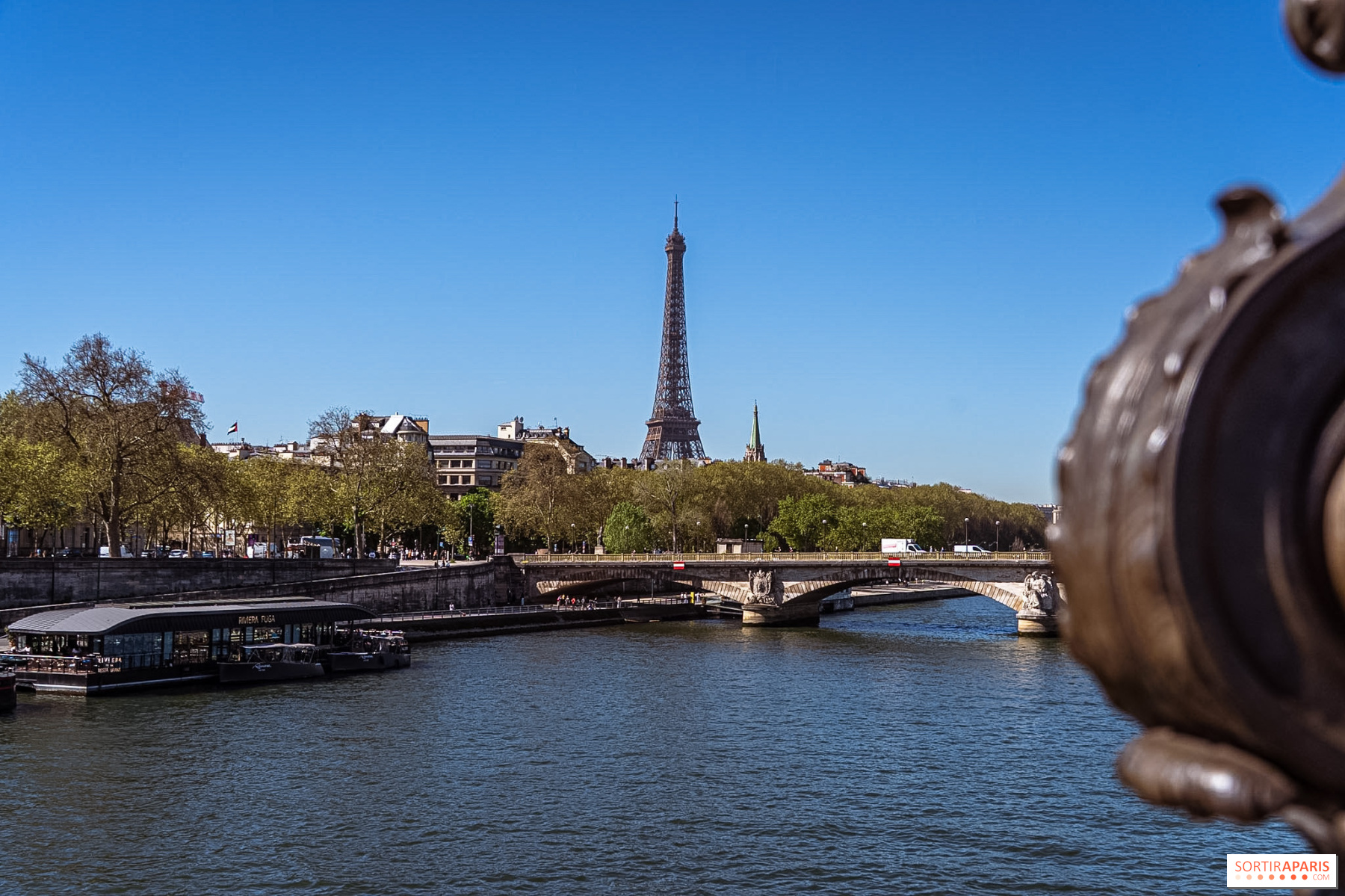
Paris and its inner suburbs (Hauts-de-Seine, Seine-Saint-Denis, Val-de-Marne) remain on orange heatwave alert from Météo-France this Friday, May 29, 2026. Since last Friday, a heat dome has blanketed the capital and the Île-de-France in what is officially described as an early heatwave episode: never before have temperatures risen so high so early in the season. With daytime highs expected between 34 and 35°C and nightly lows not dropping below 22–23°C, the criteria for a full-fledged heatwave are met in the capital.
Paris and the inner suburbs move to vigilance orange starting Thursday, May 28 at 12:00, joining the 13 western departments already affected, for a total of 17 departments nationwide. This elevated alert level is triggered when nights stay too hot to let the body recover, which is precisely the case here: with minimums of 22–23°C, the body has no thermal respite. The other Île-de-France departments (Seine-et-Marne, Yvelines, Essonne, Val-d'Oise) remain in vigilance jaune.
That’s the question on everyone’s lips. A relatively good sign: the end of the tunnel is in sight. According to the various weather models consulted on meteo-paris.com, Saturday, May 30 should open the door to a gradual cool-down: temperatures are expected to dip to around 25°C by evening, then hover near 20°C overnight. On Sunday, skies will be a touch cloudier and the mercury should settle around 26°C. By Monday, a return toward seasonal norms begins, though swings of +2 to +6°C are still possible. The real end of the episode is forecast for Wednesday, June 3. For reference, from Saturday, May 23 to Saturday, May 30, Paris ran on average +13°C above seasonal norms. In Brittany, relief arrives sooner: the departments of Finistère, Côtes-d’Armor and Manche return to yellow vigilance by Thursday evening.
The heatwave is not just impacting bodies—it’s also amplifying air pollution. According to Airparif, the air-quality watchdog for Île-de-France, ozone concentrations are reaching troubling levels, well above the usual 180 µg/m³ threshold. In response, the police prefecture activated differentiated traffic restrictions from Thursday noon to Saturday evening: only vehicles with a Crit'Air 0, 1 or 2 sticker are allowed to circulate within the area bounded by the A86. Speed limits have been reduced by 20 km/h on the affected motorways, and trucks over 3.5 tonnes must navigate around the zone via the Francilienne outer ring. To check whether your vehicle is affected, visit the government site certificat-air.gouv.fr. People with respiratory or cardiovascular conditions are urged to limit travel and outdoor exertion.
The heatwave is also making its mark on transport. SNCF announced the cancellation of several Intercités trains on Thursday and Friday on the lines linking Paris to Toulouse, Brive and Cahors, as well as between Bordeaux and Marseille. The cuts hit midday services, and affected travelers have been contacted to rearrange their trips. It is advised to check your tickets on oui.sncf before heading out. In addition, last weekend highlighted the risks of exercising in extreme heat: a man in his fifties died during a running race in Paris’s 20th arrondissement, underscoring that intense physical effort in high temperatures can be fatal even for trained athletes. Therefore, avoid sports during the hottest hours and consult the guidance from Santé Publique France if in doubt.
As temperatures stay uncomfortably high, the City of Paris has identified more than 1,400 free cooling points across the capital: shaded parks, libraries, museums, swimming pools, fountains, and religious buildings. The Canicule Info Service number (0 800 06 66 66) remains available for any questions, and residents are encouraged to reach out to their most vulnerable neighbors.
Also to read on Sortiraparis:
Dates and Opening Time
From May 27, 2026 to May 30, 2026
Location
Paris
75 Paris