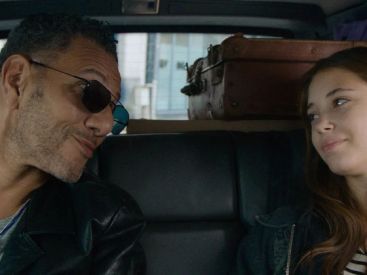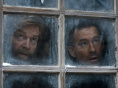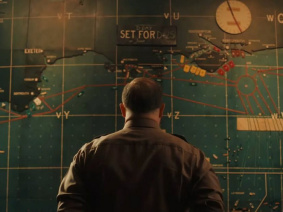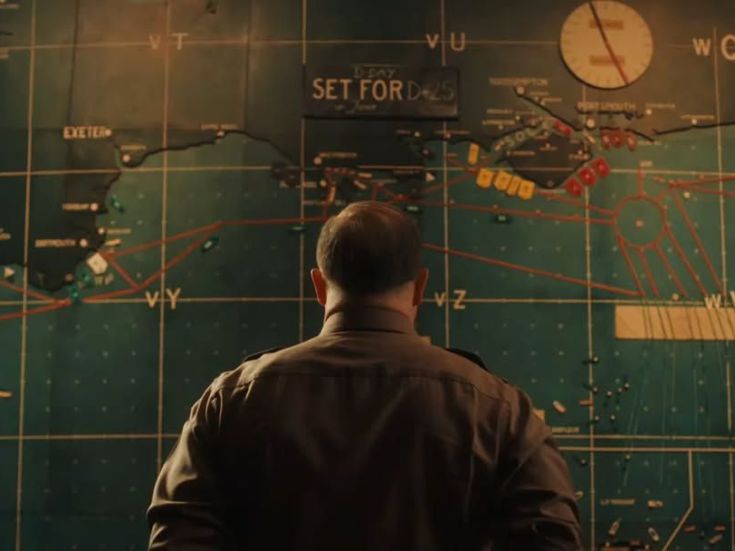
Les Héros du Louvre, a historical film written and directed by Élie Chouraqui, hits cinemas in France on September 9, 2026. Headlined by Kad Merad, Marie Gillain and Julia de Nunez, the movie revisits the Louvre’s rescue at the dawn of World War II. Building on this chapter of history, it unfolds an intense family drama about ordinary heroism, memory, and legacy.
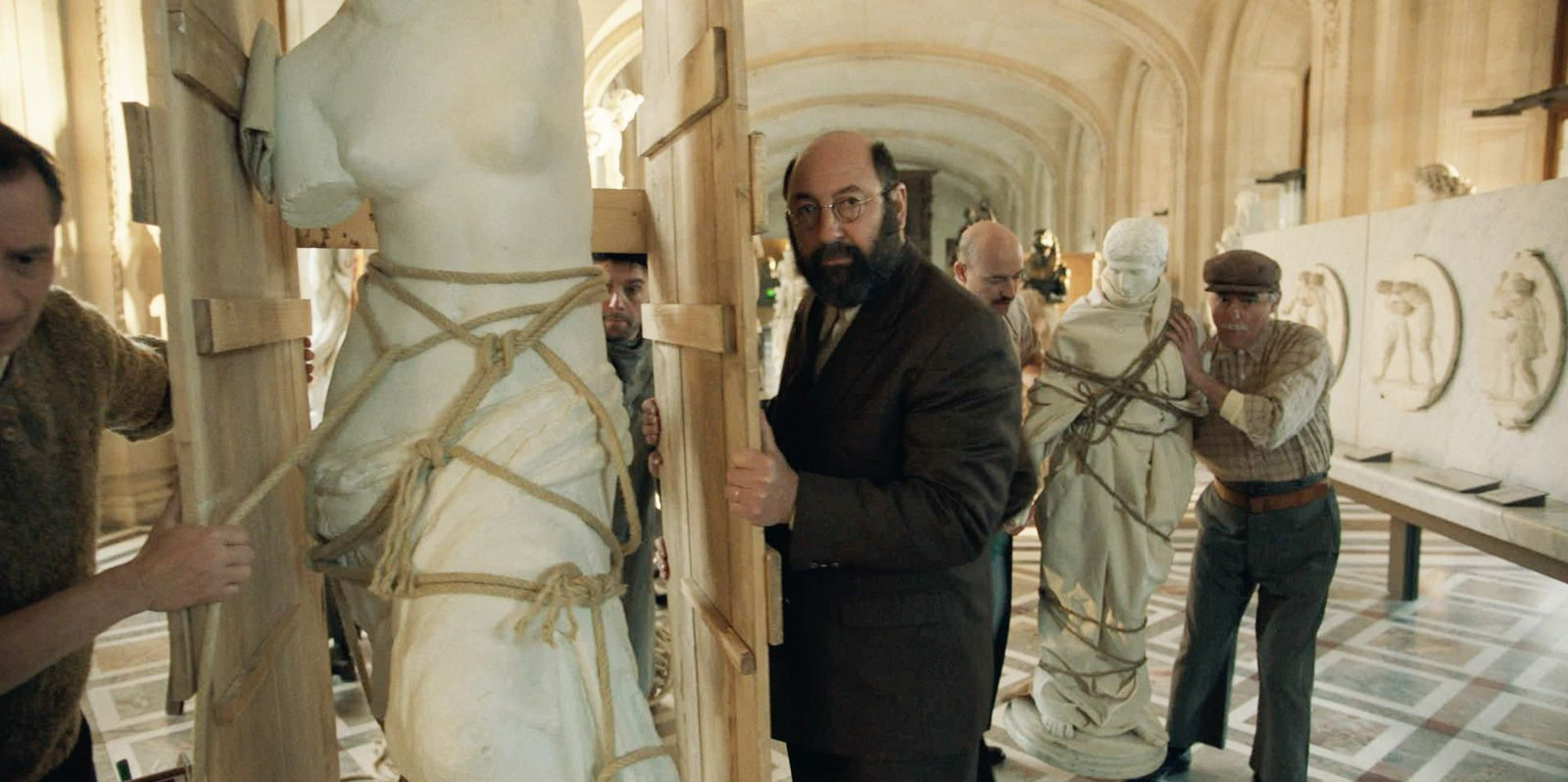
In 1939, as the Nazi threat loomed, Jacques Jaujard teams up with Louvre staff to evacuate the collections and hide them from the occupiers. Among the treasures sent away are the Mona Lisa and The Raft of the Medusa. The film centers on Babi Maklouf Benhamou, a night guard with a passion for art, who is entrusted with one of the trucks carrying the masterpieces out of Paris.
Babi agrees to take on the mission only if her family can come along. Without laying out the journey’s steps, this starting point lets the story braid the sweeping arc of history with a deeply personal quest. The protection of heritage is no longer just a logistical affair: it becomes a family commitment, carried by ordinary people faced with an extraordinary responsibility.
The screenplay switches between the war years and the present, as the hero lies on his deathbed while his grandson tells of his feats. This approach gives the film the cadence of a generational tale passed down from one era to the next. It also infuses it with a near-legendary quality: events aren’t laid out as an exhaustive chronology, but as a family memory that's been rebuilt and shared.
It's in this shift of perspective that Les Héros du Louvre finds its singularity. The family's Judaism, introduced late in the narrative, is never presented as their sole definition. The film doesn't begin as a tale about roundups or persecution, even if that historical reality lingers in the background. It puts the protagonists' actions and their resolve to safeguard artworks, regarded as a common good, front and center. This choice avoids reducing the family to their identity and gives their courage a more universal resonance.
The direction leans into an almost unflagging intensity. The music, ever-present, shepherds the scenes toward a cathartic release and underscores the urgency, the danger, and the story’s heroic dimension. This emotional breadth is one of the film’s strengths when it sweeps the audience along. It may, however, feel heavy-handed to viewers who prefer a more restrained approach to history. In form, Élie Chouraqui clearly aims to make the events felt rather than observed from a distance.
The historical background, however, calls for a certain caution. The documented odyssey of The Mona Lisa was especially turbulent: the Domaine national de Chambord notes that the painting was sheltered at the château four times between 1939 and 1944, amid a sequence of moves. The film seems to tighten this circulation to fit its narrative. This potential simplification does not erase the story’s power, but invites viewing The Heroes of the Louvre as a drama of memory rather than as an exhaustive documentary reconstruction.
The cast brings together Kad Merad, Marie Gillain, Julia de Nunez and Fantine Guyot, with appearances by Jean-Hugues Anglade and Bernard Le Coq. The production is led by Alexandra Fechner, in co-production with the Louvre Museum, Serge Borenstein, and Les Films de l’Altaï. The film is distributed by Paradis Films.
The Heroes of the Louvre speaks primarily to fans of accessible, emotionally engaging historical cinema, to viewers drawn to civil resistance, heritage preservation, and family stories of transmission. Its dramatic energy and rich score should resonate with audiences who accept that a film inspired by real events can prioritize emotion and the point of view of its characters.
The film won’t suit viewers who want a documentary-grade reconstruction with absolute precision or a very restrained evocation of World War II. Those put off by an insistently intrusive score may also find some sequences overly demonstrative.
Ultimately, The Heroes of the Louvre is most convincing for its angle: telling the safeguarding of French heritage through a single family, without locking its members into a victim identity or status. The weave between past and present fuels the transmission, while the score carries a potent, at times pointed emotion. Despite a few possible historical shortcuts, the film earnestly defends a vision of heroism grounded in deeds and everyday courage.
To gear up for your next screenings, also check out our pick of French films to see in cinemas, our guide to dramas to catch in theaters now and soon, and the films to watch in cinemas in September 2026.
This page may contain AI-assisted elements, more information here.