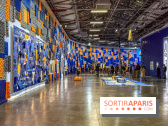
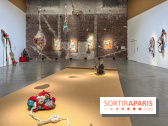
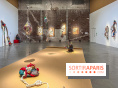
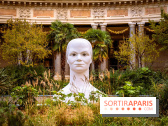
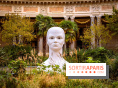
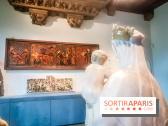
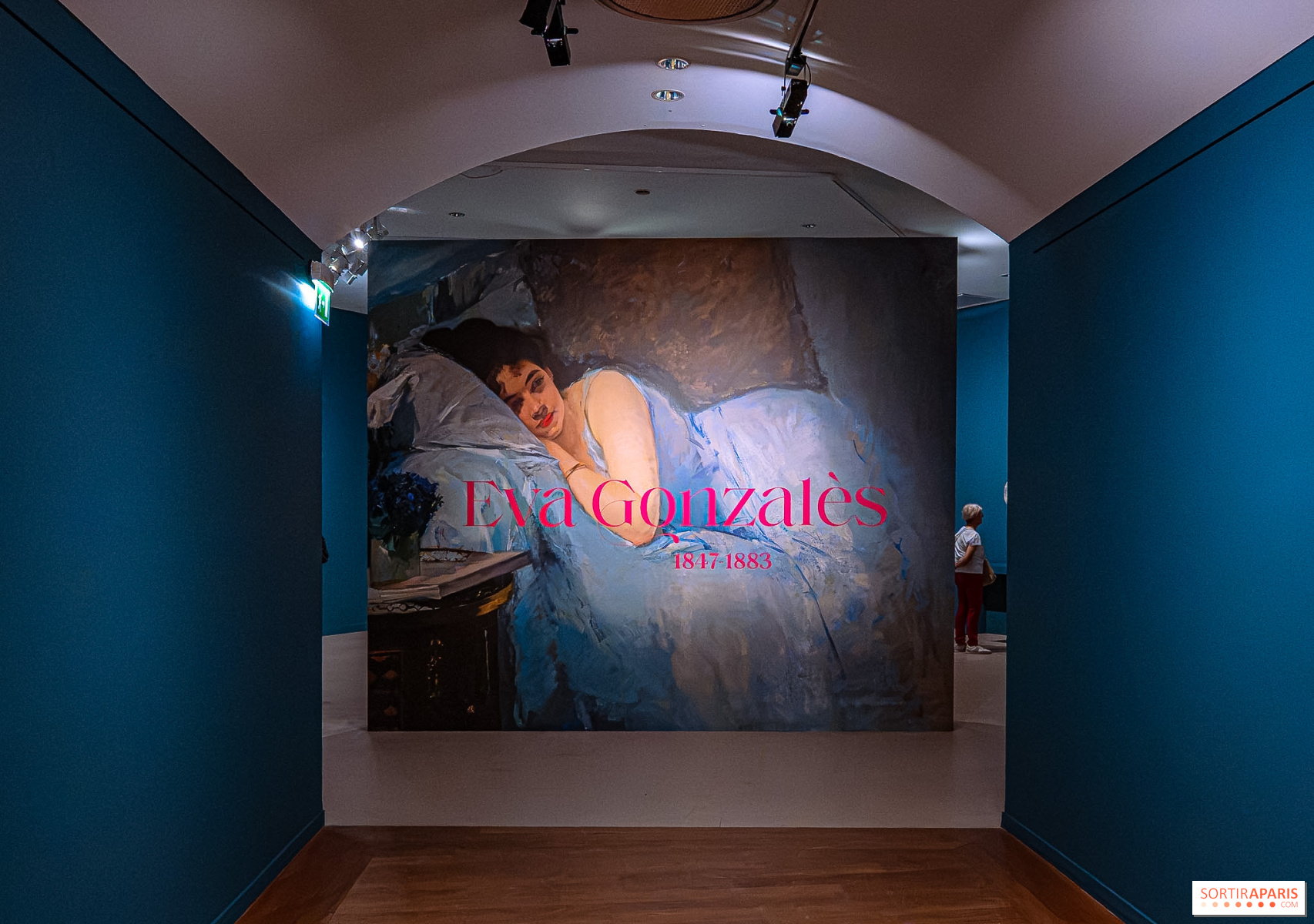
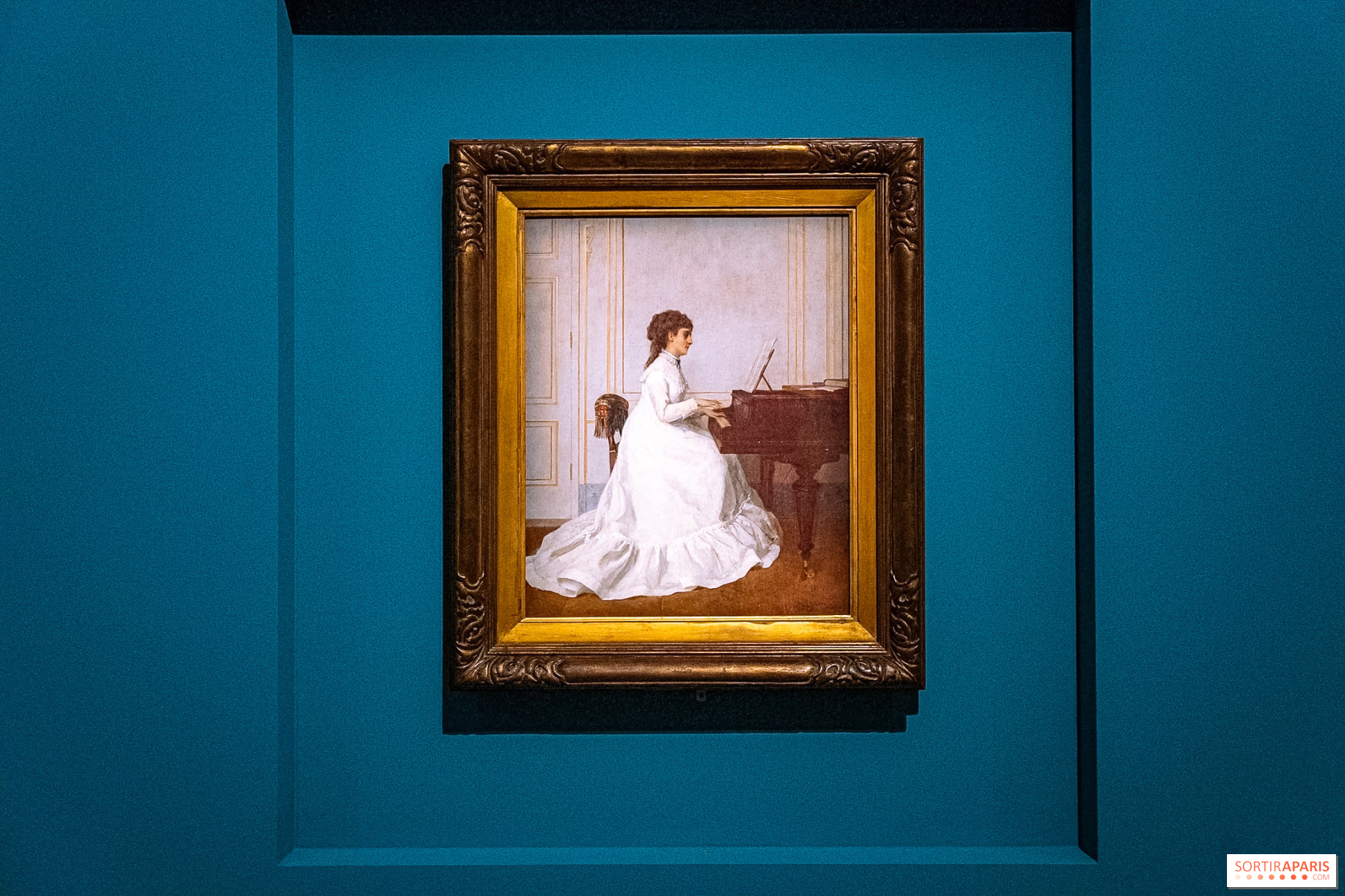
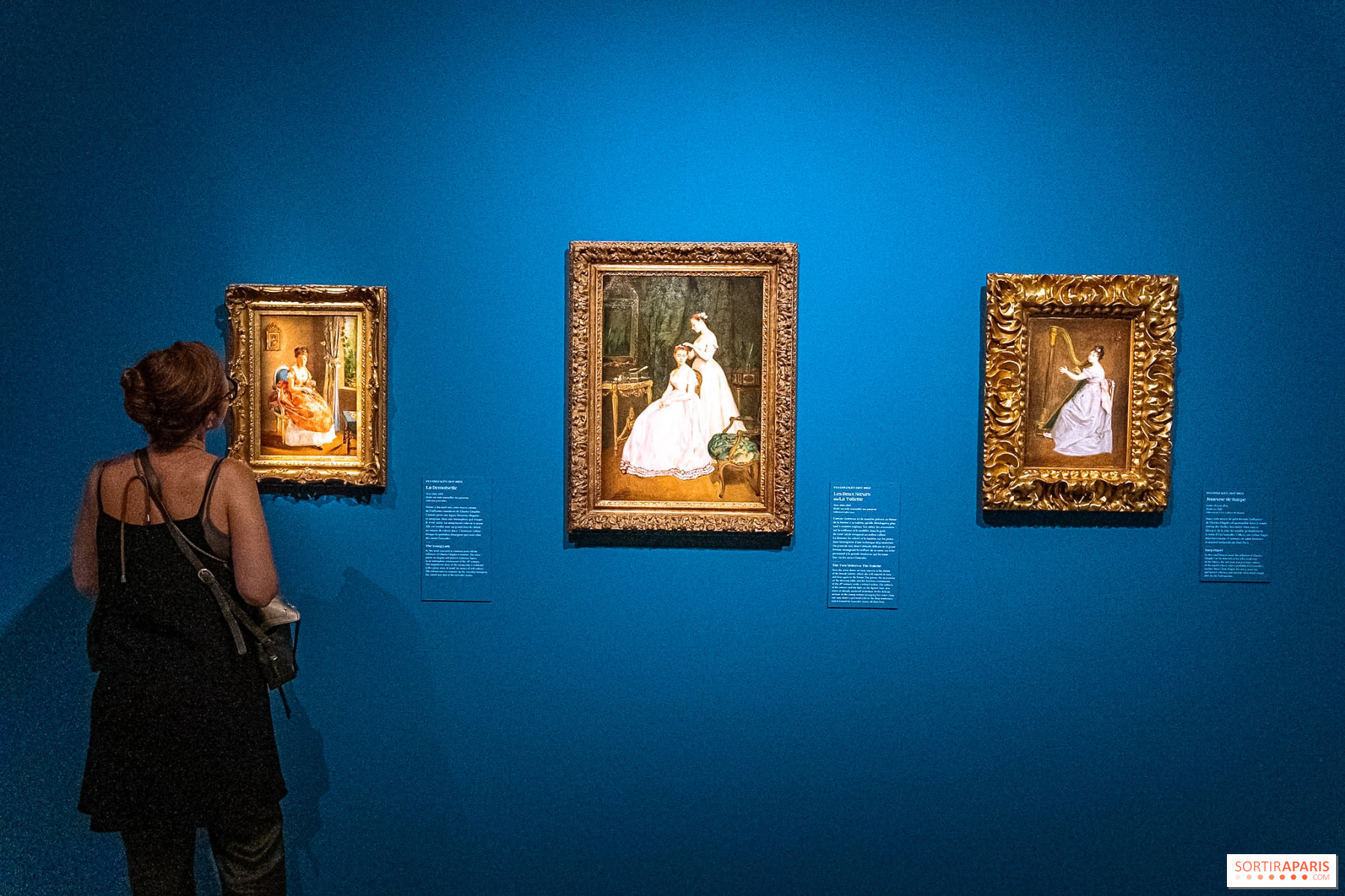
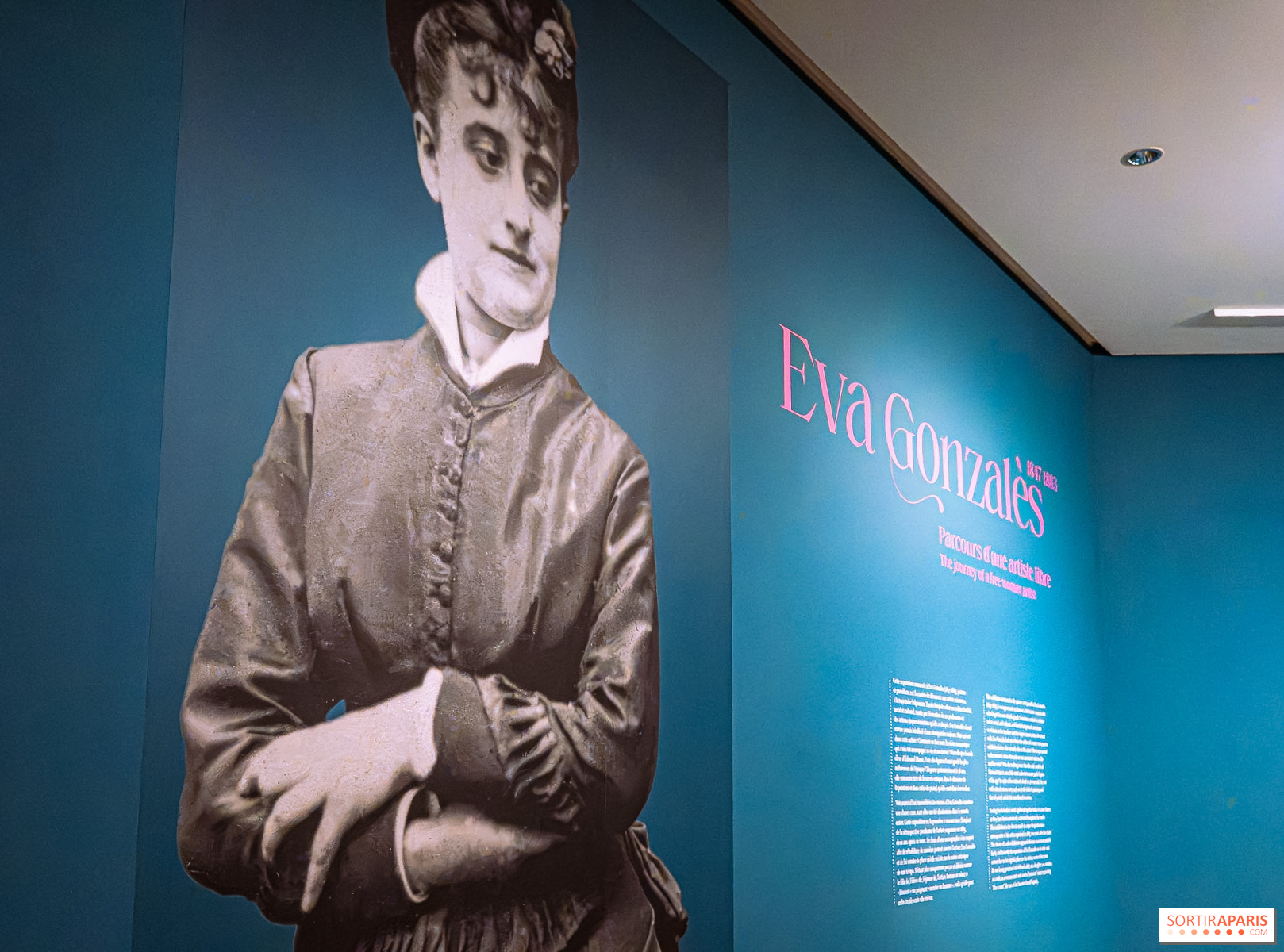
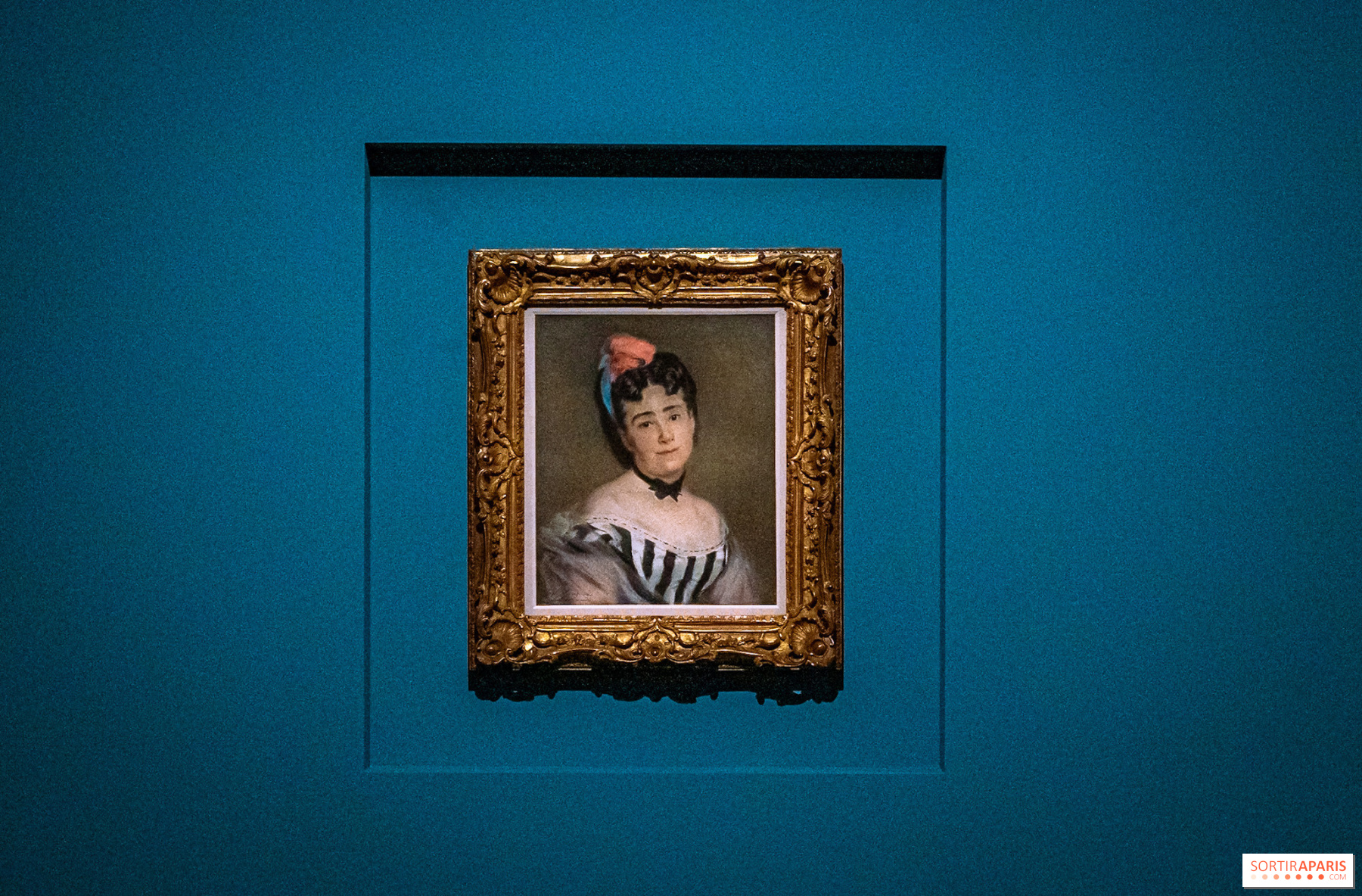
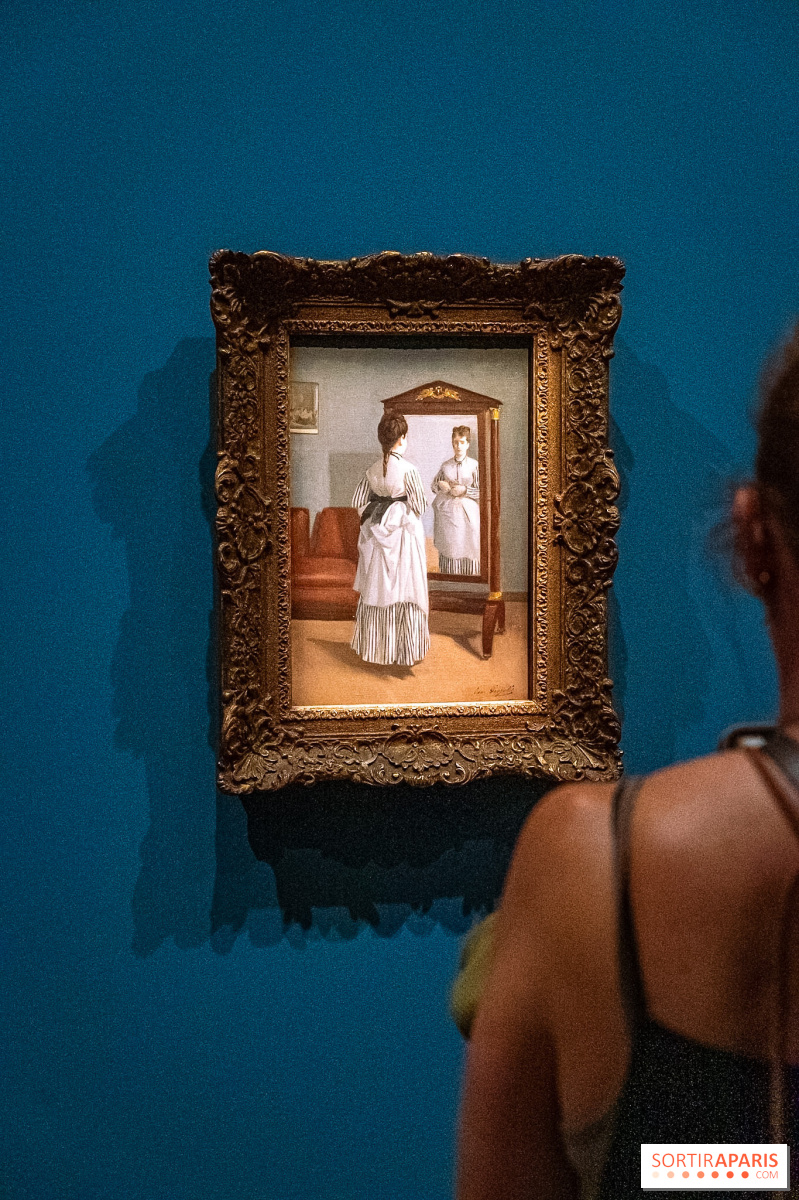
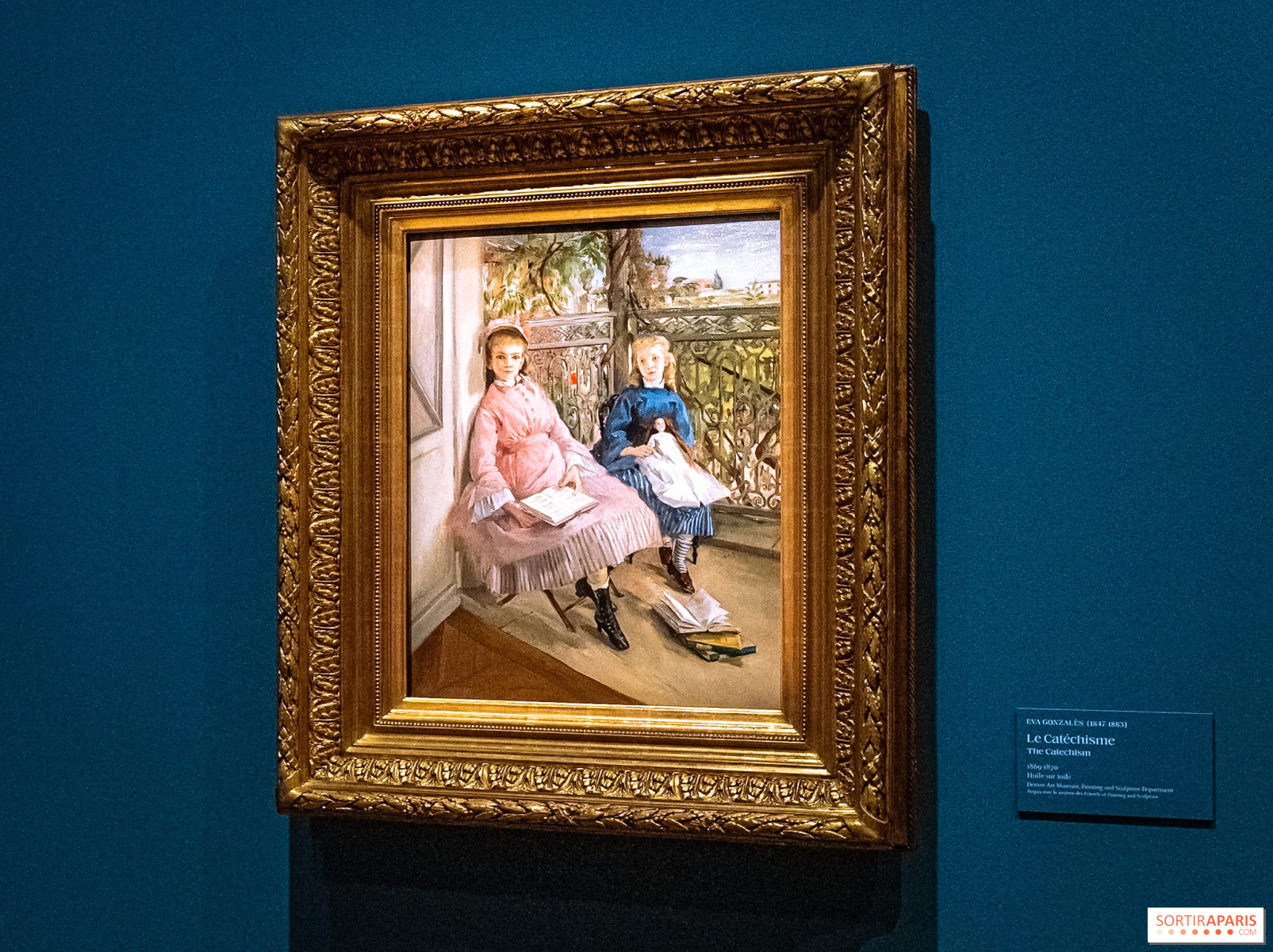
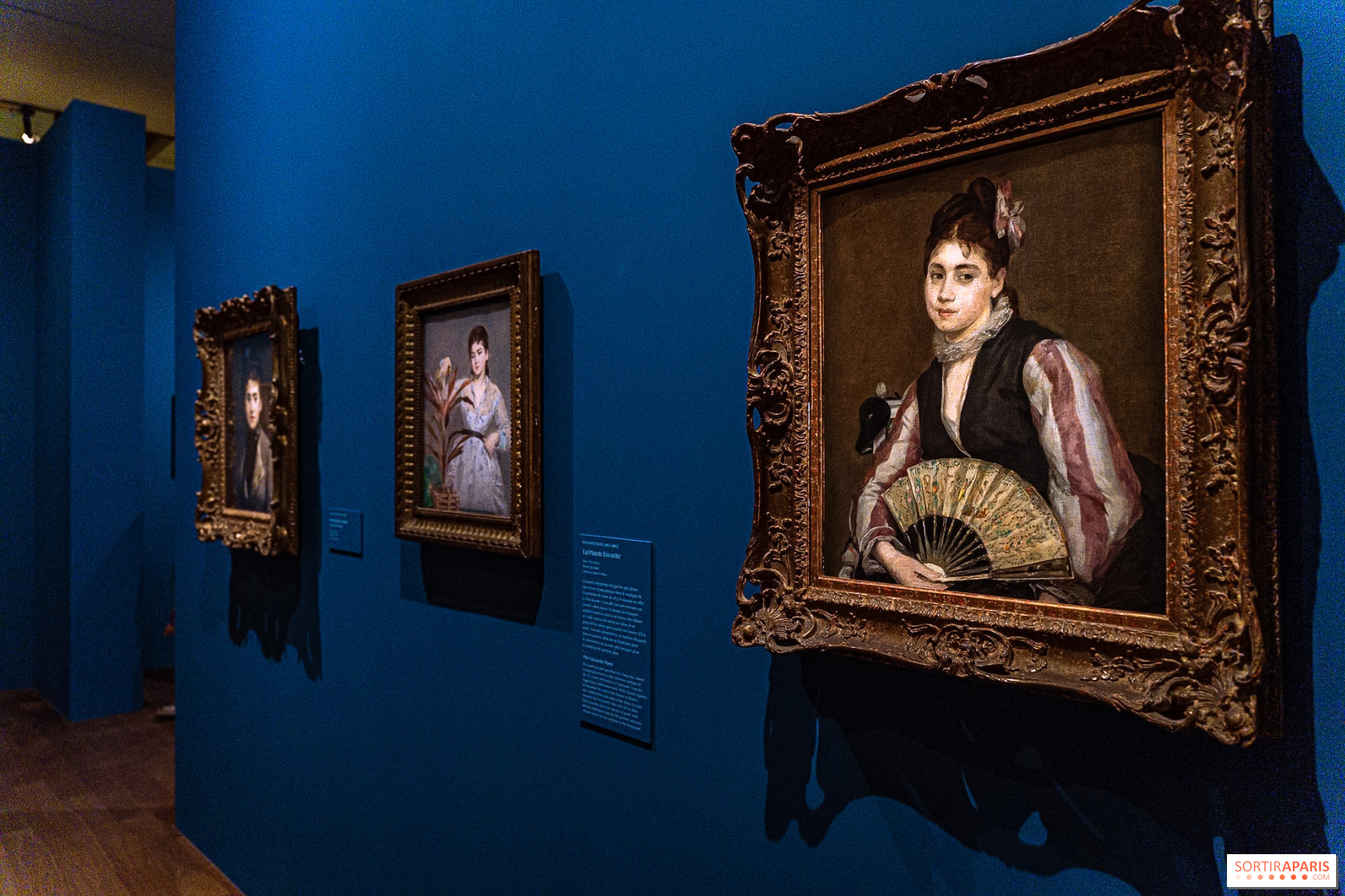
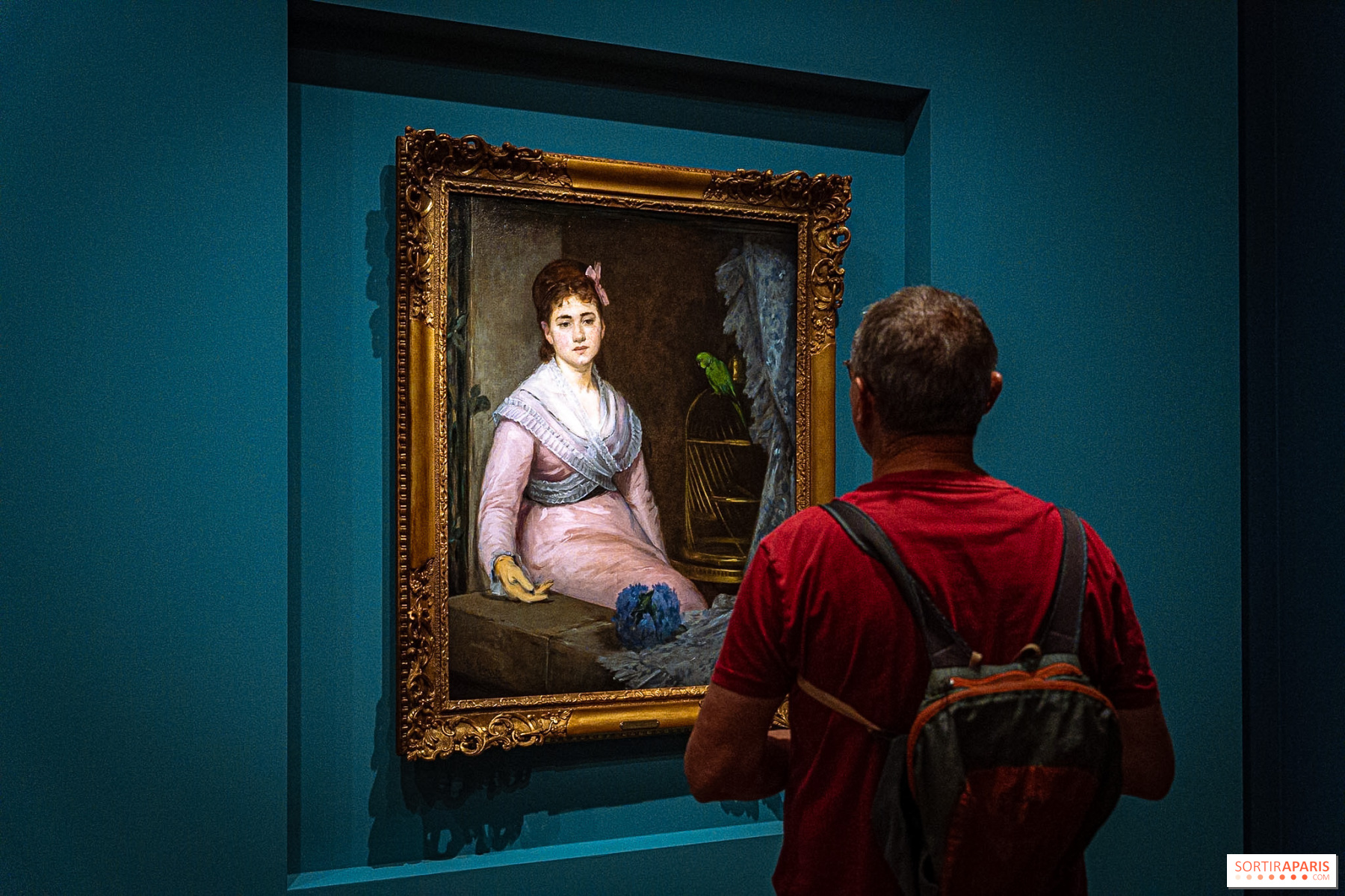
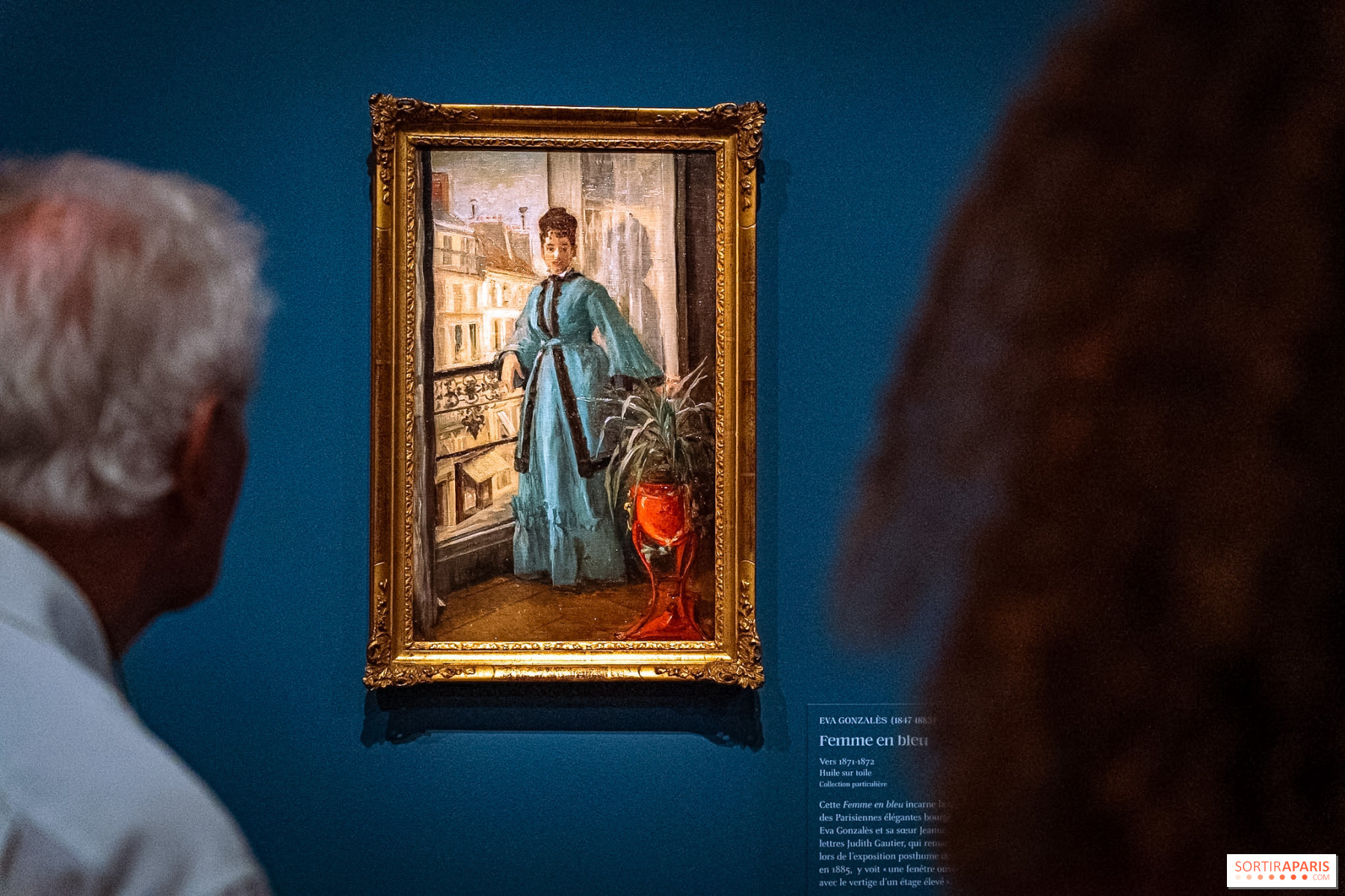
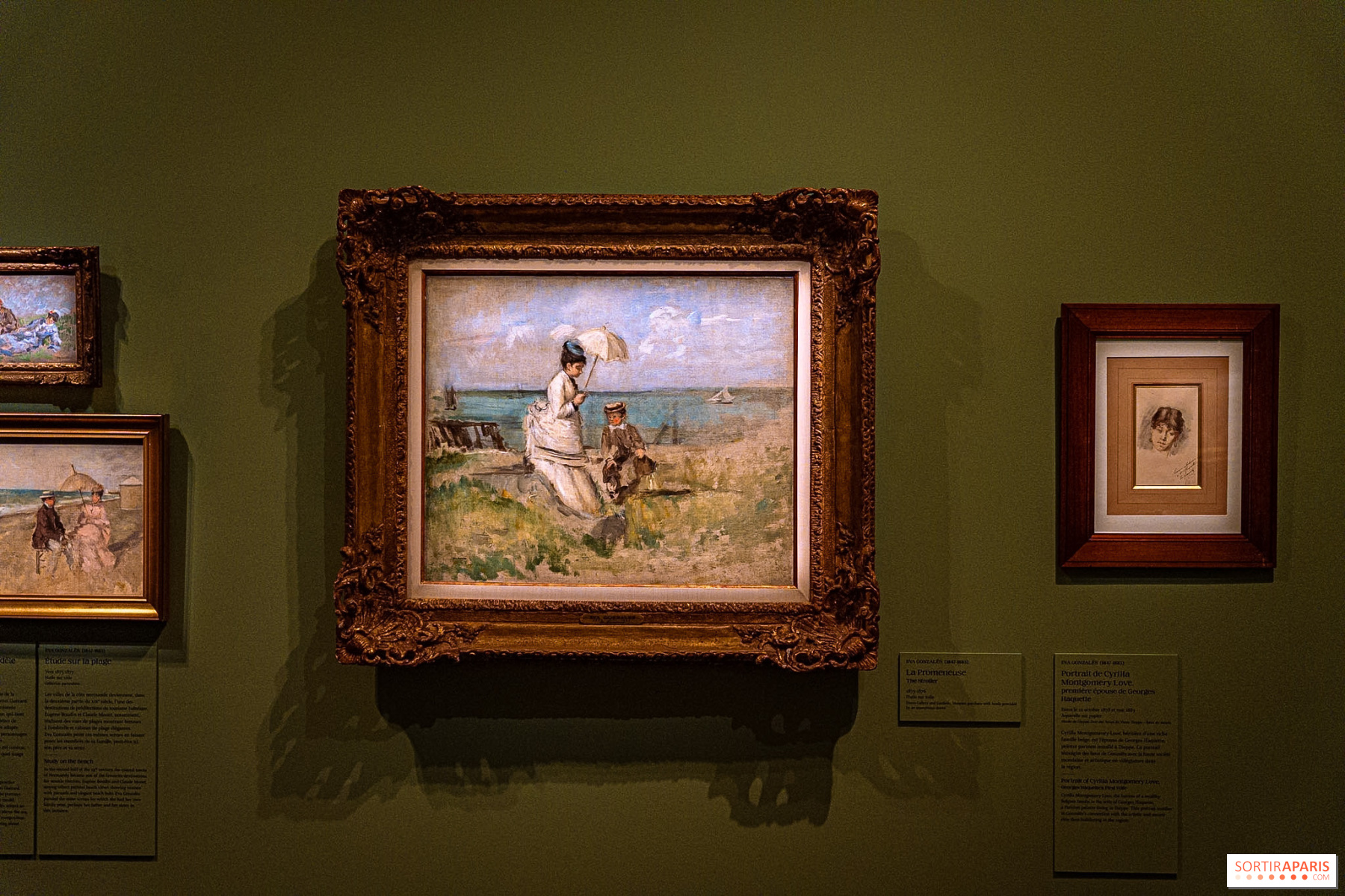
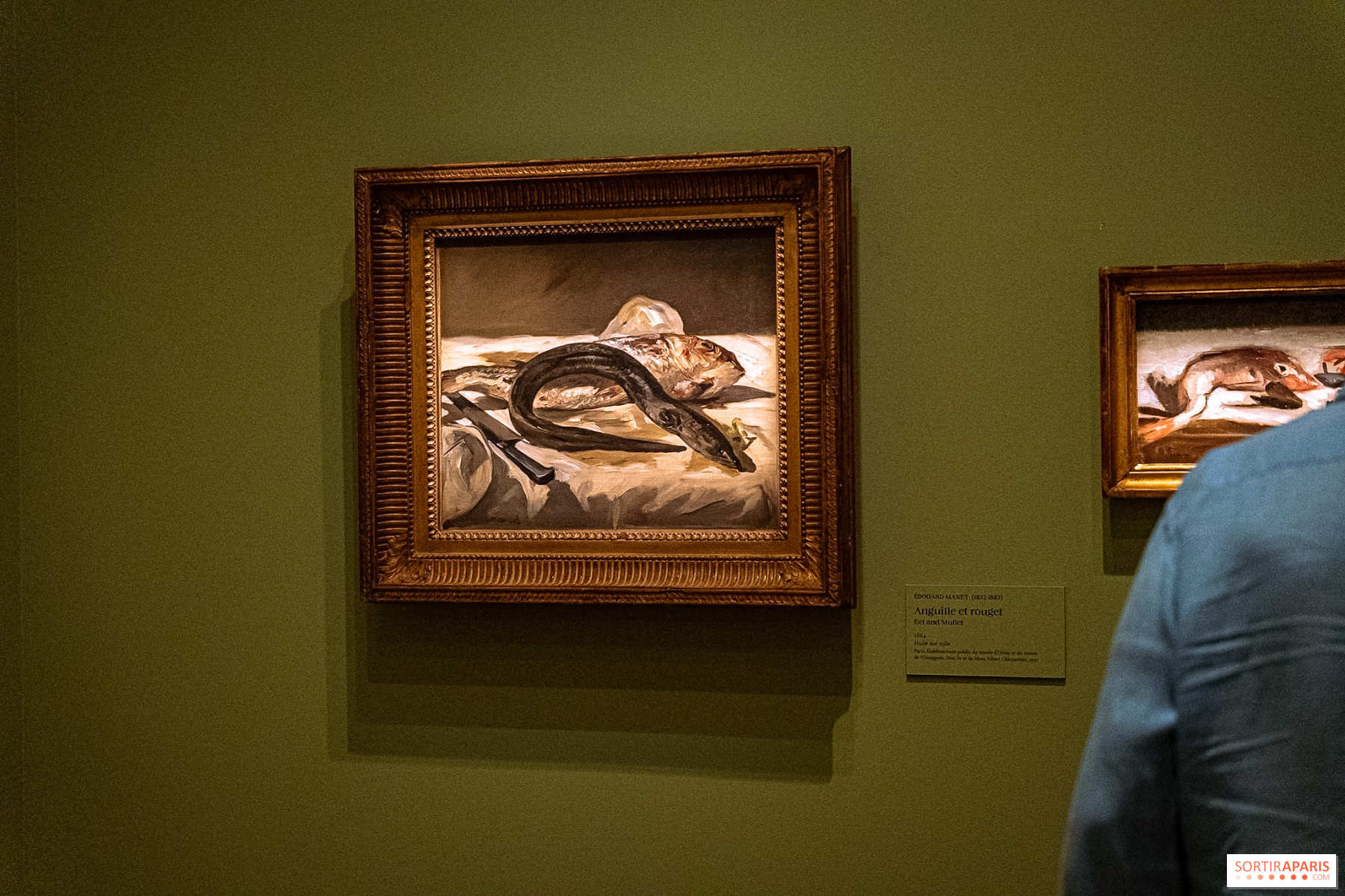
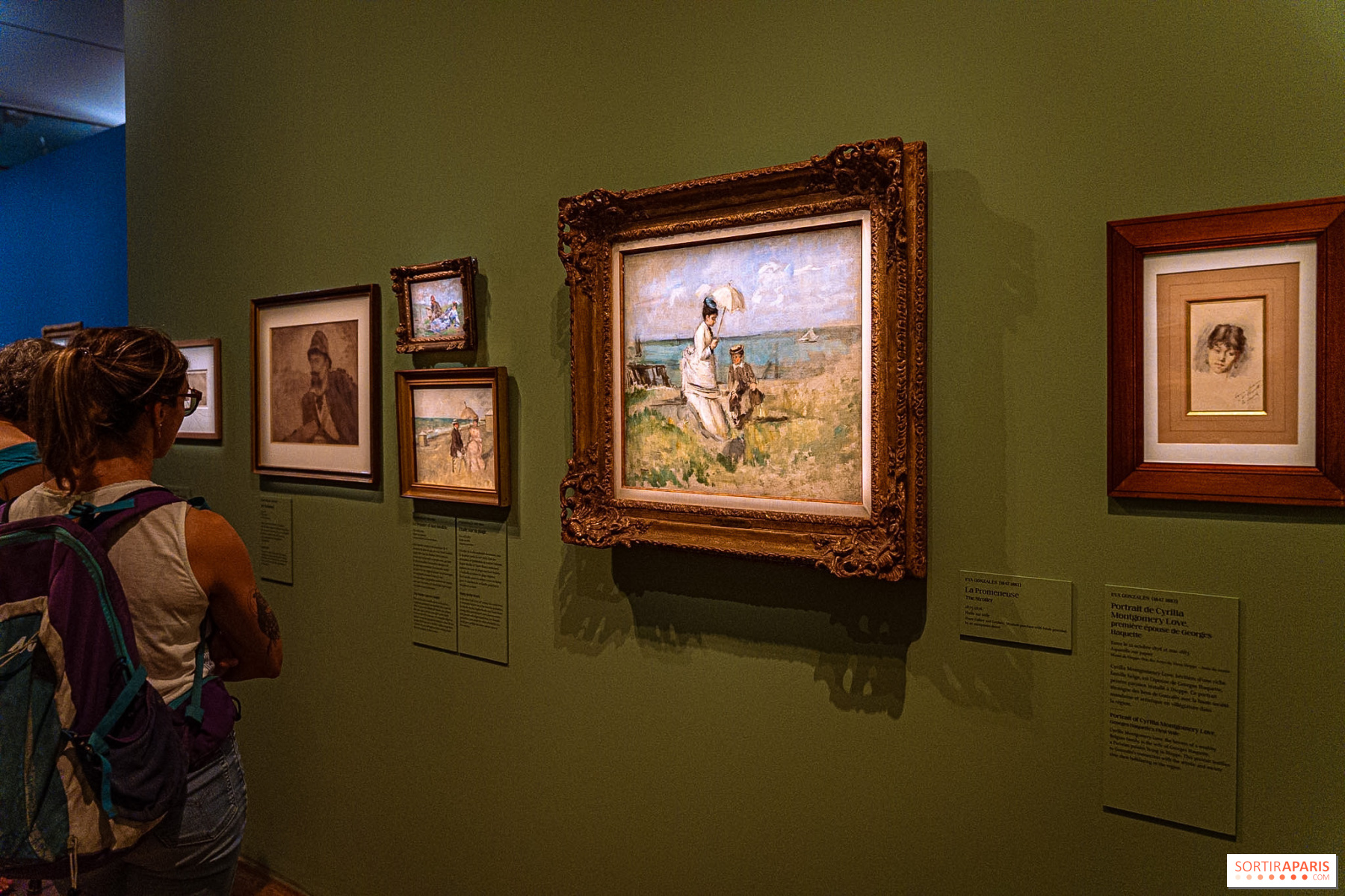
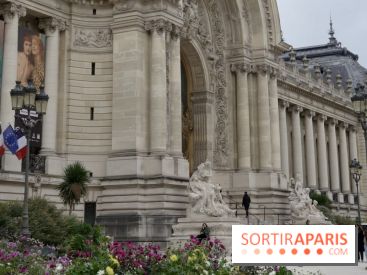
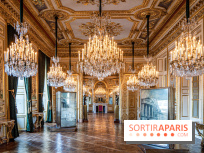
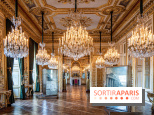
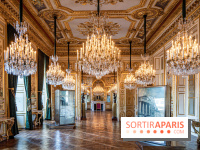
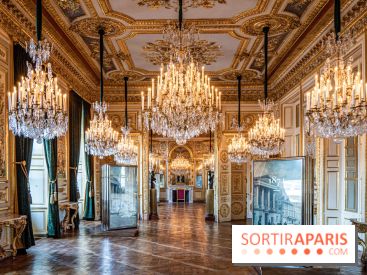
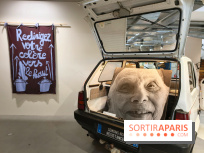
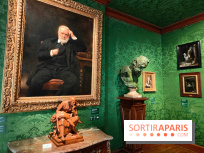
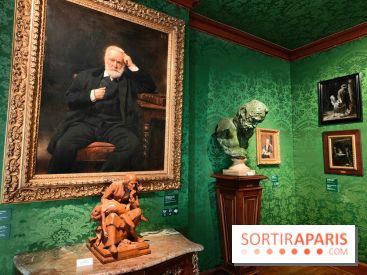
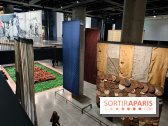
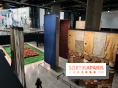
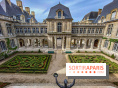
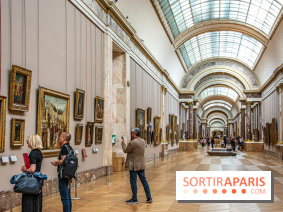
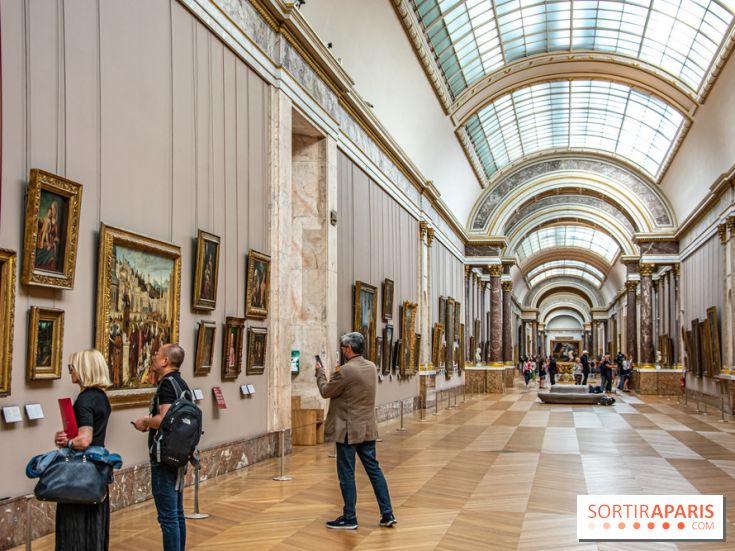
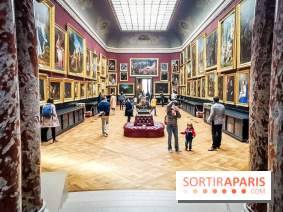
We headed to the Eva Gonzalès exhibition at the Petit Palais for its opening, on Winston-Churchill Avenue in the 8th arrondissement of Paris, and we’re bringing you the full story along with the imagery. The City of Paris Museum of Fine Arts pays tribute to painter Eva Gonzalès (1847-1883) with her first major retrospective, running from September 15, 2026 to January 24, 2027, under the title Parcours d'une artiste libre. Nearly 100 paintings, pastels and engravings are gathered in a chronological journey.
The last exhibition of this scale dates back to 1885, two years after the artist's death. So, 140 years in the making. The show is staged by the Petit Palais in collaboration with the Van Gogh Museum in Amsterdam, with the exceptional support of the Musée d’Orsay.
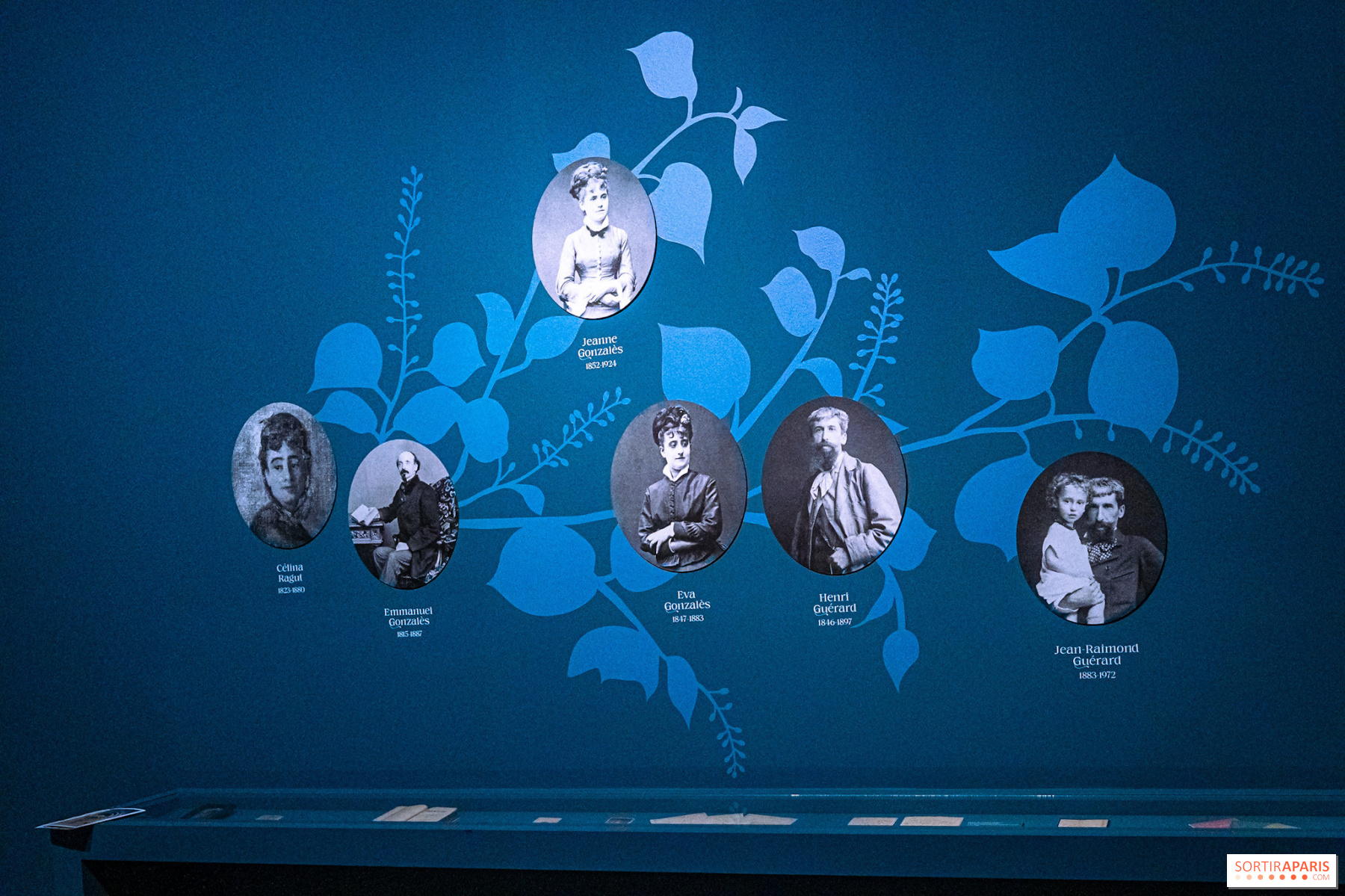
Born in Paris in 1847 into an intellectual bourgeois family, the daughter of novelist Emmanuel Gonzalès and a mother who was a musician, Eva grew up amid literary circles. With the École des Beaux-Arts closed to women, she trained as a painter in the women’s workshop run by Charles Chaplin.
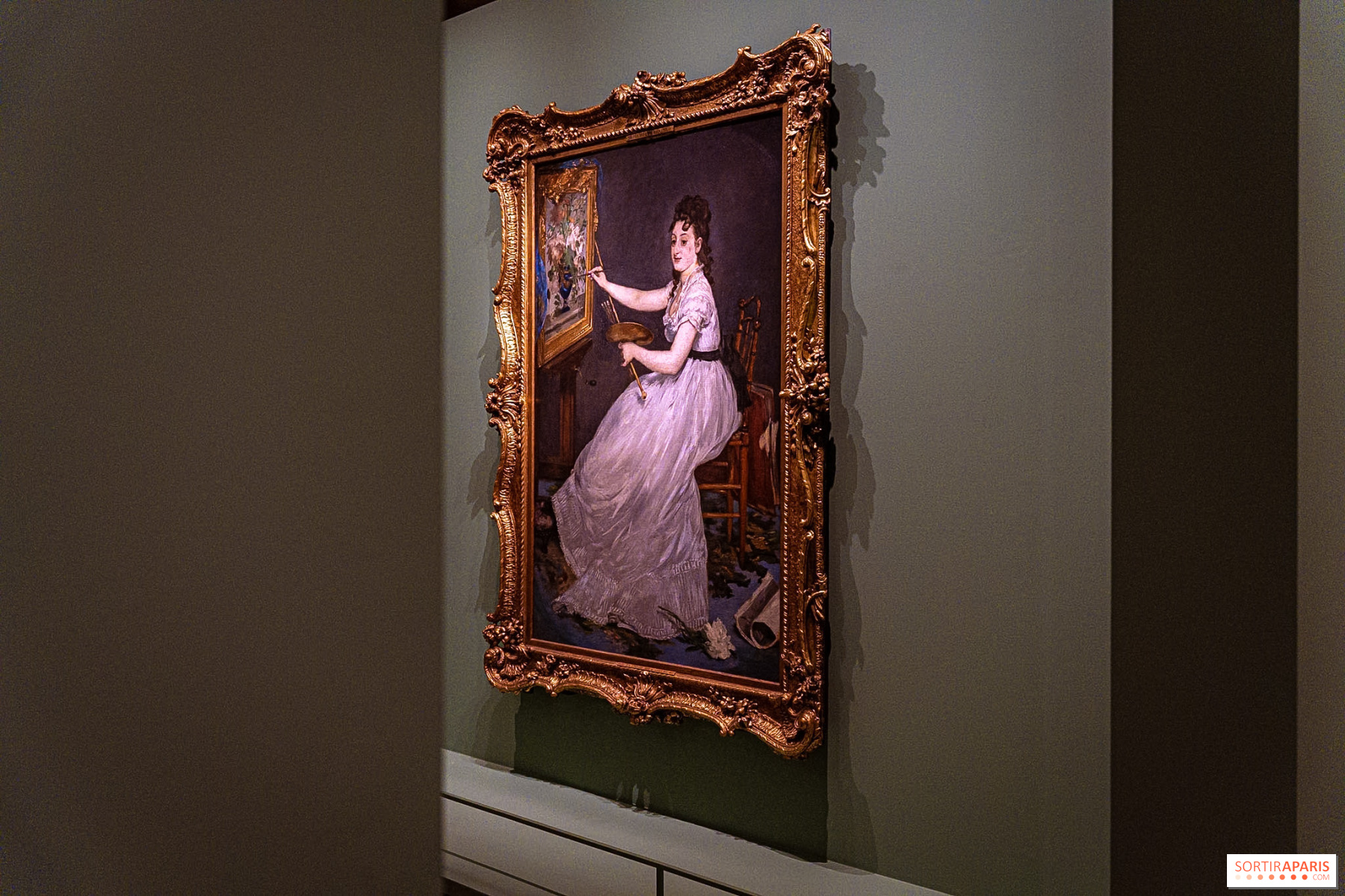
In 1869, the Belgian painter Alfred Stevens introduces her to Édouard Manet. She becomes his sole pupil—and also his model: Manet’s famed Portrait of Eva Gonzalès, painted in 1870 and loaned by London's National Gallery, shows her seated before her easel. The exhibition frankly raises the question that has long defined her: is this artist merely Manet’s pupil?
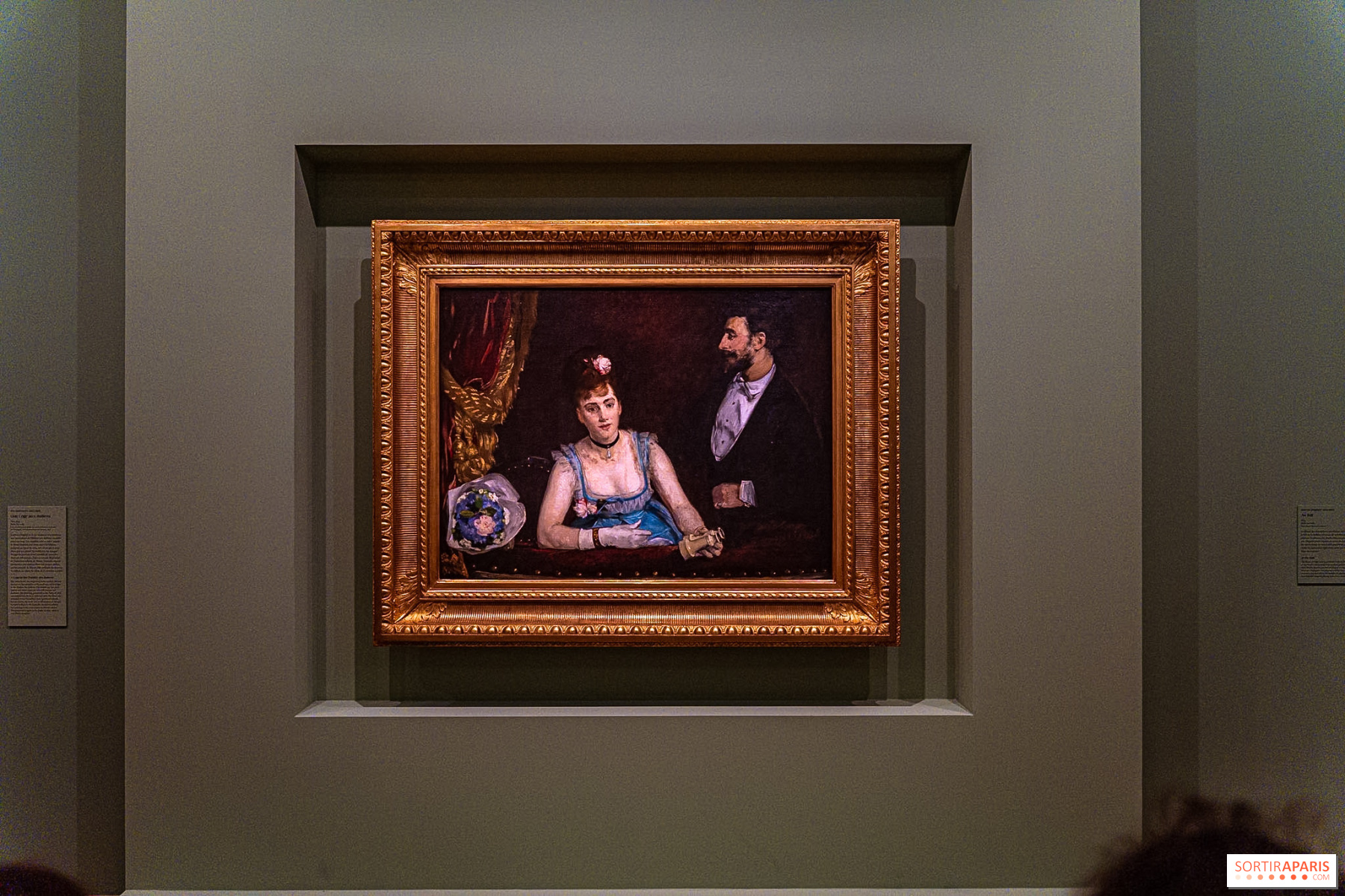
The answer is found in the galleries. Gonzalès showed at the Salon from 1870 to 1883, never joining the Impressionist circle, just like her mentor. There you can spot Une loge aux Italiens (1874, Musée d'Orsay) and Le Clairon (1870, Musée de Gajac), where loose brushwork and a taste for contemporary subjects echo Manet, yet the sensibility remains distinctly her own.
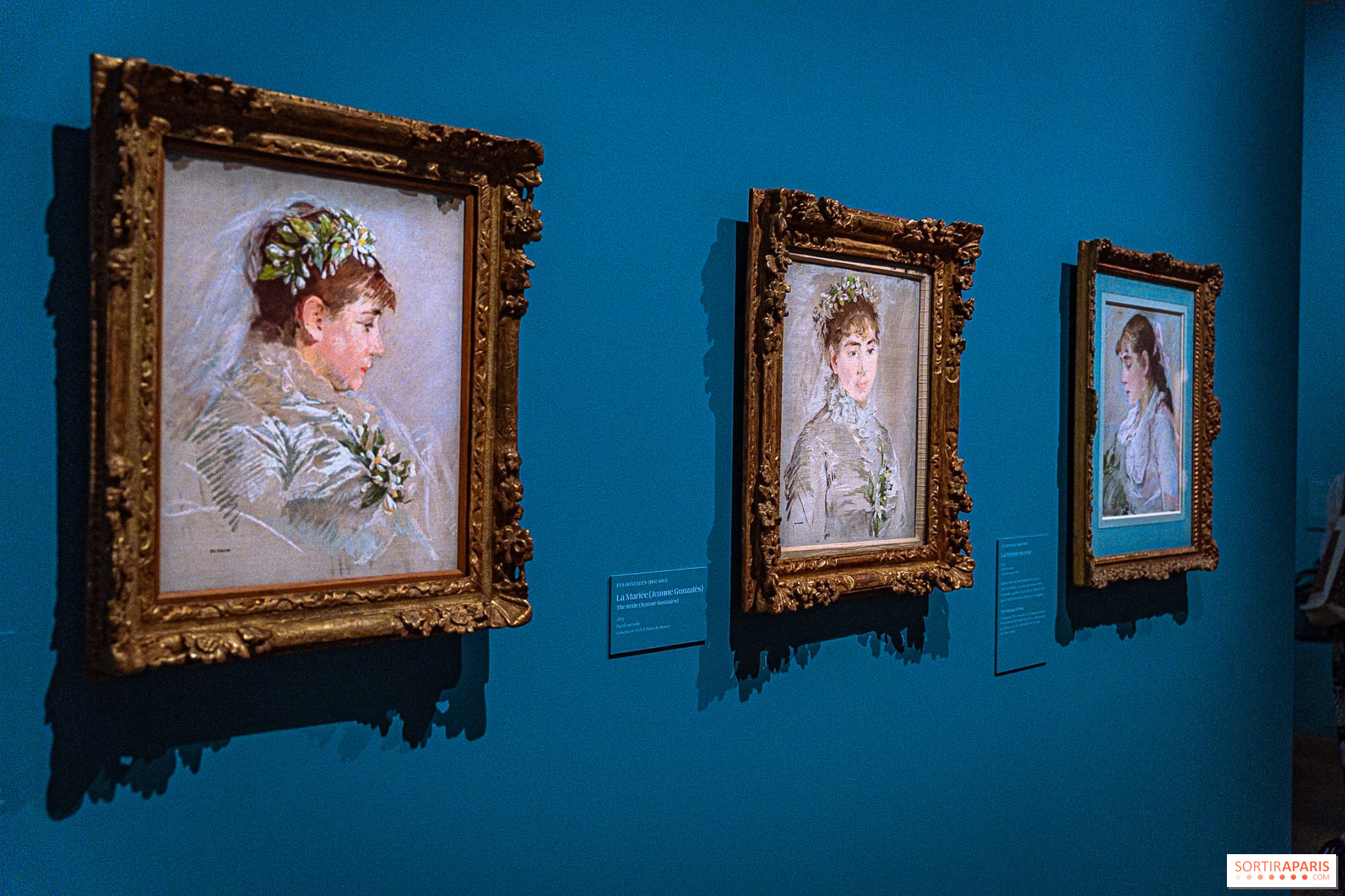
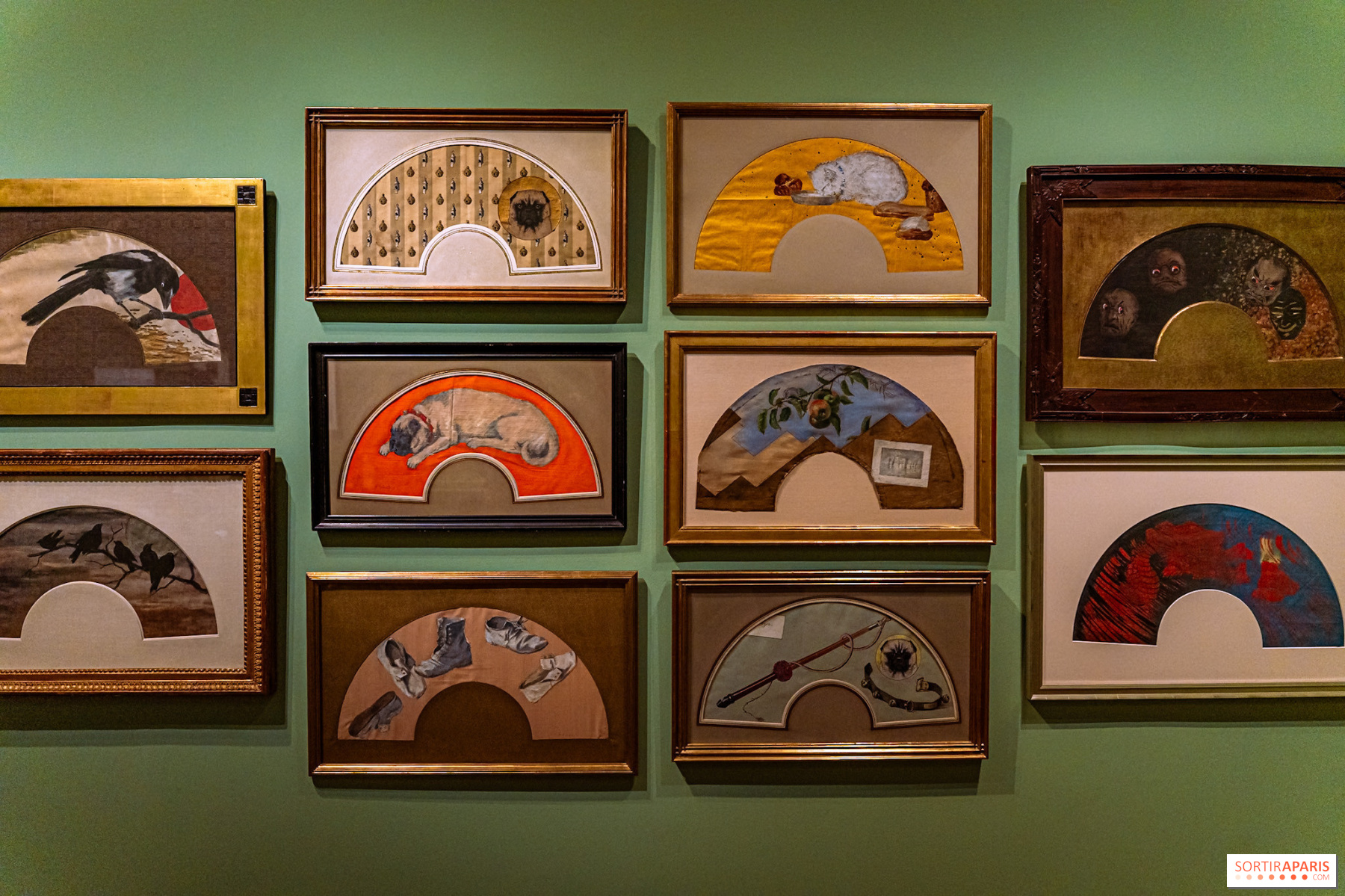
What strikes you as you walk through the rooms is the light. The painter's contrasted palette and fluid brushwork unfold on intimate subjects: his sister Jeanne Gonzalès, his favored model, domestic scenes, children, hats and fans from bourgeois daily life observed without sentimentality.
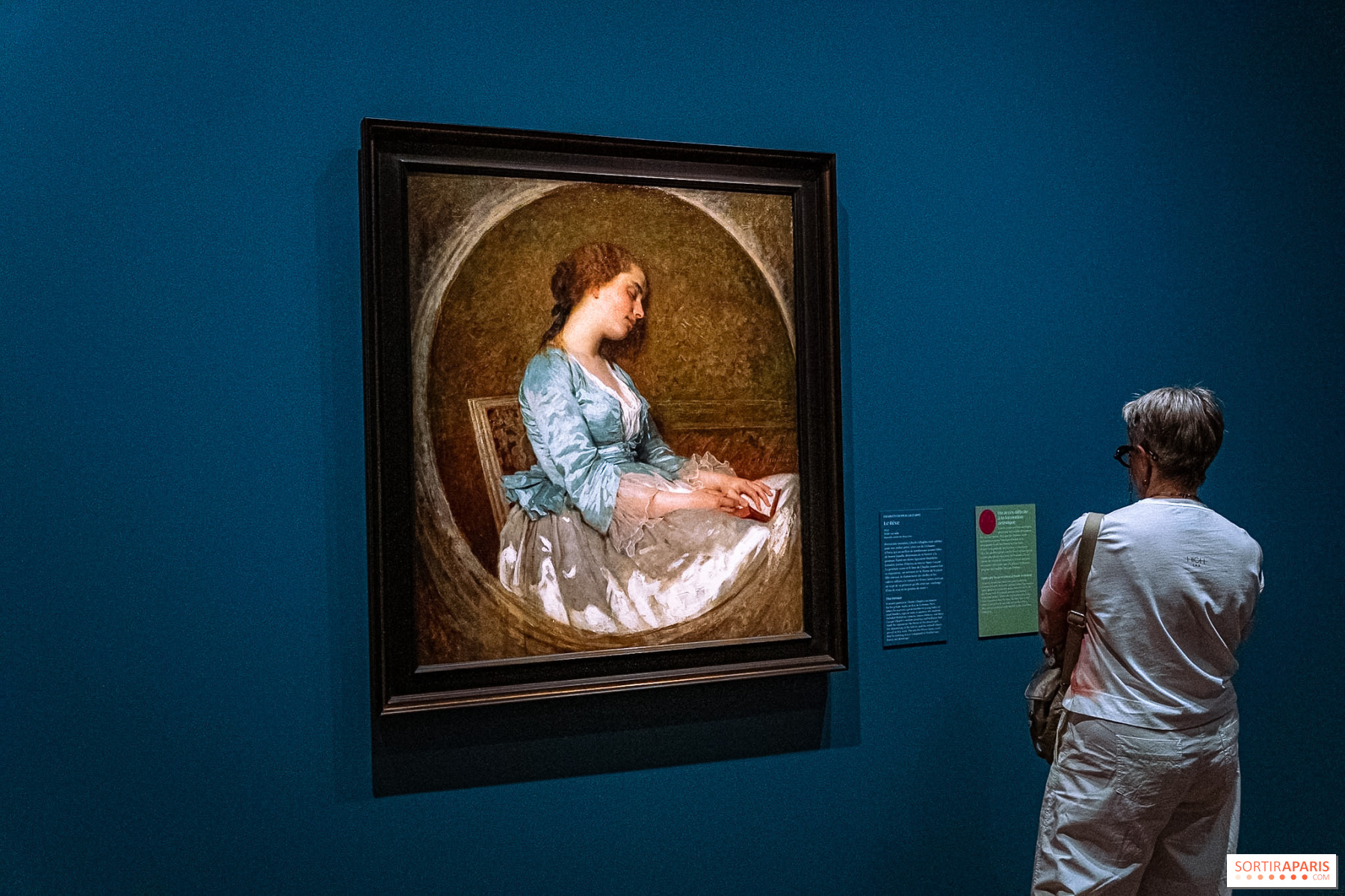
The Awakening (1877), from the Kunsthalle Bremen, is among the paintings you linger before for a while. The pastels, meanwhile, offer a lovely surprise: the medium is even freer than in oils.
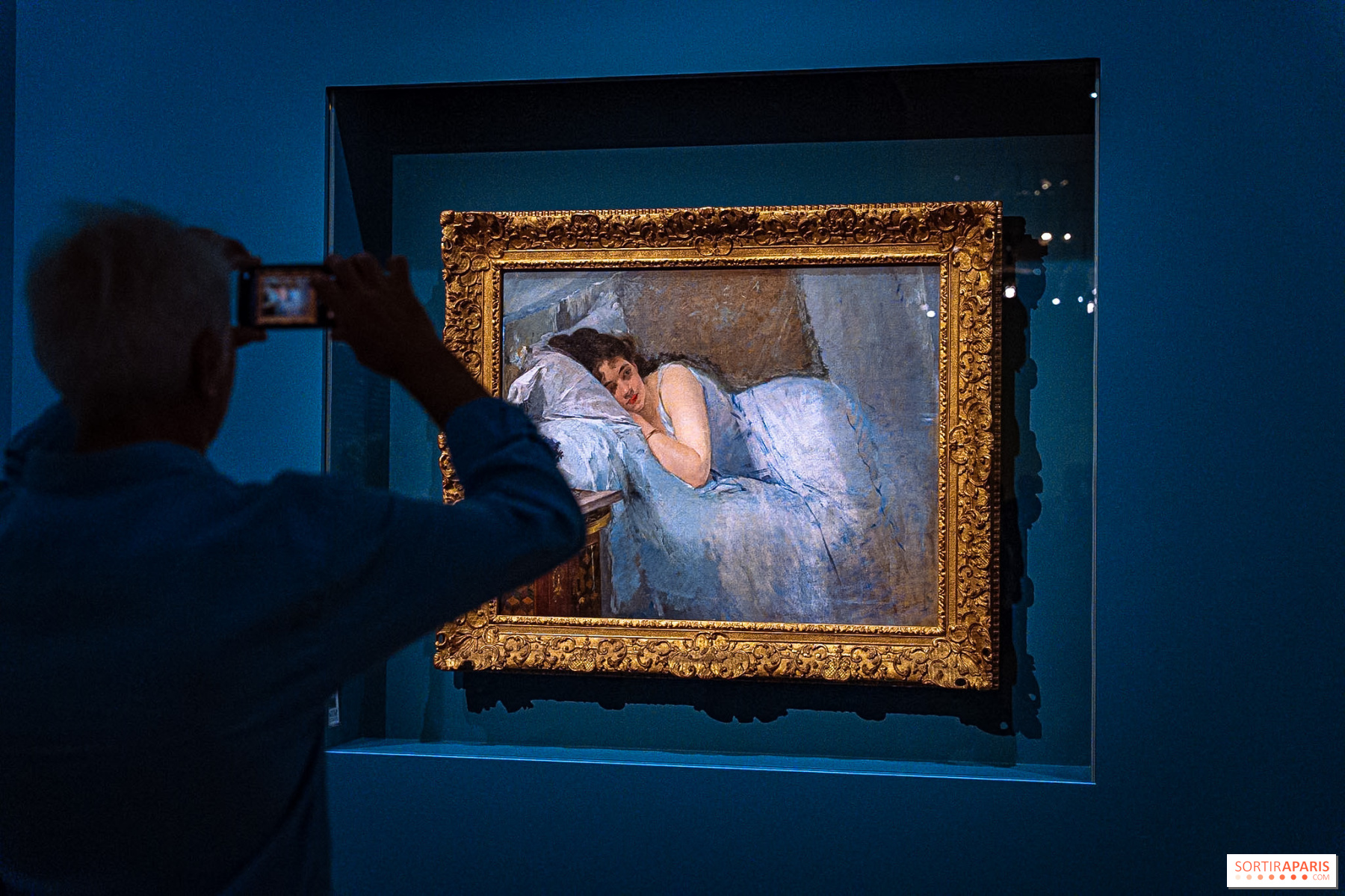
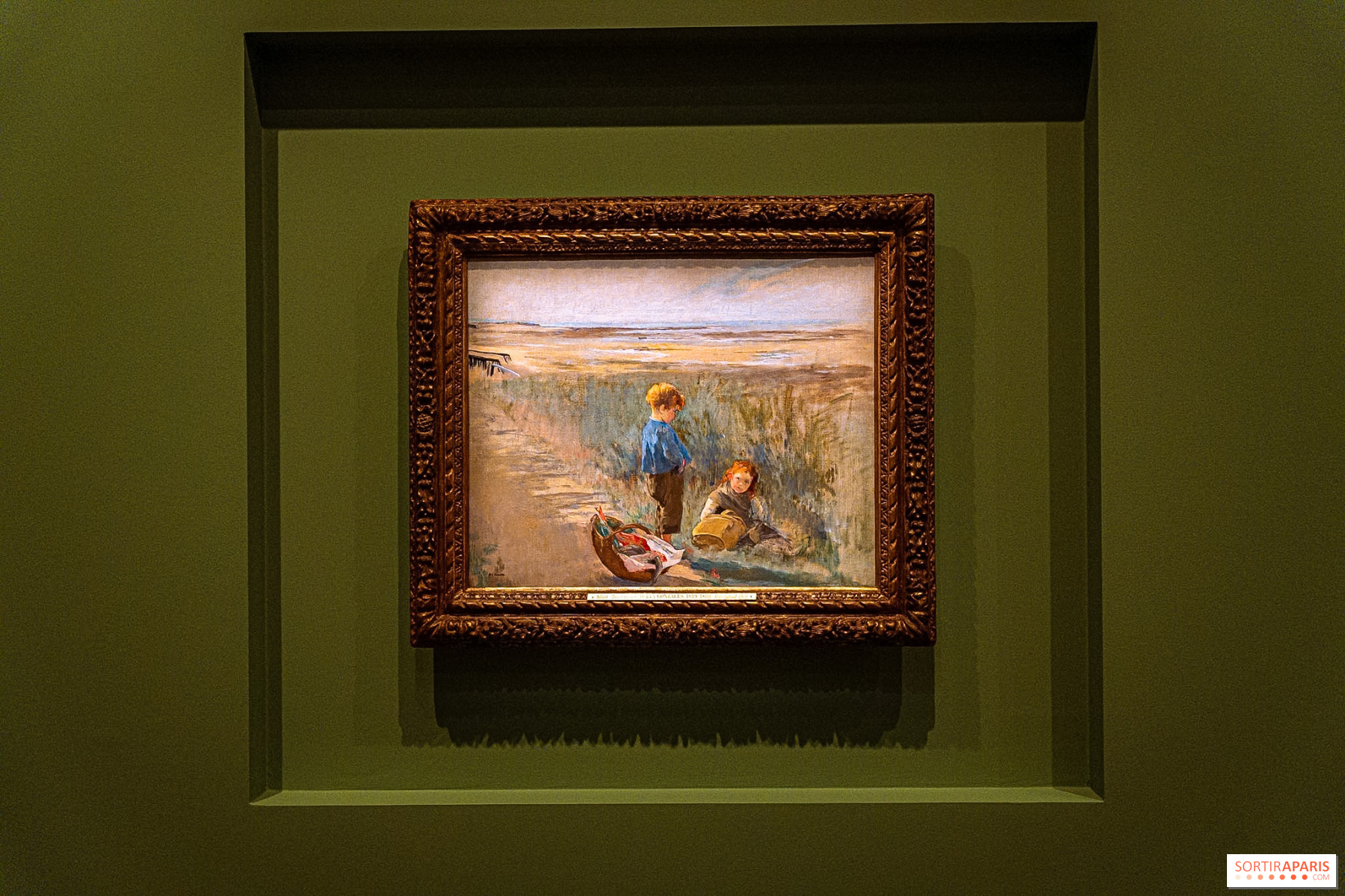
The route also puts a strong emphasis on marine scenes and Norman landscapes, crafted outdoors near Dieppe and Grandchamp. Children in the Sand Dunes or The Donkey Ride pull us out of Parisian interiors for a welcome breath of fresh air, halfway through the journey.
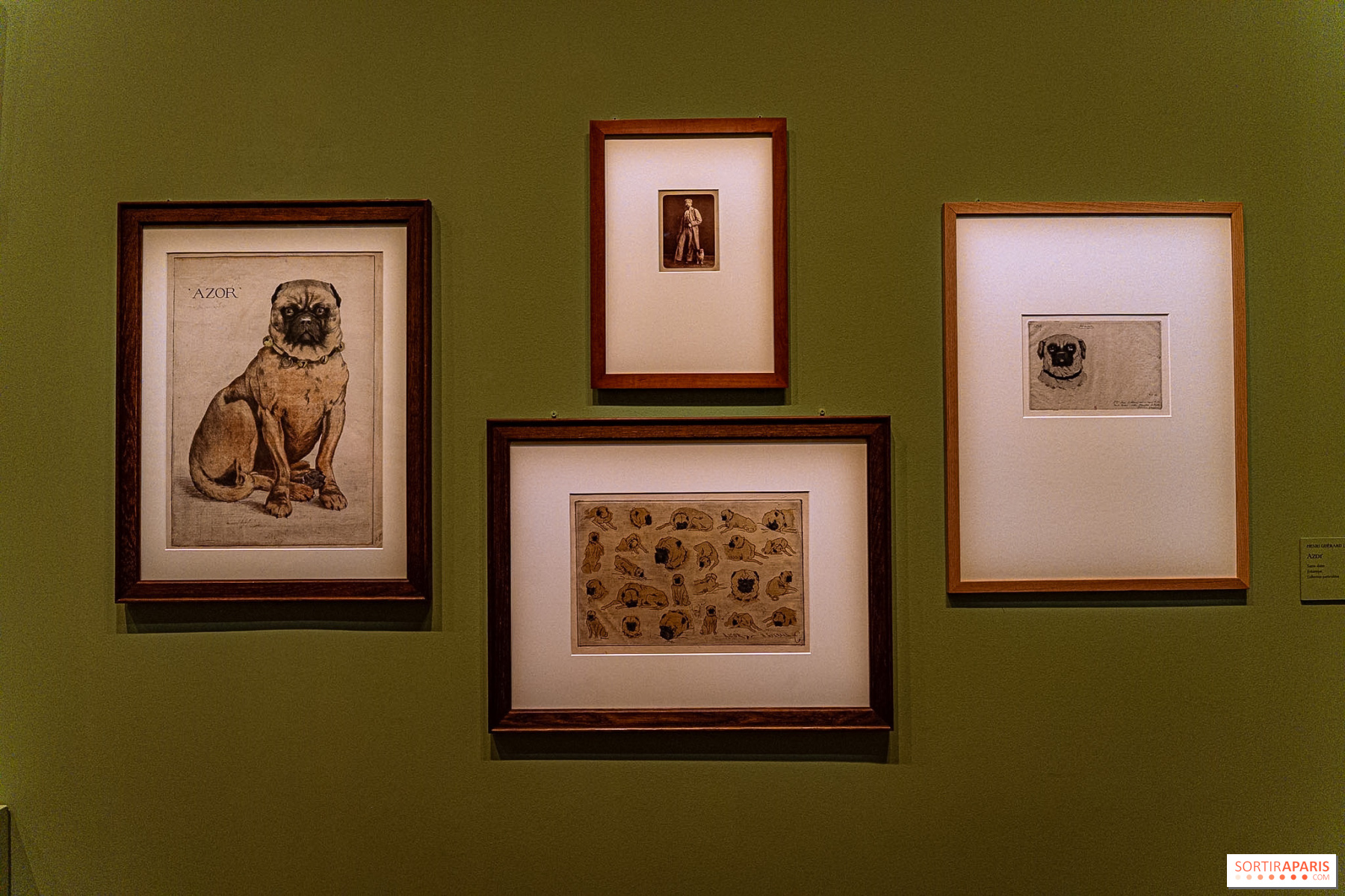
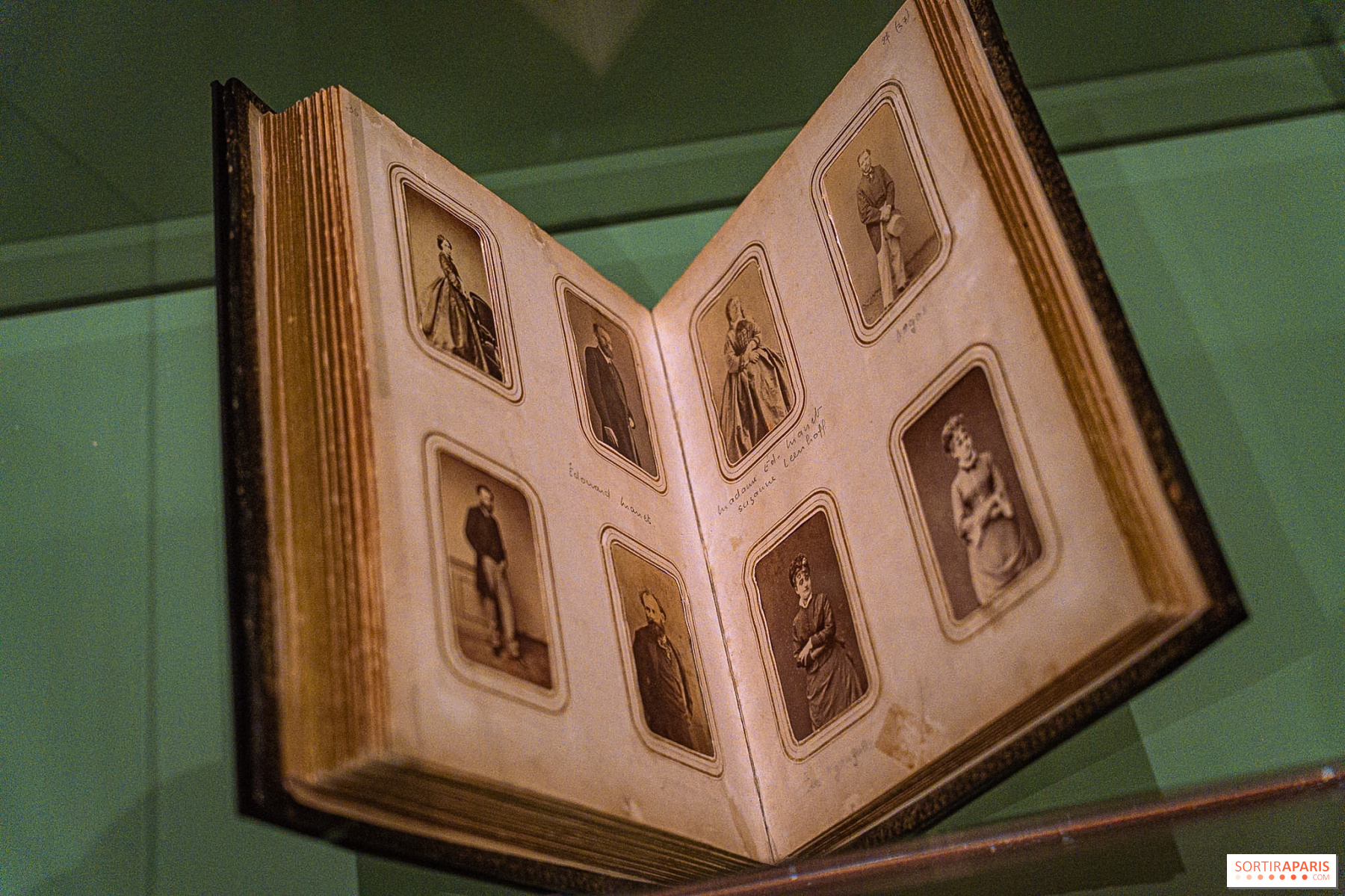
Two other figures accompany the artist: Henri Guérard, an engraver and her husband, and of course Manet. In contrast, works by Berthe Morisot, Mary Cassatt, and Marie Bracquemond illuminate the conditions under which women artists worked at the end of the 19th century, without dwarfing Gonzalès within a collective. An interpretation trail titled “A Woman Artist’s Life” runs through the rooms, and it’s actually quite well put together.
Eva Gonzalès dies of an embolism on May 6, 1883, just days after Manet and shortly after giving birth to a son. She was 36. A short life, a cohesive body of work, and recognition that arrived long after the fact.
The Petit Palais opens Tuesday to Sunday from 10:00 to 18:00, with the last entry at 16:45, and extends to 20:00 on Fridays and Saturdays (last entry at 18:45). The museum is closed on Mondays. Admission is €14 full price and €12 reduced; free for under 18s, job seekers, and visitors with disabilities. Details on free admissions are available on the Paris Museums site, and timed-entry tickets can be booked online. The museum is reachable by the Champs-Élysées-C Clemenceau metro station (lines 1 and 13). Important note: the permanent collections are free, except during the weekend late openings reserved for temporary exhibitions.
A tip from our visit: aim for late in the day or the after-hours sessions. The rooms fill up quickly in the early afternoon, and the pastel works deserve to be studied up close without having to elbow your way in. The museum is also hosting a free lecture series about the artist from September 22, 2026 to January 12, 2027, along with guided tours and concerts.
This is an exhibition that unfolds at its own pace and never overplays its hand. It speaks to Impressionism enthusiasts eager to step off the Monet-Renoir beaten path, to those drawn to the history of women artists, and to families, since the childhood scenes offer an accessible entry point for younger visitors.
The format stays accessible: plan about an hour without rushing. One caveat: weekend crowds can spoil some of the intimate feel of the show, except during the quieter hours. And the exhibition will then travel to the Van Gogh Museum in Amsterdam in February 2027, so now is the time to see it.
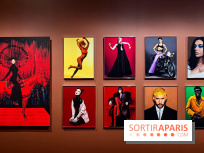
If you extend your day, the Petit Palais keeps its year dedicated to women artists going with Visionnaires, a free curatorial pass to Prune Nourry from October 20, 2026, to January 24, 2027, followed by Bruxelles 1900 from November 10, 2026, to April 25, 2027. And for two more standout events of the same vein, we recommend Eternel Tintoretto at the Jacquemart-André Museum, just a stone’s throw from the Champs-Élysées, as well as our guide to must-see painting exhibitions in Paris and Île-de-France. And to learn all about the venue itself, head to our piece on Le Petit Palais and its Treasures.
Dates and Opening Time
From September 15, 2026 to January 27, 2027
Location
Petit Palais
Avenue Winston Churchill
75008 Paris 8
Route planner
Accessibility info
Recommended age
For all
Official website
www.petitpalais.paris.fr