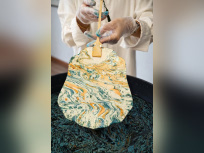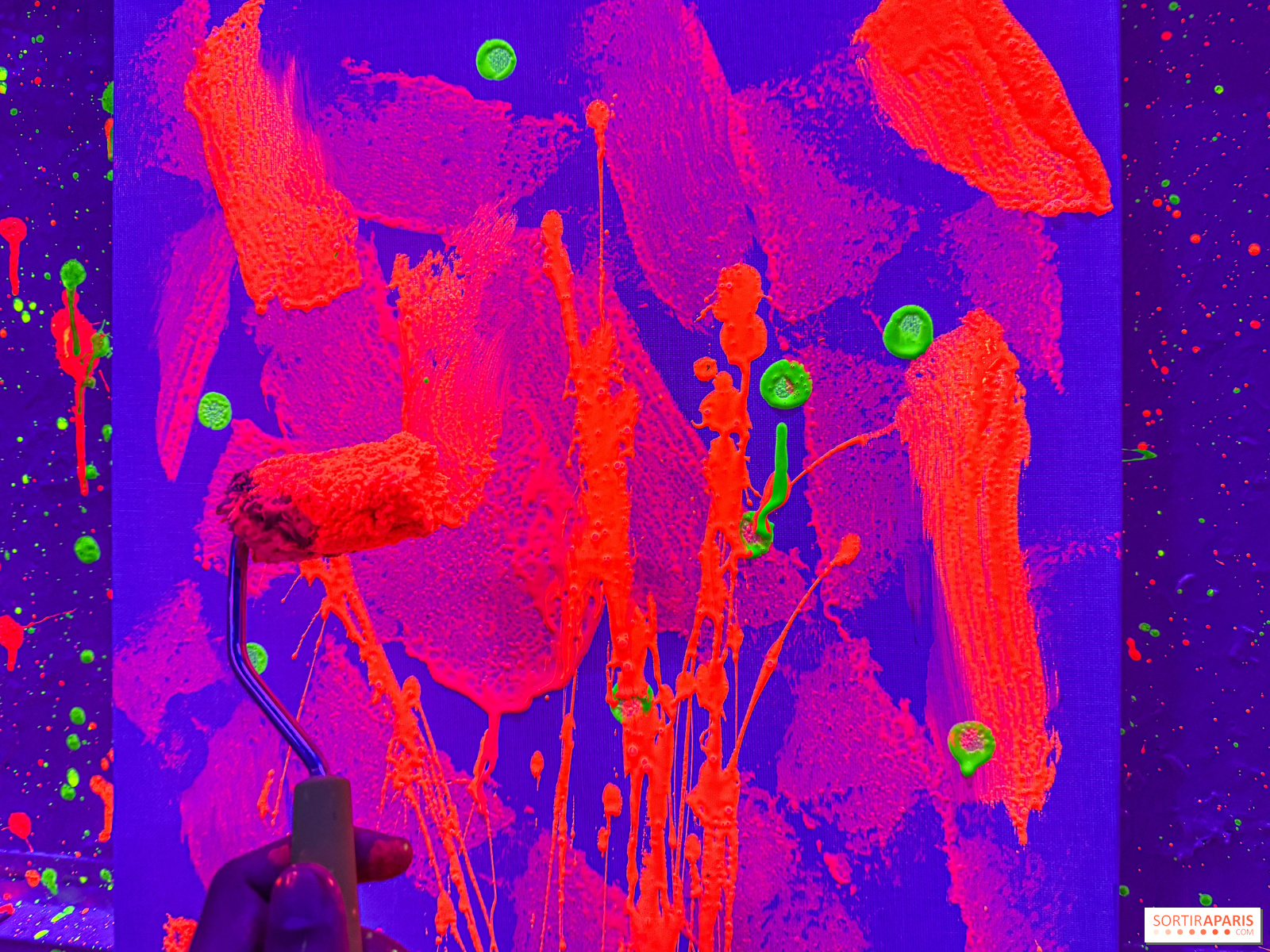
Painting with your hands, splattering color on walls, letting your gestures flow freely without worrying about perfection — this is the essence of Action Painting. It’s a fresh, creative pastime that’s capturing the interest of an ever-growing crowd. In Paris, specialty studios are popping up everywhere, riding the wave of this trend that turns painting into a playful, intuitive, and collective experience. Here, there’s no strict blueprint—just a space to explore, improvise, and express yourself within an immersive environment of music and light, creating a truly unique ambiance.
Drawn from a mid-20th-century American artistic movement, modern Action Painting has shifted away from traditional museums to become accessible in open ateliers. These spaces invite visitors to stand and paint freely, moving organically without rigid rules. Typically available by reservation, sessions range from 30 minutes to over an hour and welcome both children and adults. The atmosphere is relaxed, often accompanied by a tailored soundtrack, designed to encourage spontaneous creativity.
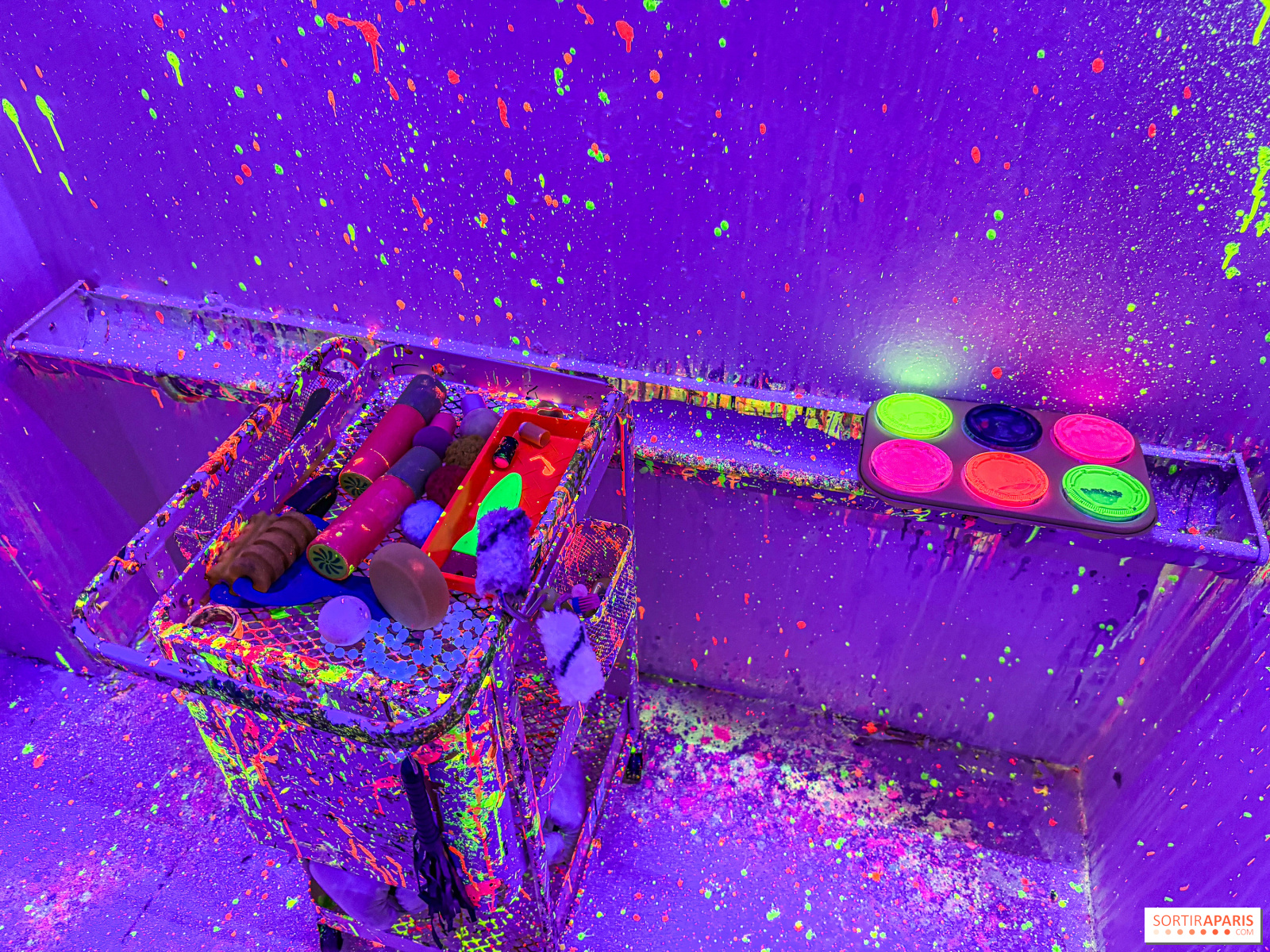
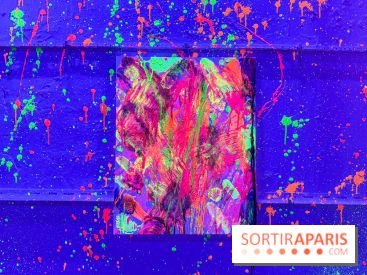
In Paris, several venues have embraced this format, such as Paint Invaders, Paint Me Up, and Breush. These spots offer private immersive spaces where participants can unleash their creativity in a secure, enclosed environment—sometimes illuminated with black lights for striking fluorescent effects. All materials are provided: paints, protective gear, canvases… and occasionally accessories like glasses or props to enhance the experience.
The experience is designed to be accessible to all, with no prior artistic skills required. What draws people in is not only the freedom to express themselves but also the chance to enjoy an activity that breaks away from the routine. The formats are tailored for outings with friends, team-building exercises, family celebrations, or even birthday parties. Emphasis is placed on the joy of painting together in a friendly, judgement-free environment. By the end of the session, everyone leaves with their own masterpiece.
Far removed from traditional workshops, the immersive Action Painting experience stands out for its physicality and intuitive approach. The act of creation takes precedence over the end result. People come here to vent, experiment, and sometimes even let go. Painting becomes a way to reconnect with oneself through movement and bodily expression. Some sessions offer a calmer atmosphere, while others are more energetic—catering to different moods and desires.
This activity is designed for a wide audience: curious explorers, art enthusiasts, children, groups, and adults seeking a unique experience. It provides a fresh alternative to traditional cultural outings, emphasizing participation and hands-on engagement over mere observation. The appeal also lies in its simplicity: reservations are easy, attendees come dressed as they are, and everything is set up for painting right away.
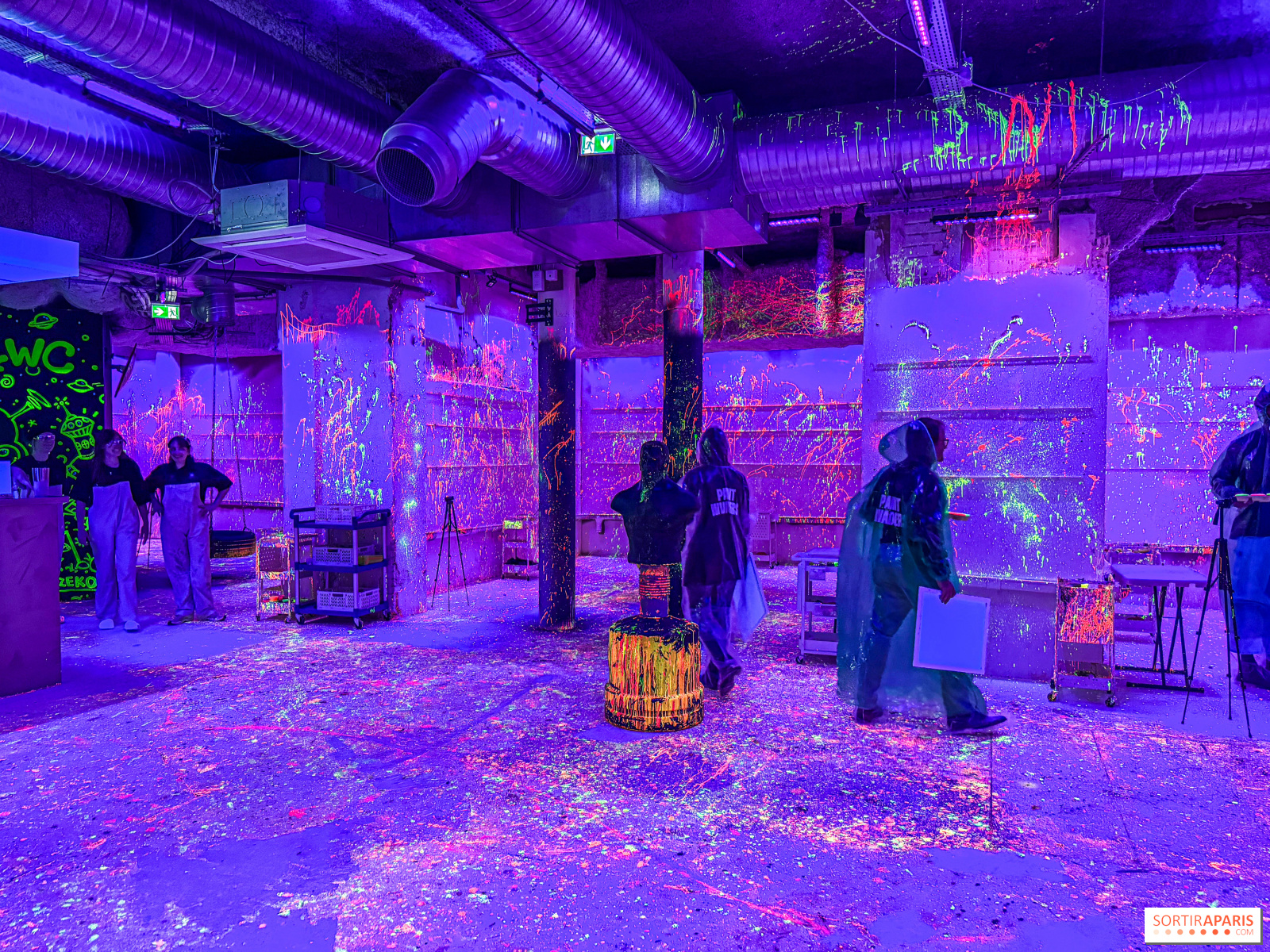
Action Painting signals a real shift in how we approach leisure activities: it’s no longer just about entertainment, but about experiencing, engaging, and creating. Today, people want more than just to watch a piece of art or listen to a speech — they want to be active participants, feel involved, and interact. And Action Painting delivers all of that. In this context, painting becomes a more immediate, accessible form of self-expression, free from traditional rules or aesthetic expectations. It’s no longer the finesse of the brushstroke that matters, but the experience of the act itself.
These formats fulfill the desire for reconnection with oneself as well as with others. The popularity of Action Painting also stems from its ability to foster connections: among friends, family, and colleagues. It’s a shared activity that encourages commentary, collective experience, and joy through movement, color, and laughter. This approach fits into a broader emotional framework, putting the user at the heart of the experience and revitalizing the role of artistic practice within everyday life.
Action Painting also raises questions about the forms that future artistic practices might take. If a blank canvas in a dedicated space can become an open platform for everyone to express themselves, why not envision similar formats within live performance, theater, or even heritage sites? And what if culture was no longer just consumed, but co-created—within flexible, interactive, and sensory environments? The enthusiasm for these workshops demonstrates that audiences are eager to explore alternatives to traditional top-down models.
More and more cultural players are venturing into this territory: mediators, artists, institutions, and associations. Hybrid formats are emerging — blending participatory creation with increasingly immersive experiences, supervised amateur practices, and workshops focused on letting go. In this landscape, the artistic act becomes a versatile tool: it can support cultural mediation, foster social cohesion, and even promote psychological well-being. The full potential of these approaches remains largely untapped. What’s next? Perhaps even more participatory formats, greater freedom, and venues that are ever more surprising. One thing is certain: these kinds of experiences have already found an audience, and we’re just getting started.
This page may contain AI-assisted elements, more information here.