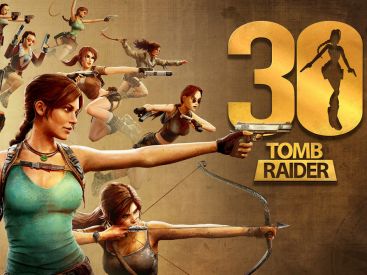
Lara Croft has learned several times how to become Lara Croft... Since 1996, Tomb Raider has revised her past, her motivations and the way she enters the adventure. These changes can be disconcerting: events that once seemed essential in one version vanish or are transformed in another. The series has indeed undergone several narrative continuities, rather than a single biography regularly enriched with new chapters. On its 30th anniversary, this October 24, 2026, these reboots also reflect the difficulty of growing a heroine who has become famous.
The distinction matters. The 2013 Tomb Raider restarts the story in a fresh take on the universe. So it isn’t enough to drop it before the 1996 game in order to achieve a perfectly coherent chronology. What survives from one era to the next is above all a British heroine, practical problem-solving, physical prowess, and an enduring thirst for mysteries.
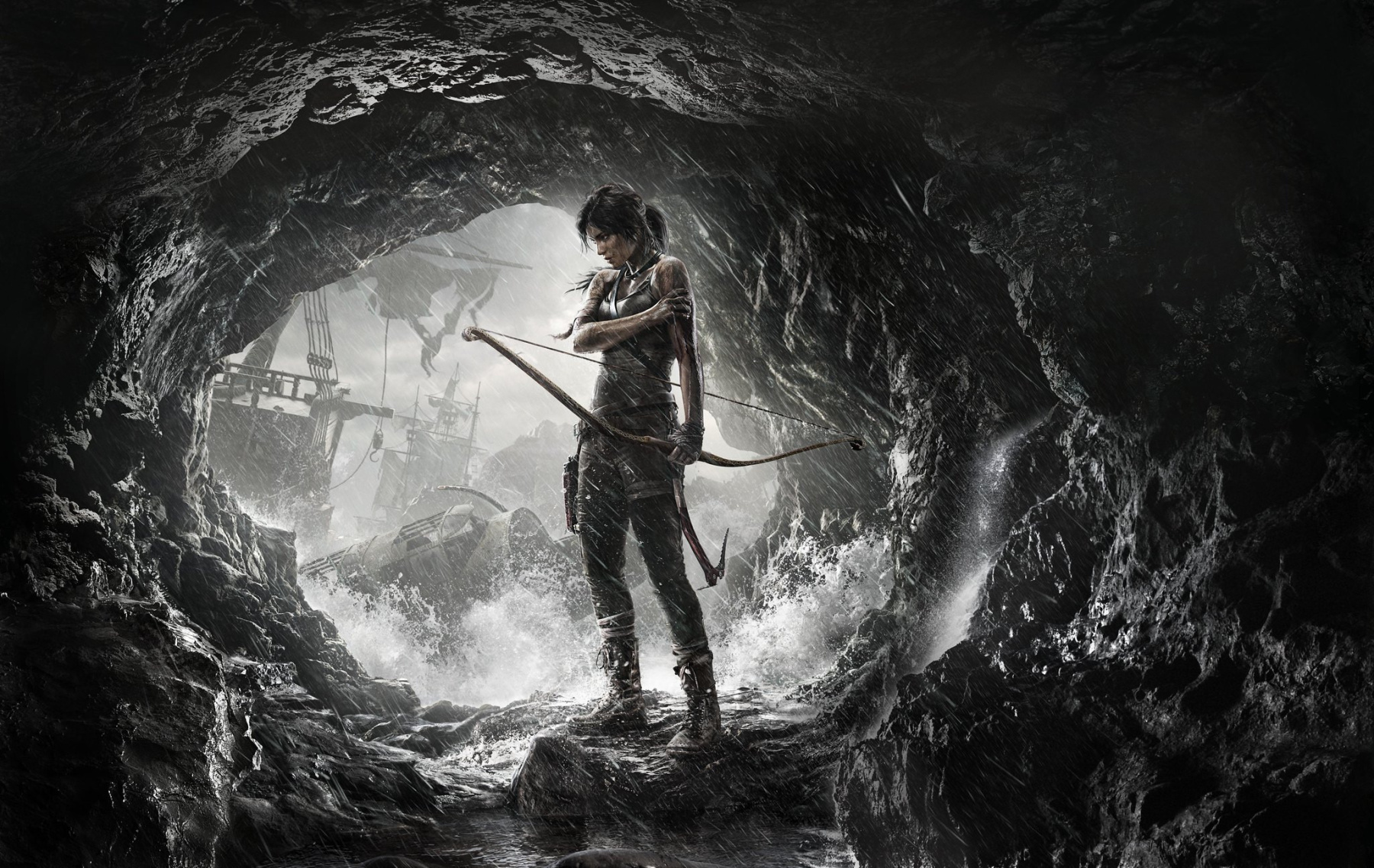
The biography in the original manual frames Lara as a member of the aristocracy, groomed for a life in keeping with her class. A plane crash in the Himalayas upends that path. Surviving on her own, she can’t stand the restraints of high society and sets out to travel. Cast out by her family, she funds her expeditions largely through her writing.
This origin story puts emancipation front and center. Lara leaves because she has found a way of life that suits her better. The character wields a freedom that’s almost provocative: adventure can be a desire in its own right, not something that must constantly serve to mend a tragedy.
The accident is already part of her past, but the game doesn’t center the entire experience on rebuilding her. When you meet her, she’s capable. The learning is first about the player behind the controller, tasked with rising to the level of a heroine who seems to know what she’s doing.
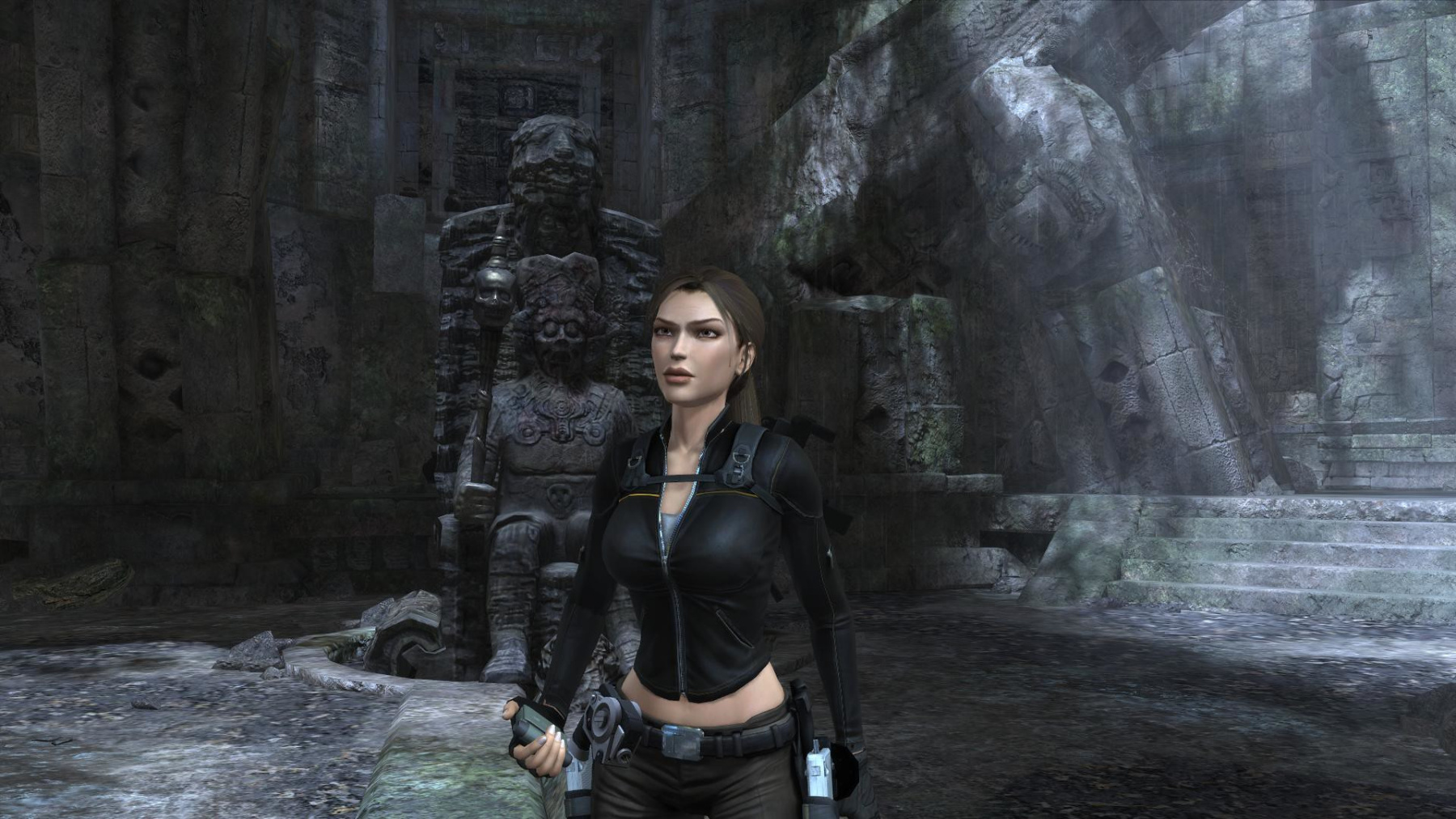
The Legend, Anniversary, and Underworld era shifts this balance. The three games belong to a single continuity, in which Lara’s mother’s disappearance plays a major role. Anniversary revisits the first Tomb Raider adventure, weaving it into this updated version of her story.
This choice gives expeditions a more personal edge. Monuments and ancient relics can offer answers that resonate with Lara herself. Players aren’t just chasing the mystery of a place anymore: they’re also uncovering her family’s past.
The dramatic stakes are clear, but they redefine the heart of the adventure. A portion of the early sense of freedom gives way to a mission tethered to the missing. Lara now carries more relationships and visible scars; her passion for exploration shares the spotlight with a growing emotional burden.
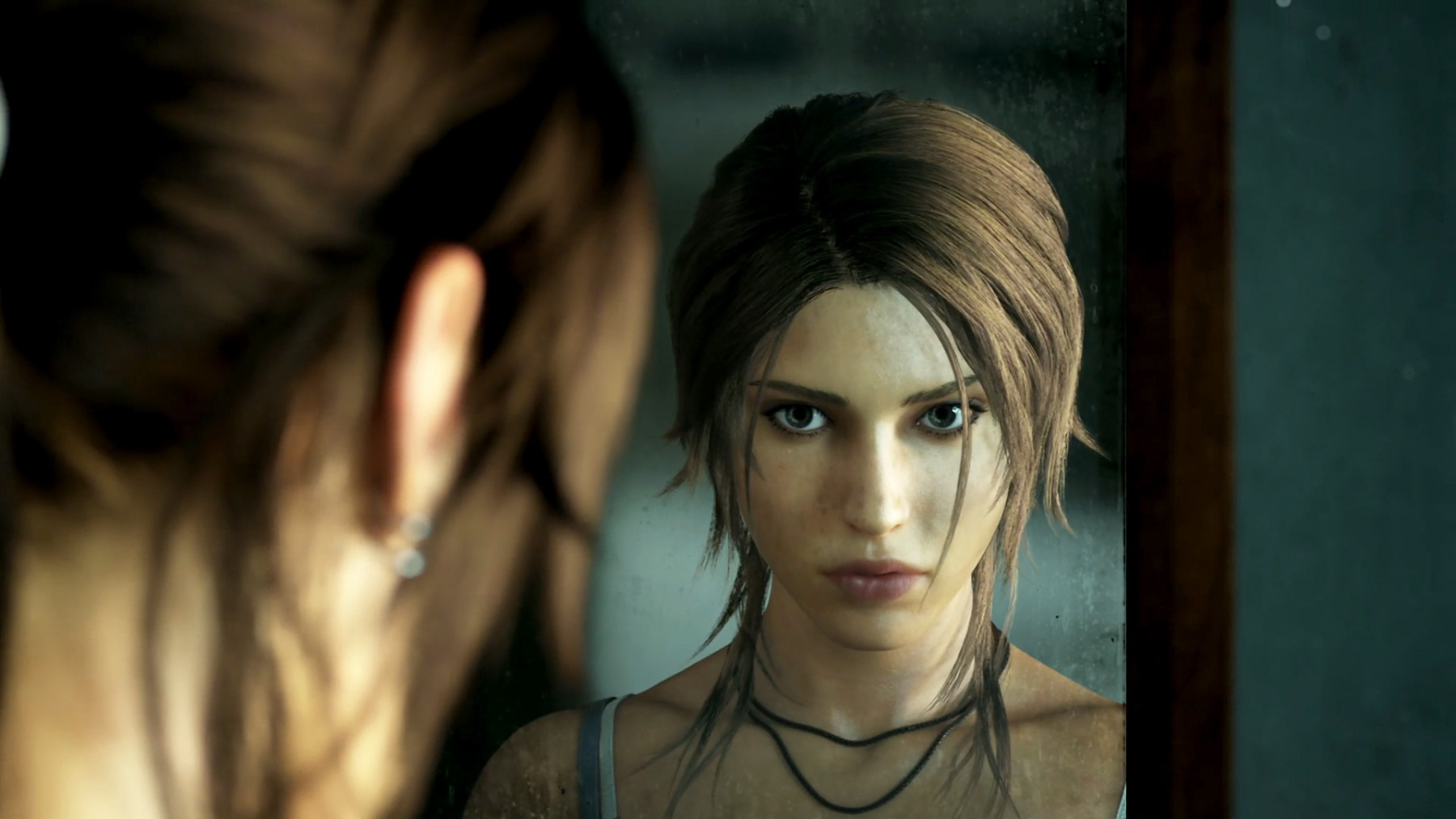
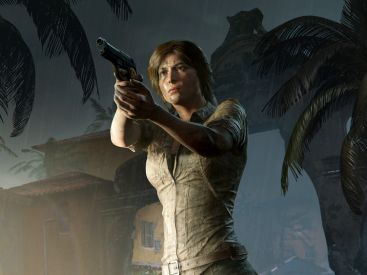
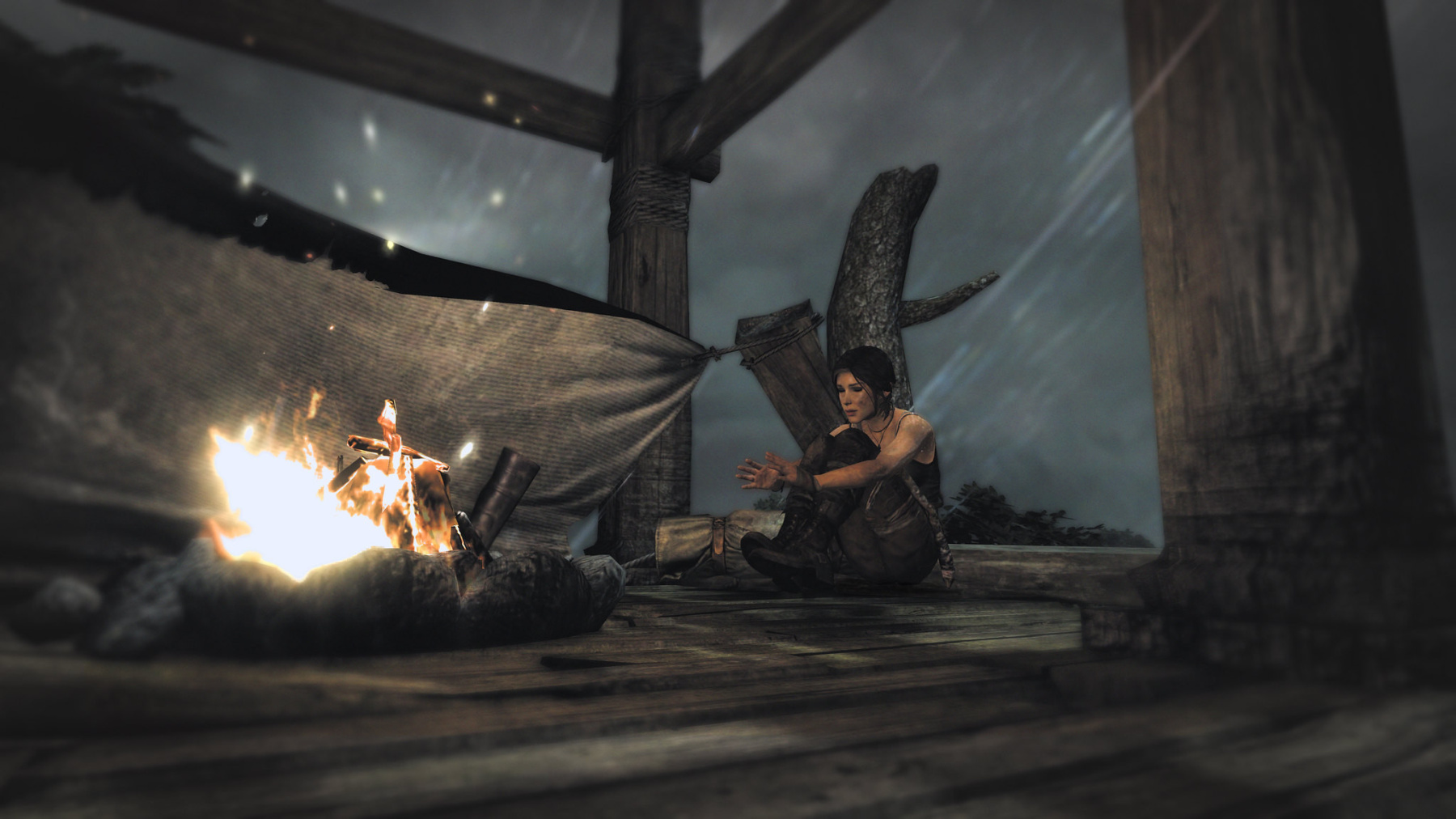
With the 2013 misstep, Crystal Dynamics once again ties Lara’s story to the gameplay experience. Lara discovers her abilities while players learn the controls. Her early powers, the hurdles she faces, and her progress provide narrative justification for her ascent.
Rhianna Pratchett, the lead writer, explained at the time that the older Lara, capable of handling nearly any situation, offered few avenues for her transformation. She also noted that the character’s first killing had been designed as one test among many within a broader arc.
Framing the origins also serves as a convenient entry point for an older franchise. New players can dive in without needing years of backstory. Yet continually returning to this setup builds a different expectation: to finally see Lara fully established in her life as an adventurer.
An accomplished heroine still has plenty of narrative ground to cover. She can be mistaken, change her mind, meet someone who outpaces her, or discover the limits of her convictions. Her certainty can spark as much conflict as her vulnerability. After so many origins, Lara Croft now has territory to explore: everything she can become once she no longer has to prove she deserves her own name.
This page may contain AI-assisted elements, more information here.




![KINGDOM HEARTS Collection [I–III] : la saga arrive sur PS5, Xbox Series et Nintendo Switch 2](https://cdn.sortiraparis.com/images/18/66131/1319970-kingdom-hearts-collection-la-saga-arrive-sur-ps5-xbox-series-et-nintendo-switch-2.jpg)
![KINGDOM HEARTS Collection [I–III] : la saga arrive sur PS5, Xbox Series et Nintendo Switch 2](https://cdn.sortiraparis.com/images/19/66131/1319970-kingdom-hearts-collection-la-saga-arrive-sur-ps5-xbox-series-et-nintendo-switch-2.jpg)
![KINGDOM HEARTS Collection [I–III] : la saga arrive sur PS5, Xbox Series et Nintendo Switch 2](https://cdn.sortiraparis.com/images/20/66131/1319970-kingdom-hearts-collection-la-saga-arrive-sur-ps5-xbox-series-et-nintendo-switch-2.jpg)