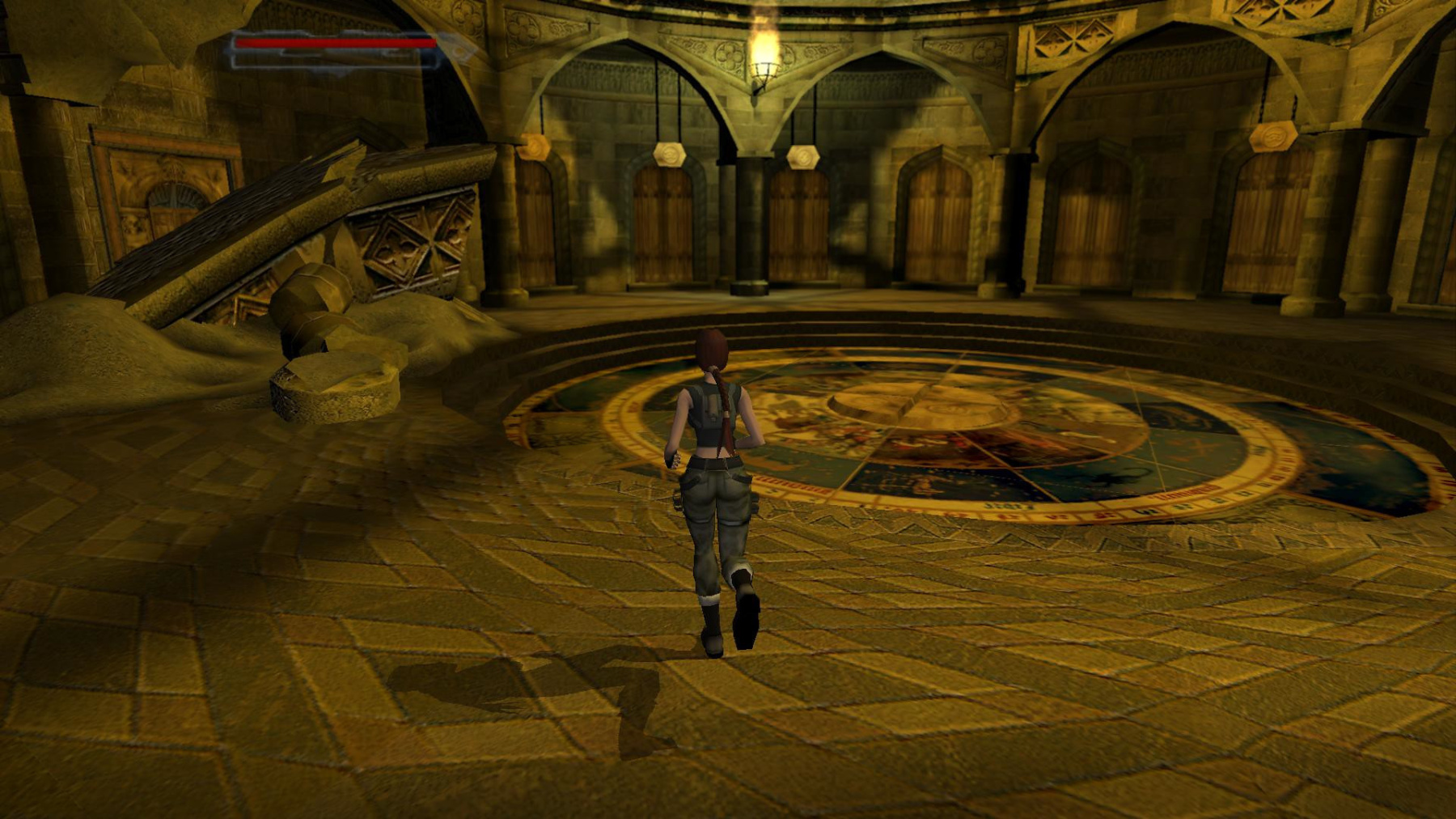
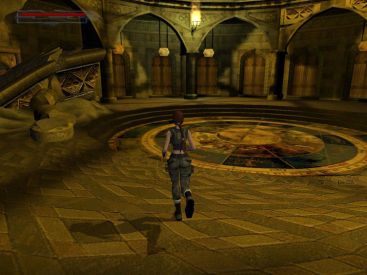
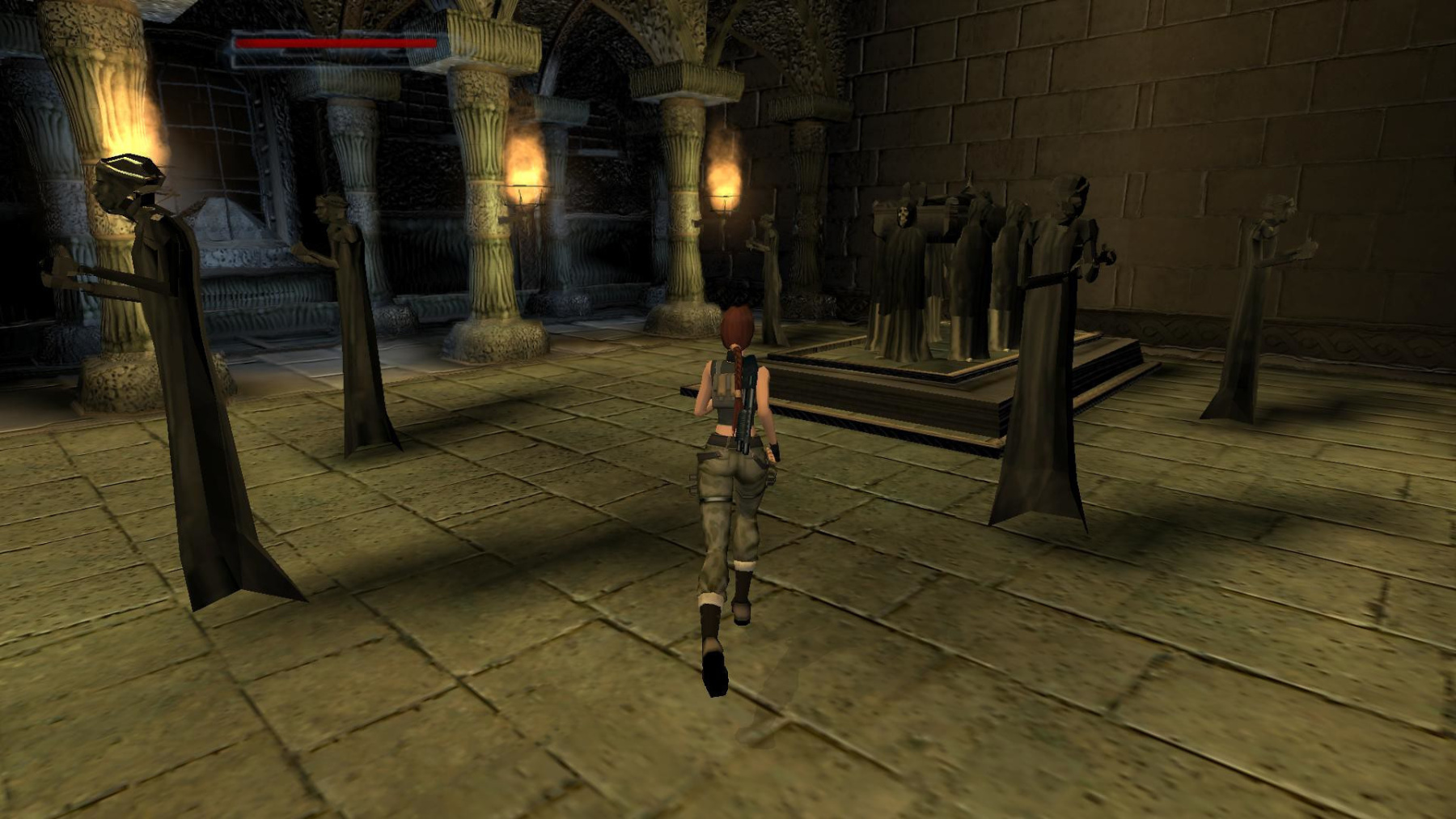
A game that can disappoint yet continue to intrigue. Tomb Raider: The Angel of Darkness, developed by Core Design and released in 2003 on PlayStation 2 and PC, fits that mold. At launch, critics flagged its control issues and a slew of technical flaws. GameSpot's June 2003 review described an experience whose strengths are hampered by bugs and the challenge of steering Lara. Revisiting this chapter for the 30 years of Tomb Raider, in October 2026, also tells the story of the missteps that helped shape the franchise.
This assessment explains her reputation, but it doesn’t tell the whole story of the project. Behind the clumsy moments lies a determination to redefine the series at its core. Lara becomes a fugitive; the plot leans on secret societies and conversations take on more prominence. The adventurer isn’t meant to simply thread through environments—she must navigate a network of characters with uncertain motives.
The writer Murti Schofield, who joined Core Design in 2000, explained that he wanted to explore the fallout from the earlier events. After the abandonment she feels she endured in Egypt, Lara returns with anger and questions. Her hardness is meant to drive her story forward, not simply give her a new attitude.
That intention shapes the game's tone. The dry replies, the mistrust, and the urge to understand what’s happening to her all contribute to the characterization. The character remains capable, but her relationships with others have shifted. Years before the 2013 reboot, the series was already aiming to turn Lara’s trials into a central narrative thread.
The emergence of Kurtis Trent, the game’s second playable character, broadens the project’s scope. His abilities and ties to the story open a new dimension of the universe. Yet that ambition brings a concrete challenge: every additional character requires distinctive moves, mechanics, and scenarios to justify their inclusion.
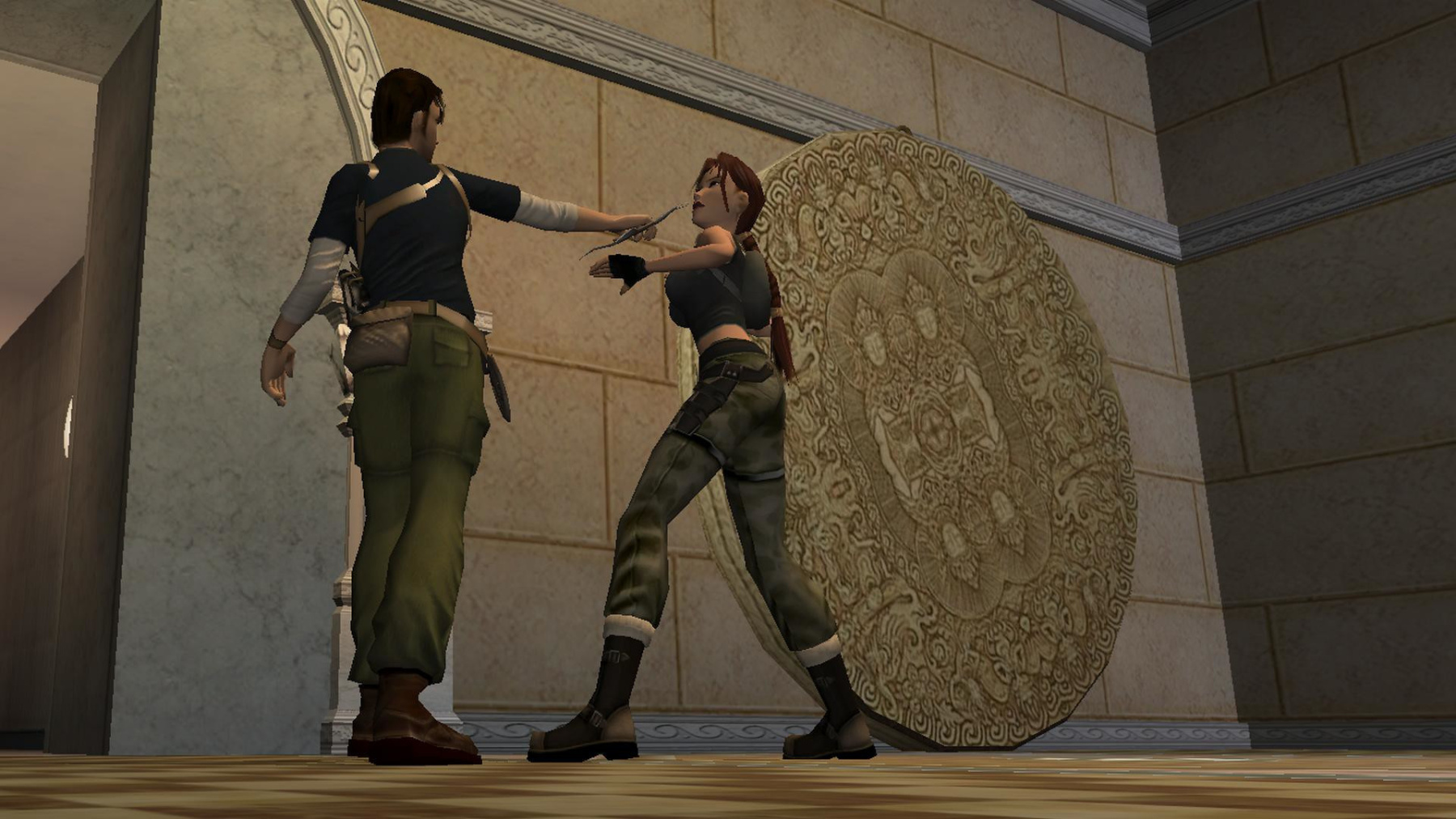
Testimony from Richard Morton, head of game design, sheds light on some of the issues the team faced. They had begun crafting environments before they even had the final development hardware. Some areas turned out to be too demanding for the console’s capabilities. They had to simplify and split them up, with loading pauses that broke the continuity of the routes.
This constraint hits at the heart of game design. A space meant to feel like a unified whole ends up as a string of sections. Movement has to adapt, the tempo shifts, and some ideas lose their appeal. Upgrading to a more powerful machine doesn’t automatically grant more freedom: you also have to build the tools and methods to make the most of it.
Morton also describes features that were iterated across many versions but never quite reached a fully satisfying result. Some of Kurtis's abilities had been designed and animated, but could not be integrated into the game due to time constraints. Players could thus glimpse in the cutscenes options that vanished when they took back control.
These explanations don't make the frustrations of playing any easier to bear. They, on the other hand, help distinguish a bad idea from one that is poorly executed or underdeveloped. The tone, the characters and certain design choices may spark interest, while the controls prevent you from enjoying it.
The 2025 remaster has brought the question back into the spotlight. It reintroduces Kurtis’s abilities, a training area set in Paris, and some dialogue moments, while offering redesigned controls. These additions illuminate parts of the project that never fit into the original version. They still don’t let us know for sure what the game would have become had development taken a different path.
The appeal of L’Ange des ténèbres also lies in this development arc. We witness a franchise forced to adapt, a studio breaking with its habits, and a result that lays bare the challenges of that transformation. Its flaws are real. So are its experiments, and they make this installment particularly revealing for understanding everything a reinvention of a character as iconic as Lara Croft demands.
This page may contain AI-assisted elements, more information here.