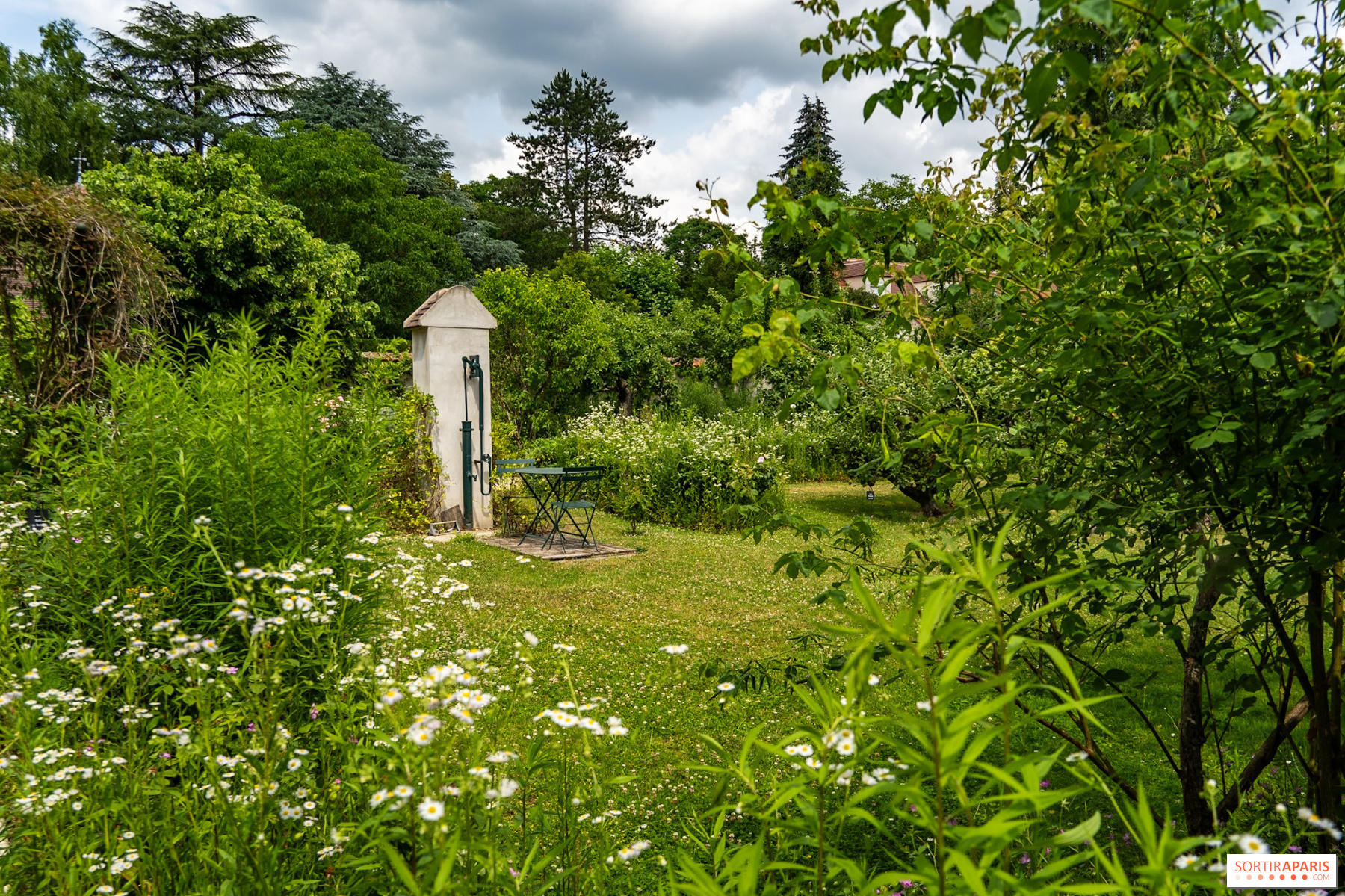
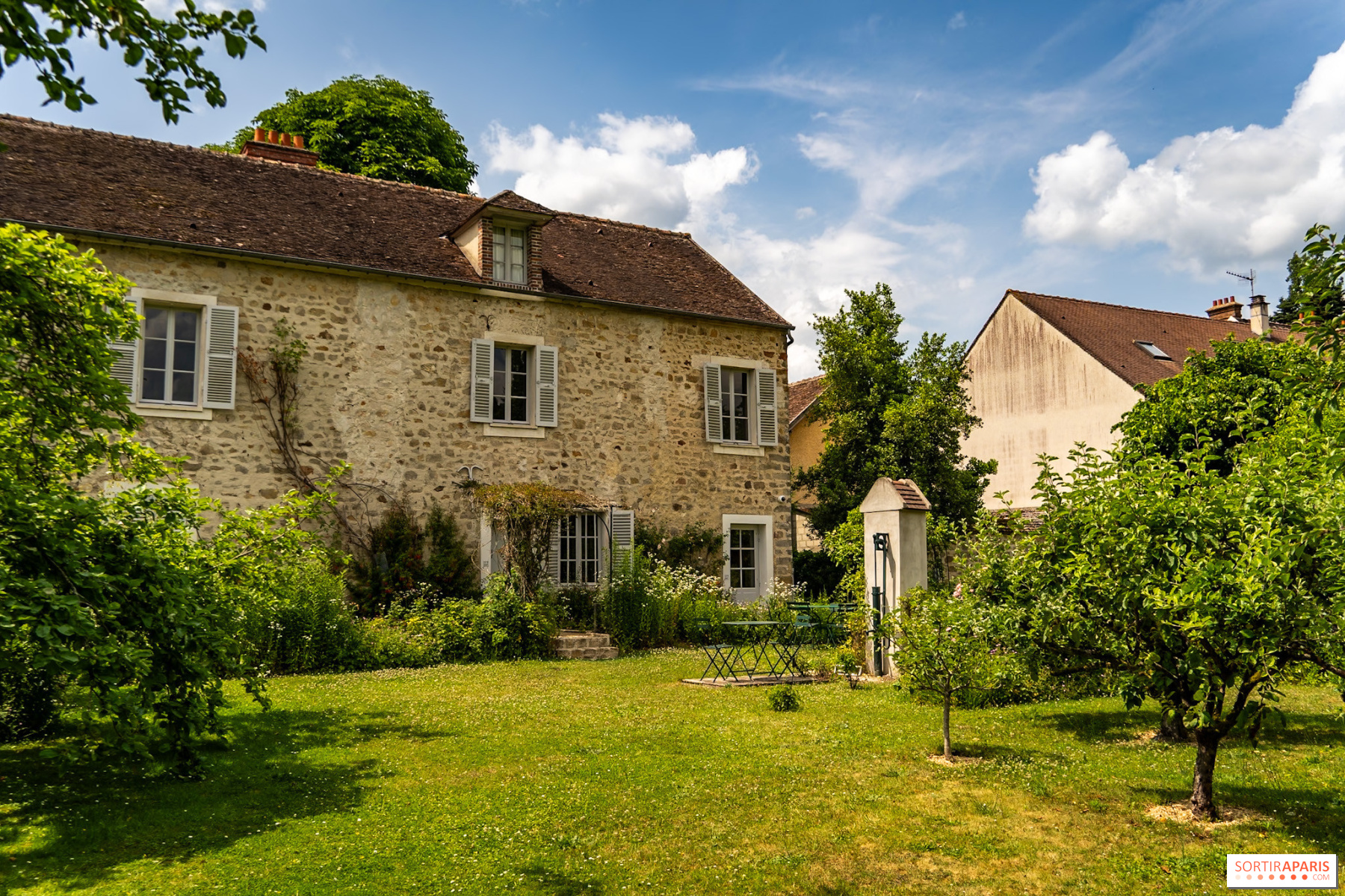
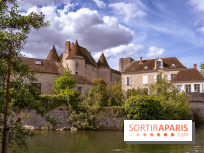
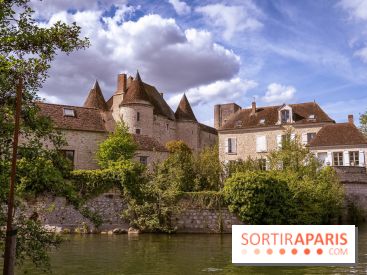
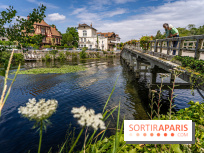
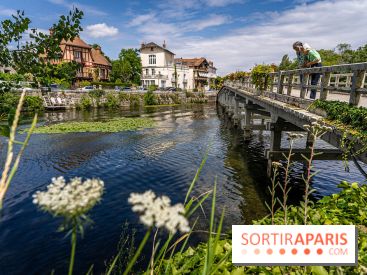
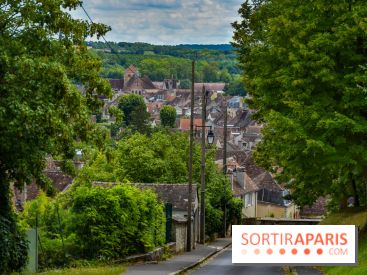
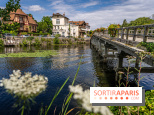
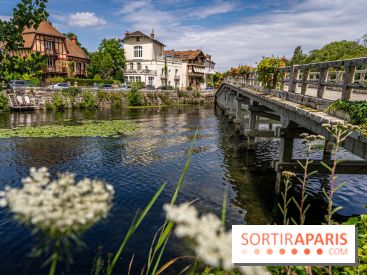
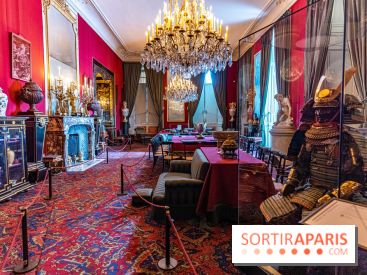
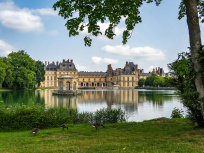
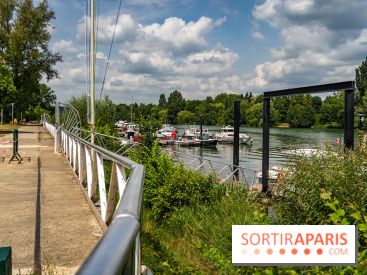
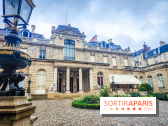
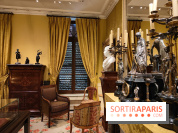
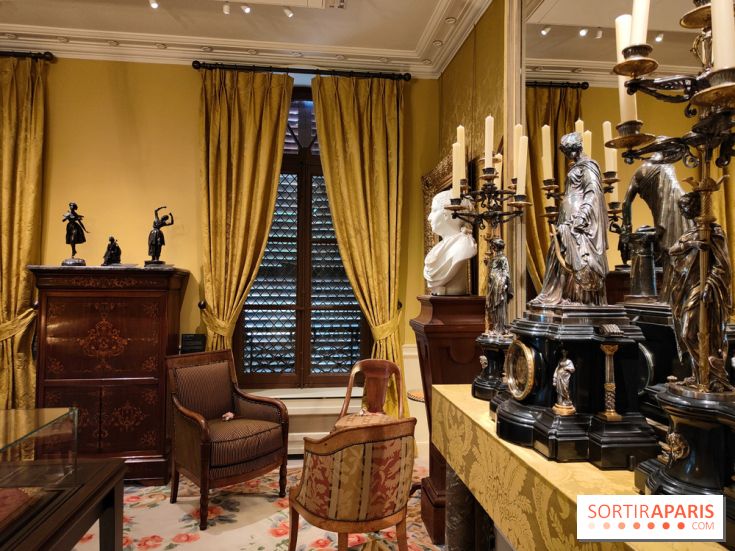
As soon as you take the first steps along the flower-lined path, you enter a suspended world. It was here, in Valvins, that Stéphane Mallarmé found refuge in 1874, in an old inn converted into a holiday home. Along the way, we discover how this peaceful residence became a place of creation, retreat and literary exchange. Carefully restored, the museum rooms tell the story of both the man and his work, through authentic furnishings, personal objects, manuscript verses and period photographs.

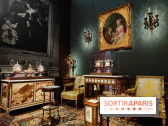
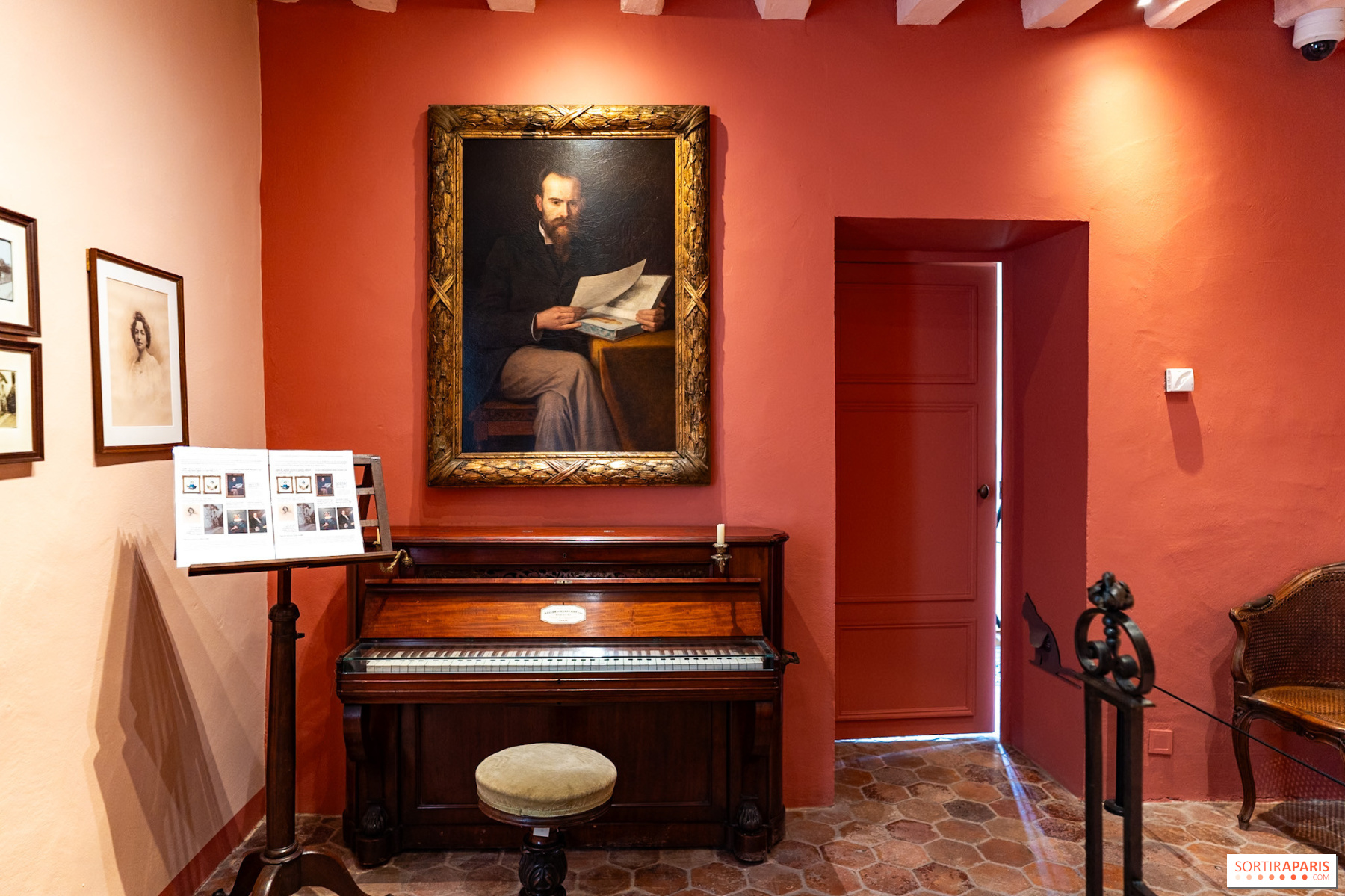
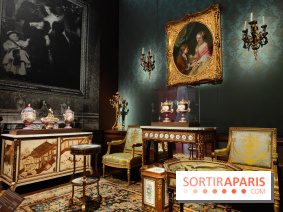
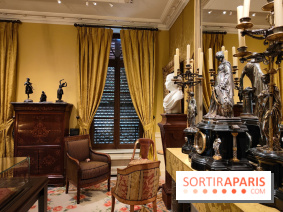
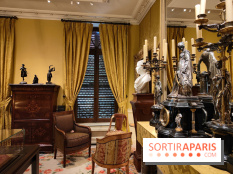
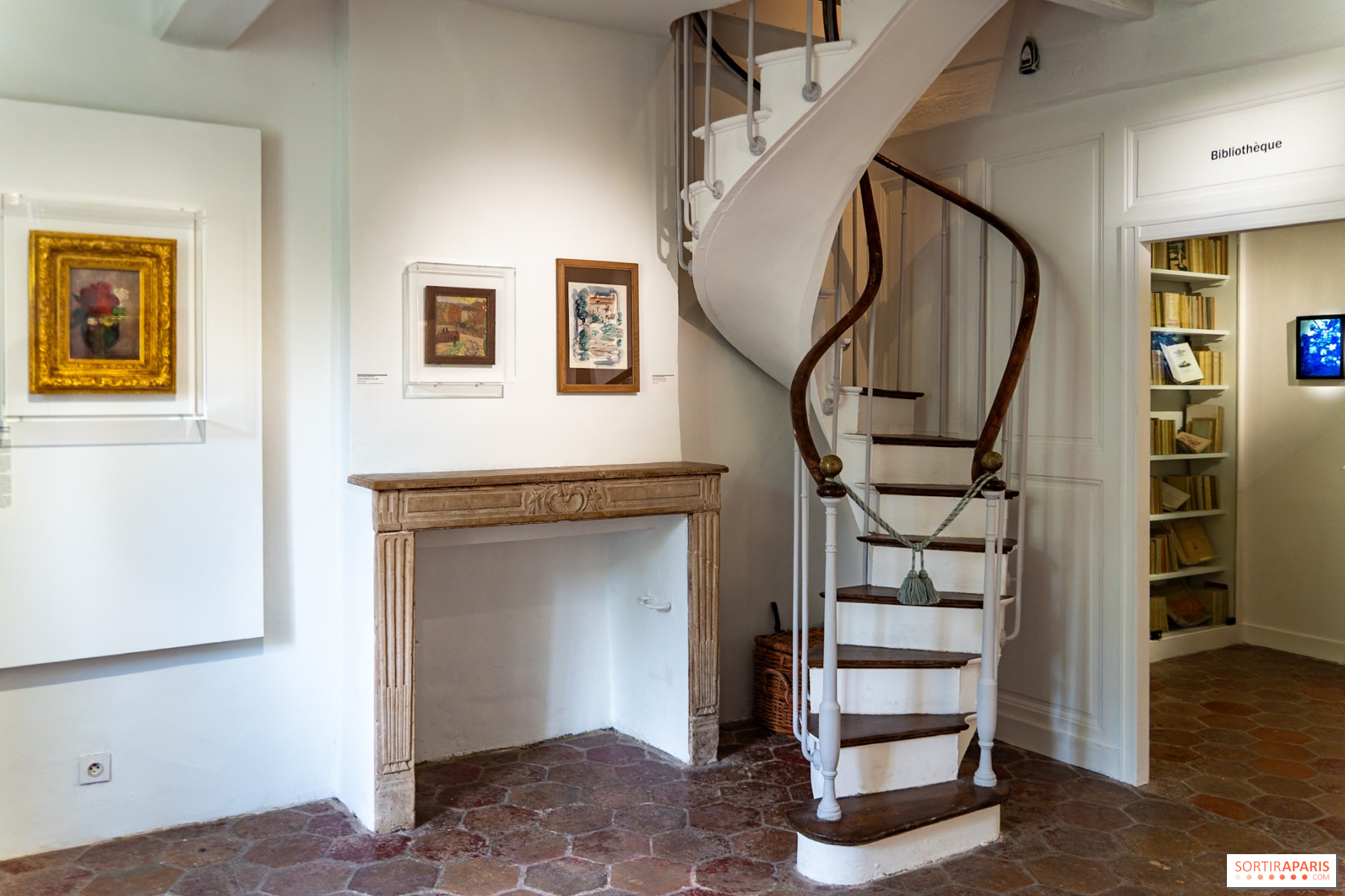
The first floor presents the first atmospheres: the salon rose, Paul Valéry's former bedroom, Mallarmé's French library and temporary exhibition rooms. We then enter the dining room, the only room he initially rented, along with his small study, where the table for his famous literary Tuesdays still stands. The place exudes studious conviviality.

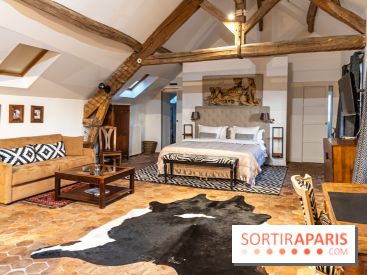
Upstairs, each room reveals a facet of his life. The poet's bedroom, with its soft gray tones, overlooks the Seine. It was here that he died on September 9, 1898. Here, we discover deeply moving souvenirs: the portrait of his son Anatole, who died at the age of eight, the shawl of Méry Laurent, his muse, and engravings by Manet. Next door, the Japanese cabinet evokes his taste for the Far East, and preserves the cabinet in which he stored his notes for the mysterious "Livre" project, a work never completed.
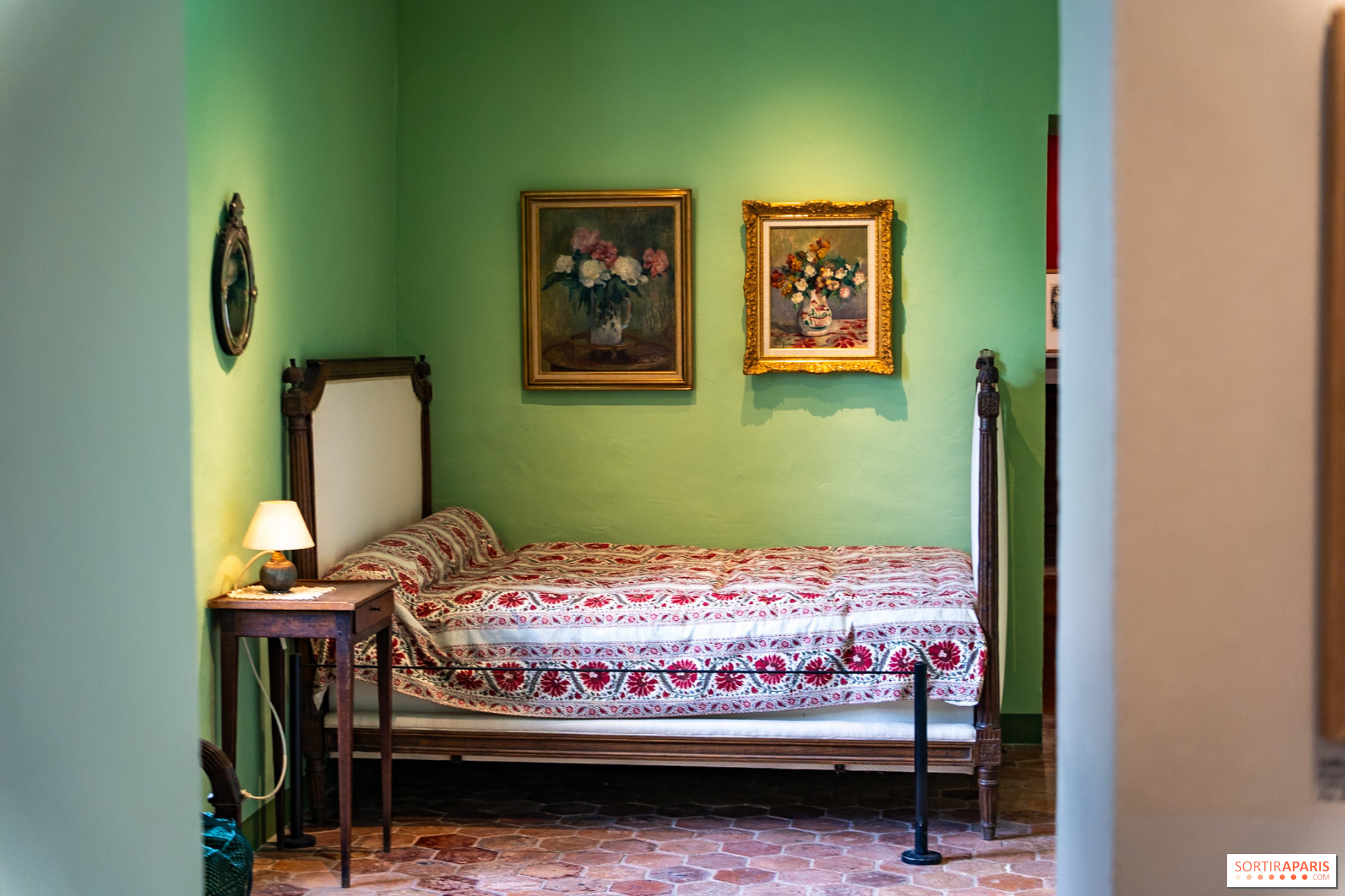

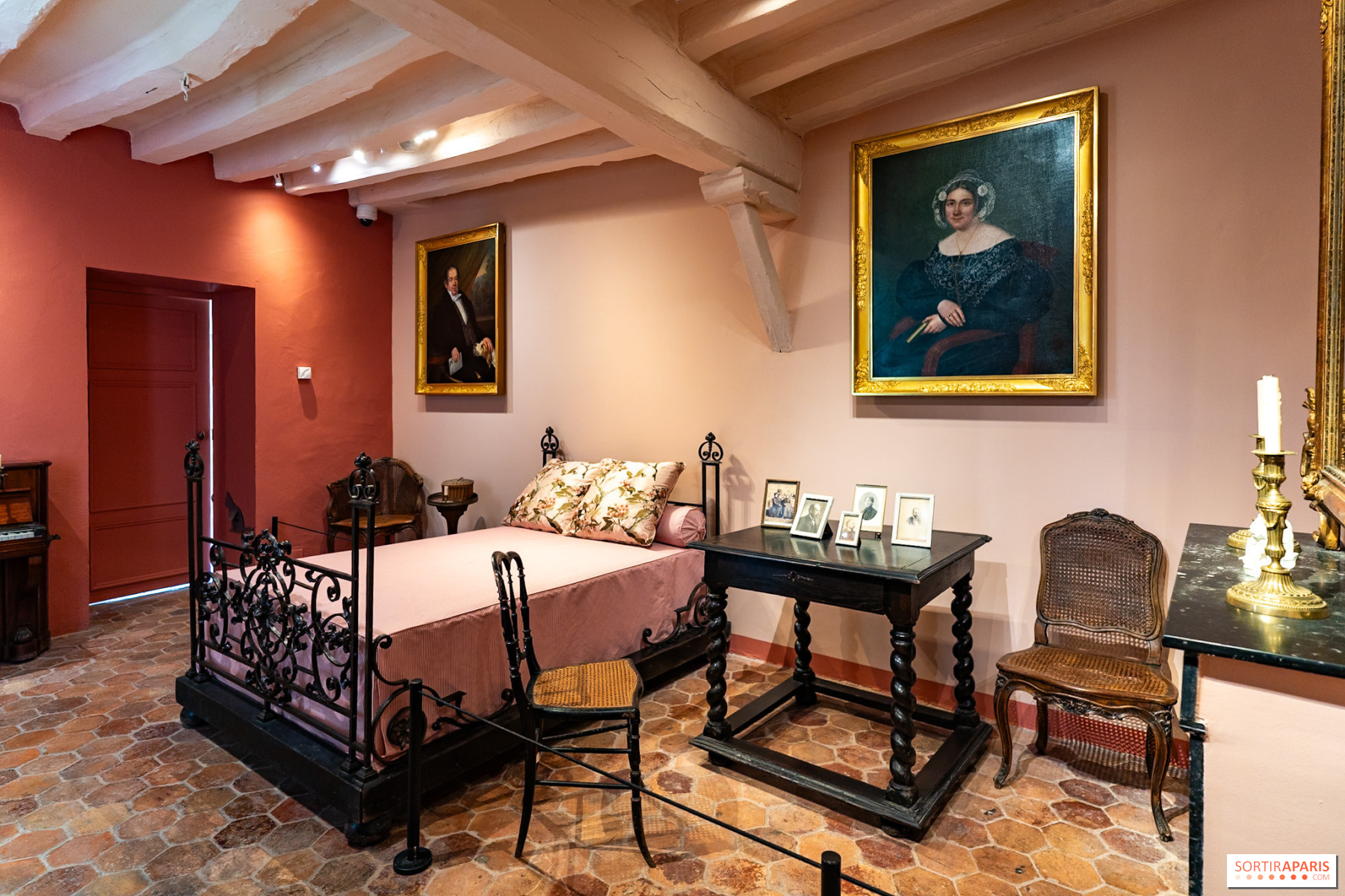
Another powerful room is the bedroom of his wife Marie and daughter Geneviève, repainted in light green and dedicated to the feminine universe of his entourage. Here we find links with Berthe Morisot, Julie Manet and the Gobillard sisters, nicknamed "the flying squadron" by Mallarmé. The bedroom of Geneviève and Edmond Bonniot, his son-in-law, contains precious souvenirs brought back from their Paris apartment, including the wrought-iron bed and the table on which Valéry discovers, in amazement, the manuscript of "Le Coup de dés" ("The Throw of the Dice").

There's also a children's play trail, making the visit fun for young and old alike.

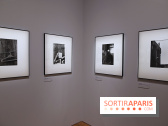
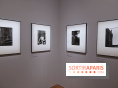
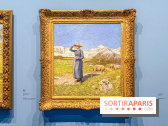
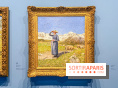
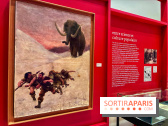
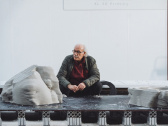
But it's also for the Entre fleuve et fleurs exhibition that the visit is worthwhile. Organized as part of the "100 œuvres qui racontent le climat" program, it features major paintings by Morisot, Manet, Redon and Seurat, on loan from the Musée d'Orsay, in resonance with the museum's archives and works byAnne-Lise Broyer, winner of the Prix Niépce 2024. A sensitive plunge into the nature dreamed by the poet, between art, climate and memory.


Guided tours are offered (next Sunday, July 6 at 3pm), as well as a festive weekend from July 12 to 14, featuring games of yesteryear: spinning tops, bilboquets, skittles, frog games... A family experience in the poet's garden.
The museum is open Thursday to Sunday, 10am to 12:30pm and 2pm to 5:30pm (until 6pm in July). Admission is free for under-18s, students, jobseekers and those on minimum social benefits. Free admission for events from July 12 to 14, with full museum admission at €6.
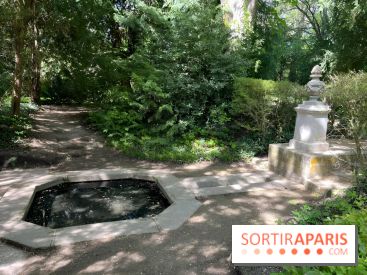
We loved the garden, which turned out to be a real haven of peace. Don't miss the chance to pick up a book from the self-service library and relax in the garden that so inspired the artist. Although the place doesn't have a café, it does sell drinks, and deckchairs and tables are available.


Please note that you only have until July 14, 2025 to visit this unique residence. A precious interlude between garden, poetry and history, in the heart of the Pays de Fontainebleau.
Location
Musée Départemental Stéphane Mallarmé
4 Quai Stéphane Mallarmé
77870 Vulaines sur Seine
Prices
tarif réduit: €3
tarif plein: €5
Recommended age
For all
Official website
www.musee-mallarme.fr