The Pont Neuf Cave finally steps out of the shadows. Signed by JR, this monumental installation turns Paris’s oldest bridge into an urban cave, a dark, mineral passage where printed matter, subtle sounds, fleeting scents and a few augmented‑reality experiences mingle. After several days of repairs, the work opens to the public this Monday, June 15 and is to be discovered for free, 24/7, until June 28, 2026.
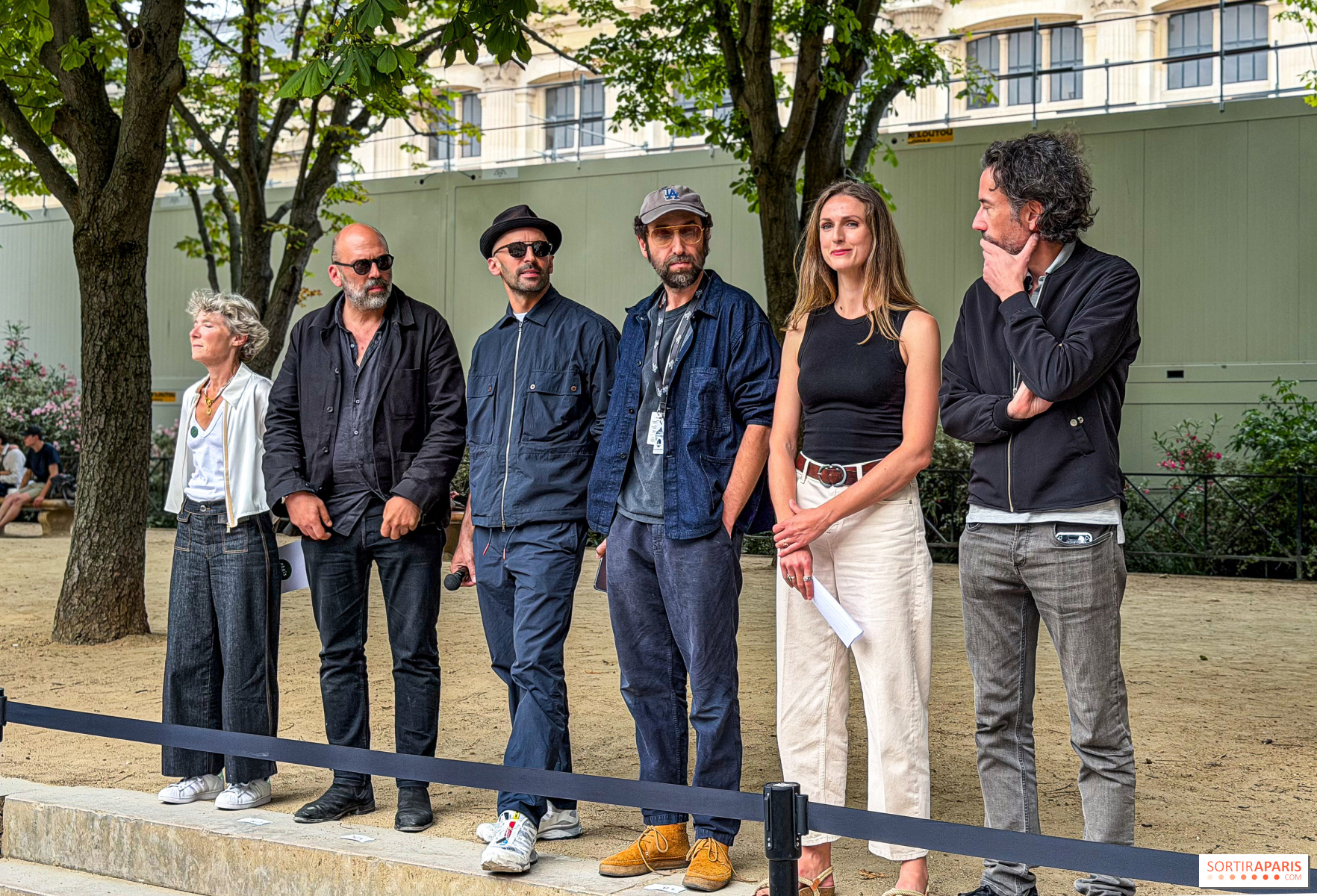
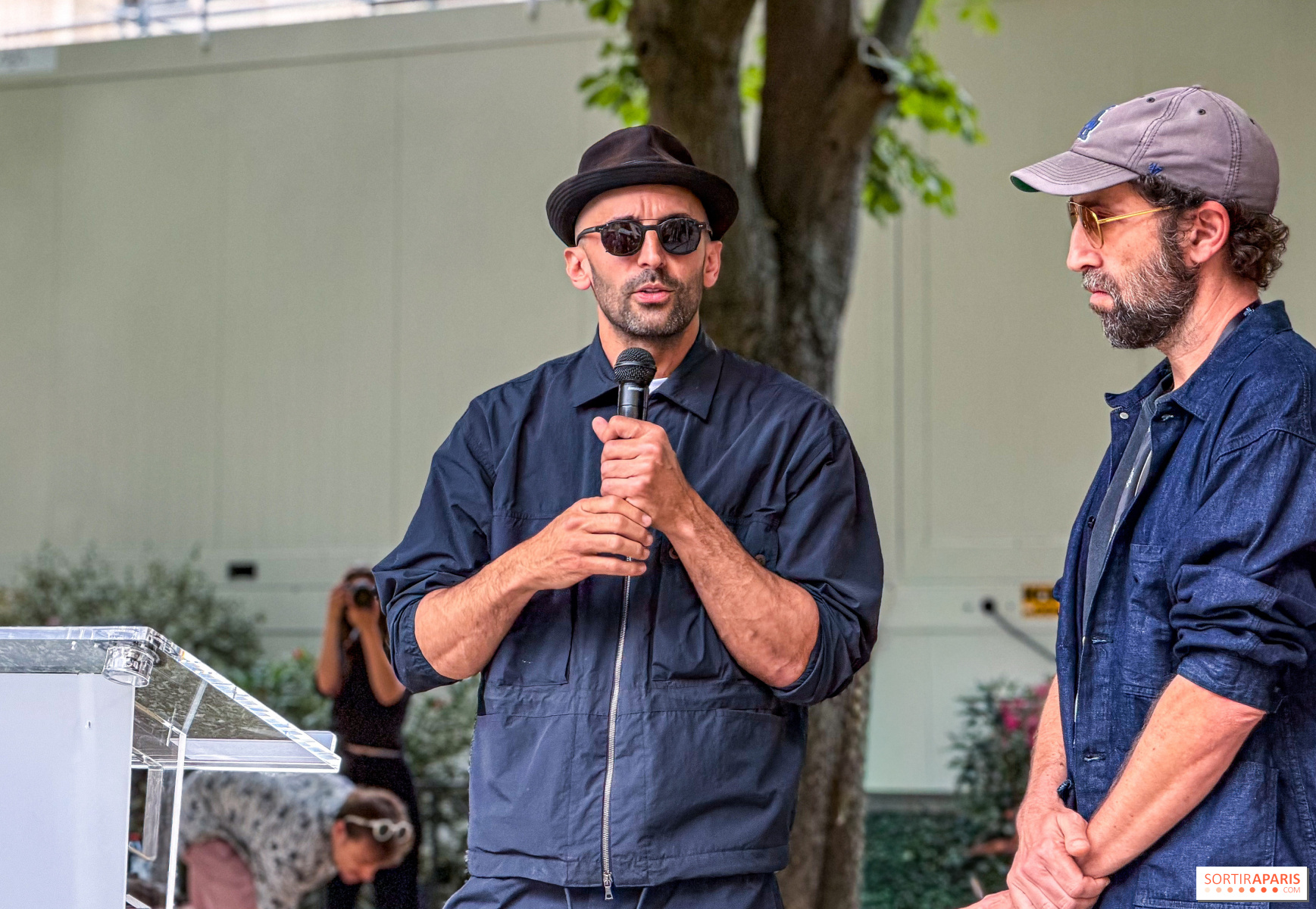
This cave has its own odyssey to tell, long before any visitor steps inside. Intense heat waves, temperatures hovering around 3 degrees, rain, gusty winds and even hail tested the setup to the limit. The outer canvas tore, the inflatable envelope was damaged, and the teams had to fix the installation right there in front of spectators. “It isn’t controlled the way it is in a museum or a gallery; here you’re in real life, facing the elements,” says JR at the opening.
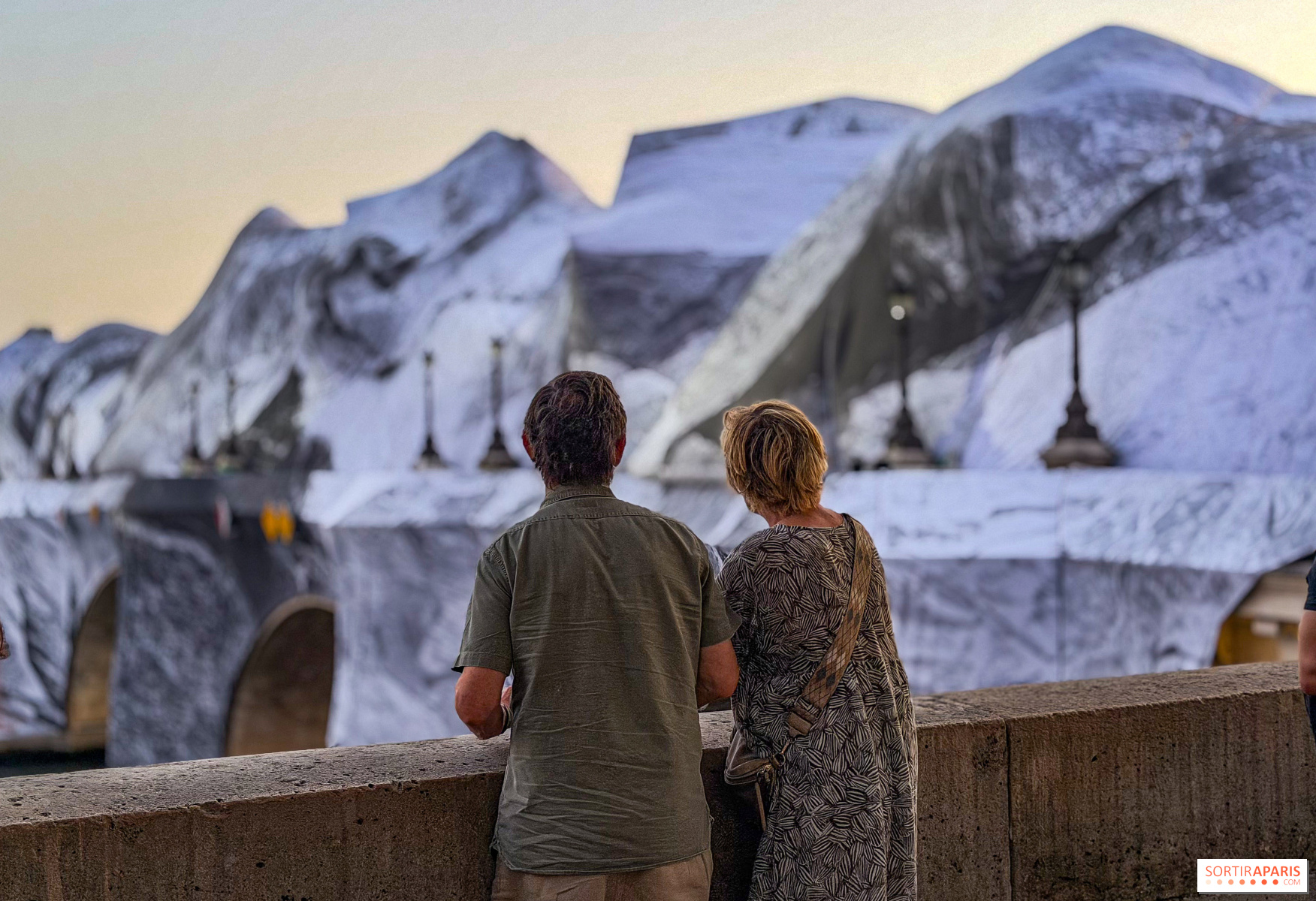
This scar has now become part of the work. Set in the heart of Paris, exposed to wind, rain, and the gaze and reactions of onlookers, the Pont Neuf Cave inevitably recalls the Christo and Jeanne-Claude saga, whose The Pont Neuf Wrapped wrapped the bridge for 14 days in 1985 after a long run of permissions. For them, the ordeal was administrative; for JR, it was weather-driven.
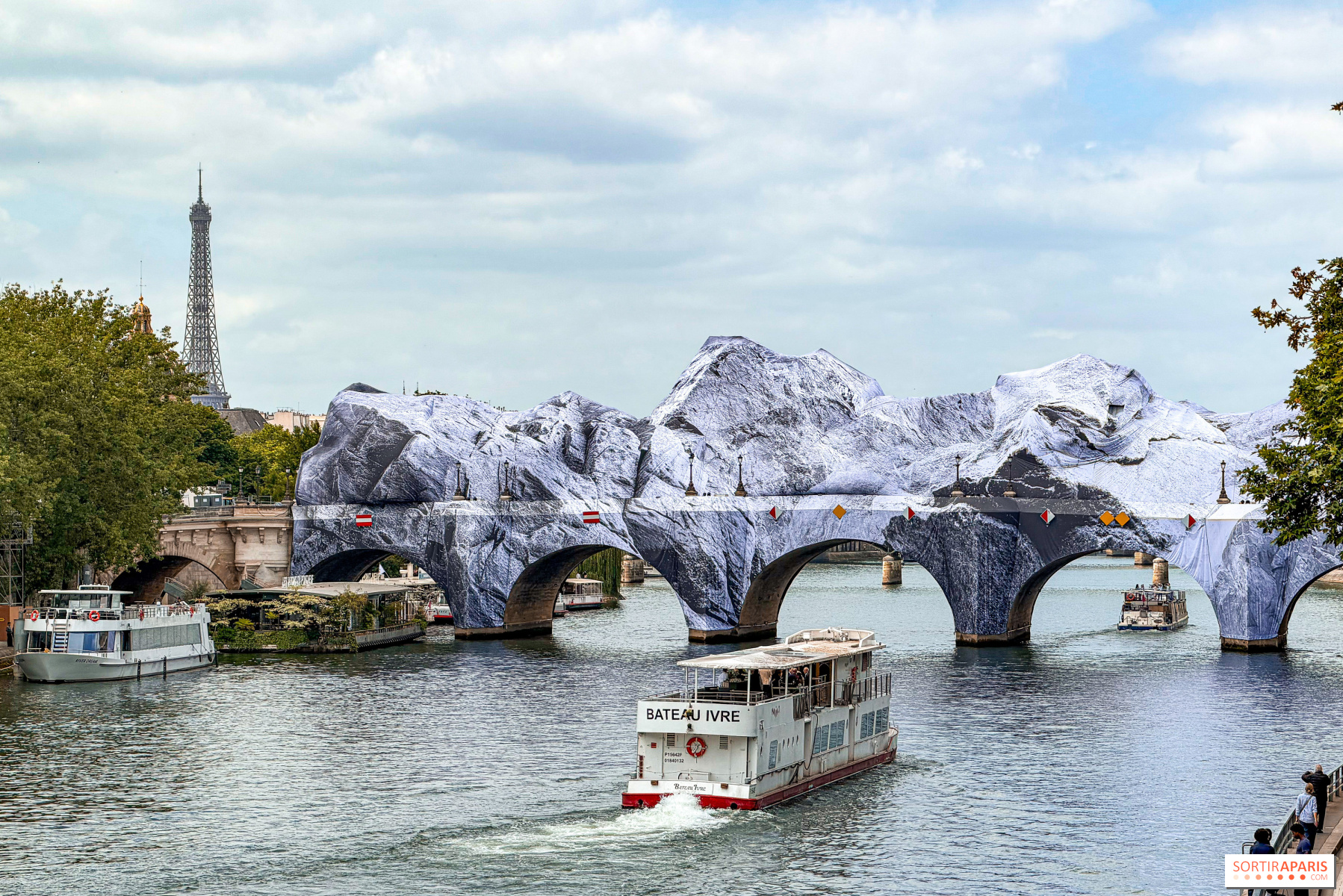
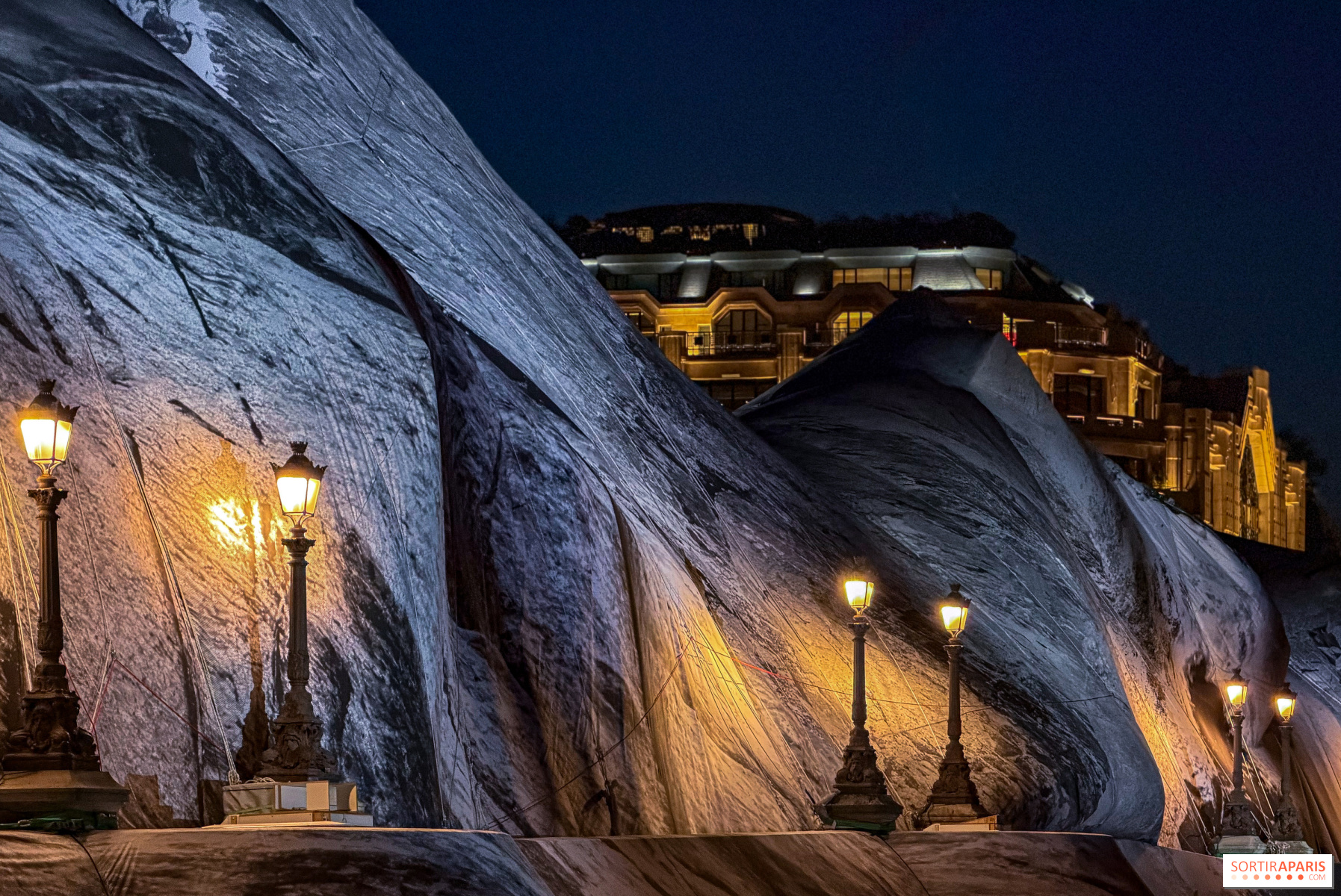
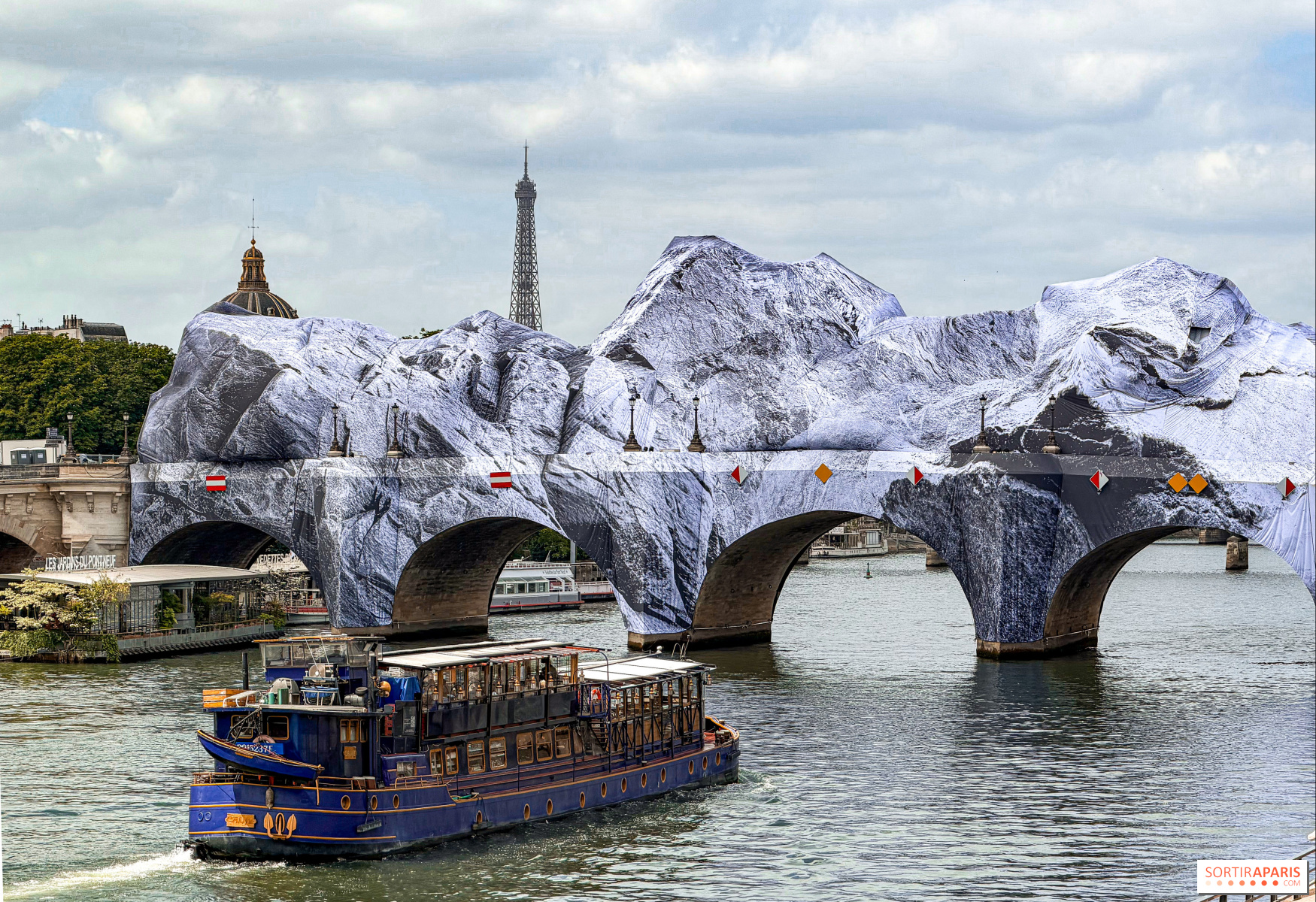
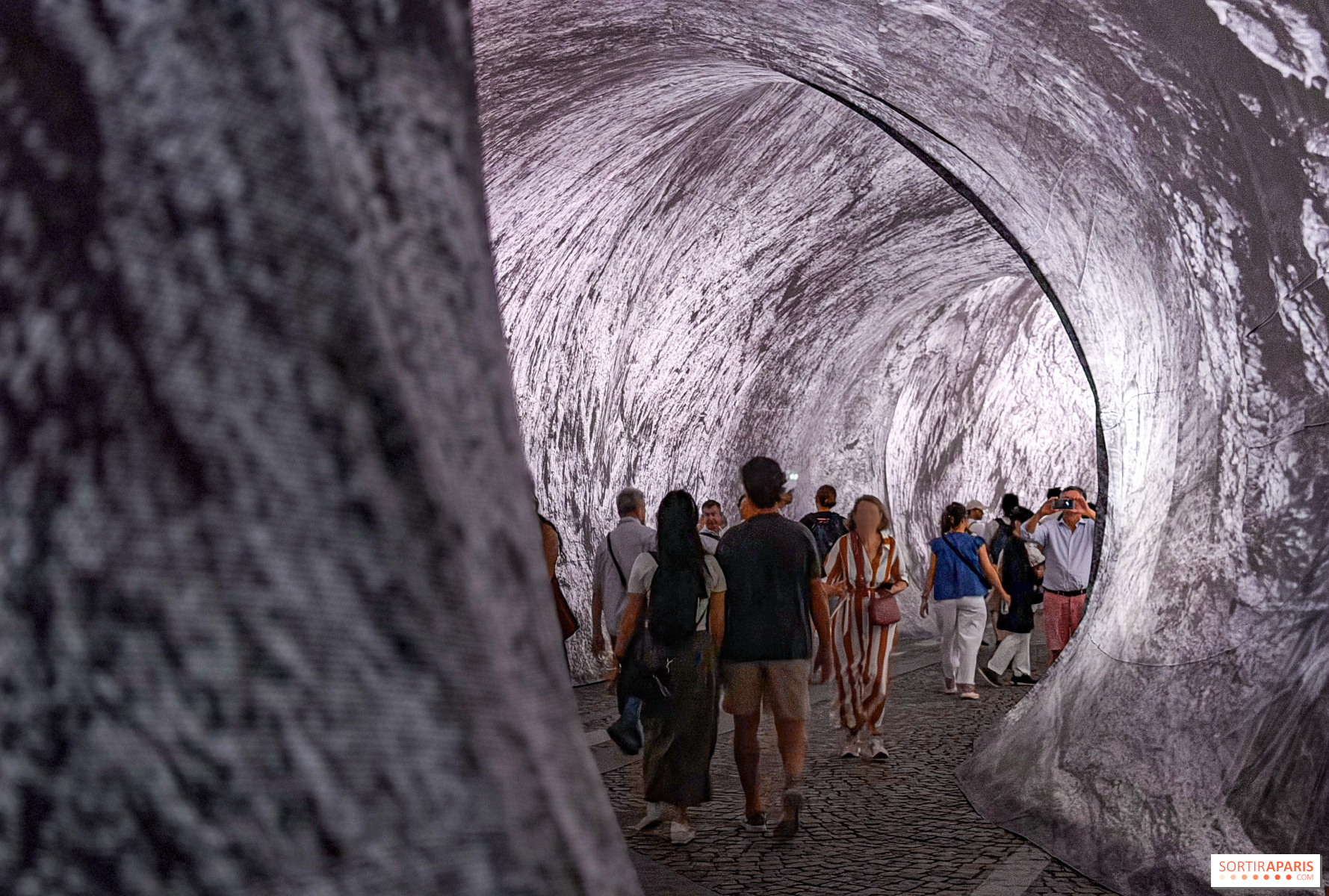
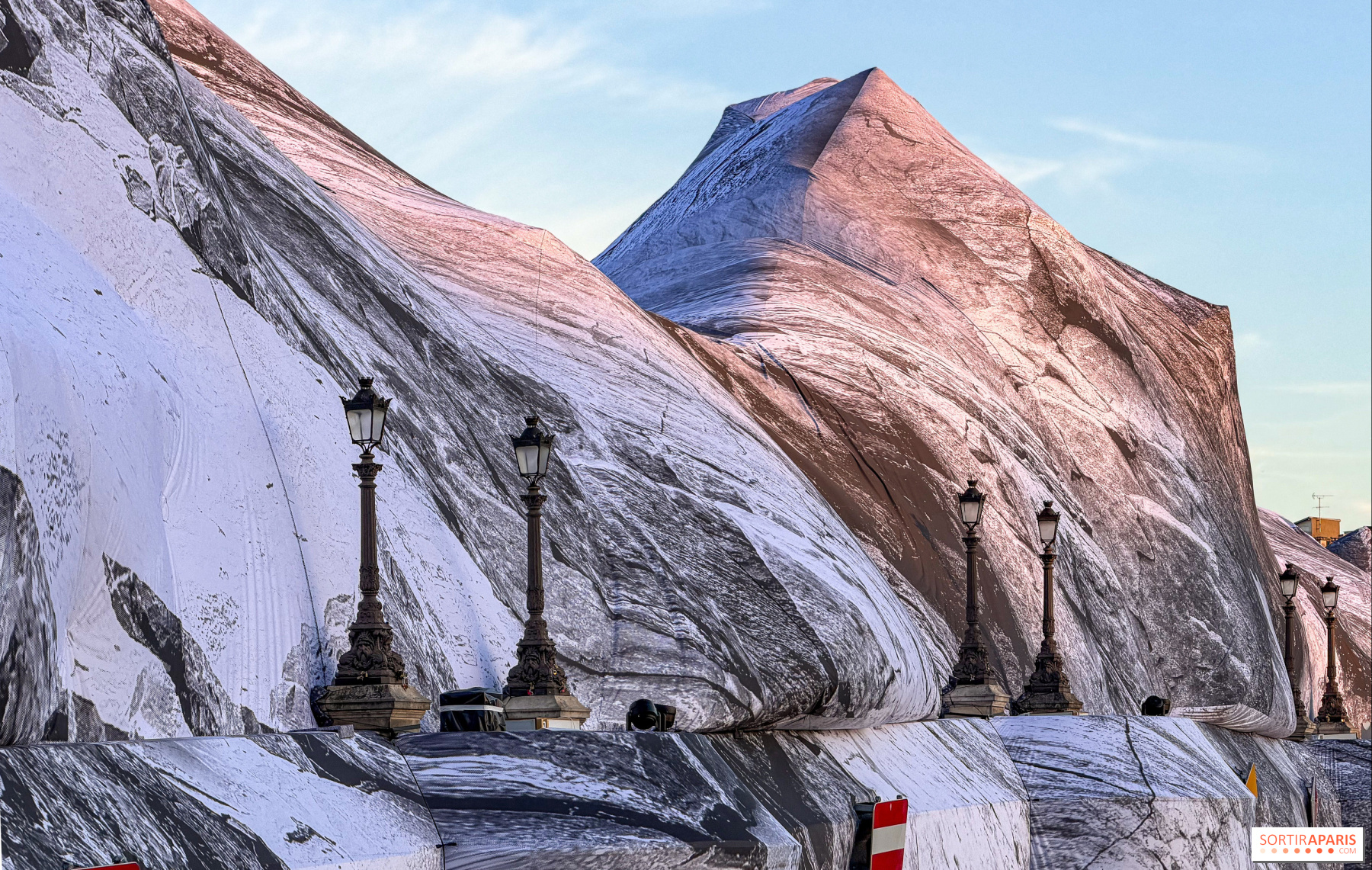
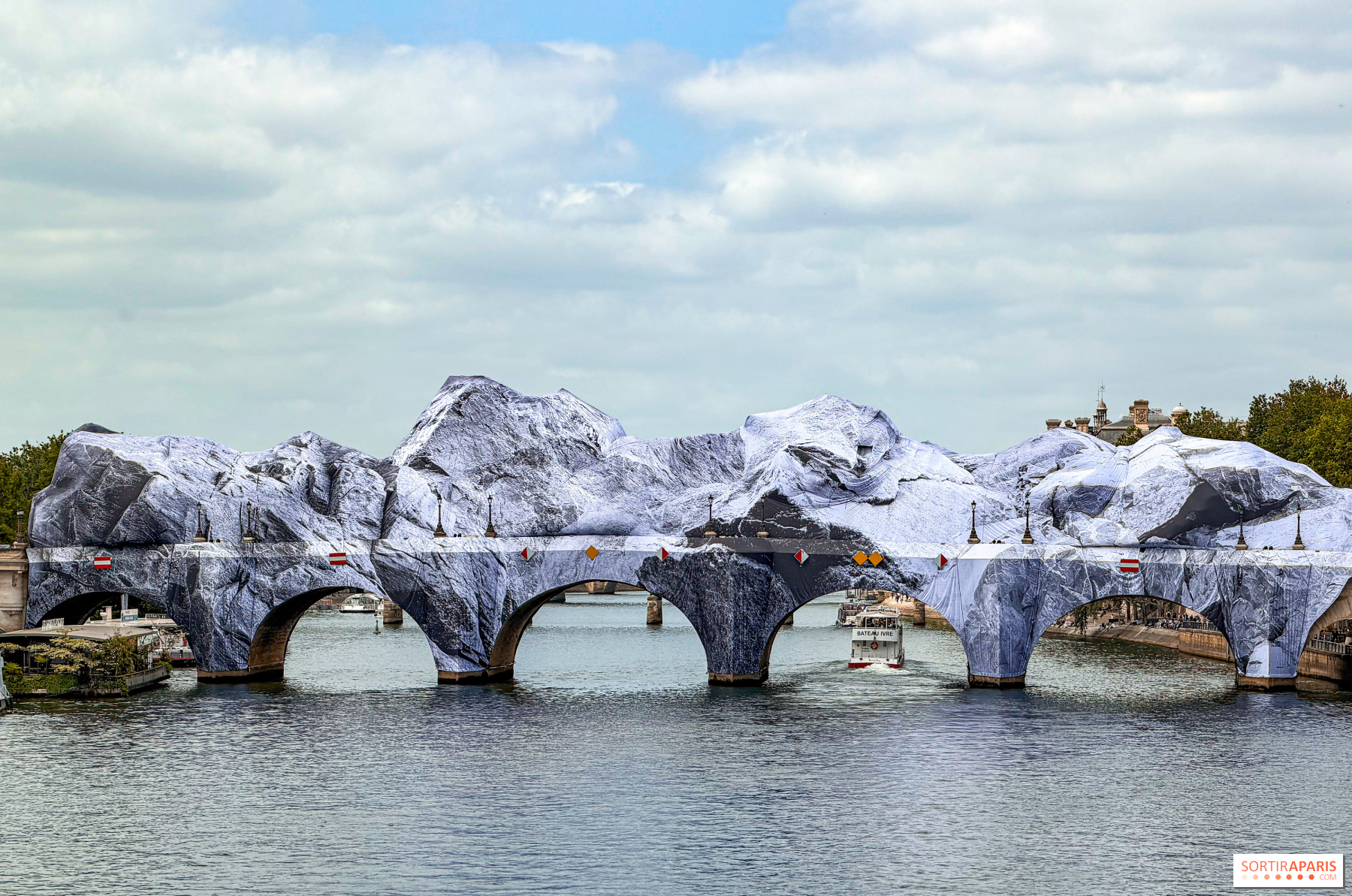
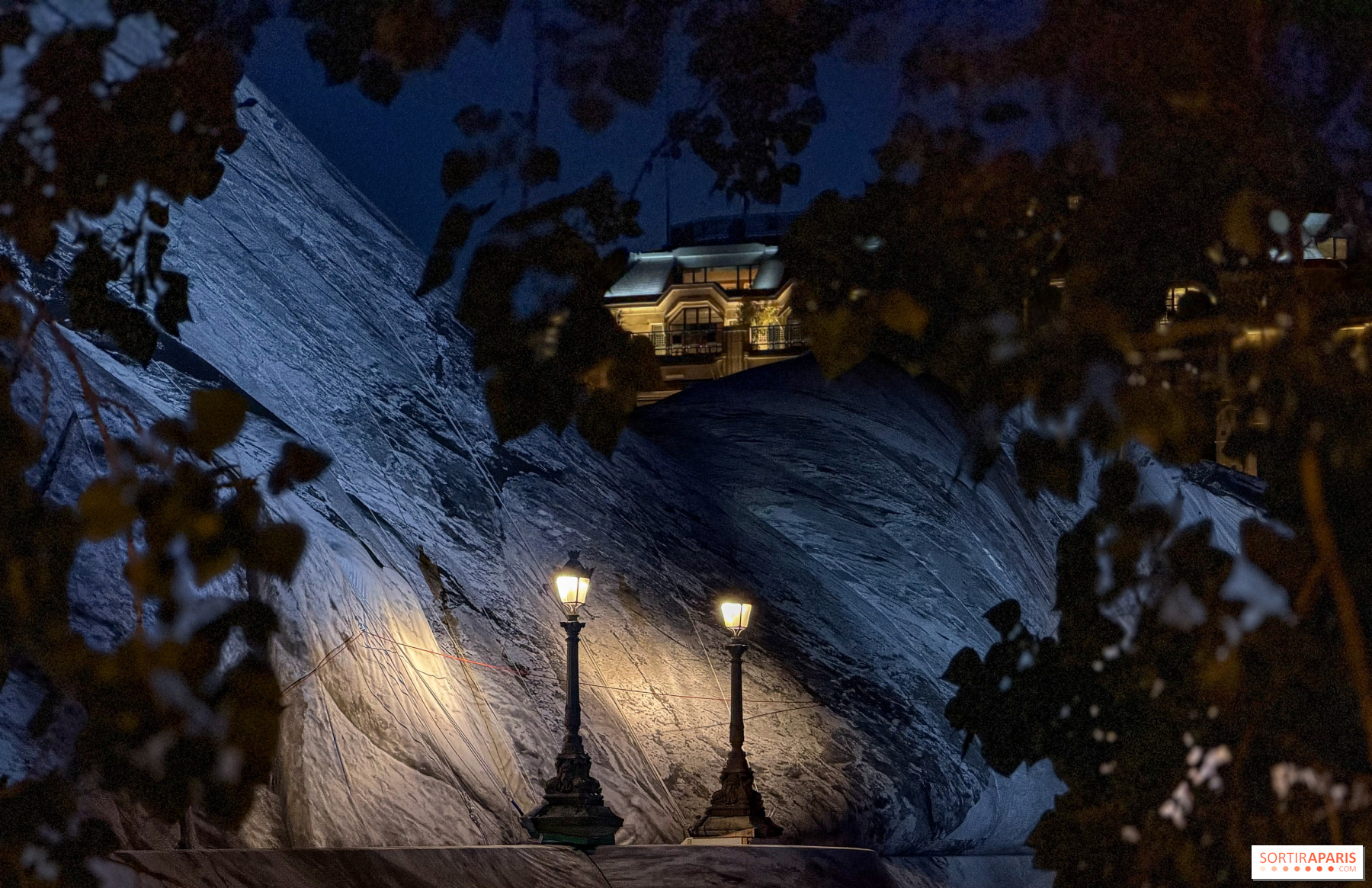
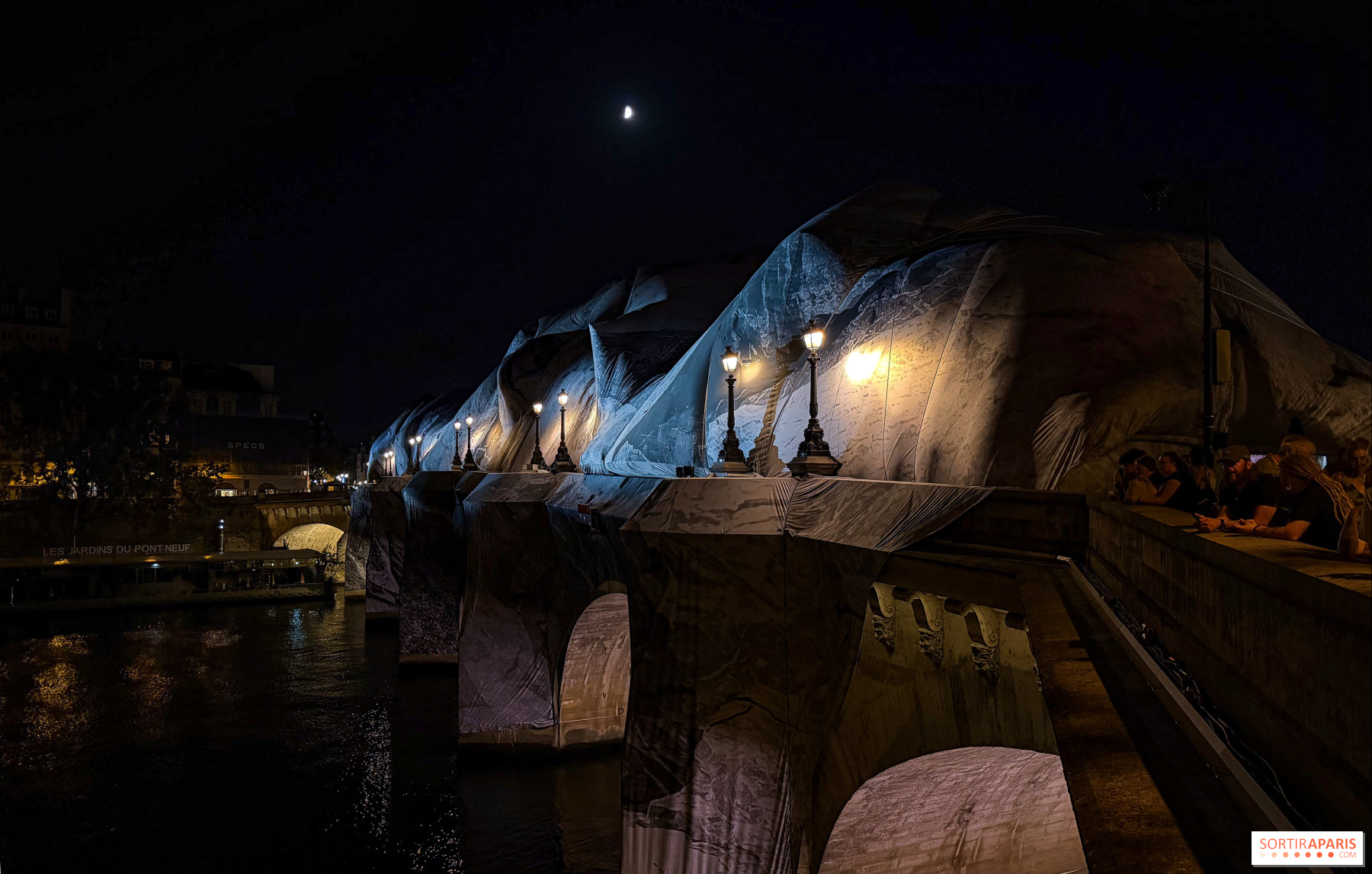
Here, there’s no textile wrapping, but a rocky opening—a life-size trompe-l’œil that conjures the quarries from which the bridge’s stones were mined. JR symbolically digs beneath the familiar surface to reveal the mineral origin of the capital. The Pont Neuf no longer merely links two banks: it becomes a passage, a shaft, a fictional set, and a fault line in daily life.
Financed entirely without public funds, with backing from L’Amicale des Ponts de Paris, the sale of JR’s works, and private partners, the installation extends this freedom of creation cherished by Christo and Jeanne-Claude.
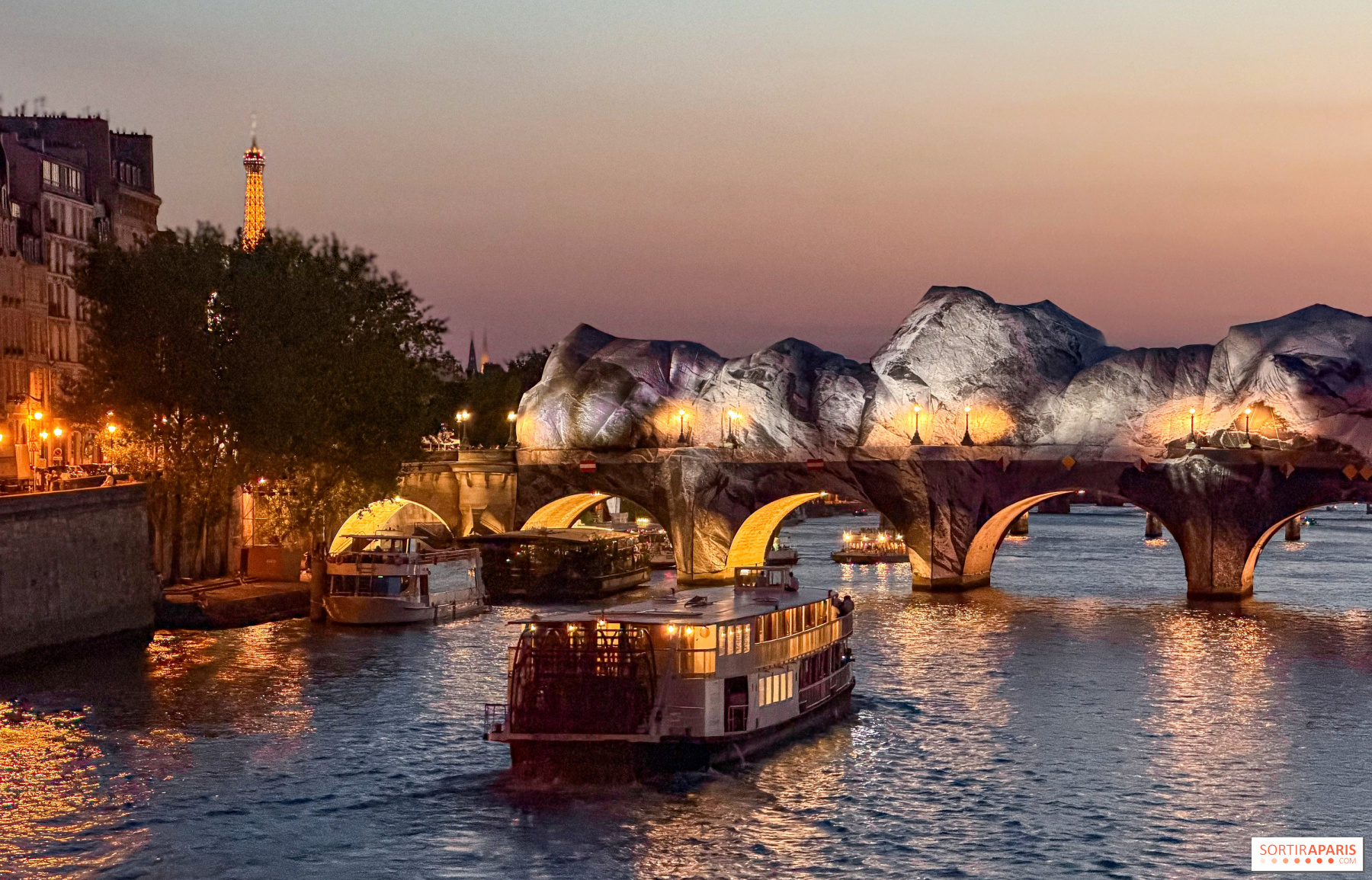
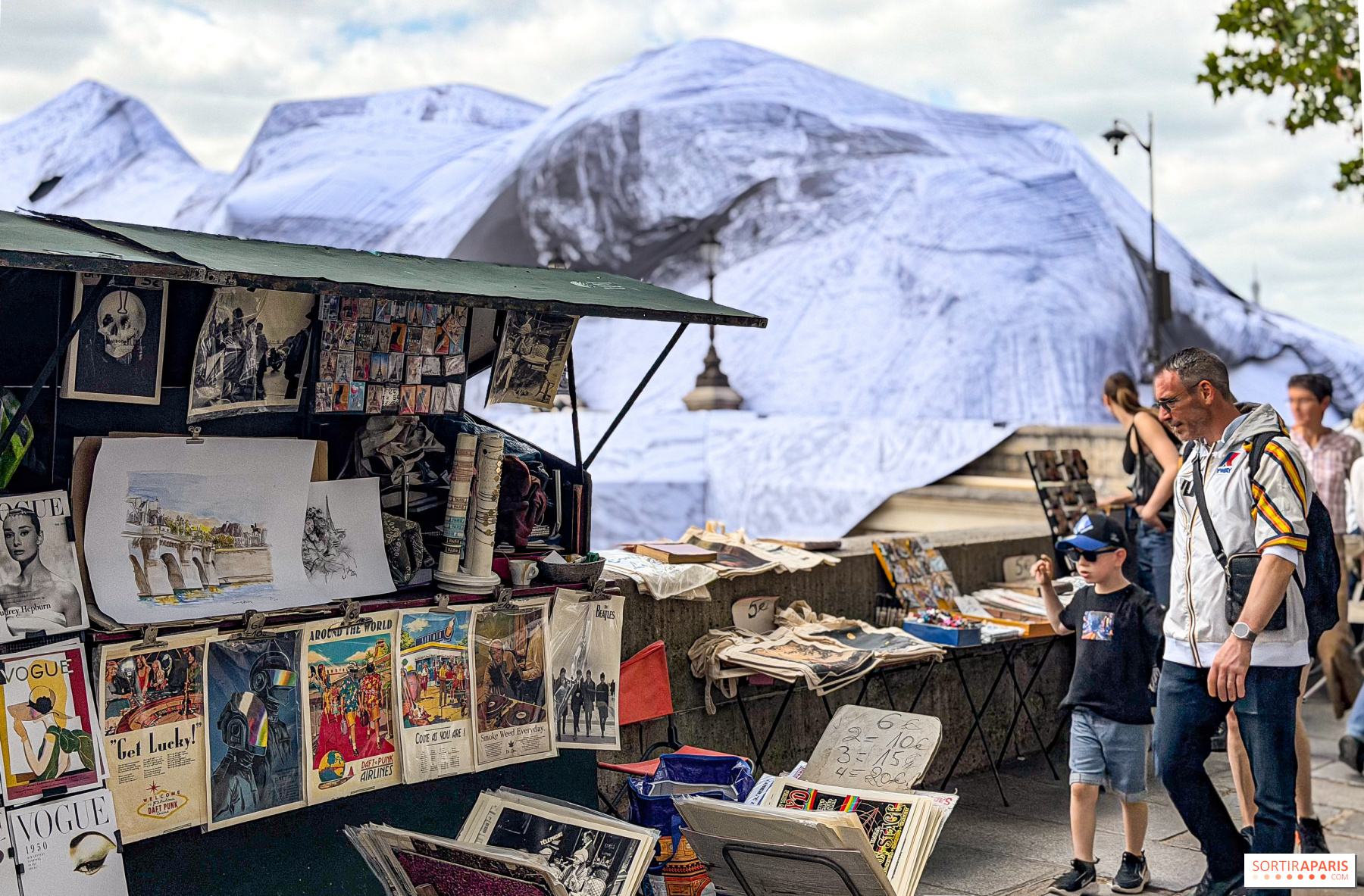
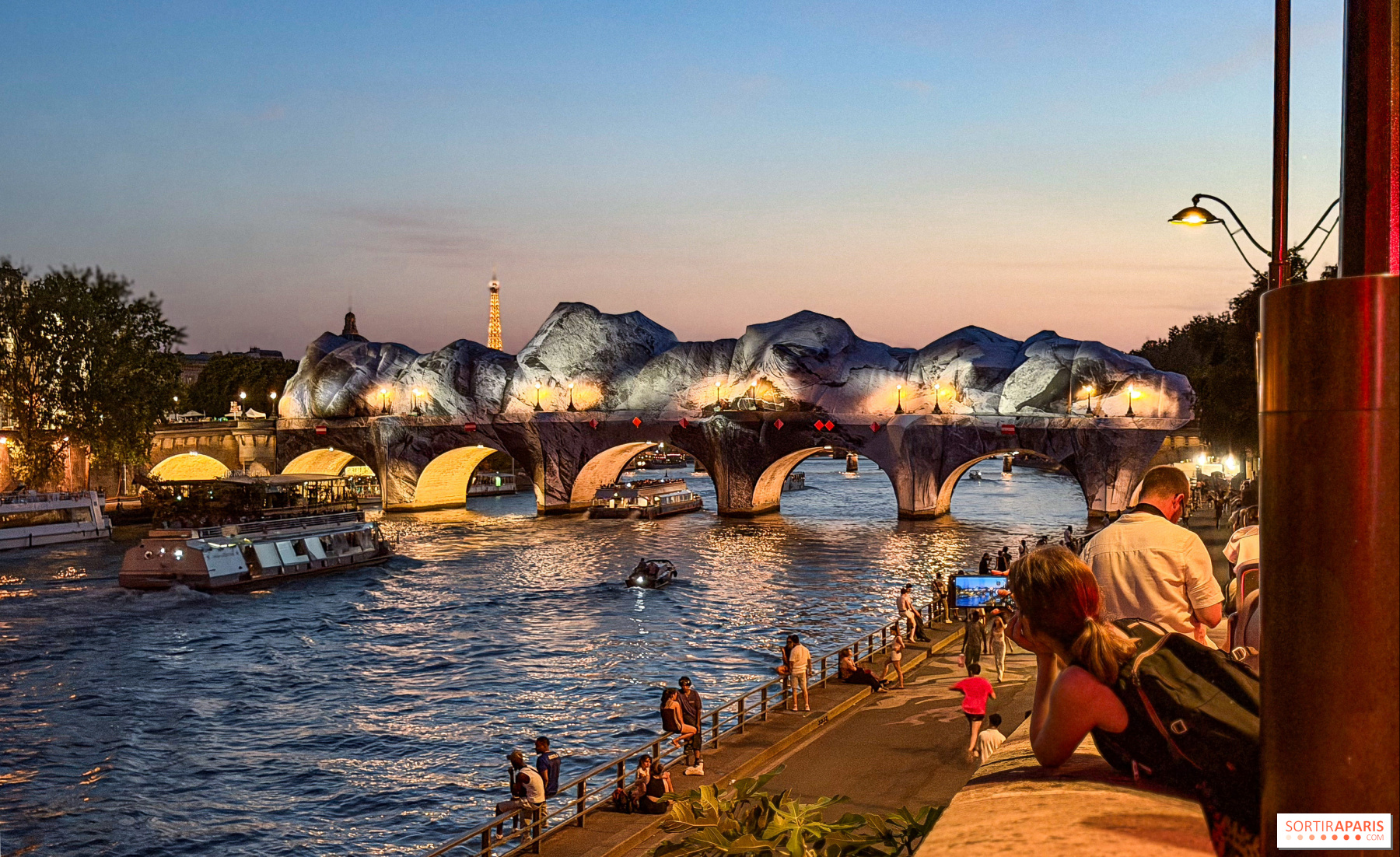
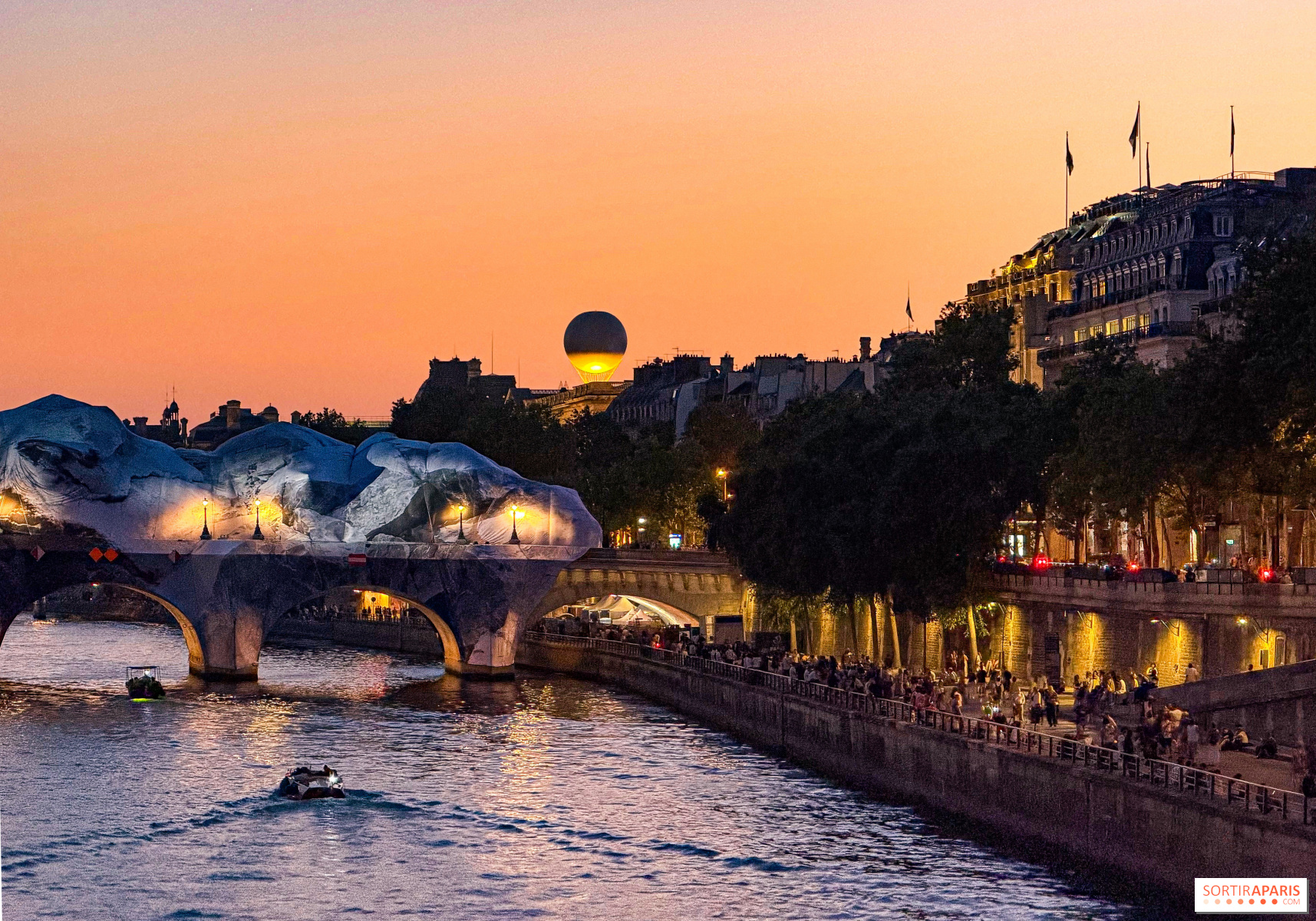
The Pont Neuf Cave is best explored on foot from the quays, the neighboring bridges, the Seine, or on riverboats. Its striking silhouette can also be admired from afar, notably from the riverbanks and from the higher points of Paris. A urban itinerary offers multiple vantage points.
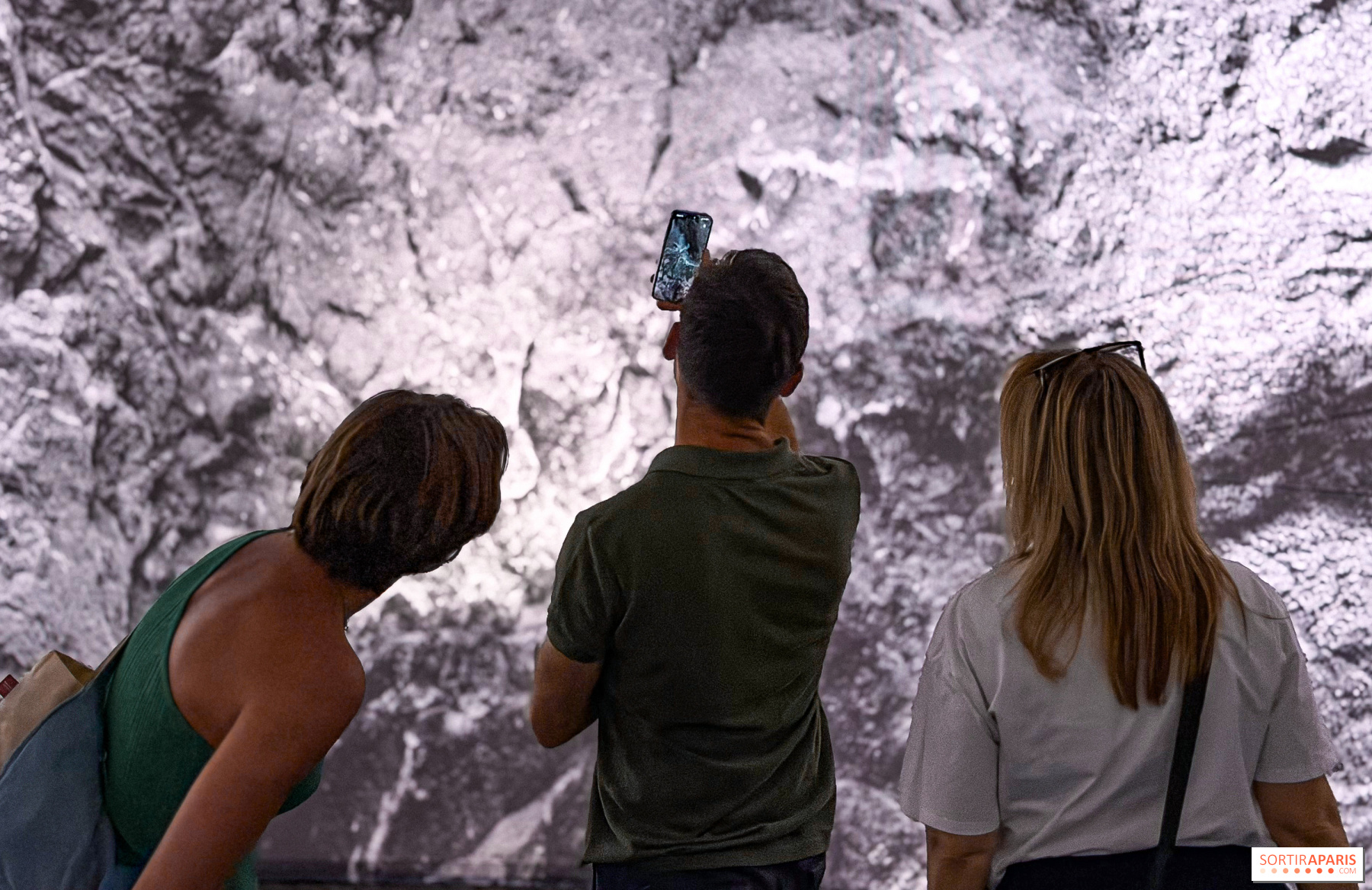
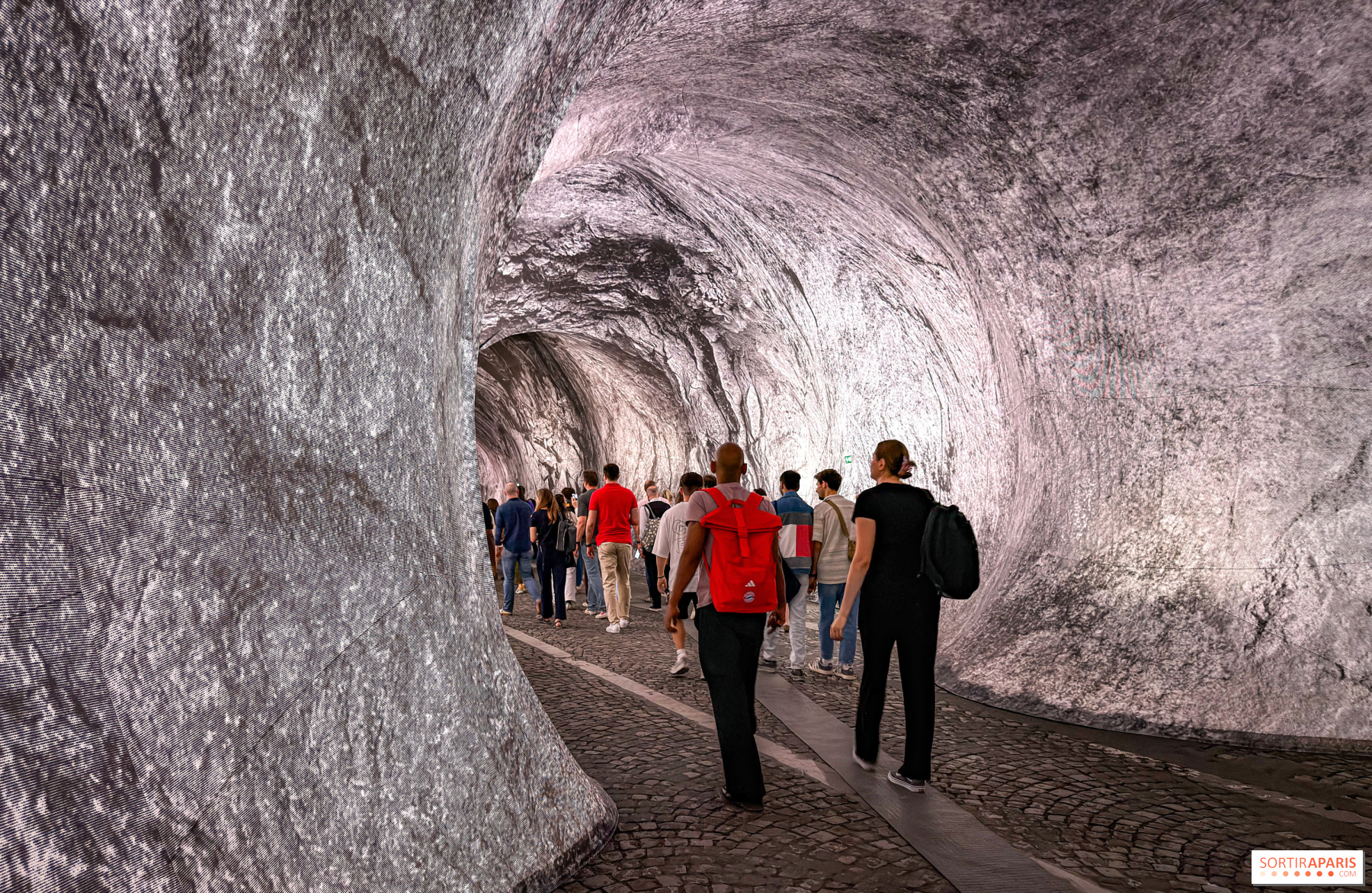
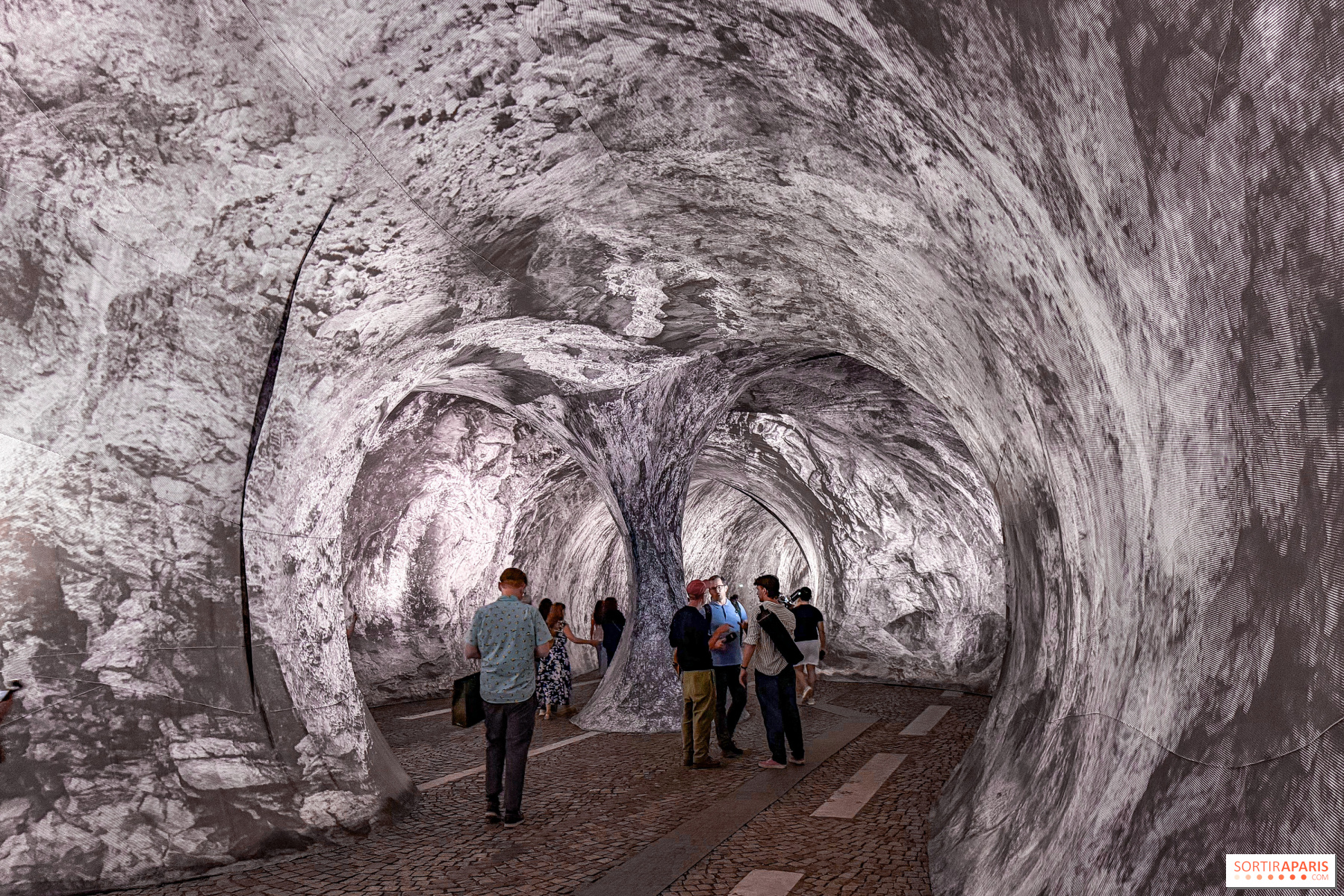
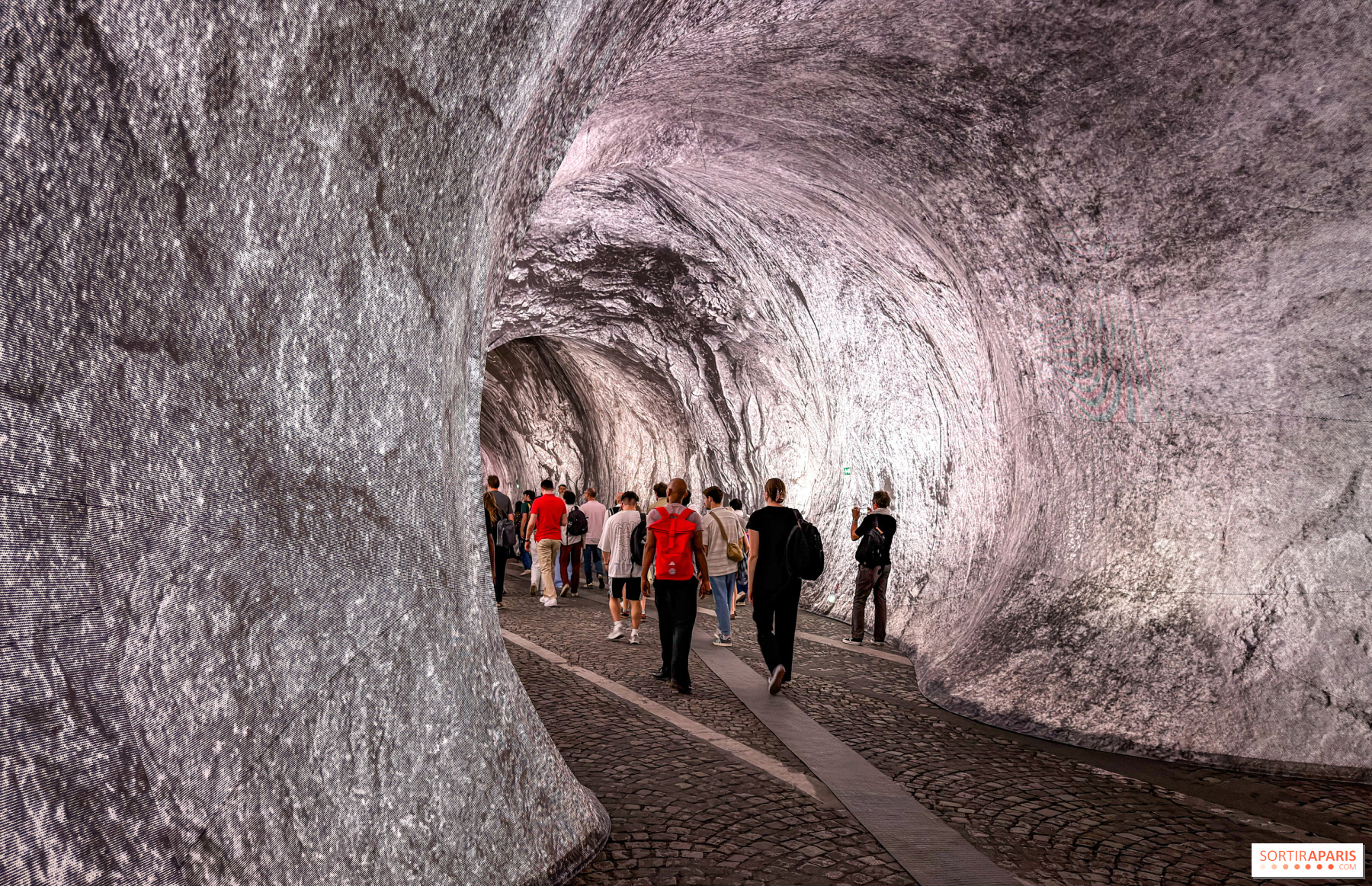
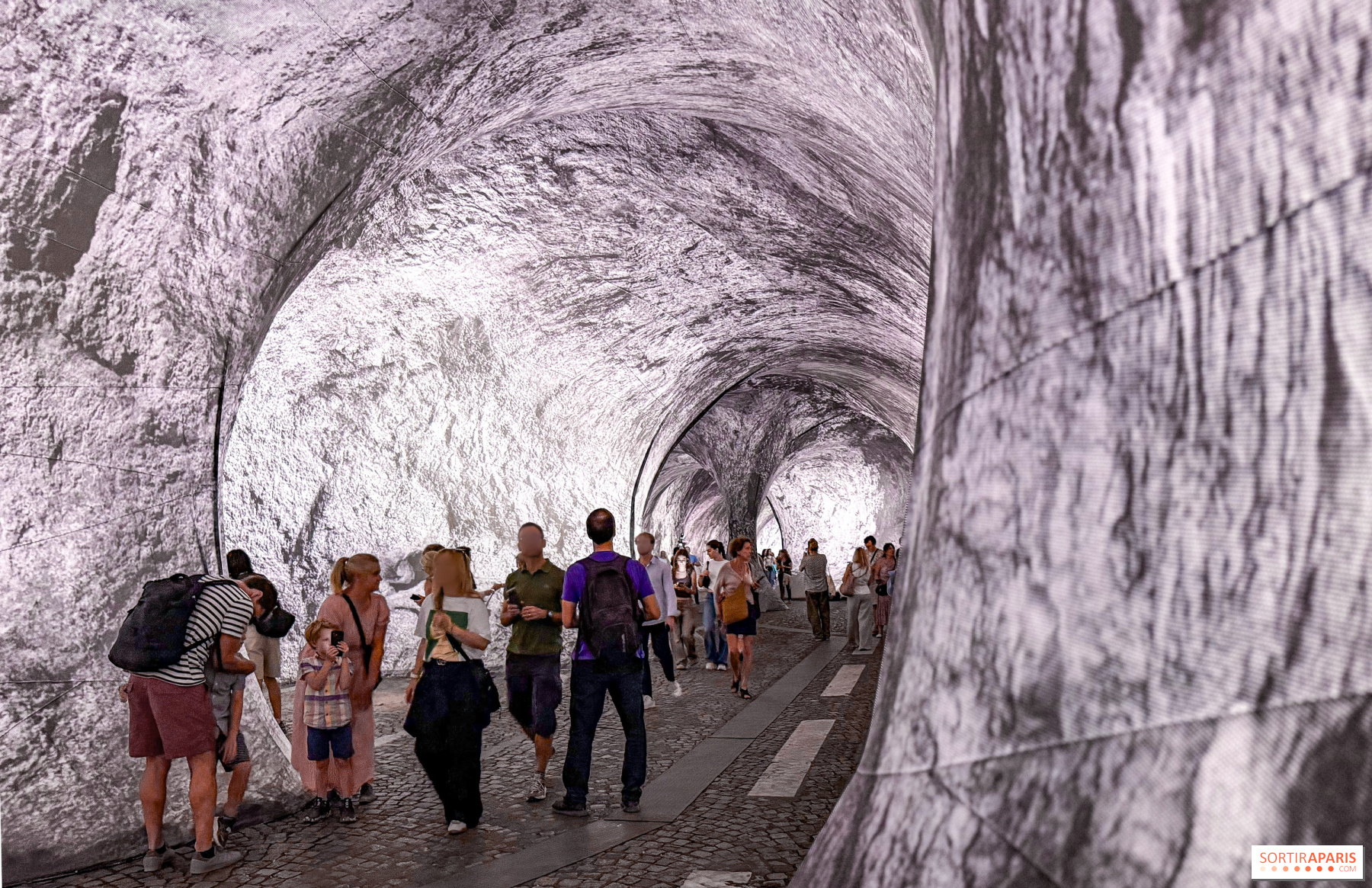
The inner experience is crafted as a physical and sensory journey: advancing through matter, playing with fullness and emptiness, losing your bearings to see the city in a new light. Faithful to his artistic vocabulary of cracks, trompe-l'œil, and impossible perspectives, JR transforms the bridge passage into an underground narrative.
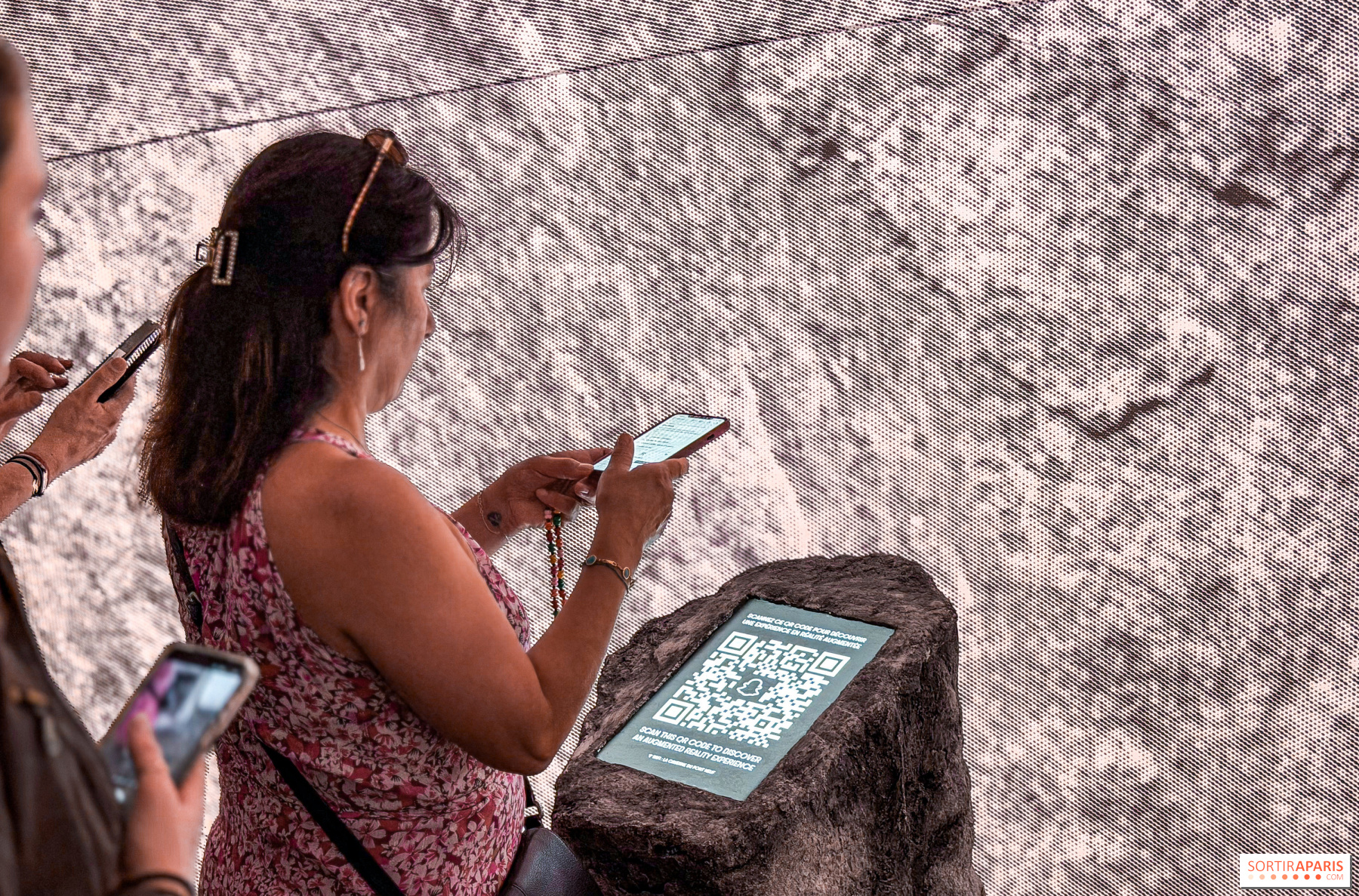
The immersive dimension goes beyond mere scenery. The augmented reality developed with Snap’s AR Studio Paris is designed to push the cave beyond what’s visible, with interactive experiences accessible on mobile and through the Spectacles glasses. Inspired in particular by Étienne-Jules Marey’s chronophotographic research, this setup layers a digital dimension over the geological one.
To envelop the space, JR has commissioned sound design from Thomas Bangalter, the Daft Punk icon and one half of the duo. The artist envisions an electro-acoustic texture, a "sound fabric" that accompanies the structure. Not a concert, not ambient music, but a continuous mineral hum, a subtle rumble, a cave-like resonance that converses with the canvas and the volumes. The aim isn’t to lay down a visible soundtrack, but to reveal the sounds and resonances of an imagined cave, in a project that sits somewhere between art and Foley work.
This collaboration extends their joint projects with JR and Thomas Bangalter, already seen around the Opéra Garnier and at Galerie Perrotin. Here, the sound is meant to contribute to the illusion: not just to look good, but to give real depth to this crack in canvas and air.
The installation won't just dazzle your eyes and ears; it will also lead visitors by the nose. The olfactory experience was crafted by Sarah Bouasse, a specialist in scents and perfumery, in collaboration with the perfume house Odore Scola.
No, don’t expect a gentle, smooth, musky scent. The project instead embraces a cavernous smell — of the cave, the ground, the rock, and wet earth. Sarah Bouasse worked around two molecules, geosmin and isoborneol, linked to a scent we all recognize without naming it: petrichor, that earthy aroma after rain. Two accords should fill the space, with nuances depending on the traversal zones. By adding this vegetal, mineral, both familiar and strange scent, JR pushes the installation a notch further. A cave, then, that is seen, heard, and breathed.
Our take
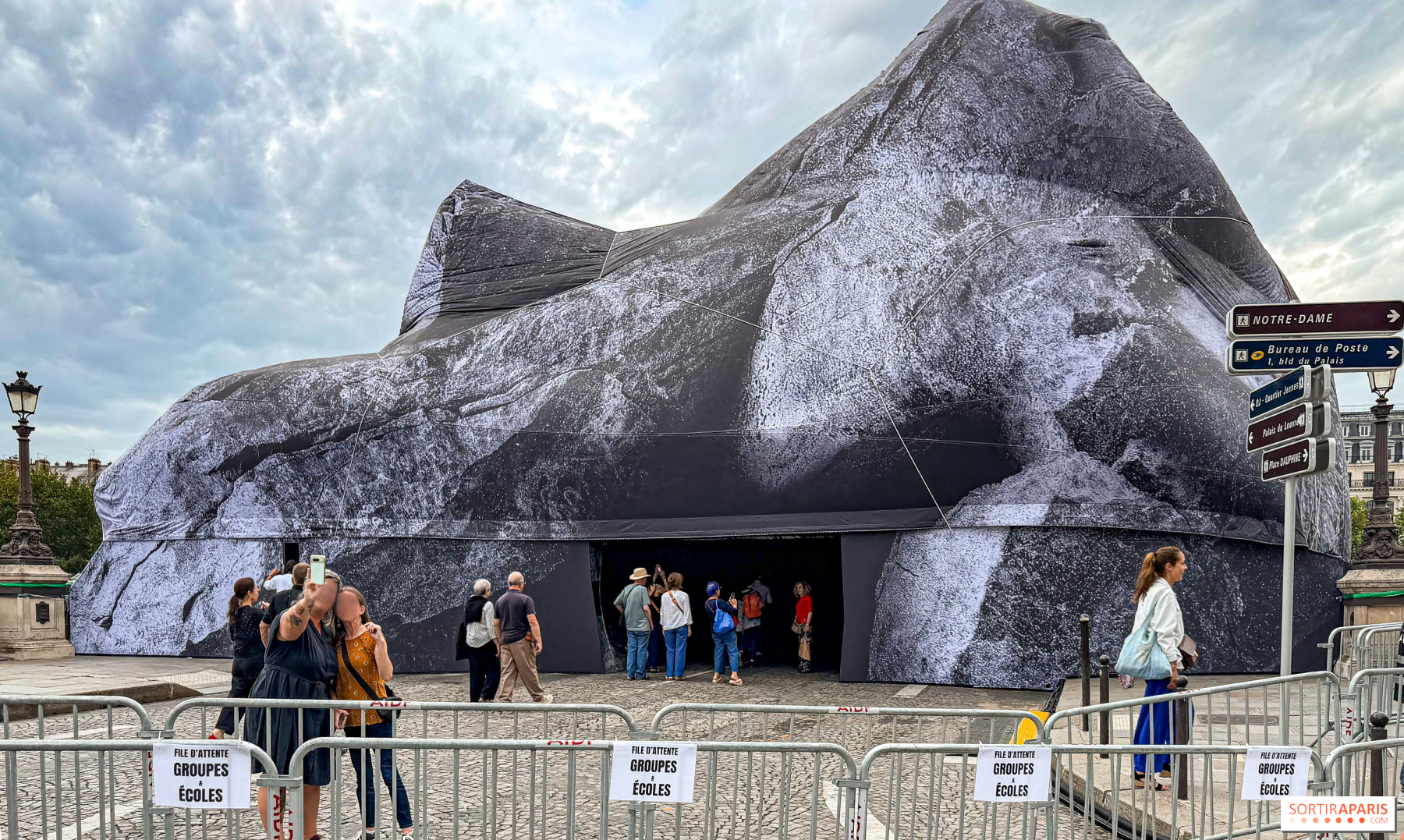
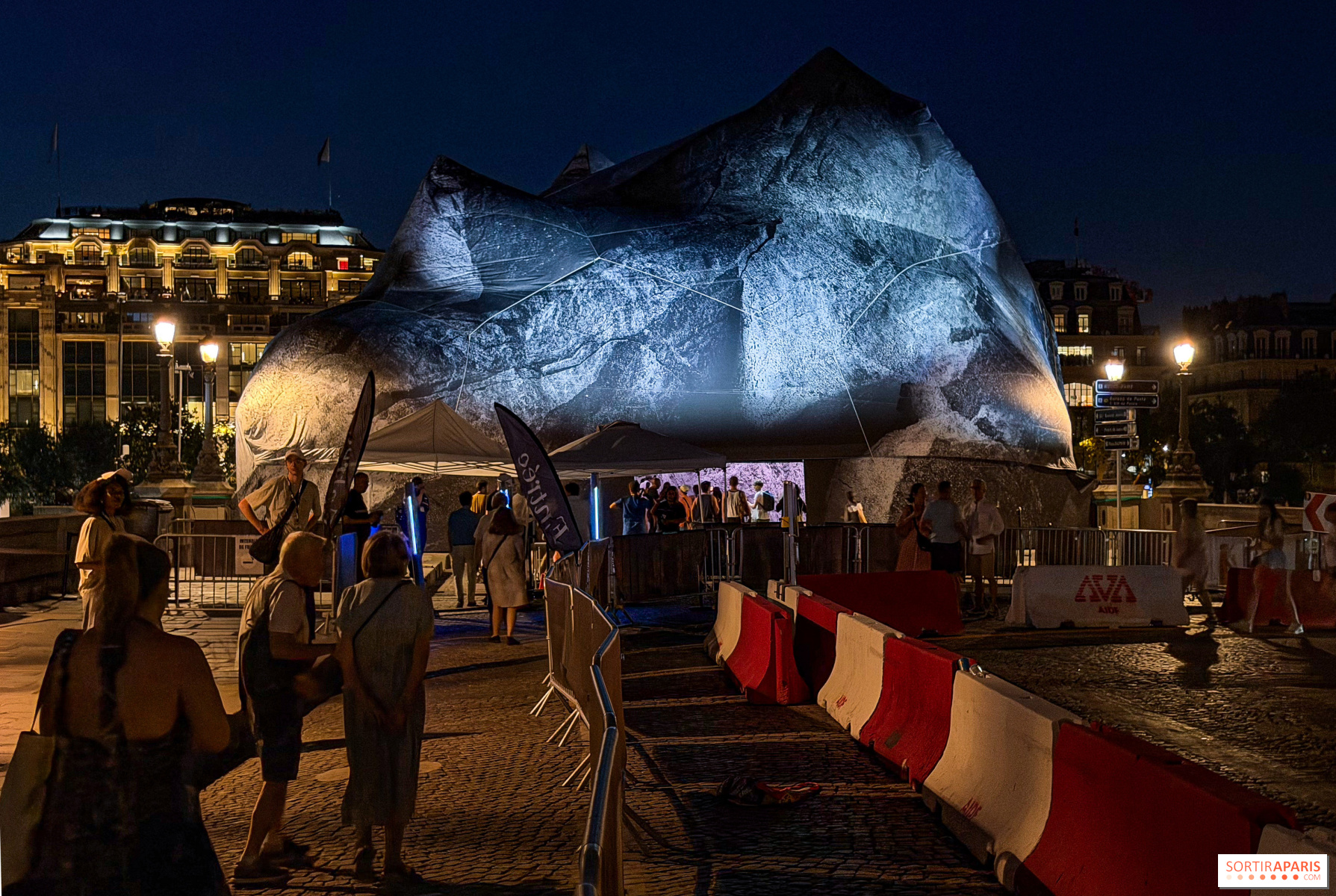
The Cave of Pont Neuf is an object of desire, repulsion, and reflection. Itstuns with its scale, its location, and its almost unreal appearance in the Parisian landscape. Seen from the outside, on the Pont Neuf square side, its entry feels almost like a marquee, as if Paris were hosting a temporary mineral attraction in the city center.
Inside, the experience is rawer than truly immersive in the showy sense of the word. The intentions around sound, scent, and augmented reality are interesting and coherent, but they stay secondary for many visitors, who mostly walk through the installation to see it, photograph it, and snap selfies. The soundscape imagined to accompany the route blends into the surroundings to the point that some visitors mistake it for the pneumatic system’s breath. The smell is just as subtle and is truly noticeable only near the diffusion grills placed at the base of the walls. As for the augmented reality animations, accessible with your phone via three QR codes scattered along the path, they constitute a free but rather anecdotal complement to the visit. To try them, it’s best to download the Snapchat app before you arrive, so you don’t waste time once on site.
From a visiting perspective, the traverse is one-way, from the left bank toward the right bank: you enter at the Henri IV statue level, from Île de la Cité, and you exit facing the Samaritaine. The line can look long, but the flow moves fairly quickly. Note, however, that suitcases, bicycles, and large strollers are not allowed inside. Also, the heat can ramp up under the structure, especially in the middle of the day and even more so during a heatwave. Tip: wear light clothing, bring a bottle of water, and, if possible, come early in the morning or in the evening. Francophone and Anglophone mediators are present along the route to answer questions, until 2 a.m. on weekdays and 4 a.m. on weekends.
Perhaps that’s where the work becomes interesting: it divides, intrigues, annoys, and attracts. Some will see a powerful, almost primitive installation that has surfaced in the city. Others will stand back in front of a setting more graphical than truly sensory. But the Cave at least earns its keep by provoking a reaction. Visit for the journey, for the contrast with Paris, for the monumental gesture, and to understand what the installation yields once you’re inside. That said, don’t expect a cavern that’s ultra-detailed in the immersive-decor sense. The Cave of Pont Neuf is less an attraction and more an urban experience: it’s to be watched, walked through, discussed, and, soon, it will disappear.
Behind the rock illusion, La Caverne hides engineering that is as light as it is monumental: 120 metres long, 20 metres wide, up to 18 metres high, 18,900 m² of printed canvas and an inflatable structure made of 80 textile arches. All of it weighs just five tonnes, with no invasive foundations and no impact on the monument. Inside, a world-first at this scale: a stitched canvas is held aloft by suction and literally floats in mid-air, while the east and west façades of the bridge are draped with printed canvases to create the illusion without touching the stone.
More than a year of preparation, full-scale tests in a historic hangar at Orly, and work carried out with the Christo and Jeanne-Claude Foundation have allowed the project to refine its structure, lighting and sound. Here, air becomes the principal material, reducing mass, transport needs and the impact on heritage. The 18,900 m² of canvas are produced in Europe, printed in France with certified water-based inks, then hand-assembled by 25 artisans with very little waste. Equipment is rented, ballast weights are reused and power comes from the grid. After the dismantling planned for June 28, several avenues are being explored for what comes next: conservation, artistic reuse or textile recycling.
More than a year of preparation, full-scale tests carried out in a historic Orly hangar, and the coordination with the team have allowed us to fine-tune the structure, lighting, and sound.
La Caverne du Pont Neuf is part of JR’s cycle of works exploring urban fractures and collective reconnection, following his interventions in Florence, Rome and Milan, as well as Retour à la Caverne at the Palais Garnier. Turning a bridge into a cave becomes a symbolic gesture: leaving isolation, stepping through the shadows, and rediscovering light together.
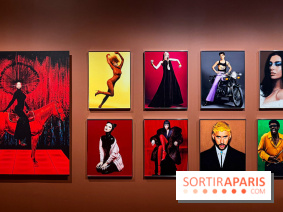
Echoes, JR presents a new exhibition at Galerie Perrotin from June 5 to August 1, 2026, unveiling notably new works from the Dé-compositions series.
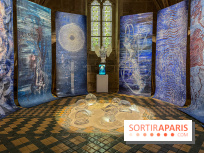
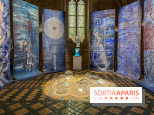
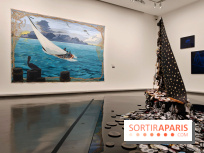
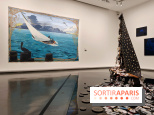
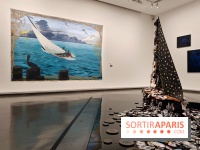
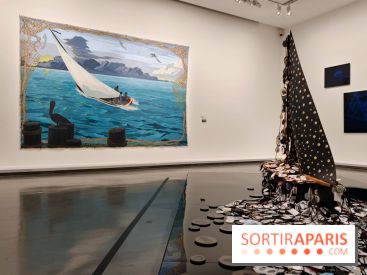
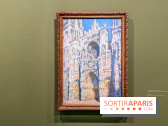
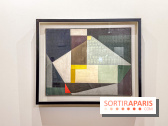
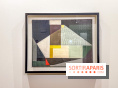
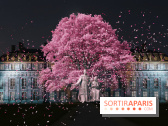
The Cave Sketches: JR's free exhibition at Perrotin Gallery — Our Photos
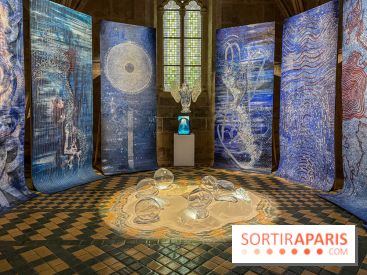
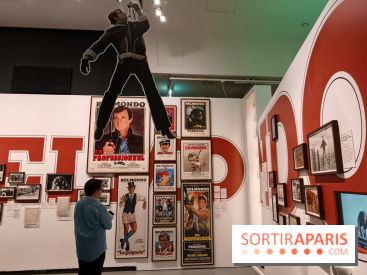
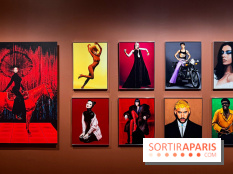
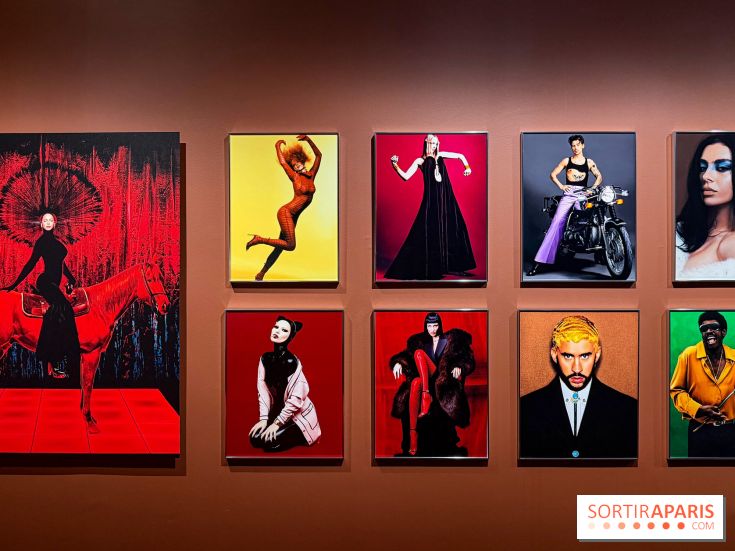
At the Perrotin gallery, JR reveals the making of La Caverne du Pont Neuf through Les Esquisses de la Caverne, a free exhibition running from June 5 to July 25, 2026. Drawings, collages and preparatory studies extend the experience of this monumental installation conceived for Paris’s oldest bridge. [Read more]
Dates and Opening Time
From June 15, 2026 to June 28, 2026
Location
Pont Neuf
Pont Neuf
75001 Paris 1
Route planner
Prices
Free






















 The Cave Sketches: JR's free exhibition at Perrotin Gallery — Our Photos