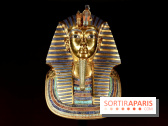
Toutankhamon : son tombeau et ses trésors announces its grand return to Paris, more than a century after the famous pharaoh’s tomb was uncovered by Howard Carter in 1922. The exhibition will take over Paris Expo Porte de Versailles, from July 3 to September 6, 2026, in a new edition crafted as a spectacular plunge into Ancient Egypt.
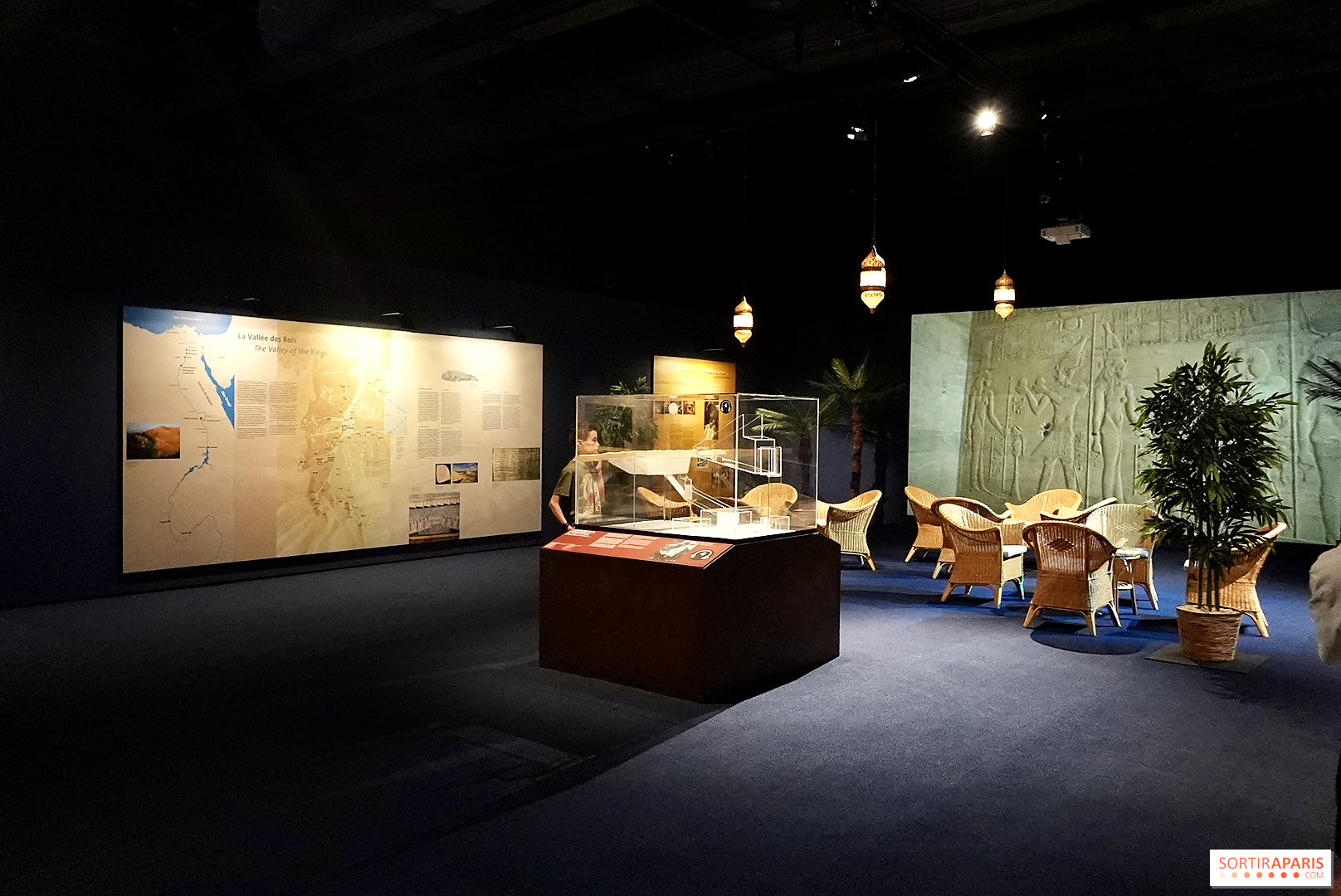
We got an early look at this new Paris edition, and the verdict is clear: the exhibition is stunning. Visually, the route works well, with a dark, golden, immersive scenography that highlights the recreations without feeling like a simple lineup of objects behind glass. This is an exhibition to be taken as a spectacular reconstruction of Tutankhamun's tomb, not as a display of original pieces.
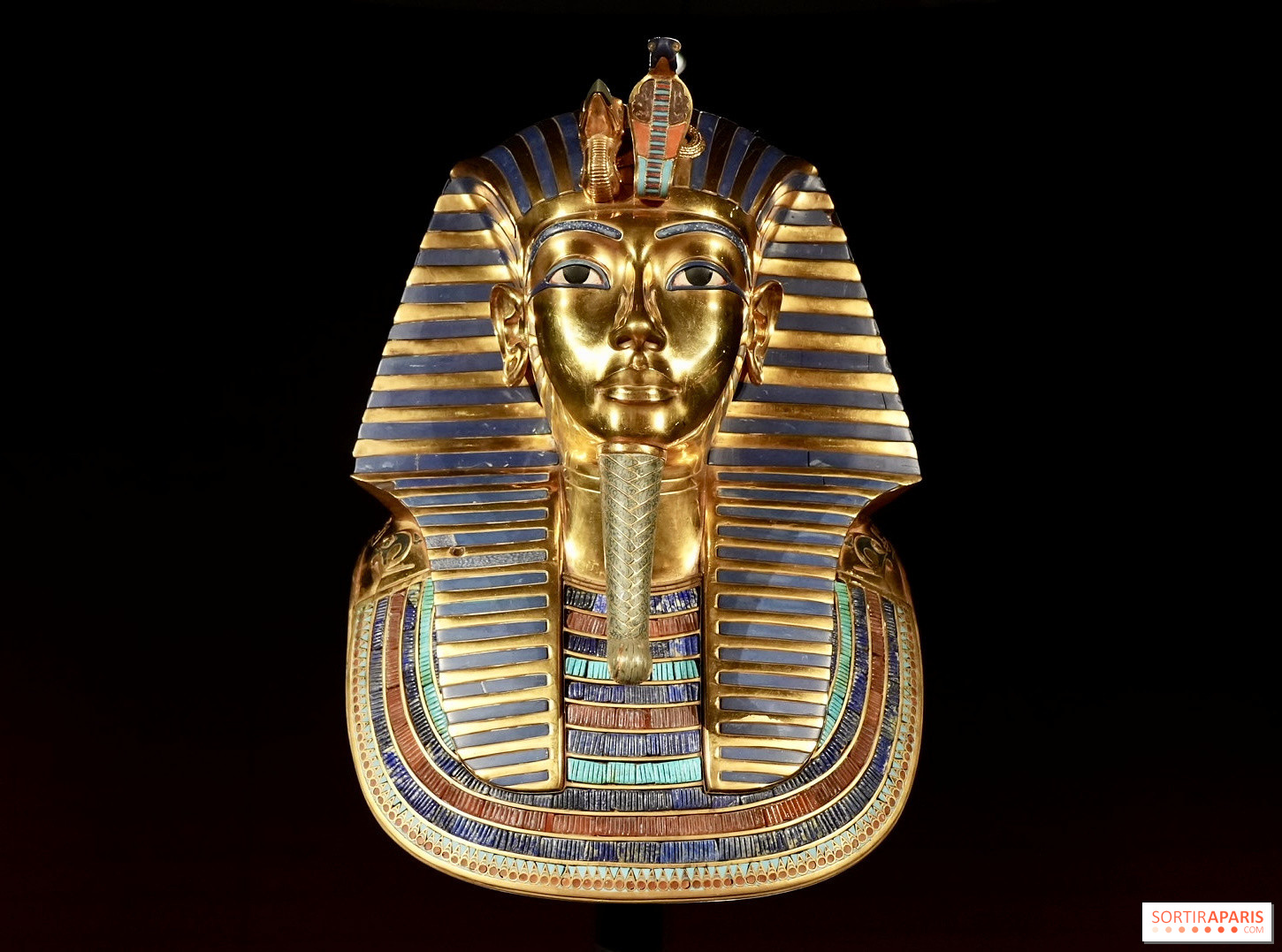
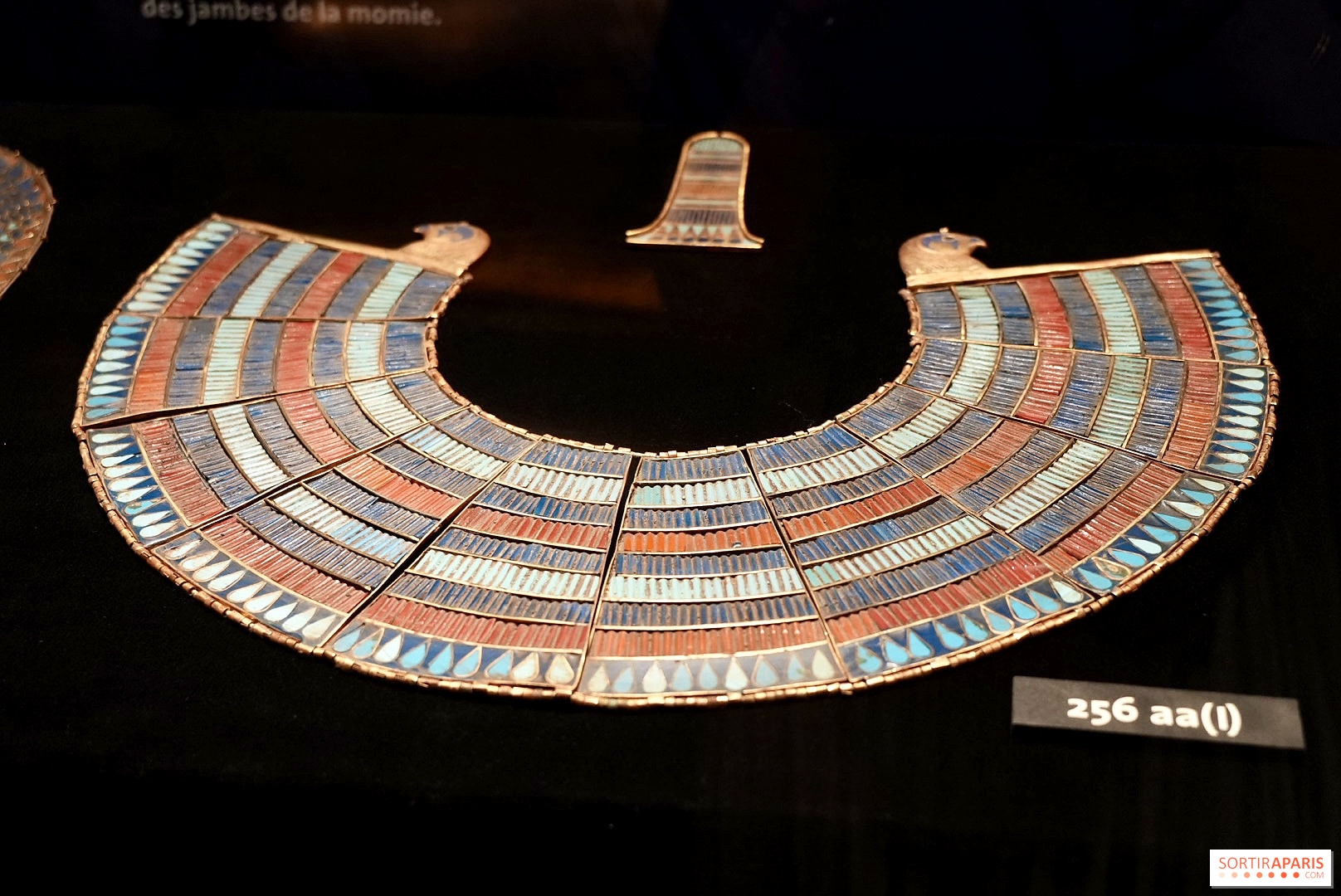
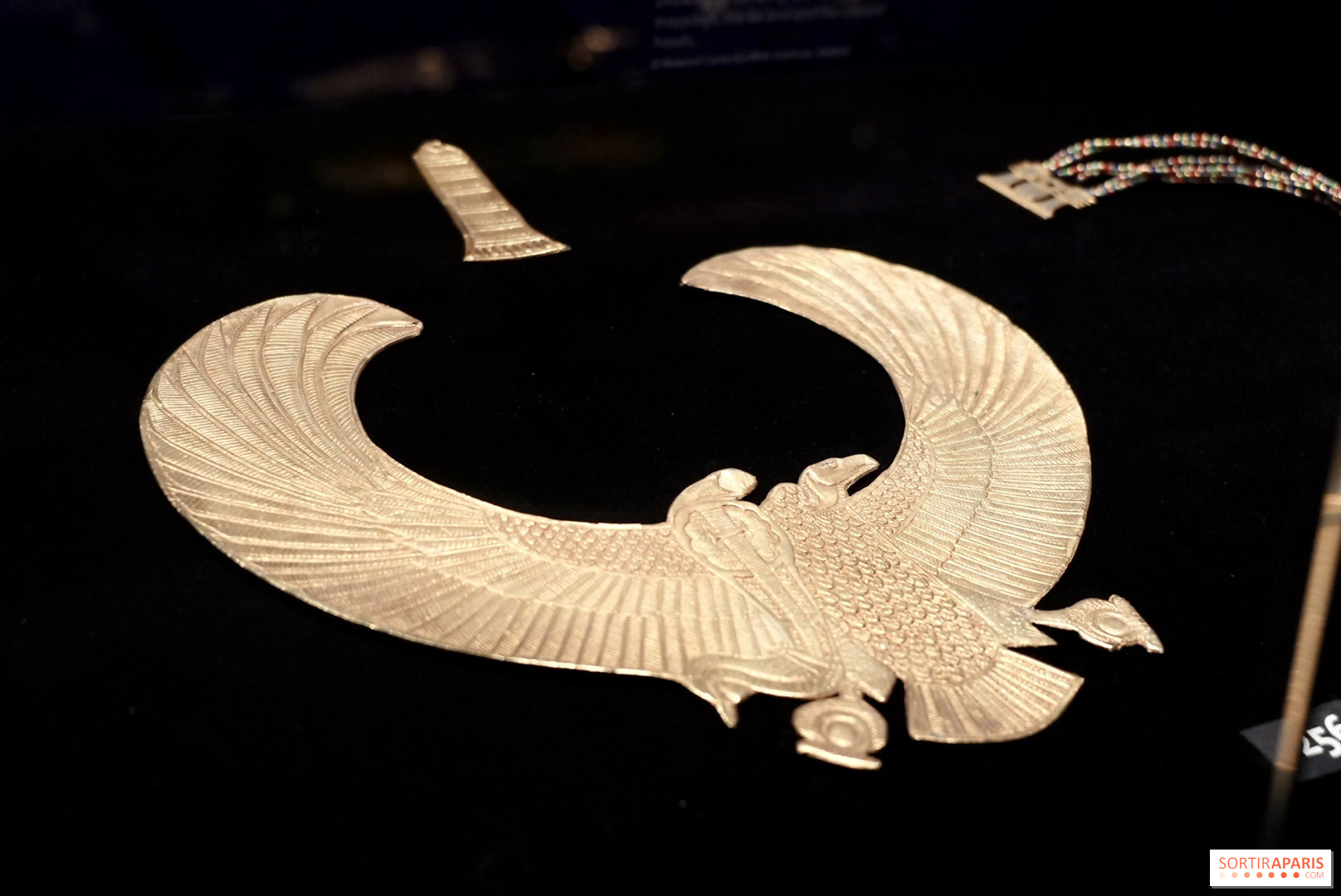
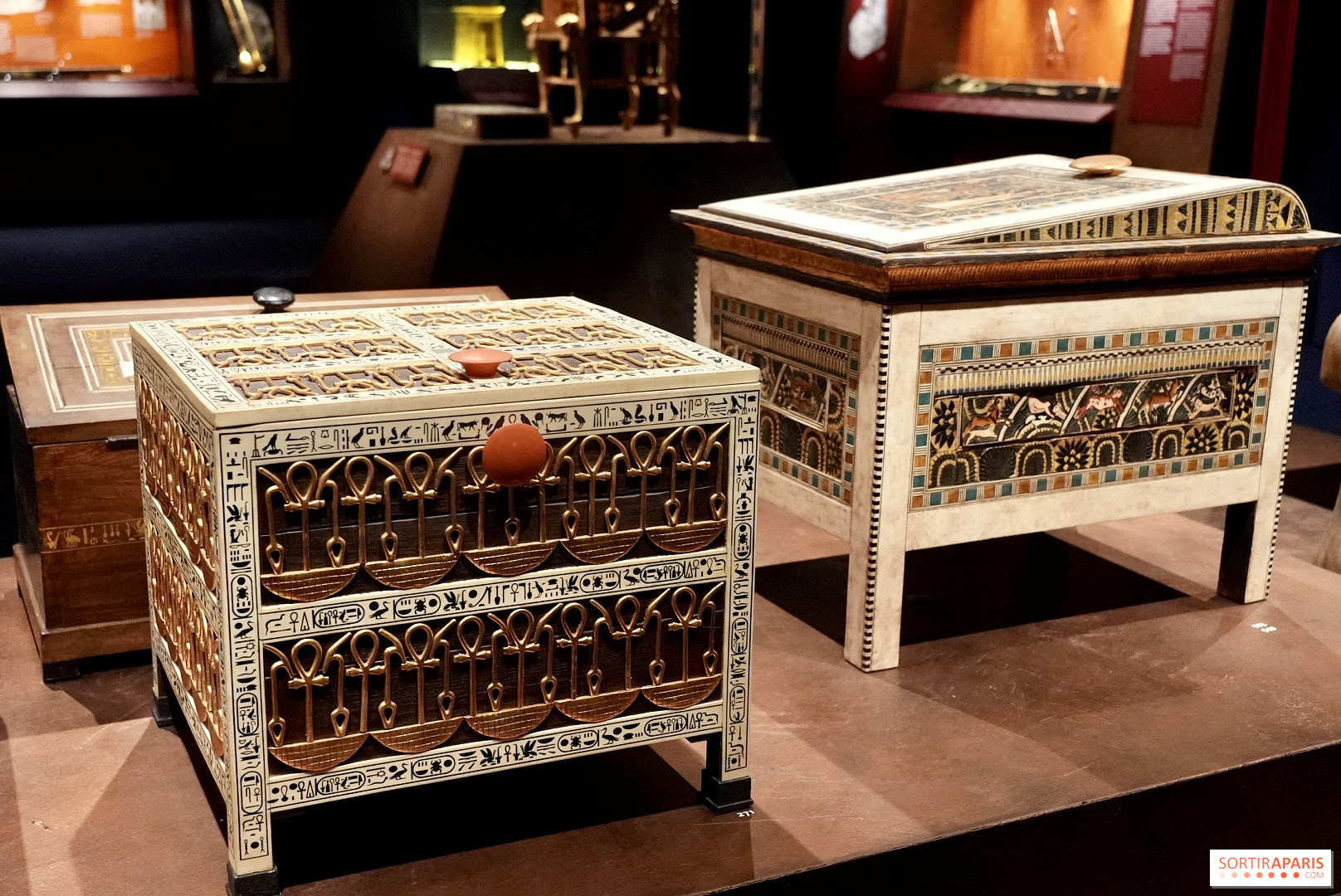
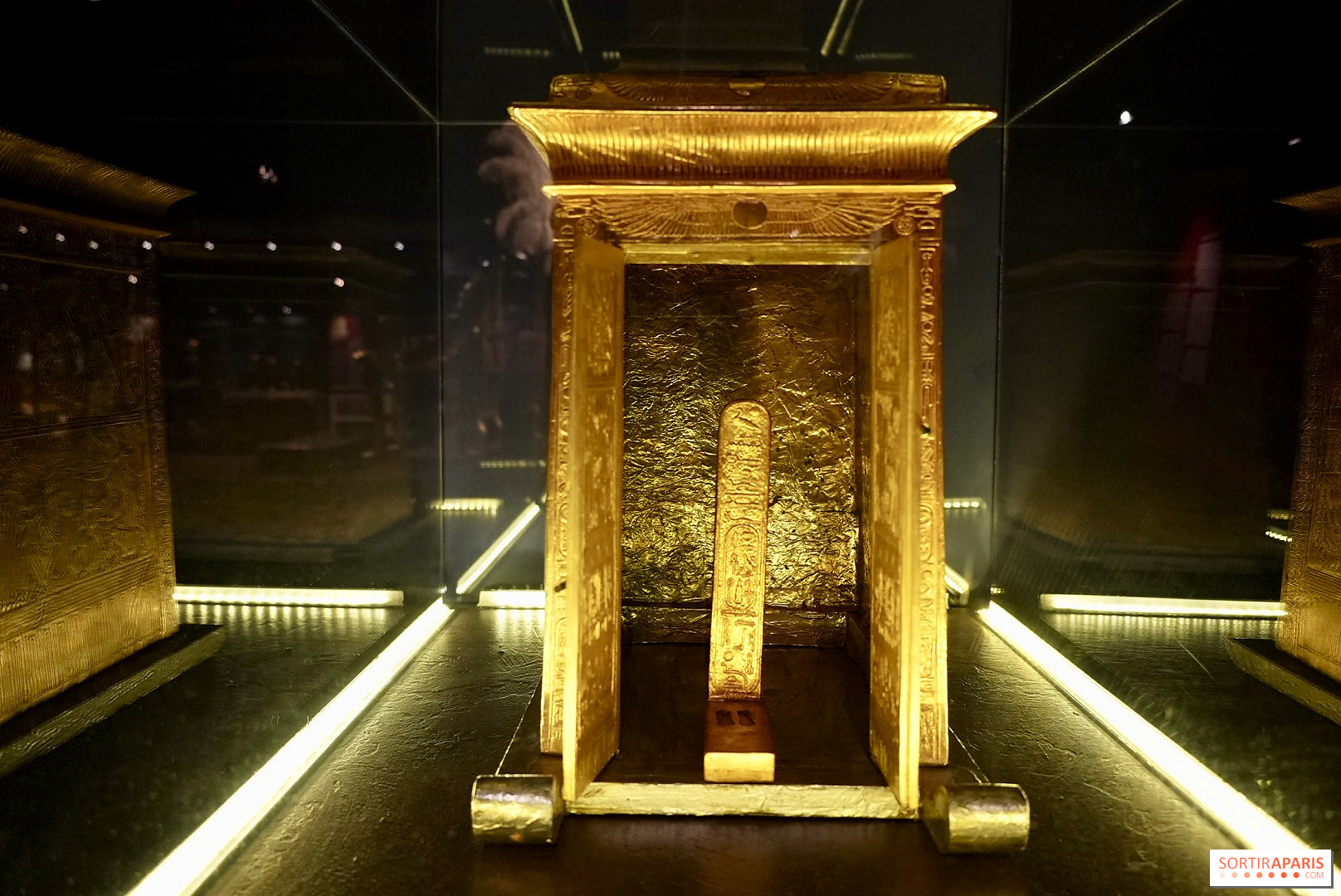
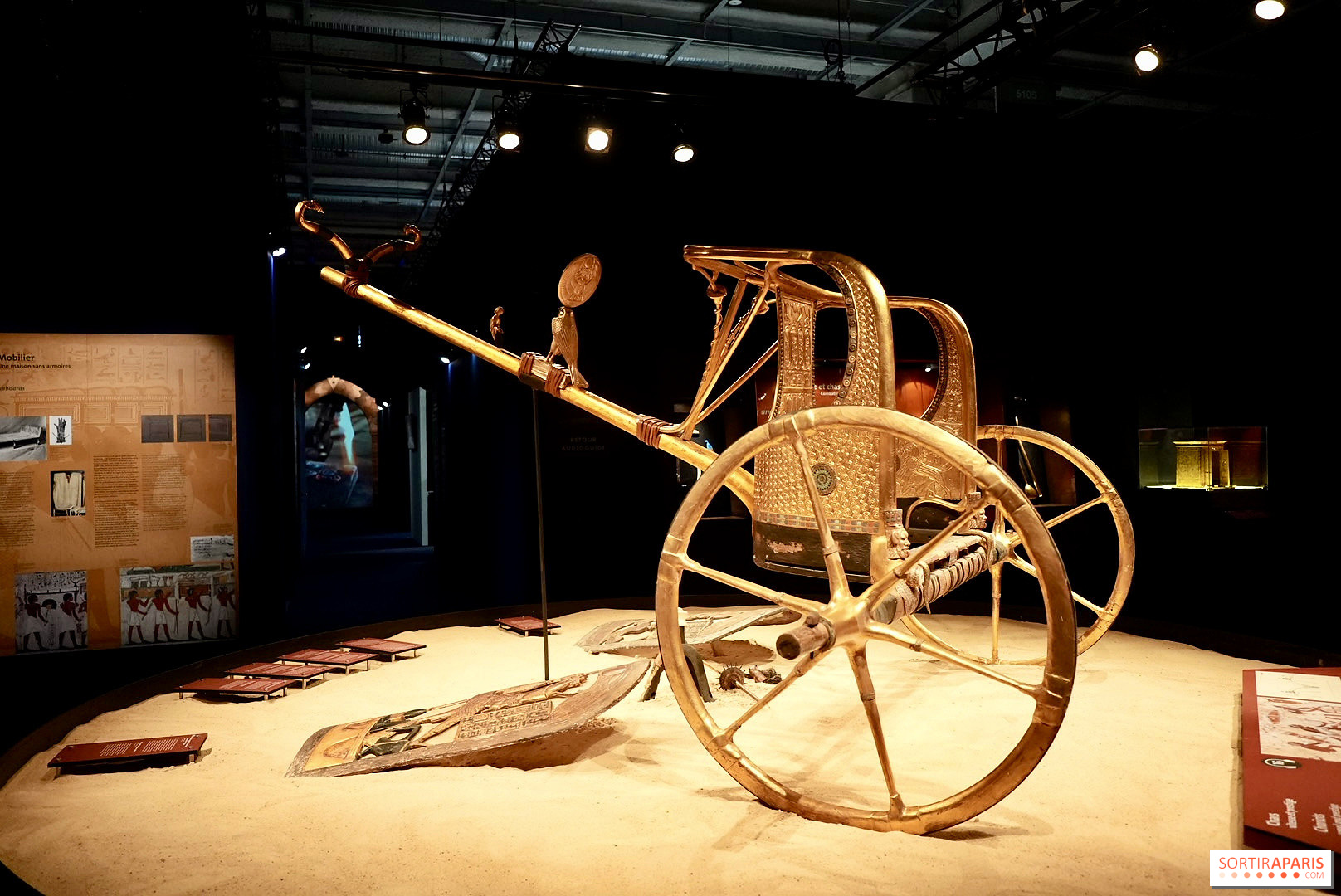
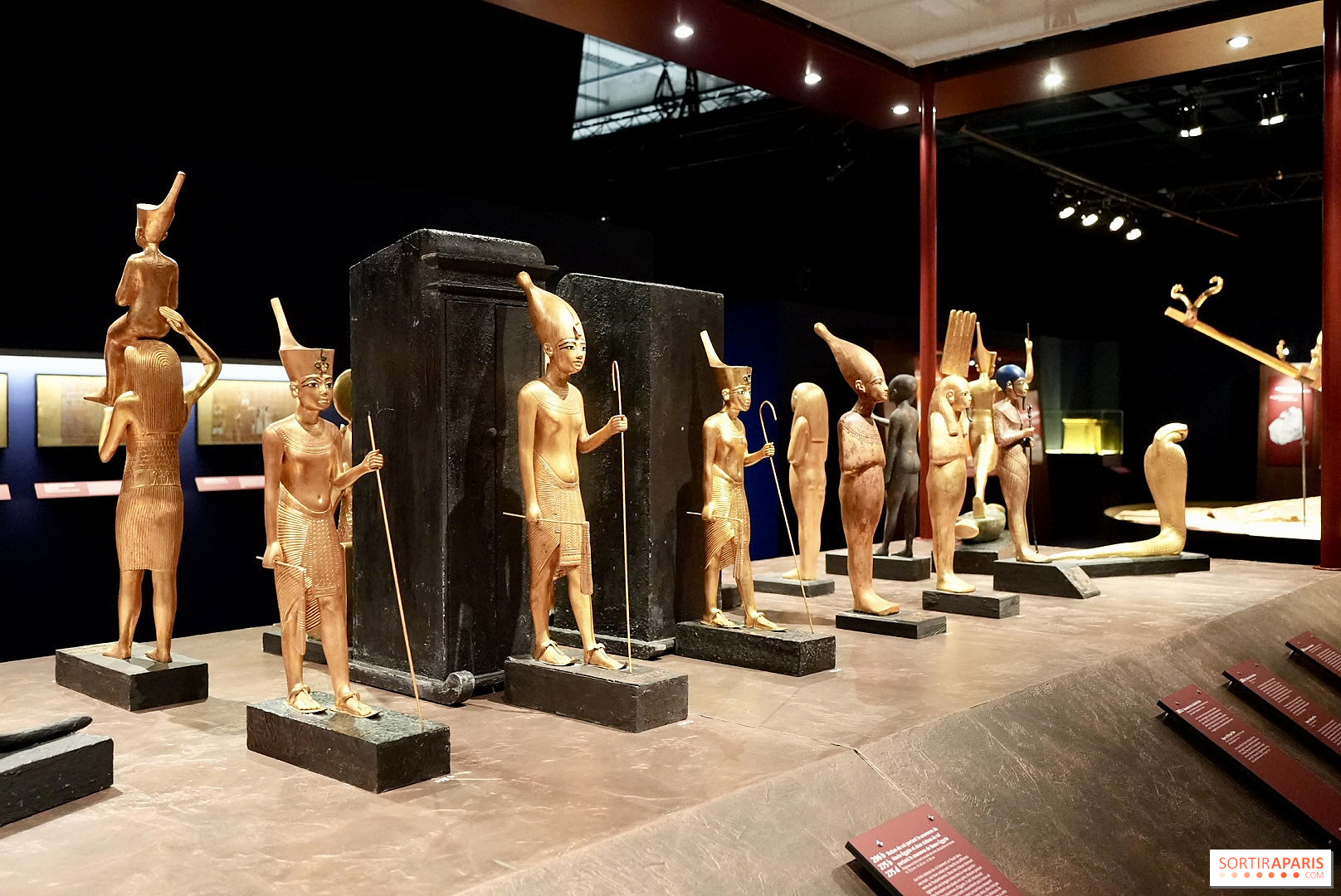
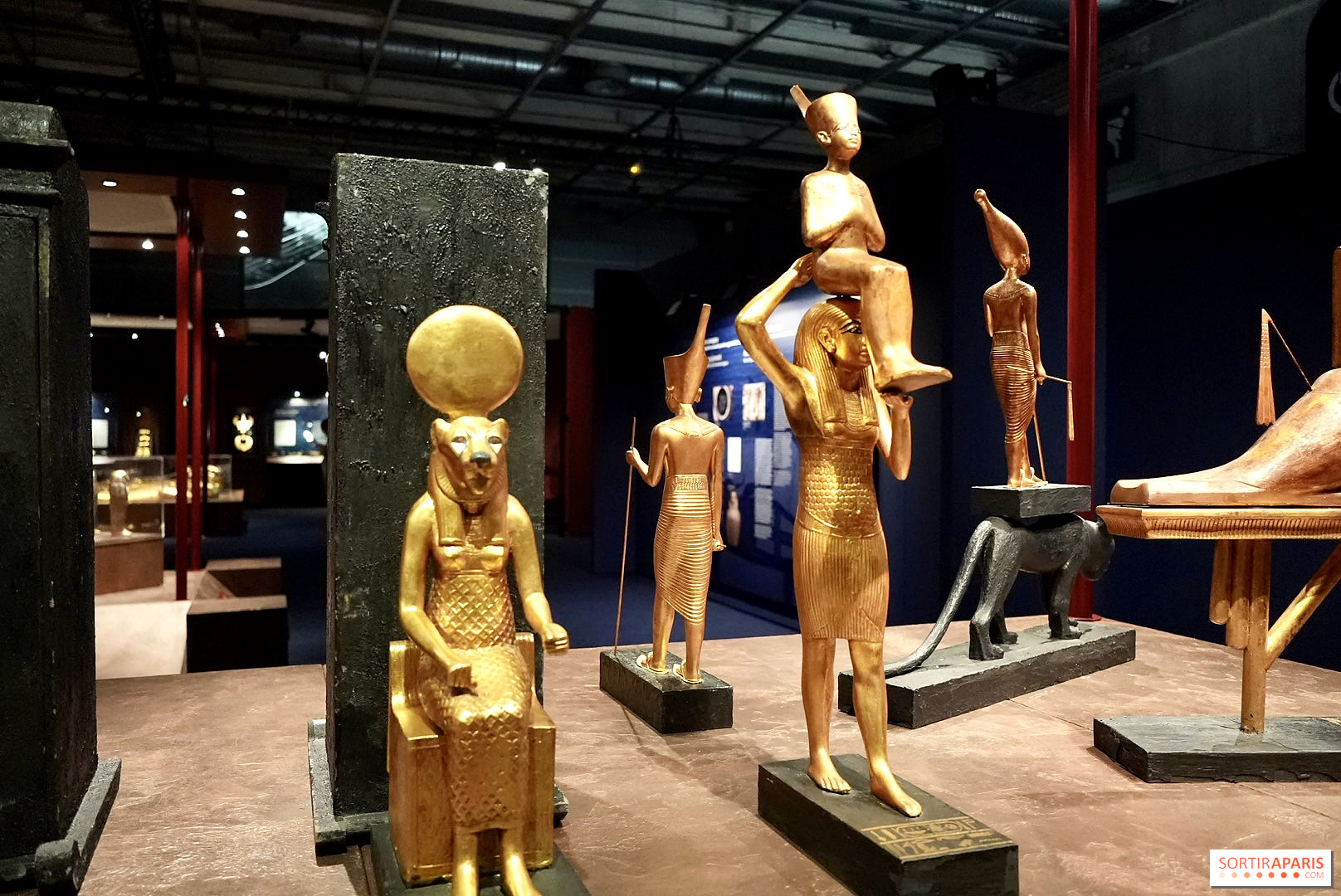
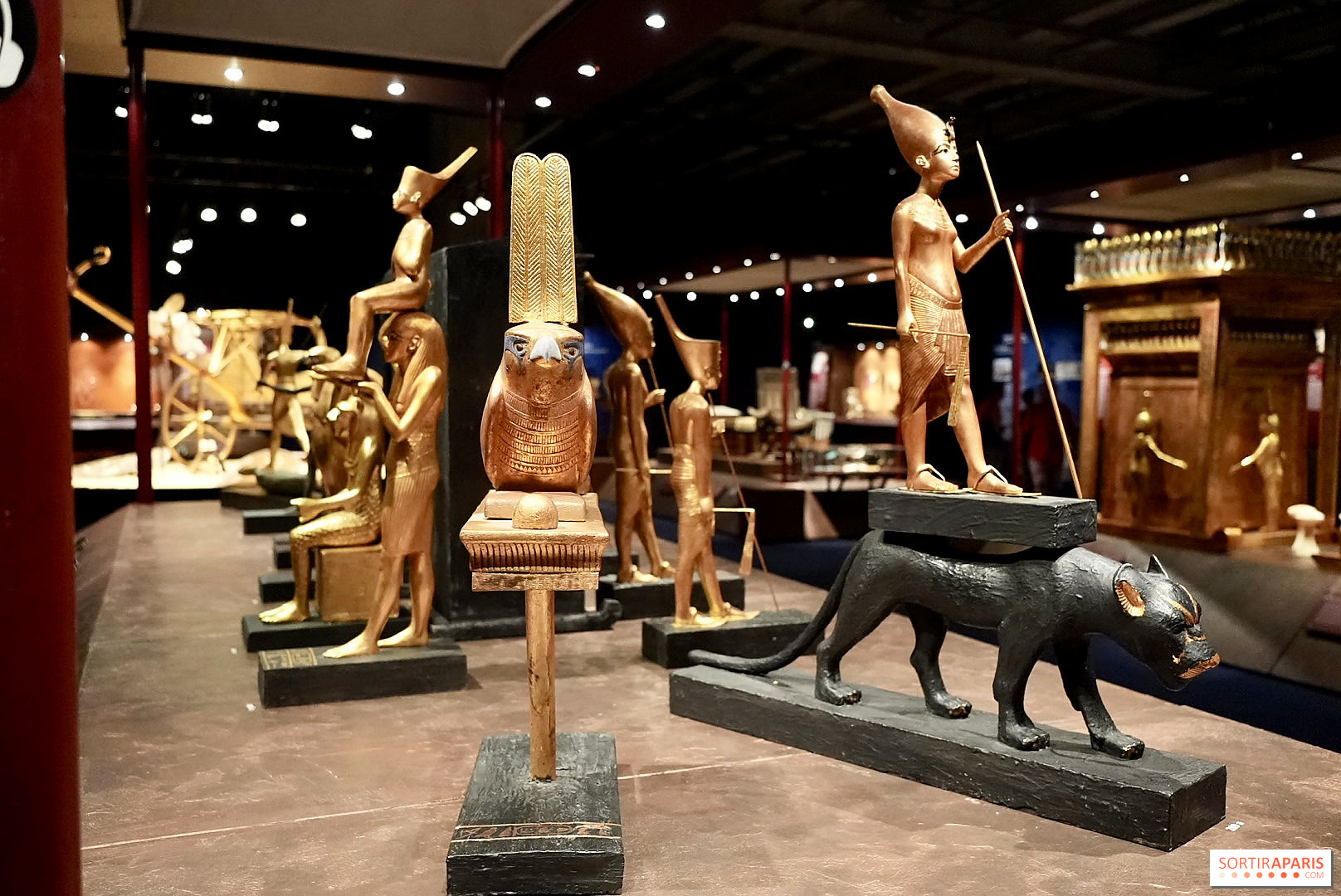
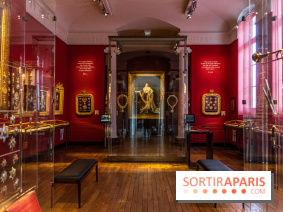
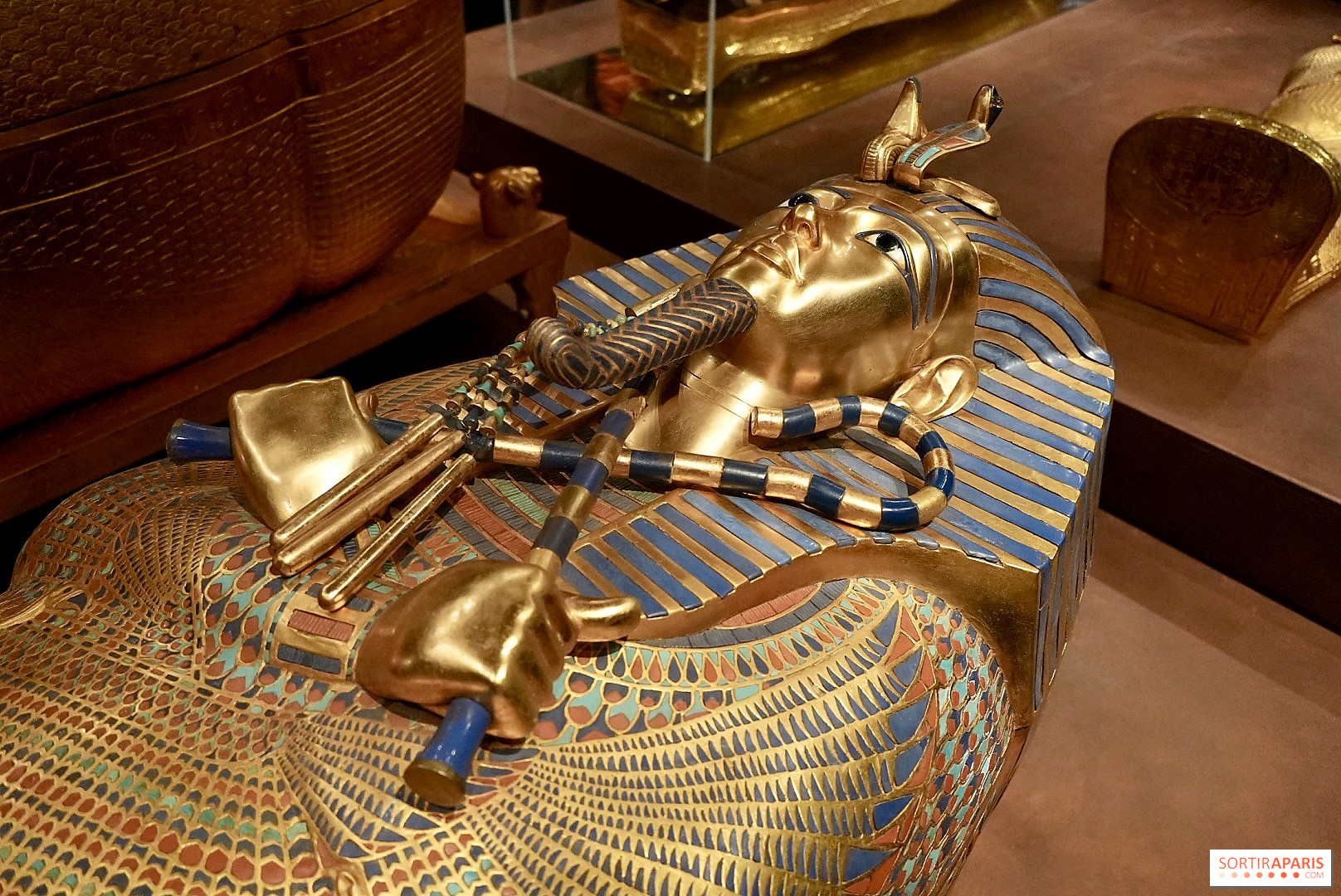
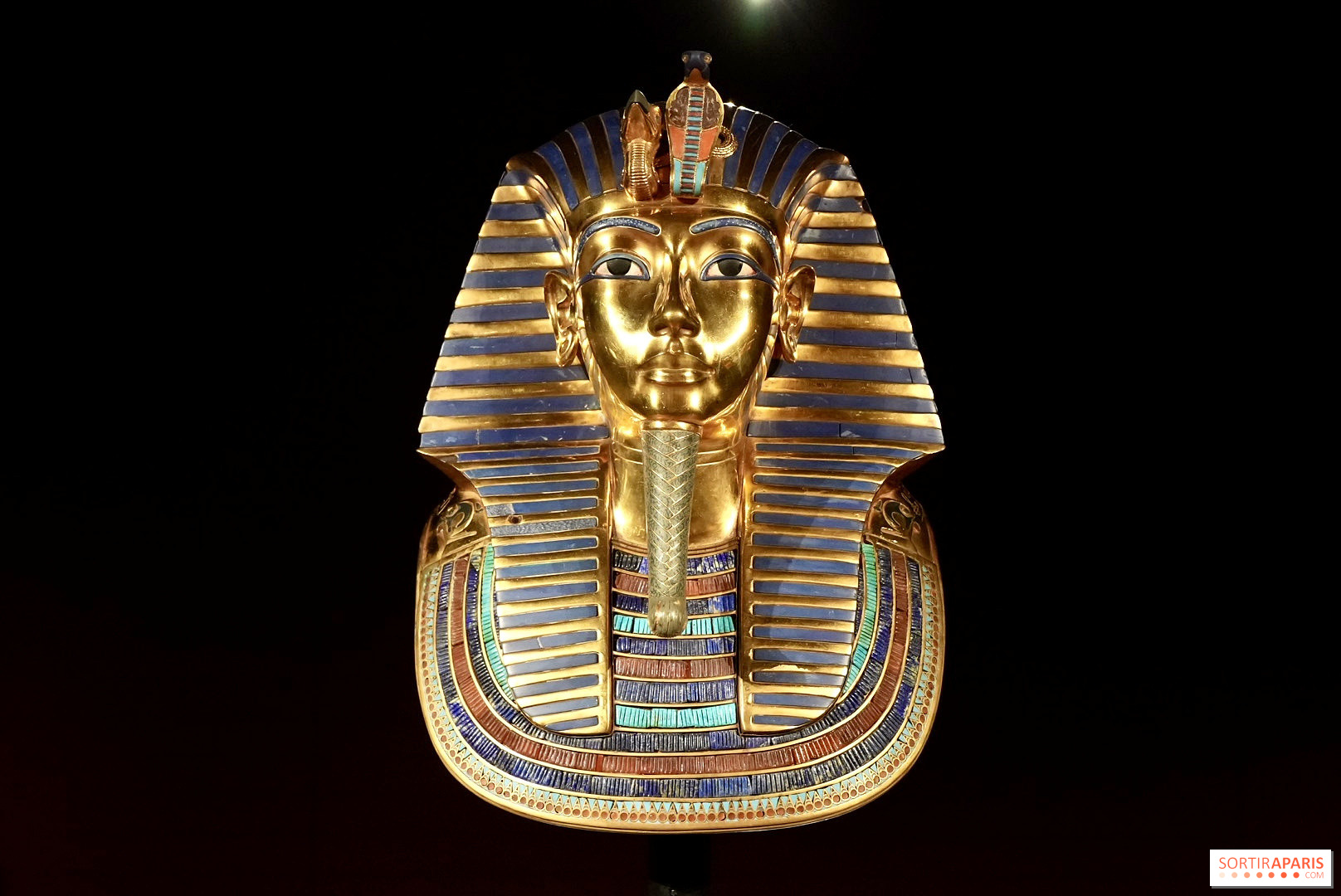
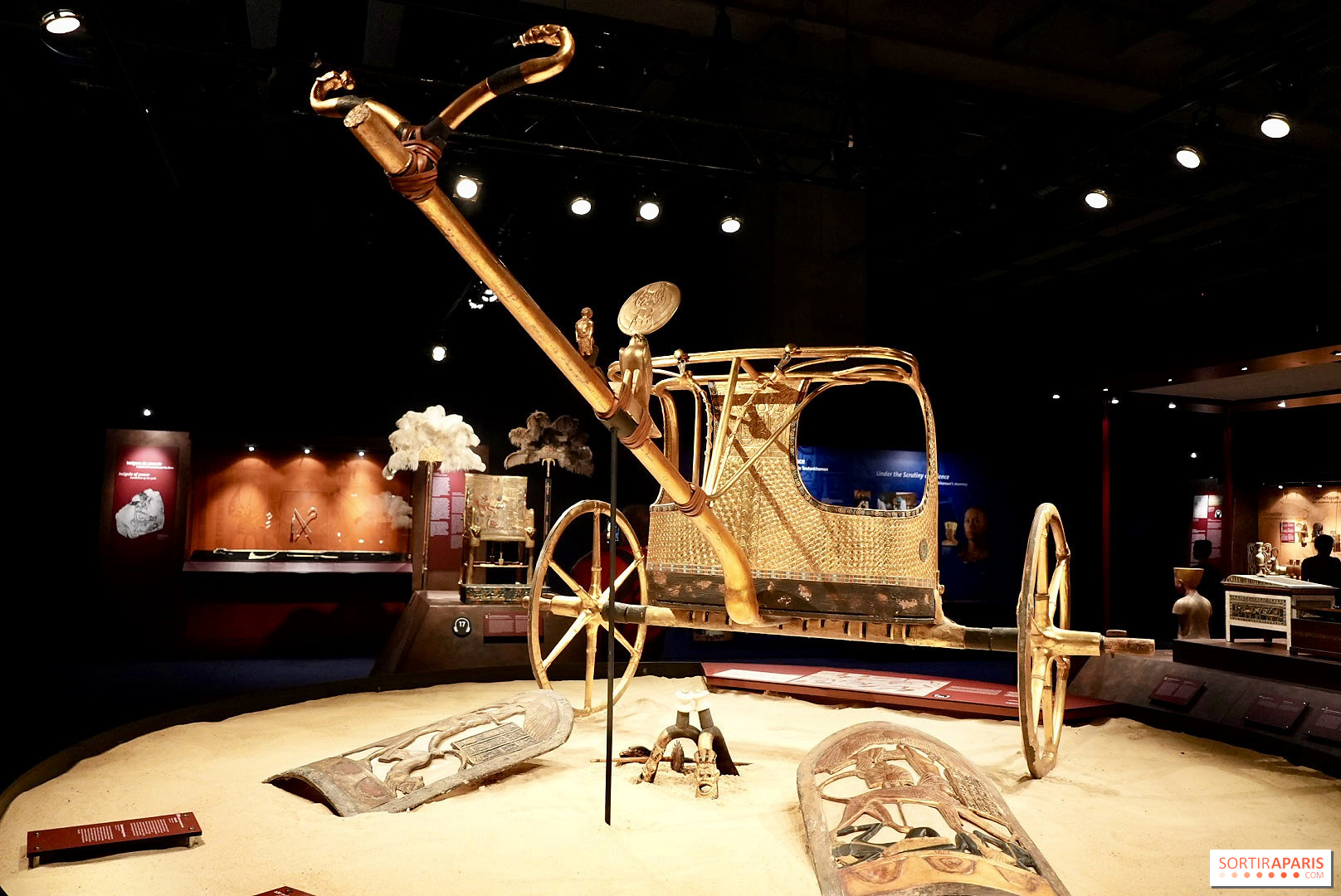
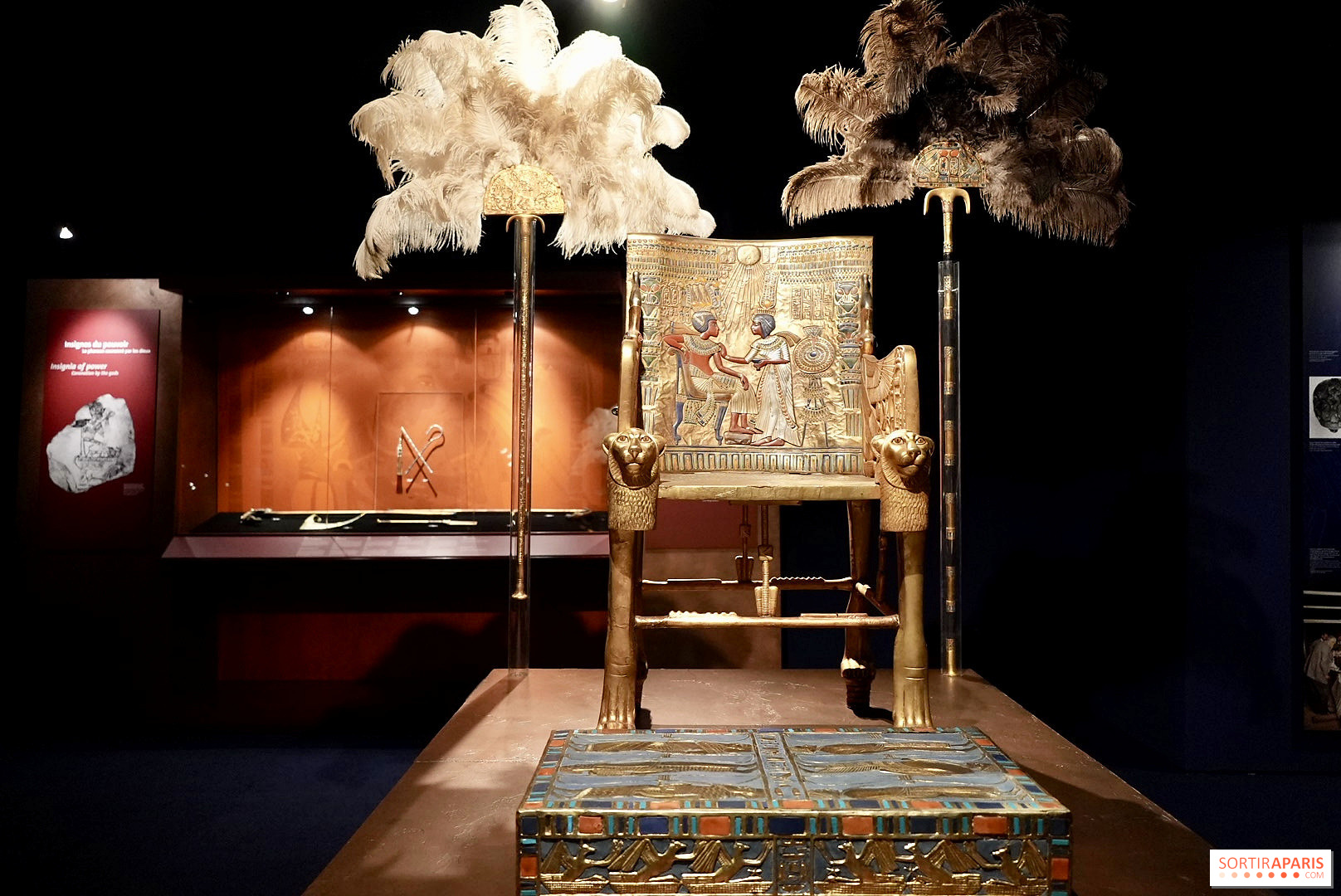
Across a gallery spanning more than 2 500 m², visitors encounter a faithful reconstruction of Tutankhamun’s tomb, created under the supervision of Egyptologists. The exhibition brings together around 1 000 reproduced objects, recontextualized to show the tomb as it was when uncovered in 1922, with its burial chambers, furniture, statues, chests, chariots, ceremonial shields, funerary beds, and its ritual objects.
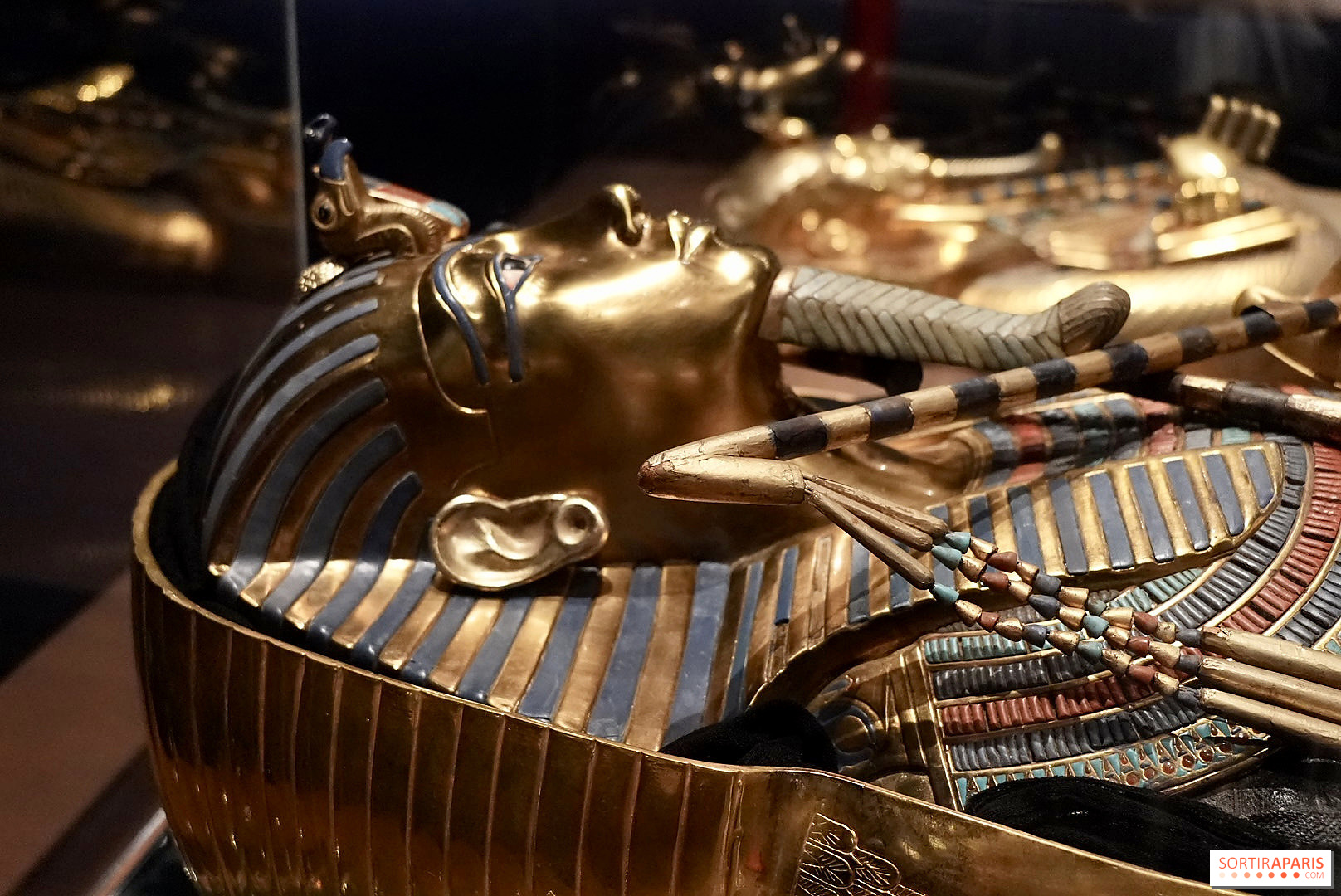
What you should know before you visit: the pieces on display are not the original Tutankhamun treasure. They are reproductions produced under strict scientific supervision, crafted from archives, sketches, notes, period photographs, and studies of objects preserved in Egypt. This is an important point, as it may disappoint visitors who were hoping to see the pharaoh’s genuine treasures.
But that limitation brings a very practical upside: since the objects are reproductions, they are less fragile than genuine archaeological pieces. They can be shown in a more accessible way, with shorter distances, lighter protection setups, and a more immersive presentation. Visitors can study details up close, move around individual ensembles, and grasp the overall layout of the tomb more clearly.
The tour begins in a large introductory chamber, designed to provide context. Here you’ll find, notably, a replica of the Rosetta Stone, a few statues, and explanatory panels that frame ancient Egypt, its hieroglyphs, and the rediscovery of this civilization within their history.
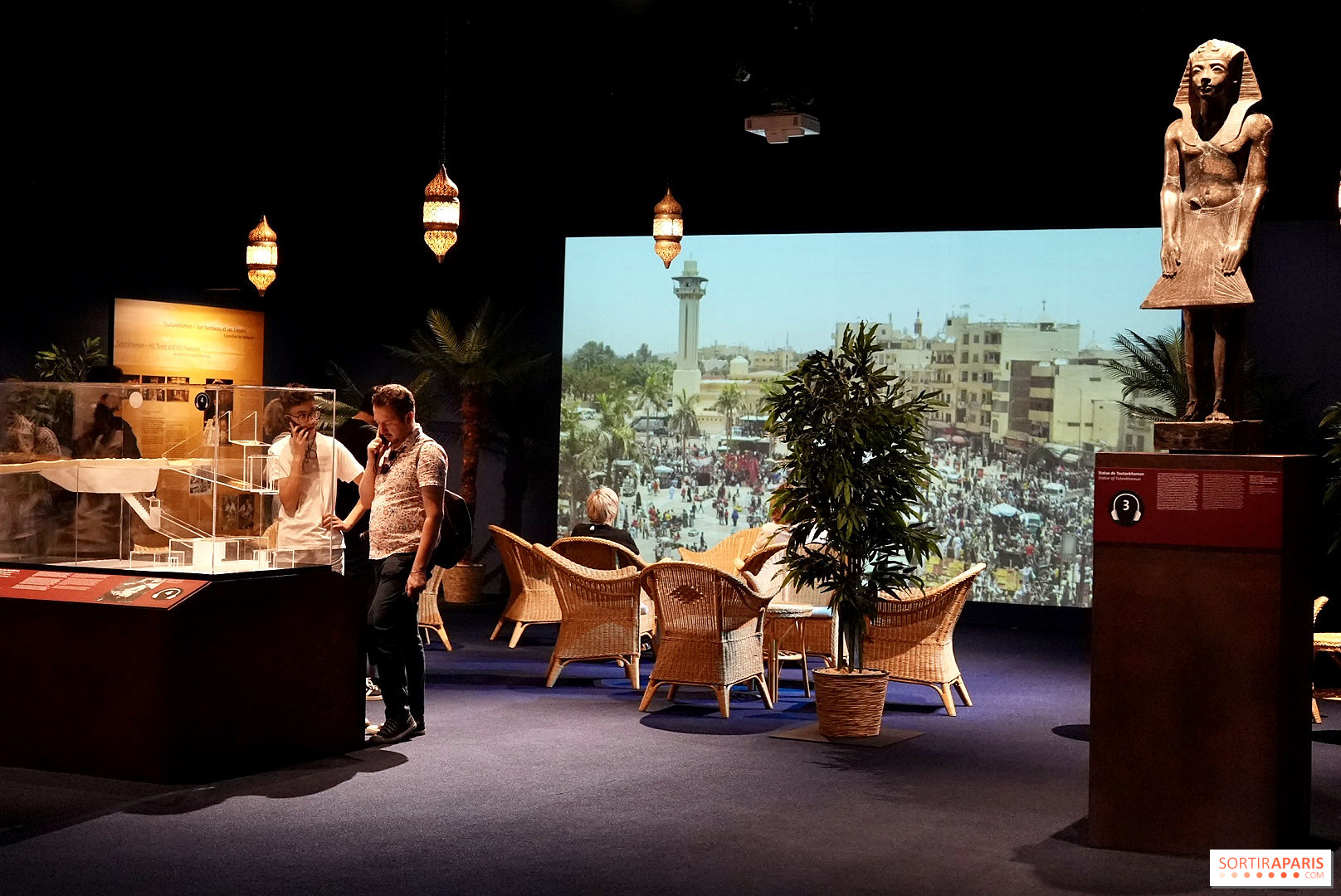
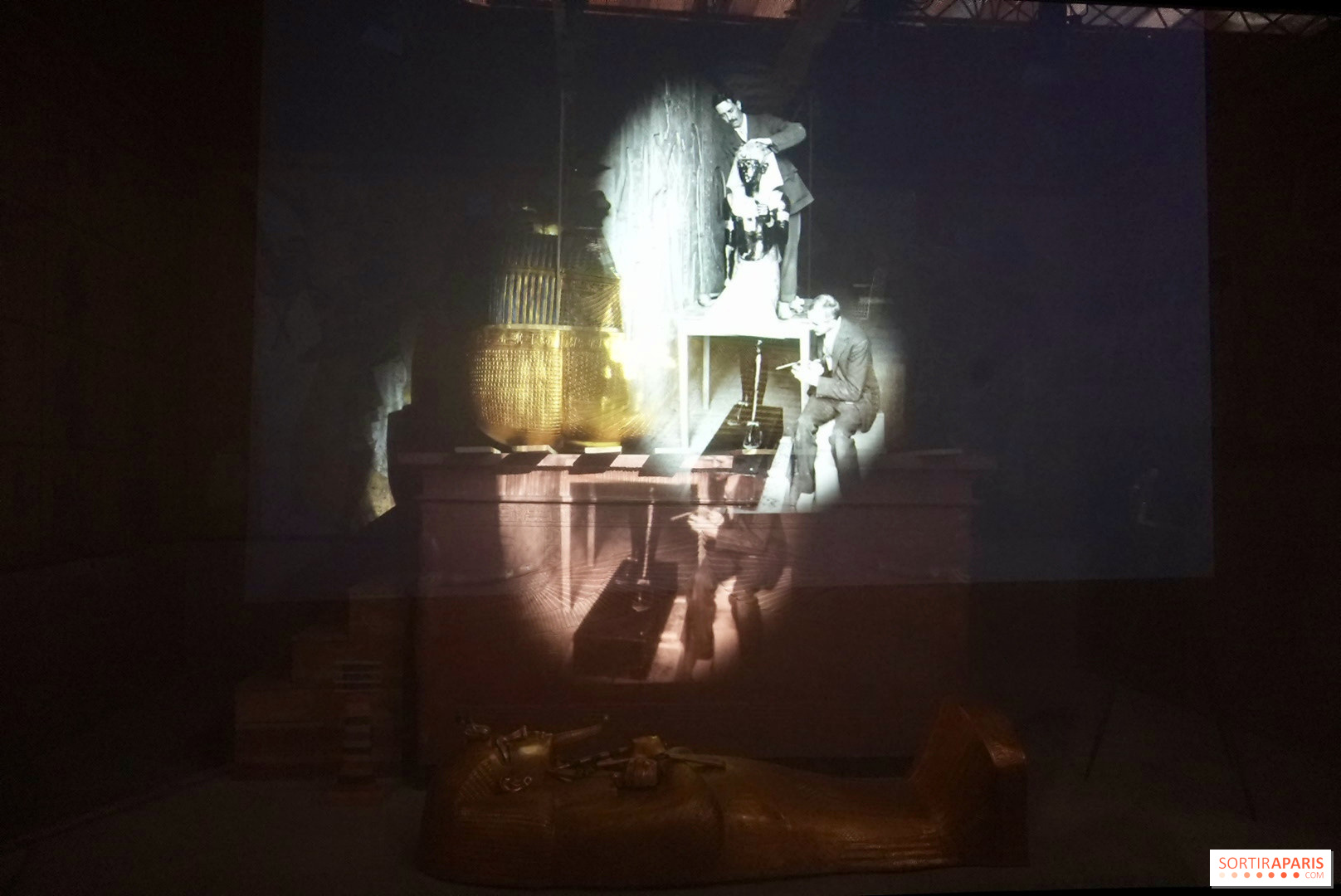
The tour continues into a projection room, featuring an approximately eight-minute film about the 1922 discovery of the tomb by Howard Carter. It makes for a strong opening: the film sets the scene of the digs, underlines the significance of this archaeological find, and highlights the remarkable fact of a tomb that stayed sealed for nearly 3,300 years.
Following the introduction, visitors step into a room that lays out the tomb’s structure on three large panels: the antechamber, the burial chamber, and the treasury chamber. This moment helps them grasp the spatial layout before entering the main reconstruction hall, where the objects are arranged to follow the logic of the tomb.
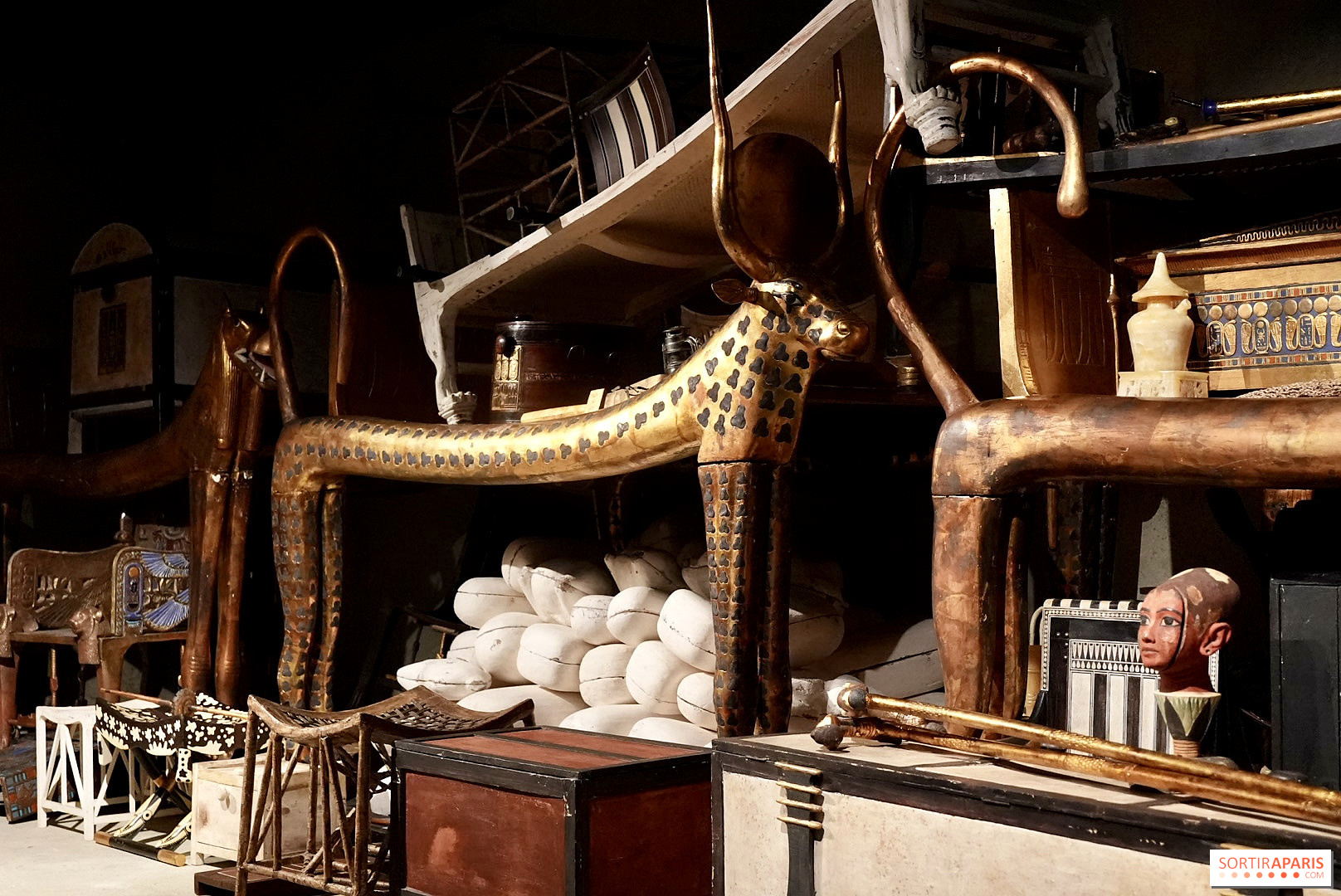
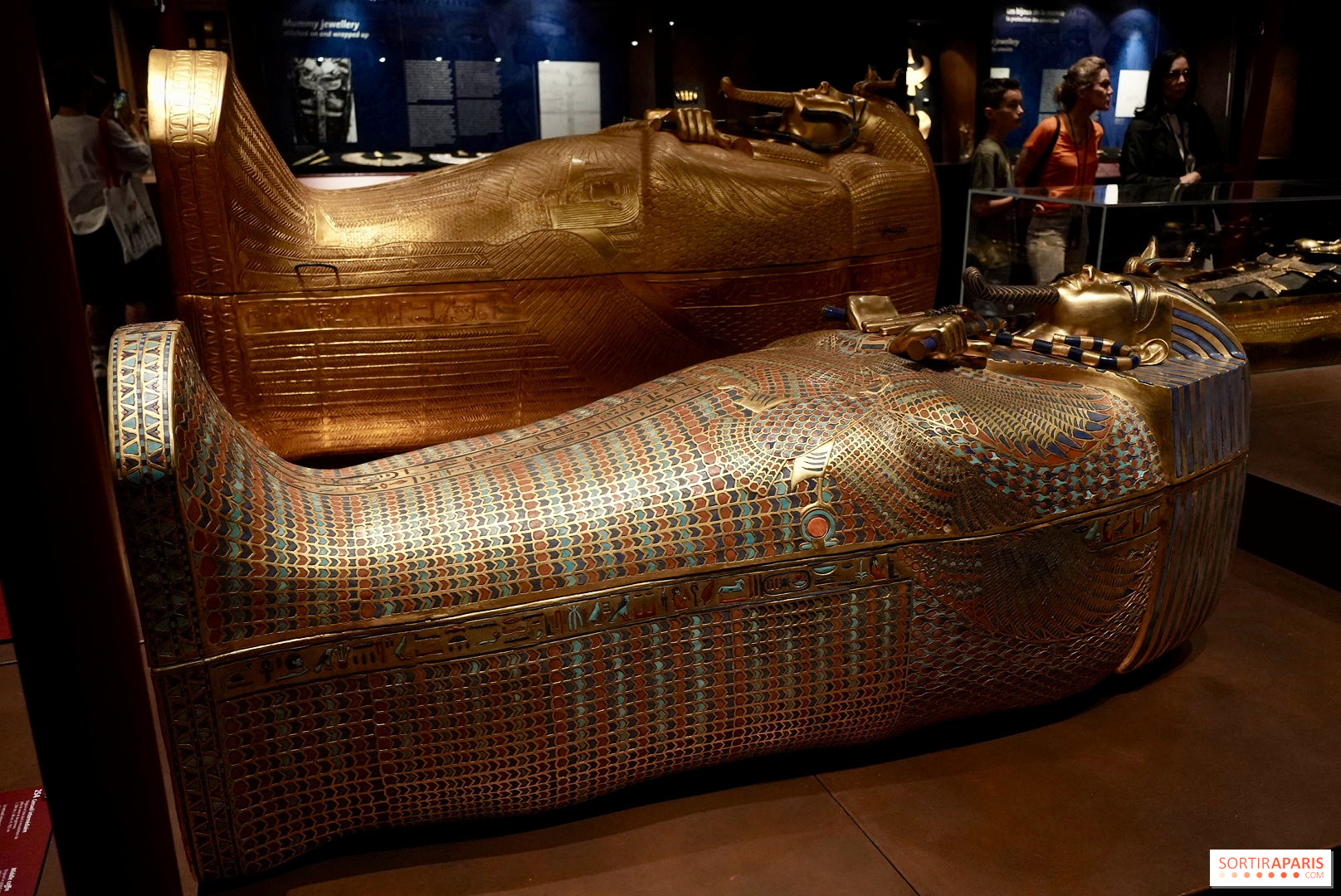
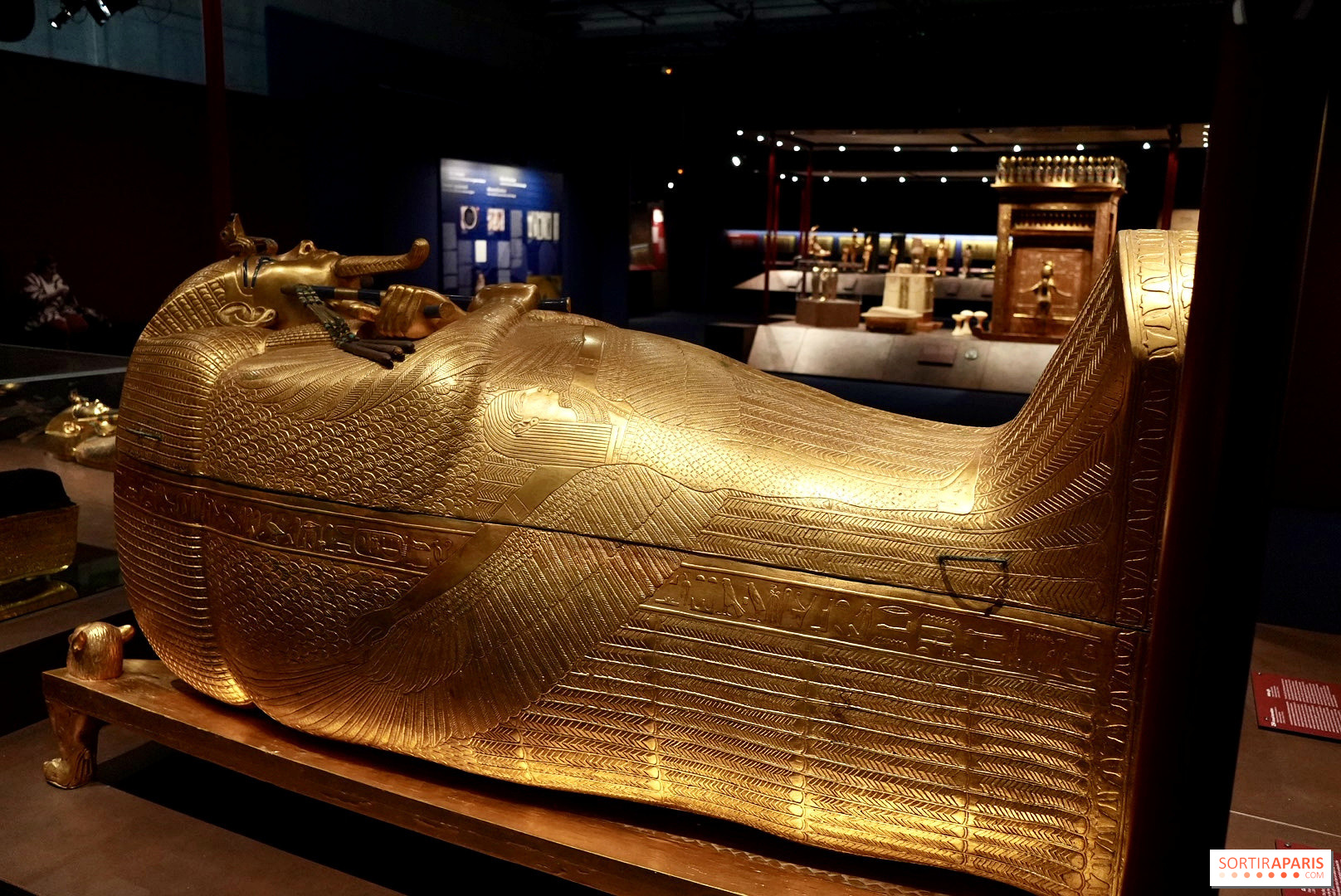
We then reach the heart of the exhibition: a vast, spectacular hall, lined with chapels, chests, sarcophagi and funerary reconstructions. This is where the journey truly comes into its own, with a somber yet gilded scenography that highlights the reconstructions and gives a real sense of gradual discovery.
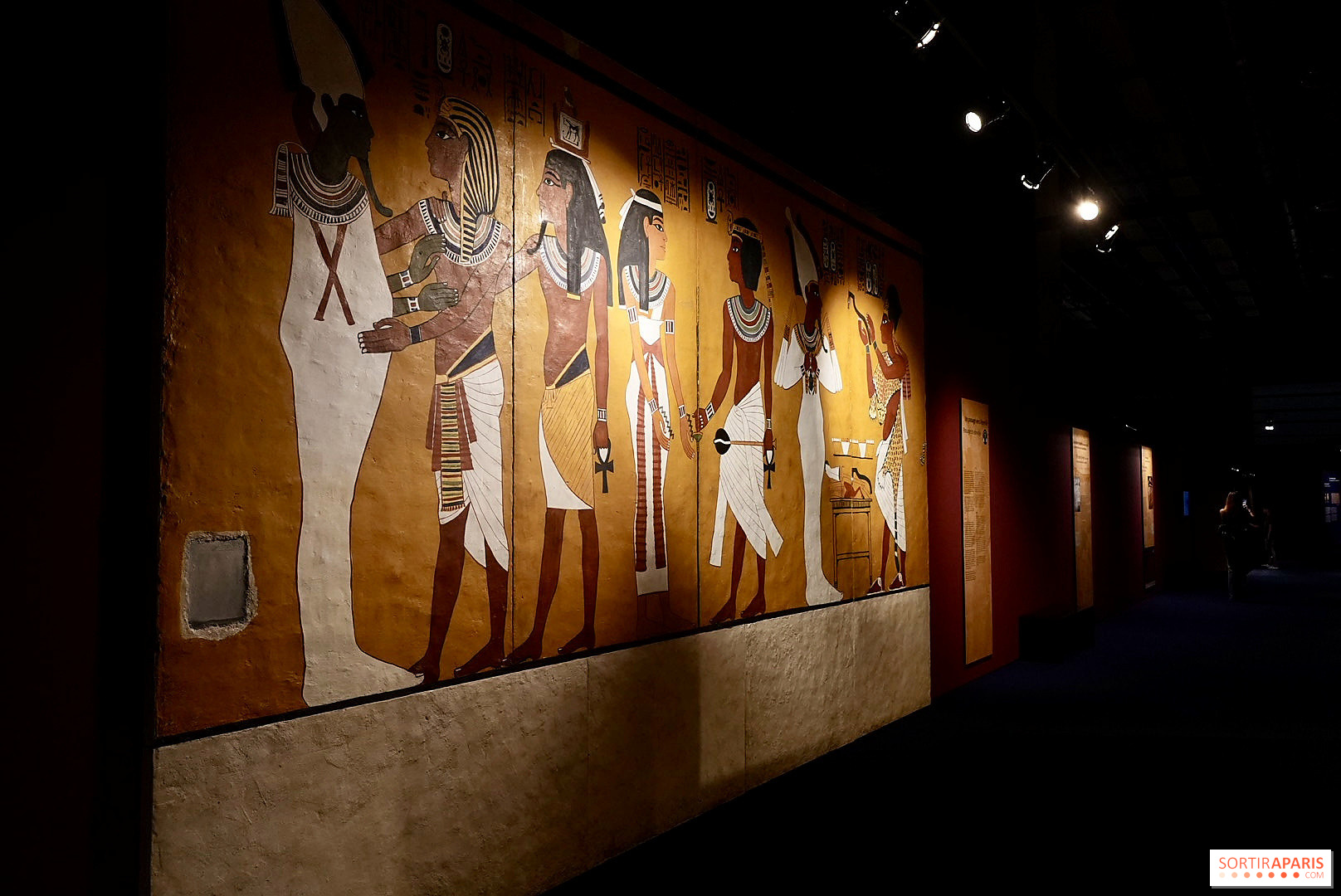
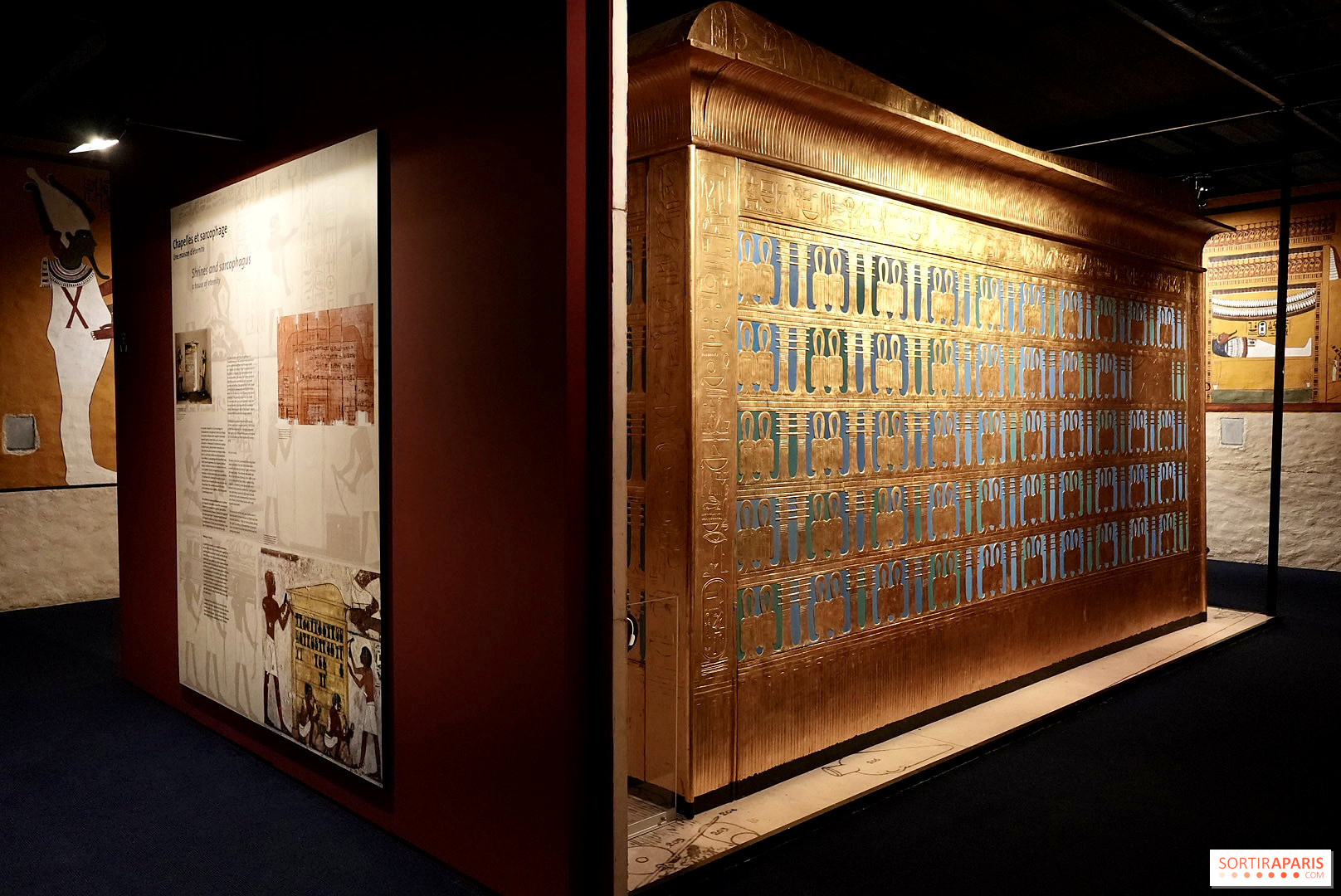
The rest of the room brings together the funerary treasures: royal furnishings, protective statues, funerary beds, a throne, ceremonial fans, shields, ritual objects, and chariots. It’s one of the richest sections of the tour, strikingly visual and deeply informative.
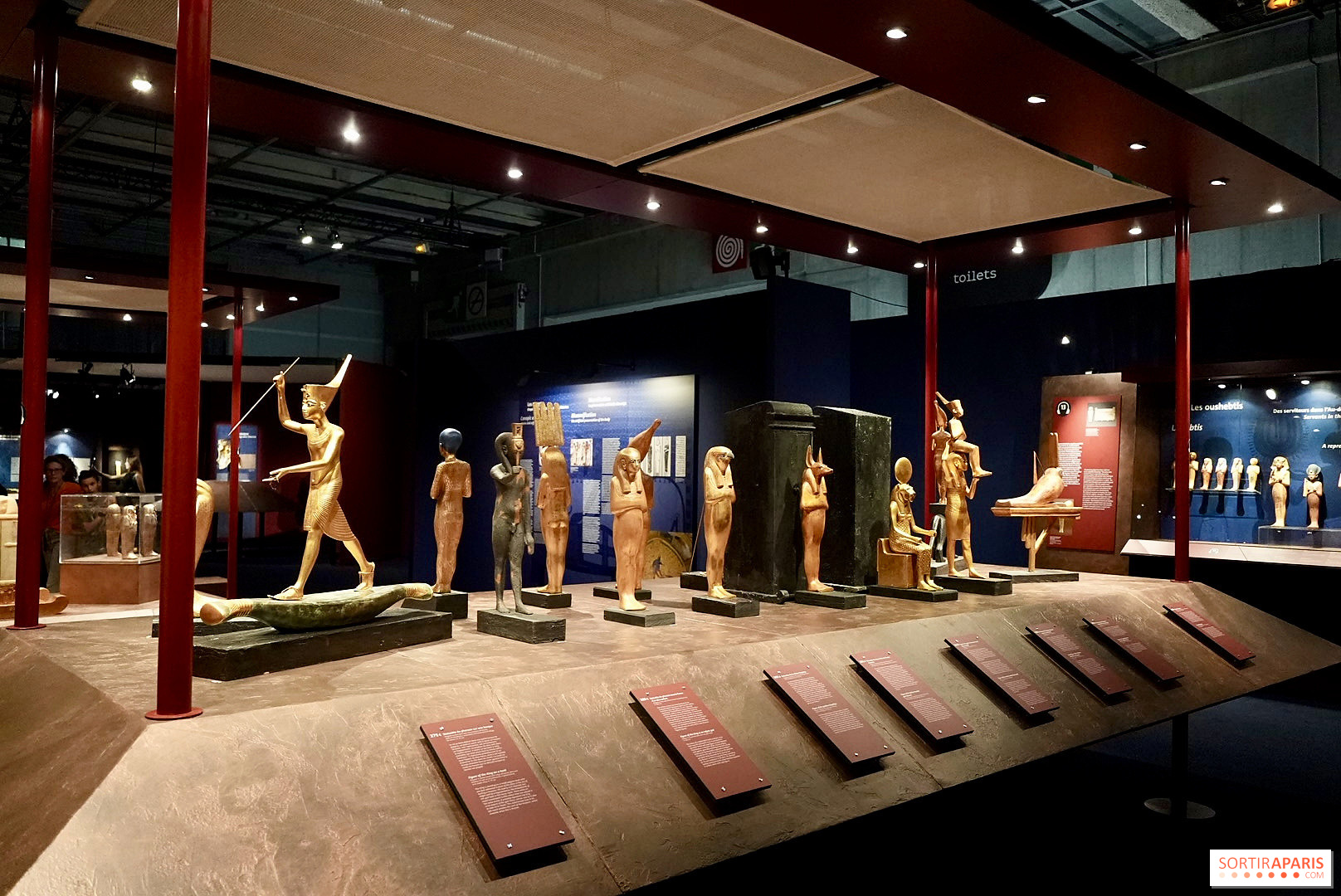
Our advice: don’t come expecting to zip through the tour. The proposed audio guide runs roughly 75 minutes of commentary, and it would be a shame to rush through the exhibition. To fully enjoy the route, take time to view the reconstructions, listen to the explanations, and try the immersive experiences—it's best to plan at least 1h30 to 2h on-site.
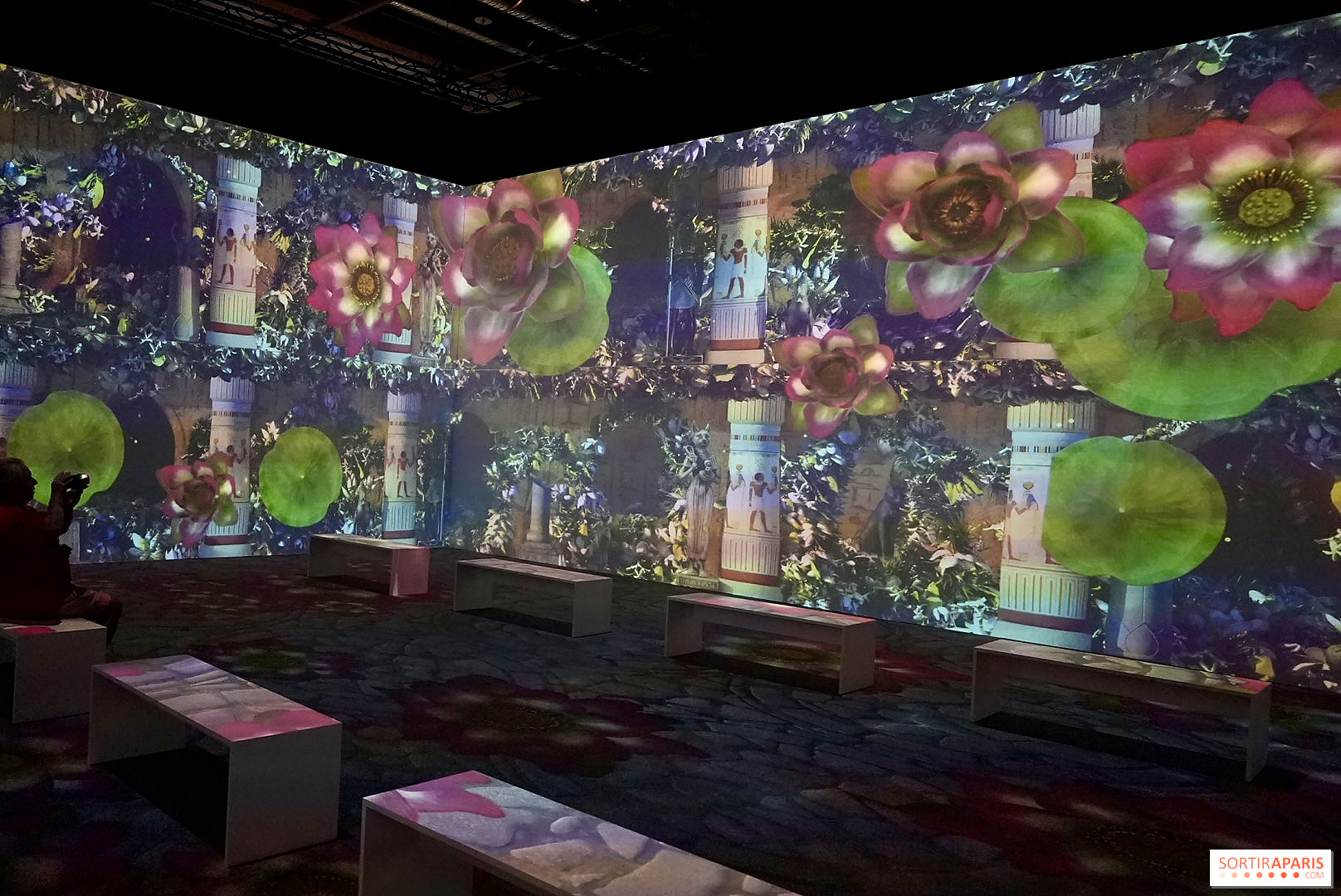
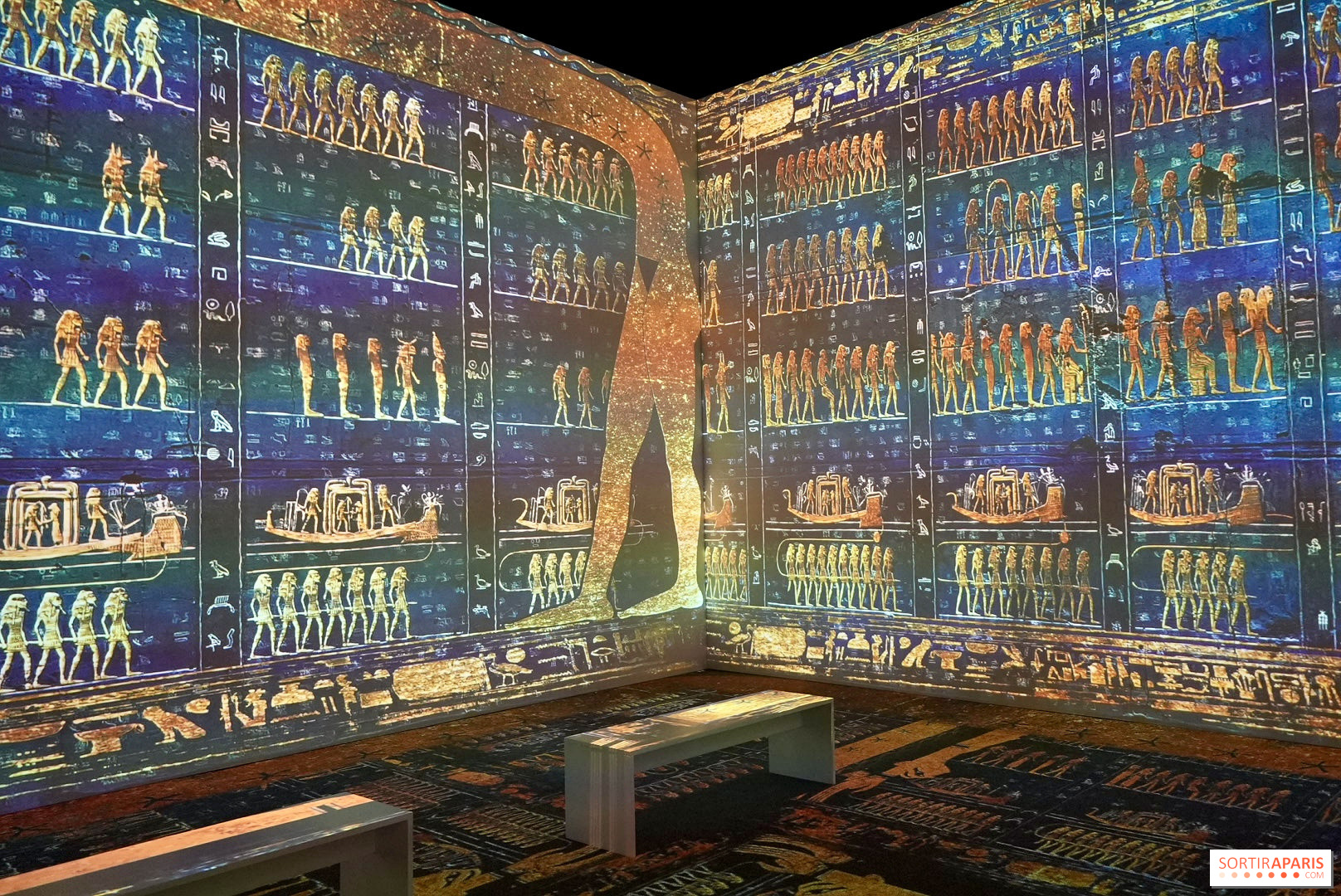
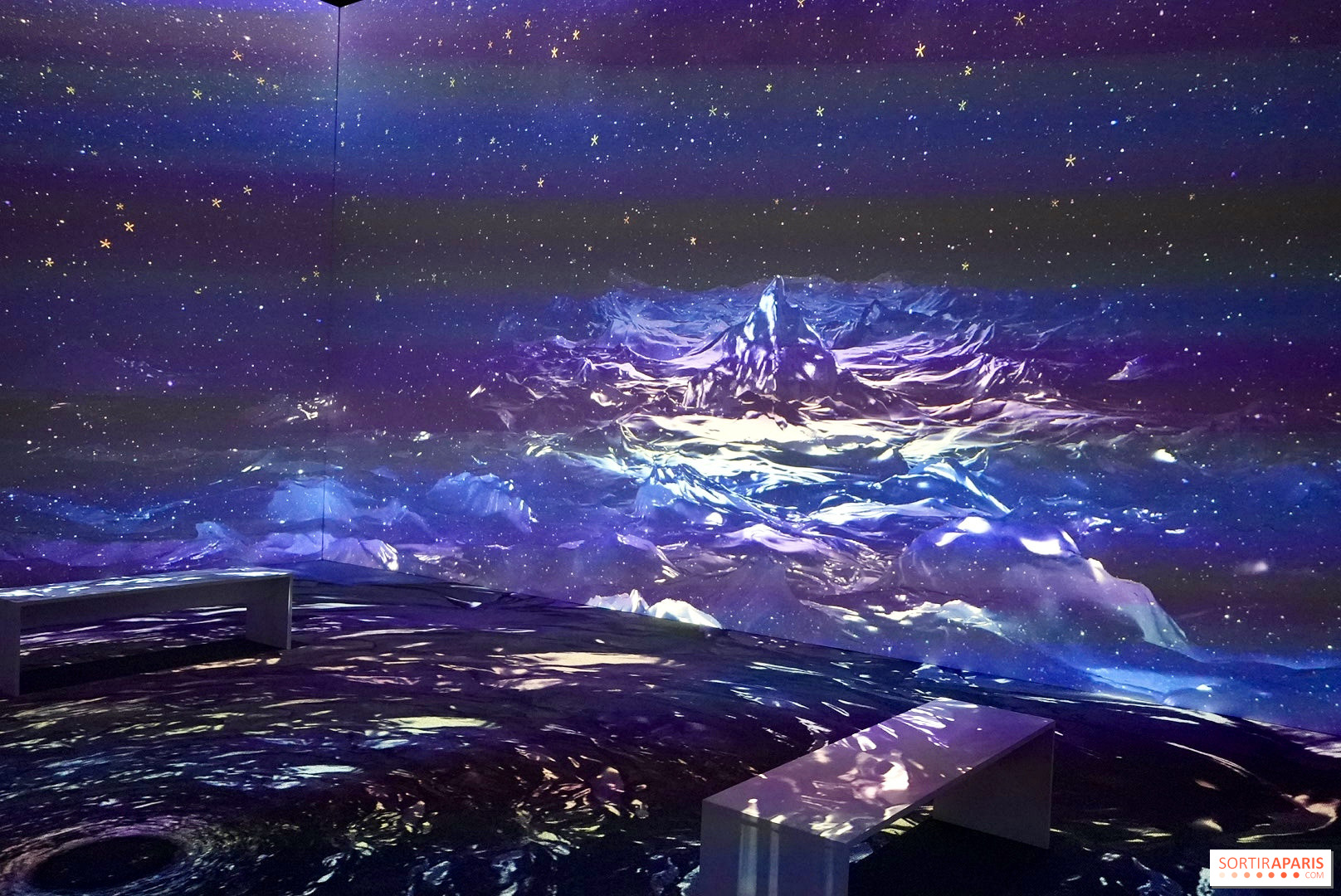
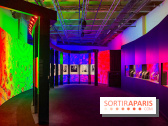
As the tour comes to a close, the exhibition continues into a 360° immersive room, where walls and floor come alive around ancient Egypt, its set design and its mythology. It’s one of the most photogenic spaces of the visit, more contemplative than documentary.
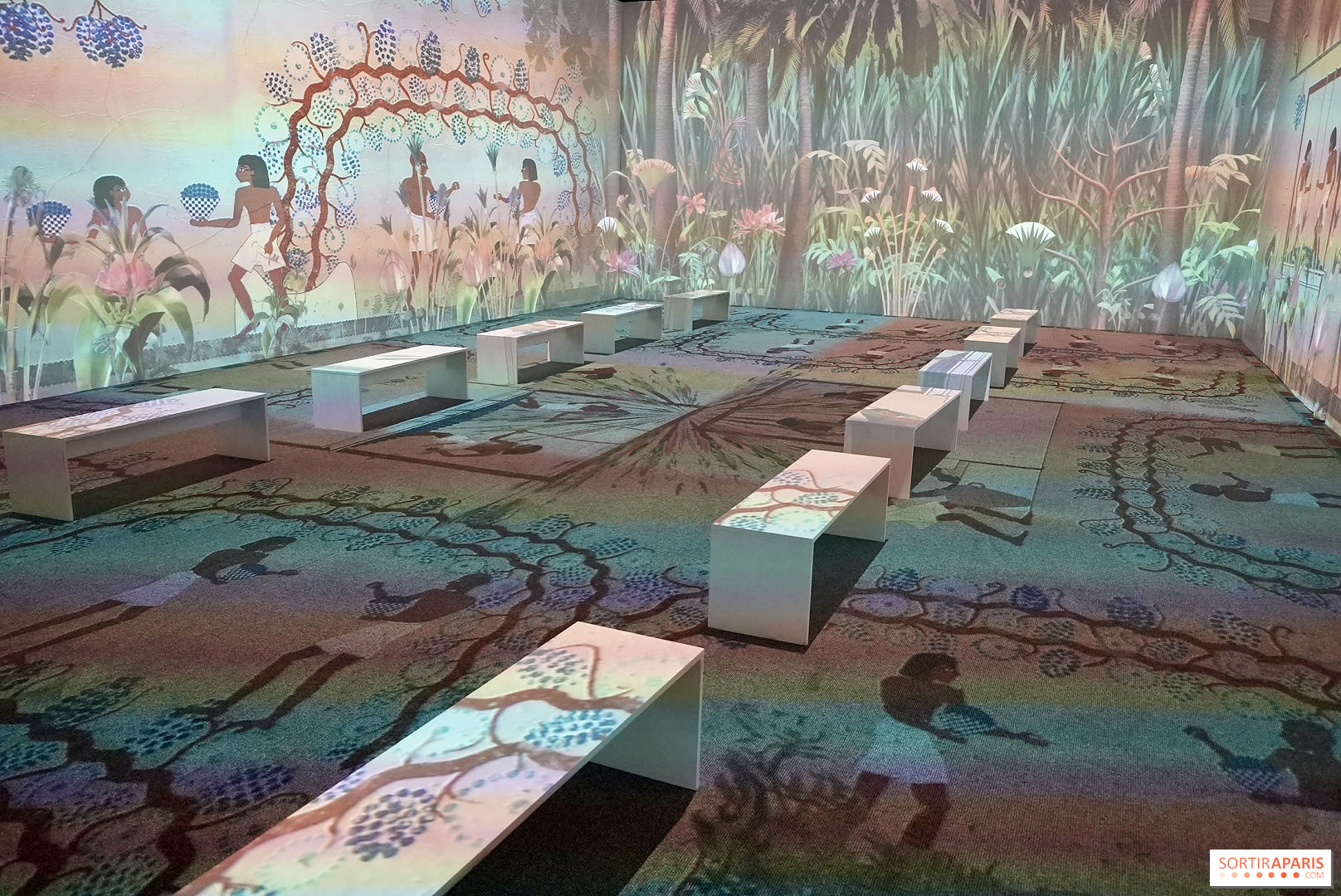
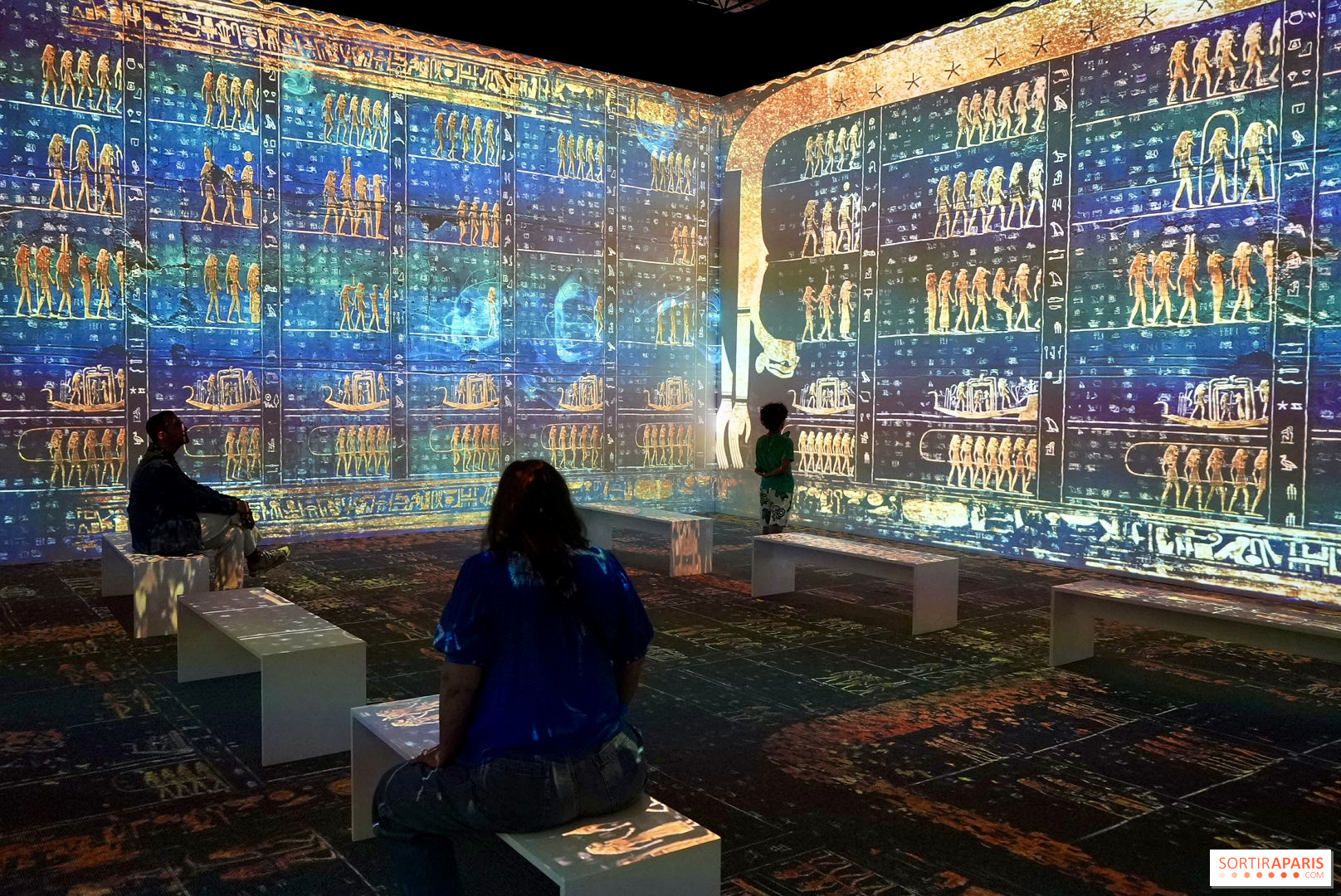
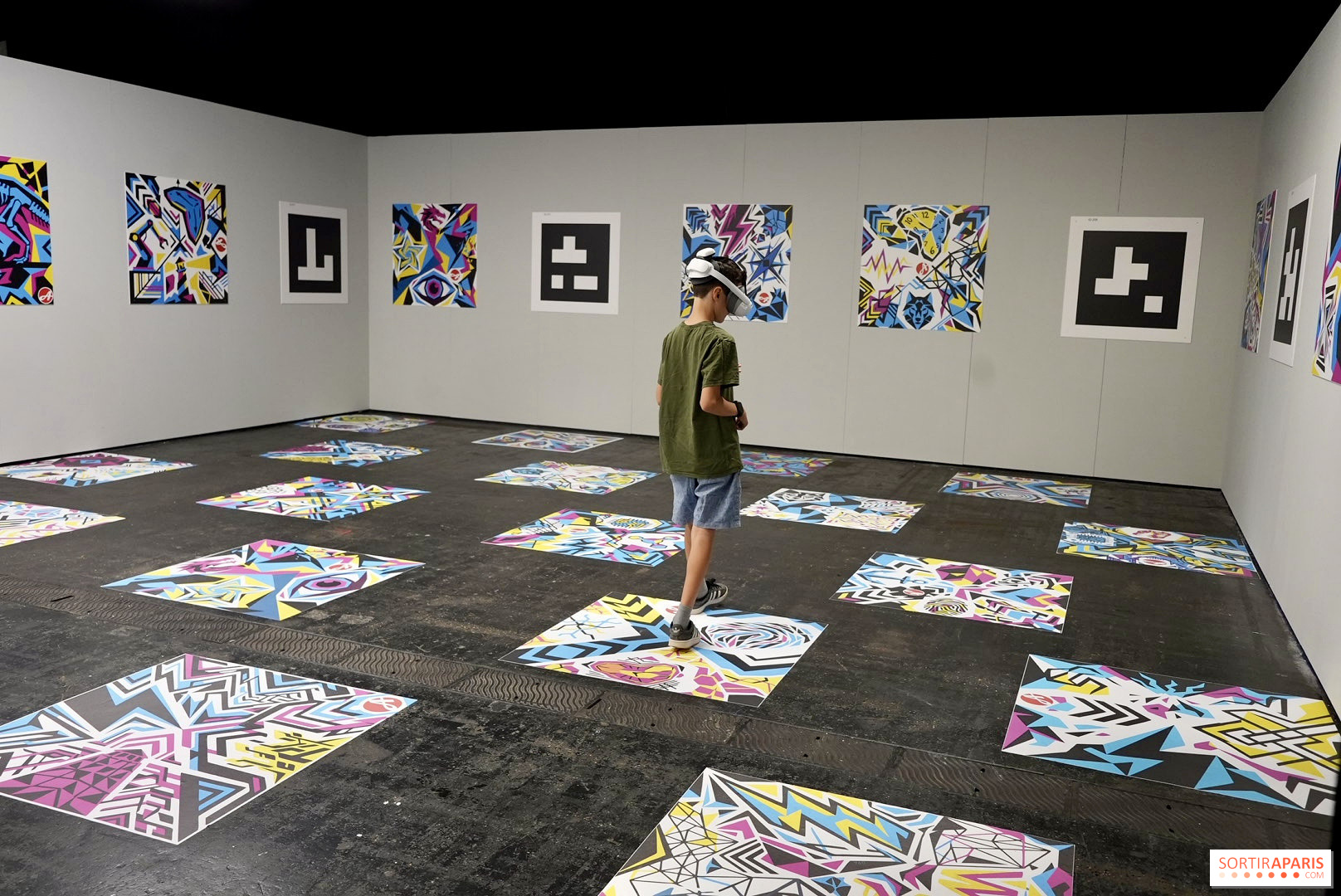
The visit also features a virtual reality experience réalité virtuelle. In this room, visitors donning a VR headset are transported into a virtual world connected to ancient Egypt. The patterns on the floor and walls mainly serve as technical cues for the experience: it’s not the room itself that tells the story, but what you see inside the headset.
The visit finally ends with a gift shop at the exit, offering books, decorative objects, souvenirs and products related to ancient Egypt and Tutankhamun.
On the occasion of the opening of the exhibition, the renowned Egyptologist Zahi Hawass will also deliver an exceptional lecture entitled Archaeological Adventures, on Saturday, July 4 at 5 p.m., at Paris Expo Porte de Versailles. For about fifty minutes, he will revisit more than fifty years of research and tackle several major enigmas of ancient Egypt, from Tutankhamun to Nefertiti, including discoveries in the Valley of the Kings, the Great Pyramids, and the City of Gold. Note that this lecture will be conducted in English, with no translation announced.
This test was conducted as part of a professional invitation. If your experience differs from ours, please let us know.
Dates and Opening Time
From July 3, 2026 to September 6, 2026
Location
Paris Expo - Porte de Versailles
1 Place de la Porte de Versailles
75015 Paris 15