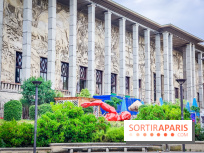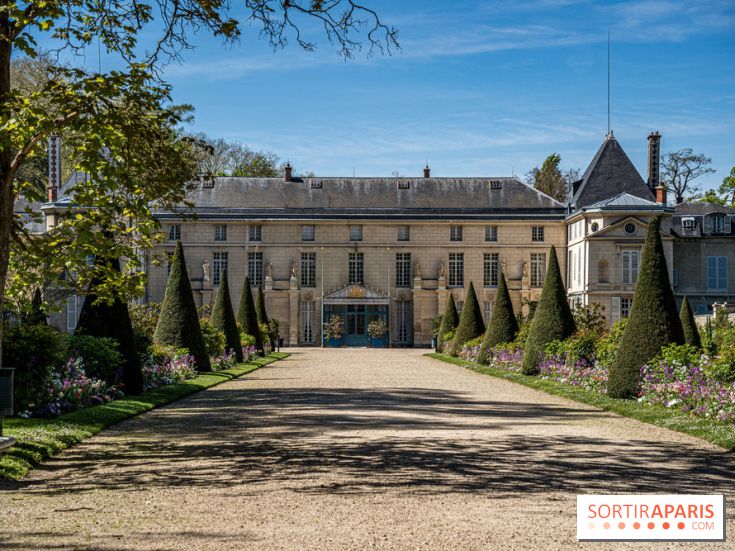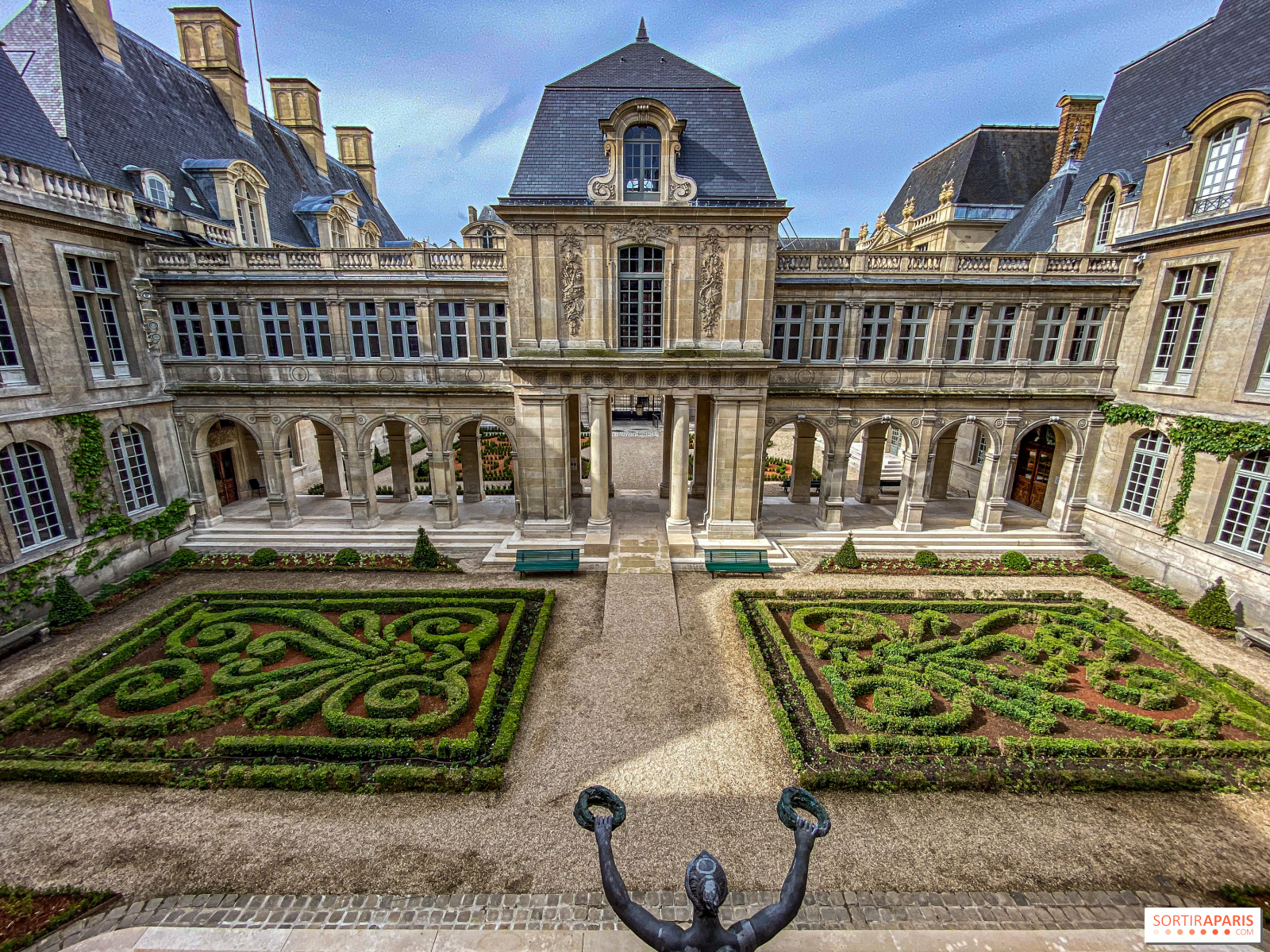
The Musée Carnavalet, perched on rue de Sévigné in the 3e arrondissement of Paris, is dedicating its major autumn exhibition to Jacques Villeglé and his famous torn posters. Entitled Paris at the Ripped Edges. Jacques Villeglé and Urban Art, it runs from October 14, 2026 to February 14, 2027 and marks the artist’s centenary—born March 27, 1926 in Quimper and who died in June 2022 in Paris. It’s the perfect occasion for the Musée de l’Histoire de Paris to tell the capital’s story in a different way, through the walls that dressed it for decades.
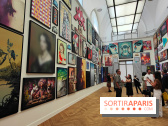
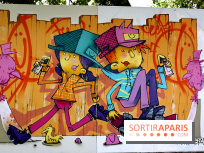
For nearly seventy years, this self-styled "flâneur of the fences" has made Paris his playground. Where others see mere vandalism, he sees a legitimate artistic material: layered posters, torn by anonymous passersby, their bright colors punching through the dark façades of postwar Paris. He plucks them, presses them onto canvas, and exhibits them as they are. Each piece is titled with the street name and the date of collection. "That was the sociological side of the poster, it was about telling the streets of Paris," he explained in 2003.
The museum's route opens with the 1950 arrival in Paris of Jacques Mahé de La Villeglé, who at the time moved in circles of artists and poets drawn to the city's marginal beauties. His works converse with photographs, sound archives, music, film excerpts, and testimonies, including numerous unpublished documents never before shown to the public.
The tour then takes us through the four districts where the artist drew most from: from Porte Maillot to Saint‑Germain‑des‑Prés, via Montparnasse and the Marais. A ramble at the crossroads of poetry and urban archaeology, where Paris appears as an open‑air workshop. The exhibition also highlights the historical dimension of this work: elections, struggles, and mobilizations pass before our eyes on these torn posters, real snapshots of a society swept by multiple shocks. Villeglé, who was fond of calling himself a “historian who records,” has kept that memory alive.
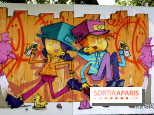
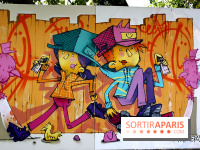
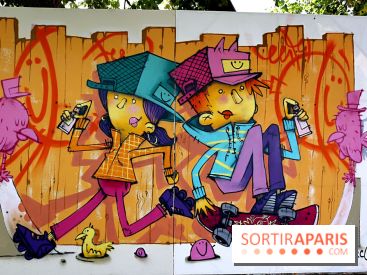
Founding member of the Nouveau Réalisme in 1960, alongside Yves Klein and Arman, Jacques Villeglé is often portrayed as a guiding figure of street art. He found the irony amusing, noting that he does the exact opposite: street artists add works to the street, while he has spent his life taking them away. The final section of the route actually explores his ties to the contemporary urban art scene, including his collaboration with the duo Lek & Sowat, and presents several artists whose work he continues to inspire.
To extend the visit, a book collecting the curators’ essays—featuring Valérie Guillaume, the museum’s director—and contributions from several specialists is published by Éditions Paris Musées.
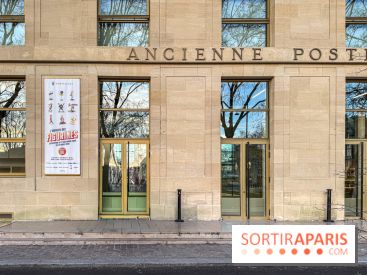
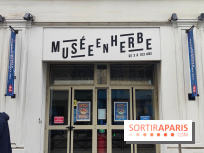
The museum welcomes visitors from Tuesday to Sunday, 10:00 a.m. to 6:00 p.m., at 23 rue de Sévigné, just steps from the Place des Vosges and the Picasso Museum, accessible via the Saint-Paul (line 1) or Chemin Vert (line 8) metro stations. The permanent collections remain free, and tickets for the temporary exhibition can be found on the official site carnavalet.paris.fr.
This exhibition speaks to both street art enthusiasts, who will uncover an unexpected genealogy of their practice, and lovers of Parisian history, eager to rediscover the capital from the 1950s to 2020 through its walls. Fans of urban art can also check out We are (still) here, the free Petit Palais exhibition, running until September 20, 2026, or browse our guide to street art exhibitions in Paris and Île-de-France.
This page may contain AI-assisted elements, more information here.
Dates and Opening Time
From October 14, 2026 to February 14, 2027
Location
Carnavalet Museum
23 Rue de Sévigné
75003 Paris 3
Route planner
Accessibility info
Official website
www.carnavalet.paris.fr