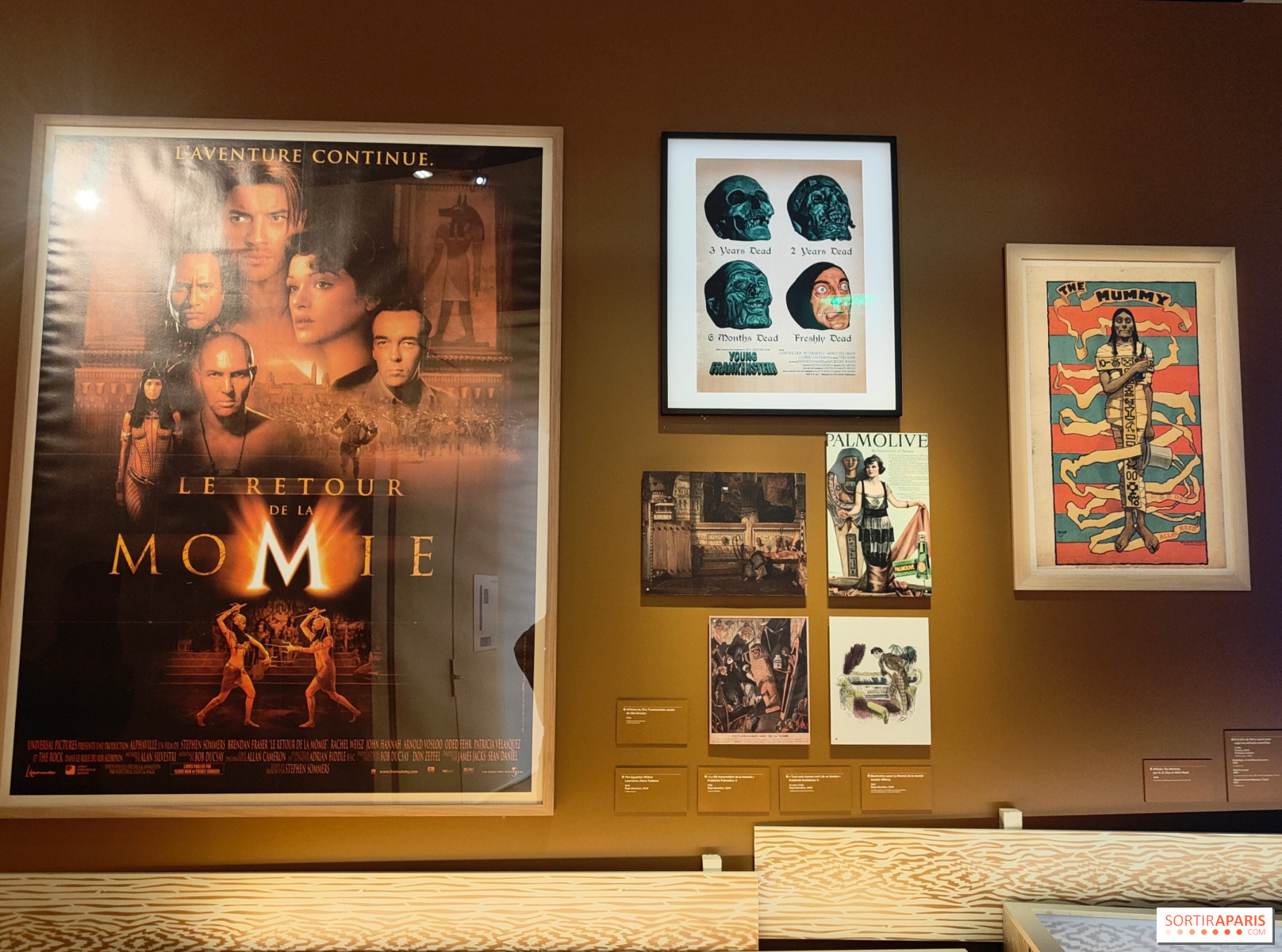
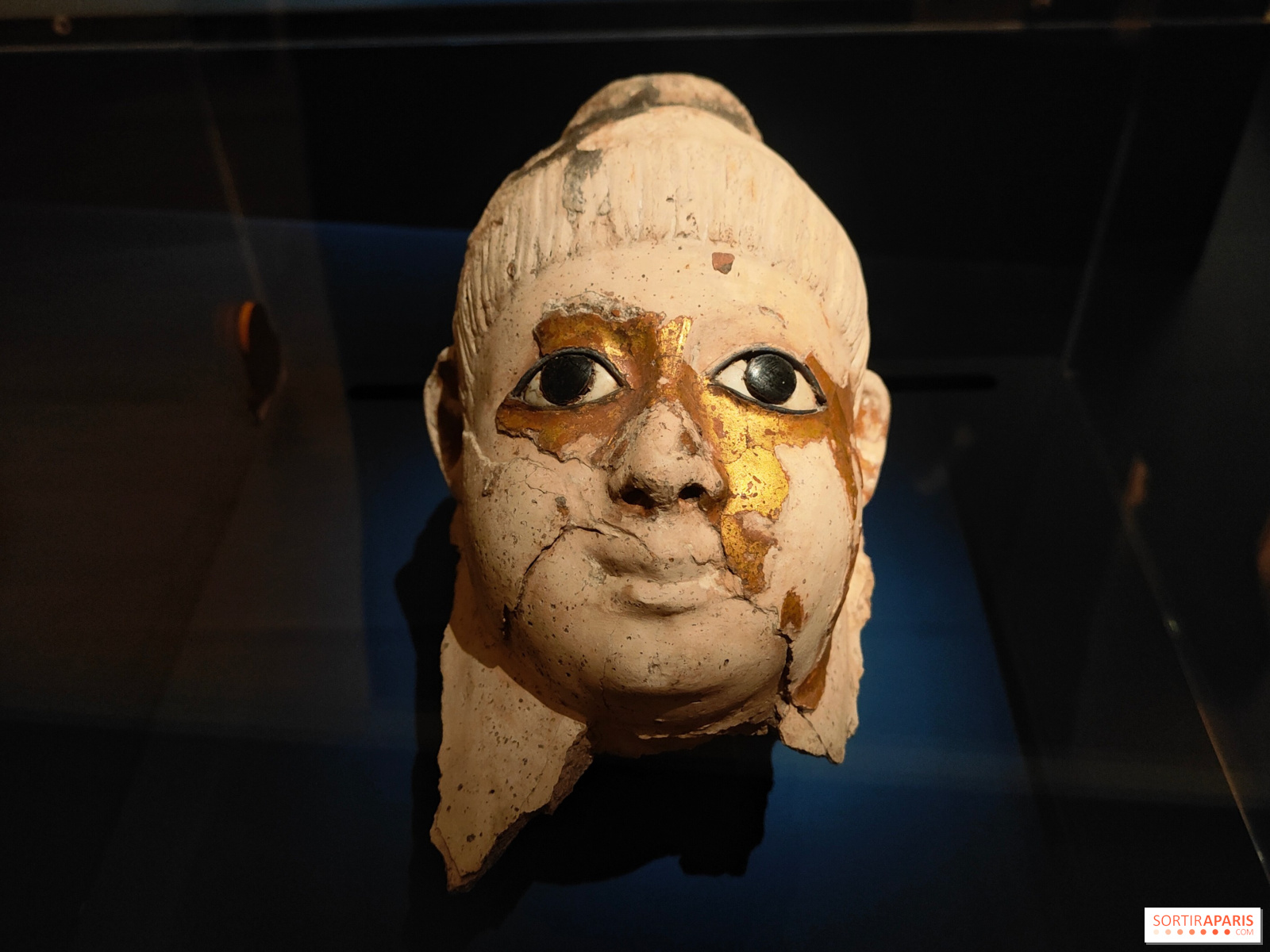
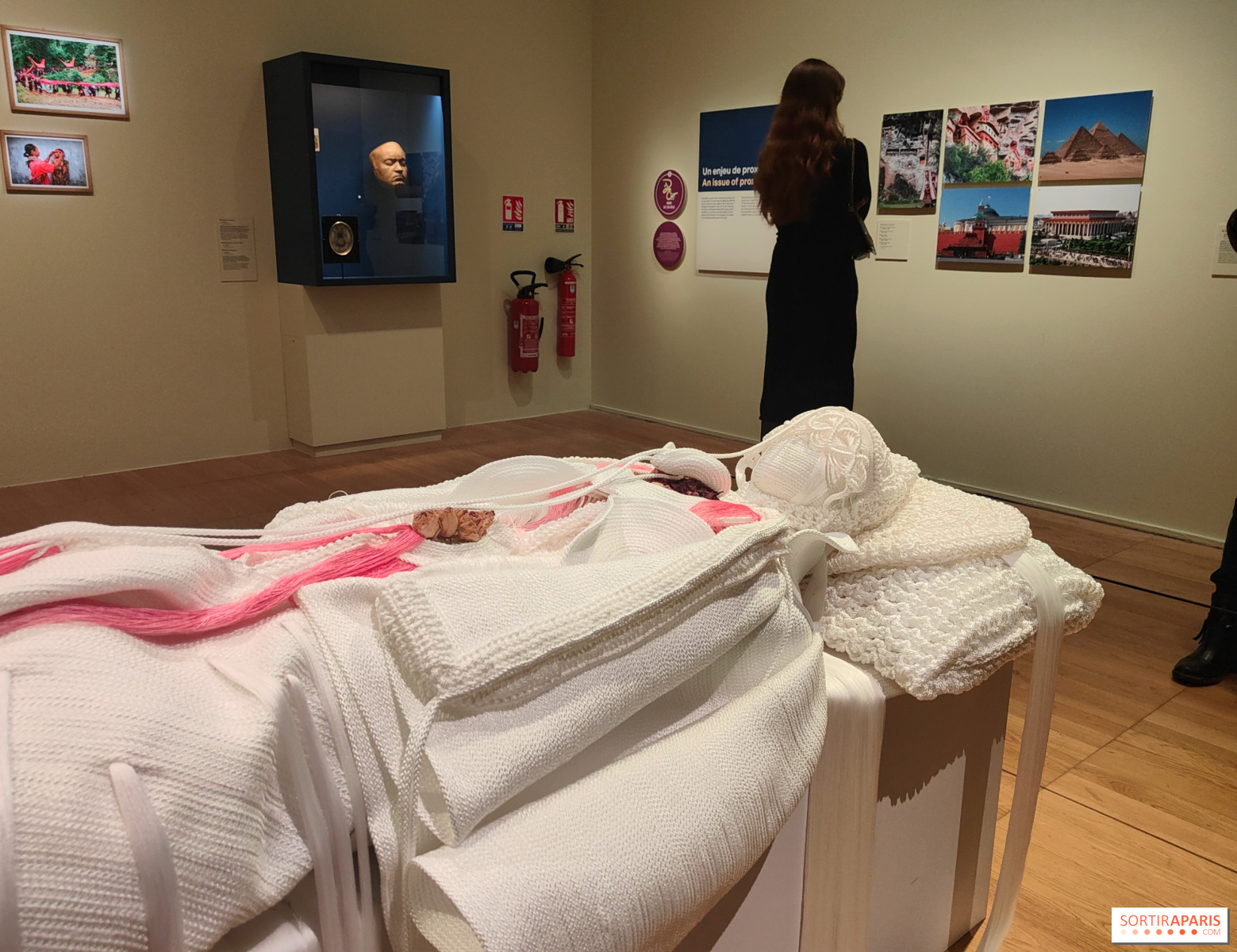
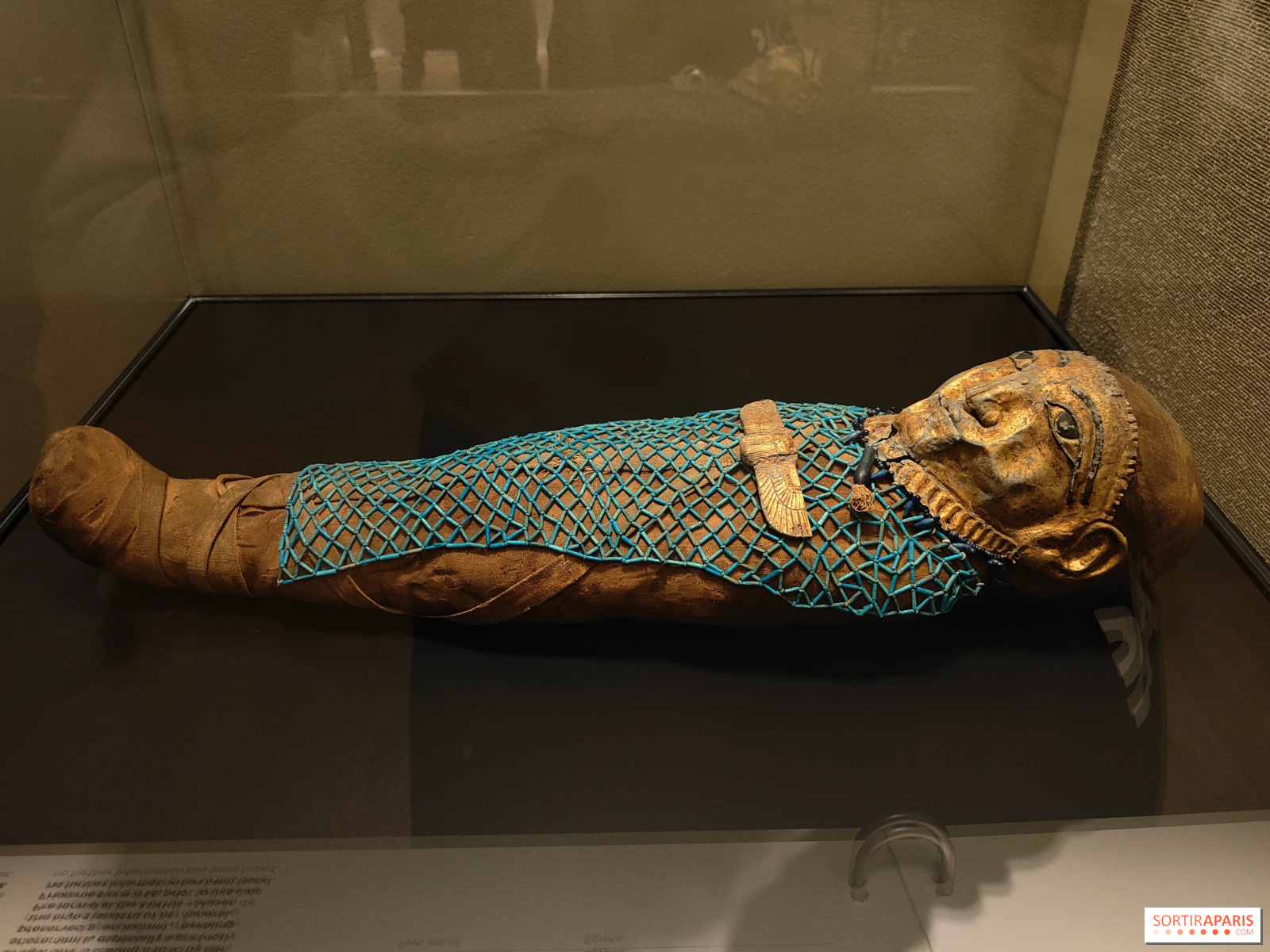
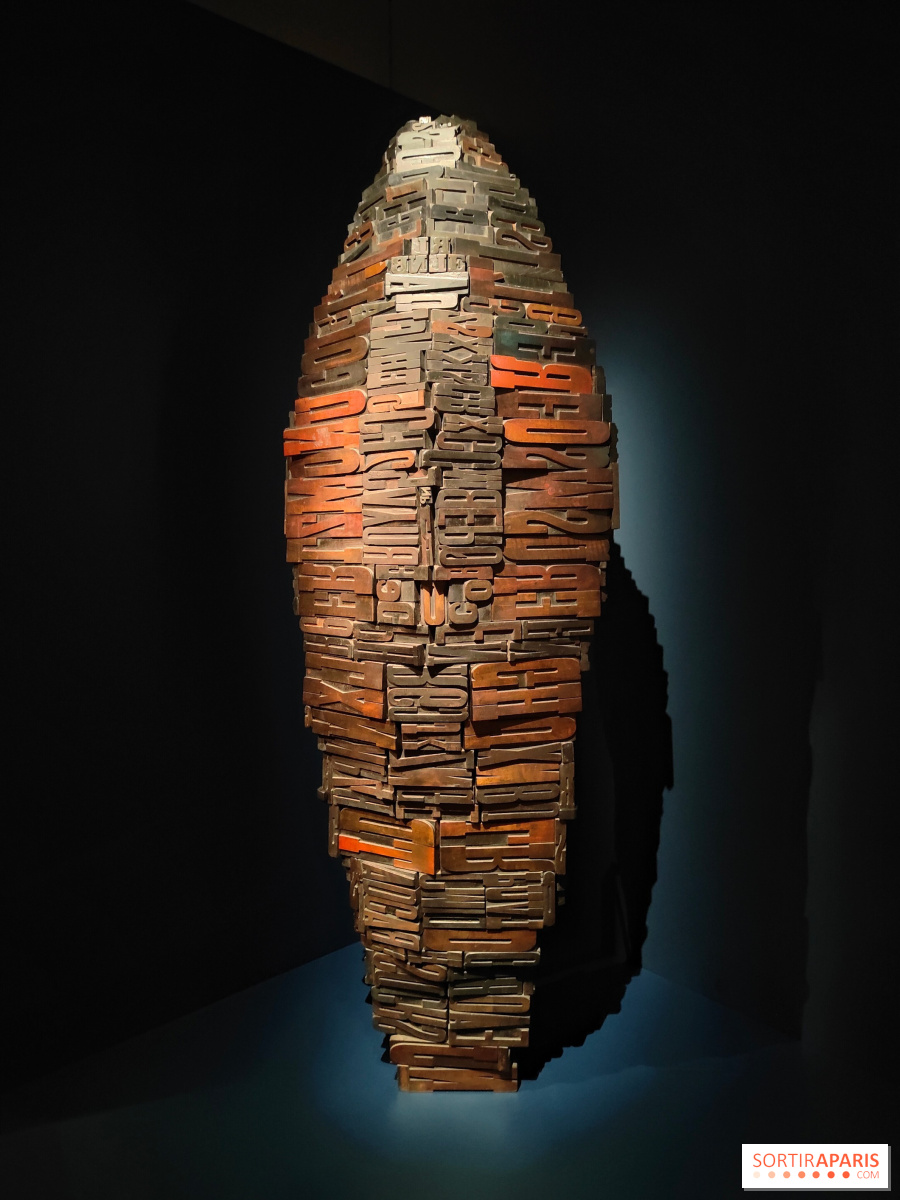
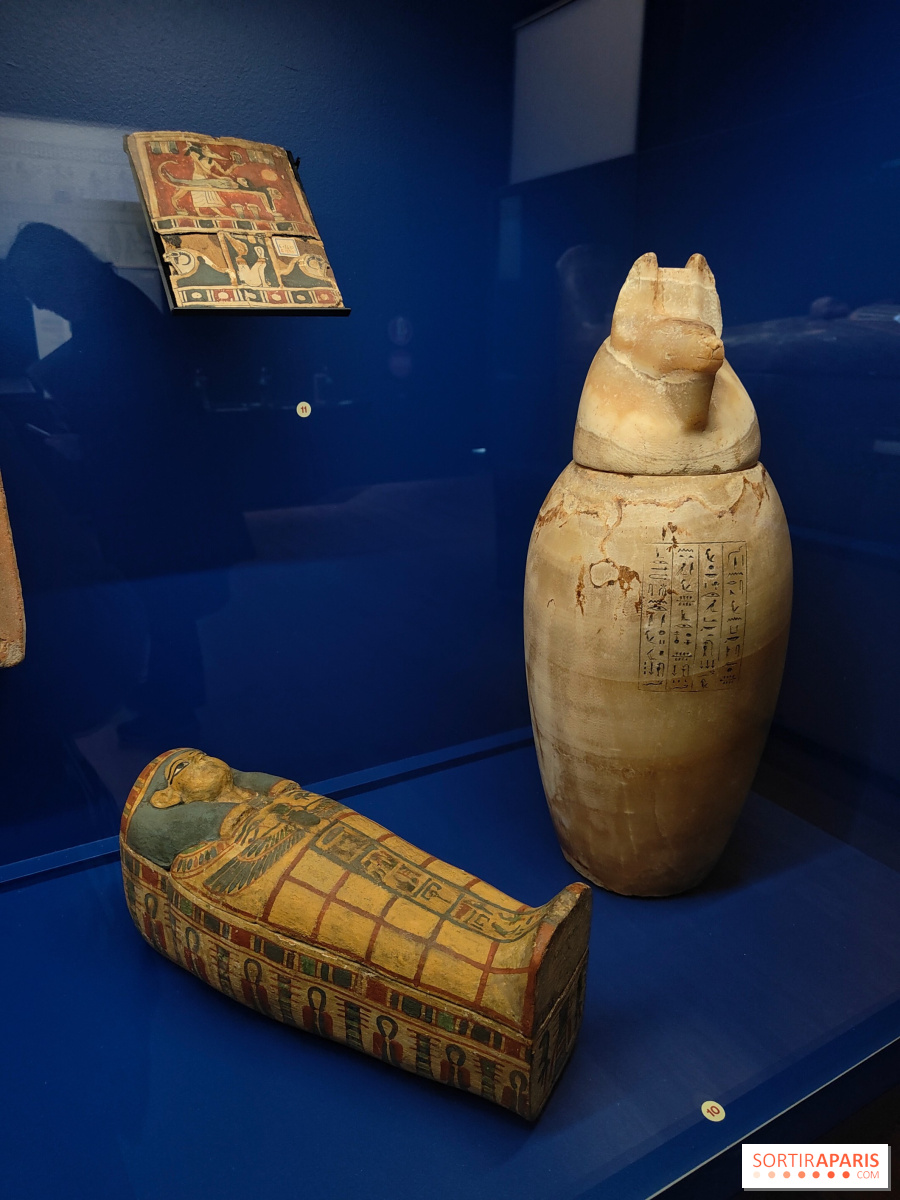
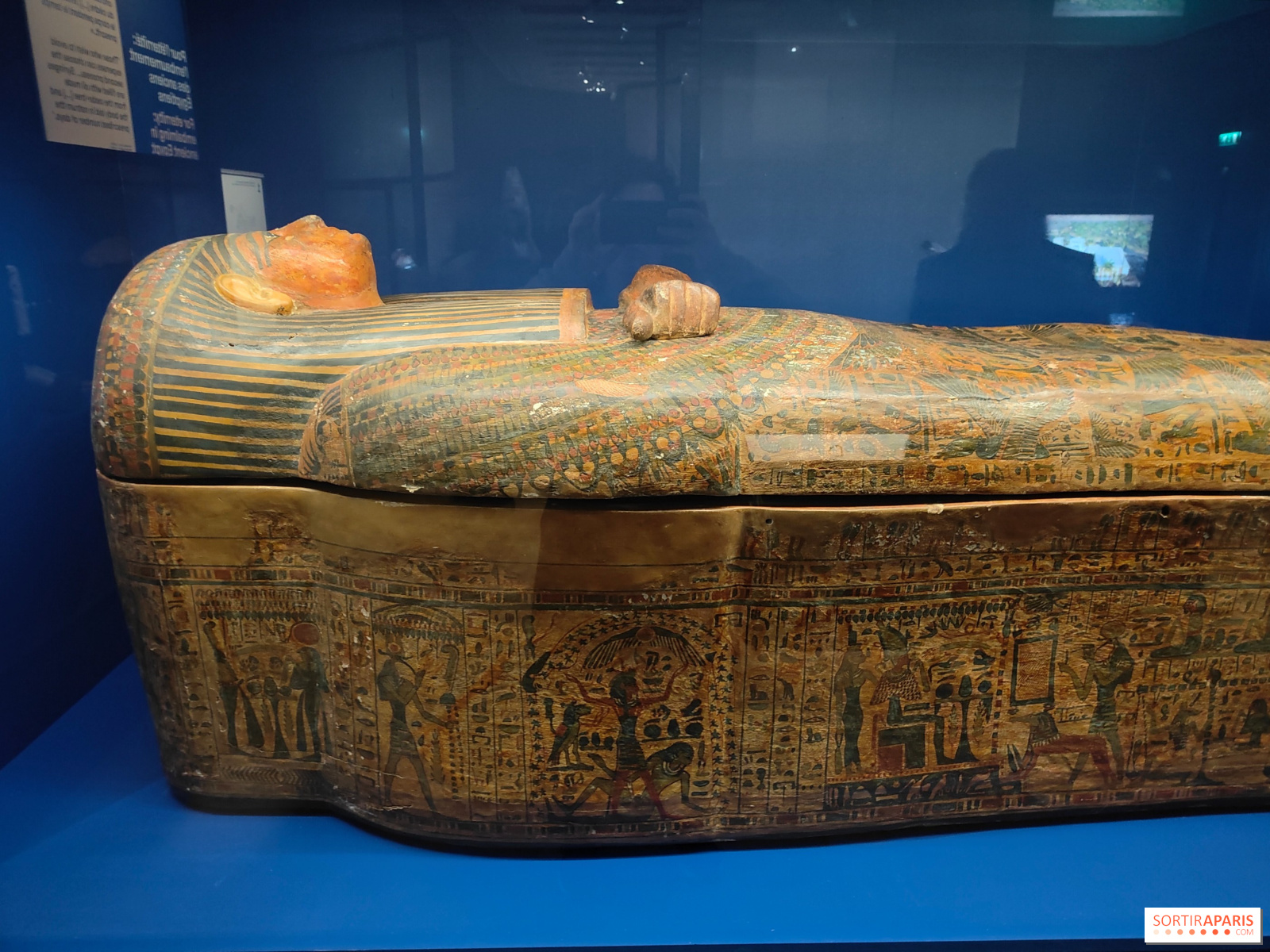
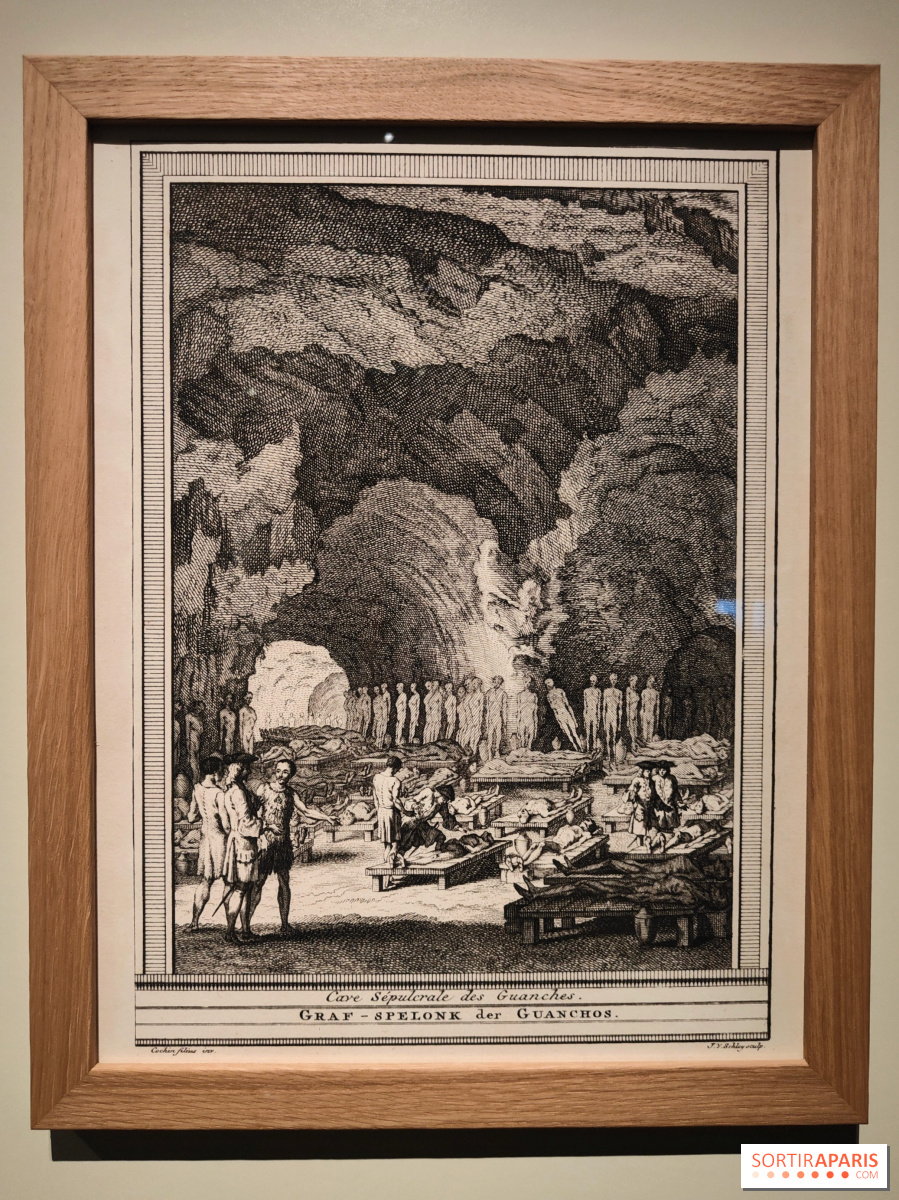
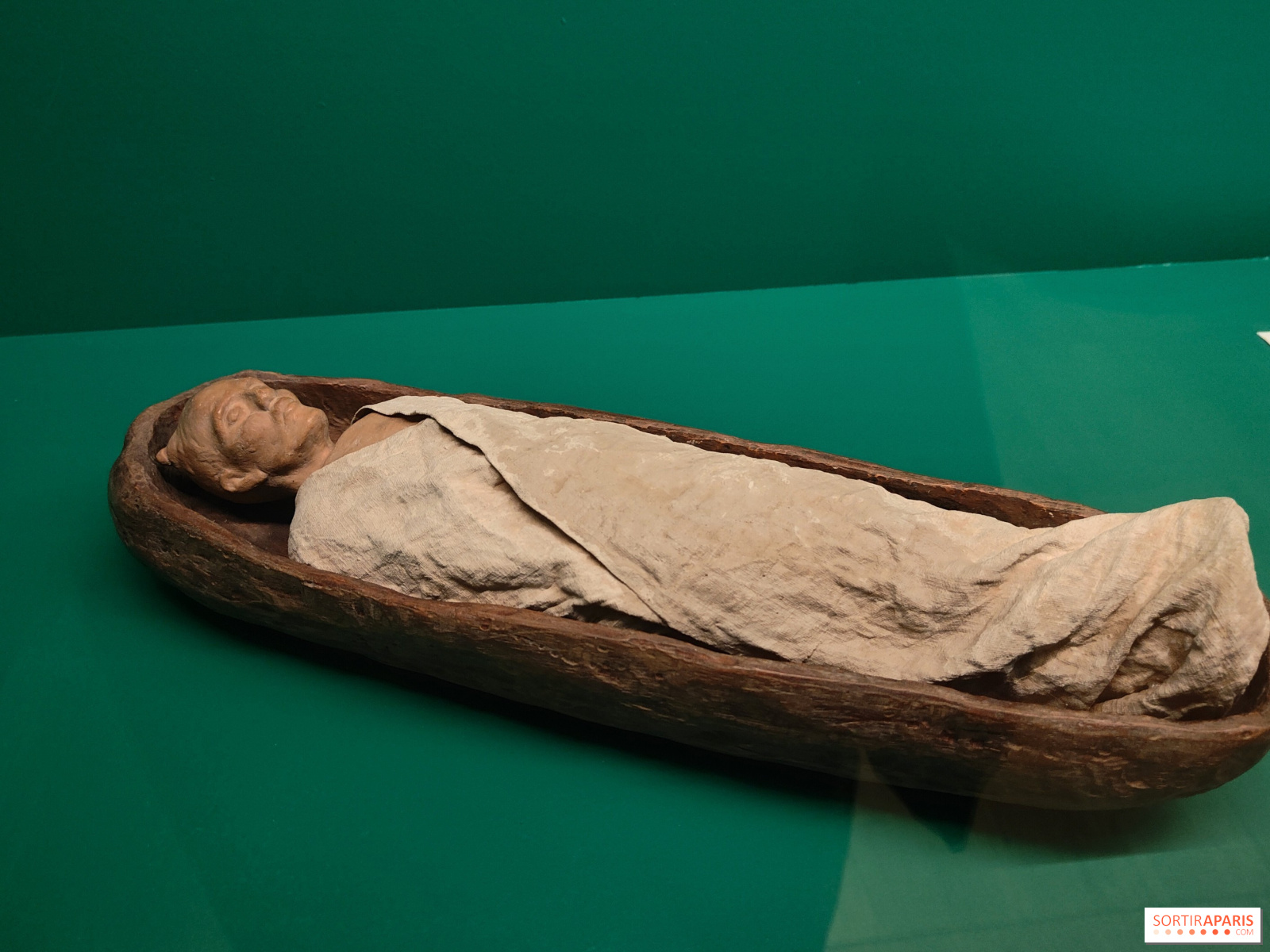
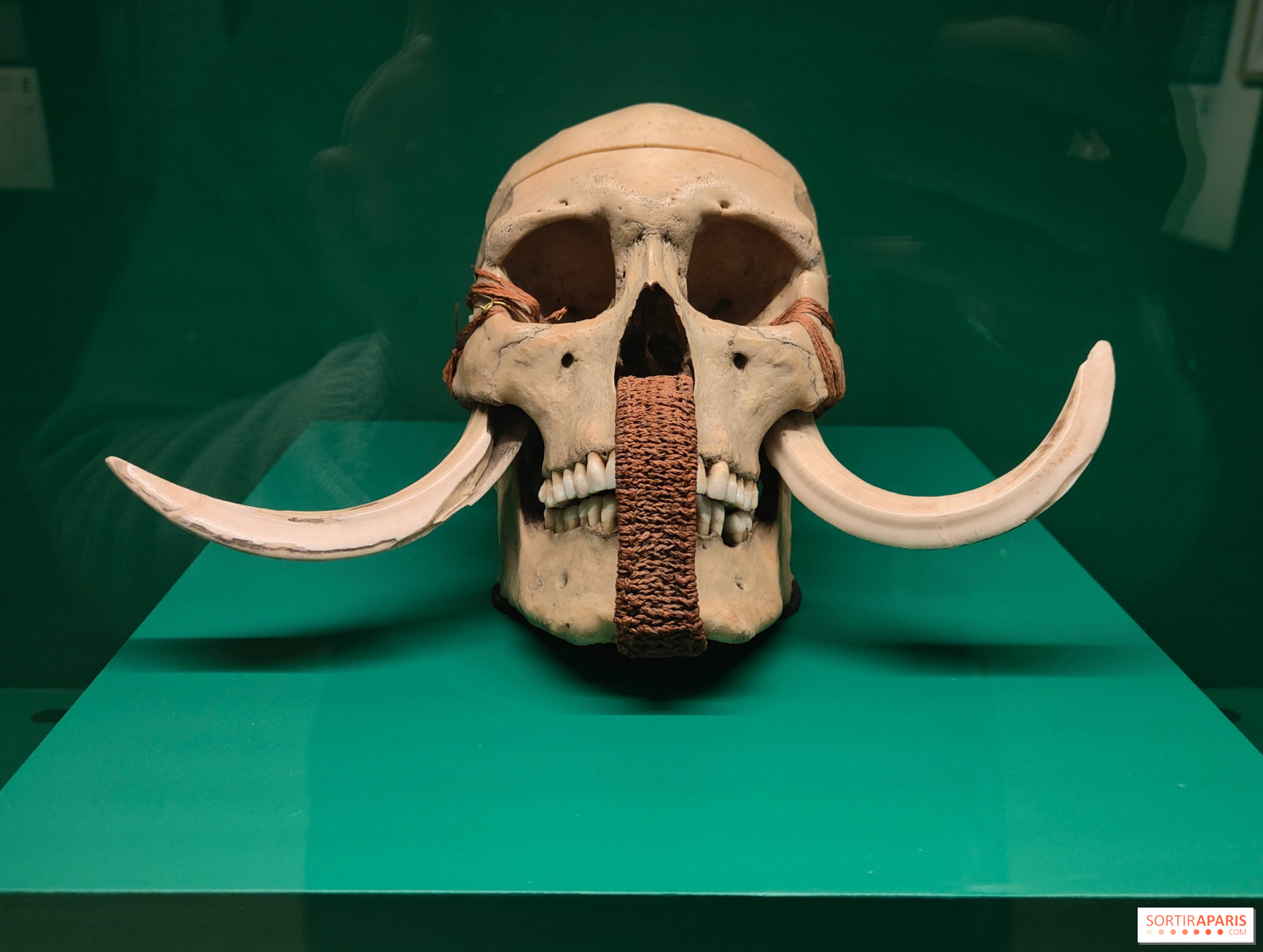
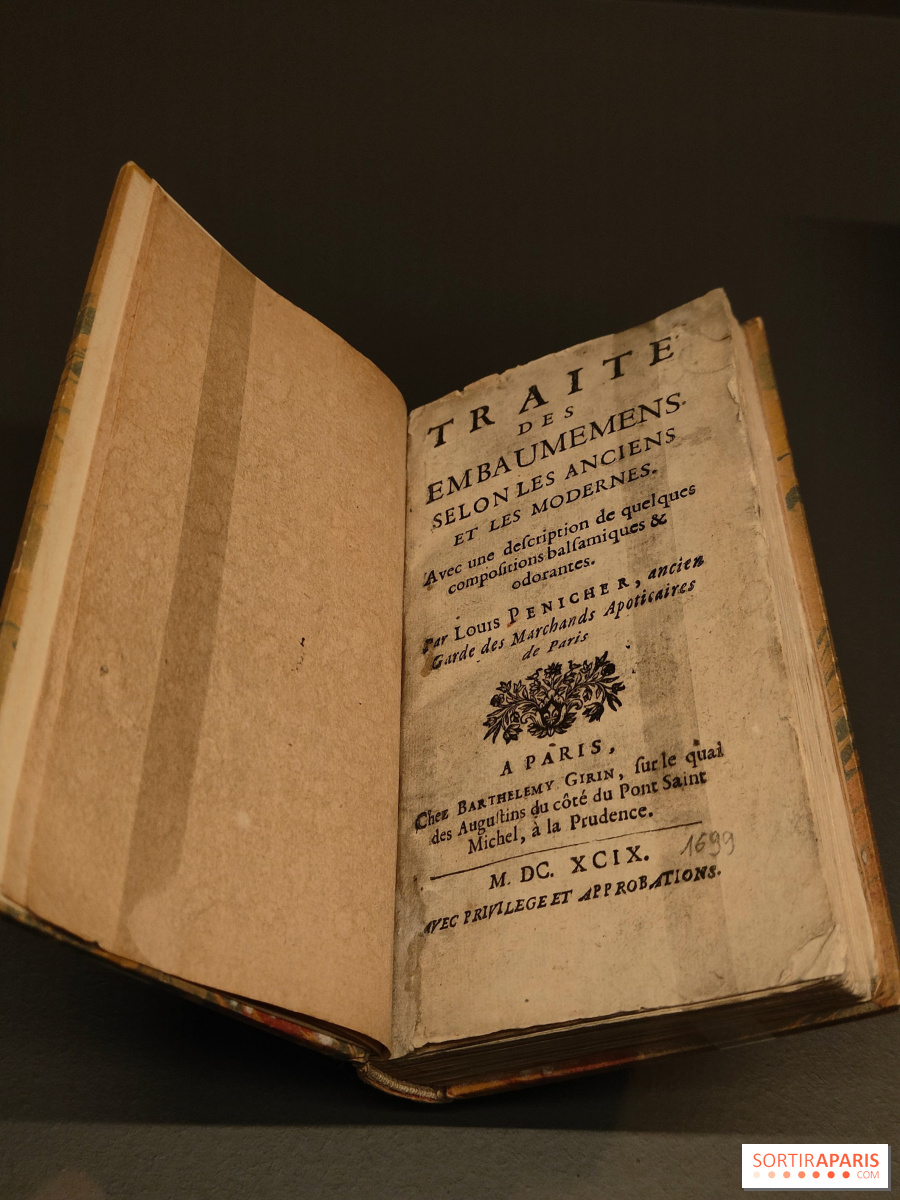
Since their discovery, mummies have never ceased to fascinate the public: whether as archaeological treasures or movie monsters, mummies are well known to everyone... Or almost everyone. Although we most often associate mummies withancient Egypt and the pharaohs, Egyptian civilization is far from being the only one to have used this process of mummification.
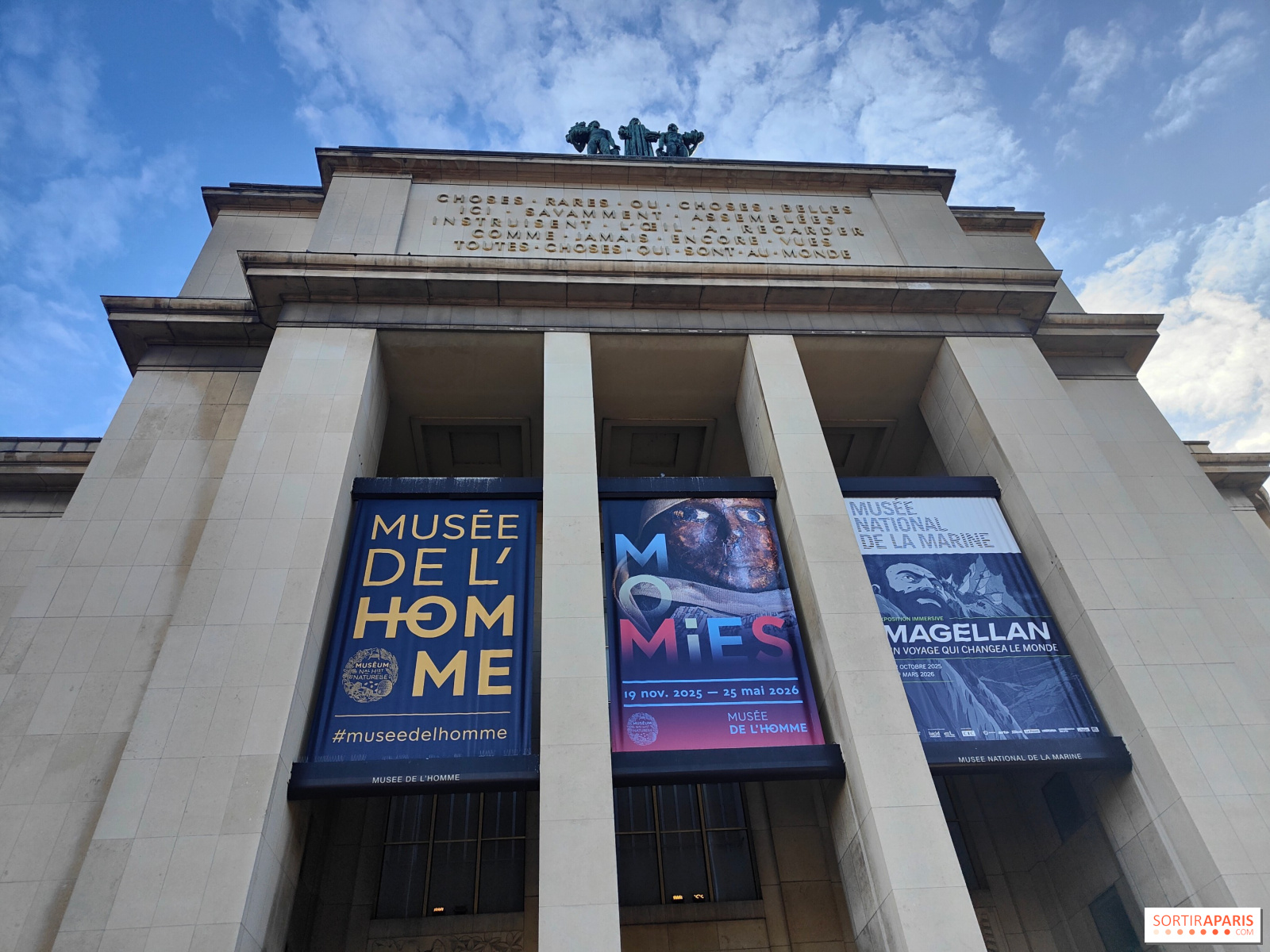
The Musée de l'Homme aims to lift the veil on these mummies, and expand our knowledge, with a groundbreaking exhibition on show from November 19, 2025 to May 25, 2026.
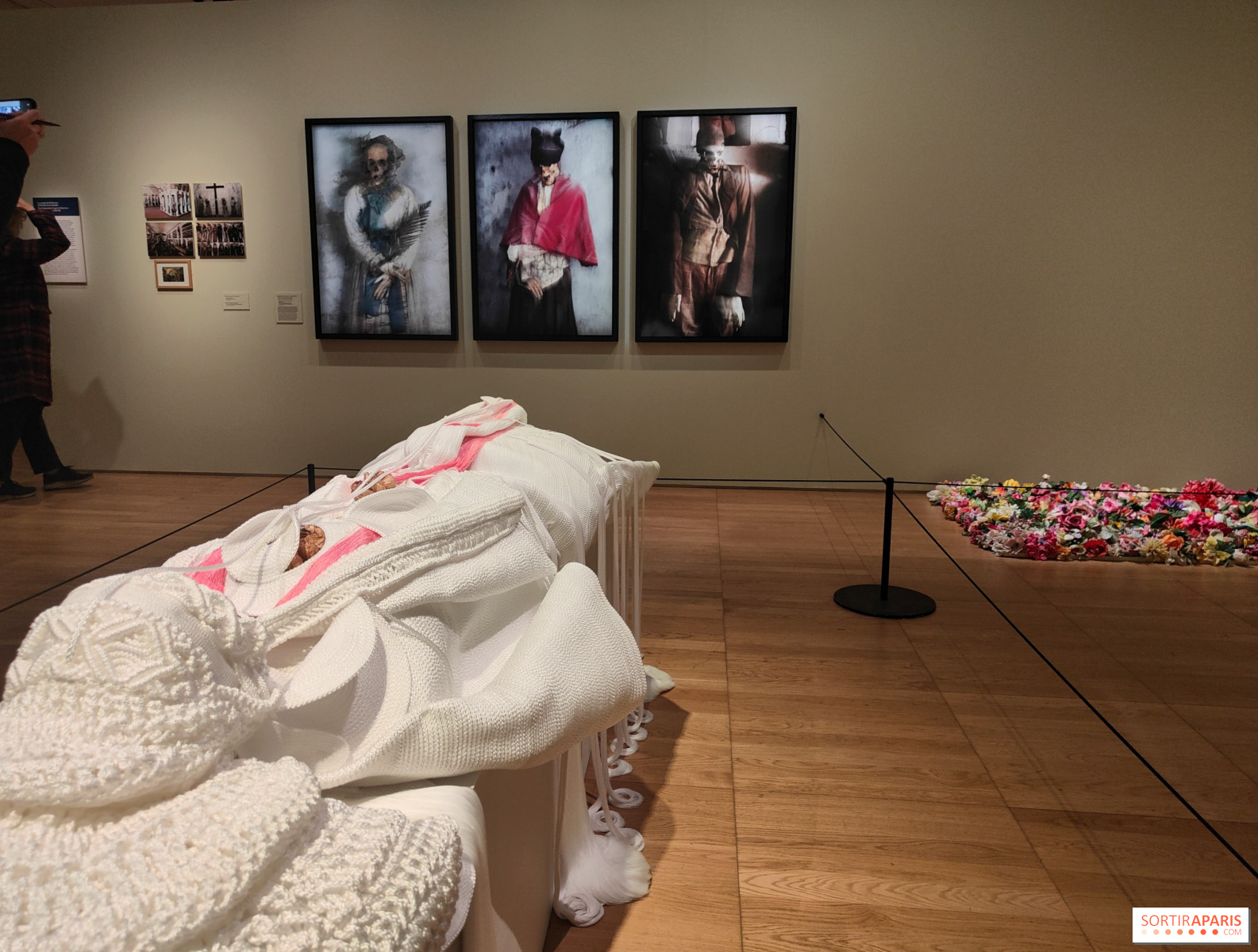
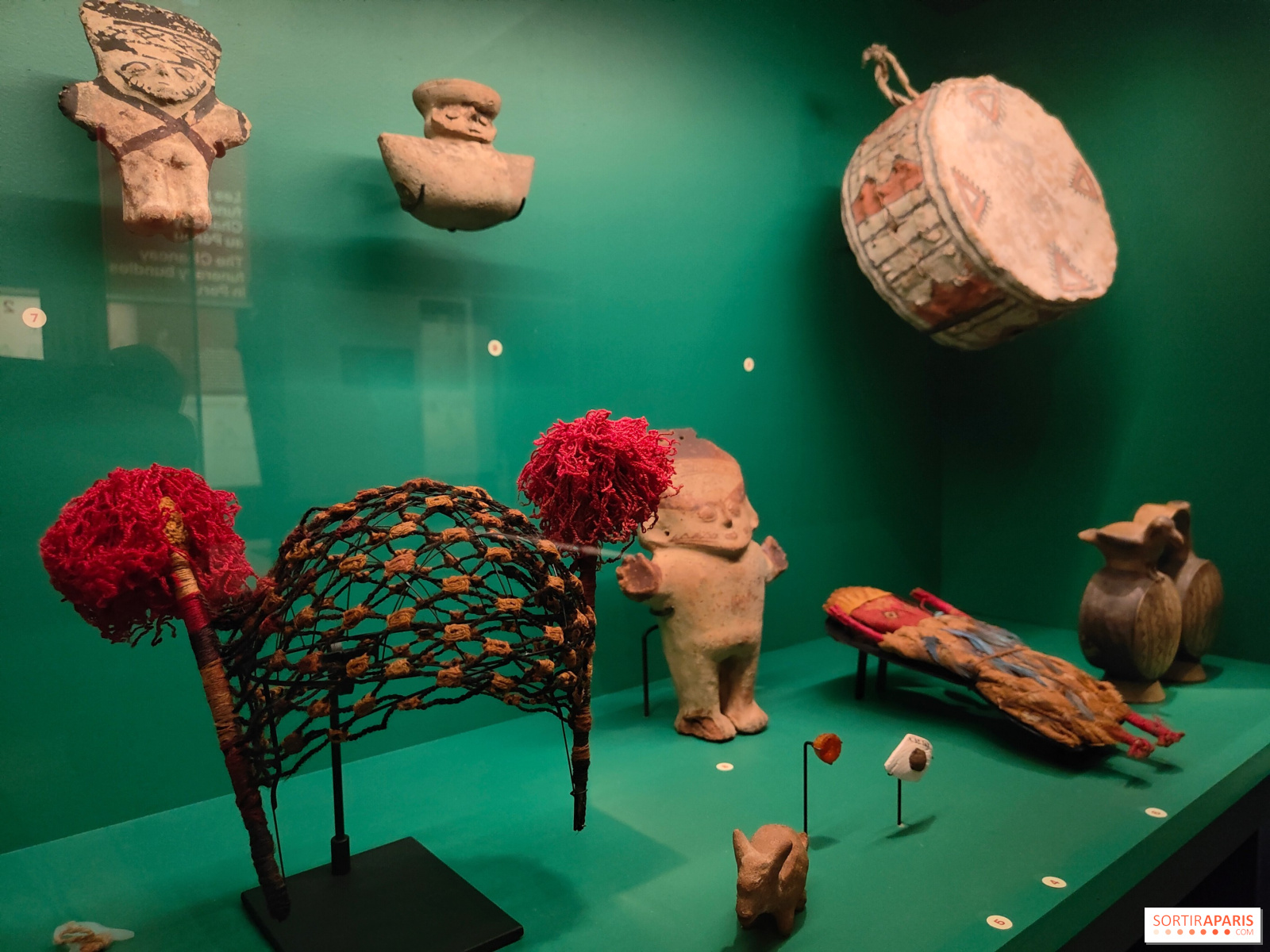
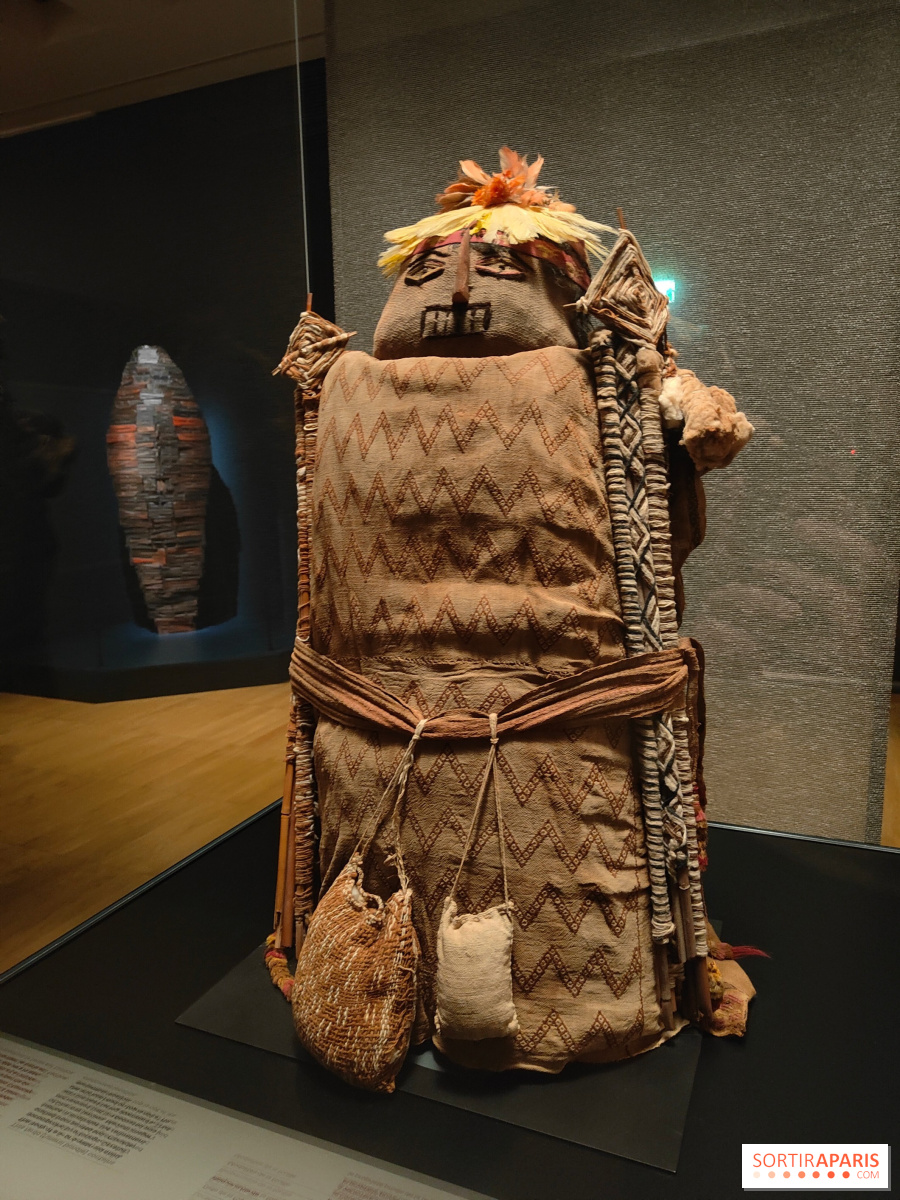
The Musée de l'Homme is divided into a number of fascinating themes, taking us to the four corners of the globe, over 9,000 years ago and right up to the present day. Indeed, the oldest known mummified bodies belong to the Chinchorros culture, a pre-Columbian people settled between present-day Peru and Chile. Mummies have also been found in Auvergne, France, the Canary Islands and the Peruvian Andes...
Theexhibition reveals the different techniques and rites of mummification in different cultures: these mummies tell us a great deal about the religious beliefs, funerary practices and scientific knowledge of different peoples. These practices are also interesting from a sociological point of view: who chooses to be mummified, and why? Who were these people in their society, and how were they regarded?
In Europe, the preservation of bodies has sometimes been a marker of social status. In other countries, mummification is still a process that is used today and is linked to religious beliefs and particular social dynamics related to the deceased and the place of elders in the home.
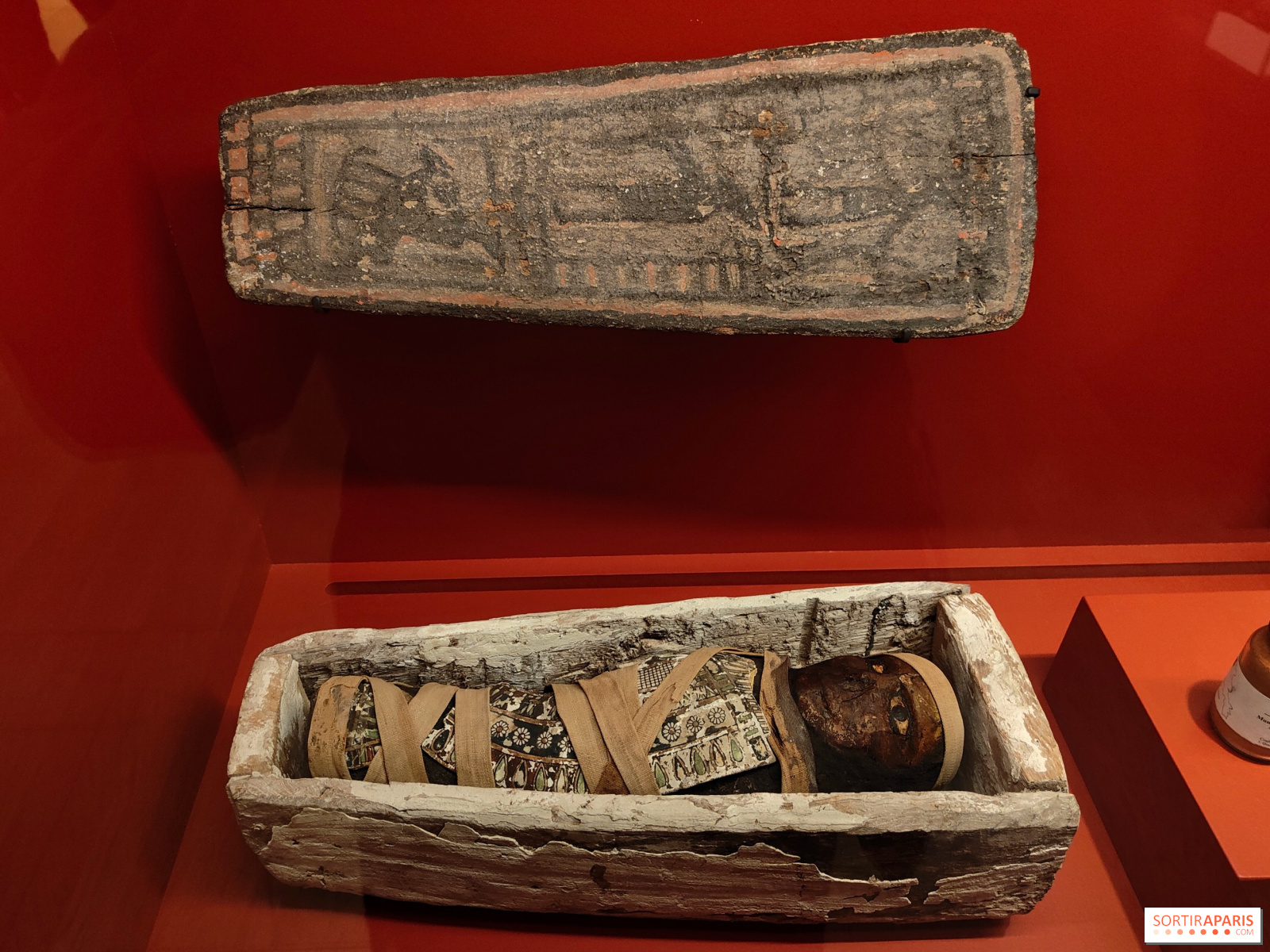
The exhibition is divided into several chapters, each of which presents a mummified deceased person. The Musée de l'Homme traces their identity and their lives, to the best of its knowledge, to remind us that these bodies on display were first and foremost people with a past and their own characteristics.
This exhibition naturally touches on death, our relationship with death, and the body. The tour and the exhibits may be disturbing and uncomfortable for some. The aim of the Musée de l'Homme is to encourage us to question our social norms and taboos by confronting us with the practices of other cultures. Similarly, the exhibition also questions the role of museums in the conservation and exhibition of these mummified remains, raising current ethical issues.
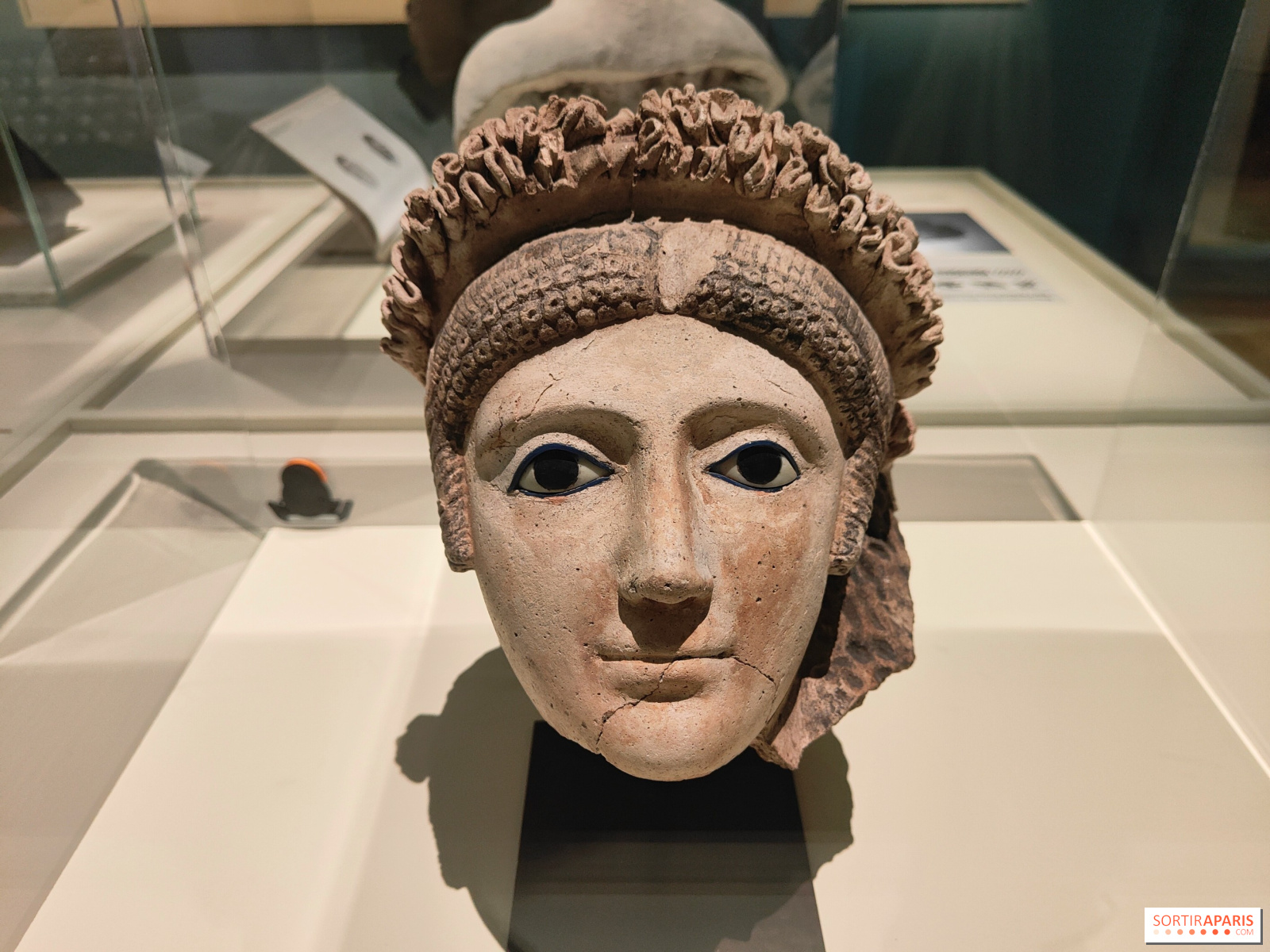
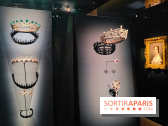
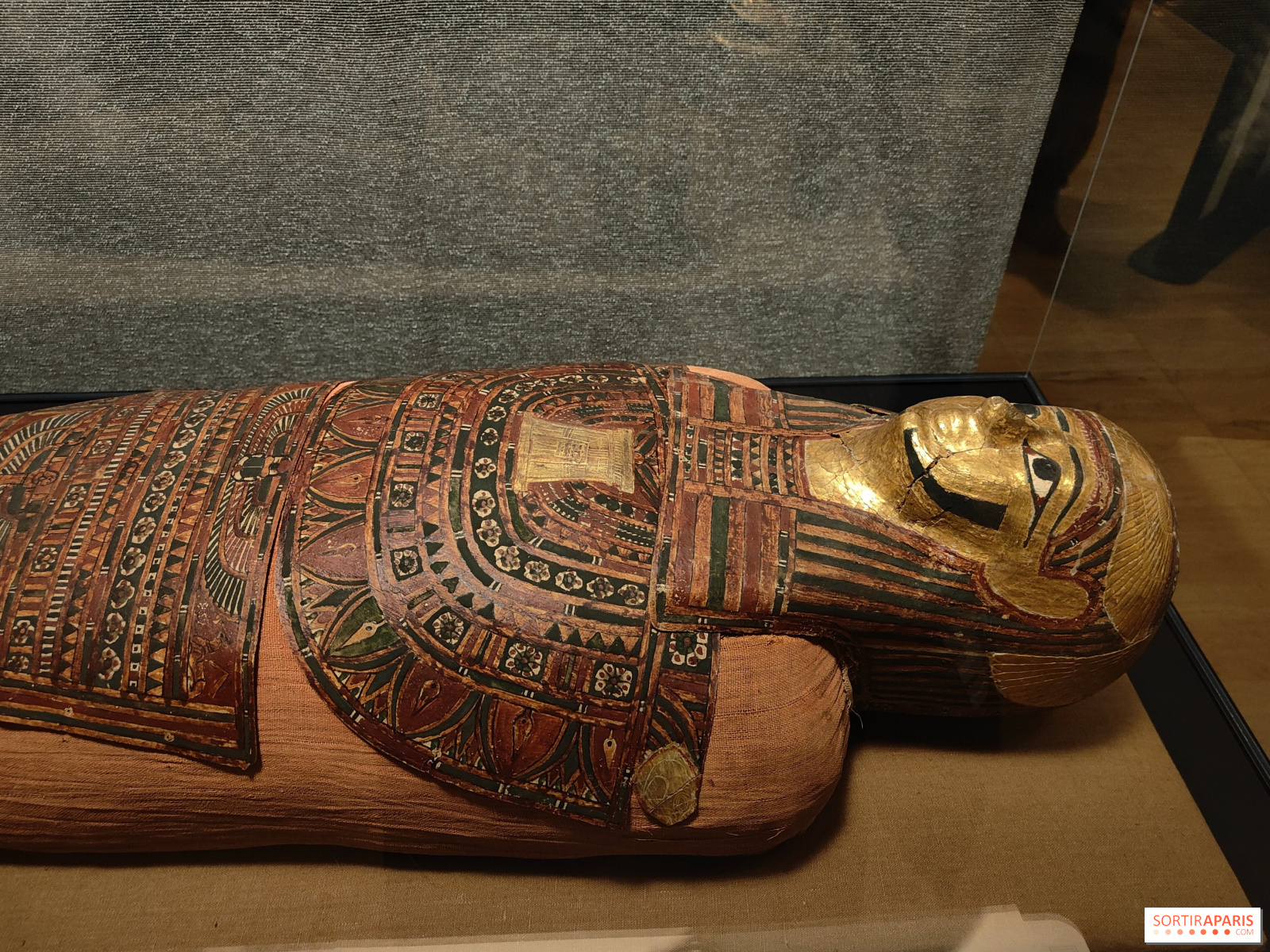
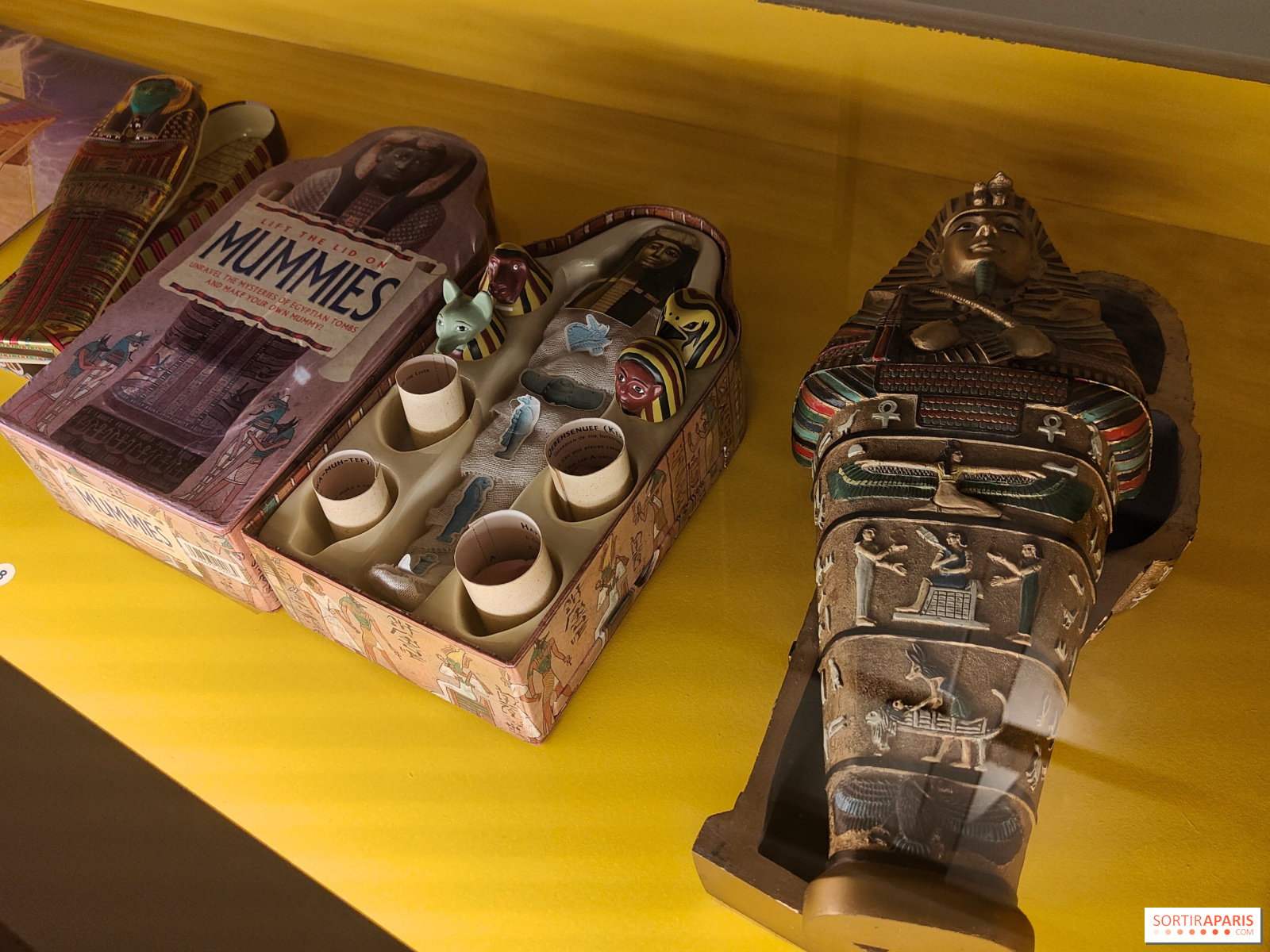
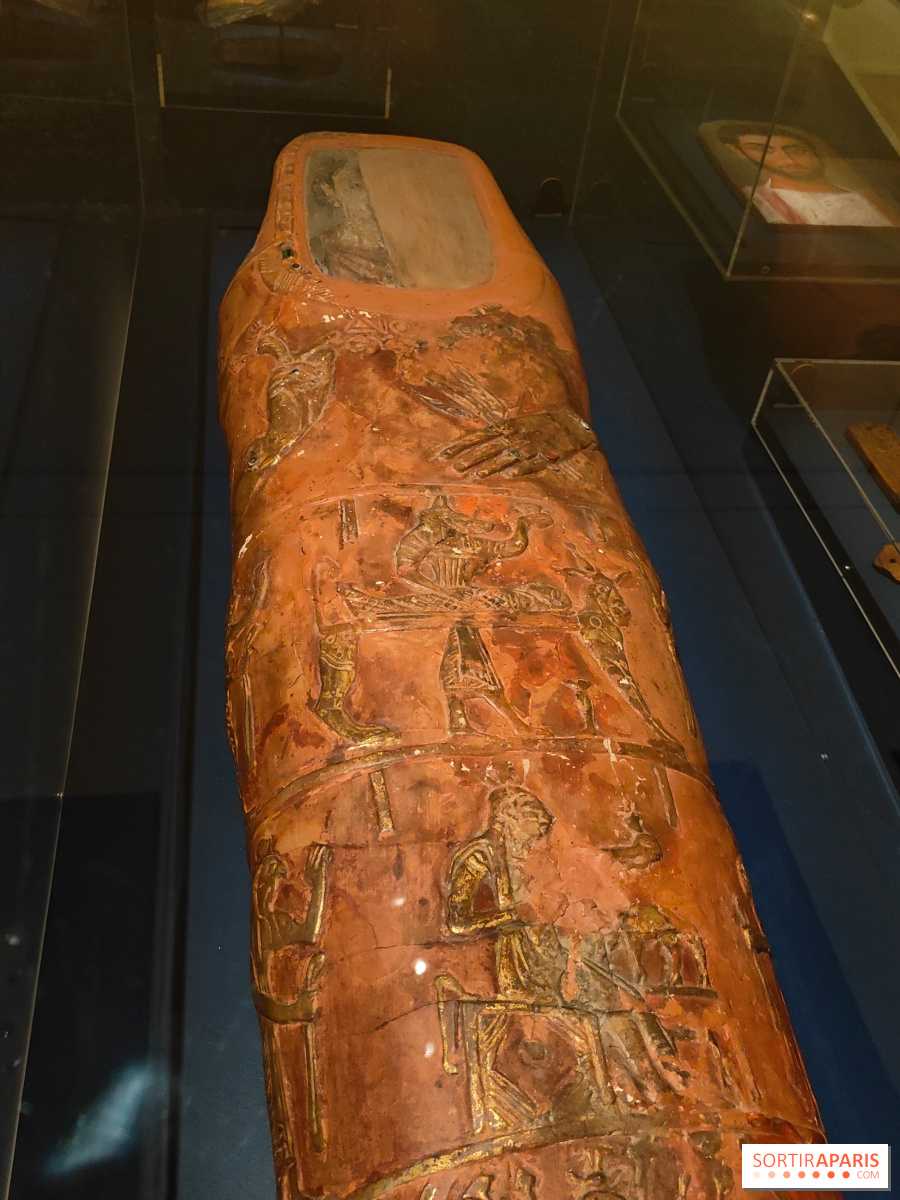
The Musée de l'Homme exhibition brings together historical objects emblematic of the cultures mentioned, such as funerary furniture. There are also illustrations and unpublishedarchaeological archives, particularly relating to excavations in ancient Egypt. The exhibition focuses on the scientific and cultural aspects of mummification: the processes used, how bodies are transformed, why certain civilizations chose to do this, and more.
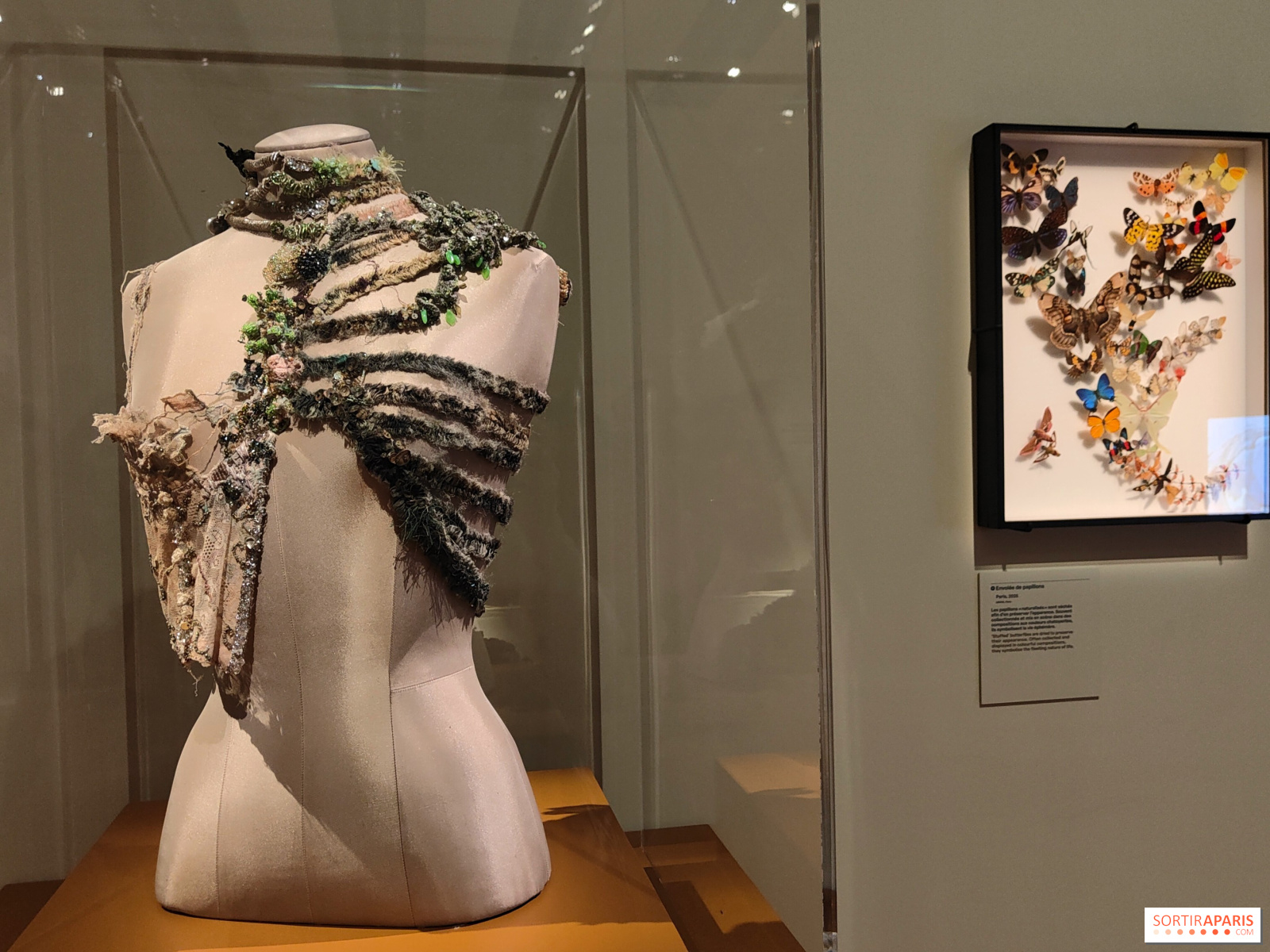
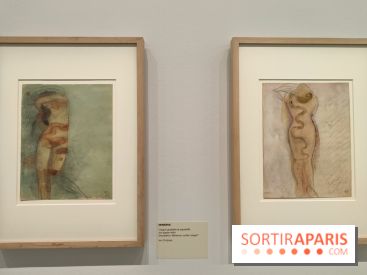
To complete the tour, the Musée de l'Homme presents severalcontemporary works that echo the historical objects or themes addressed in the exhibition.
The Musée de l'Homme is very interesting, allowing visitors to discover fascinating cultures. However, some of the objects on display, and the mummies in the exhibition, can be difficult to look at: the exhibition is therefore intended for a mature audience.
This test was conducted as part of a professional invitation. If your experience differs from ours, please let us know.
Dates and Opening Time
From November 19, 2025 to May 25, 2026
Location
Museum of Man
17 Place du Trocadéro et du 11 Novembre
75116 Paris 16
Prices
€12 - €15
Official website
www.mnhn.fr