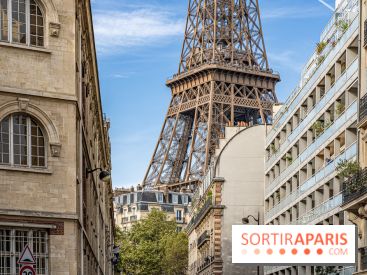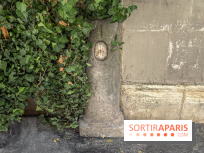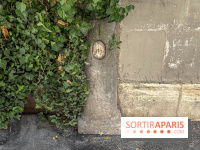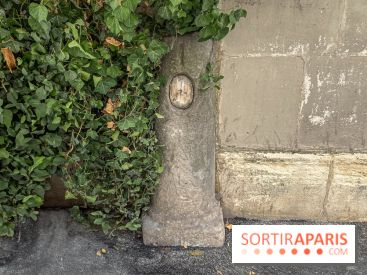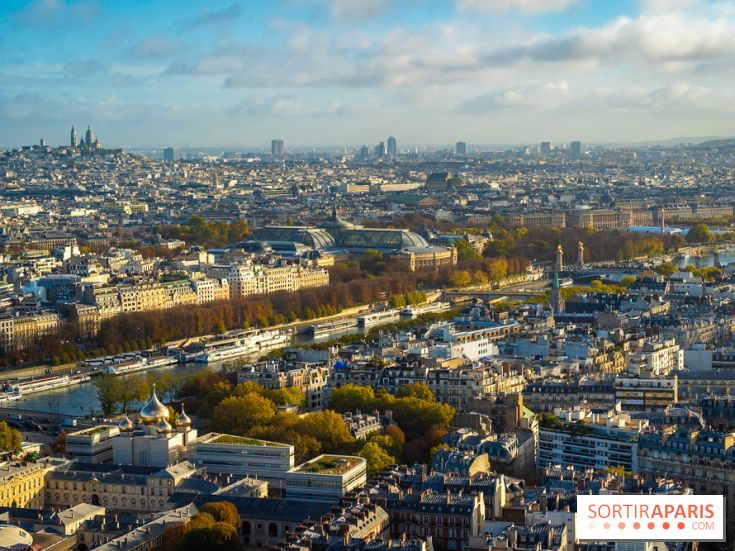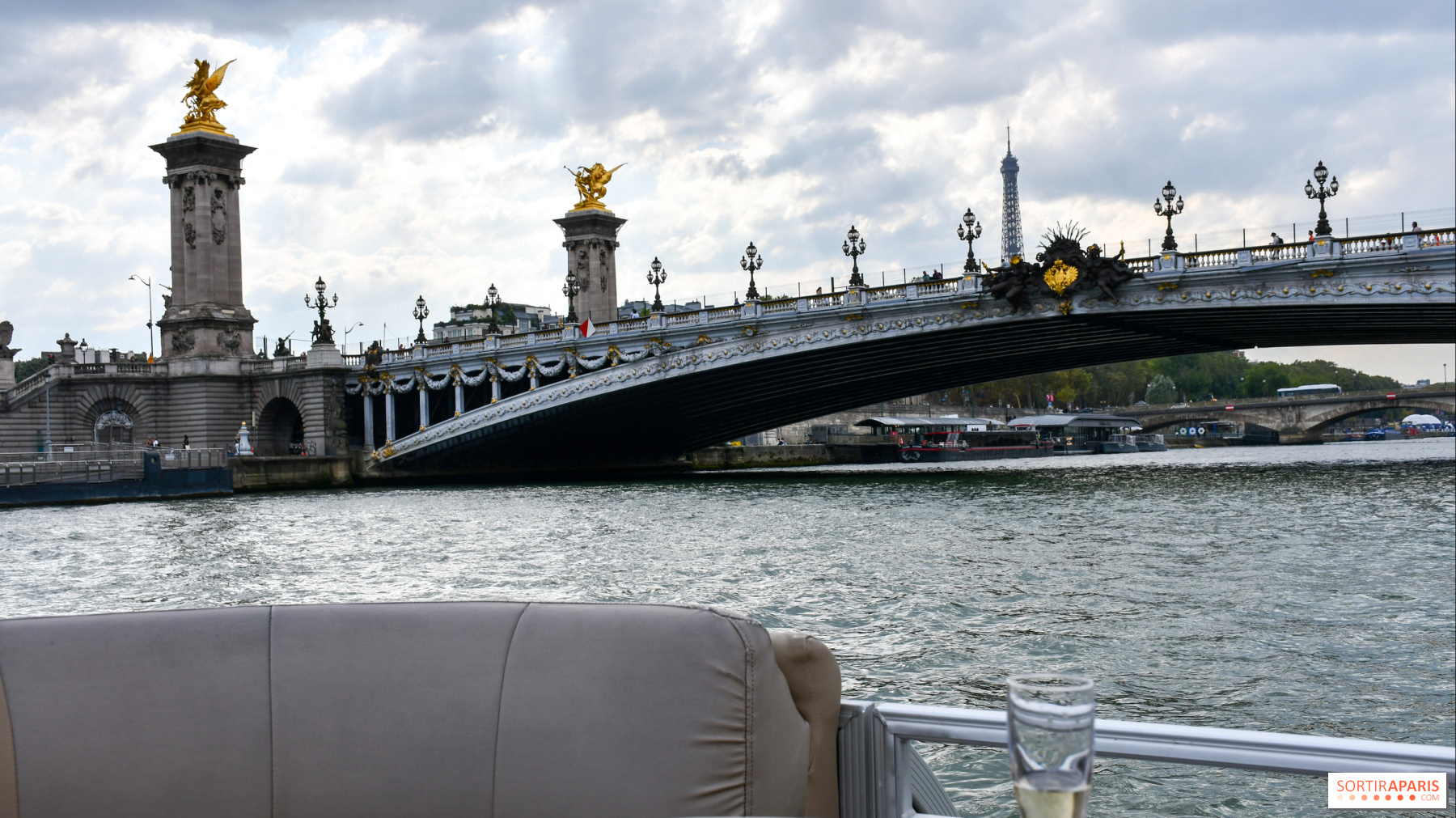
The city of Paris hides many subtle details in its organization, and one of the most misunderstood concerns the way streets are numbered. Since the XIXᵉ century, the Paris municipality is said to have established a fundamental principle: the Seine will be the starting point for numbering. This rule, put in place to standardize the capital's rapid growth, facilitated both orientation and mail routing, while respecting Paris's particular geography.
News and information from this web Monday October 5, 2026 s in Paris and the Île-de-France region
Find the latest news and updates on Paris and the Île-de-France region today at Monday October 5, 2026. Measures, new developments, announcements, and events—we tell you everything about the latest news in the capital and its surroundings. [Read more]
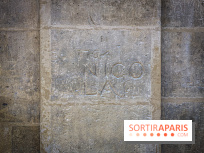
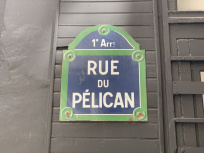
In Paris, street numbering systematically begins on the side closest to the Seine, and gradually moves away from it as it rises. In this way, the numbers increase as you move away from the river. The distribution of numbers on sidewalks also follows another precise rule: as you move in the numbering direction, even numbers are always on the right, while odd numbers are on the left.
For streets running parallel to the Seine , another principle applies: on the right bank, streets are numbered from east to west, while on the left bank, they are numbered from west to east. This simple yet rigorous organization would enable Parisians and visitors alike to better find their way around the capital's complex urban fabric.
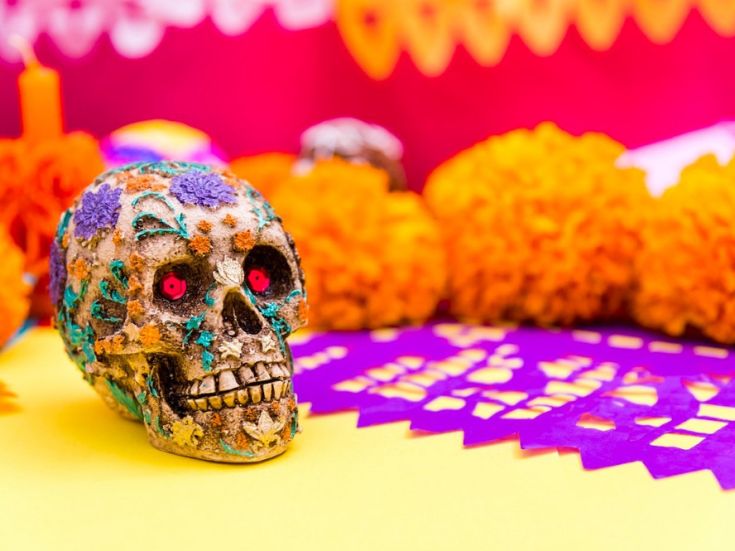
"Paname", the popular and affectionate nickname for Paris, has been intriguing people for over a century due to its widespread use, particularly in slang and artistic language. But what exactly is the origin of this surprising word, which is more reminiscent of Central America than of the French capital? [Read more]
This codification of numbering would have been introduced under the administration of Prefect Rambuteau, who undertook extensive urban reforms even before Haussmann's great works. The main aim was to unify signage, simplify landmarks for the growing population and support the postal boom. Although this principle is widely respected today, there are a few exceptions, notably in the former villages annexed by Paris when the city's borders were extended in 1860.
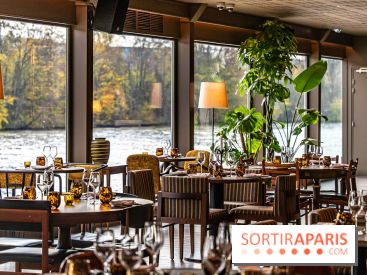
A romantic and contemplative atmosphere at these fine restaurants along the Seine, in Paris and the Ile-de-France region. Here are our best addresses! [Read more]
In Paris, even the numbering of the streets is the fruit of an ordered reflection around its mythical river. By linking each address to the Seine, the capital would once again confirm how intimately linked its history, topography and urban planning are. Understanding this logic would offer walkers a new perspective on the city and enrich their exploration of its neighborhoods.
This article is based on available historical information and is not the result of exhaustive field observation.
This page may contain AI-assisted elements, more information here.






















 News and information from this web Monday October 5, 2026 s in Paris and the Île-de-France region
 Where does the word Paname, the slang nickname for Paris, come from?
 Restaurants on the banks of the Seine in Paris and the Ile-de-France region, our best addresses