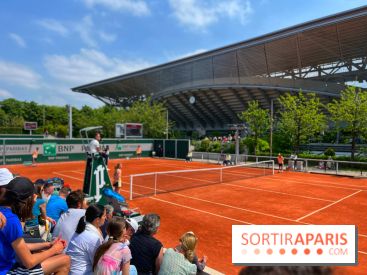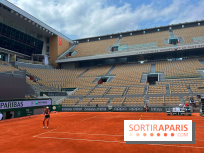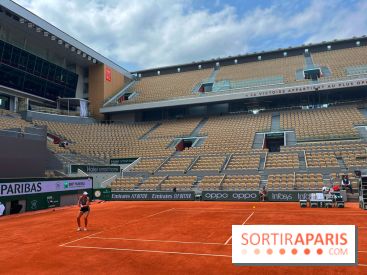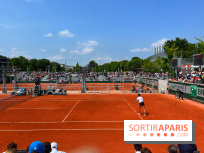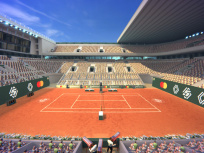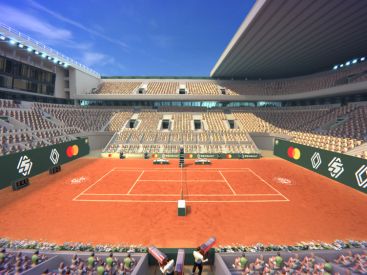
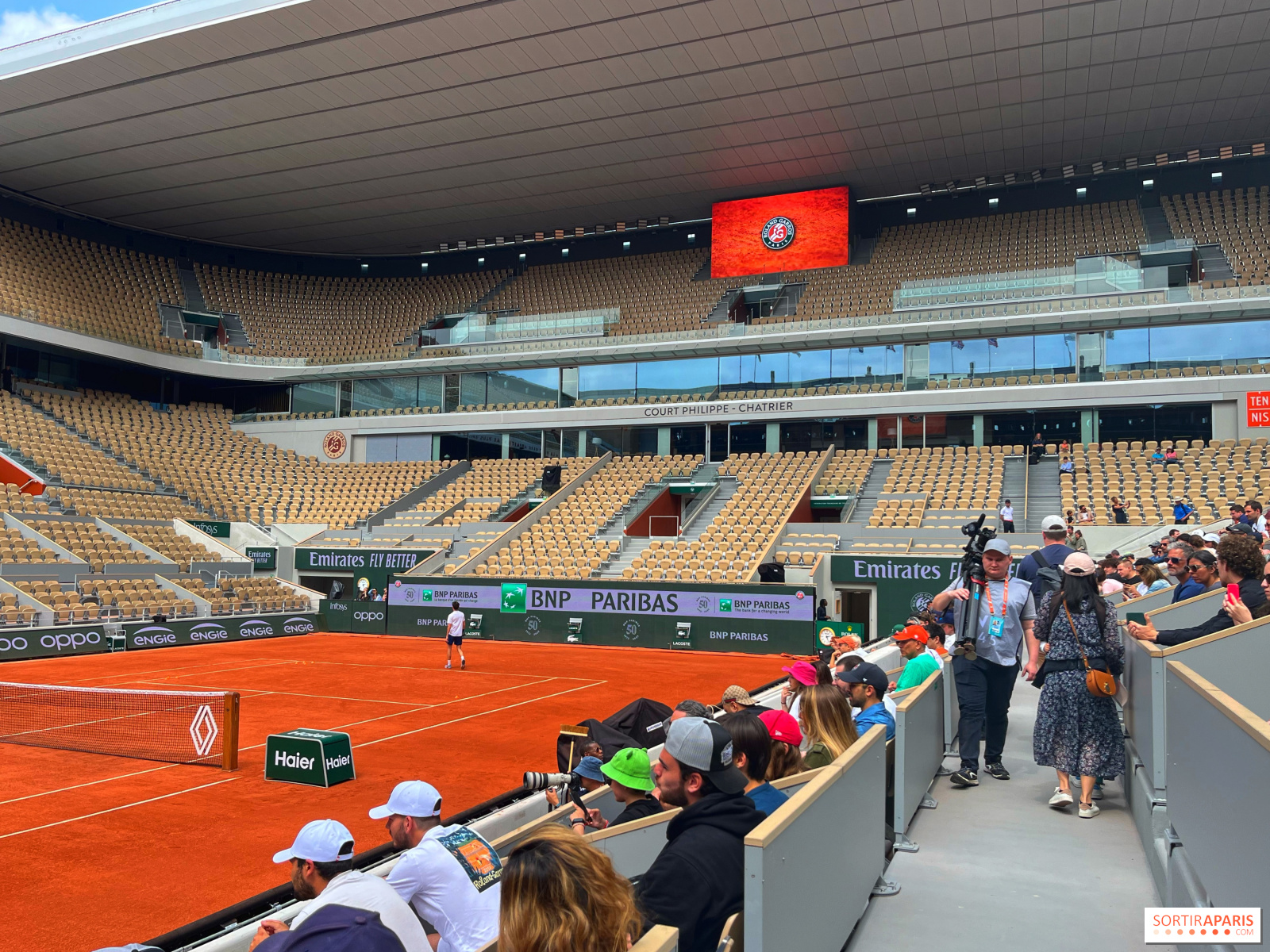
Parisians and tourists alike are familiar with the Roland Garros stadium and the world-famous tennis tournament of the same name... But do you really know the story of the man who gave them their name? Would you like to find out who he was? The editors of Sortiraparis would be delighted to tell you more about one of Paris's greatest historical figures.
Born on October 6, 1888 in Saint-Denis de La Réunion, thisHEC alumnus was an aviation pioneer and a hero of the First World War. His name was chosen for the stadium on the initiative ofÉmile Lesieur, president of the Stade Français and Garros' classmate at HEC.
An accomplished sportsman in his youth, the man first developed a passion for cycling, soccer and rugby. A bout of pneumonia at the age of 12 temporarily sidelined him from physical activity, but he regained his health through cycling. At 21, he opened a car dealership in Paris, before discovering his vocation as an aviator in 1909, after attending an airshow in Champagne.
He learned to fly on his own, obtained his pilot's license, and in 1911 set a new altitude record with a flight to 3,910 meters. Two years later, he completed the first aerial crossing of the Mediterranean, flying from Saint-Raphaël to Bizerte in almost eight hours.
During the First World War, the aviator innovated by creating a system for firing through aircraft propellers, thus equipping the first effective single-seat fighter. Taken prisoner in 1915 after a forced landing in Belgium, he escaped three years later disguised as a German officer.
He then returned to the front, despite weakened health and hidden myopia. He was shot down on October 5, 1918, on the eve of his 30th birthday. "Victory belongs to the most stubborn", the maxim he inscribed on his propellers, sums up his career.
In 1928, the stadium built to host the Davis Cup was christened Roland-Garros. This choice, atÉmile Lesieur's request, was a posthumous tribute to a friend who had passed away, and to a man whose tenacity and audacity continue to inspire people far beyond the sports field.
This page may contain AI-assisted elements, more information here.