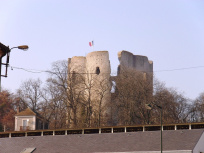
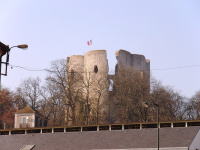
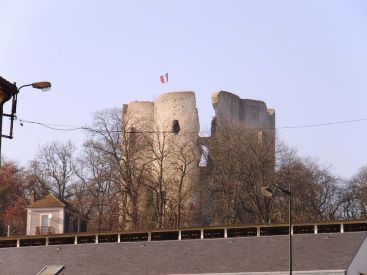
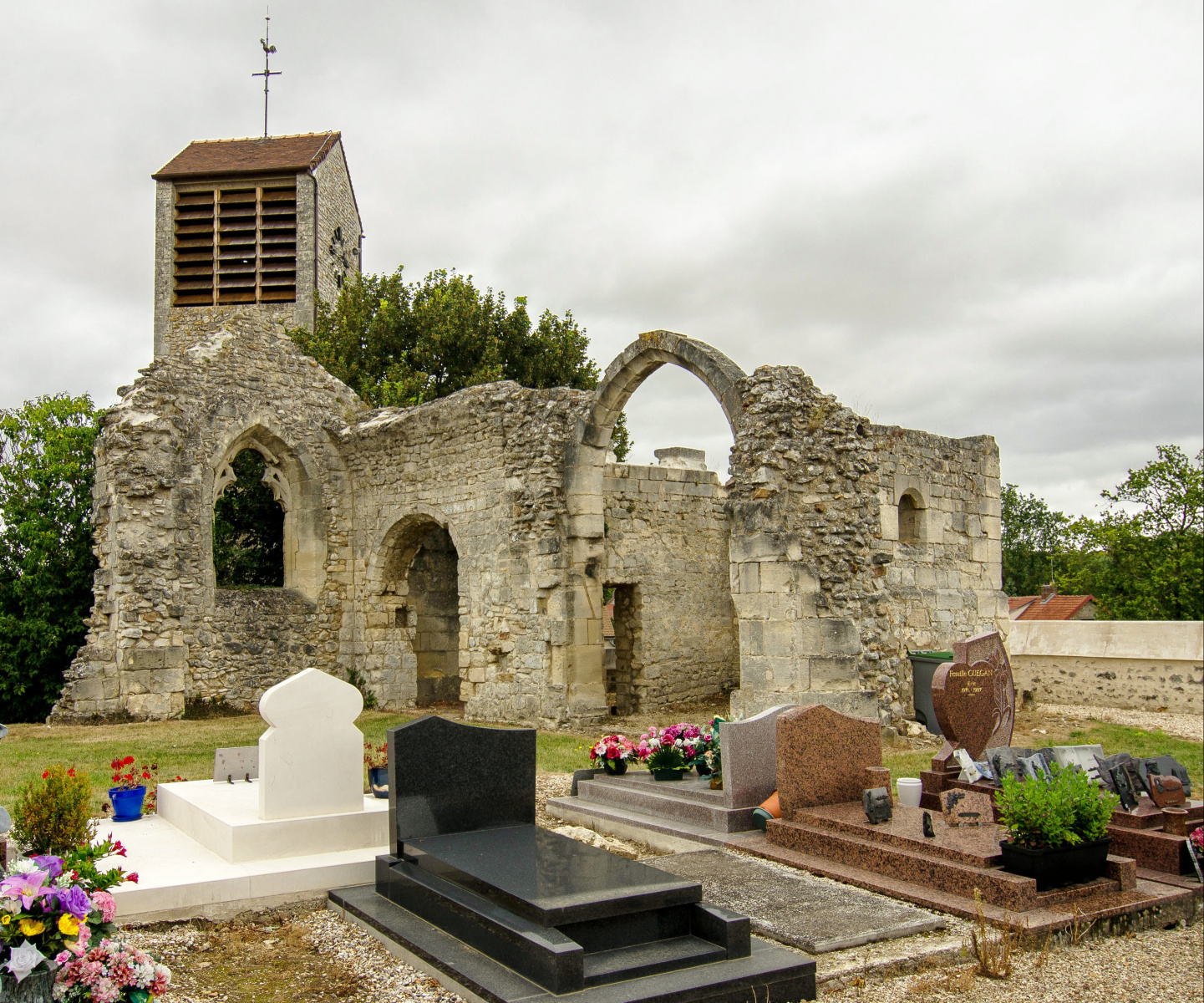
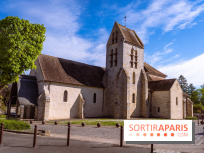
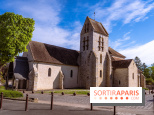
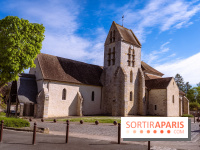
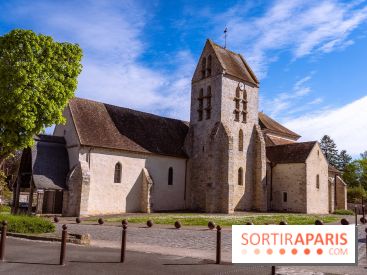
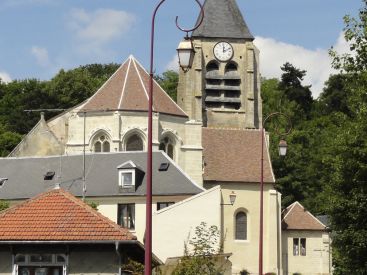
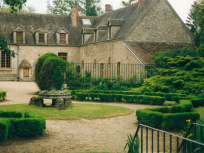
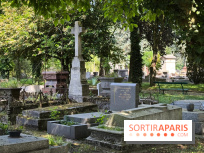
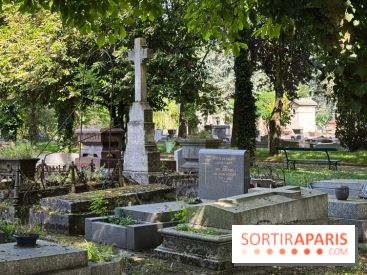
Nestled in the heart of the Vexin français, in the tranquil commune of Banthelu, in the Val-d’Oise, a historic cemetery hides the remnants of a medieval church. Among the oldest in the region, it stands nearby a more recent building, yet continues to watch over the graves with silent dignity to this day.
Historians generally date the construction of Saint-Gédéon Church to around the 6th century, a time when the Vexin was a strategic region nestled between the Kingdom of France and Normandy. As with many rural medieval buildings, its history is pieced together through architectural clues and regional comparisons.
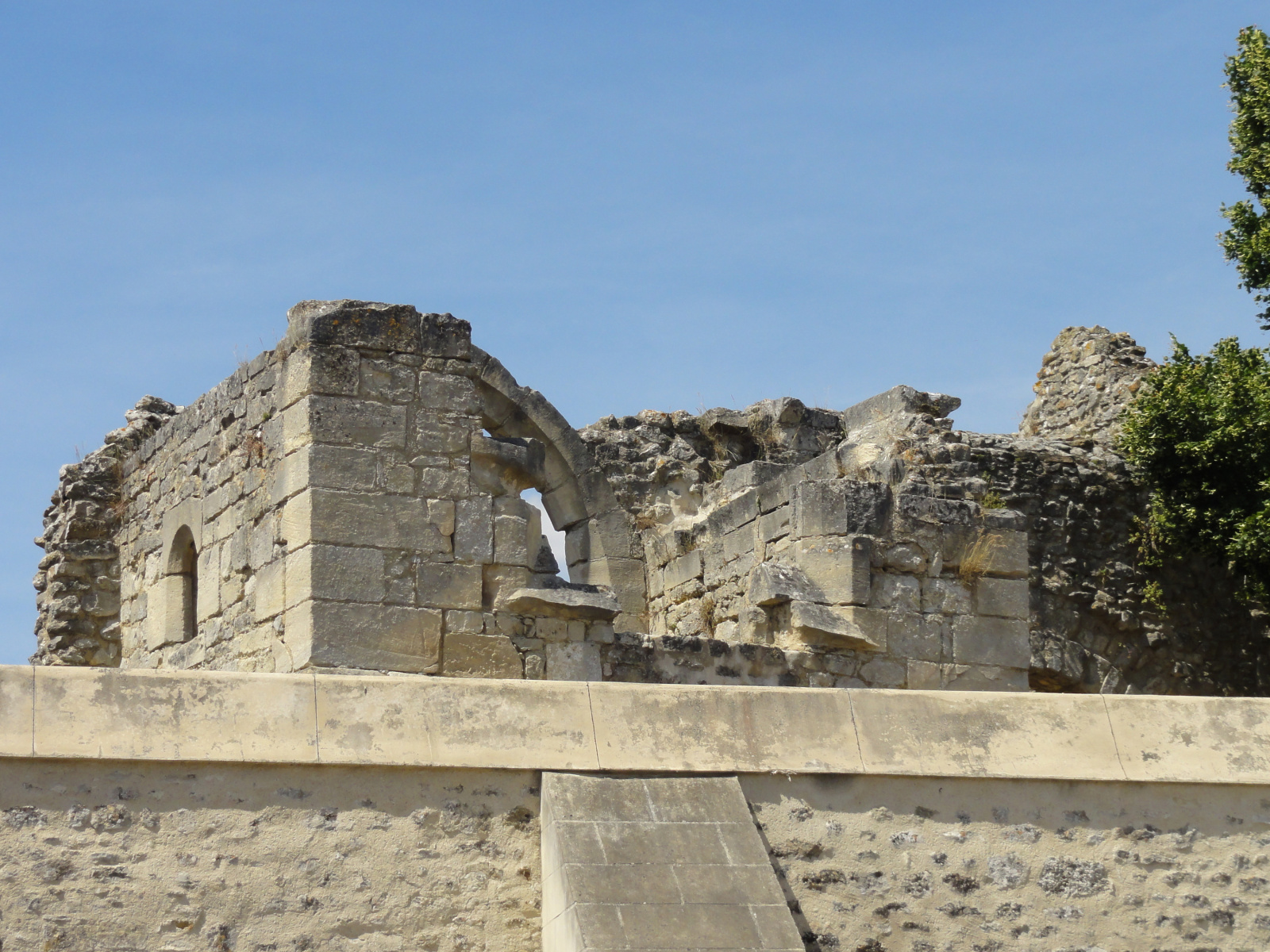
The dedication to Saint Gédéon is especially intriguing. This biblical figure from the Old Testament is rarely referenced in the religious place names of the Île-de-France region. The original architecture is believed to be of Romanesque style, typical of churches in Vexin: thick walls, narrow windows, simple decoration, and semi-circular arches. This style, which was predominant in religious architecture during the 11th and 12th centuries in Île-de-France, is characterized by its sturdiness and balanced proportions. Even in its remaining ruins, the Saint-Gédéon church clearly reflects this architectural tradition.
But why did it disappear in the first place? The fate of Saint-Gédéon Church changes dramatically during World War II. In 1944, the bombings that devastated the region led to its destruction. Like many towns in Val-d’Oise located in strategic areas, Banthelu bears the marks of military operations linked to the Liberation.
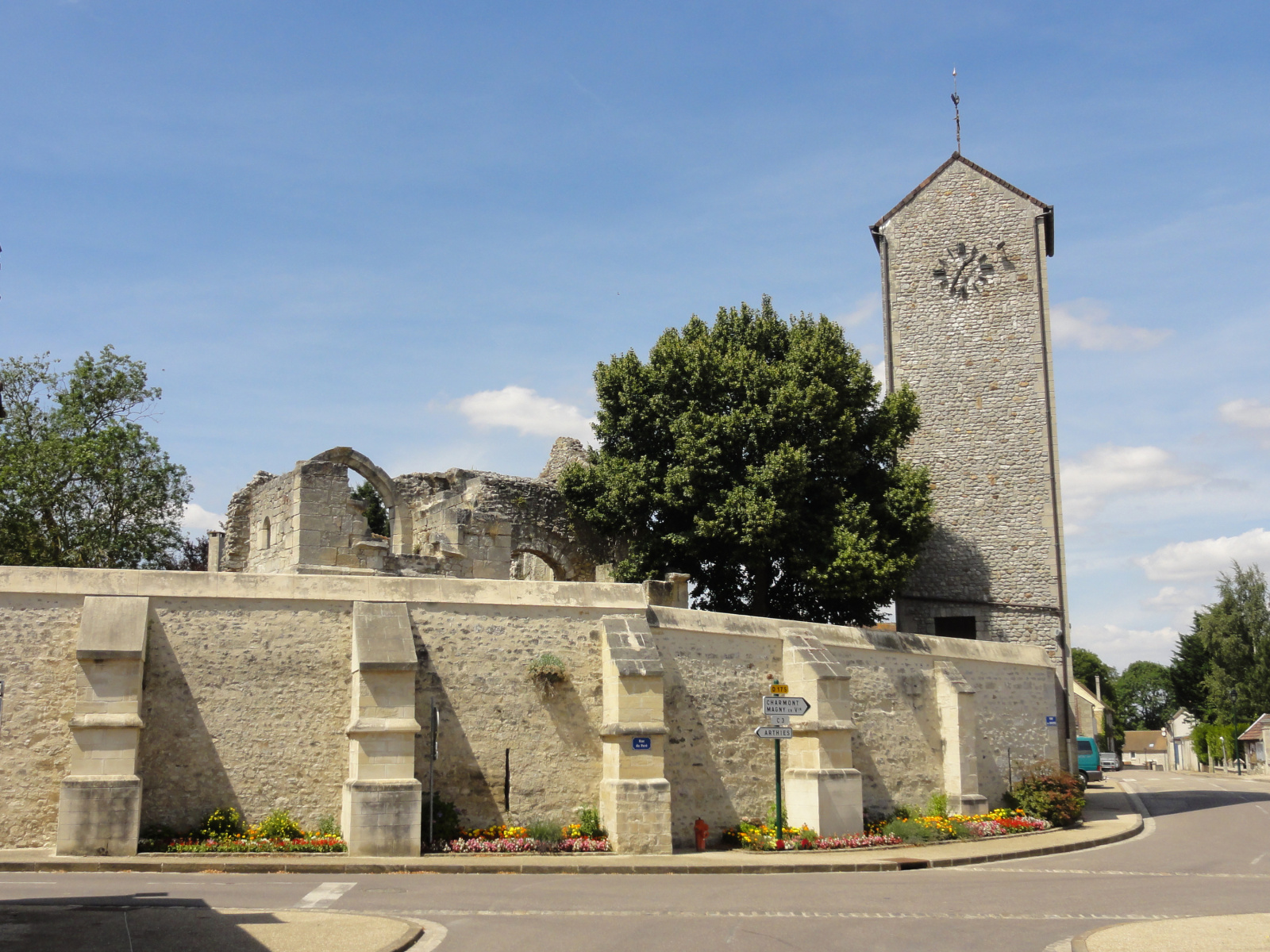
The building was severely damaged, to the point where restoration was impossible. Instead of rebuilding it exactly as it was, the site gradually became part of the local cemetery. Today, remnants of the church can still be seen in some of the masonry and surface traces, outlining the layout of the former nave.
This choice reflects a common post-war reality: faced with the enormous costs of reconstruction, some small rural communities had to make difficult trade-offs. In Banthelu, the memory of the Church of Saint-Gédéon has gradually merged into the surrounding memorial landscape, and in the 1960s, a new church was built within the site’s grounds. Meanwhile, the remains of the former church still linger, visible in the nearby cemetery.
This page may contain AI-assisted elements, more information here.
Location
Church of Saint-Gédéon
église saint-gédéon
95420 Banthelu
Route planner