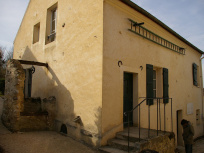
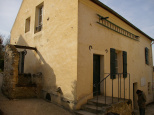
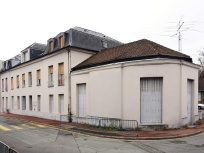
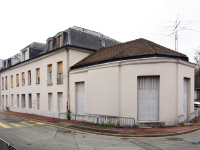
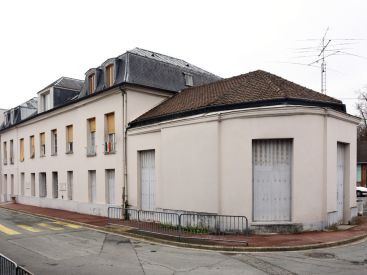
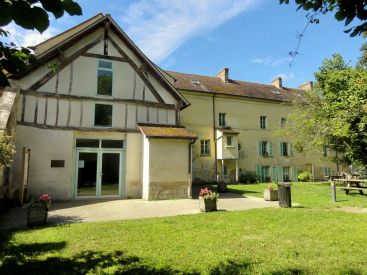
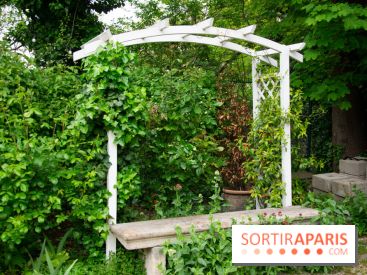
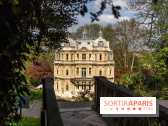
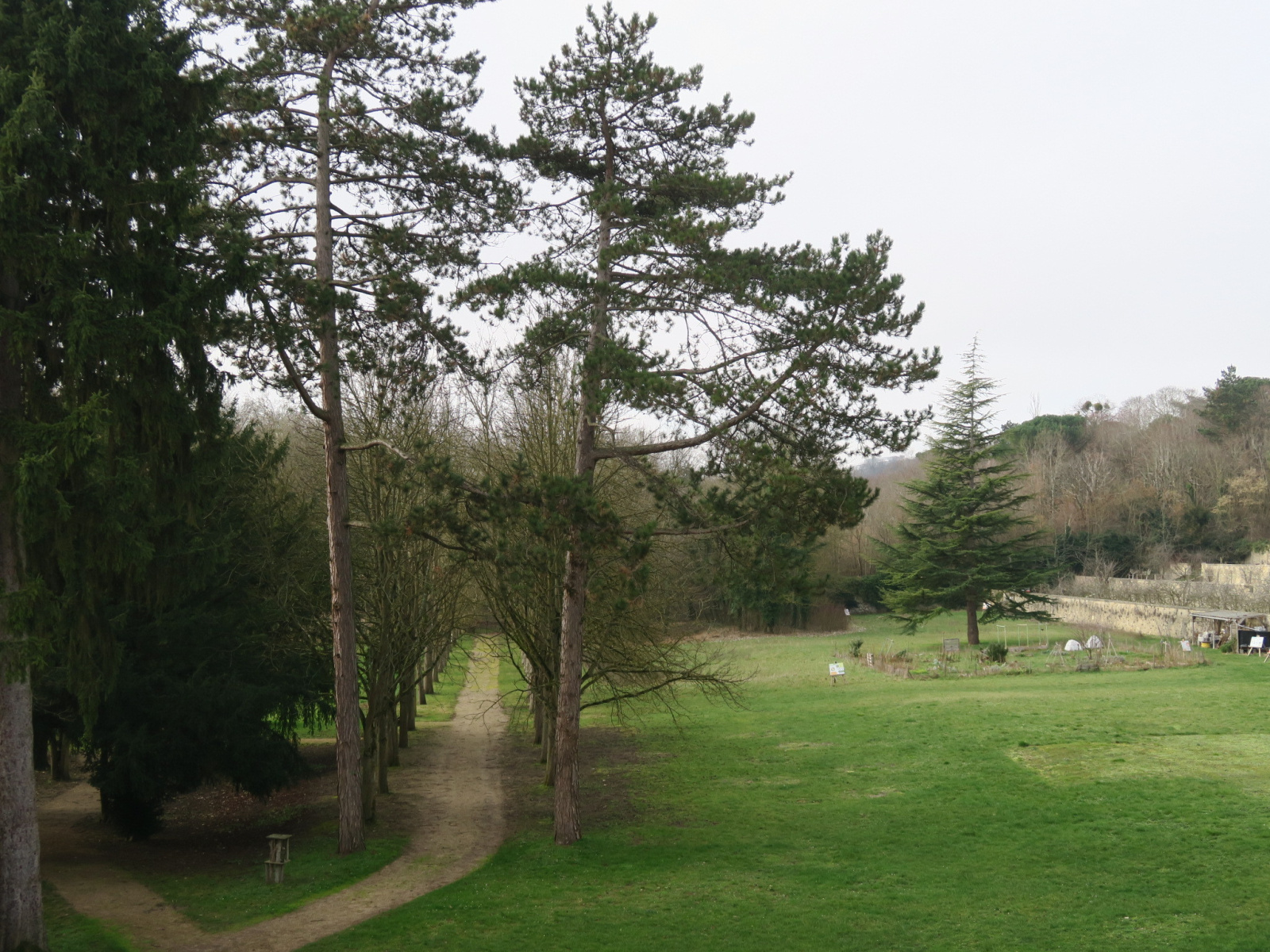
Between the old village and the newer districts of Cergy, on the right bank of the Oise, this leafy park and its discreet house—home to a legend of theatre and cinema—form an oasis of calm in a setting that is now highly urbanized. The site is designated as Regional Heritage by the Région Île-de-France, which sees in it a representative patrimonial ensemble of local and Francilian cultural history. But what is the story behind this place, long kept out of sight?
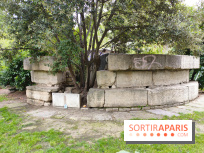
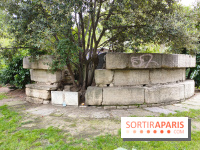
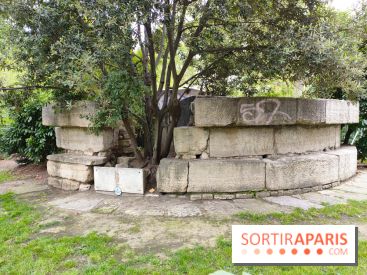
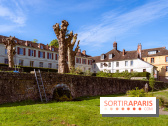
Its name obviously recalls Anne and Gérard Philipe, who bought the property in 1954. Gérard Philipe, a leading figure in postwar French theatre and cinema, and Anne Philipe, a woman of letters, left a lasting imprint on the place, so much so that it bears their name today. But the house itself is older: built in ashlar stone in the 19th century on former vegetable plots, it sits in a site that also preserves vestiges of the Château de Vauréal and of the region’s arboricultural history dating to the late 18th century.
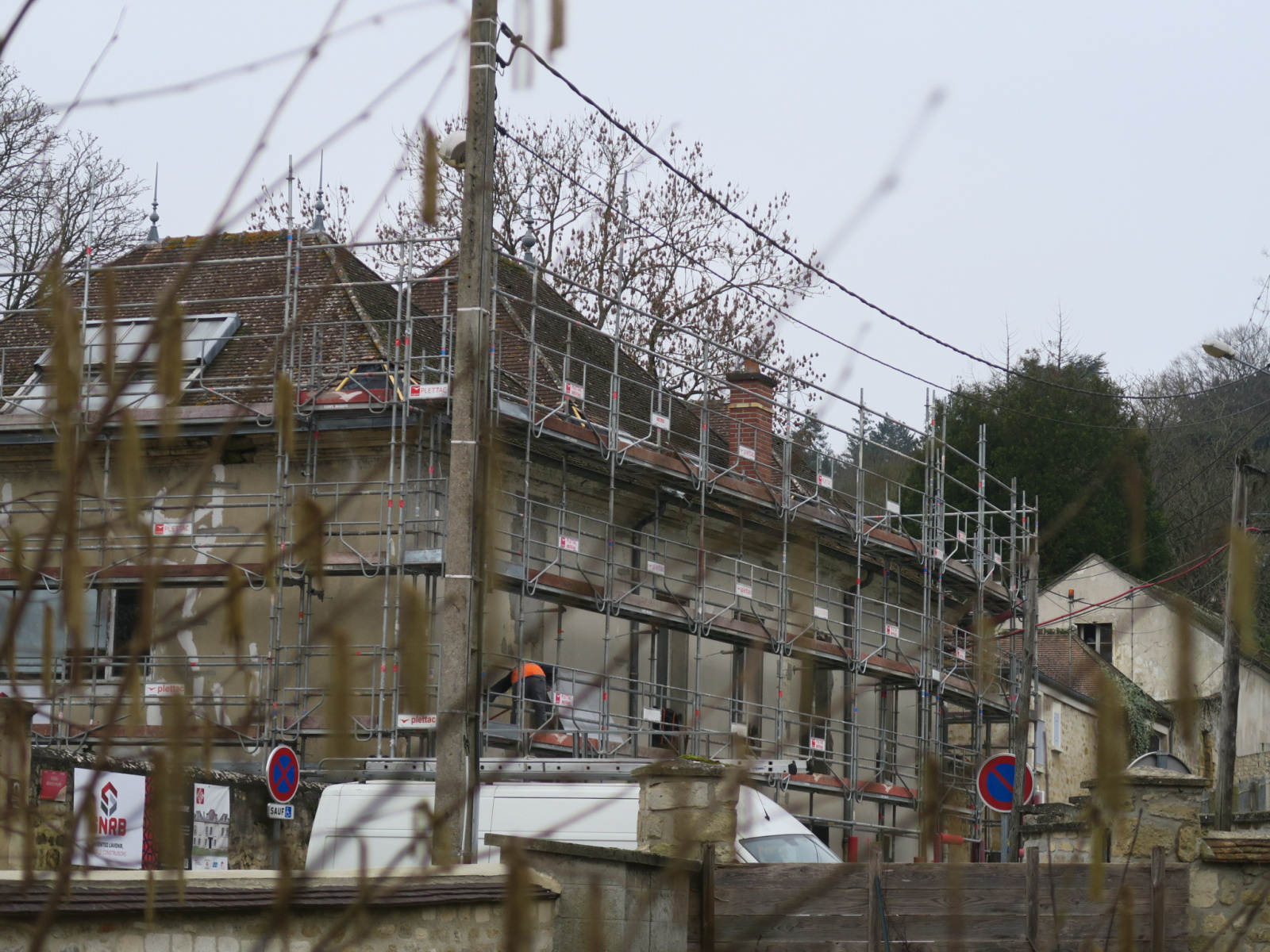
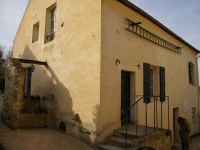
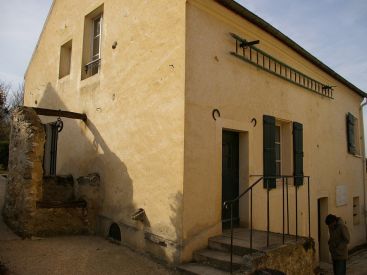
This house, officially listed as Patrimoine d’intérêt régional, stands out as much for its architecture as for its atmosphere. The dwelling centers on a main block, once served by a horseshoe staircase, and is flanked by two slightly projecting wings, topped with hipped roofs pierced by tall dormers. Facing it, a broad avenue lined with horse chestnut trees leads to a parterre embroidered with flowering beds. The site also carries a strong commemorative dimension: the couple reshaped the house in the 1950s in a style that reflected the era, altering the openings and façades, and hosting artists and writers such as Jean Vilar, Agnès Varda, René Clair or Georges Perros.
The site unfolds across several eras at once: pre-urban renewal Cergy, an artists’ house from the 1950s, and a heritage to be reimagined for today’s public. Sold to the State in 1973, the house and its grounds came under the municipality’s ownership in 2000. Since then, the city has been pursuing a rehabilitation plan to transform it into a memorial site, a tourist destination, a hub for creation, and a space for popular education.
At present, the house remains closed to the public (though whispers suggest a reopening is imminent), while the grounds are intermittently opened for cultural events, with ongoing market gardening and beekeeping activity. We’re awaiting the sunny days to discover this unique heritage!