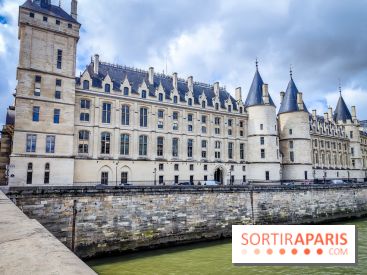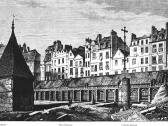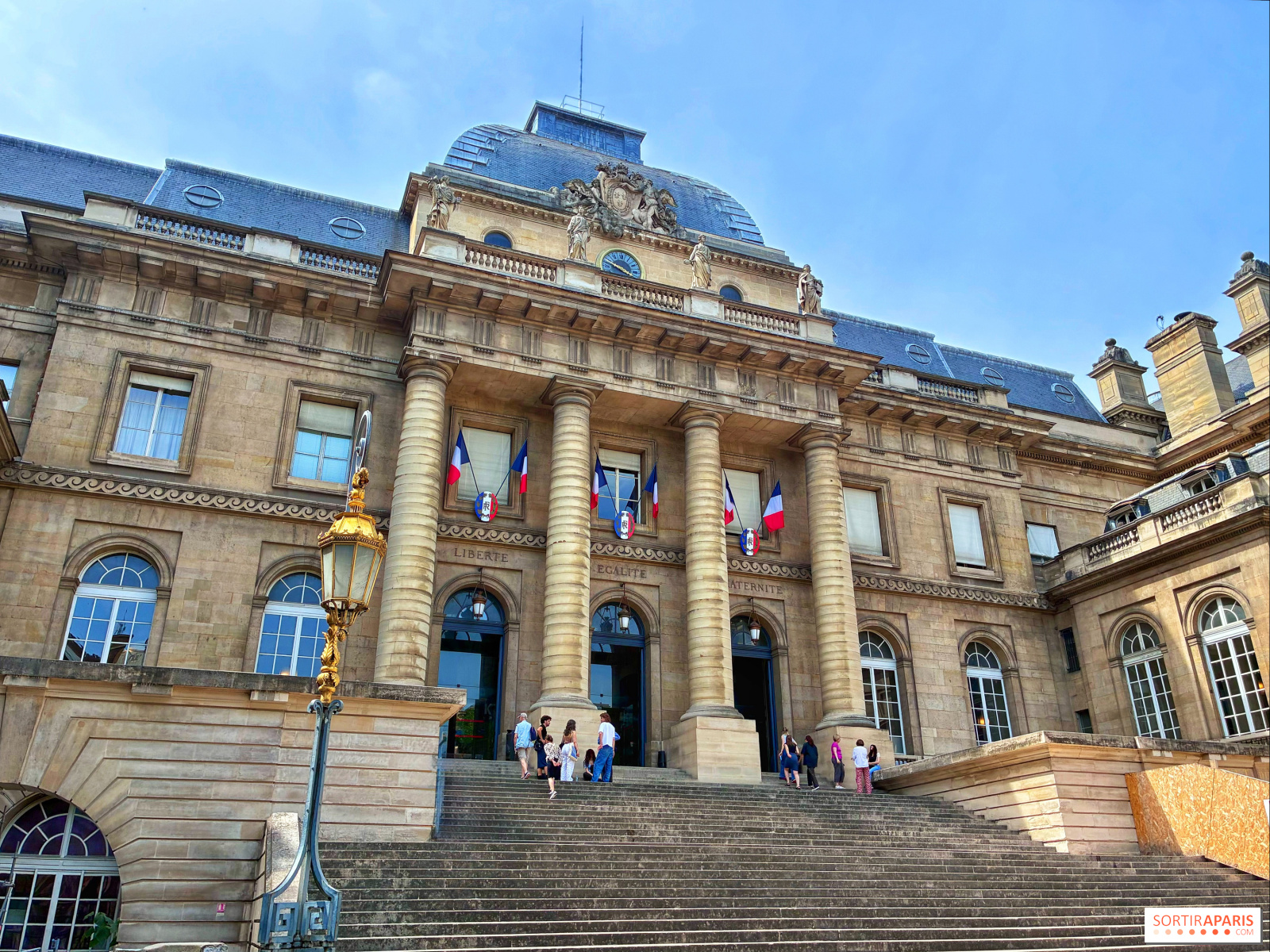
Today associated with the black robes of lawyers, the trials, and the hushed corridors of the judiciary, the Palais de Justice of Paris, proudly perched on the Île de la Cité, hides a past that is anything but the same. Long before it became the beating heart of France’s judiciary, this vast historical complex housed the kings of France, simply asserting itself as the greatest and most sumptuous medieval castle of Paris in the Middle Ages.
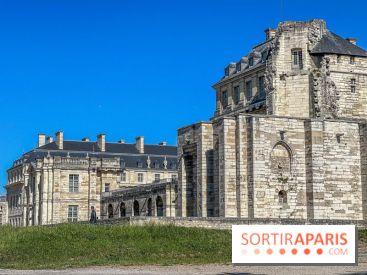
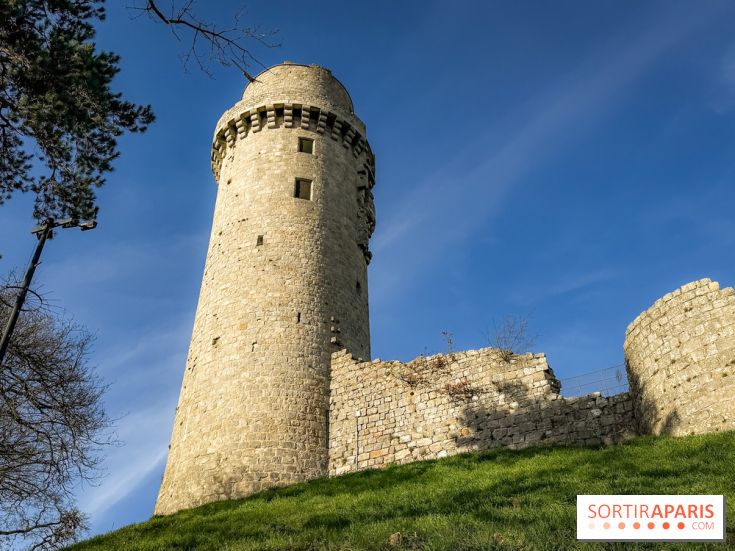
If we picture today the Louvre as Paris’s premier château, in the Middle Ages it was no match for the Palais de la Cité. Under Philippe le Bel, around 1314, the royal complex on the Île de la Cité, which included the Sainte-Chapelle and the Conciergerie, covered a colossal footprint of nearly 4.5 hectares. By comparison, the medieval Louvre was little more than a square, austere defensive fortress. Even the donjon de Vincennes, formidable though it was, could not rival the concentration of power and space housed at the Cité.
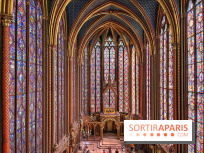
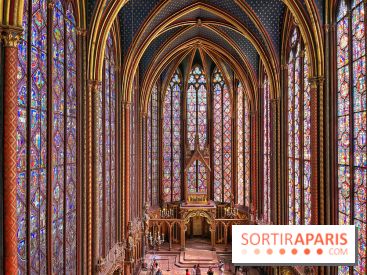
This gigantism is still tangible today in extraordinary remnants. The Hall of the Men‑at‑Arms, located in the basements of the Conciergerie, remains the largest preserved medieval hall in Europe, measuring nearly 64 metres long by 27 metres wide. Right beside it rises the Sainte-Chapelle, a masterpiece of architecture built by Saint Louis, reaching over 42 metres in height. Together they formed a monumental fortified city, an unparalleled political and architectural showcase.
Back then, the castle was a true city within a city, housing the royal family, the courtiers, a vast staff of servants, and the kingdom’s early administrative bodies. The kings would ultimately abandon the site after Étienne Marcel’s uprising in 1358, fleeing to the security of the Louvre or the Hôtel Saint-Pol, yet they left behind their administration and their justice. The grandest castle in Paris then changed its fate, over the centuries and through successive reconstructions, into the Palais de Justice we know today.
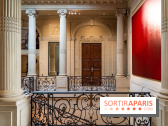
Unlike the Louvre, the Palais de Justice remains an active courthouse. While access to the neighboring tourist monuments such as Sainte-Chapelle or the Conciergerie is handled with standard ticketing, entering the Palais de Justice itself is governed by stringent security measures.