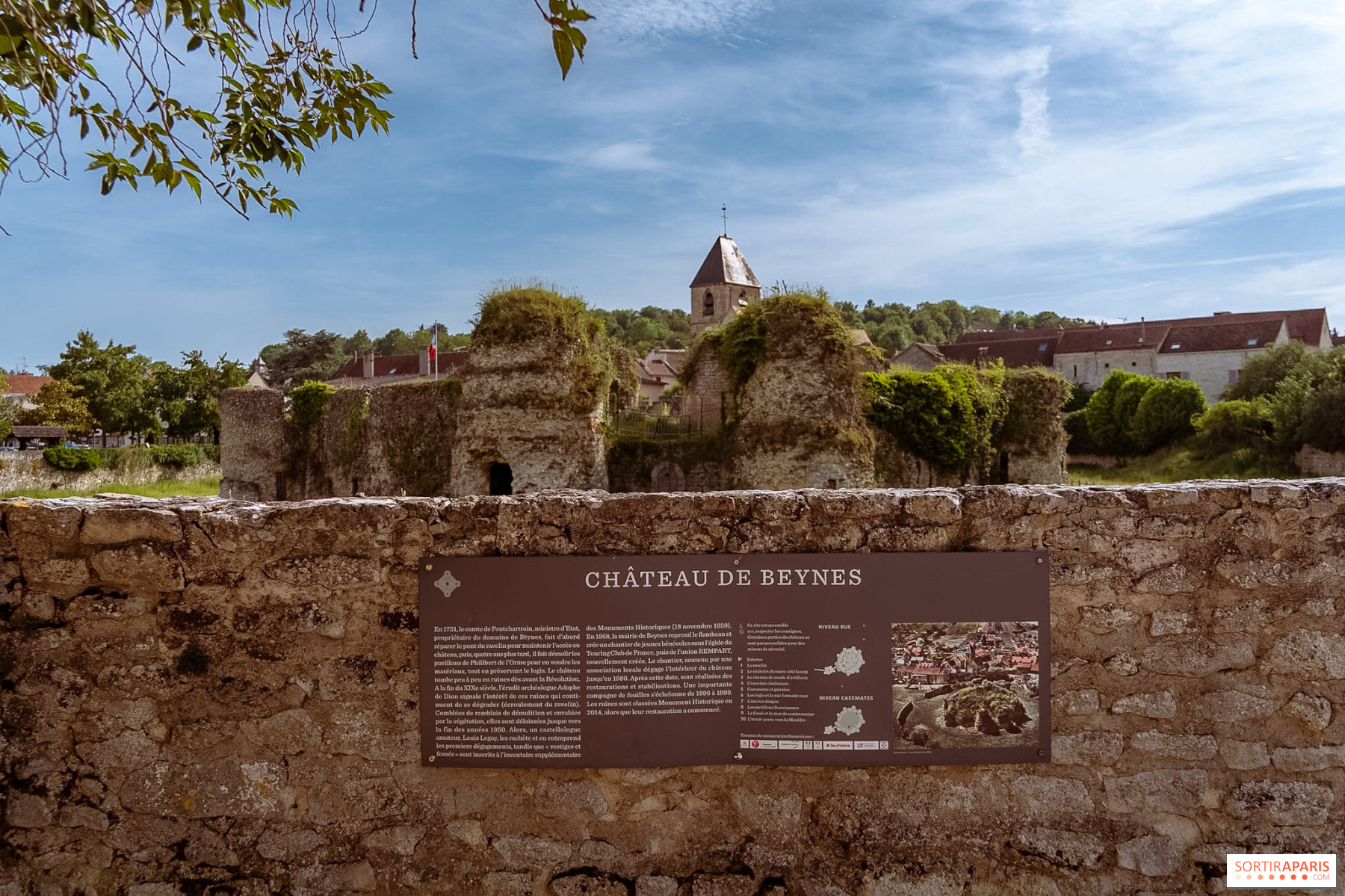
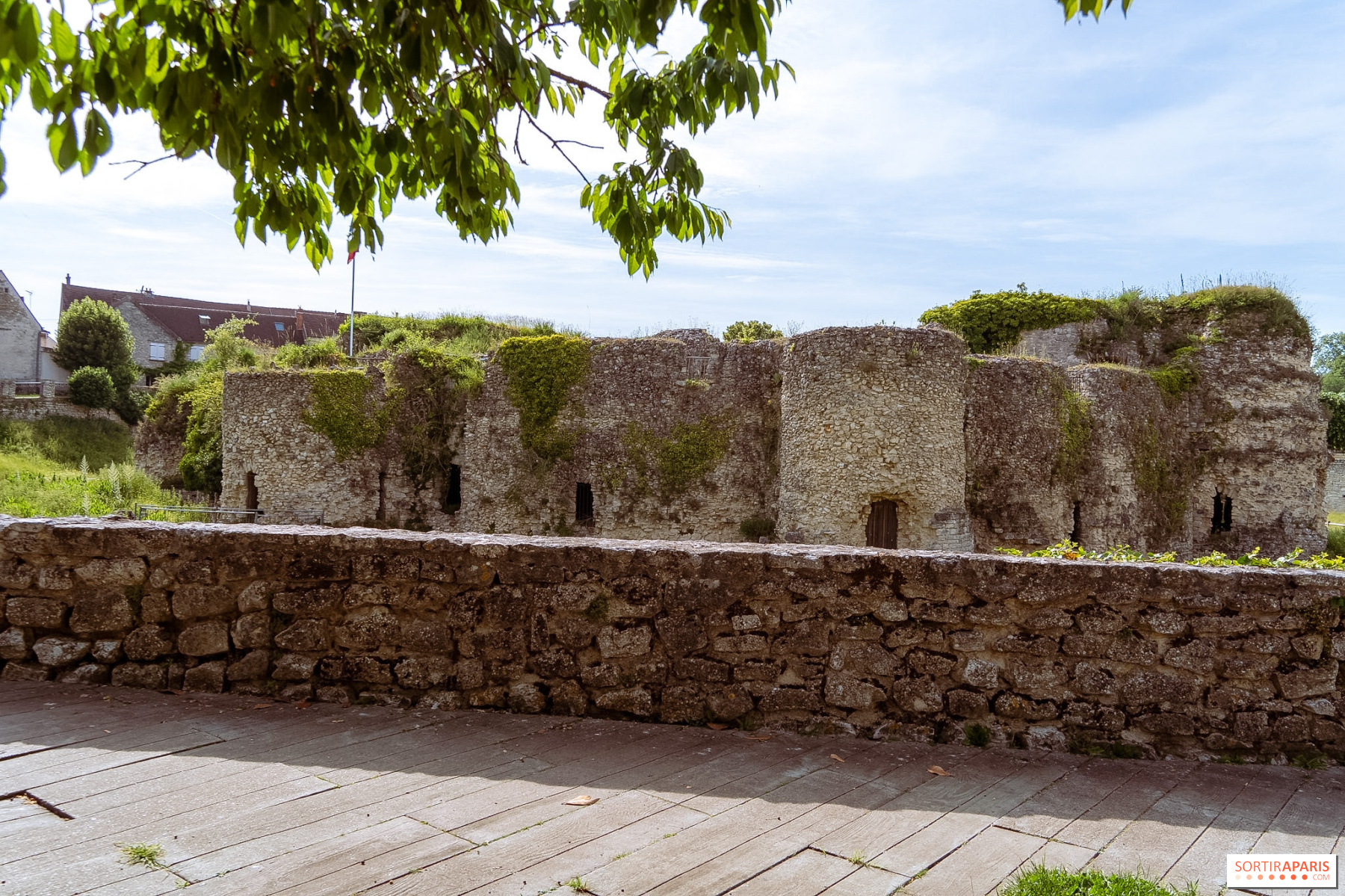
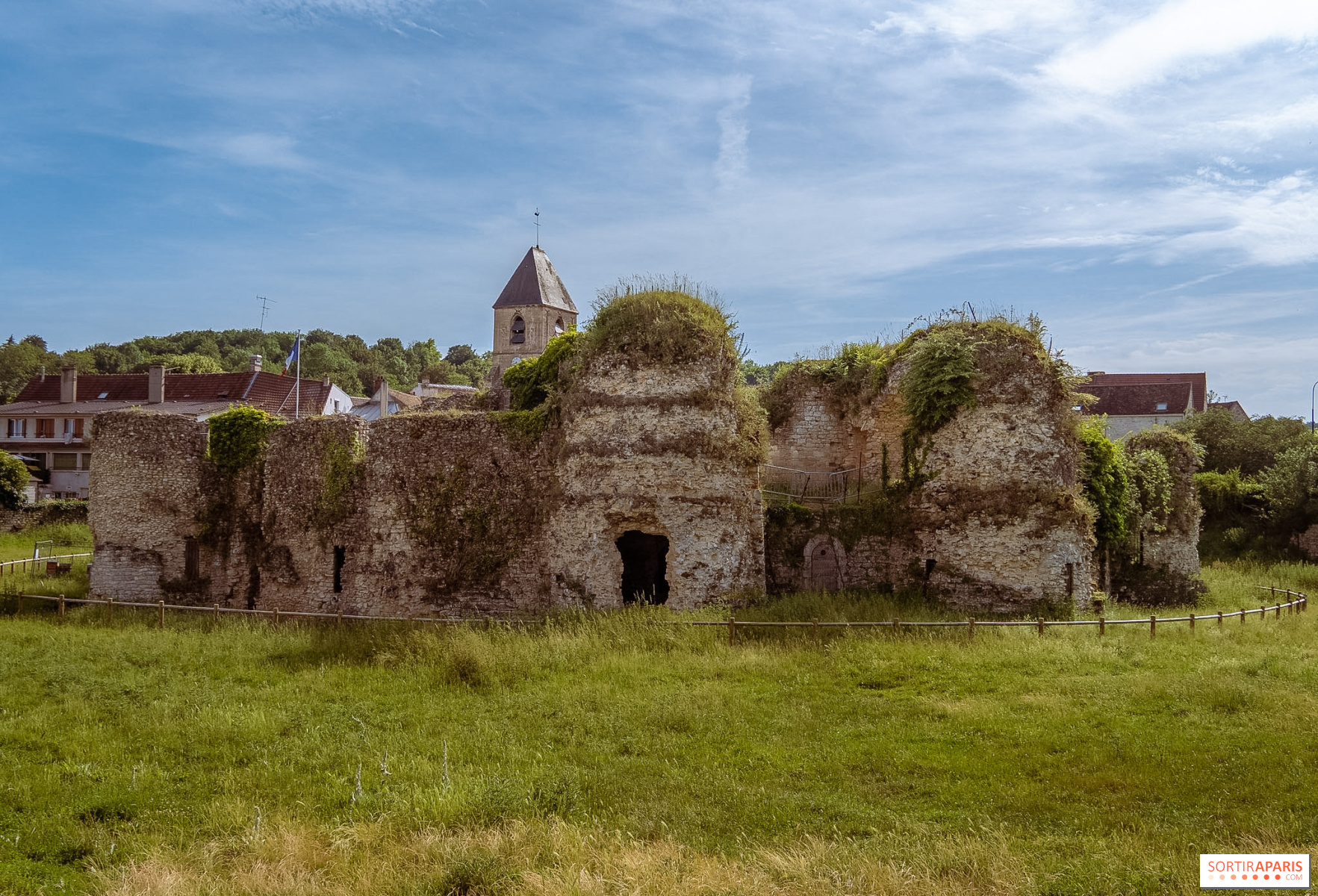
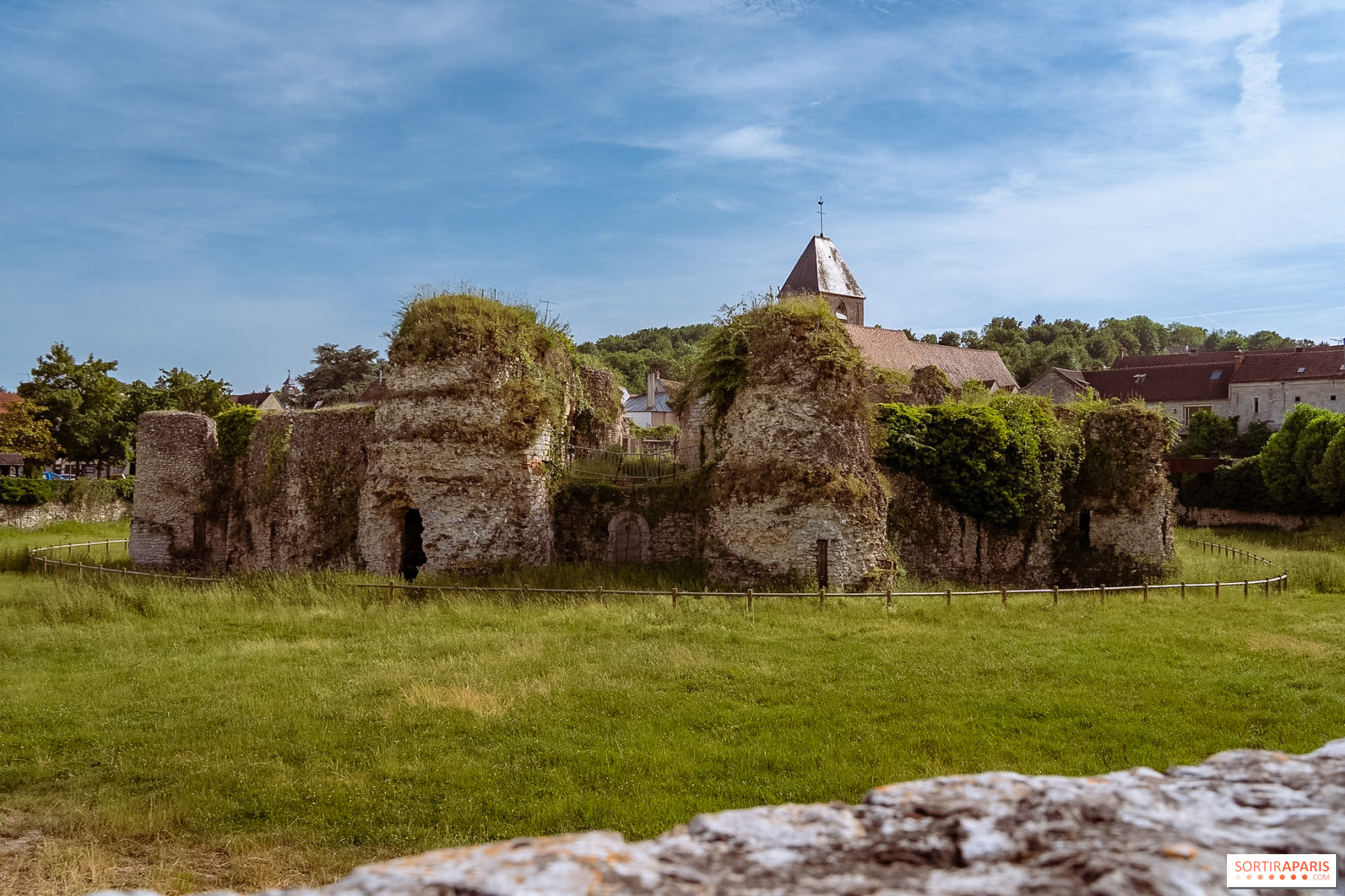
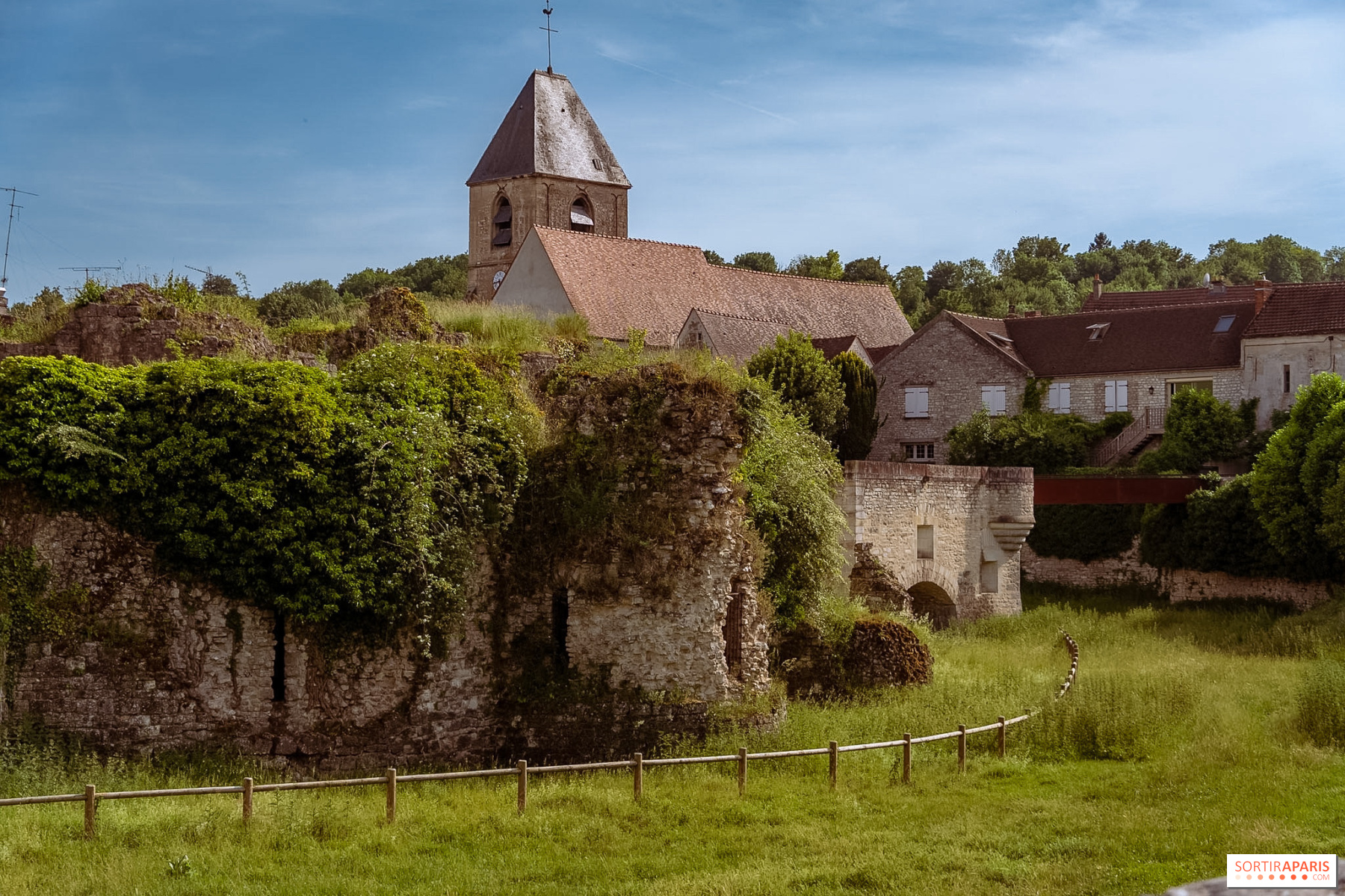
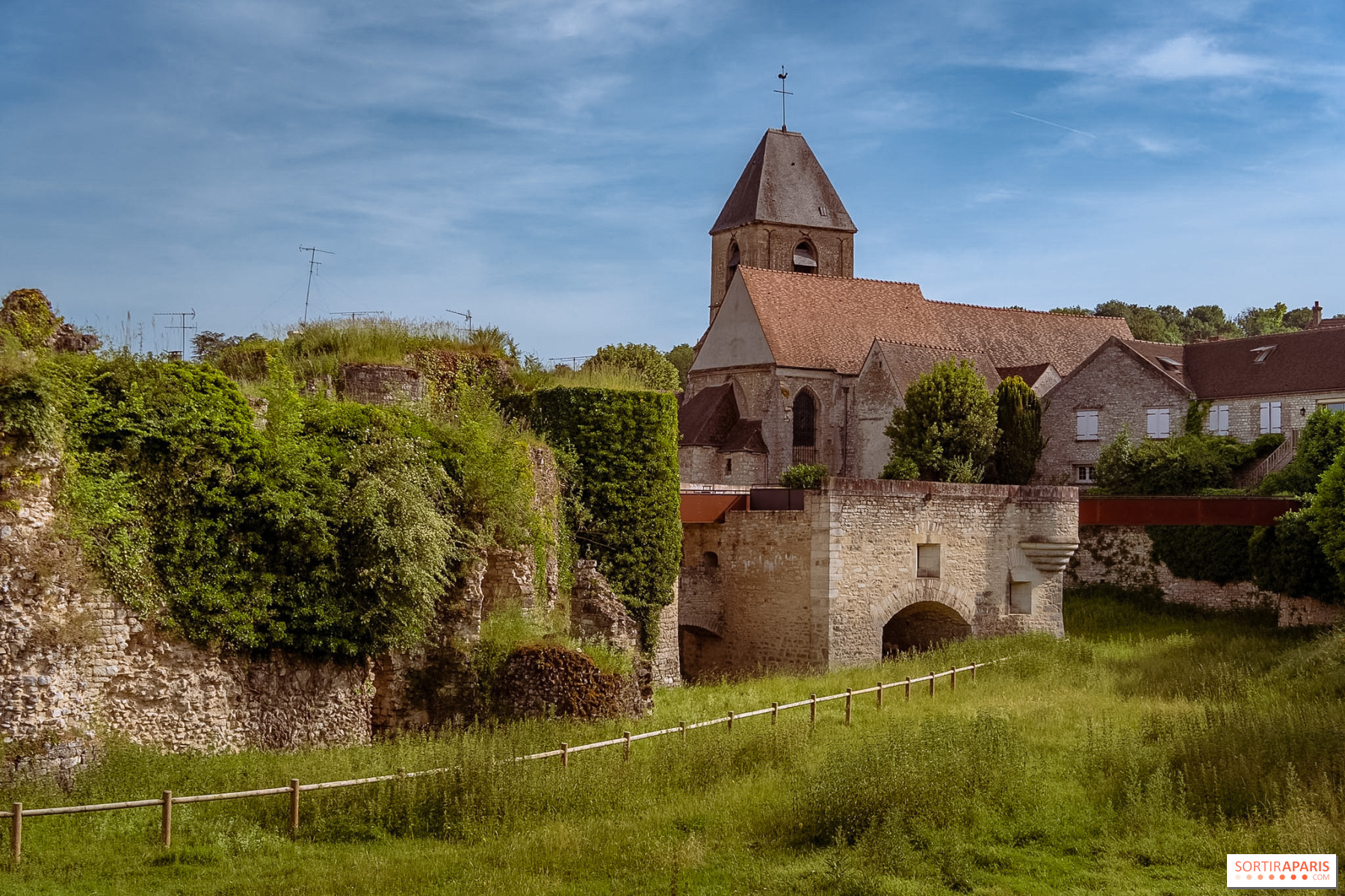
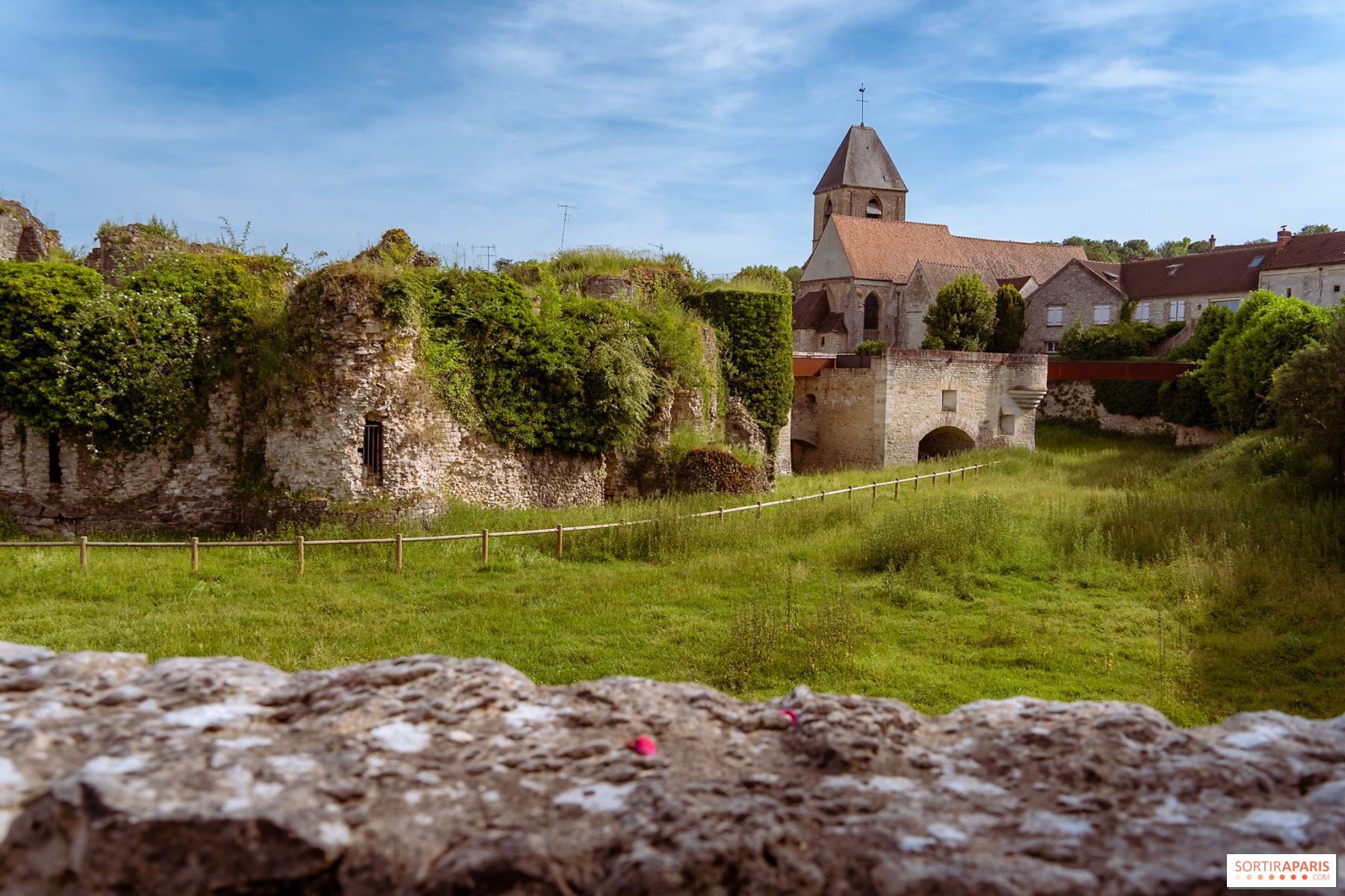
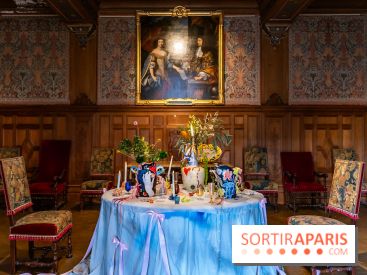
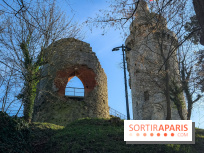
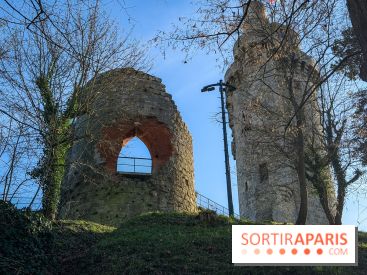
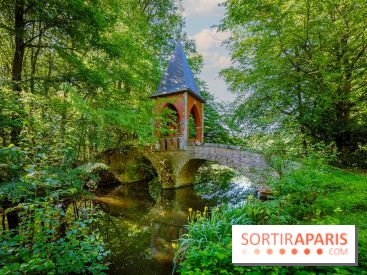
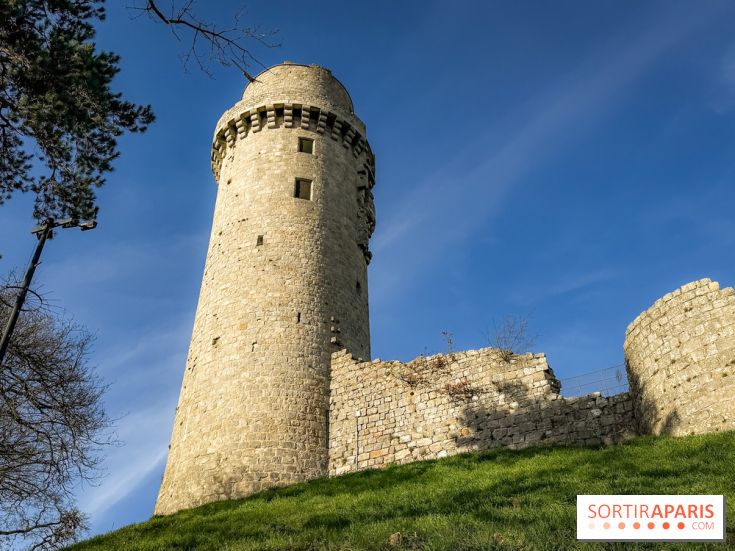
If, like us, you love uncovering unique places to visit, it’s time to stop by the château fort médiéval de Beynes, tucked in the heart of the eponymous village in the Yvelines (78). Here’s a monument that still has more to surprise us. Thirty kilometers west of Paris, at the bottom of the Mauldre valley, its partially preserved ruins chronicle nearly ten centuries of history, from Capetian feudalism to Renaissance splendor. And at the center of this saga: Diane de Poitiers, Henry II’s favorite, about whom few people know she was once the mistress of these halls.
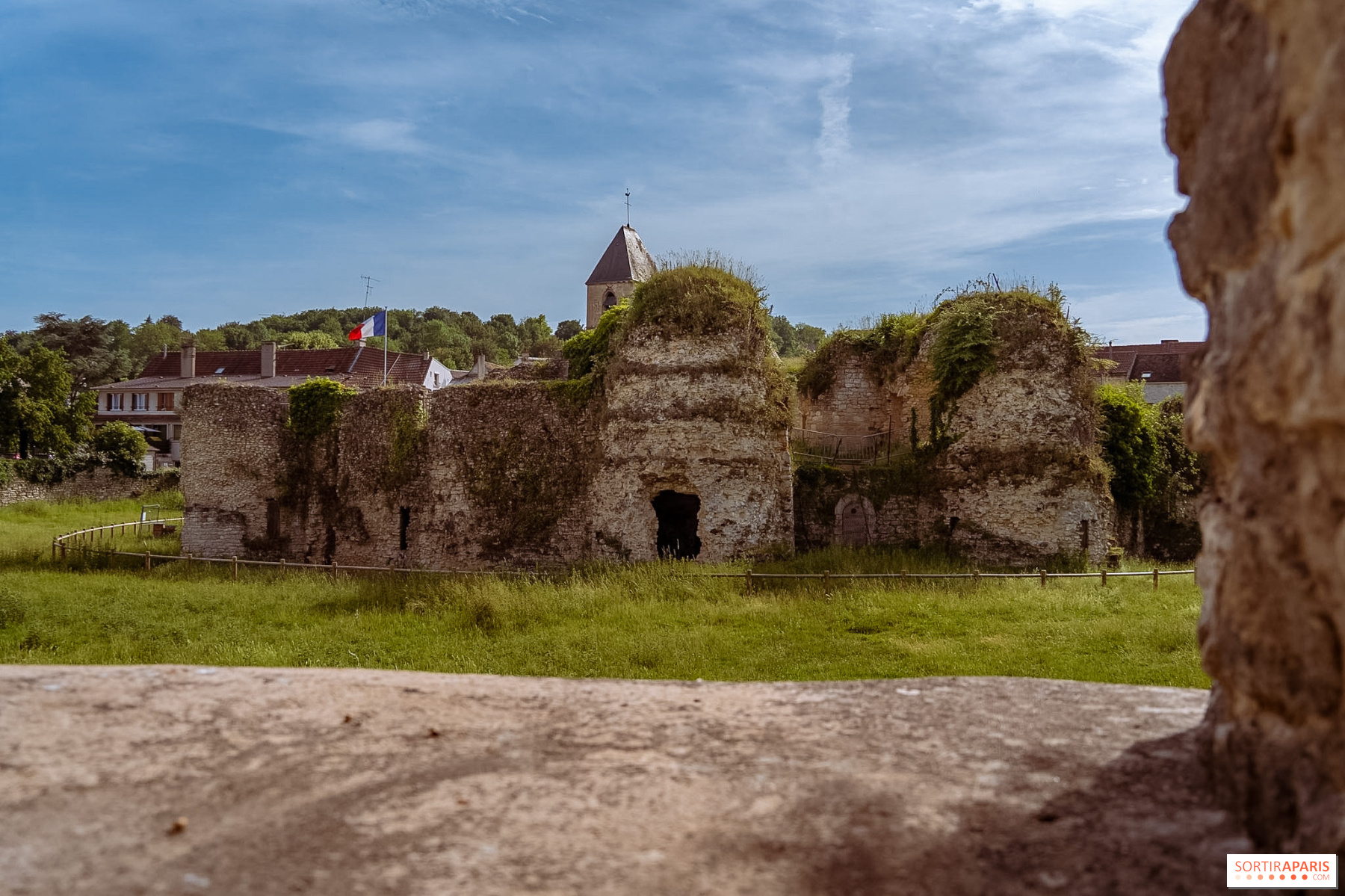
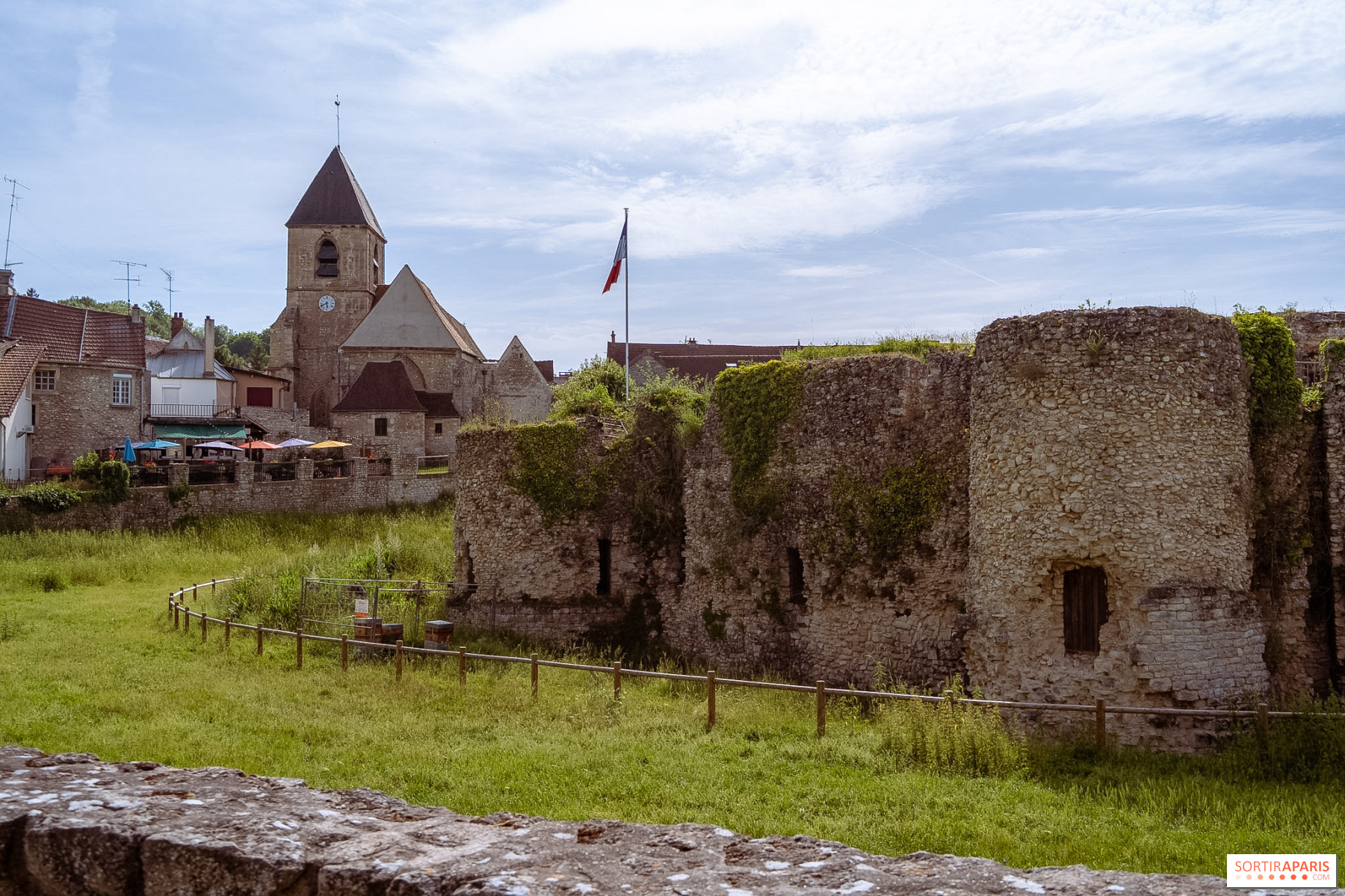
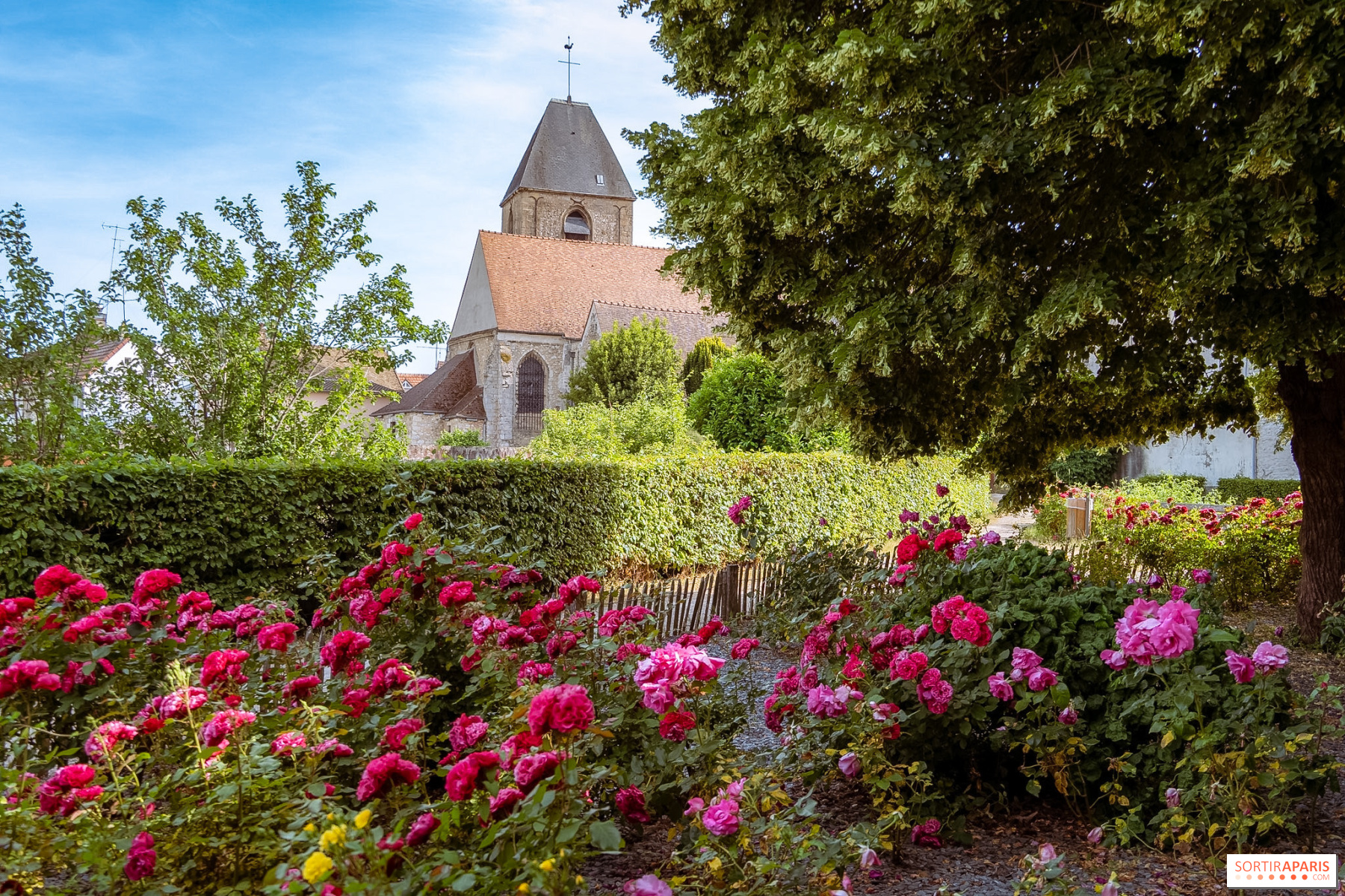
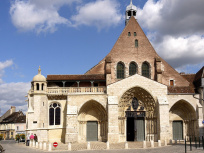
The history of Beynes is far older than its medieval stones. Polished stone axes bear witness to human presence on this land dating back to the Prehistory. By the end of the 10th century, it is the Abbey of Saint-Germain-des-Prés that owns the entire estate. The Saint-Martin Church, whose origins may date back to the Merovingian era (6th-8th centuries), completes this exceptional heritage, with part of the current building erected in the 12th century.
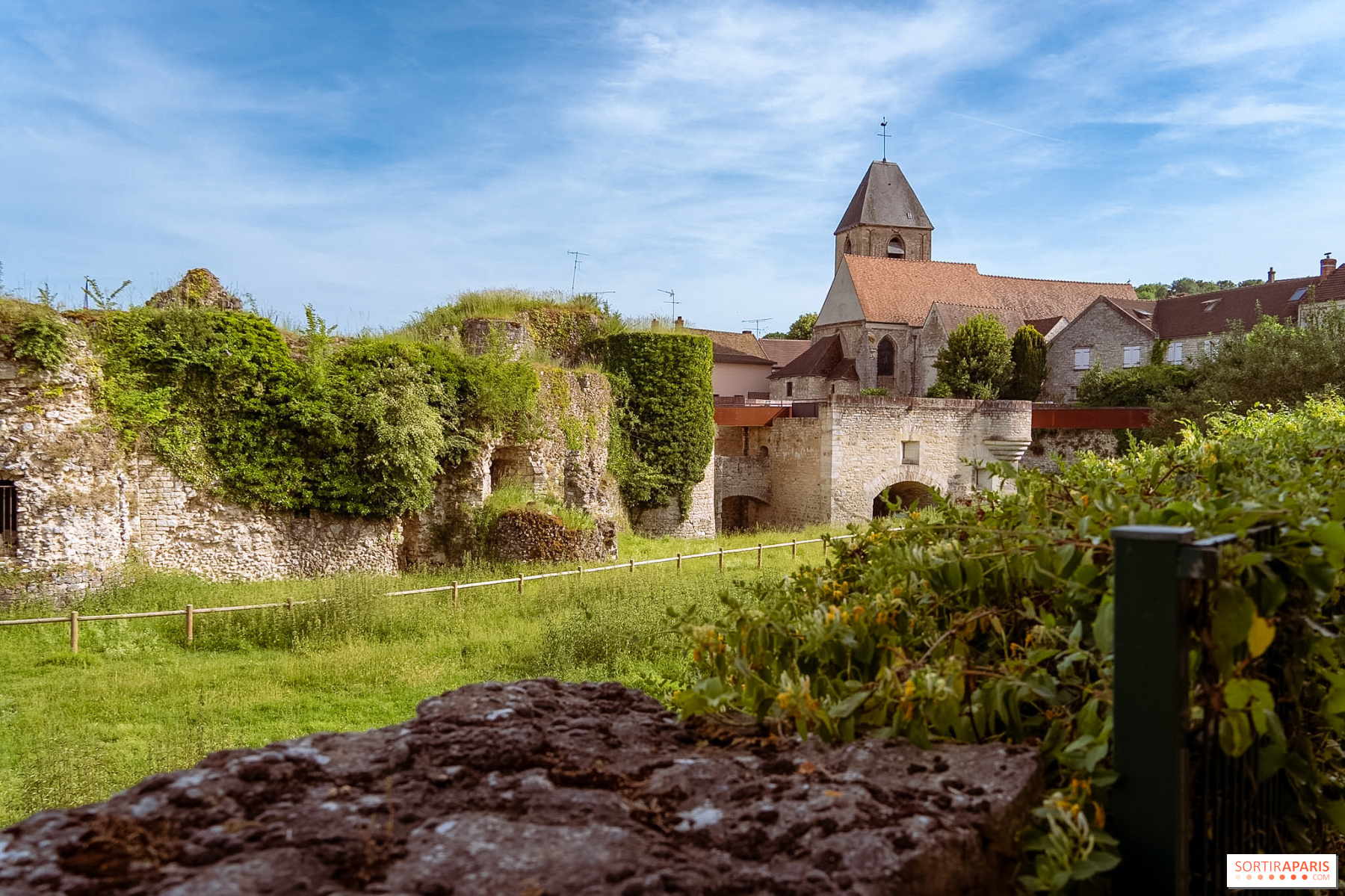
In the 12th century, the castrum takes shape, noted in a homage by Simon III de Montfort to the Abbey of Saint-Germain-des-Prés. The fortress sits on a strategic crossroads along the old Roman road linking the Loire valley to the Seine valley, halfway between the plateaus of the Versailles plain and the rolling lands of Mantois. Beynes acts as a bulwark against Norman and English incursions, guarding the frontiers of the royal domain.
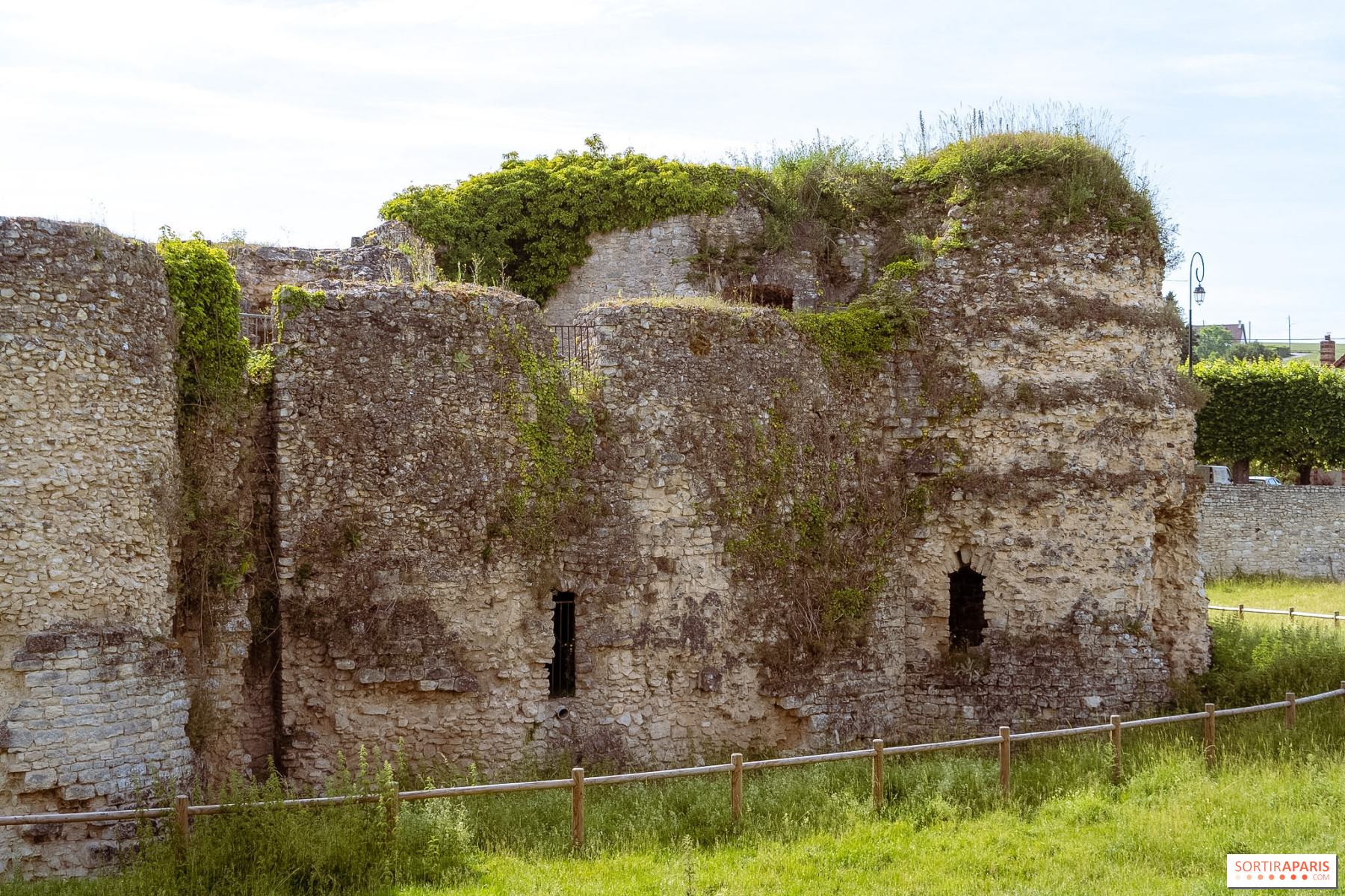
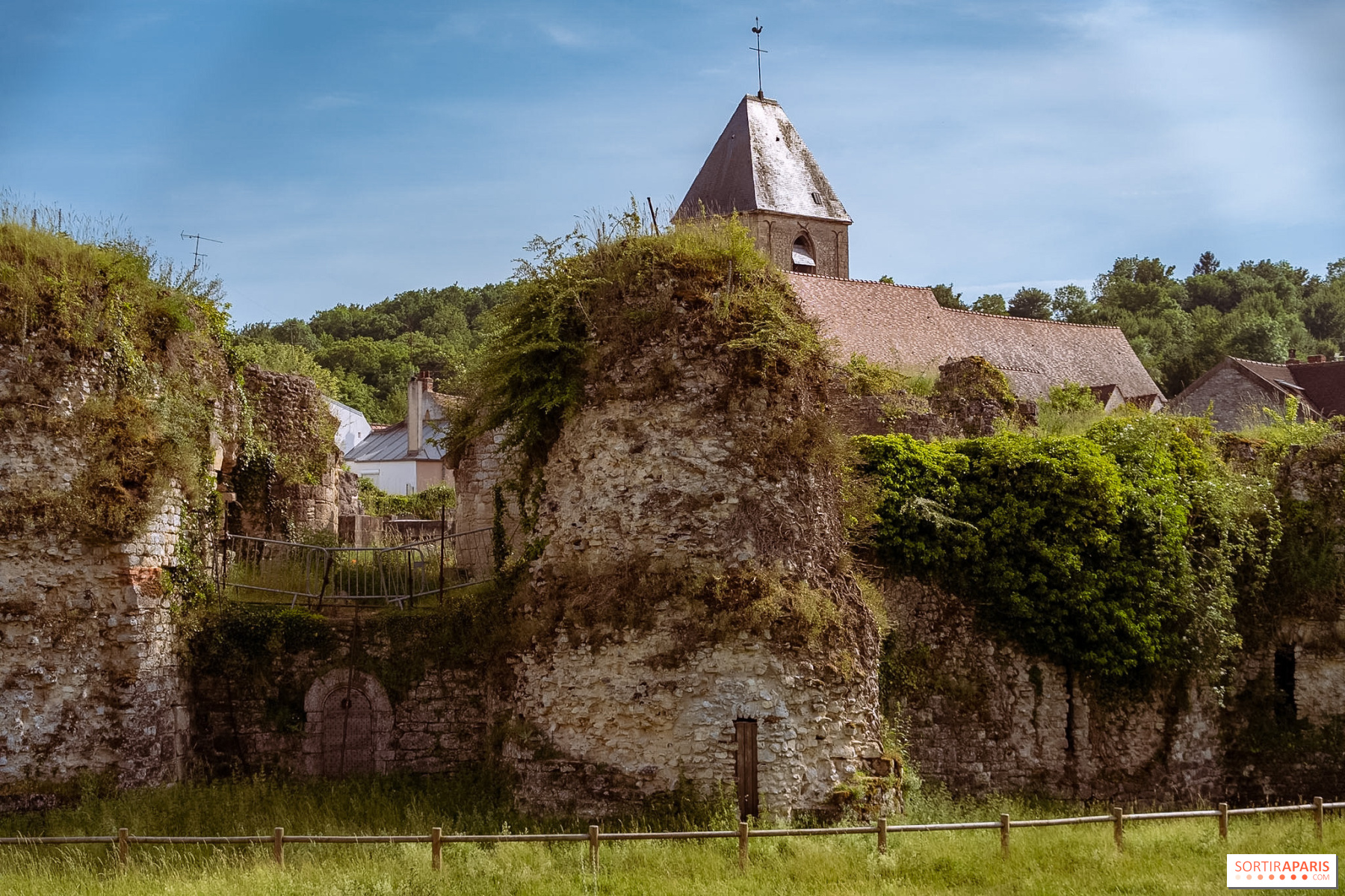
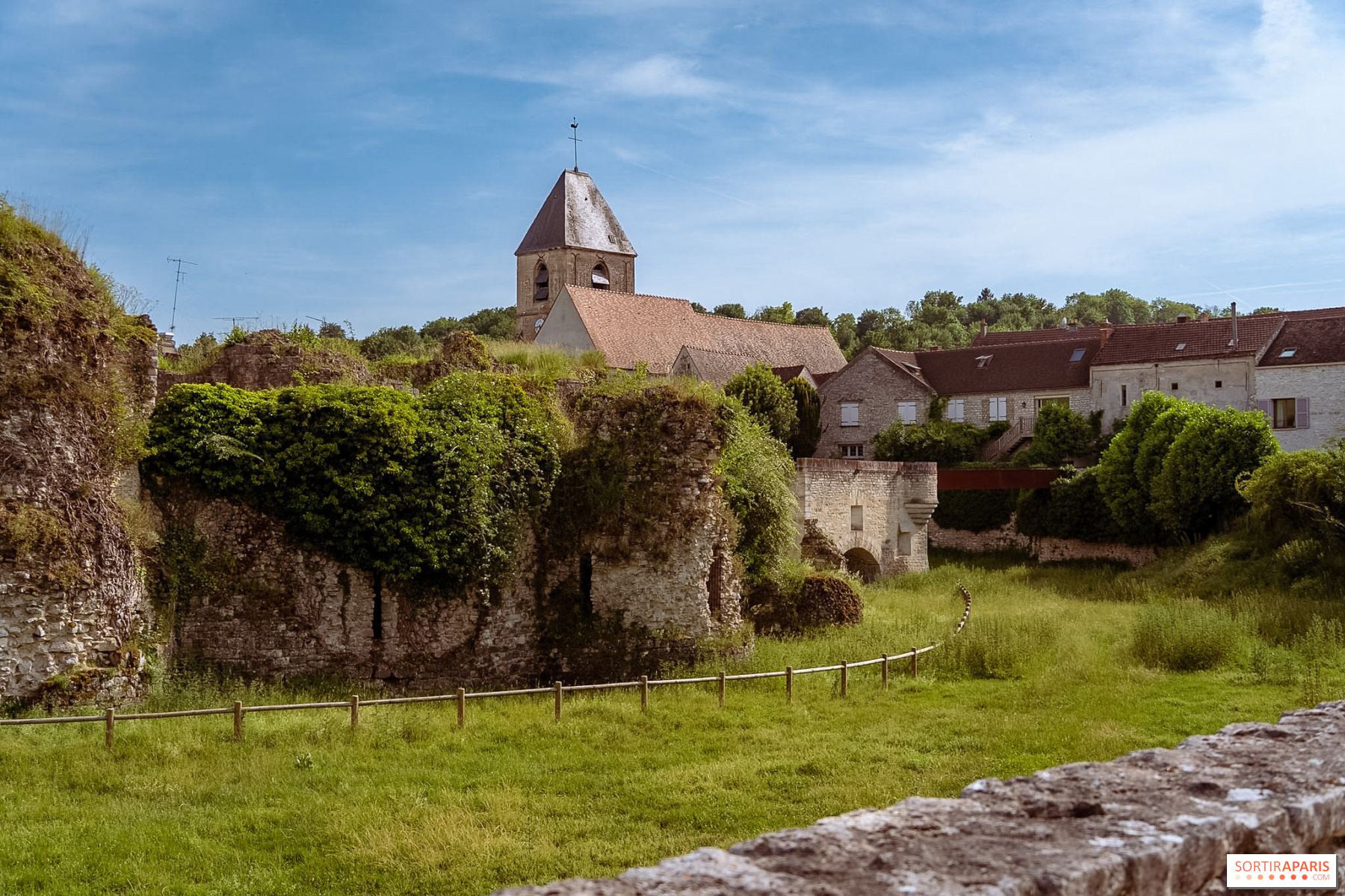
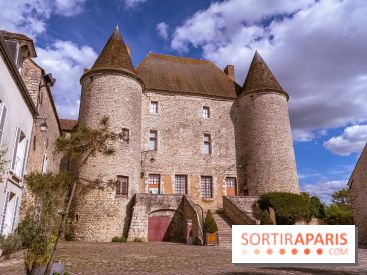
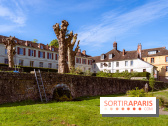
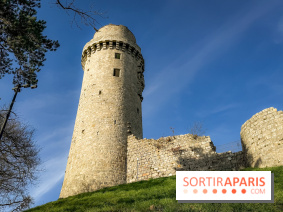
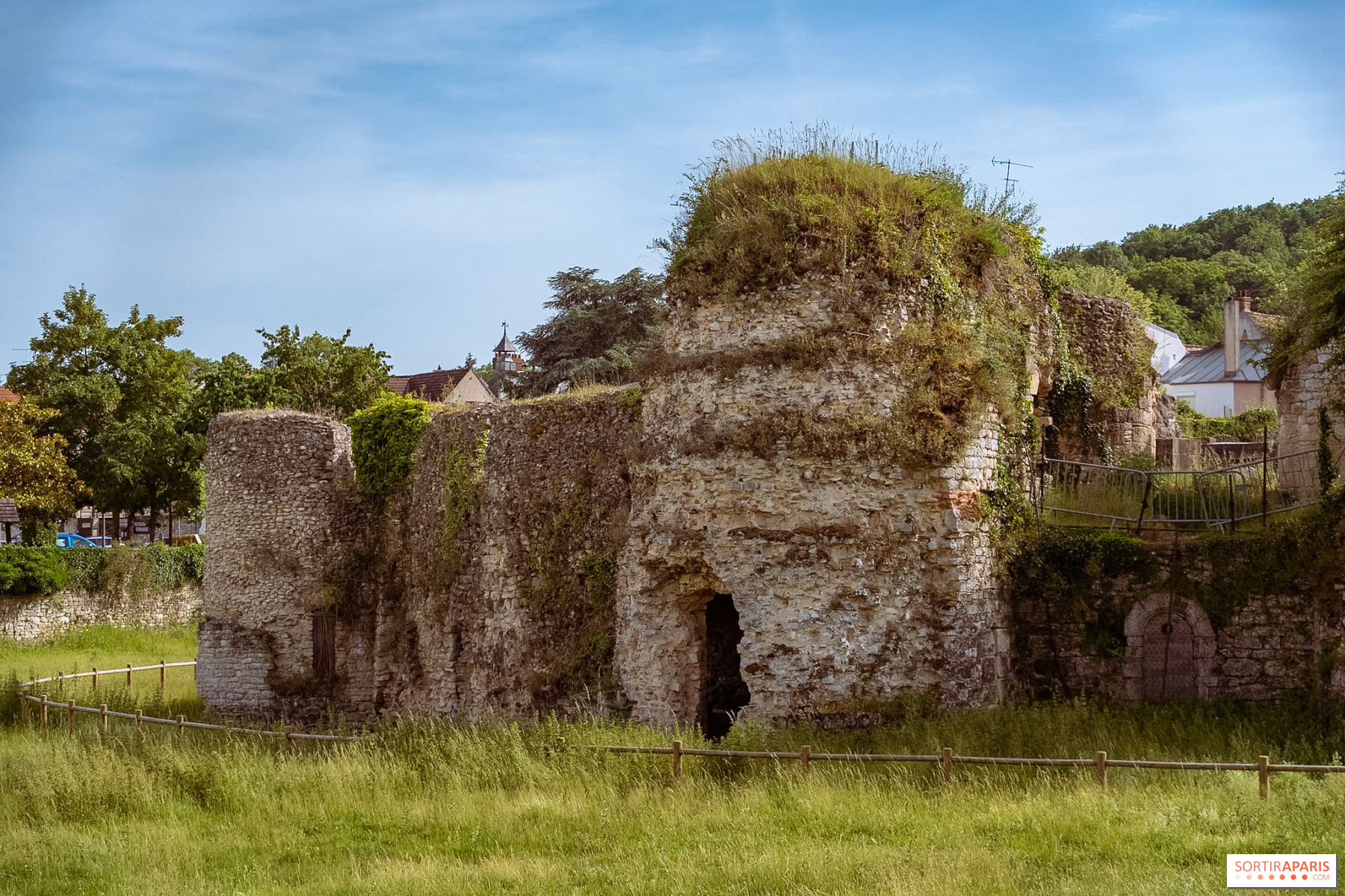
Built on an oval-shaped motte, the castle is enclosed by a defensive enclosure of nine towers, only the five smallest dating from the original stronghold. Unusually for the period, unlike fortresses usually perched high above the landscape, this one sits at the valley floor, surrounded by ditches up to 20 to 30 meters wide. A distinctive architectural feature that reflects a defense strategy unique to this site.
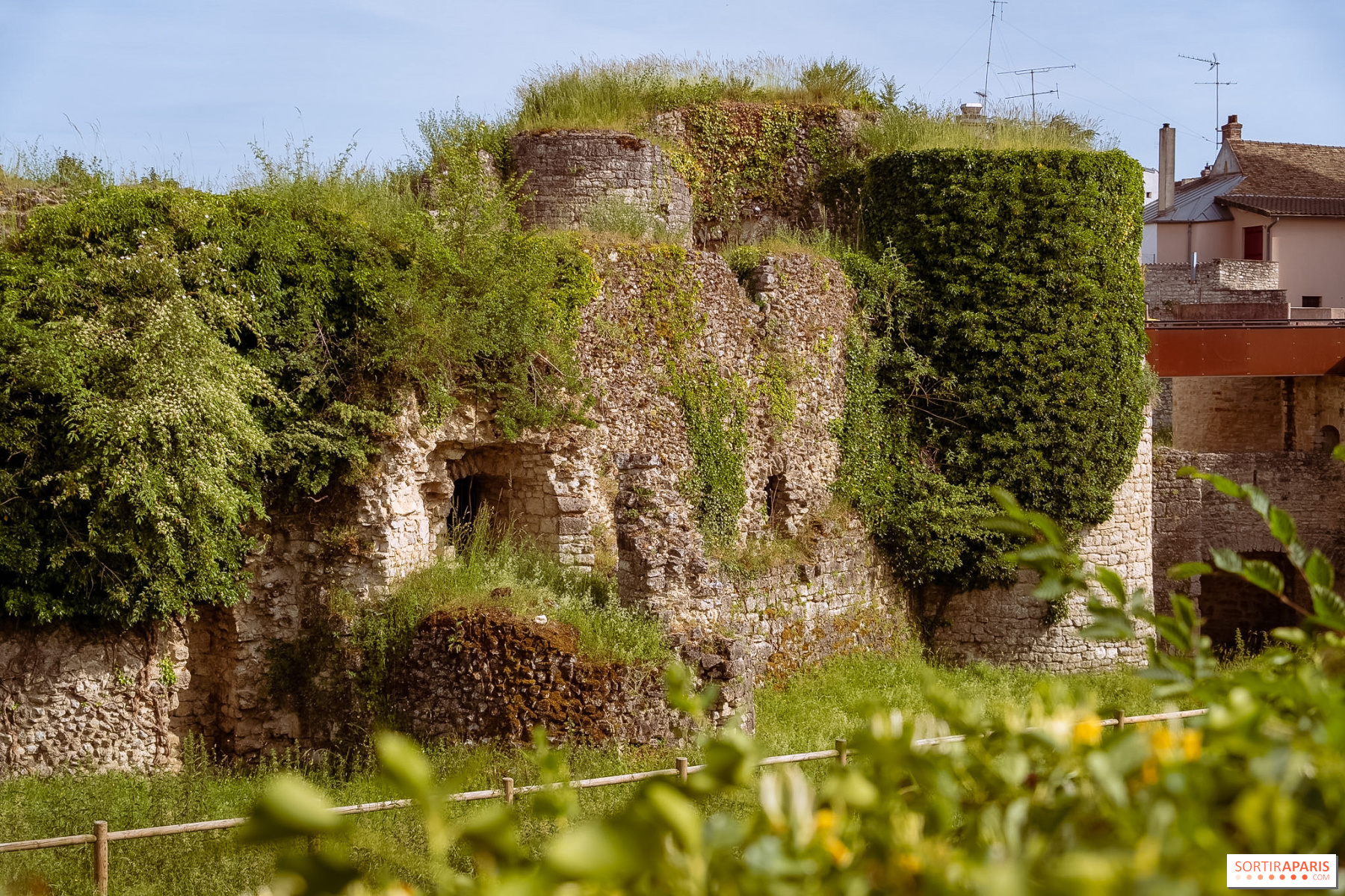
Between 1413 and 1416, the castle falls under the aegis of the d'Estouteville family, an influential Norman dynasty. It was Robert d'Estouteville who, around 1450, undertook a major transformation: the keep was razed, the fortifications adapted to the newly emerging artillery, and the residence made more comfortable. The Hundred Years' War, followed by the Wars of Religion, particularly virulent in the western Paris area, long justified maintaining the site's strategic value.
In 1530, Charles I of Luxembourg’s debts trigger the seizure of the estate. Guillaume Poyet, who would later serve as Chancellor of France, buys it. The castle then enters a new era: one dominated by royal advisers and the king’s favorites.
In 1556, Henry II gifted the Beynes estate to Diane de Poitiers, his favorite and one of the most influential figures at the French court. For her, the renowned architect Philibert de l'Orme— famed for designing the Château d’Anet and parts of the Château de Chenonceau— conceived two Renaissance pavilions grafted onto the medieval structure. The royal apartments were arranged upstairs, while Diane occupied the ground floor. The castle, once a fortress, would be transformed into an aristocratic retreat.
But Henry II died on July 10, 1559, before he could truly enjoy this residence. A fate suspended, as if carved in stone.
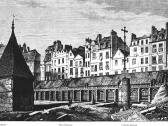
The 17th century saw the castle evolve into a gathering place for high society, before decline began to set in the following century. In 1732, the then-owner had part of the structure razed to reuse its materials. What remained was gradually overtaken by the surrounding vegetation.
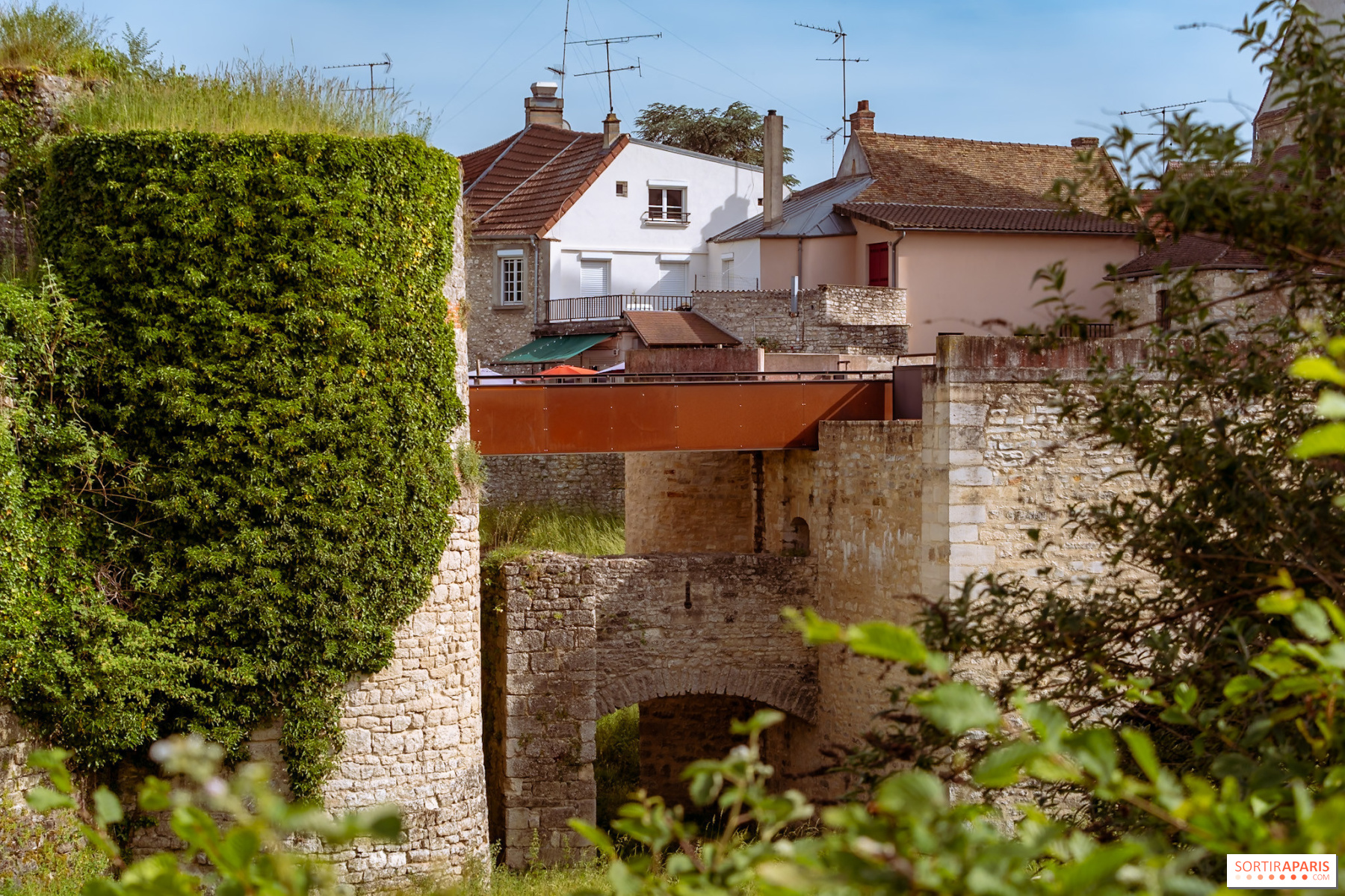
In 1967, the town of Beynes acquired the ruins and began safeguarding them. Registered as a Monument Historique in 1959 and later classified in 2014, the castle today operates under a multi-year restoration program led by Lympia Architecture, under the auspices of the Yvelines department. Work completed in March 2024 has safeguarded the masonry and cleared the castle’s main thoroughfare.
In the years ahead, the town of Beynes plans to reopen this central thoroughfare to the public in an educational, interpretive format, so that visitors can walk it as people did in the 15th century. A preliminary study has been commissioned from museographers Daniel Cléris, Jean-Michel Daubourg, and heritage architect Perrine Leclerc.
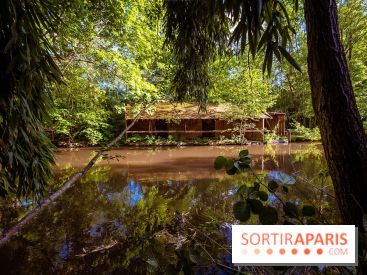
The fortress of Beynes can be explored freely starting from Place du 8 Mai 1945 in Beynes, less than 30 minutes from Versailles. The association Beynes Histoire et Patrimoine also offers guided tours, notably during the European Heritage Days. For fans of medieval heritage in Île-de-France, it’s a wonderful discovery to make, away from the crowds, just a short walk from the Beynes state forest.
Dates and Opening Time
From May 31, 2026 to December 31, 2029
Location
Beynes Castle
Place du 8 Mai 1945
78650 Beynes
Prices
Free
Recommended age
For all