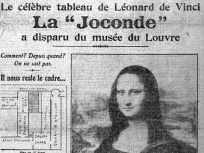
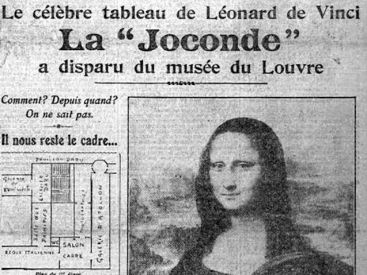
It all starts with an empty wall. On Monday, August 21, 1911, the Louvre is closed for the day when the Mona Lisa disappears. The next morning, the painter Louis Béroud arrives at the museum: a familiar figure there, he has authorization to work in the galleries and plans to paint Leonardo da Vinci’s famous portrait.
In its place, he finds only four hooks. He initially assumes that the museum's photographers have temporarily moved the work. It takes a while before the unthinkable is admitted: The Mona Lisa has indeed vanished from the Louvre!
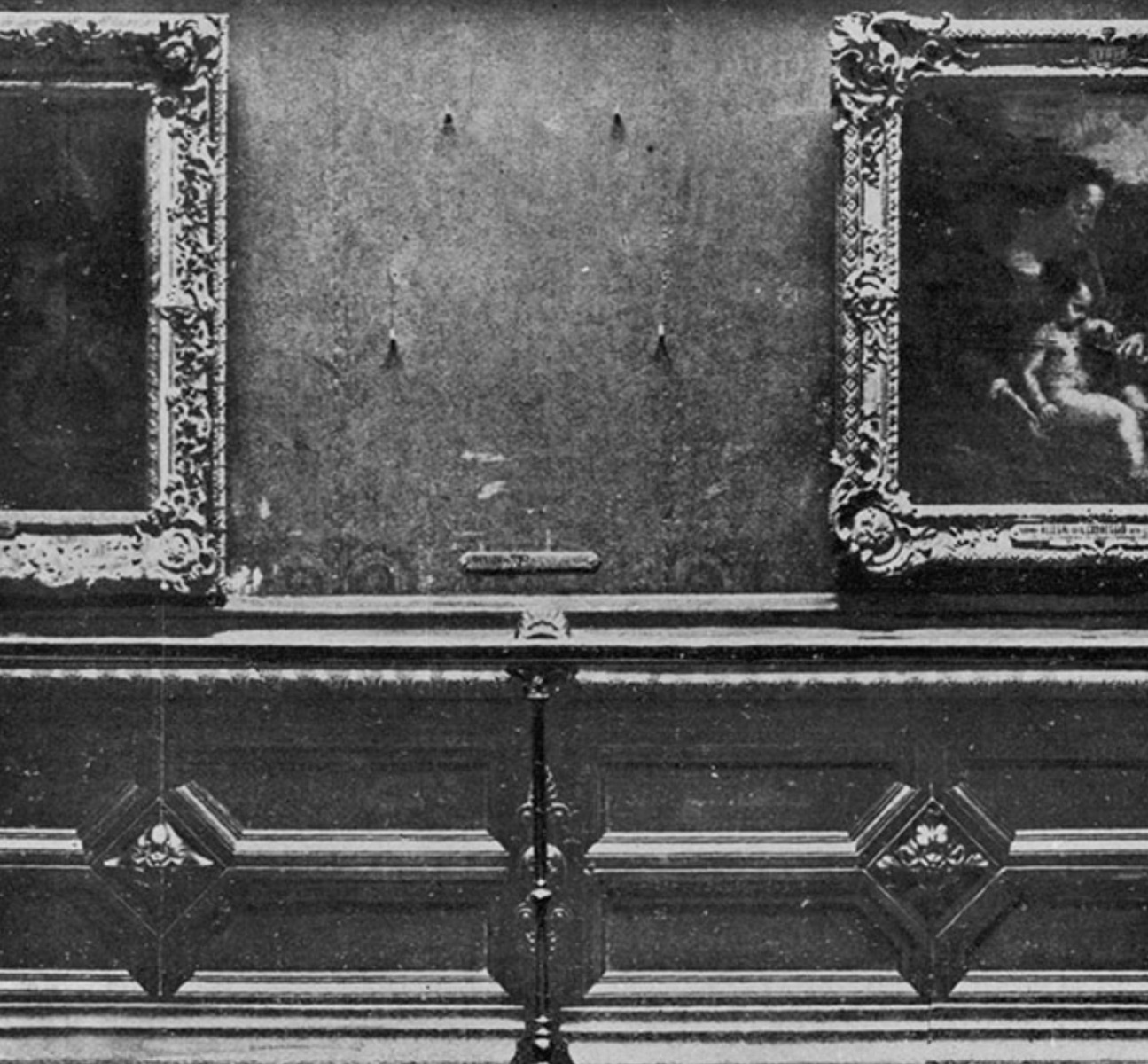
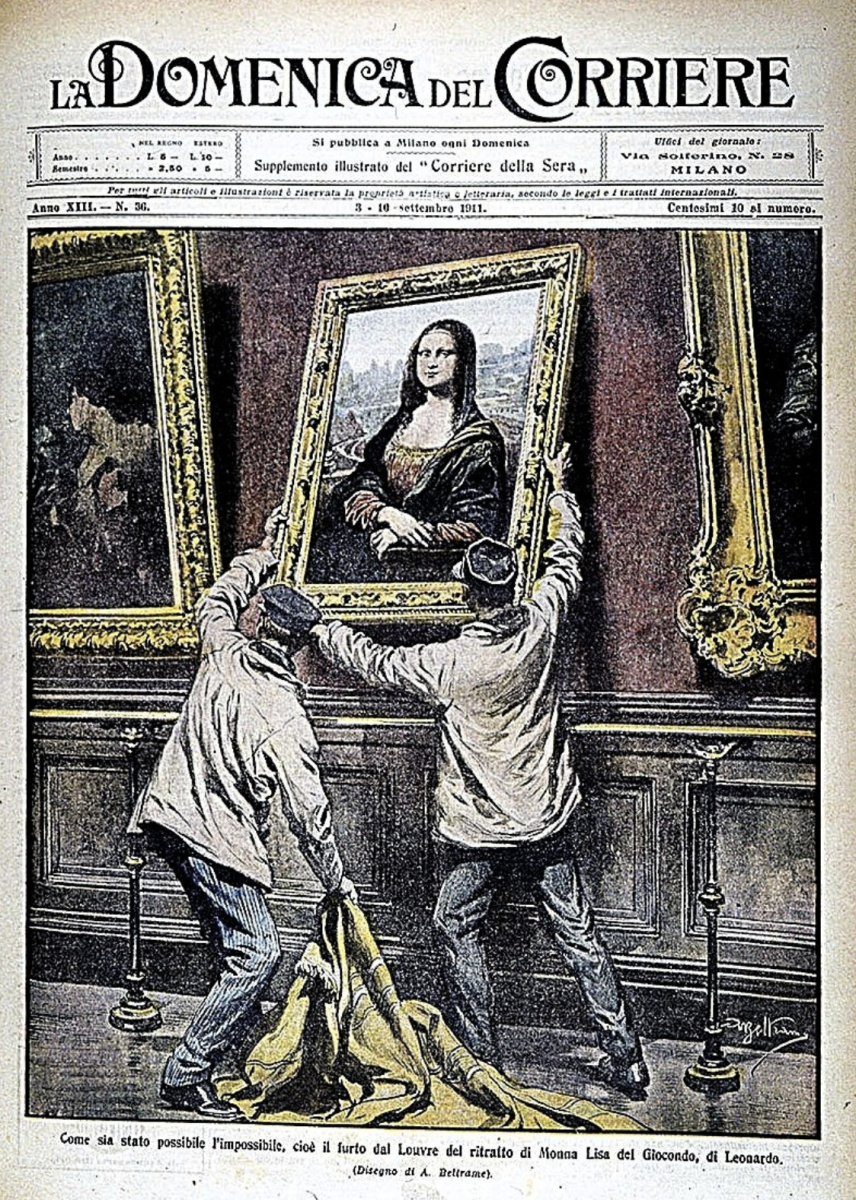
The scandal is immense, and the museum shuts its doors during the investigations. The case floods the papers and captivates Paris. How could a painting from the national collections have slipped out of the Louvre? Investigators pursue several leads, while the press quickly turns the theft into a serial feature. And it’s through another theft, committed several years earlier, that Guillaume Apollinaire will find himself drawn into the affair.
The poet has for some time been consorting with a far less commendable figure: Honoré Joseph Géry Pieret, a Belgian adventurer who briefly served him as secretary. Pieret has a habit that suddenly takes on a whole new significance: he has already stolen antiquities from the Louvre, these thefts dating from before the Mona Lisa robbery!
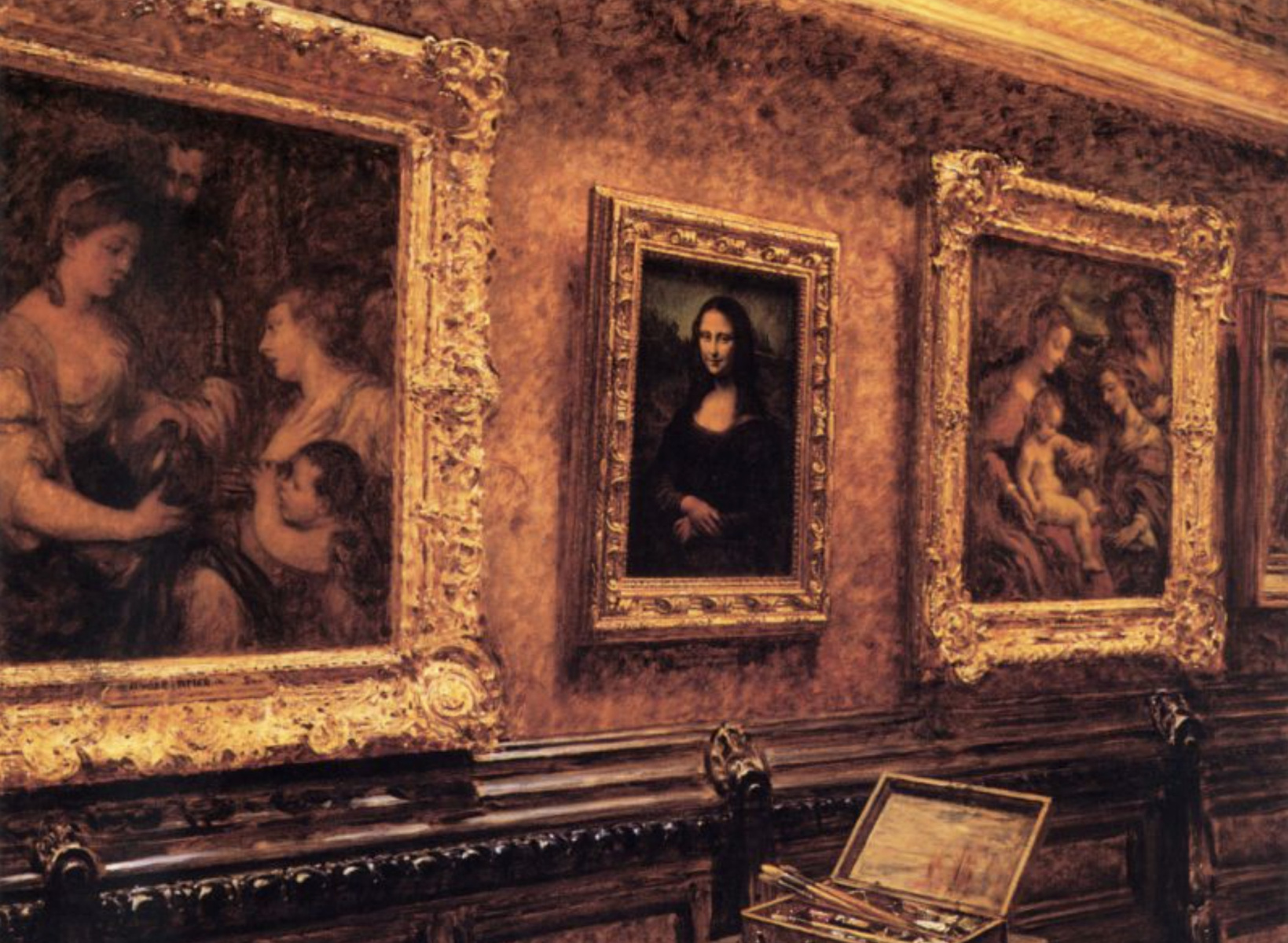
Around 1907, Pieret secretly pilfers small Iberian sculptures from the museum. Some end up in the hands of Pablo Picasso, close to Apollinaire and then amid a radical artistic upheaval. One of these sculptures is even said to have counted among the numerous visual references surrounding the genesis of the Demoiselles d'Avignon! No one at the time could have imagined that these objects would, a few years later, land the poet and the painter back in the crosshairs of the law.
When the Mona Lisa disappears, Pieret resurfaces. At the end of August 1911, he reaches out to the newspaper Paris and claims to have already stolen objects from the Louvre. To prove it, he hands the paper an antique statuette that indeed came from the museum's own holdings. He also explains that he sold other items he had lifted, but the case suddenly takes on a much larger dimension.
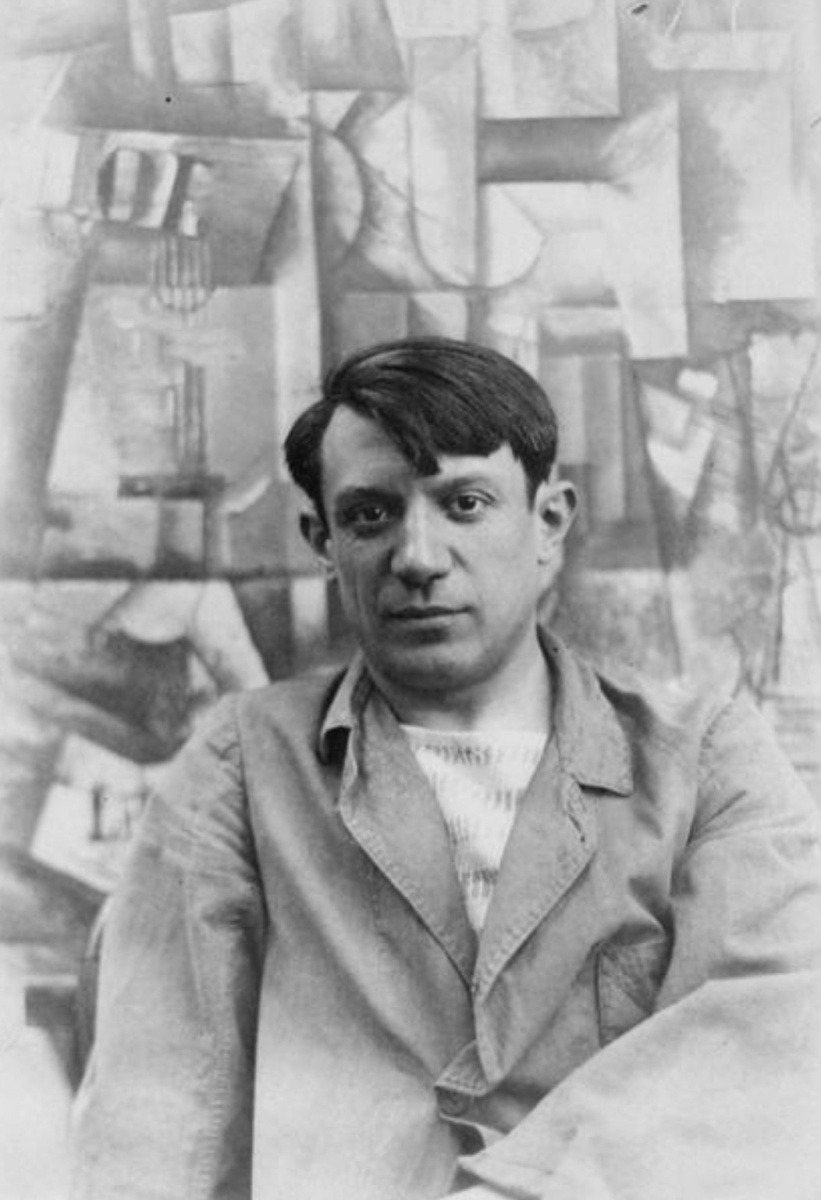
The editors of Paris publish the thief’s revelations and return the object to the Louvre. Police are now trying to identify the people who received the other antiquities, and Guillaume Apollinaire knows Pieret inside out. Even more troubling, he knows that Picasso owns sculptures from the museum. The two friends then grow afraid.
The episode has often been told with a nearly burlesque tone: Picasso and Apollinaire, panic-stricken at the thought of being compromised, reportedly considered getting rid of the statuettes by tossing them into the Seine. Behind the once-famous anecdote lies, however, a far less amusing reality for them: owning artworks stolen from the Louvre at the very moment when the entire Parisian police force is hunting for the museum’s most famous painting places them in a distinctly uncomfortable position.
The sculptures are eventually handed back to the newspaper, but Apollinaire's name is already known to the investigators. On September 7, 1911, the case comes knocking at his door. In the evening, two officers from the Sûreté, Detective Chief Inspector Robert and Brigadier Coste, appear at his Paris home. They hold a rogatory commission from examining judge Joseph-Marie Drioux, who is in charge of the Mona Lisa disappearance inquiry. A search is carried out: the police are notably looking for other objects that might originate from the Louvre.
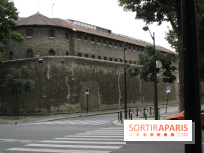
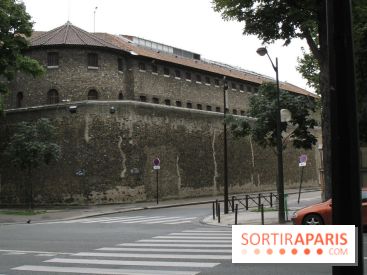
The sequence leads Apollinaire to the Palais de Justice, then behind the walls of the prison de la Santé, in the 14th arrondissement. The recovered judicial documents allow for unusually precise detail today. The Santé prison register carries the number 123. On folio 73 appears the file opened under the name Kostrowitsky, the poet’s birth surname. The entry date is September 7, 1911, and, most importantly, the legal reason is stated in black and white: complicity in theft.
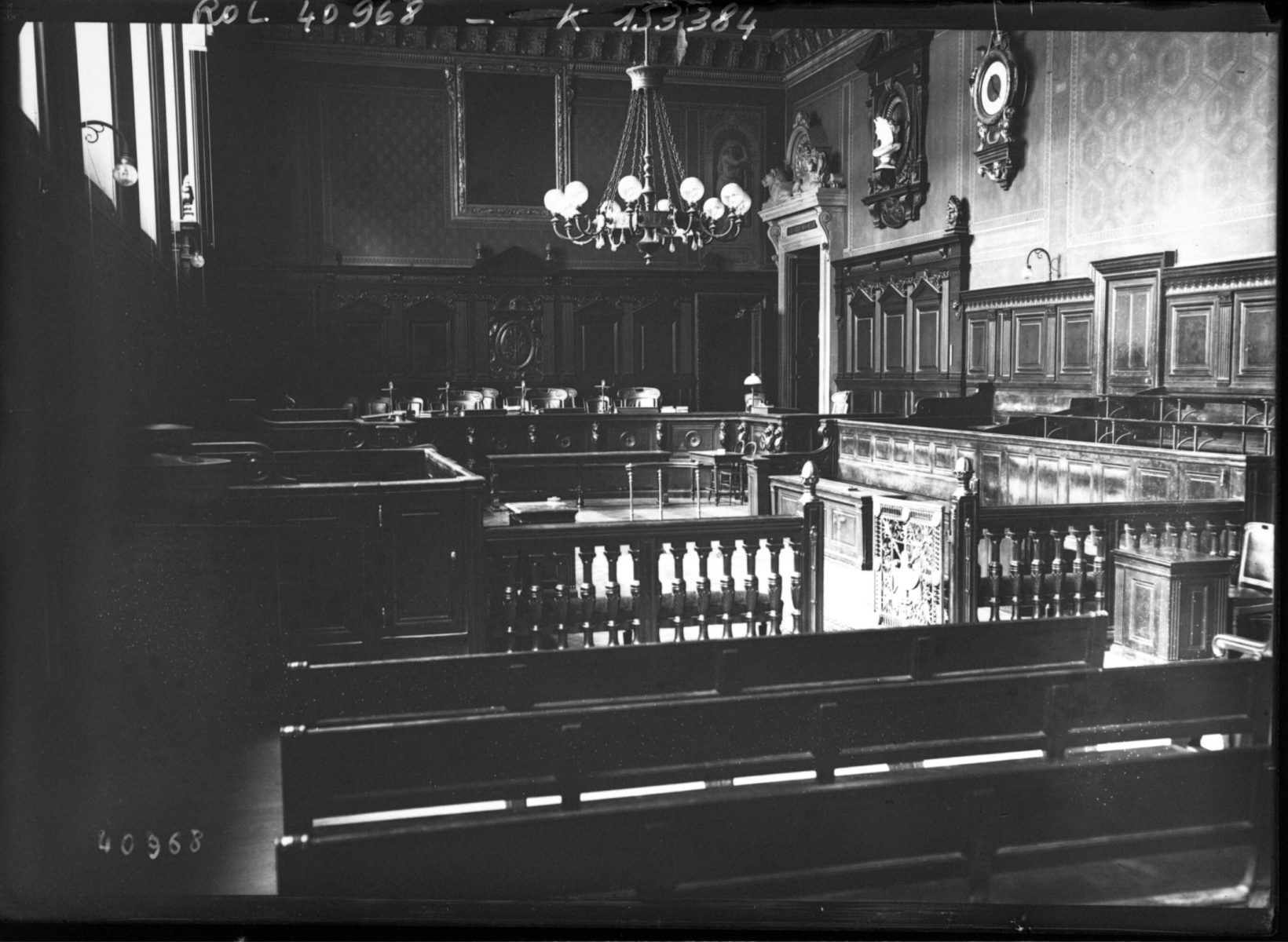
Nevertheless, one should beware of the phrasing often used to sum up the episode: Apollinaire was not arrested because the police believed they had proven he stole the Mona Lisa. The Mona Lisa inquiry sets the context that triggers the searches, but the concrete suspicions surrounding the poet arise from his dealings with Pieret and the statuettes that were actually stolen from the Louvre.
That said, for Apollinaire, the legal nuance changes little at the threshold of his cell. He is imprisoned in the 11th Santé division, cell 15. The stint is short, but brutal. The man who mingled with the Montmartre painters, wrote about modern art and took part in the Parisian avant-gardes suddenly finds himself subject to prison rules, rigid schedules and isolation.
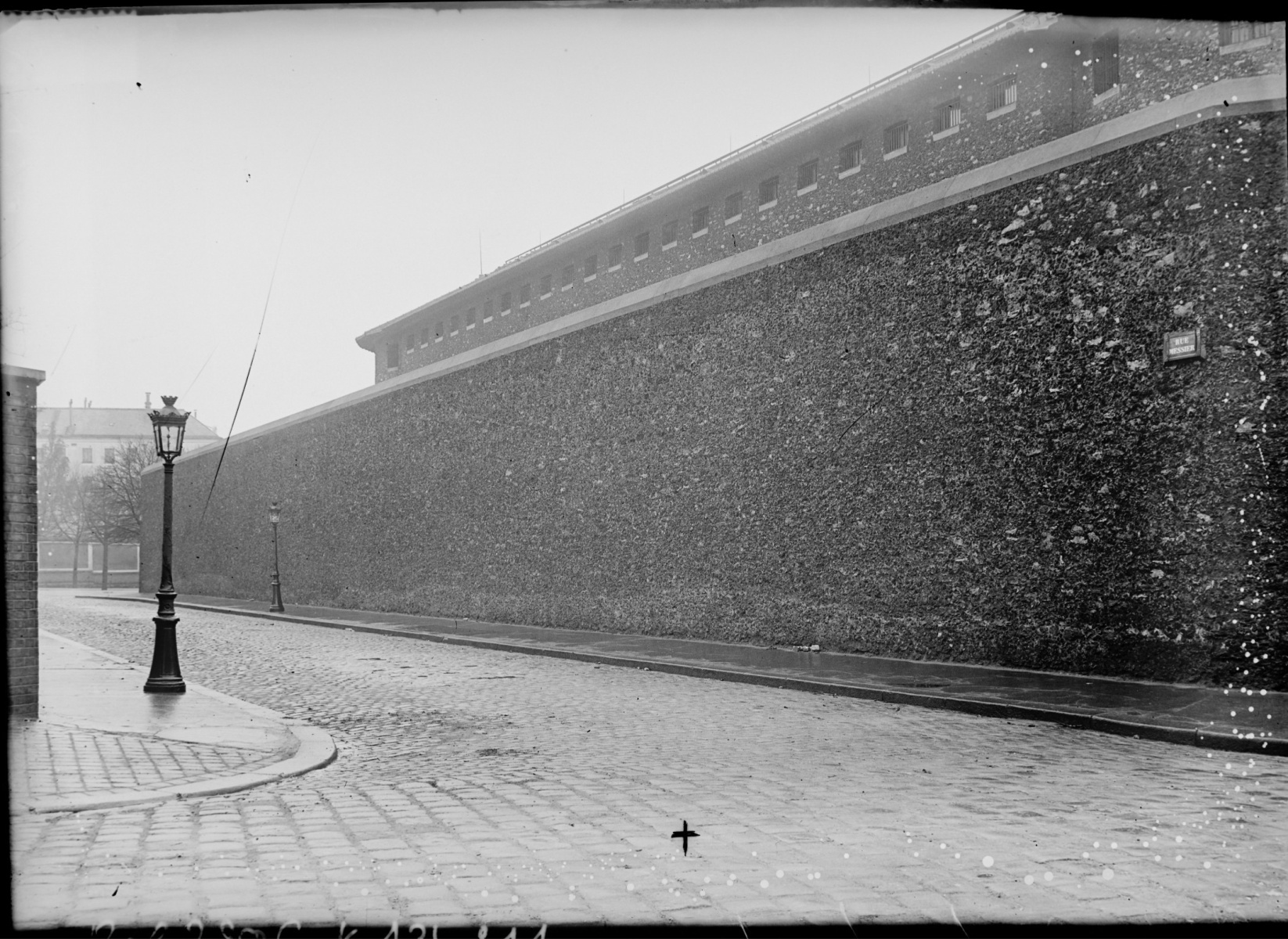
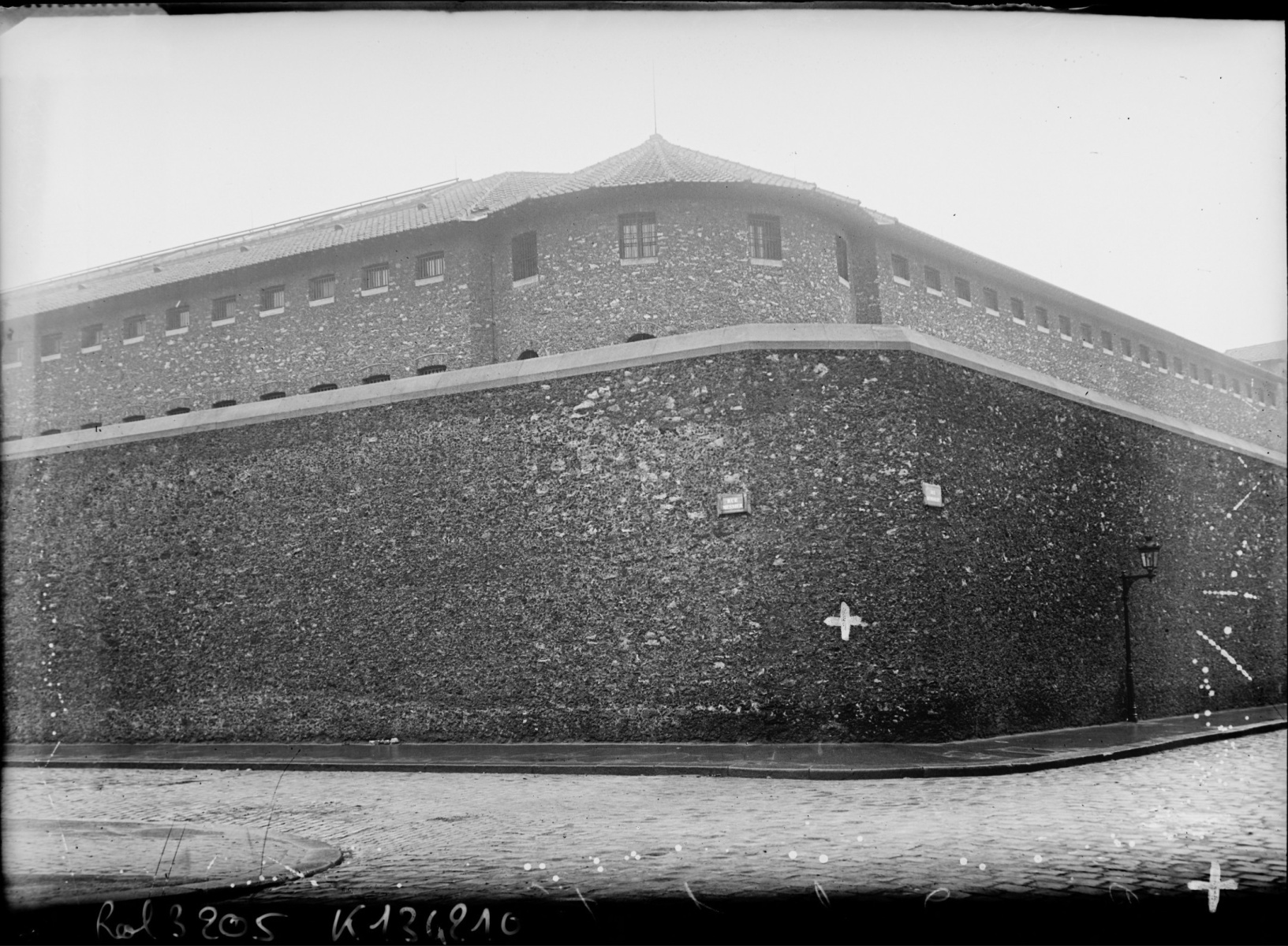
The prison de la Santé wasn't very old at the time. Opened in 1867, it was designed by architect Émile Vaudremer and stands as one of the great Parisian cellular prisons of the 19th century. When the poet entered in September 1911, it had long been a fixture in the southern Paris landscape.
He will then recount his nocturnal arrival at the prison. Criminocorpus, which has reconstructed these days from the inmate register, penitentiary regulations, his correspondence, and the press, estimates his entry into La Santé around 11 p.m. or midnight. And the psychological shock seems profound.
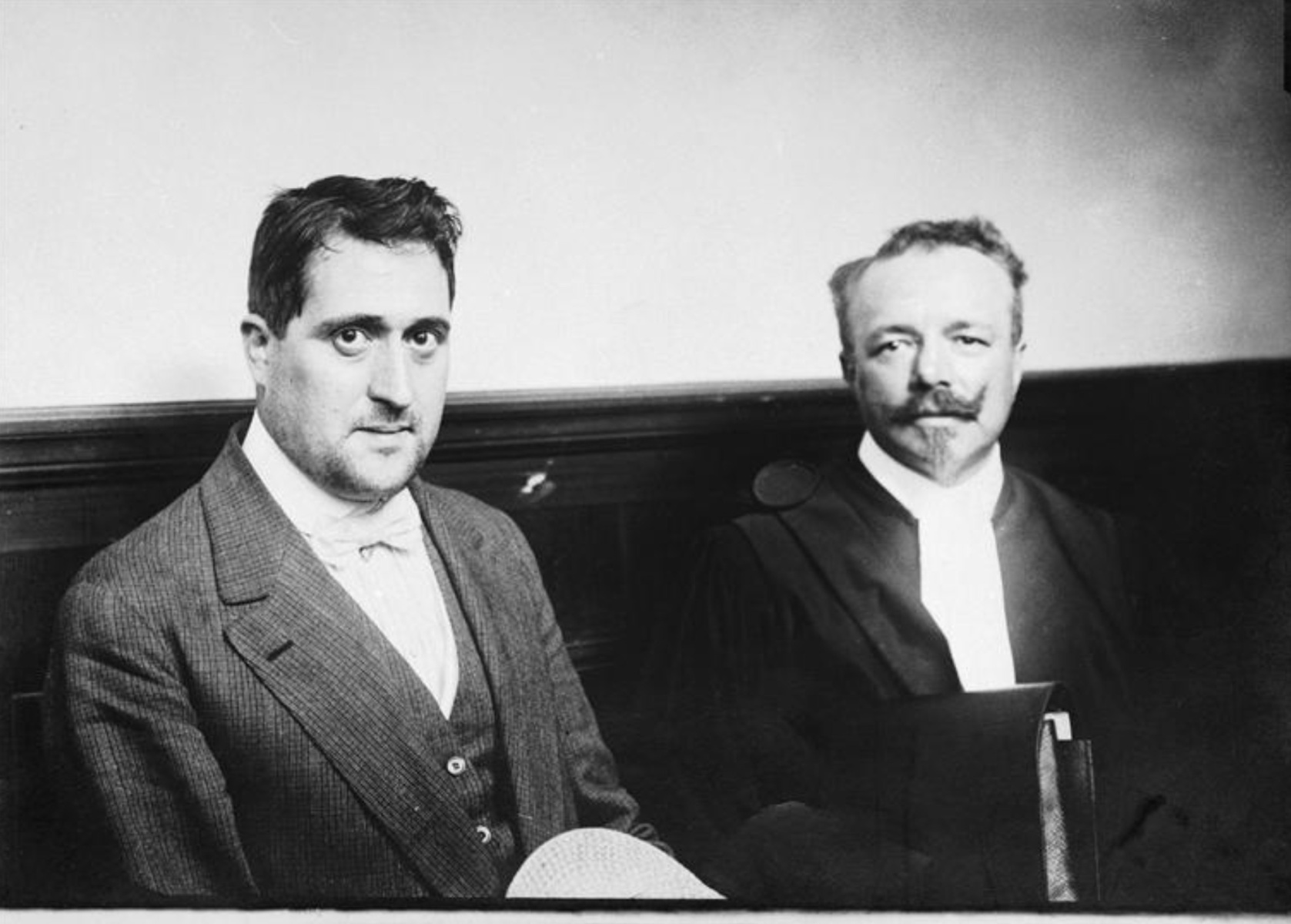
The man arrested is not yet the Apollinaire who will be enshrined in the pantheon of French literature. Born in Rome in 1880 under the name Wilhelm Albert Włodzimierz Apolinary de Kostrowicki, he lives in France but does not yet possess French citizenship. In the unsettled climate of the era, his foreign status and his foreign-sounding name make his imprisonment especially troubling for him. His friends rally to his defense.
In the days that follow, a committee presses for his release, his brother Albert tries to visit him, his lawyer intervenes. The press follows every twist in the case, sometimes with a ferocity that directly harms the poet's reputation. Meanwhile, Apollinaire is writing. The prison will yield one of the most astonishing literary offshoots of the Mona Lisa affair: the poetic sequel “To Health”.
Texts come to life at least in part during his detention, even though manuscript research shows we should avoid imagining the poem’s six sections laid out in a single stroke behind bars. Apollinaire writes, revises, crosses out, and reshapes his verses; several manuscripts are dated September 1911. The sequence would eventually be folded into Alcools, published in 1913.
The outside world of Paris keeps seeping into his cell through the noise. In the poem, the city exists behind the walls, out of reach for the prisoner. The link between the carceral experience and the poetic invention is strong enough to keep this handful of days permanently tied to his body of work.
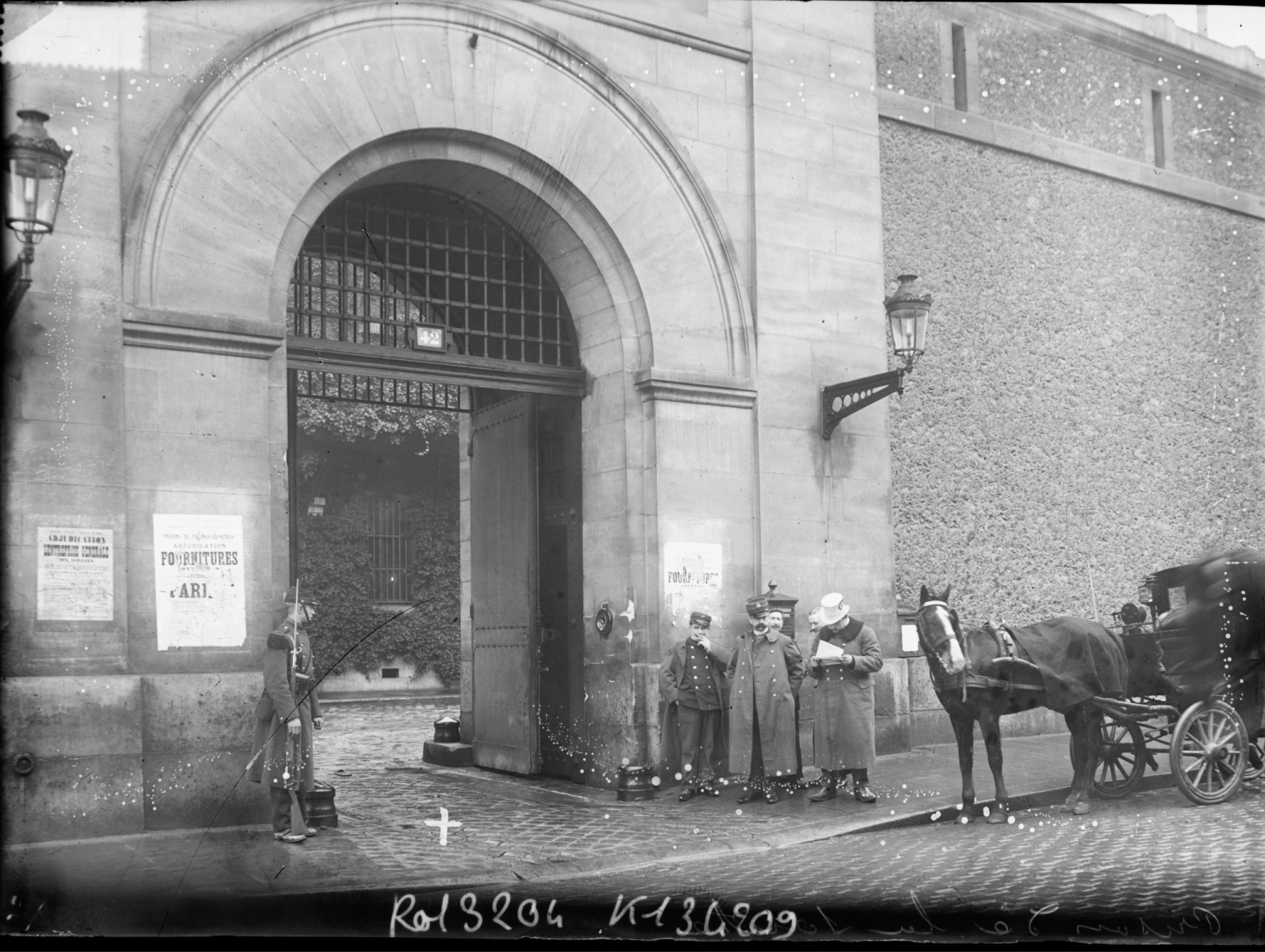
Guillaume Apollinaire was held at La Santé from 7 to 12 September 1911. After five days in custody, he was released on provisional liberty. By 14 September, he recounts his experience in Paris under a title of thoroughly literary irony: “Mes prisons”. And Picasso in all this?
The painter is also questioned as part of the case. Legend has it that a particularly harrowing confrontation unfolded between the two men, with a Picasso terrified at the thought of being implicated. Yet no evidence ties Apollinaire or Picasso to the theft of the Mona Lisa, and for a very good reason: the thief is elsewhere!
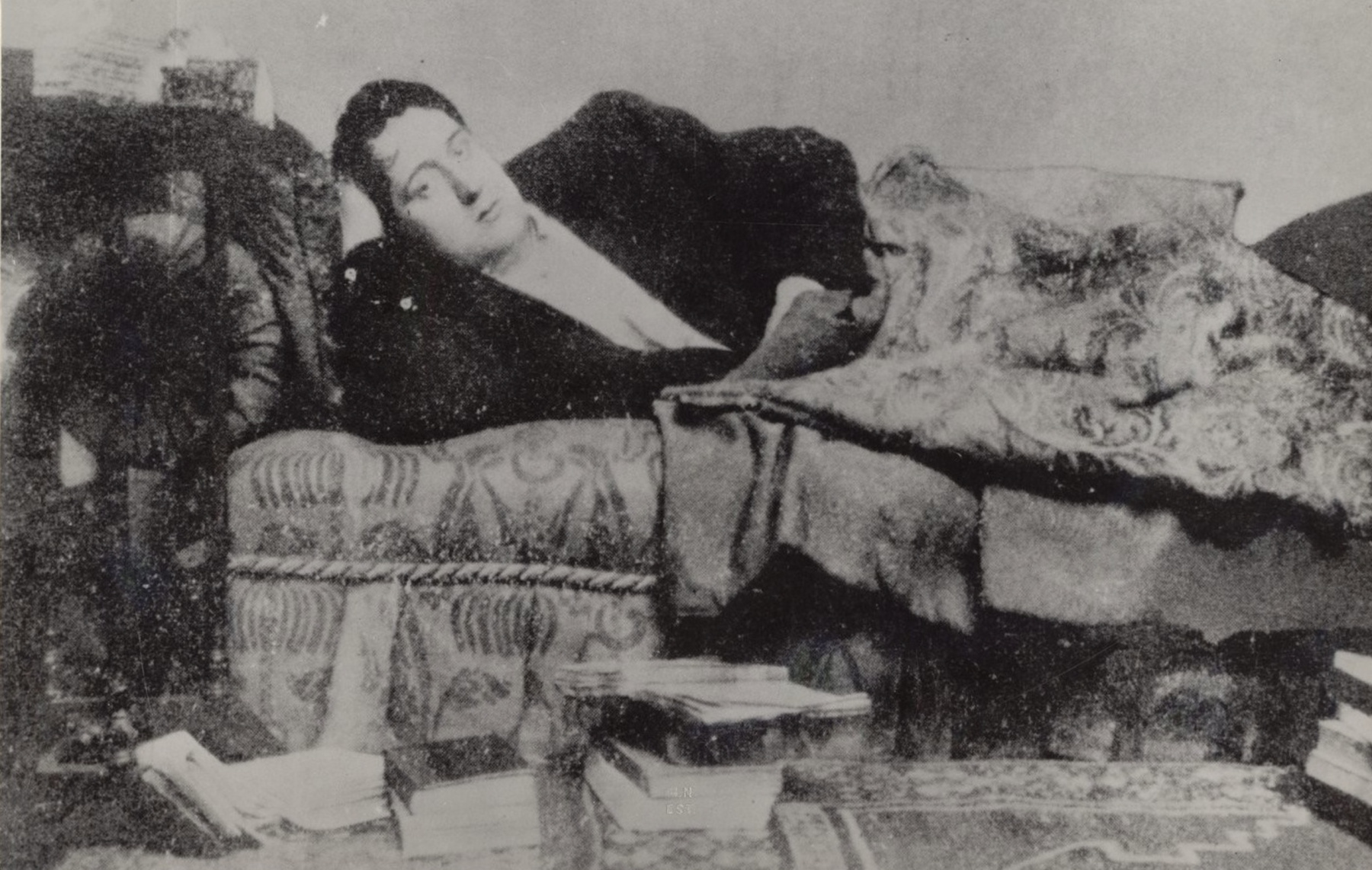
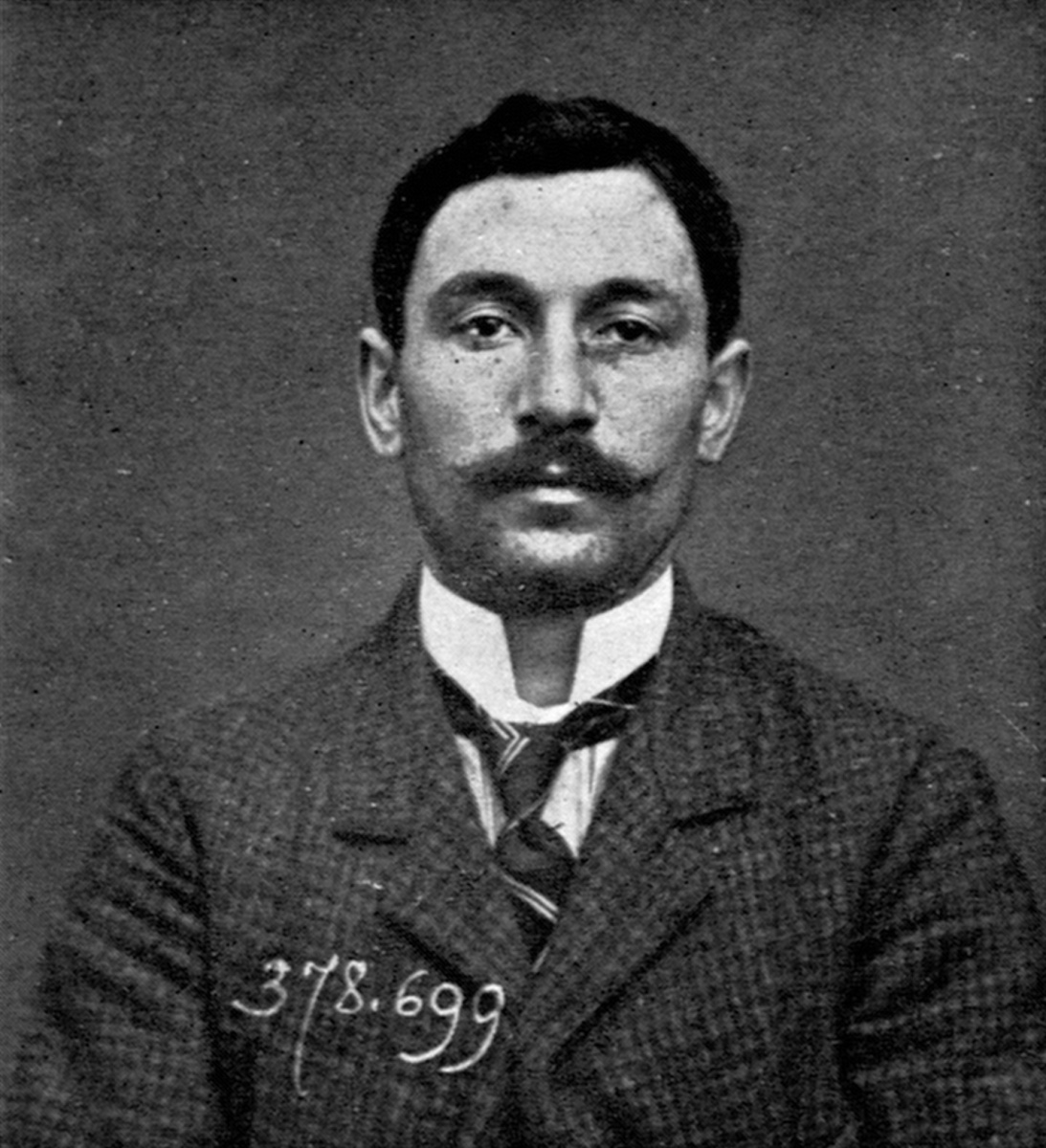
While Paris suspects anarchists, adventurers, foreigners and figures of the avant-garde, the Mona Lisa is hidden with a man who knows the Louvre inside out. His name is Vincenzo Peruggia.
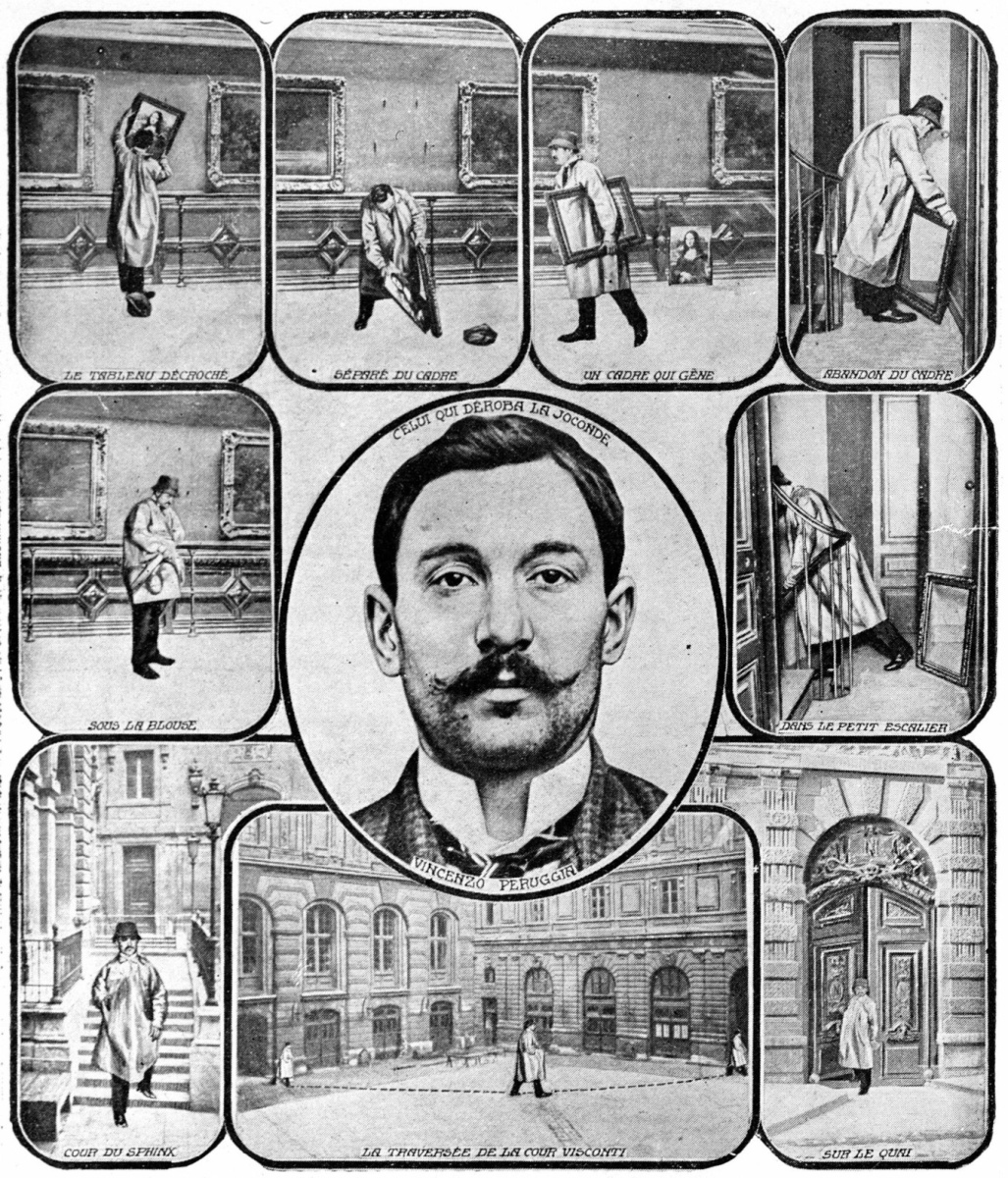
Italian worker, Peruggia had worked for a company tasked with installing glass protections on select works in the museum. He knew the premises and how it operated. On August 21, 1911, he managed to detach La Joconde, remove it from its frame, and leave the Louvre with the painting in hand. The painting remained missing for more than two years.
It was only in December 1913, in Florence that Peruggia tried to hand the work to an Italian art dealer, Alfredo Geri. He alerted the authorities: the Mona Lisa was authenticated, exhibited for a while in Italy, then returned to France. It ultimately returned to the the Louvre in January 1914. In the meantime, the theft gave it worldwide publicity.
The Mona Lisa was of course already regarded as a major work by Leonardo da Vinci before 1911, but its disappearance, the photographs of its empty spot, the newspaper headlines, the international police investigation and its triumphant return all powerfully helped to build the exceptional popular fame she enjoys today!
But for Apollinaire, the consequences don’t end with his release from prison. The intimate wound remains a stain on his record. A few years later, when World War I breaks out, the poet asks to enlist in the French army. He ultimately obtains his naturalization in March 1916, just a few days before being struck in the head by a shell fragment on the front. He dies in Paris on 9 November 1918, a victim of the Spanish flu, at only 38.
His short spell at La Santé nonetheless sums up almost single-handedly the artistic Paris of the early 20th century in its most electric form. And perhaps the juiciest twist remains this reversal: in September 1911, the Louvre had Apollinaire jailed over artworks illicitly removed from its collections, and a century later, the same museum is exhibiting and studying the avant-garde of which the poet was one of its strongest advocates!
For further reading:
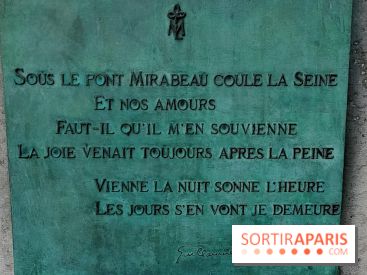
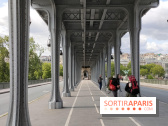
A stroll in the footsteps of Guillaume Apollinaire in Paris, a poetic stroll & the murmur of the Pont Mirabeau
From his homes in Montmartre to the Pont Mirabeau, discover Guillaume Apollinaire's footsteps in the streets of Paris. [Read more]
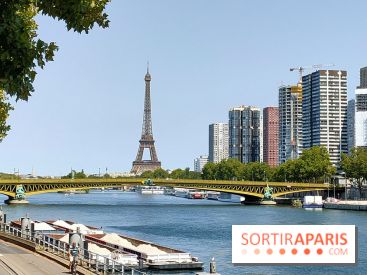
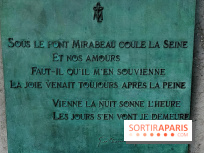
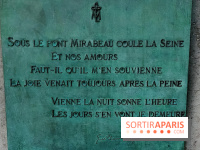
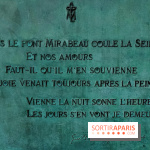
Immortalized by Guillaume Apollinaire, the Pont Mirabeau is one of the most famous bridges in Paris. Made entirely of metal, it offers magnificent views of the capital. [Read more]
This page may contain AI-assisted elements, more information here.
Dates and Opening Time
On September 7, 2026
Location
Prison de la Santé
42 Rue de la Santé
75014 Paris 14
Route planner











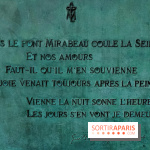
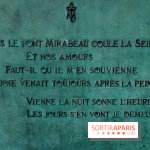
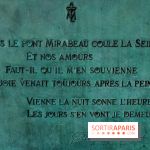 A stroll in the footsteps of Guillaume Apollinaire in Paris, a poetic stroll & the murmur of the Pont Mirabeau


 The Mirabeau Bridge, Paris’s iconic bridge that inspired one of France’s most famous poems.