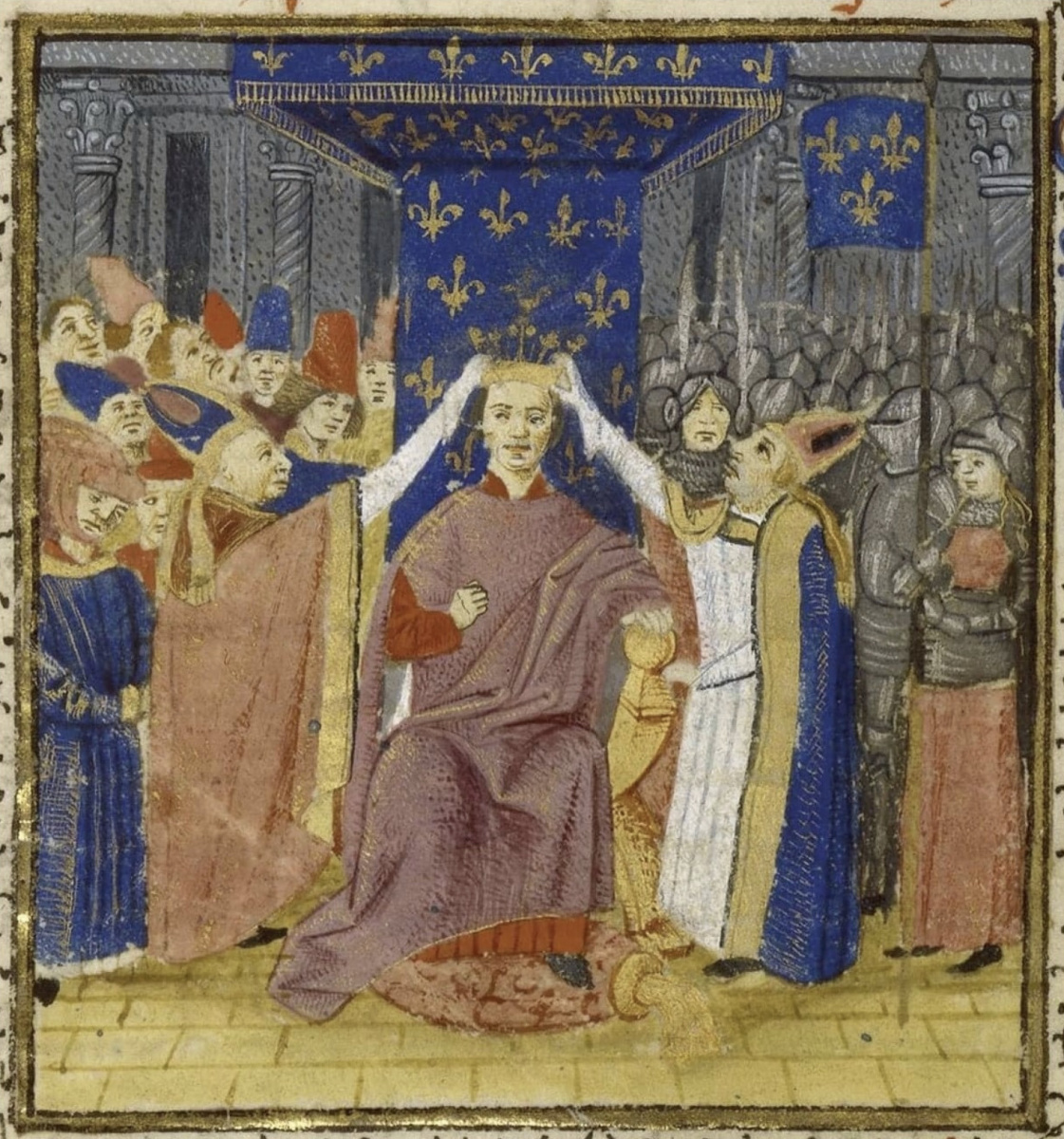
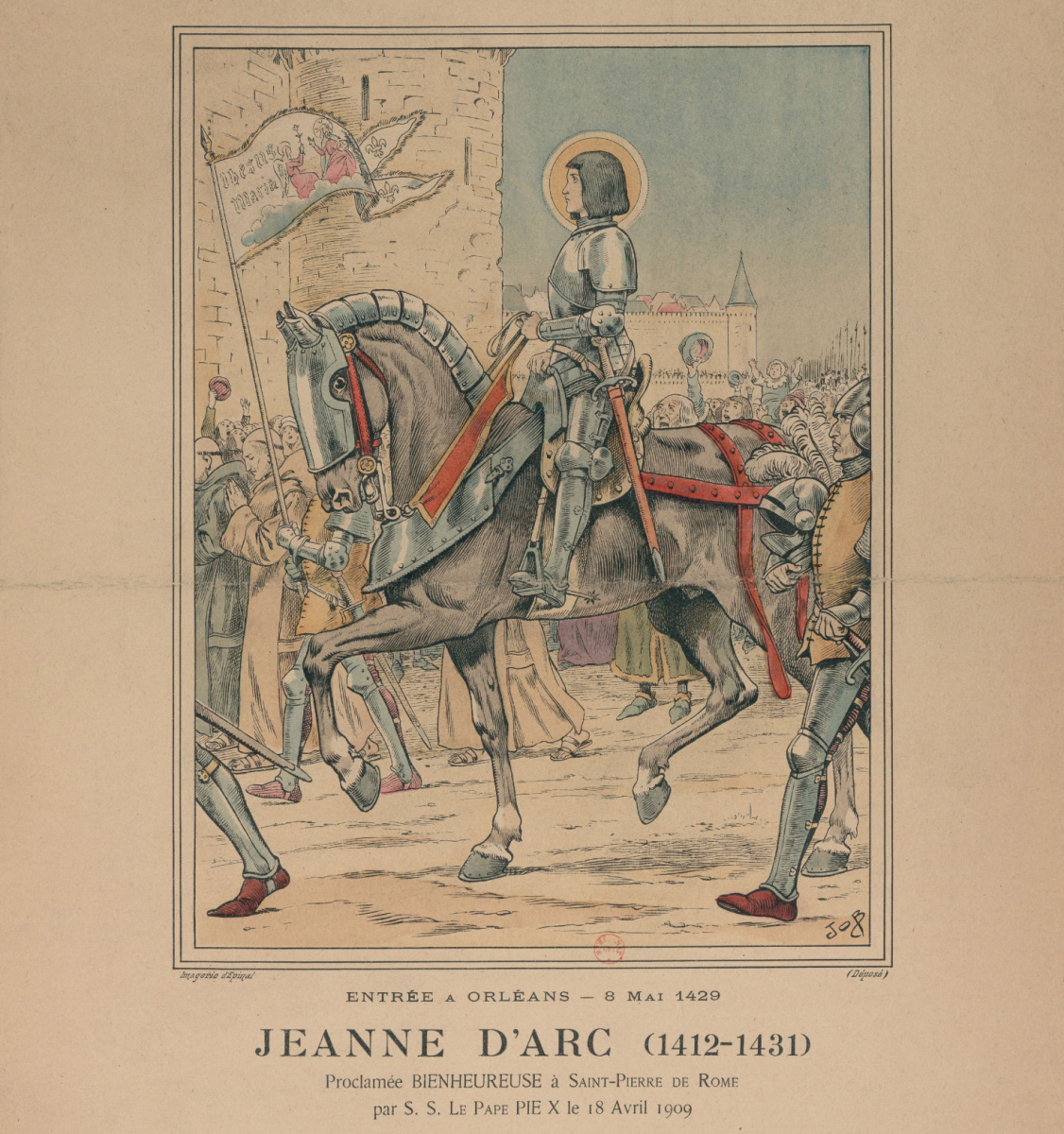
In that summer of 1429, almost everything seems to be working for Joan of Arc. On May 8, Orléans was lifted from the English siege; in June, the Loire campaign allows the French to regain several strategic positions; then comes the objective that had looked improbable just months earlier: to escort the Dauphin Charles to Reims, in territory largely controlled or threatened by his enemies, so that he could be crowned there. On July 17, 1429, Charles VII is crowned king of France in the cathedral of Reims.
One glaring anomaly remains: the King of France still does not control Paris! The capital has eluded the Armagnacs since 1418, the year when the Burgundians seized power there in a bloodbath. Then the Treaty of Troyes in 1420 and Charles VI's death in 1422 placed the city in the orbit of the double monarchie franco-anglaise. Paris then recognizes Henri VI d'Angleterre as king of France and England, while his uncle, the Duke of Bedford, holds the régence française.
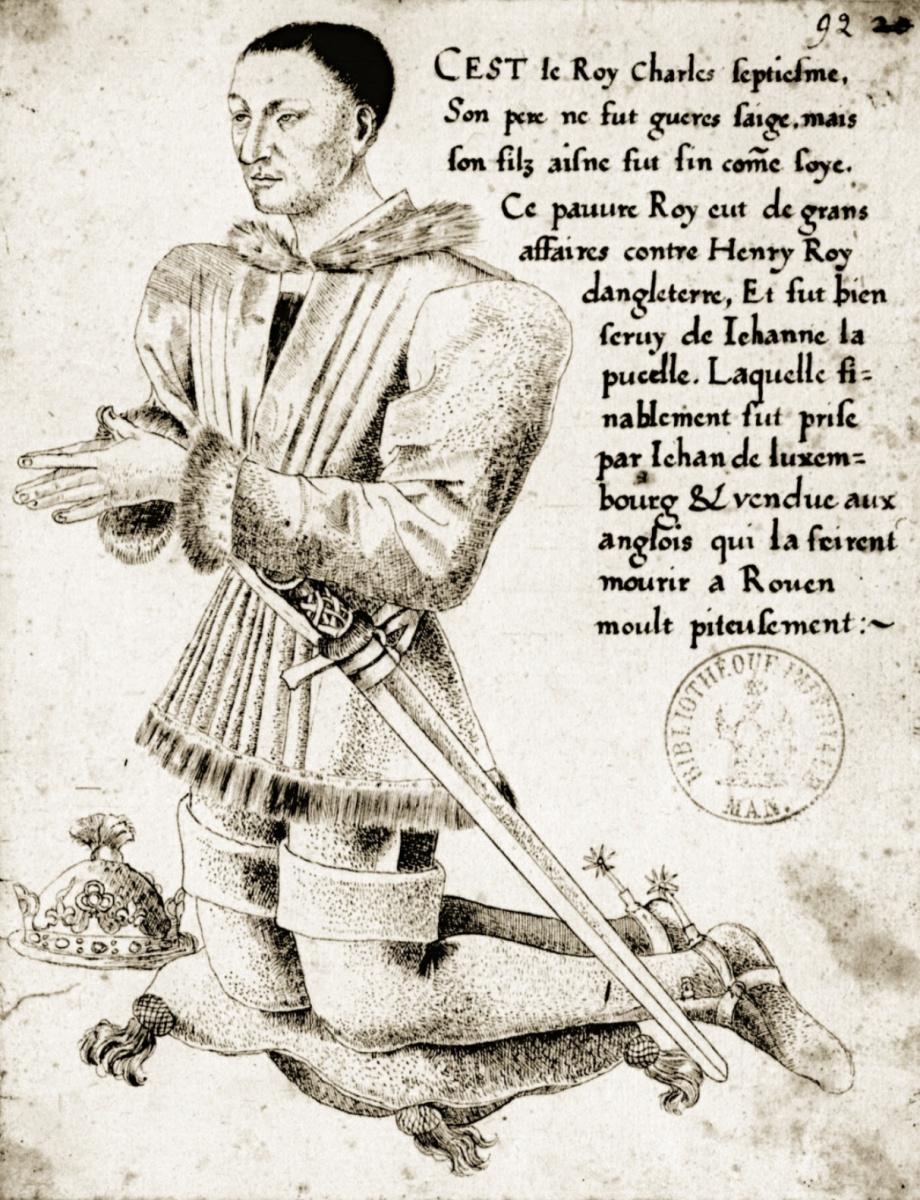
The situation is more complicated than a simple English occupation. The capital harbors a powerful Burgundian faction, and a large portion of its population remains hostile to the Armagnacs. The memory of the war’s brutal civil conflicts is still fresh. After Reims, the army of Charles VII is inexorably drawing closer to Paris.
Soissons, Château-Thierry, Provins, Coulommiers, Crépy-en-Valois: royal pressure is mounting on the capital. But Charles VII hesitates; his political strategy favors negotiation with Philip the Good, duke of Burgundy, whose break with the English could radically shift the balance of power. On August 28, 1429, a truce is struck at Compiègne. Joan of Arc, she looks toward Paris.
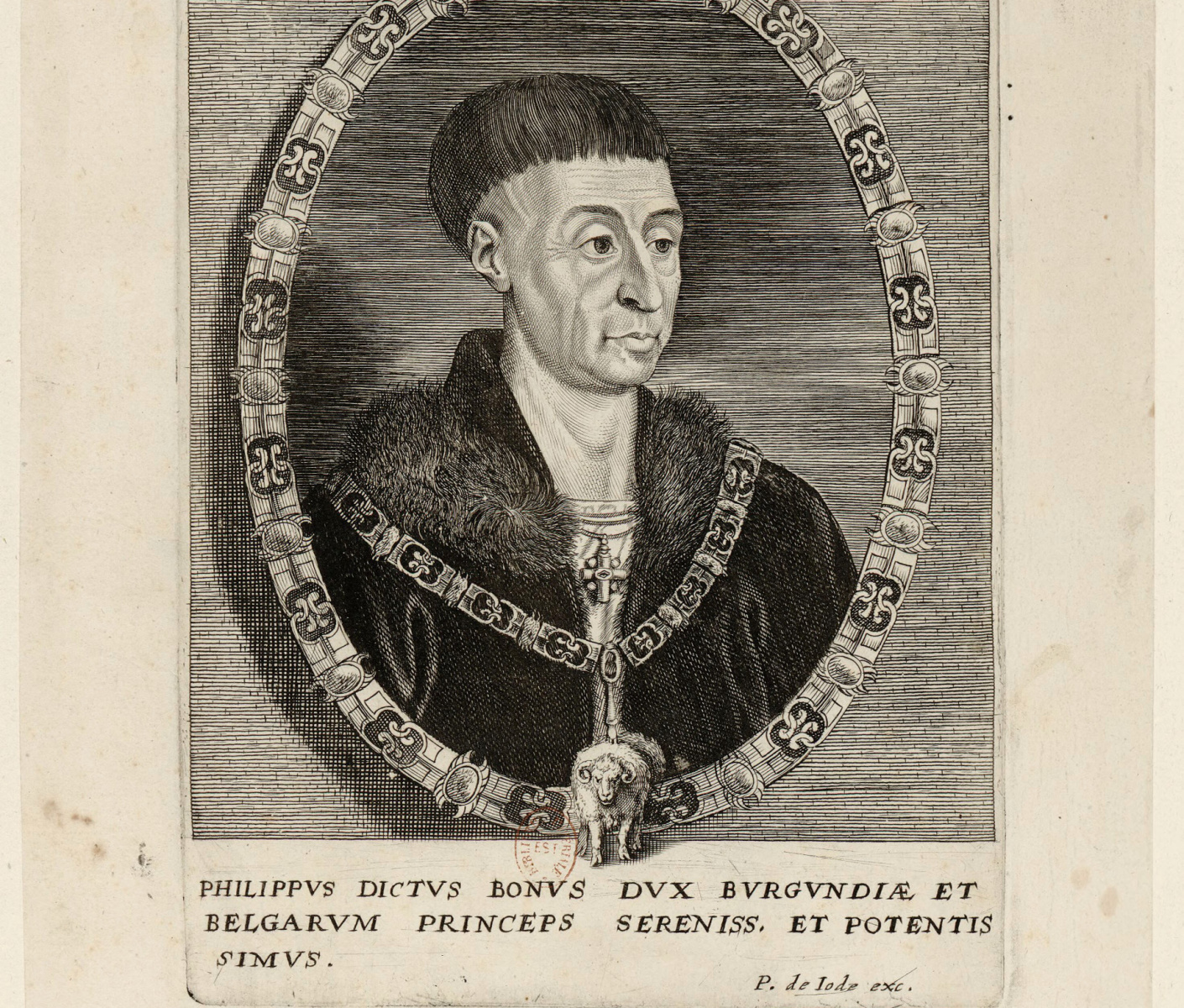
At the start of September, the royal troops close in on the outskirts of the capital. Charles VII makes his headquarters in Saint-Denis, while Joan of Arc and several senior captains set up at La Chapelle, then a village outside Paris, wedged between the fortified city and Saint-Denis. The names that accompany them reveal the scale of the expedition: John II of Alençon, the Duke of Bourbon, the Count of Vendôme, the Count of Laval, Gilles de Rais, Jean de Brosse de Boussac, joined by other captains and fighting men.
For several days, the French watched Parisian defenses and carried out reconnaissance missions. Paris is a formidable target: the city on its right bank is protected by the Charles V fortifications, erected from the 14th century and strengthened over time; in front of its walls lie imposing moats.
To penetrate Paris, it isn’t enough to simply break down a door. A breach must first be crossed—a first moat—then the intervening space, then either breach or cross the second barrier, reach the wall under the defenders’ fire, and finally scale the fortifications.
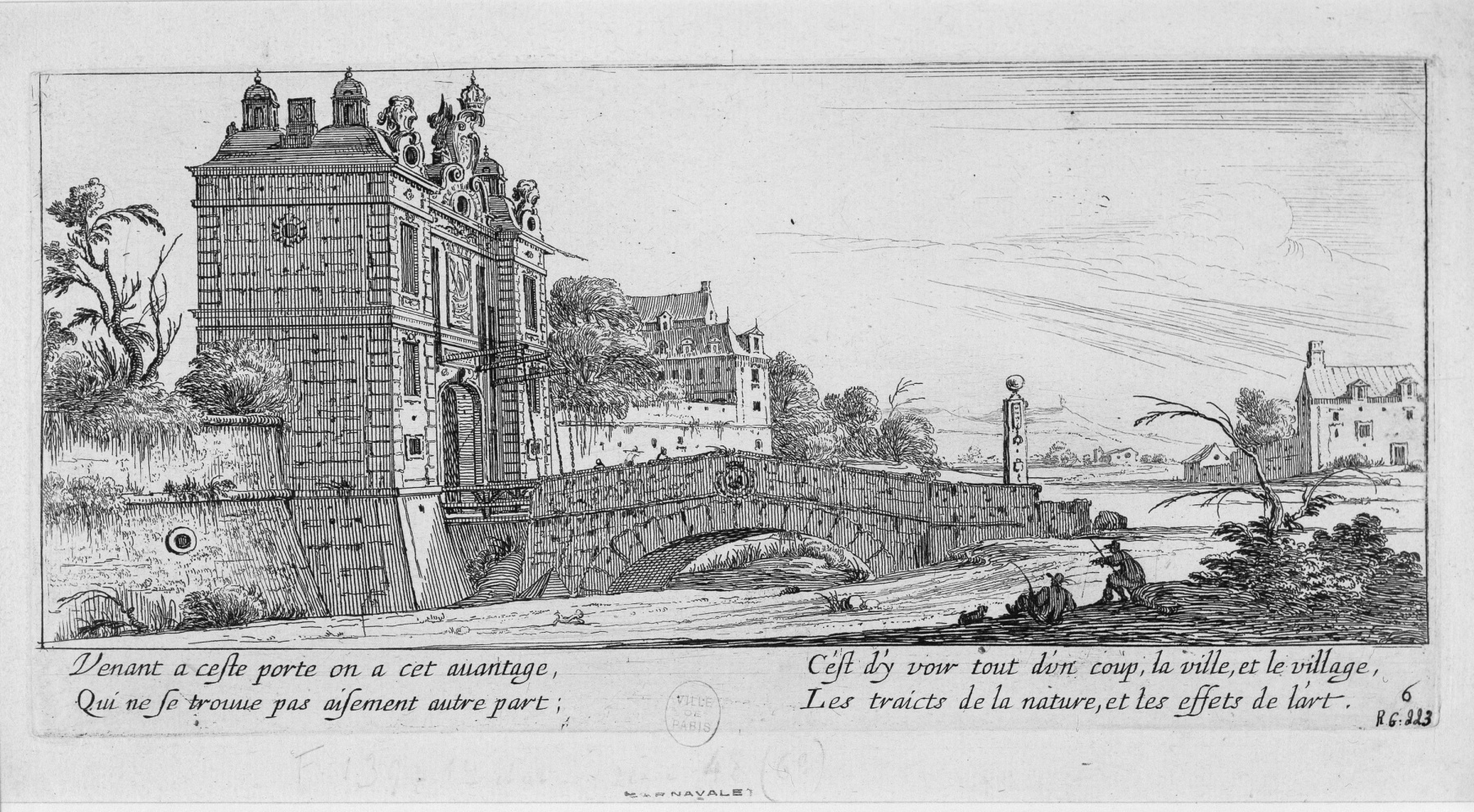
The chosen focal point for the offensive is the Saint-Honoré Gate, a medieval fortification that has since vanished, which stood near the Louvre and Place André-Malraux, around the area of today’s Rue Saint-Honoré. The passerby who traverses this sector today, between the Louvre, the Comédie-Française and the Palais-Royal, essentially walks on the ground of the assault of 1429!
On Thursday, September 8, the attack begins. The troops that set out from La Chapelle push toward the western edge of Paris’s fortifications, following this route: the current Faubourg Saint-Denis, the outskirts near Saint-Lazare, then the foothills of Montmartre, before reaching the lands in front of Port Saint-Honoré. At the time, a large portion of these spaces still belonged to the countryside that surrounded the fortified city!
French artillery is brought to bear. Guns are set up in the Saint-Roch hill sector, a prominence that today is barely noticeable in the Parisian landscape. They are meant to support the assault on the fortifications, but beyond the walls, Paris is ready; authorities have organized the defense.
The gates and the ramparts are manned and the inhabitants mobilized, even as the defenders fear a favourable mutiny for Charles VII inside the city. Some voices even claim the enemy has already entered Paris! But the uprising the French hoped for does not come to pass. Those charged with guarding the gates and walls stay at their posts and are reinforced by other Parisians. A large portion of the population, meanwhile, goes into hiding.
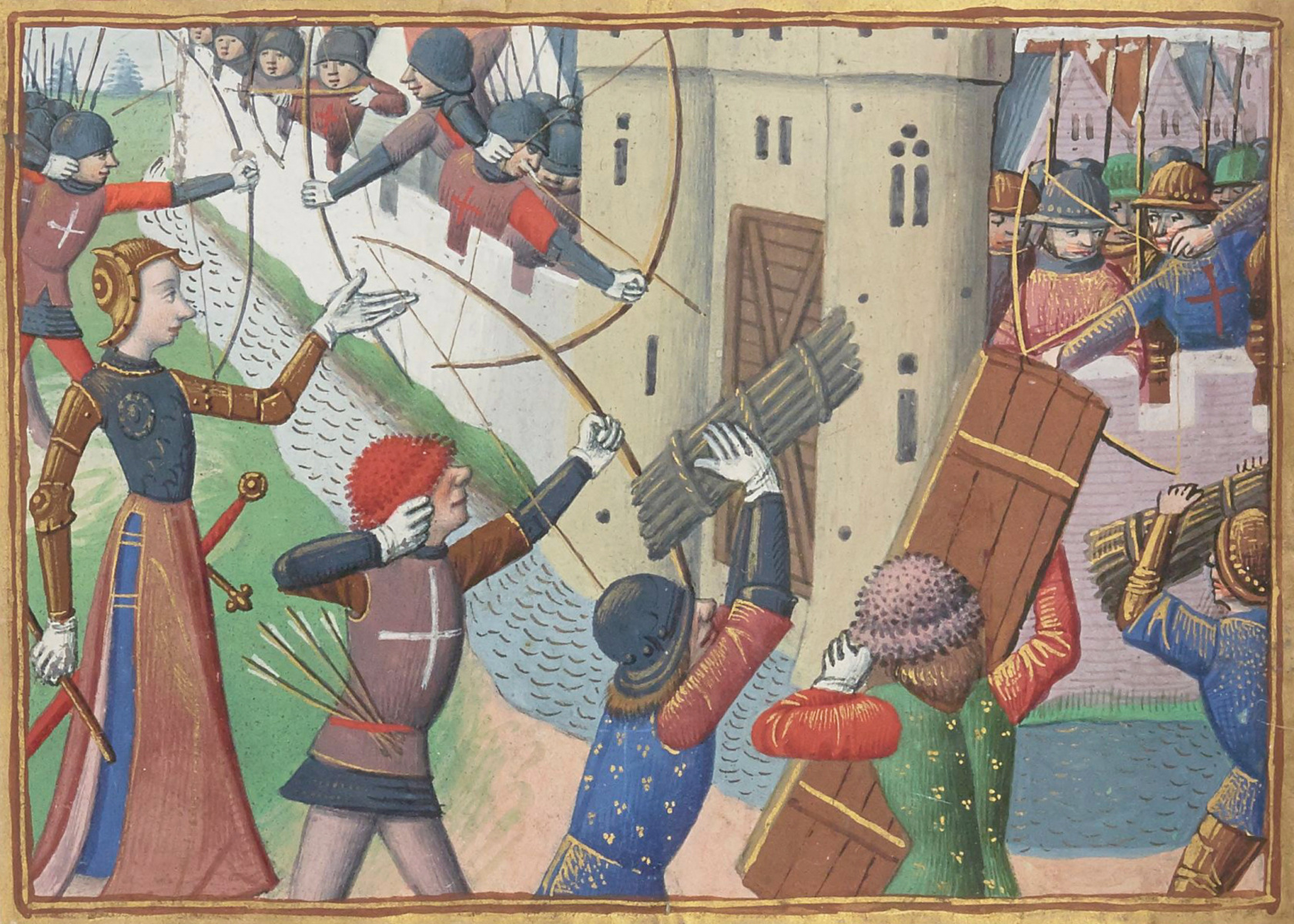
Outside, the assault presses on. To cross the moat, Charles VII’s men rely on bundles of brush, fascines, planks and ladders. The idea is simple: pile enough material into the ditch to forge a way up to the base of the wall. Yet in practice the operation turns into a nightmare. The attackers must work exposed, under fire from the ramparts. Arrows, crossbow bolts, stones and other projectiles rain down on them.
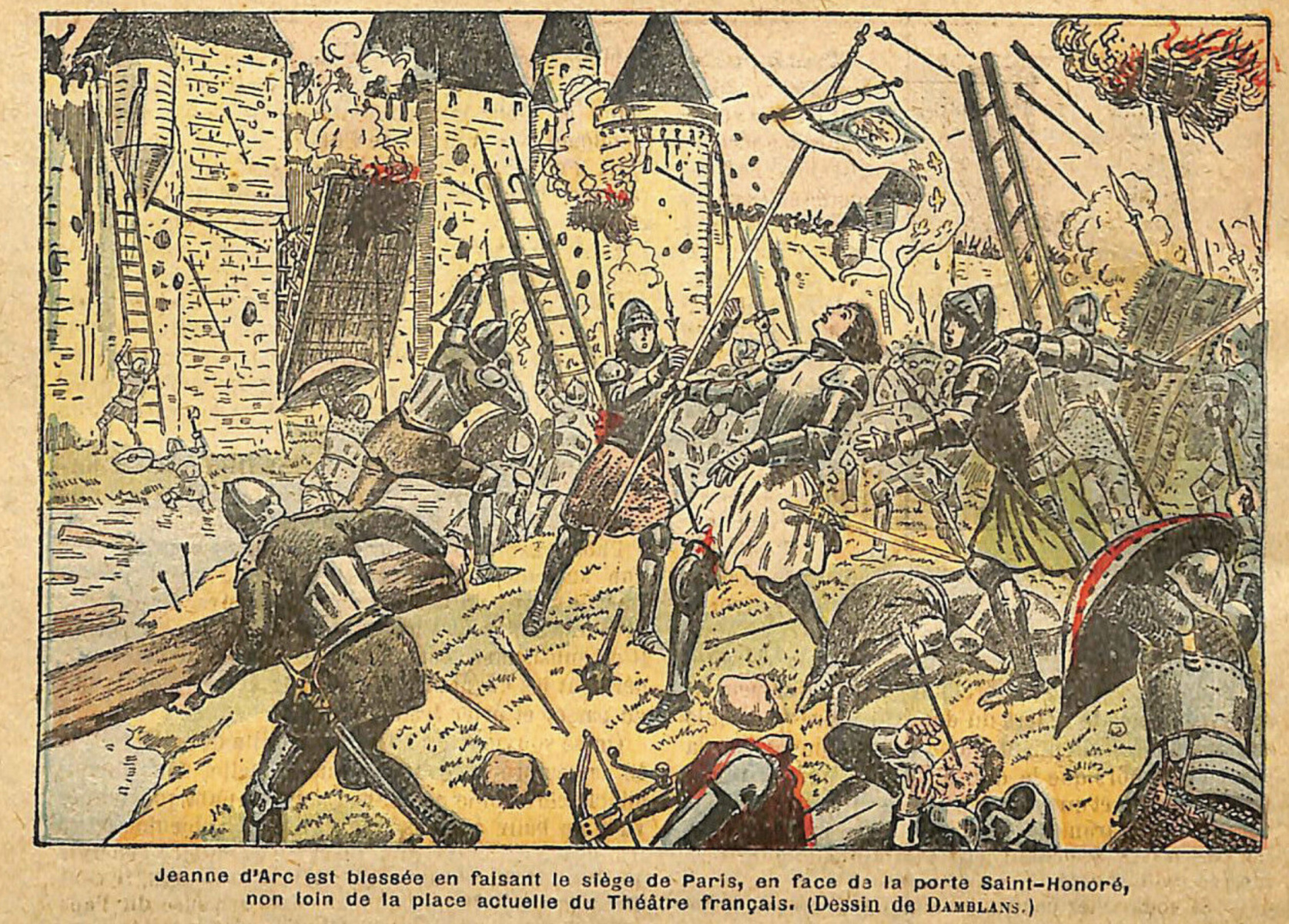
The first obstacle is overcome, but the second trench poses a far more serious challenge. Jeanne d'Arc se porte elle-même au plus près des défenses. It is here that the episode enters the légende. She seeks to gauge the depth of the moat and urges the men to continue the attack. The French still try to fill it with the materials brought on site. But Jeanne d'Arc est touchée, a crossbow bolt strikes her in the thigh.
The wound is serious enough to prevent her from continuing the fight in the usual way, but she won’t give up immediately. Several accounts depict her still urging the soldiers on despite the pain and the fading light. The scene would be painted, engraved, and reinterpreted many times by the patriotic imagery of the centuries to come.
In the meantime, the defenders remain firm. For the religious of Notre-Dame de Paris, the attackers are the Armagnacs, enemies of the city. They are glad that Paris has escaped looting, and they are outraged that the offensive was launched on the September 8, the Feast of the Nativity of the Virgin.
As the day wears on, the hope of breaking into the capital fades. The second ditch is not crossed, losses mount, Jeanne d'Arc is wounded, and no internal uprising opens the gates to Charles VII's soldiers. The Duke of Alençon and several men eventually bring back the fighter and the army withdraws to its positions. The September 8, 1429 attempt has just failed, and it will not be renewed the next day.
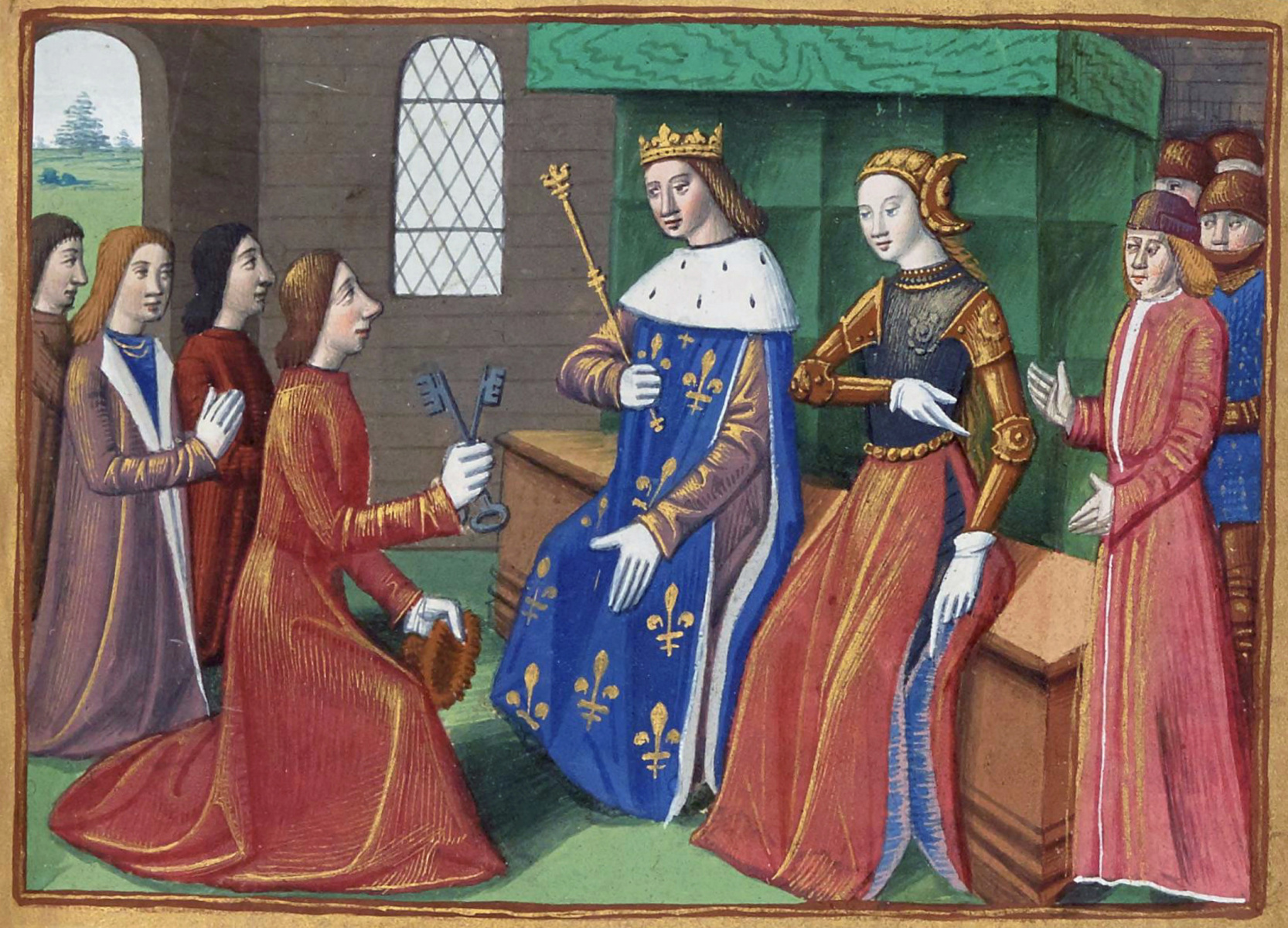
Here lies one of the major historical questions surrounding the episode: did Charles VII truly intend to take Paris at that moment? Early historiography often contrasted an audacious Joan of Arc, eager to profit from the momentum of the victories that preceded her, with a king who was weak or ungrateful and would have deliberately halted his offensive. But the political reality is less romantic.
Charles VII is pursuing a dual strategy—military and diplomatic. In particular, he aims to detach Philip the Good from the English alliance, aware that a brutal conquest of Paris could jeopardize the negotiations. The capital is heavily fortified, and there is no guarantee its inhabitants will welcome the king's troops as liberators.
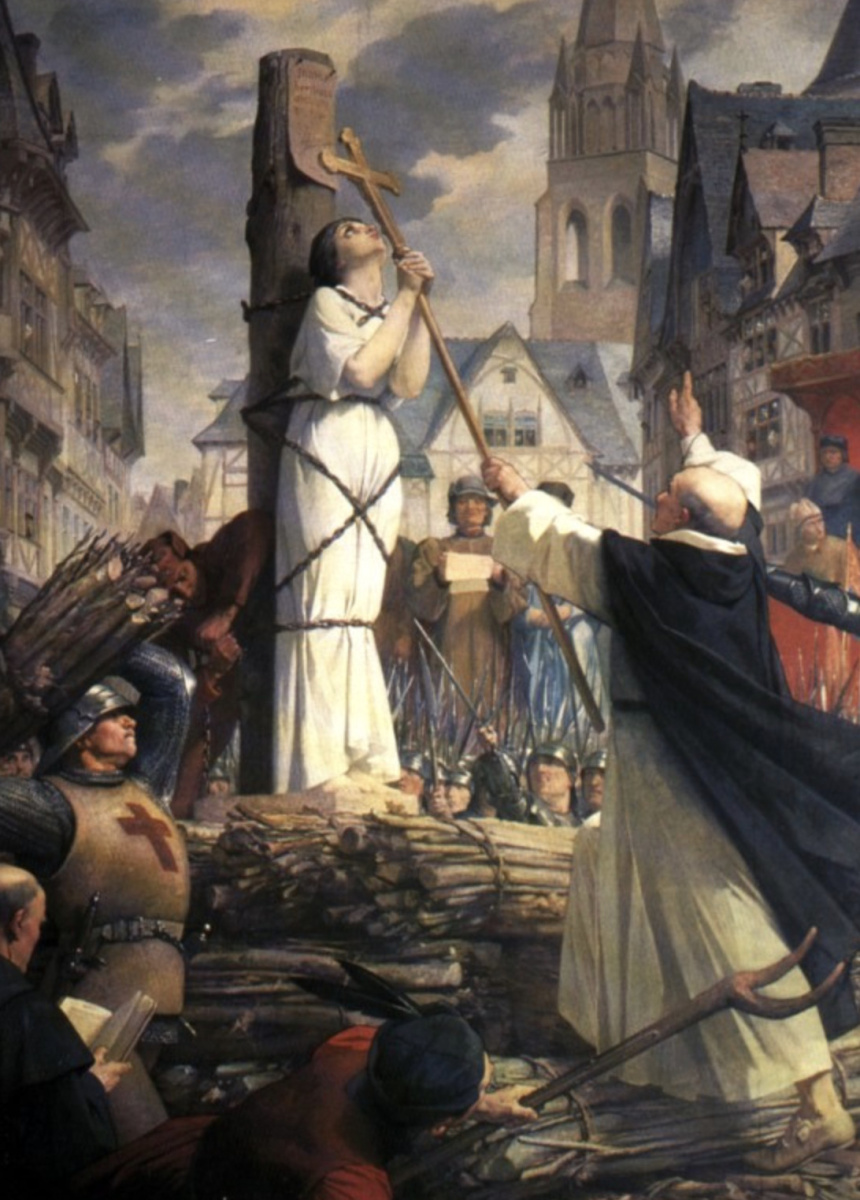
On September 9, the offensive is not renewed. Joan of Arc and the army ultimately withdraw toward Saint-Denis, just as a few days later Charles VII also leaves the Île-de-France region. For Joan of Arc, Paris marks a turning point. From Orléans, her path had seemed almost unstoppable, with victories along the Loire, the march toward Reims, and the king’s coronation. But in front of the Porte Saint-Honoré, that momentum breaks.
She keeps fighting. In the following spring, on May 23, 1430, Joan of Arc is captured near Compiègne by the Burgundians. handed over to the English, she is transferred to Rouen, tried for heresy and burned at the stake on May 30, 1431. Paris, meanwhile, remains in the Anglo-Burgundian camp.
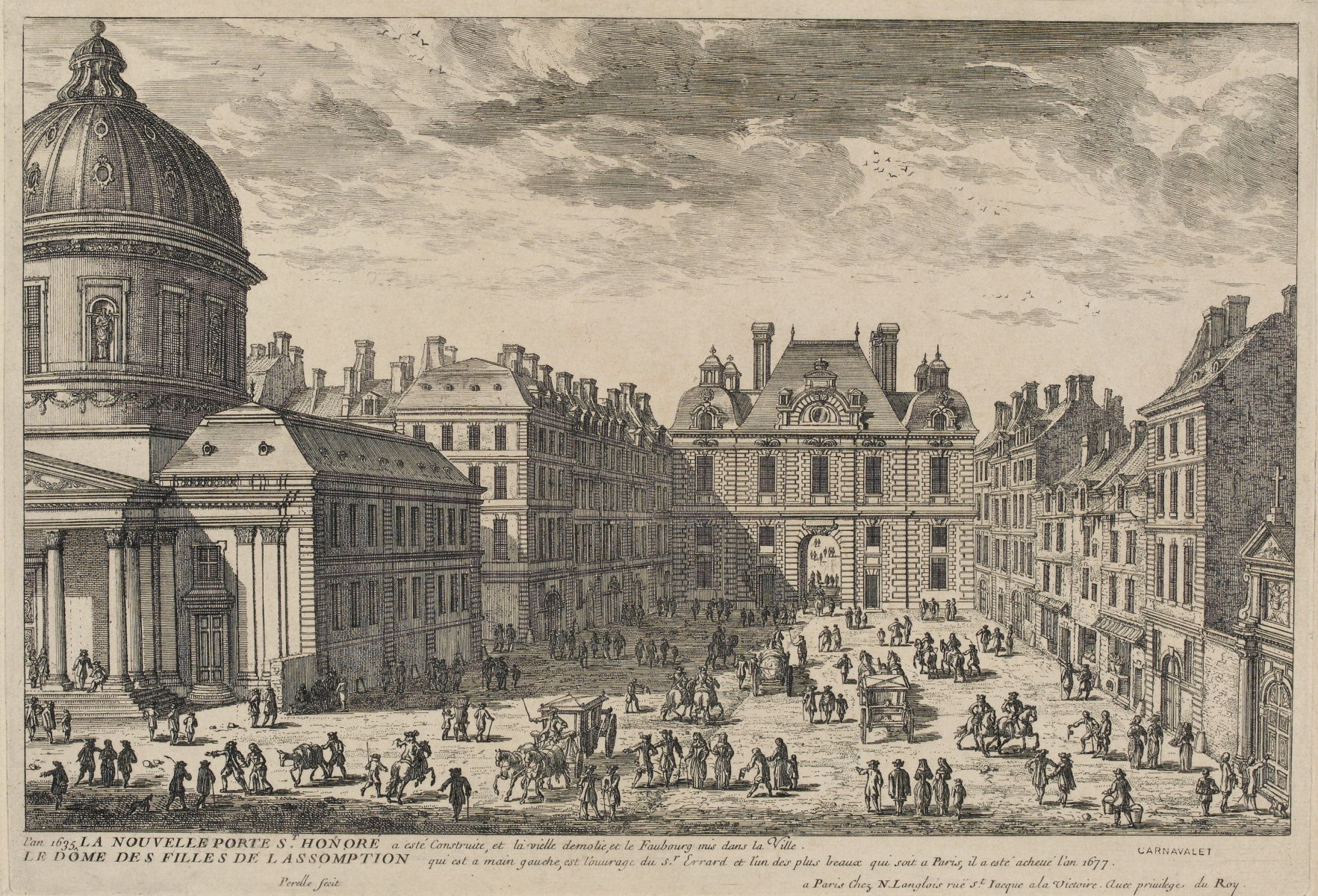
The balance doesn't shift until several years later. The alliance between Charles VII and Philip the Good is finally sealed with the Treaty of Arras in 1435, politically isolating the English. On April 13, 1436, the troops of Charles VII finally enter Paris. Seven years have passed since the day Joan of Arc tried to breach the moat at the Saint-Honoré Gate.
The medieval city where the battle took place has all but disappeared: Charles V's wall was dismantled, the ditches filled in, and the Porte Saint-Honoré destroyed. Paris’s expansion subsequently swallowed the fields where the royal army had maneuvered.
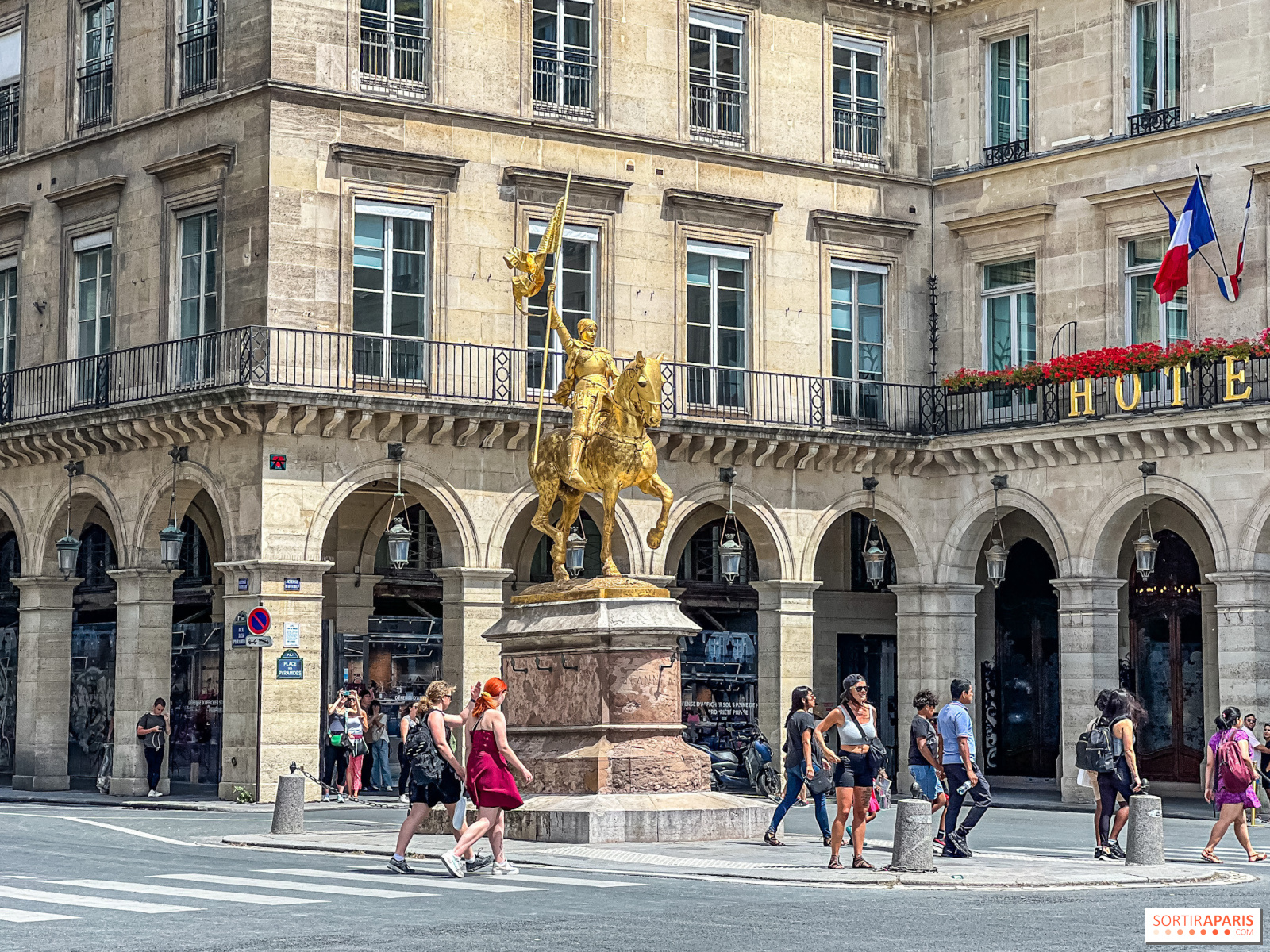
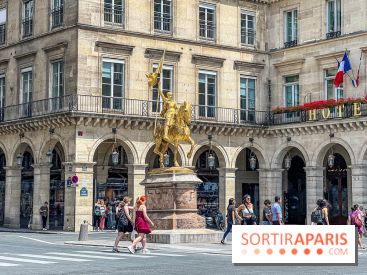
Nevertheless, the event left a visible mark on today’s Paris. At 161-163 Rue Saint-Honoré, a plaque and a médaillon designate the site of the old gate: “Here stood the Saint-Honoré Gate near which Joan of Arc was wounded on September 8, 1429.” And a few hundred meters further on rises one of the city’s most famous depictions of Joan of Arc in Paris: the golden equestrian statue by Emmanuel Frémiet, at Place des Pyramides.
This page may contain AI-assisted elements, more information here.
Dates and Opening Time
On September 8, 2026
Location
Place des Pyramides
Place des Pyramides
75001 Paris 1
Route planner
Accessibility info