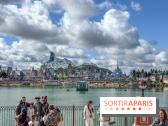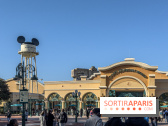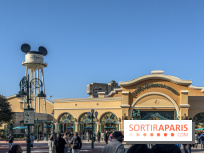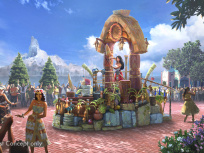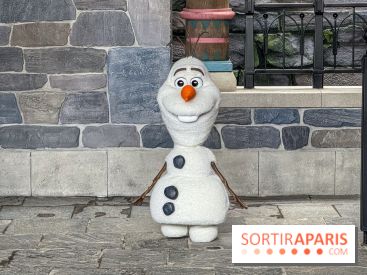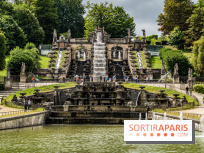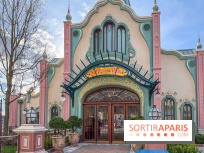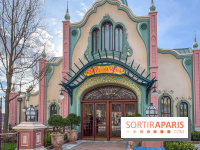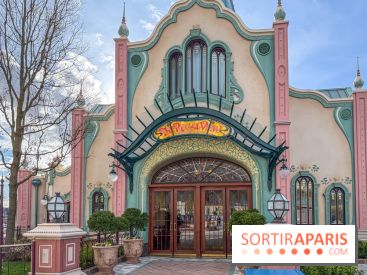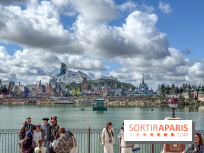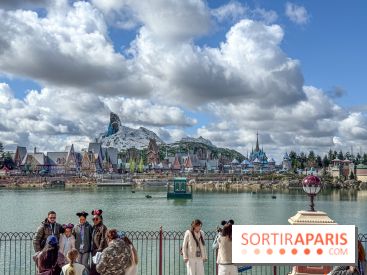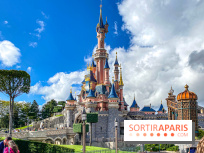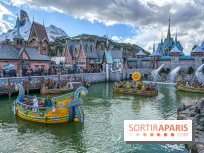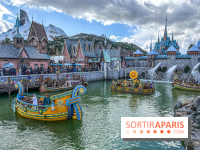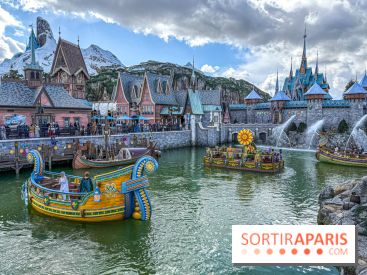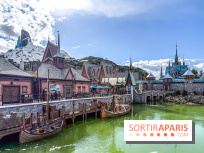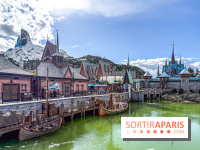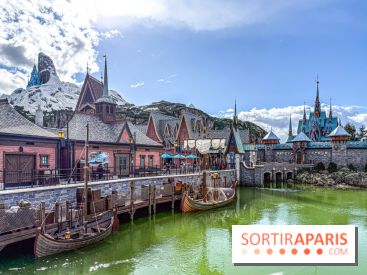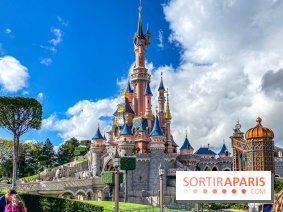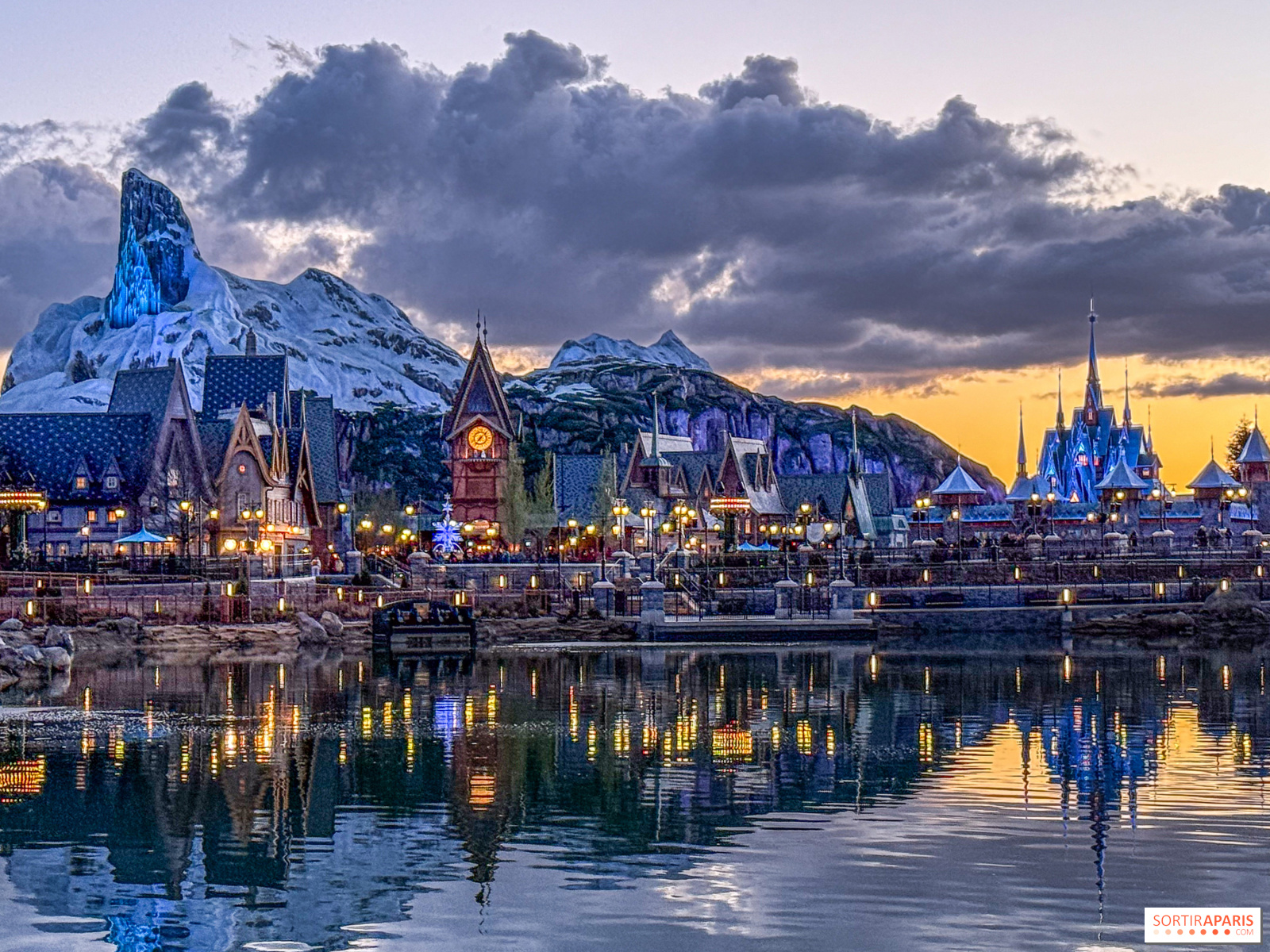
What if the finest details of Arendelle are hiding in the places you’d never think to look? At Disneyland Paris, World of Frozen invites you starting from March 29, 2026, inside Disney Adventure World more precisely, and guides you into Arendelle, the kingdom of The Queen of the Snow, set against fjords, Nordic façades and scenery inspired by the world of Anna and Elsa.
With Frozen Ever After, Nordic Crowns Tavern, the themed shops and the encounters with the heroines, this new land offers a village-scale immersion. From the very first steps, the new realm presents a frame that is immediately recognizable to visitors, pairing Scandinavian architecture, film-inspired visual cues, and a lakeside stroll.
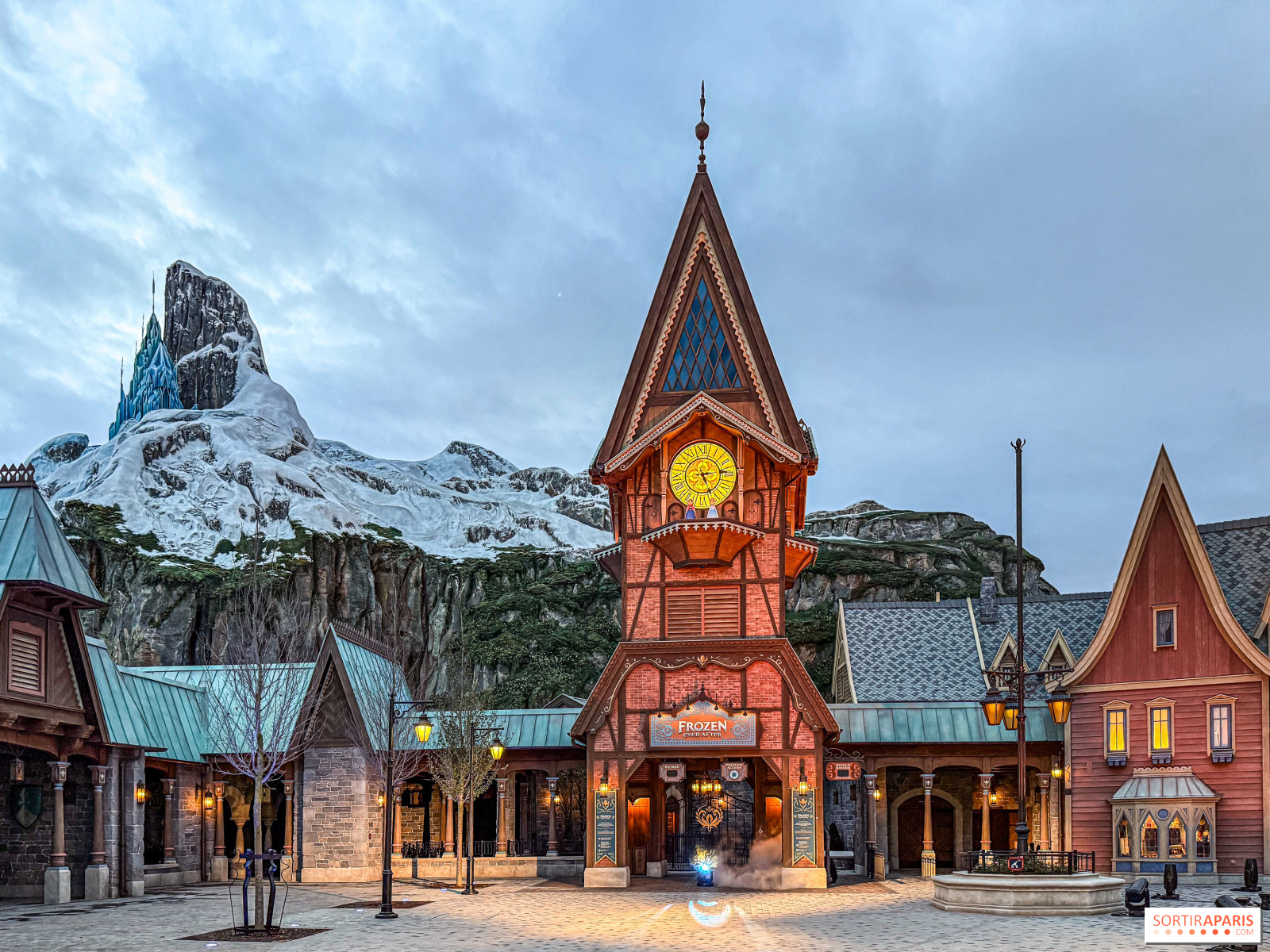
But this new Disney realm isn’t just about its overall setting. Take the time to notice a sign, a painting, a forgotten object tucked away in a corner, or a detail perched on a rooftop, and you’ll discover that World of Frozen has also been designed as an observation space.
The land piles on the nods, hidden details, and discreet references to Frozen, to Hans Christian Andersen, and even to other Disney experiences. It’s precisely these hidden details, tucked unobtrusively into the Arendelle landscape, that give the visit a richer, more attentive reading.
If you're after those little details that tell the full story of the area, here are 10 hidden nods and references sprinkled throughout the zone for you to uncover on your own during your visit!
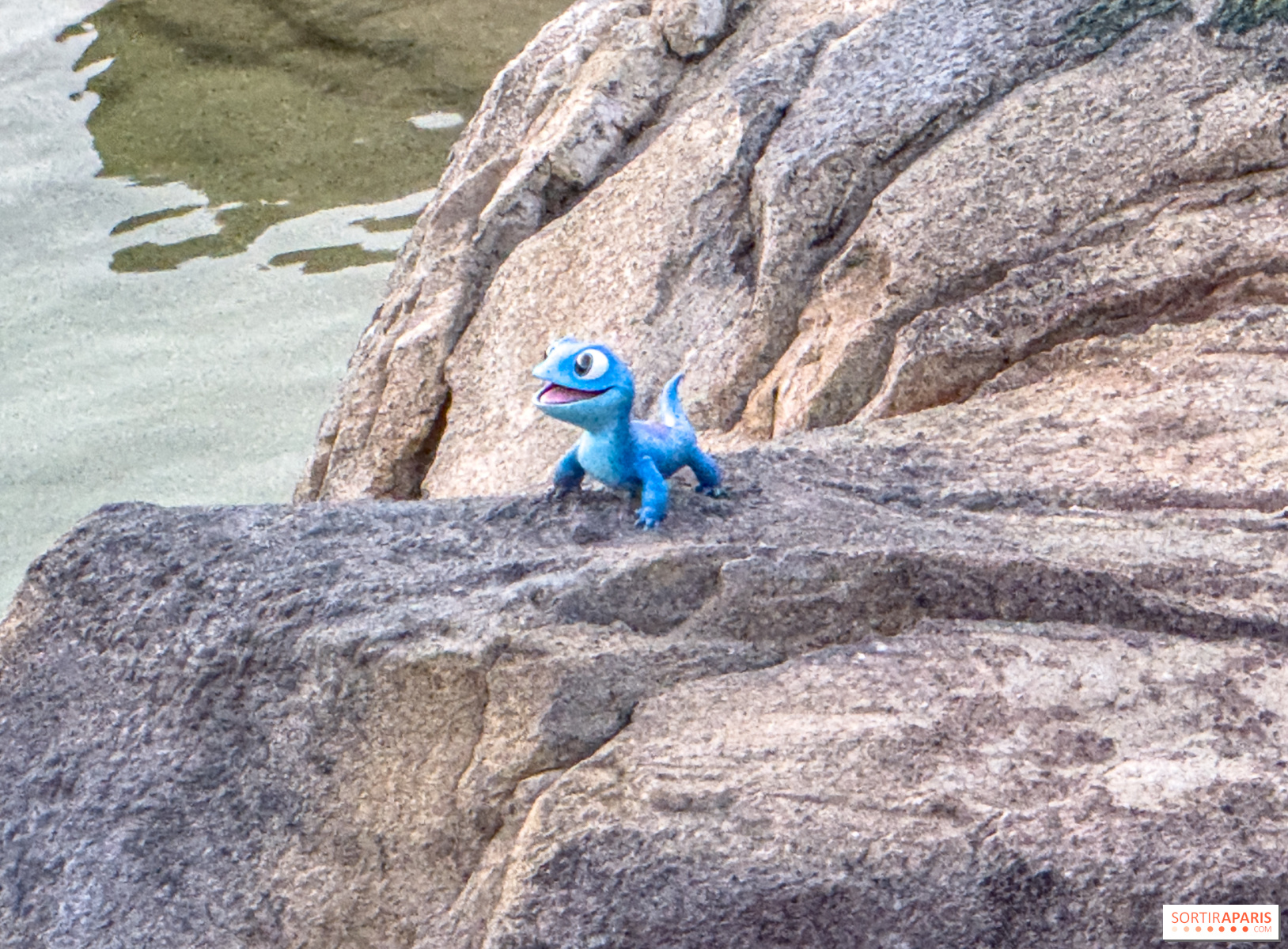
The little salamander from La Reine des Neiges 2 makes three cameo appearances in the land. You can spot it near the lighthouse, on a pergola, and on a rock by the lake. Its presence adds a mini-spotting game for visitors who know the film inside out.
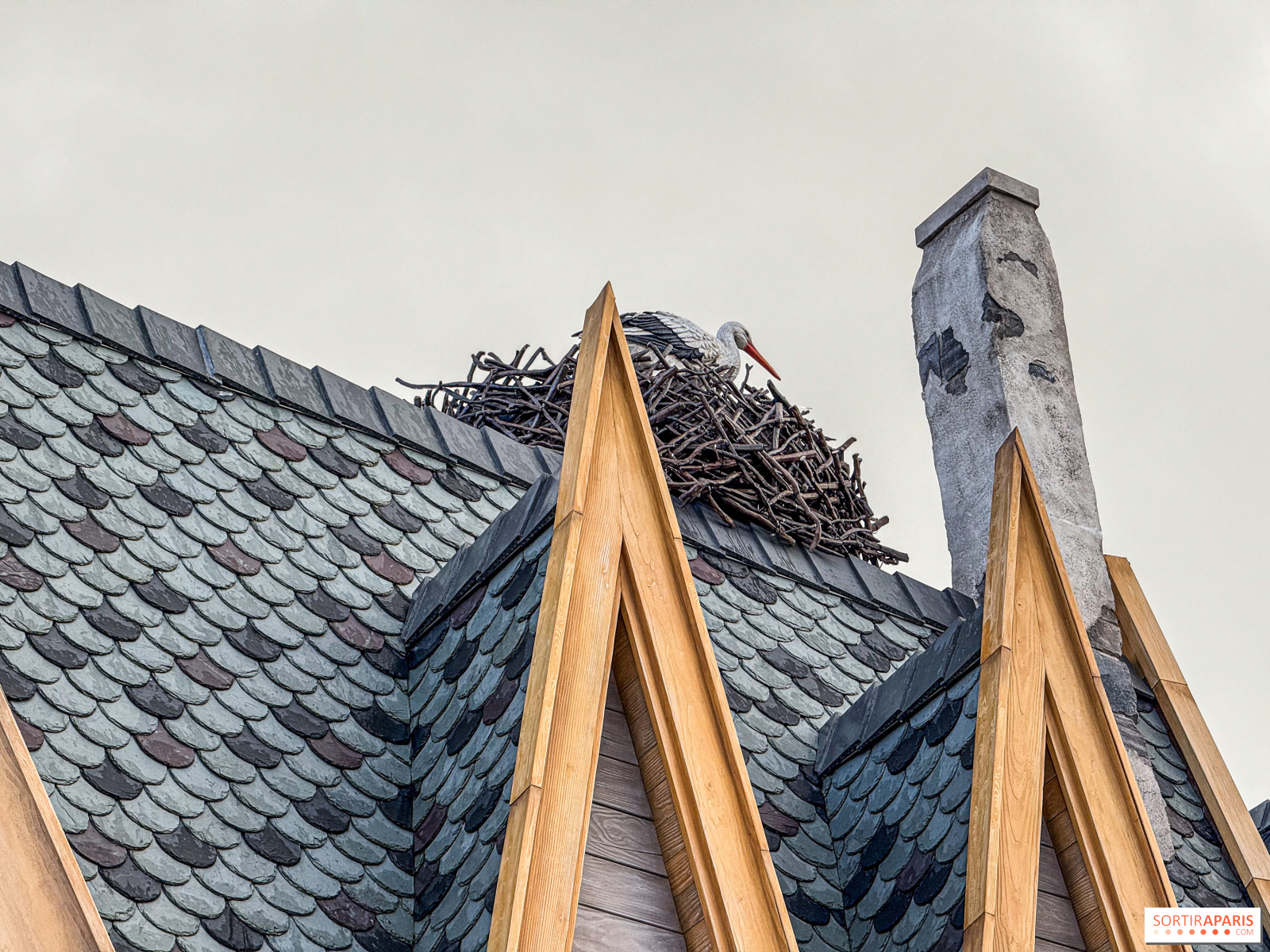
As you lift your eyes during your stroll through Arendelle, you can spot a stork’s nest perched atop the roof of one of the buildings. A small decorative detail that enriches the sense of a living village, revealed in its everyday, telltale signs. It’s one of those discreet elements that gives the land a more tangible presence.
Another detail not to miss: a press clipping announcing that "Samantha has been found." The wink nods to Olaf's cult— and very funny—line in Frozen 2, when he endlessly calls Samantha without anyone really knowing who she is. Tucked into the backdrop, this faux article extends the character’s humor with a reference that aficionados will instantly recognize.

Above the shop, a wooden tin soldier stands out in the scene. Its distinctive feature: one leg is gone. This nods to another Andersen tale, The Little Tin Soldier, widening the space to other sources of inspiration while staying connected to the author of the original story.

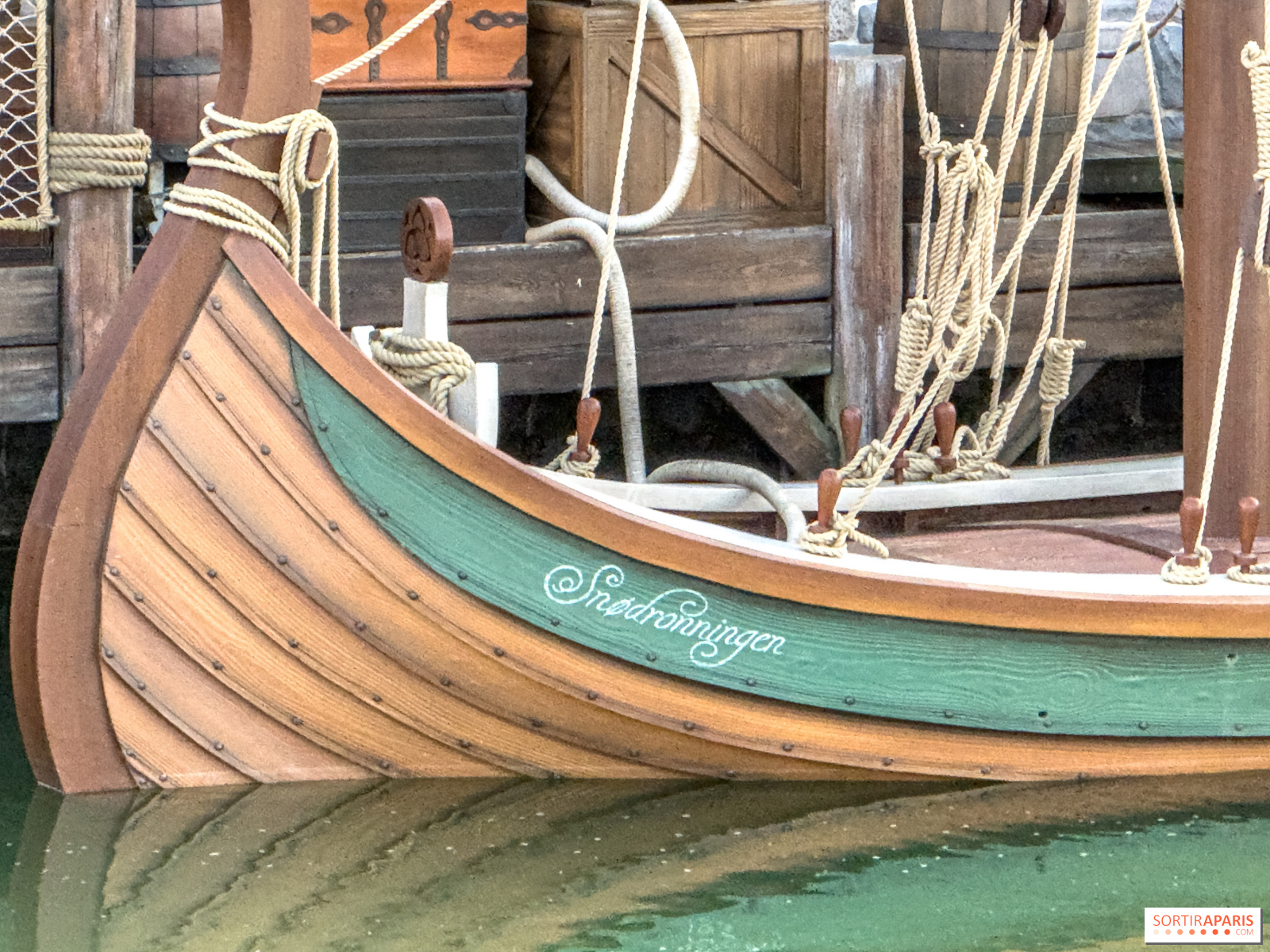
One of the boats visible in the land is named Snødronningen. It is the title of Hans Christian Andersen's tale, The Snow Queen, in Danish. The choice of this name reinforces Arendelle's Nordic roots, the overall coherence of the setting, and, above all, a nod to its original medium.
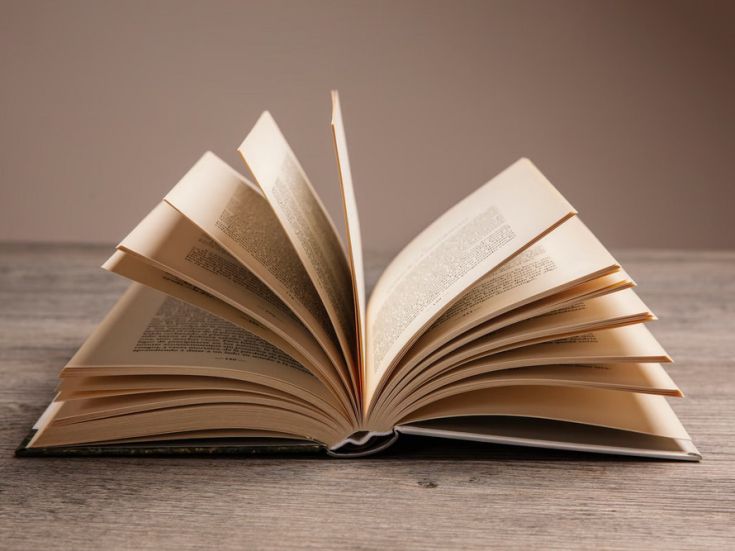
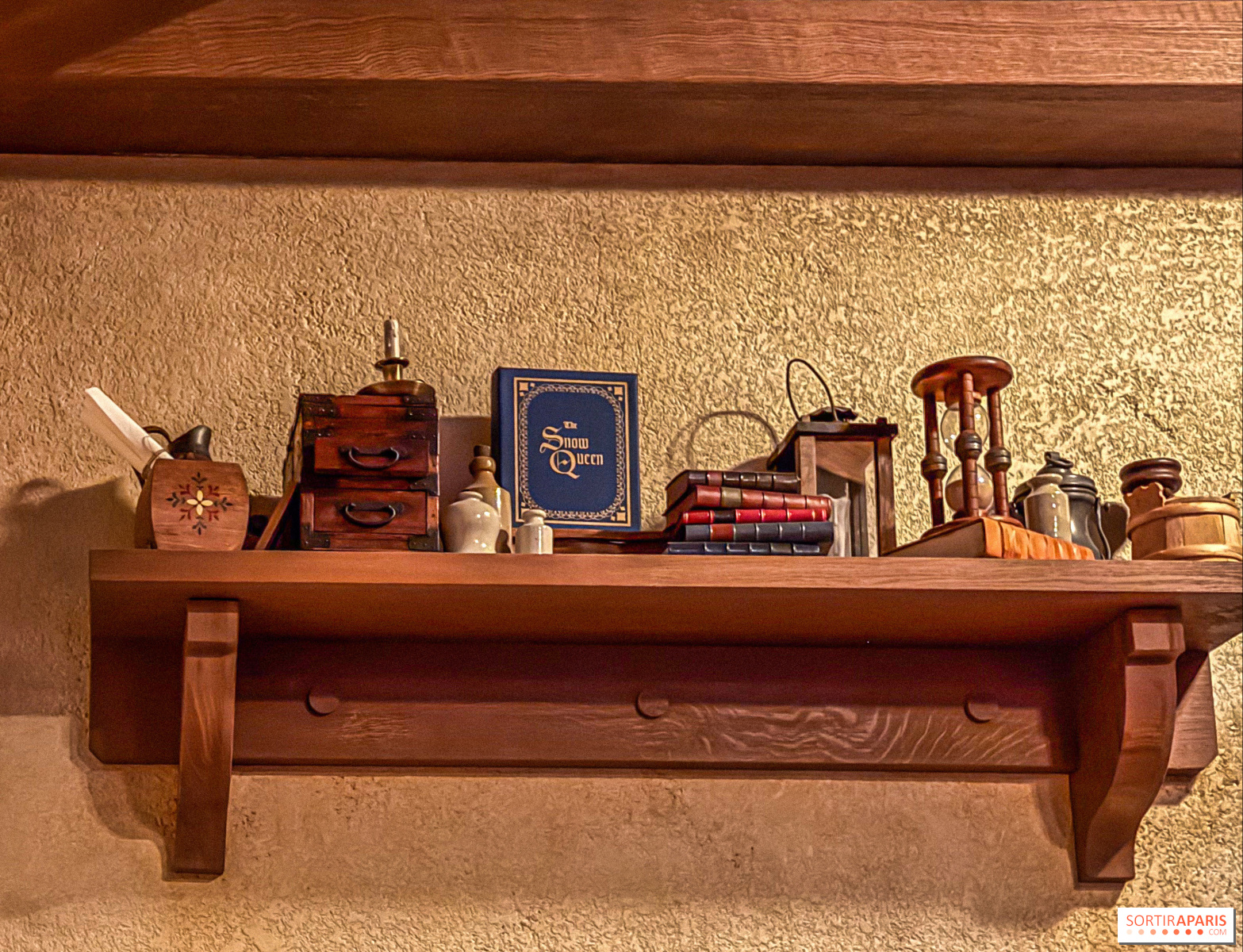
Speaking of Hans Christian Andersen’s tale, in line a book titled The Snow Queen catches the eye.
It directly references the story (the book’s English title), which has inspired the world of the film Frozen.
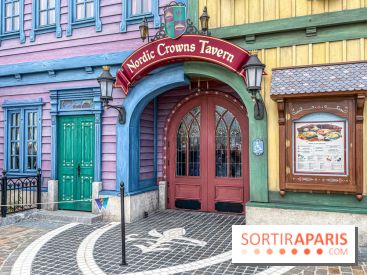
Above the entrance to the Nordic Crowns Tavern, a cat watches the visitors. This detail nods to one of the felines spotted in The Snow Queen: Happy Holidays with Olaf. It’s a subtle reference, easy to miss if you’re not looking up. Note that there is a counterpart to this cat—another feline to spot in a different Disney park—at the Golden Crocus Inn, in Hong Kong Disneyland!

Continuing inside the Nordic Crowns Tavern, a painting shows a red house. It’s a nod to the Royal Sommerhus, which visitors can also discover at EPCOT at Walt Disney World. This link between Disney parks subtly broadens the reading of the decor.

Among the most touching details are the marks left by Anna and Elsa as children in the Royal Encounter queue. These marks sit in the first room, just after the counter—you’ll need to turn around and glimpse the post to the left when you face back. This kind of element gives the place a warmer, more intimate feel. The castle then seems inhabited, as if it still bears the traces of a family life.

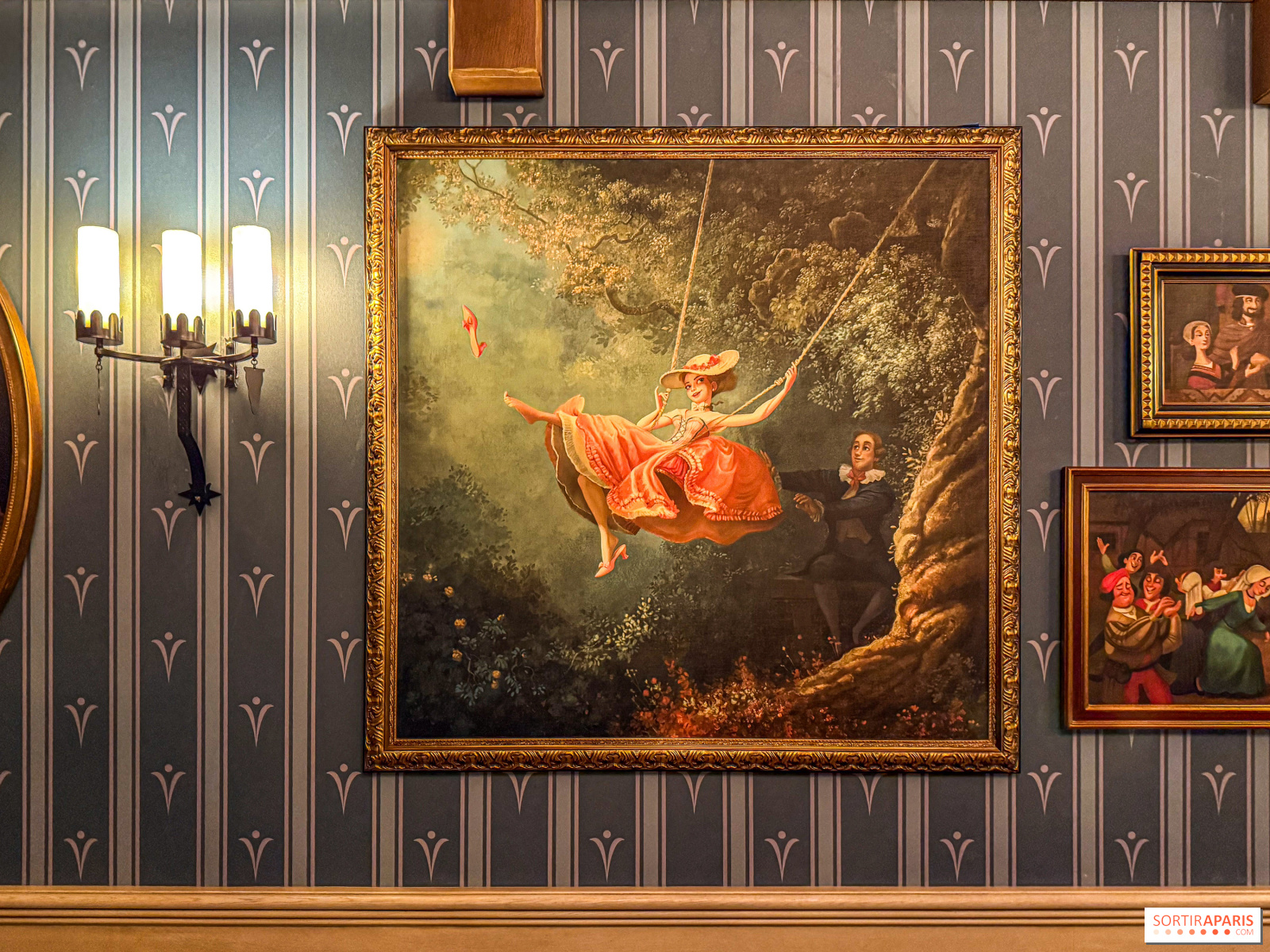
In the meet-and-greet space with Anna and Elsa, a painting nods to The Swing by Jean-Honoré Fragonard, Disney-fied. It’s a very close reproduction of the original on display at the Wallace Collection in London, a piece that also appears in the film Frozen. This subtle visual wink adds an unexpected artistic reference to the meet-and-greet backdrop.
With these hidden details, World of Frozen at Disneyland Paris does more than reproduce a familiar universe. The land also invites visitors to slow down, to observe, and to pay attention to what is happening around the attractions themselves. It’s perhaps in this more attentive reading of the décor that the visit takes on a new dimension, especially for those who enjoy spotting, in an object or a sign, a discreet bridge between the films, fairy tales, and Disney’s imagination.
This page may contain AI-assisted elements, more information here.