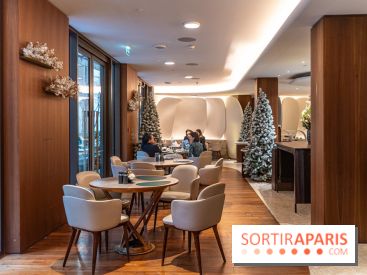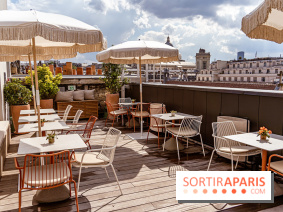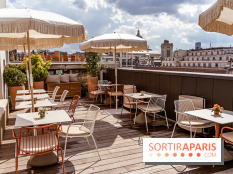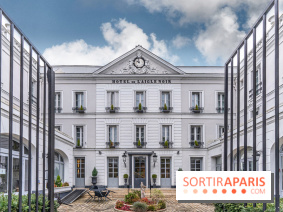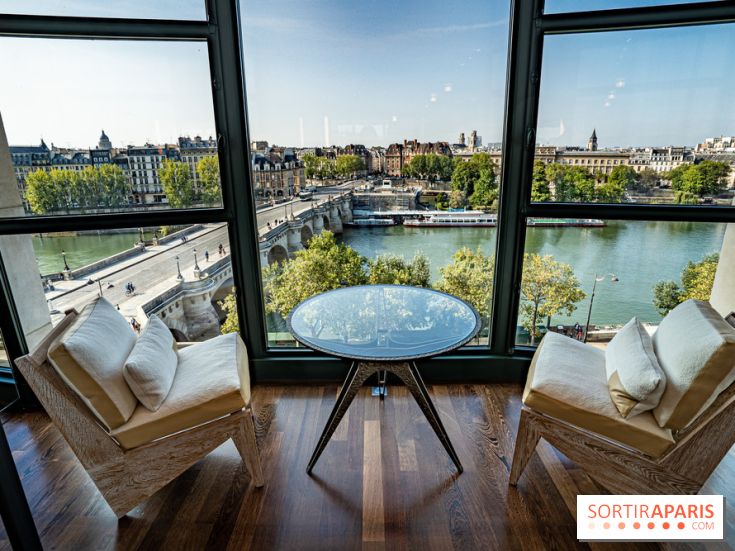
Le Bristol Paris takes root at 112, rue du Faubourg-Saint-Honoré, in the 8ᵉ arrondissement, an emblematic address of Parisian luxury. The land it occupies had belonged to Count Jules de Castellane since 1829, after a series of imposing owners.
In 1924,hotelier Hippolyte Jammet, heir to the Jammet family restaurant group, acquired the building and commissioned Gustave Umbdenstock and Urbain Cassan to create a palace with Art Deco architecture. The hotel officially opened in April 1925, named after Frederick Hervey, 4ᵉ Earl of Bristol and discerning traveler. Before long, the Bristol Paris was seducing the big names in fashion, art and diplomacy, from Coco Chanel to Picasso, via Salvador Dalí.
Located just a stone's throw from the Élysée Palace, art galleries and haute couture houses, the Bristol plays a discreet but central role in the Paris of luxury and elegance. Over the decades, it has undergone major transformations, expanding and modernizing, while preserving its soul.
Owned by the Oetker family since 1978, it remains one of the few European palaces to remain in private hands. Its secret garden, historic salons, Michelin-starred restaurants and sumptuous suites create a timeless setting.
Before Le Bristol came into being, the address housed a private mansion acquired in 1829 by the Count of Castellane. In 1835, he installed a small private theater there, which later became the future establishment's winter restaurant. The property's appearance gradually changed, until it was acquired by Hippolyte Jammet in 1924.
Jammet decided to raze everything to the ground to build a palace, investing in a daring project for its time. Architects Umbdenstock and Cassan opted for a sober stone façade blended with Art Deco decorative elements, while inside, the lounges and staircases were designed to evoke discreet luxury. The 1925 opening coincided with theeffervescence of the Années Folles, a period when Paris attracted artists, travelers and patrons from all over the world.
During the Second World War, Le Bristol played a special role. In June 1940, the hotel was placed at the disposal of theU.S. Embassy, becoming a diplomatic residential annex. Owner Jammet managed to preserve the establishment through an agreement with the American Embassy, thus avoiding total German requisitioning.Architect Léo Lehrman, of Jewish origin, hid in room 106 and secretly worked on the interior renovation plans at night - including thewrought-iron elevator - with the help of hotel employees.
After the Liberation of Paris, Le Bristol once again became an international meeting place: the hotel welcomed ambassadors, diplomats and personalities from all over the world. In 1949, it was ranked as one of the best palaces in the world, and in 1962, it topped the American Fielding's Travel Guide to Europe, reinforcing its reputation on the other side of the Atlantic.
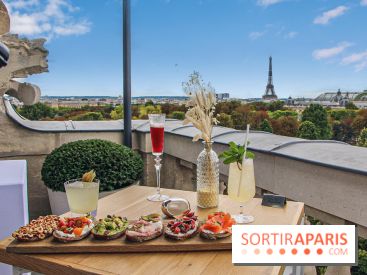
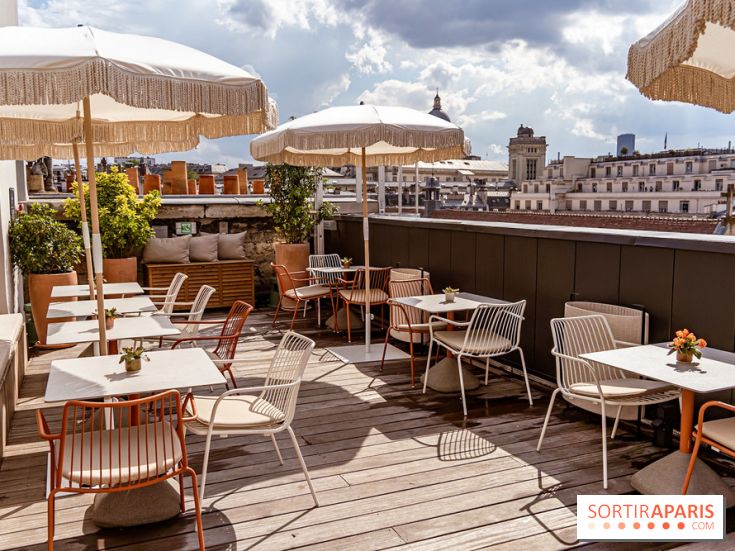
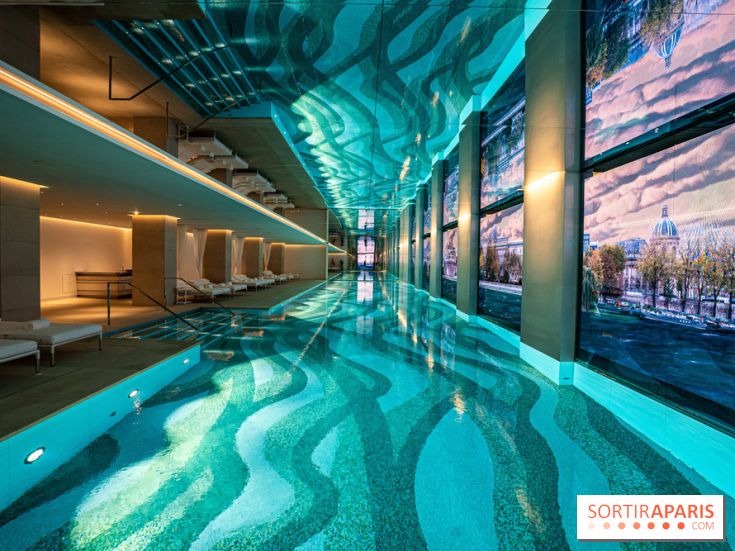
From the 1960s and 1970s, Le Bristol underwent successive renovations. In 1978, it was bought by Rudolf-August Oetker, a German industrialist, who gave the hotel financial stability and a strong heritage commitment. Under Oetker, the hotel expanded: the garden wing was enlarged, a rooftop swimming pool was built with a view over Paris, the vast private garden was enhanced and new lounges were created.
In the 2000s, major renovations redesigned the spaces. In 2007-2009, Le Bristol purchased an adjoining building and in 2009 inaugurated the so-called 'Matignon' wing, adding 21 rooms and 5 suites, and creating the restaurant 114 Faubourg. Between 2010 and 2016, a renovation project modernized the rooms, technical installations and public areas, while the lobby, historic lounges, rooms and gallery underwent a facelift, without detracting from the classic character.
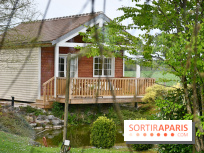
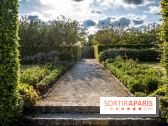
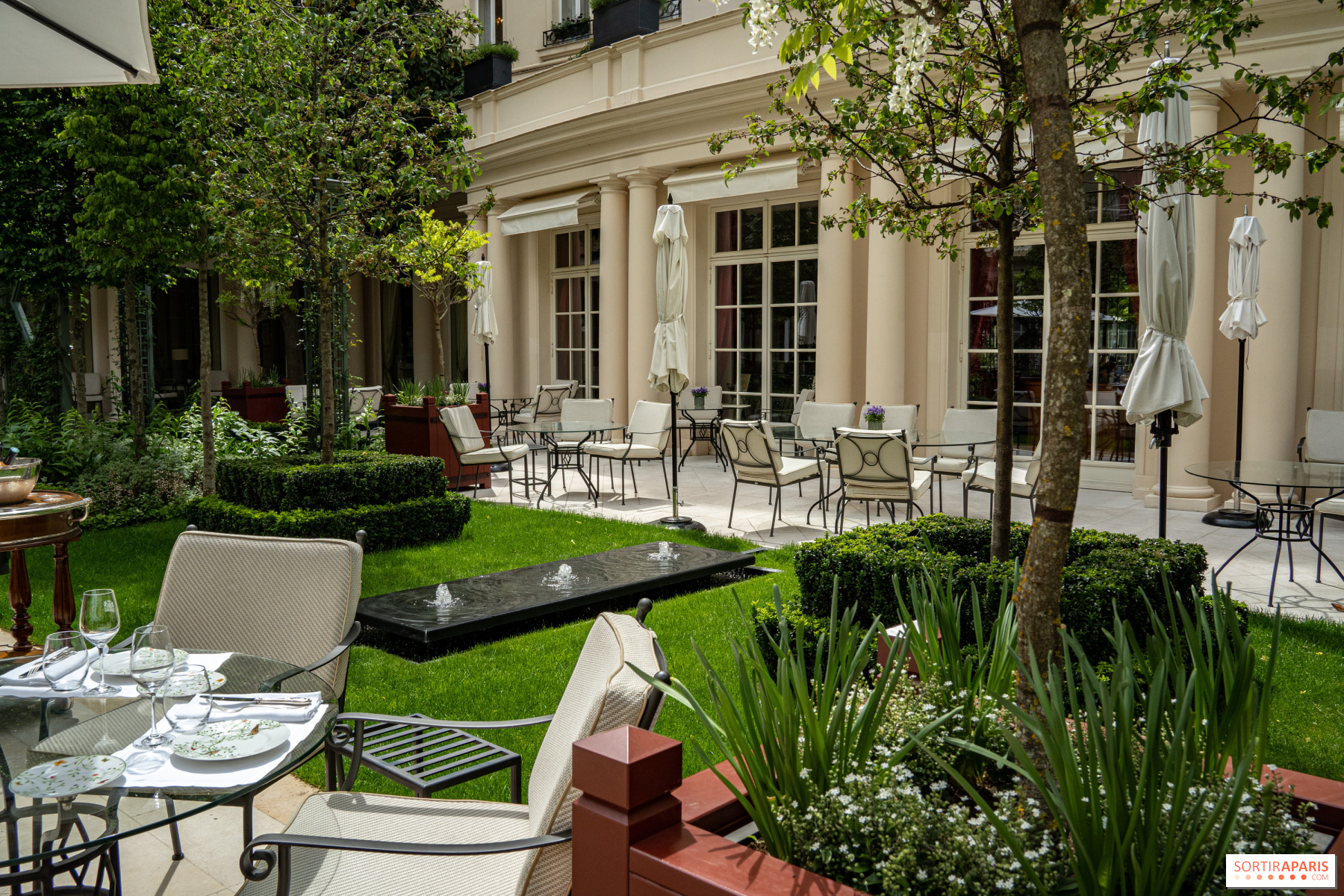
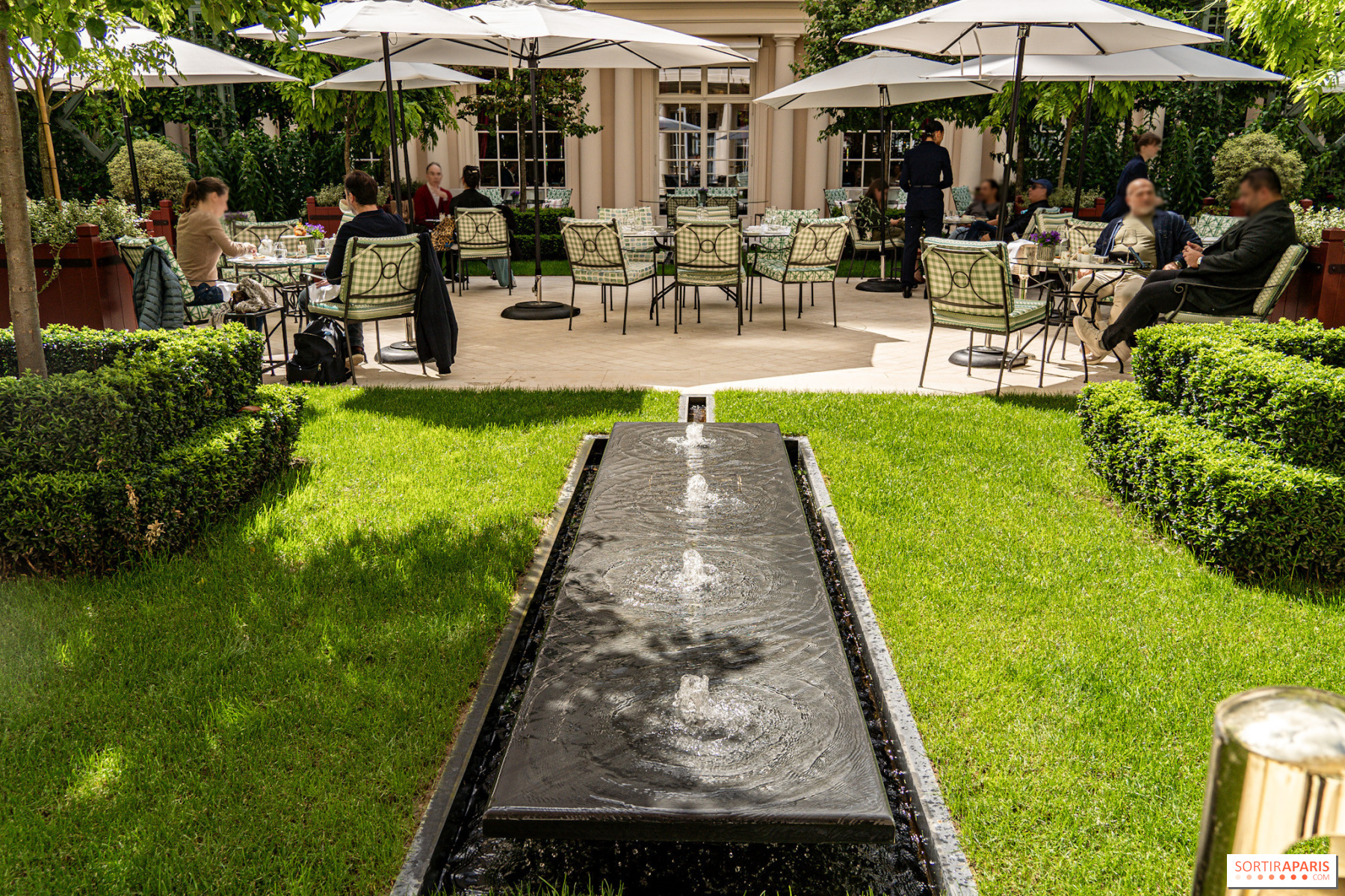
In 2020, when Le Bristol had to close temporarily for health reasons, it took advantage of the break to complete the last phase of renovation and introduce a redesigned interior garden, entrusted tolandscape architect Arabella Lennox-Boyd , who created a courtyard-garden with local species and secret nooks, inspired by a country garden.
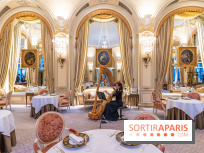
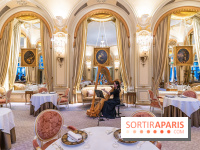
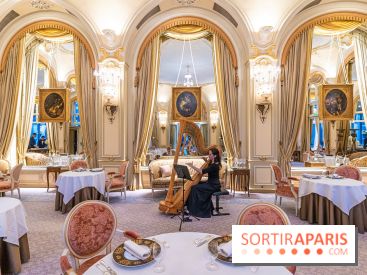
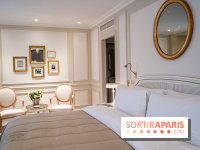
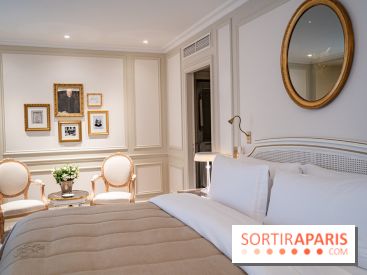
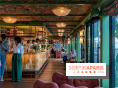
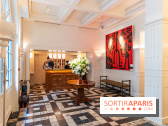
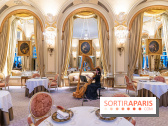
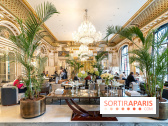
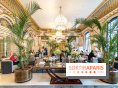
The original architecture combines classical facades and Art Deco influences, but the interior style blends traditional elegance, with tapestries, woodwork and crystal chandeliers, with more contemporary touches. Louis XV, Louis XVI and Regency furniture rubs shoulders with more modern pieces. The palace also features works of art, antique tapestries from the Louvre and Gobelins, paintings and period furniture.
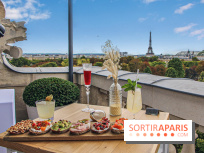
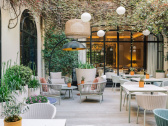
The large courtyard-garden offers a 1,200 m² plant refuge (the largest private garden of any Parisian palace!) where guests can relax or enjoy an aperitif. Among the unusual touches, Le Bristol has its own bakery-mill: the hotel produces its own flour from several varieties of wheat for its breads, all integrated into an artisanal approach. The palace also has a chocolate factory where confectionery and chocolates are made and served to guests.
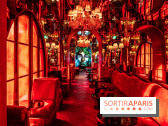
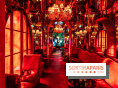
Le Bristol boasts two Michelin-starred restaurants: Epicure, the prestigious gourmet address run for 25 years by three-starred chef Éric Fréchon (now replaced by chef Arnaud Faye), and 114 Faubourg, the gourmet brasserie that earned its first macaron in 2013. Café Antonia, the Bristol bar and patisserie complete the gourmet offering.
Among the celebrities who have frequented the Bristol are Joséphine Baker, Coco Chanel, Pablo Picasso, Salvador Dalí, who improvised surrealist interventions, and Cristóbal Balenciaga. The Bristol Paris is still a symbol of timeless French luxury, with parts of its facades and salons classified as historic monuments.
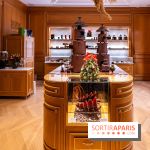 L'Epicerie des Ateliers du Bristol
The Epicerie du Bristol Paris welcomes you into a shop that’s both elegant and contemporary, showcasing a tantalizing array of delights—from the finest wines to luxurious chocolates, not to mention Maxence Barbot’s exquisite pastries and the gourmet creations of Arnaud Faye. [Read more]


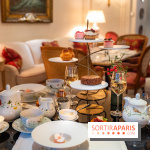
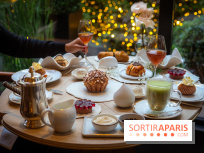
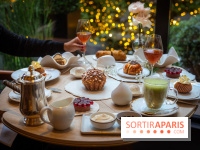
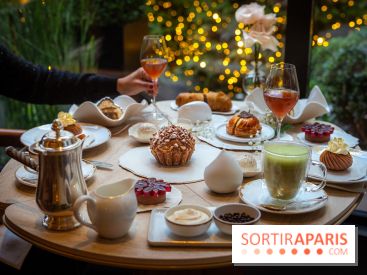
 We tried a new, exceptional tea time in Paris that you're going to love.
The Café Antonia at Bristol Paris unveils its new tea time created by Maxence Barbot, who has designed his first afternoon tea for the palace. We tried this gourmet interlude, which combines delicious savory and sweet dishes in an elegant setting. We'll tell you all about it! [Read more]
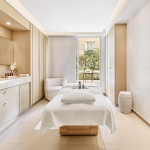
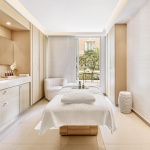
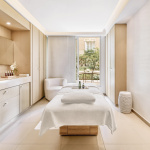
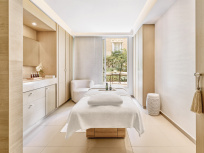
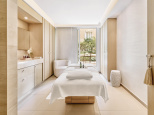
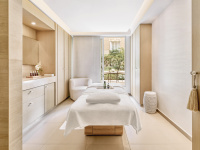
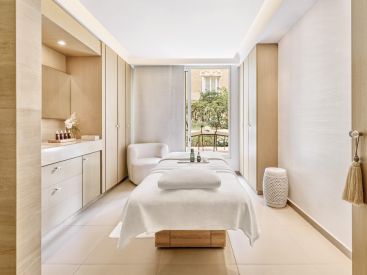
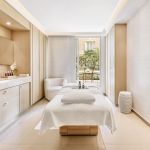 Le Bristol by La Mer Spa: an exceptional wellness interlude between sky, sea, and palace.
Le Bristol by La Mer Spa is making waves in Paris's 8th arrondissement. The Parisian palace has joined forces with La Mer, the iconic house of ocean-inspired skincare, to offer exceptional rituals combining luxury and regeneration. [Read more]
Dates and Opening Time
Next days
Sunday:
from 12:00 a.m. to 11:59 p.m.
Monday:
from 12:00 a.m. to 11:59 p.m.
Tuesday:
from 12:00 a.m. to 11:59 p.m.
Wednesday:
from 12:00 a.m. to 11:59 p.m.
Thursday:
from 12:00 a.m. to 11:59 p.m.
Friday:
from 12:00 a.m. to 11:59 p.m.
Saturday:
from 12:00 a.m. to 11:59 p.m.
Location
Le Bristol Paris
112 Rue du Faubourg Saint-Honoré
75008 Paris 8
Official website
www.oetkerhotels.com