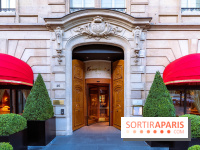
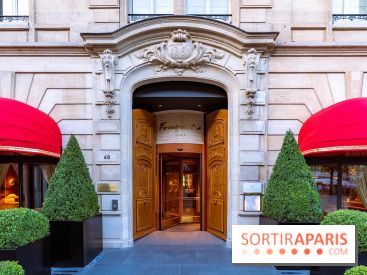
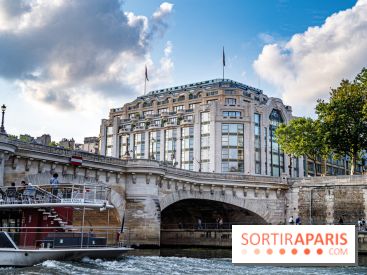
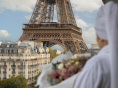
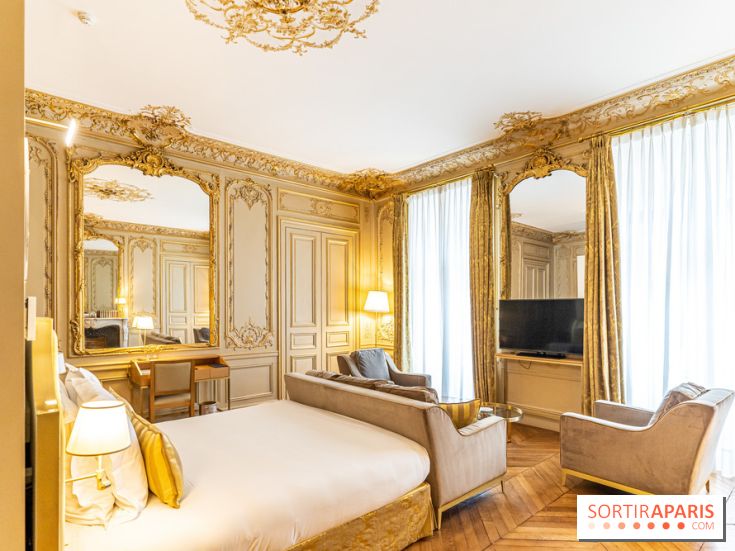
Opened in 1835 by Charles-Augustin Meurice, Le Meurice lived through the July Monarchy, the Second Empire, the two World Wars and theOccupation, but is still standing today, comfortably installed under the arcades of rue de Rivoli.
Its architecture, hushed lounges, royal guests and gourmet restaurants helped it earn the Palace label in 2011. Discover how Le Meurice became one of the capital's most legendary hotels.
The story of Le Meurice begins with Charles-Augustin Meurice, a postmaster who was already operating a hotel in Calais for British travelers. Sensing tourist demand in Paris, he opened his first establishment on rue Saint-Honoré in 1815. In 1835, to gain in prestige and space, he moved most of his operations to 228 rue de Rivoli, opposite the Tuileries Gardens. The location was strategic, at the heart of Parisian power and high society.
The architecture of Le Meurice then adopted a neo-classical style, imagined by architects Charles Percier and Pierre Fontaine. At the turn of the 20ᵉ century, the hotel was modernized under the direction of Arthur Millon and Frédéric Schwenter. They acquired the Métropole building on rue de Castiglione in order to enlarge it.Architect Henri-Paul Nénot was commissioned to blend the buildings into a stylistic unity, renovating facades, lounges and interiors. Le Meurice now boasts individual bathrooms, elevators, electric bells and avant-garde equipment to rival the nascent Ritz.
During the Second World War, Le Meurice was requisitioned. From mid-1940 to 1944, it became a headquarters for the German forces occupying Paris. General Dietrich von Choltitz, the military governor responsible for organizing the surrender of Paris, stayed in the hotel during the Liberation.
After the war, Le Meurice undertook successive renovations - in 1947 and then at the dawn of the 21ᵉ century. In 2007, Philippe Starck stepped in, reinterpreting certain spaces with a contemporary touch while respecting historic codes. Jean-Loup Roubert oversees the architectural work, bringing the infrastructure up to technical standards without sacrificingclassic elegance.
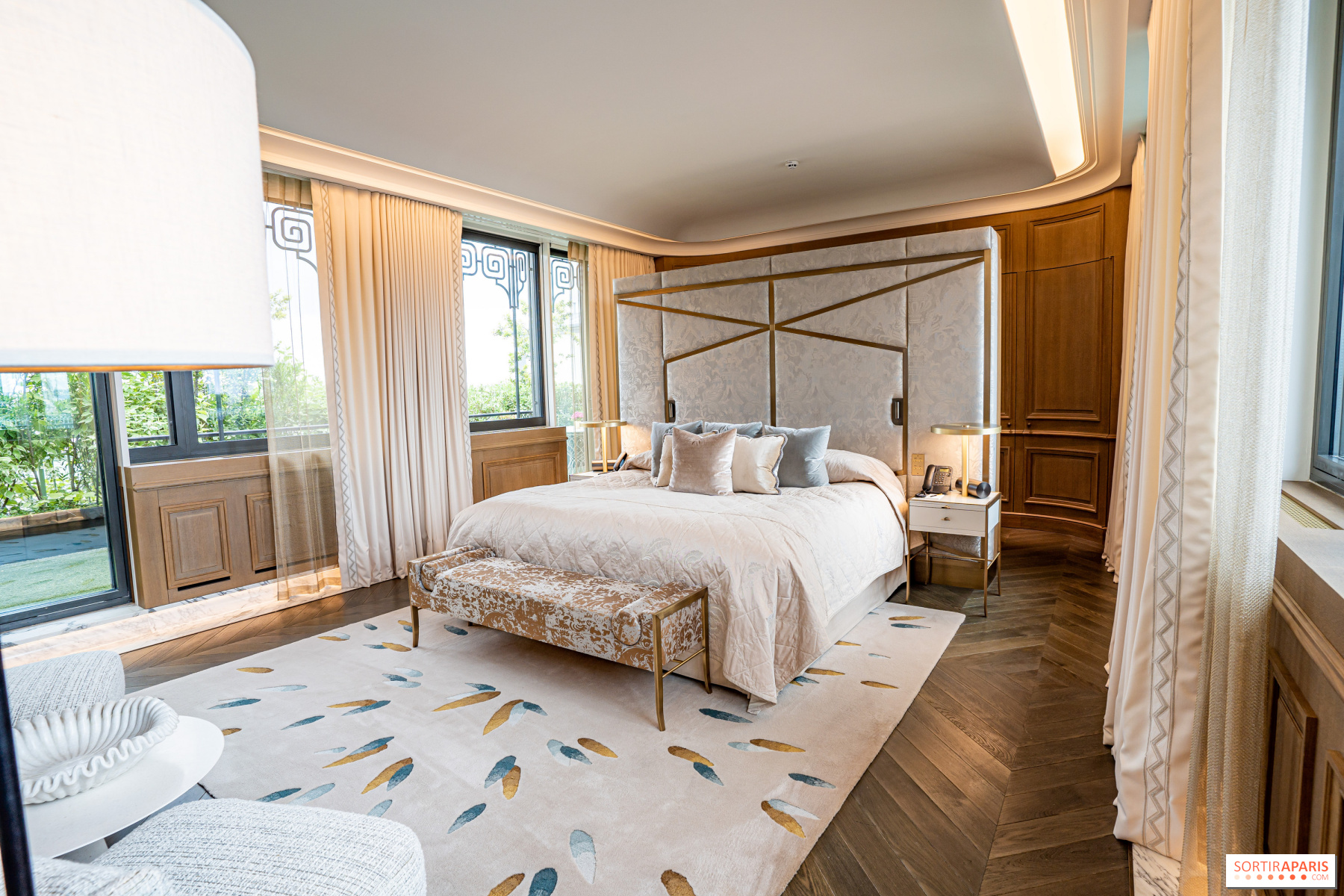
Le Meurice is often referred to as the hotel of kings, having welcomed several sovereigns. King Alfonso XIII of Spain, after his abdication in 1931, installed his government-in-exile in a suite at Le Meurice. Other monarchs from Italy, Belgium, Greece and the Shah of Persia also stayed here.
The hotel is also the scene of some flamboyant anecdotes. Salvador Dalí stayed there every year for decades in the royal suite. He obtained permission to cover the walls with paint, bring animals into his room and play up his eccentricity - a gesture celebrated by management for the publicity it brought. In 1918, Pablo Picasso held his wedding banquet with Olga Khokhlova in the Salon Pompadour at Le Meurice. Writer and patron Misia Sert stayed at the hotel from 1916 to 1927, hosting artists' circles and turning it into an influential Parisian salon.
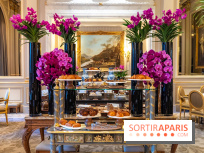
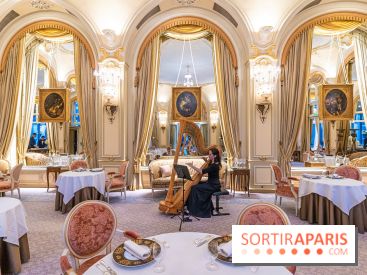
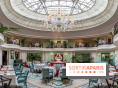
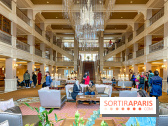
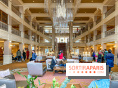
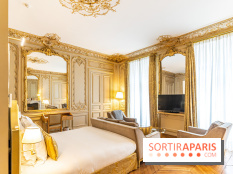
Le Meurice retains original features such as the Grand Salon Pompadour, the Salon Fontainebleau, the dining room with its marble, bronzes and pilasters, as well as the hall's wrought-iron glass roof, faithfully restored. Decorative artists Lavalley, Faivre and Poilpot created the frescoes, moldings and gilding during the Henri-Paul Nénot era.
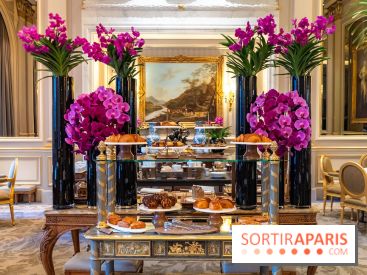
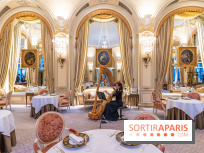
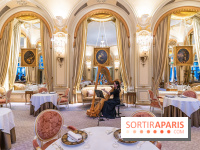
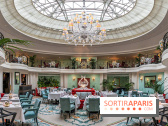
More recent renovations are matched by a subtle contemporary aesthetic, with Philippe Starck intervening to bring back freshness without altering thesoul of the place. Le Meurice Alain Ducasse' s gastronomic restaurant has adopted a décor inspired by the Salon de la Paix at the Château de Versailles, with antique mirrors, crystal chandeliers, marble and frescoes in classical harmony.
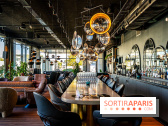
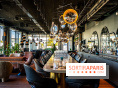
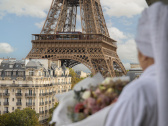
The restaurant Le Dalí, meanwhile, offers a more artistic atmosphere, with a large-scale canvas painted by Starck's daughter, and the richly wooded Bar 228 offers a hushed setting for sipping cocktails. All these spaces share a view of the Tuileries, the Louvre and Montmartre, a memorable Parisian backdrop.
Today, Le Meurice continues to attract chefs, artists, diplomats and lovers of French refinement.
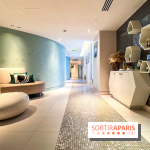
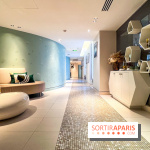
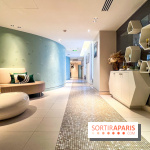
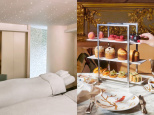
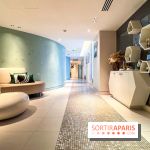 This Parisian palace on Rue de Rivoli unveils its Head Spa inspired by Japanese rituals.
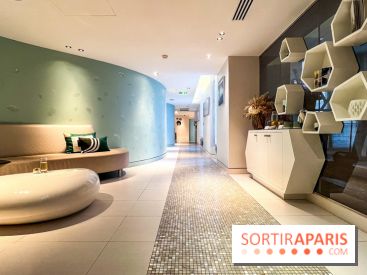
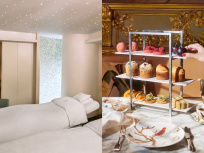
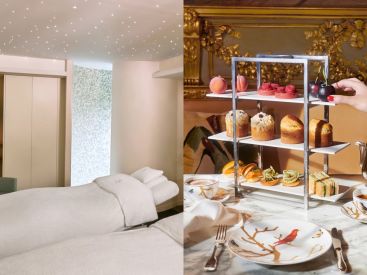
Valmont Spa at Le Meurice unveils its Head Spa, a Japanese-inspired ritual entirely focused on the scalp. The treatment combines massages, aromatherapy, lithotherapy and hot-water affusion, available in 60- or 90-minute sessions at the Parisian palace on Rue de Rivoli. [Read more]


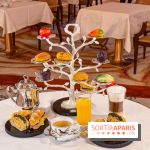 Tea Time by Cedric Grolet at Le Meurice: trompe l'œil pastries and reinvented savory bites — our review
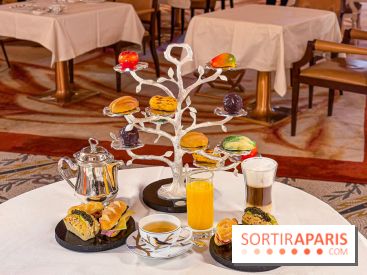
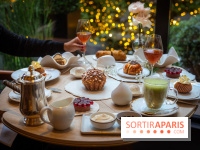
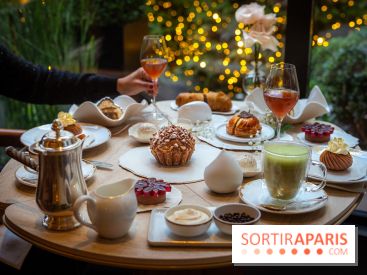
At Le Meurice, tea time gets a makeover in the hands of Cedric Grolet. The menu features his famous trompe-l’oeil pastries in bright colors and cleverly reimagined savory classics. From warm madeleines to sculpted fruit, every bite turns a tea break into a refined, playful moment. Discover our verdict. [Read more]
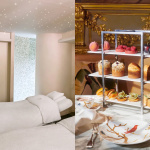
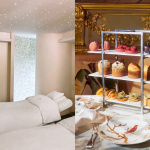
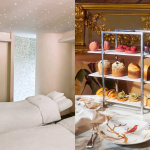
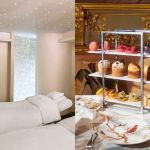 Valentine’s Day 2026 at Le Meurice: Couples’ Spa Massage and Tea Time with Cédric Grolet
This year, Valentine’s Day is all about relaxation and indulgence at the Spa Valmont at Le Meurice. The legendary hotel on Rue de Rivoli invites couples to escape for a special retreat filled with luxurious treatments and a decadent Tea Time curated by Cédric Grolet. [Read more]
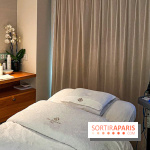
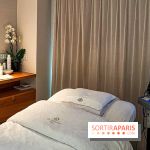 Le Grand Soin Hydrafacial by Spa Valmont for Le Meurice: deep cleansing and divine massage
At Le Meurice, beauty becomes an art. With the Grand Soin Hydrafacial at Maison Valmont, the palace's spa, in just 90 minutes your skin is transformed by the magical combination of cutting-edge technology and anti-aging expertise. [Read more]
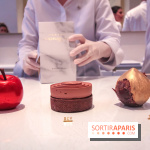
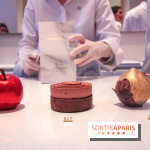
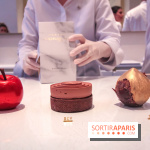
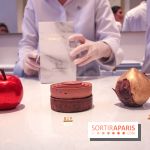 The pastry shop of Cédric Grolet, pastry chef of Le Meurice
If you're a pastry lover, you'll be familiar with Cédric Grolet, the pastry chef at Le Meurice, famous for his fascinating cakes, and especially for his fruit sculptures! While his cakes used to be served only in Le Meurice restaurants, you can now delight your loved ones with his pastries, available to take away. You're sure to fall in love! [Read more]
Le Dali, Le Meurice's elegant gourmet restaurant, serving fine French cuisine
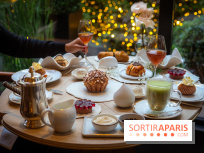
In the heart of the Le Meurice palace, the Le Dali restaurant, with its imposing Philippe Starck decor, invites you to relax and indulge, without the fuss. Chef Clémentine Bouchon unveils seasonal French cuisine, with a sprinkling of classic French dishes, ending with a farandole of pastries by chef Cédric Grolet. [Read more]
Dates and Opening Time
Next days
Thursday:
from 12:00 a.m. to 11:59 p.m.
Friday:
from 12:00 a.m. to 11:59 p.m.
Saturday:
from 12:00 a.m. to 11:59 p.m.
Sunday:
from 12:00 a.m. to 11:59 p.m.
Monday:
from 12:00 a.m. to 11:59 p.m.
Tuesday:
from 12:00 a.m. to 11:59 p.m.
Wednesday:
from 12:00 a.m. to 11:59 p.m.
Location
Le Meurice
228 Rue de Rivoli
75001 Paris 1
Route planner
Accessibility info
Official website
www.dorchestercollection.com




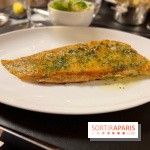
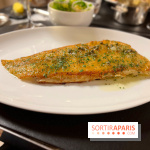
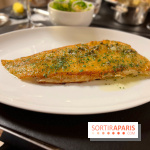
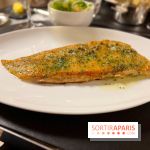 Le Dali, Le Meurice's elegant gourmet restaurant, serving fine French cuisine