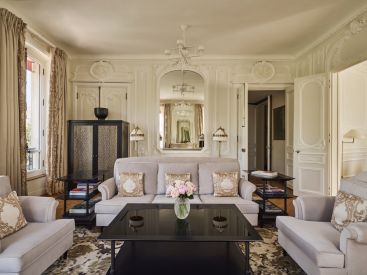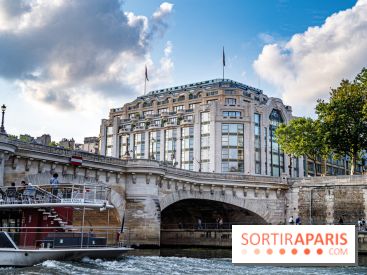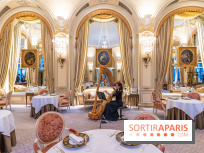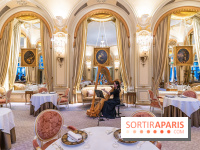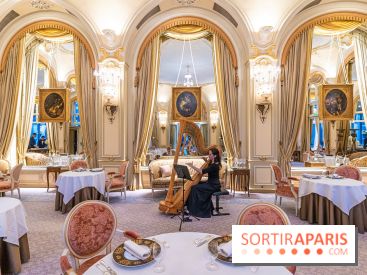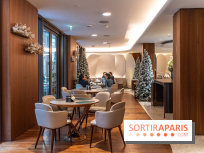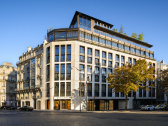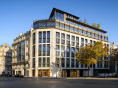
The history of The Peninsula Paris goes back to the Belle Époque. In 1908, theHotel Majestic opened on the site of the Palais de Castille, the former residence of the exiled Queen of Spain, Isabella II. Over the course of the 20ᵉ century, the building went through wars, occupations and institutional transformations, passing from headquarters of the Nazi military high command to government headquarters, then to that of UNESCO, and finding itself, in fact, at the heart of the great turning points in thehistory of Paris.
In 2008, the State handed over the property, and after four years of painstaking restoration, the palace was reborn in August 2014 under the Peninsula banner. The Asian group The Peninsula Hotels signed its first European establishment here, entrusting the architectural renovation to Richard Martinet and the interior design to Henry Leung, and The Peninsula Paris was awarded the Palace label in 2016.
Before it became a palace, the site was first a prestigious private mansion. In 1864, wealthy Russian Alexander Basilewsky had a palace built on what was then Avenue du Roi de Rome. Four years later, the building was acquired by Queen Isabella II of Spain in exile, who named it Palais de Castille. It was here that she officially abdicated on June 20, 1870, before a Spanish assembly invited to Paris.
On his death in 1904, the property was sold and revived by Leonard Tauber, who built theHôtel Majestic from 1905 to 1908, under the direction ofarchitect Armand Sibien. The luxurious establishment opened with a vast number of rooms and suites, and quickly established itself as one of the capital's leading hotels.
During the First World War, the Hôtel Majestic was converted into a field hospital for wounded officers - a short-lived mission, before reopening in 1916 after renovation. In 1919, it played a diplomatic role, hosting the Interallied Conference and the Preliminary Supreme Peace Council between February and June.
In 1922, its salons were also the setting for a dinner attended by Marcel Proust, Picasso, Stravinsky and Joyce, a legendary moment often referred to as the " dinner of giants" of Parisian modernism. In the 1920s, composer George Gershwin stayed at the Majestic and composed An American in Paris within its walls.

Rising political tensions led the French government to acquire the building in 1936 as offices for the Ministry of Defense. During theGerman Occupation, from 1940 to 1944, the Majestic became the headquarters of the German military high command. The building played a pivotal role in the deportation of Jews, and was the venue for Nazi strategy meetings, including one at which Reinhard Heydrich presented the machinery of mass murder to the officers.
One of the most dramatic episodes occurred in August 1944. During the Liberation of Paris, fierce fighting took place in and around the Hôtel Majestic before the Germans surrendered. After the war, the building regained its diplomatic vocation: from 1946 to 1958, it housed the headquarters of UNESCO, before becoming a conference center for the French Ministry of Foreign Affairs. It was also in its salons that, in 1973, the Paris Peace Agreement ending the Vietnam War was signed, and that, in 1991, it hosted a treaty ending the Cambodian civil war.
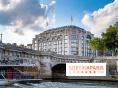
When France decided to sell the building in 2007, the Peninsula chain invested 338 million euros to reopen it as a palace.Architect Richard Martinet orchestrated the restoration of the building, recreating the Saint-Leu stone facades, restored stone by stone by heritage craftsmen, and bringing back into service the monumental entrance glass roof.
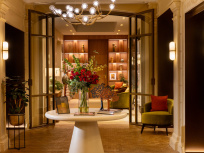
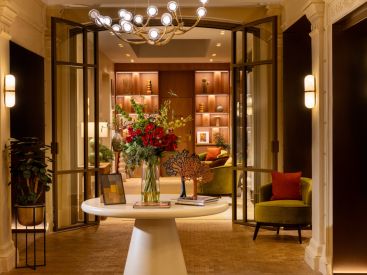
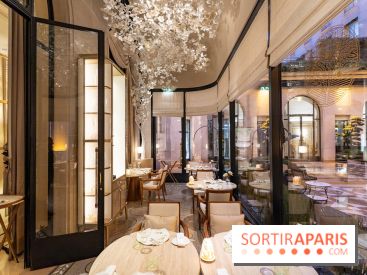
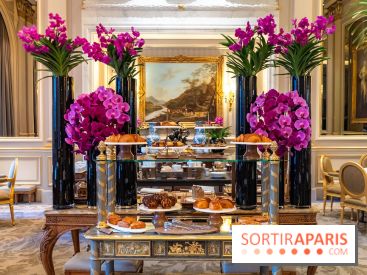
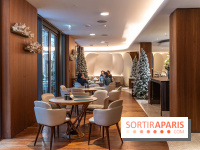
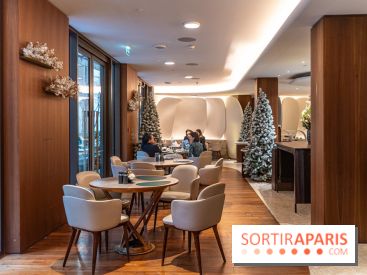
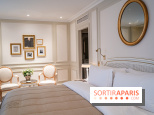
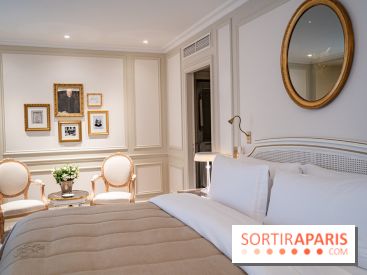
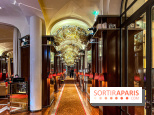
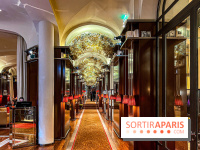
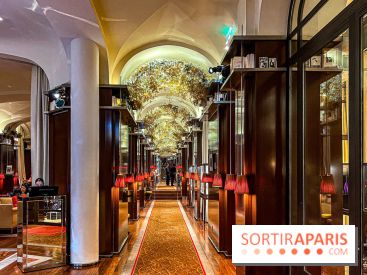
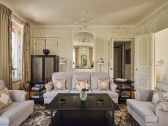
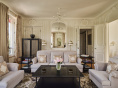
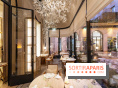
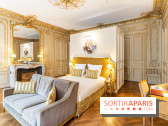
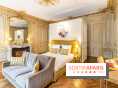
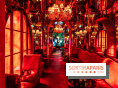
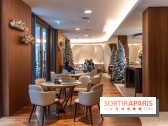
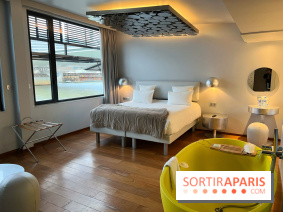
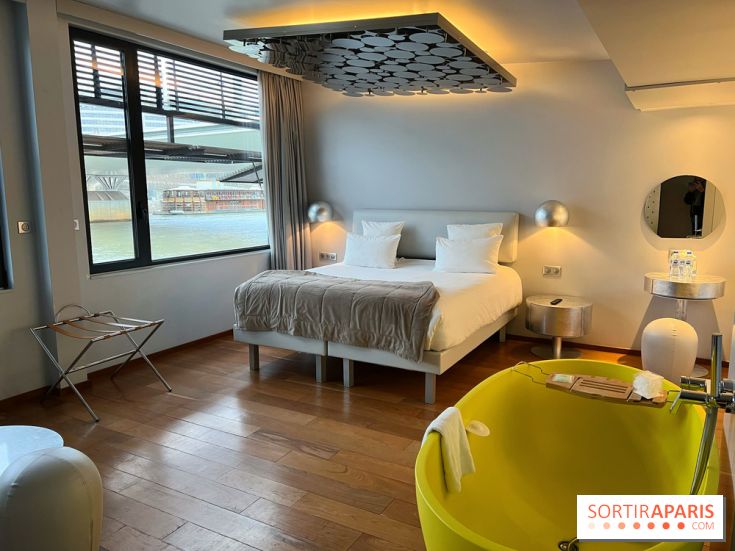
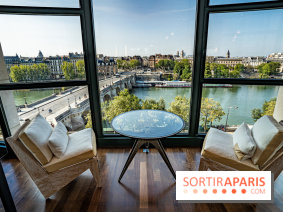
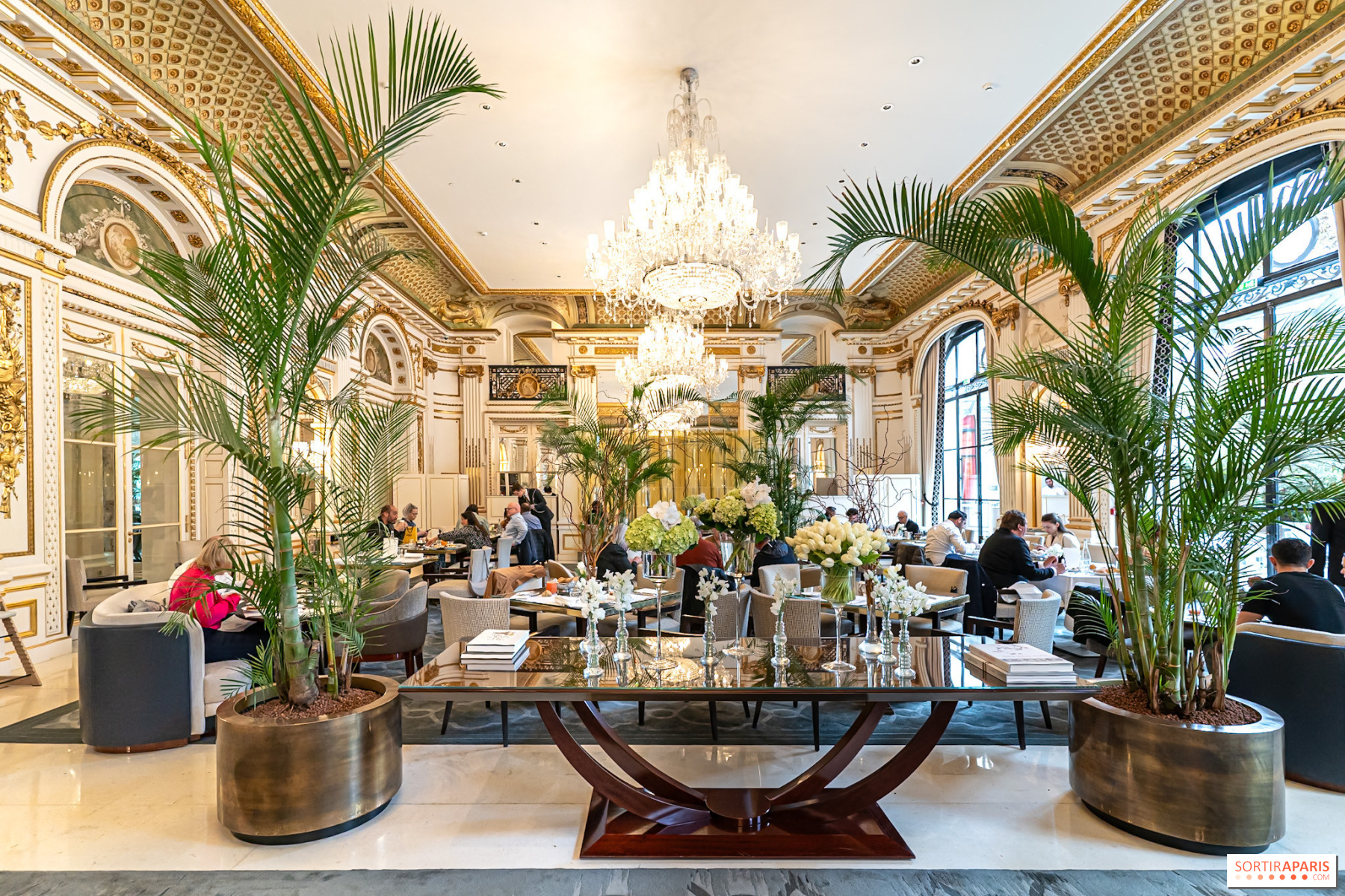
Inside, Henry Leung designed a décor that combines classic Parisian elegance with subtle Asian-inspired touches. The lobby features a cascading chandelier of leaves weighing a ton, inspired by the plane trees on Avenue Kléber. The palace boasts 200 rooms, including 34 suites, most notably the Suite Historique, a tribute to the past with herringbone parquet flooring, moldings and period fireplaces. The lobby opens onto six boutiques and reception areas reminiscent of the Majestic era.
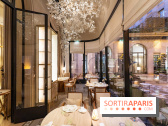
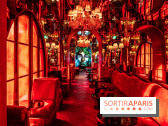
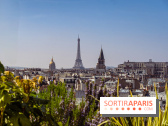
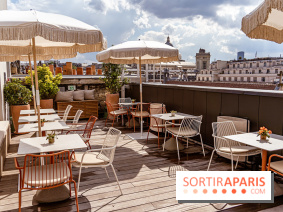
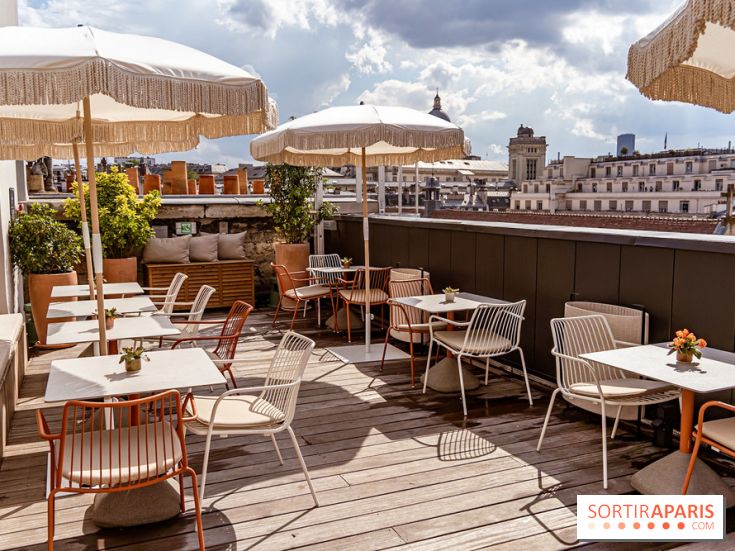
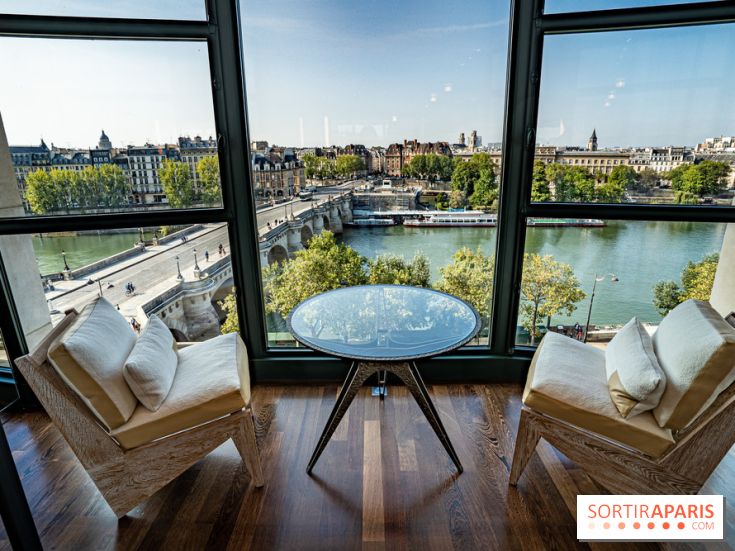
The Peninsula Paris has three restaurants: Le Lobby, open for breakfast, lunch and dinner; LiLi, the gourmet Cantonese restaurant; and L'Oiseau Blanc, perched on the roof, which unveils French cuisine revisited with panoramic views over Paris. Chef David Bizet heads up the kitchens, and the restaurant has been awarded two Michelin stars for its culinary audacity.
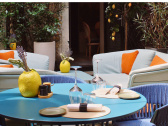
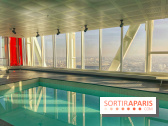
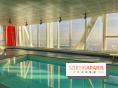
The Lounge Kléber, Bar Kléber and Terrasse Kléber add to the living spaces, while the spa is one of the largest in Paris, with several treatment rooms, indoor pool, hammam and fitness room.
Since its opening, The Peninsula Paris has been recognized not only for its upscale service and discreet luxury, but also for its role as a link between the past and the present. It embodies a dialogue between the history of Paris (its crises, its diplomatic turning points) and the contemporary expectations of discerning travelers.
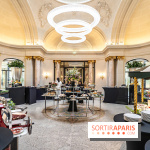
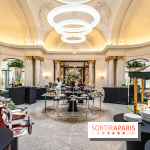
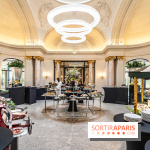
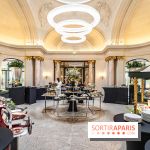 All-you-can-eat brunch at the Peninsula Paris
A Palace brunch as refined as it is gourmet? We'd like to take you on a tour of the Peninsula Paris' Sunday brunch, which has a lot going for it. With a wide choice of dishes, gilded ceilings and live music, it's almost like being in Paradise. [Read more]
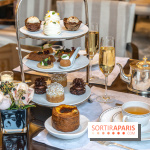
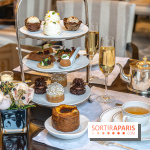
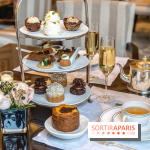
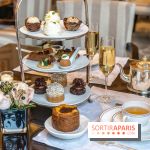 Tea time at the Peninsula Paris by Anne Coruble and David Bizet
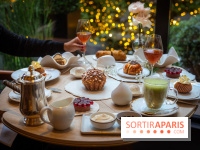
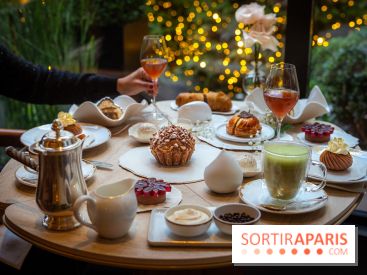
The Peninsula Paris unveils a divine new tea time, imagined by its new Pastry Chef Anne Coruble for the sweet part, and David Bizet for the savory part. Head to the Lobby Restaurant for a delicious moment of gourmet pleasure at l'Heure du Thé. [Read more]
 Delicious and varied breakfasts at the Peninsula Lobby
Do you have an important meeting at breakfast time or do you just want to please your sweetheart by offering her a sumptuous start to the day? Head to The Lobby at the Peninsula, which offers a variety of options to suit everyone's tastes, in a very luxurious setting... [Read more]
L'Oiseau Blanc, high-flying gastronomy at The Peninsula Paris
L'Oiseau Blanc, the prestigious restaurant-bar-terrace, is the pride and joy of The Peninsula Paris. This magical place welcomes you on the sixth floor of the Parisian palace, with a breathtaking 360° view of the city's finest monuments, including the Eiffel Tower. [Read more]
Cantonese LiLi restaurant pays tribute to the Asian heritage of the Peninsula hotels with dim sum, and Cantonese dishes based on seafood. The place to be to taste the best of Chinese cuisine in a splendid setting. LiLi, Hotel Peninsula’s Cantonese restaurant [Read more]
Dates and Opening Time
Next days
Sunday:
from 12:00 a.m. to 11:59 p.m.
Monday:
from 12:00 a.m. to 11:59 p.m.
Tuesday:
from 12:00 a.m. to 11:59 p.m.
Wednesday:
from 12:00 a.m. to 11:59 p.m.
Thursday:
from 12:00 a.m. to 11:59 p.m.
Friday:
from 12:00 a.m. to 11:59 p.m.
Saturday:
from 12:00 a.m. to 11:59 p.m.
Location
The Peninsula Paris
19 Avenue Kléber
75116 Paris 16
Official website
www.peninsula.com




 L'Oiseau Blanc, high-flying gastronomy at The Peninsula Paris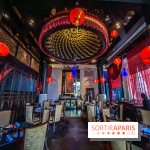
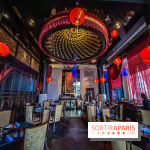
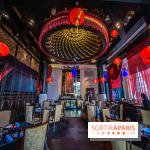
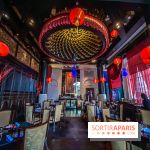 LiLi, Hotel Peninsula’s Cantonese restaurant