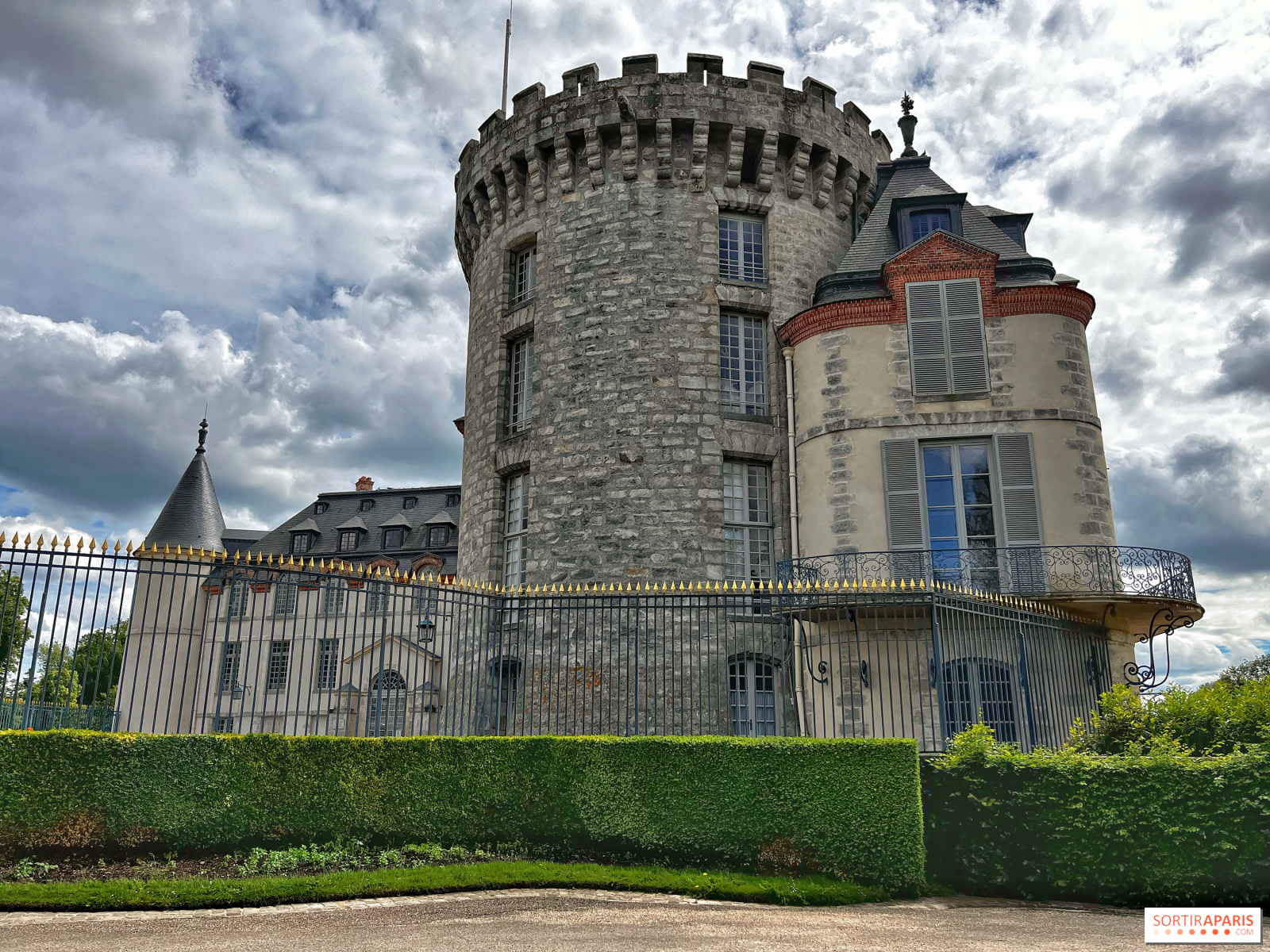
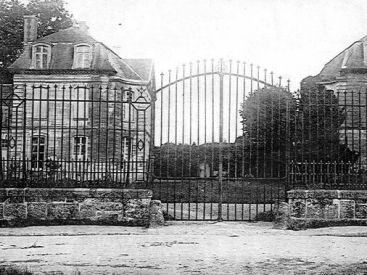
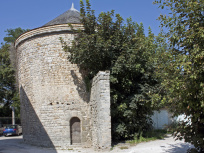
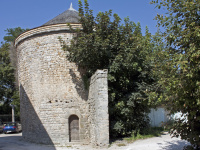
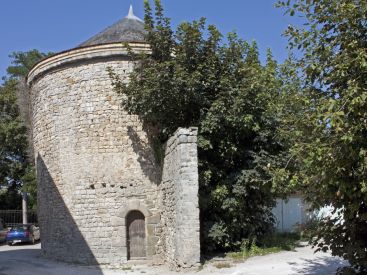
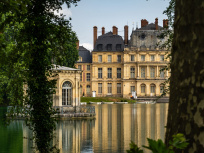
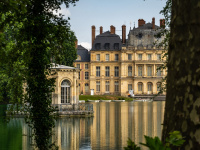
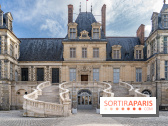
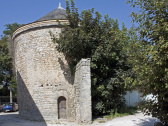
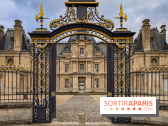
Did you know that King François 1st died in the tower of the Château de Rambouillet? Well, that's just one of the many anecdotes you'll discover when you visit this historic estate in the Yvelines region, which is brimming with fascinating information. Although at first glance the château may not seem as remarkable as Versailles, its importance inFrench history rivals that of Versailles by a wide margin.
Indeed, it's the only residence in France to have welcomed princes, kings, emperors and even presidents, from the Hundred Years' War to the present day. Louis XVI, Napoleon, Valérie Giscard d'Estaing, Charles X and other illustrious figures have passed through the corridors of this château, whose extensive grounds are home to a precious Chaumière aux coquillages and the Laiterie de la Reine, an exceptional place of devotion, not to mention the Bergerie Nationale.
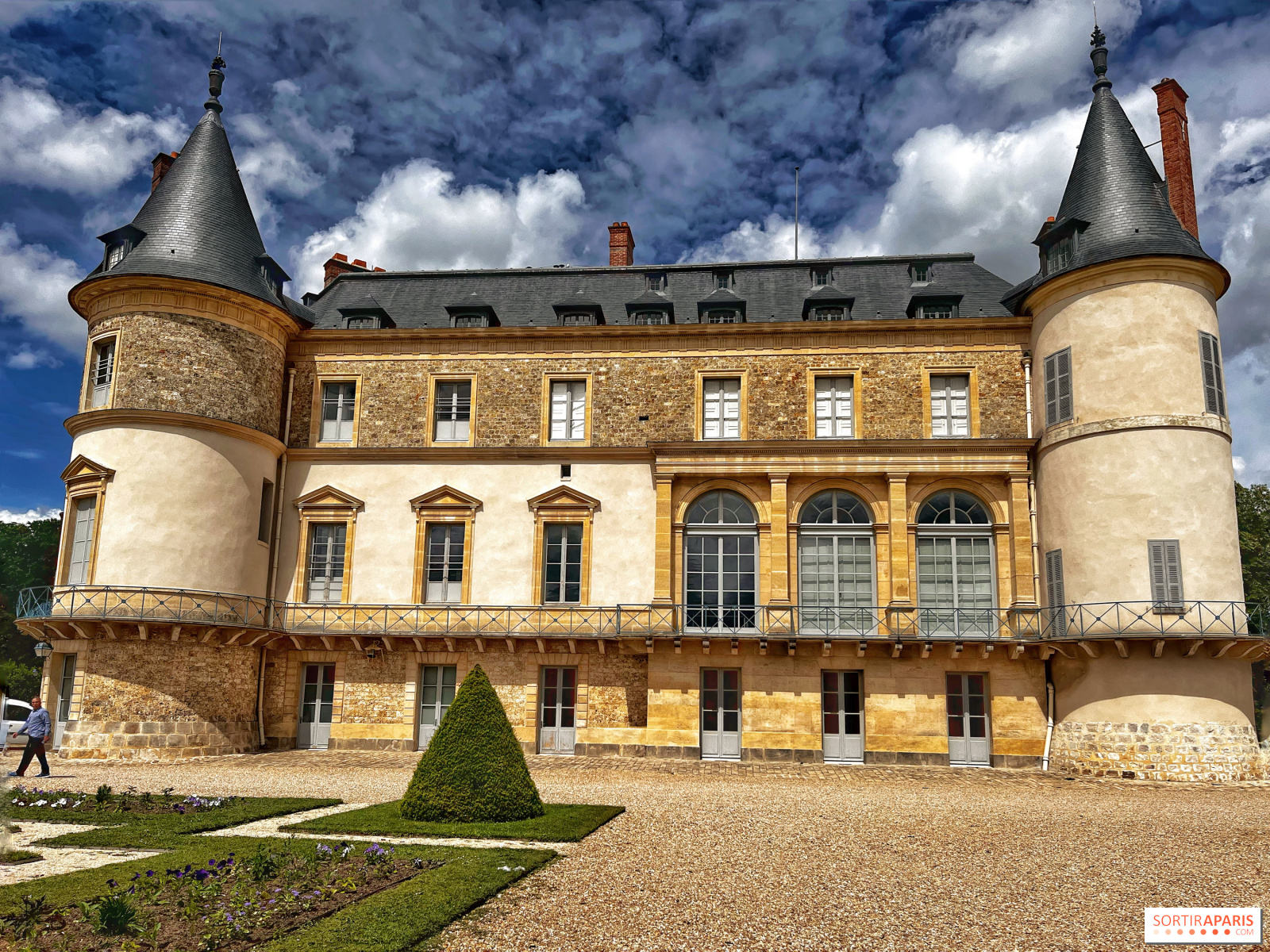
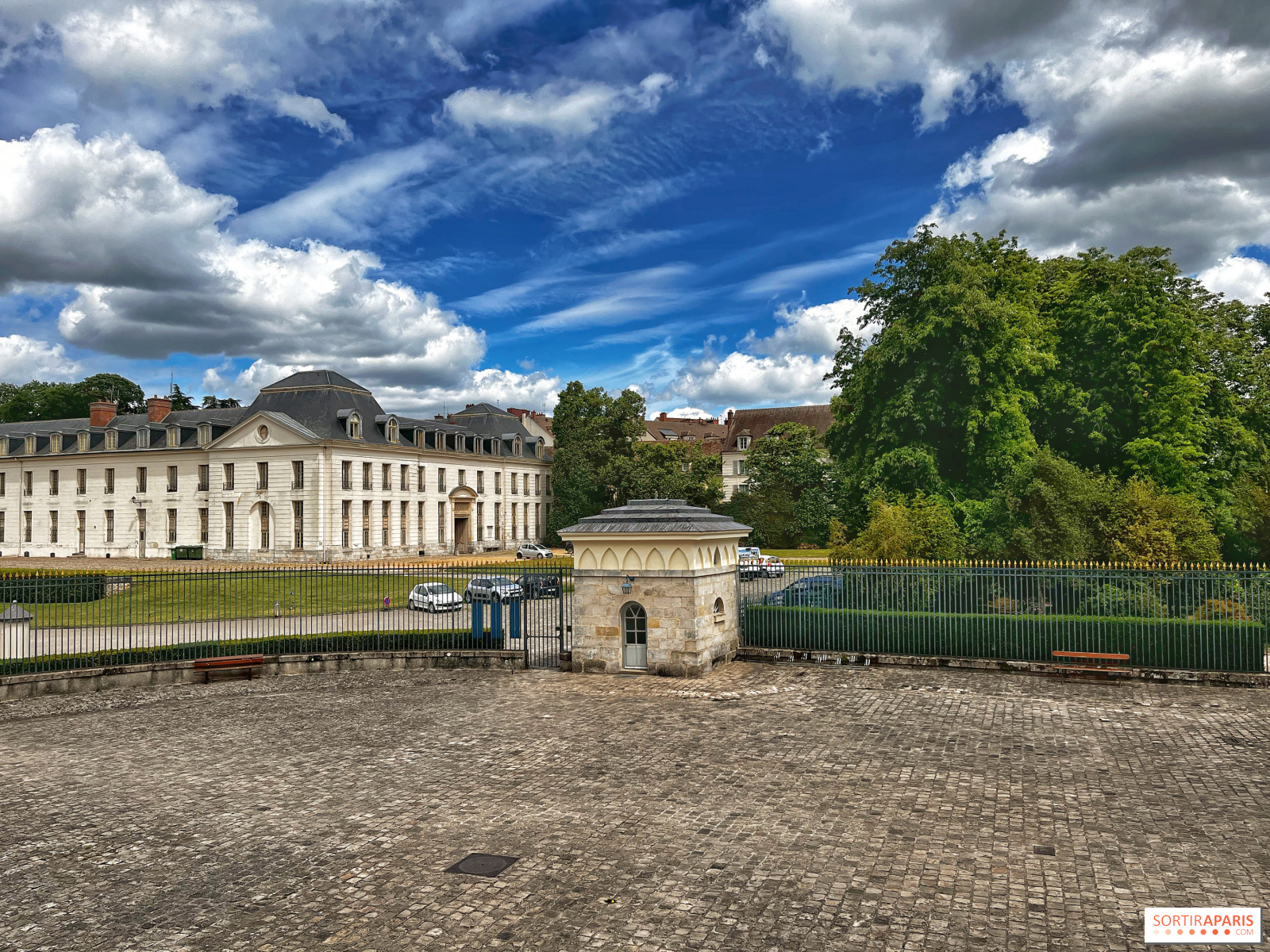
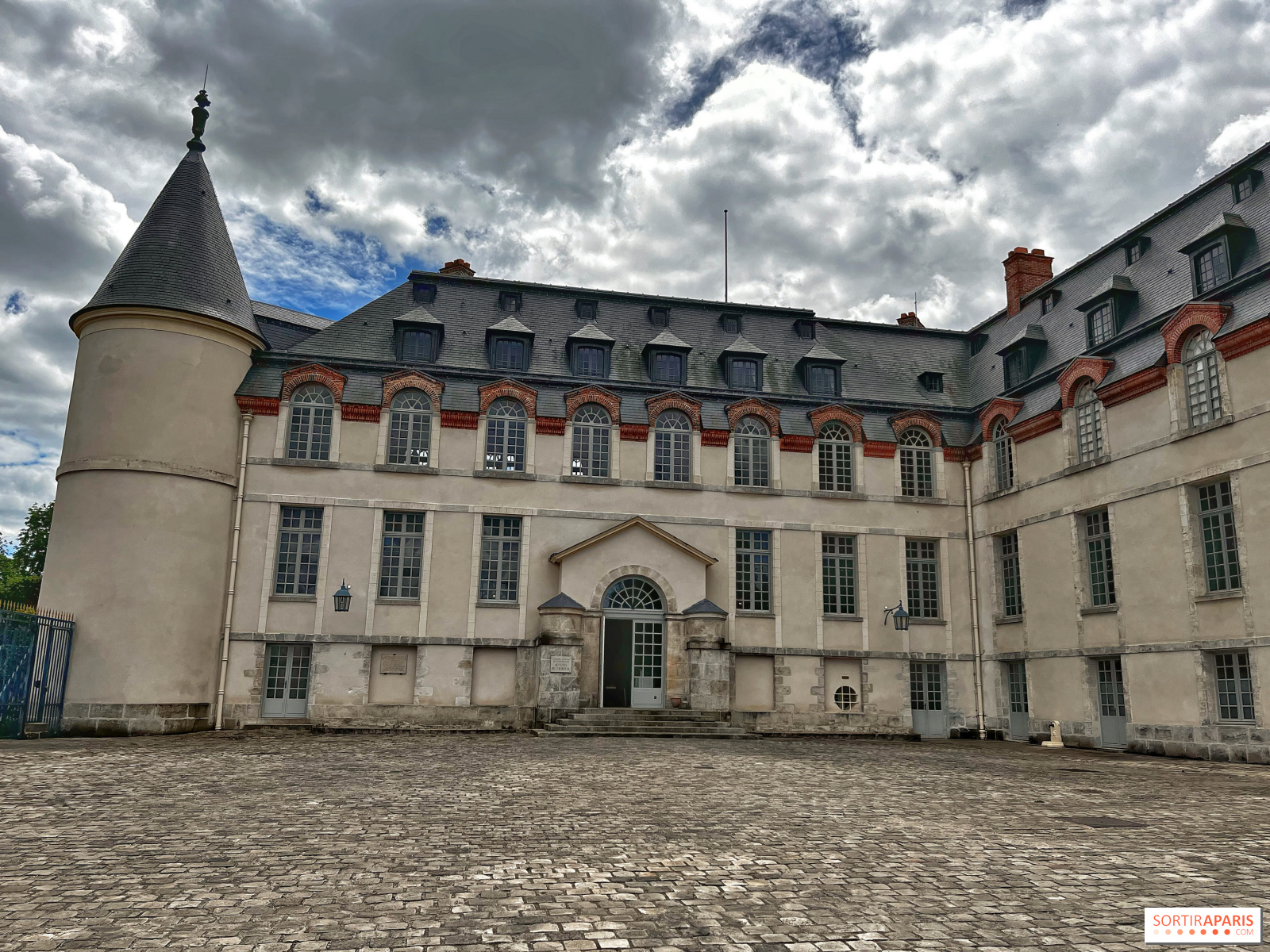
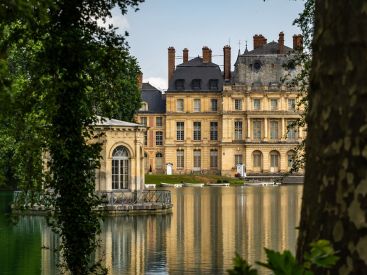
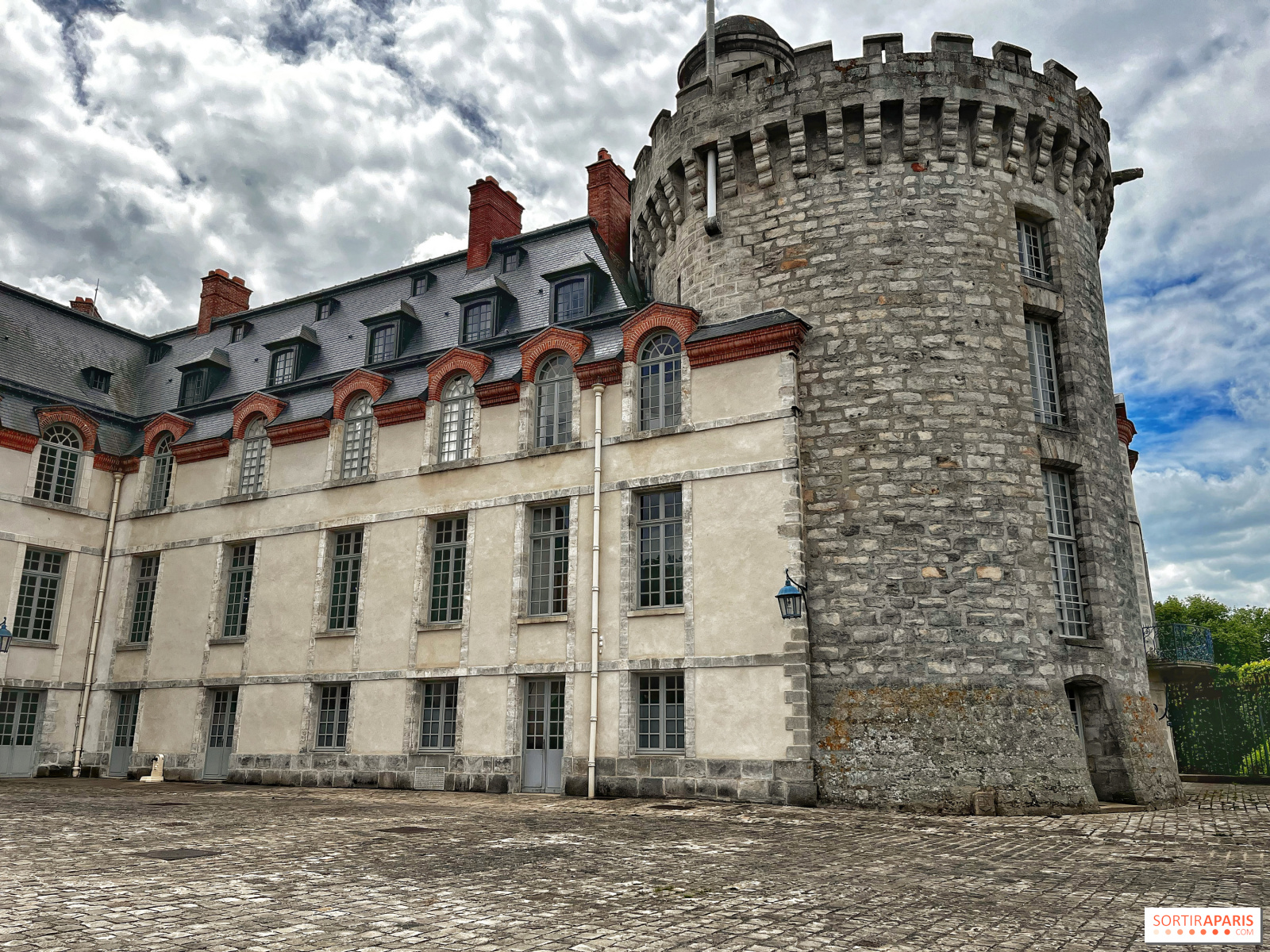
We begin our visit with the château, built in the heart of the thousands of hectares of the Rambouillet forest, a private residence where hunting parties were the favorite pastime of nobles and sovereigns, whatever the era. Far from the glitz and glamour of Versailles, Rambouillet appears much more rustic, with its medieval appearance and pleasant gardens, classified as Remarkable. A true symbol, the Château de Rambouillet has been adored as much as hated, even though royalty came to a definitive end here when Charles X abdicated.
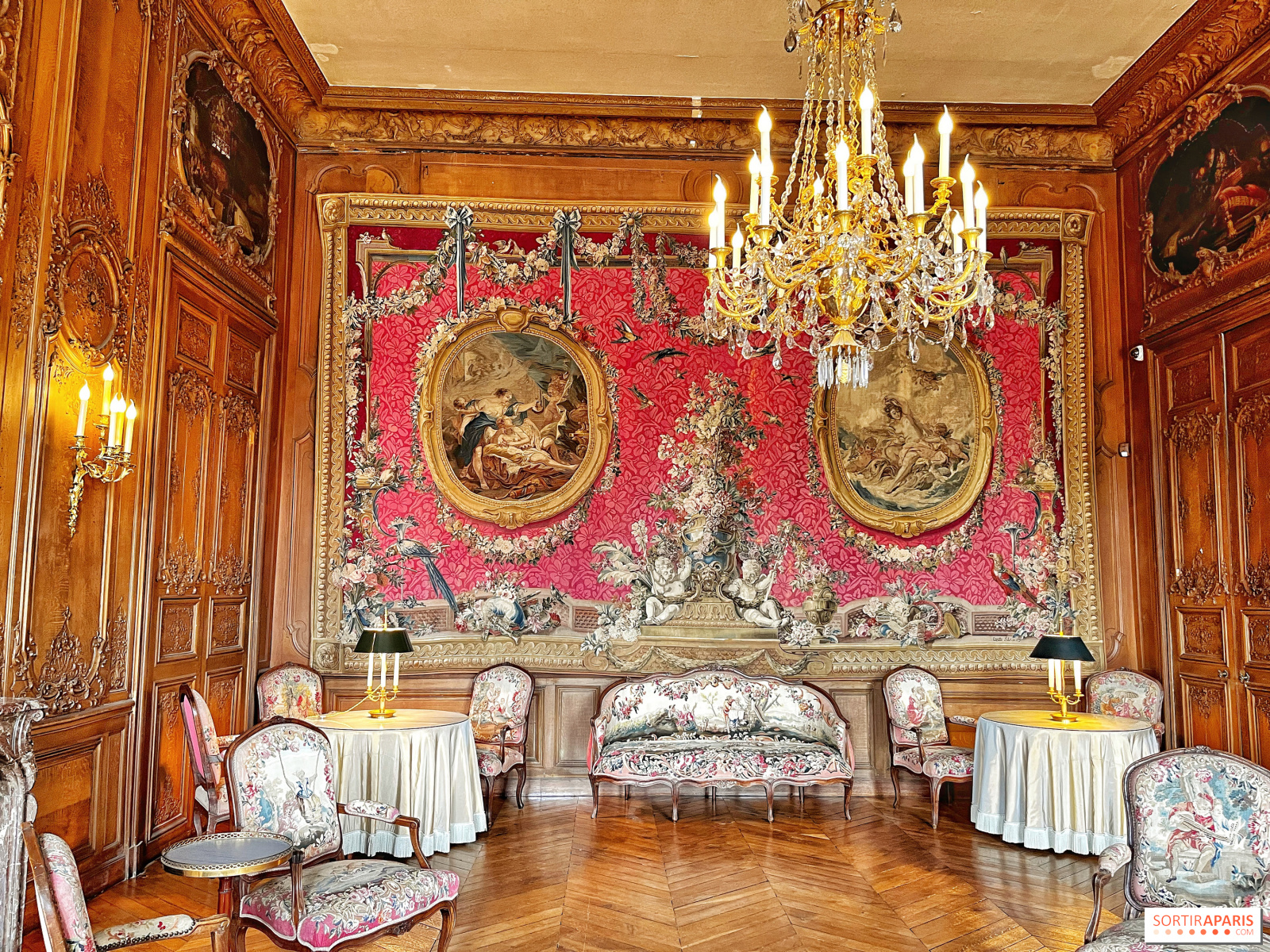
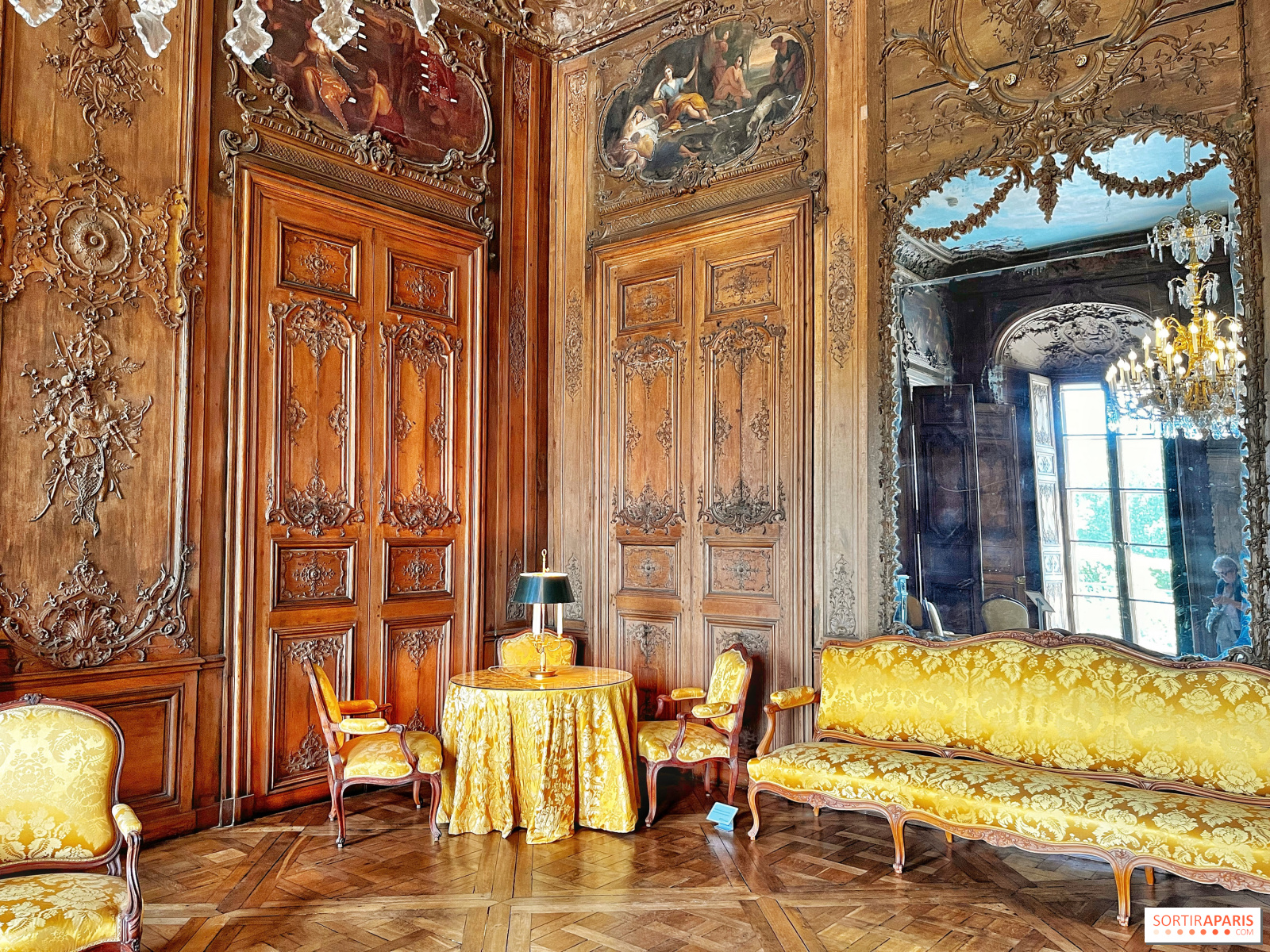
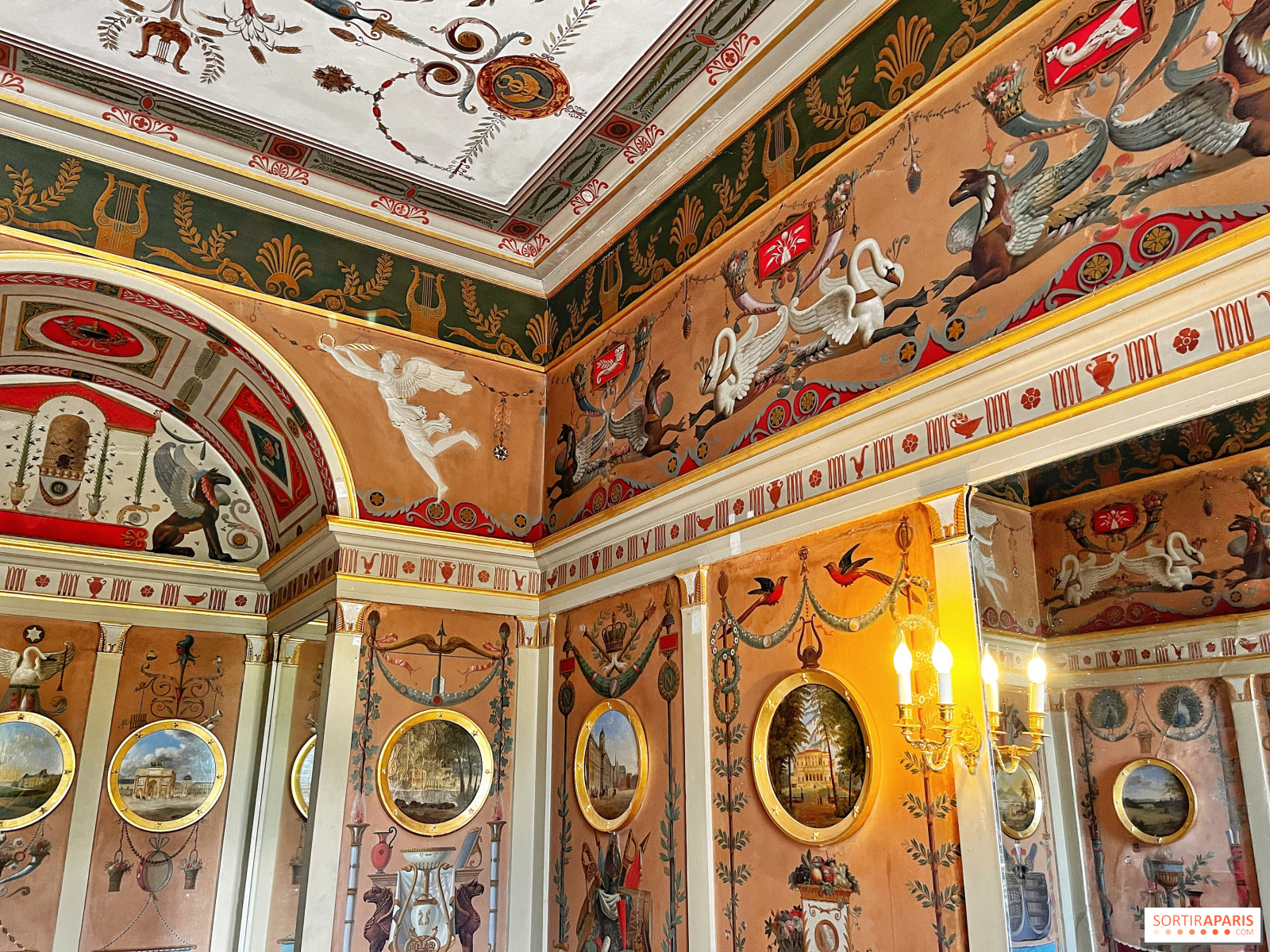
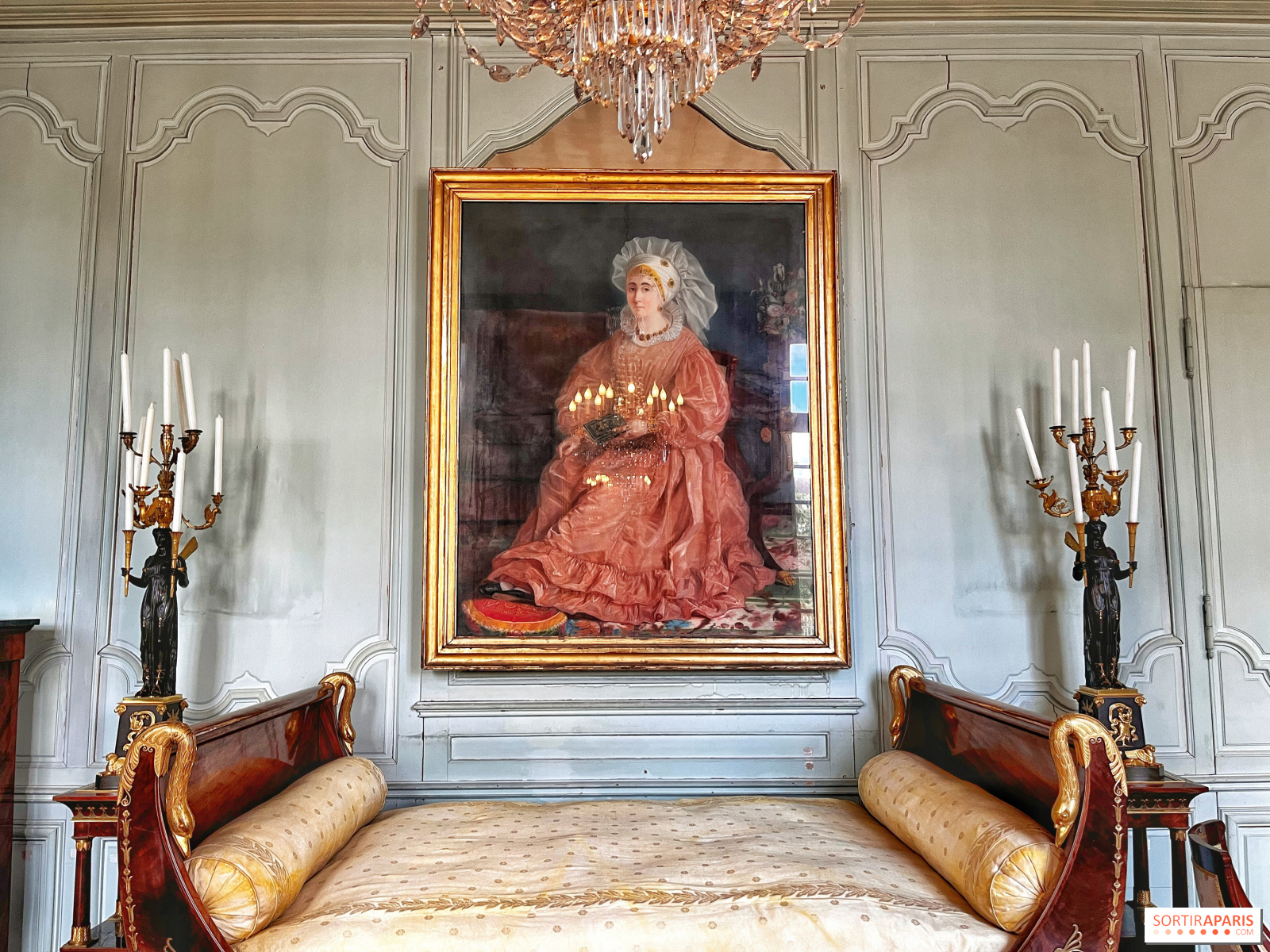
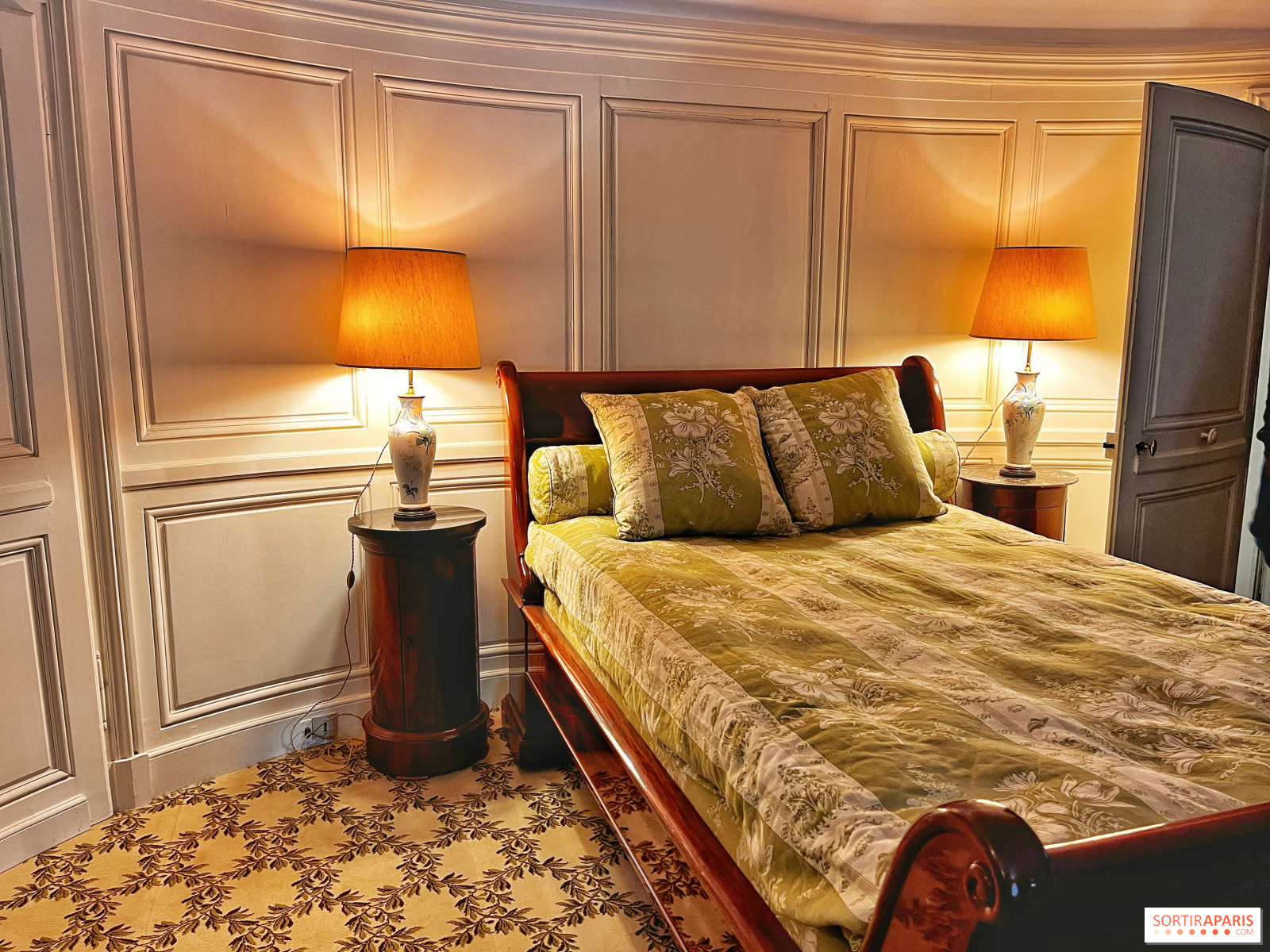
Over the centuries, whole sections of the château have been destroyed or converted to suit the tastes of its various owners. President Giscard d'Estaing, who loved Rambouillet, and the Count of Toulouse, son of Louis XIV, gave it its current appearance. The spaces on show to visitors bear witness to this, notably the Bourbon-Penthièvre family apartment with its refined woodwork, created in honor of Marie Victoire Sophie de Noailles, following the rare love marriage of the Comte de Toulouse.
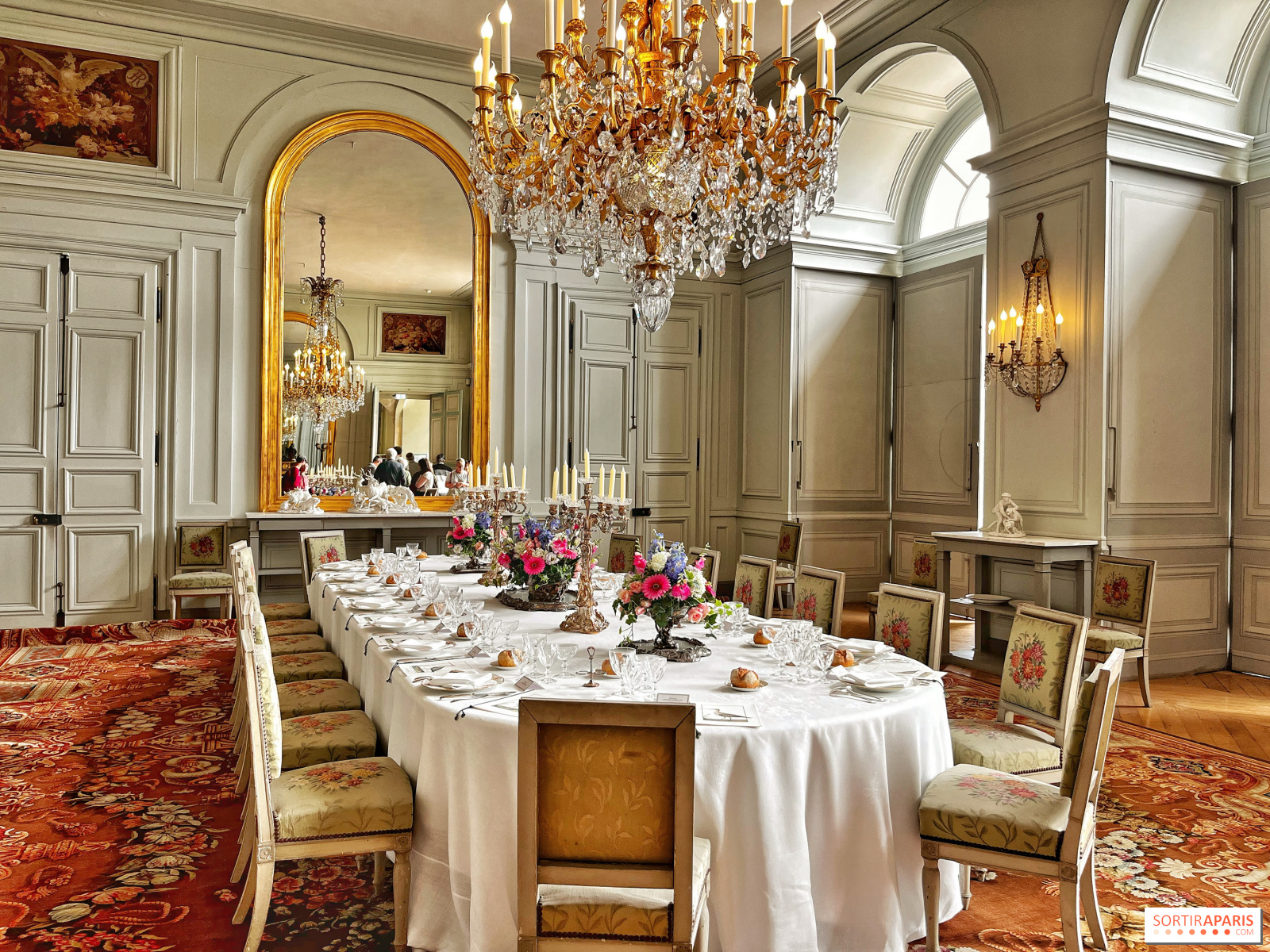
The Presidents' Dining Room, refurnished using collections from the Mobilier National, is a major feature of the château. It is a reminder of the monument's place in our recent history, with a reconstruction of the table laid in 1975 for the first G6 meeting, which took place at Rambouillet. The château became a presidential residence in 1896, under the mandate of Félix Faure, and was converted into a small hotel for foreign delegations. Since Nicolas Sarkozy and the presidency of Emmanuel Macron, the Rambouillet estate has lost this status, and the rooms where the presidents lived should therefore be accessible to the public by 2023, following restoration.
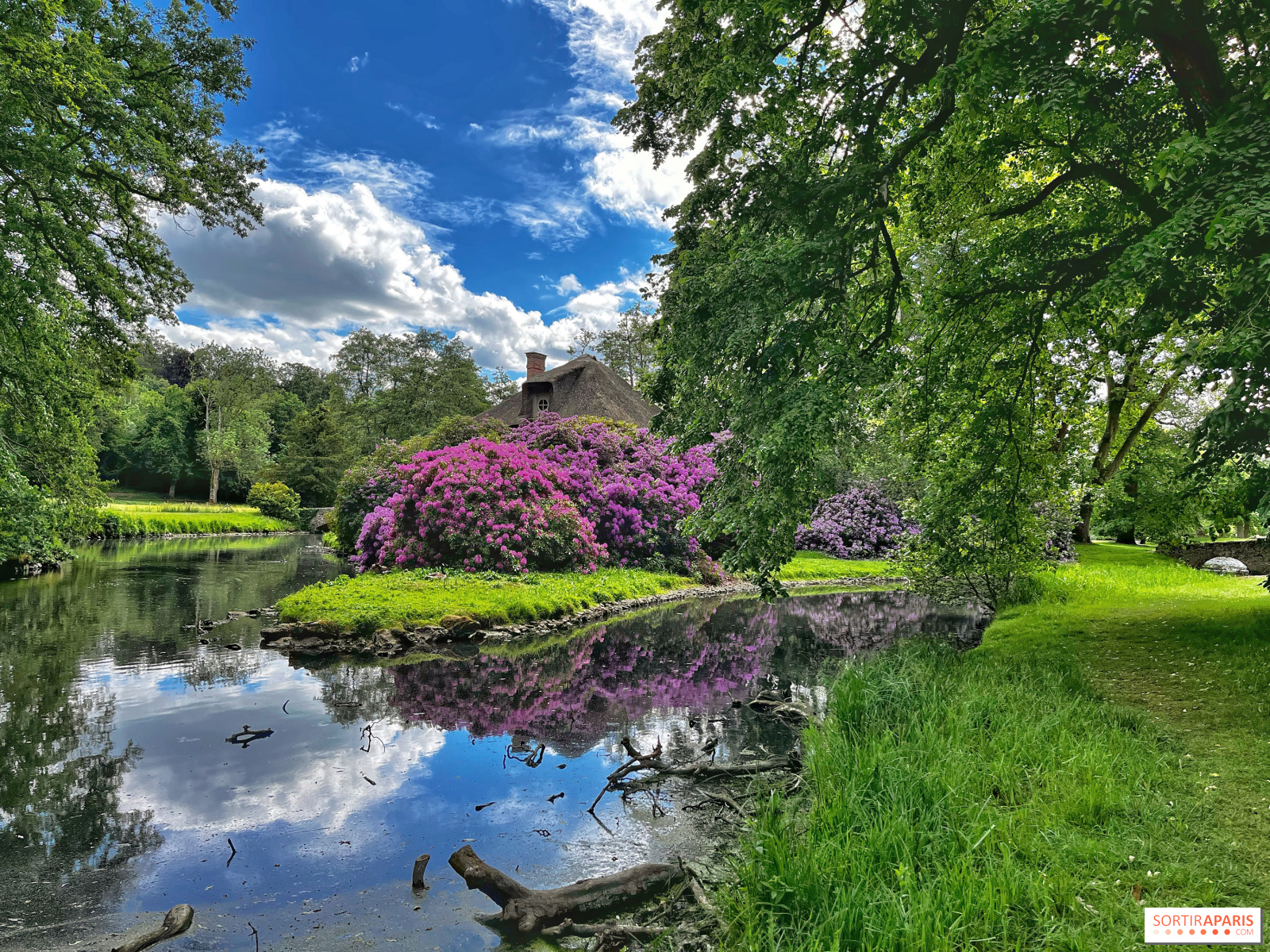
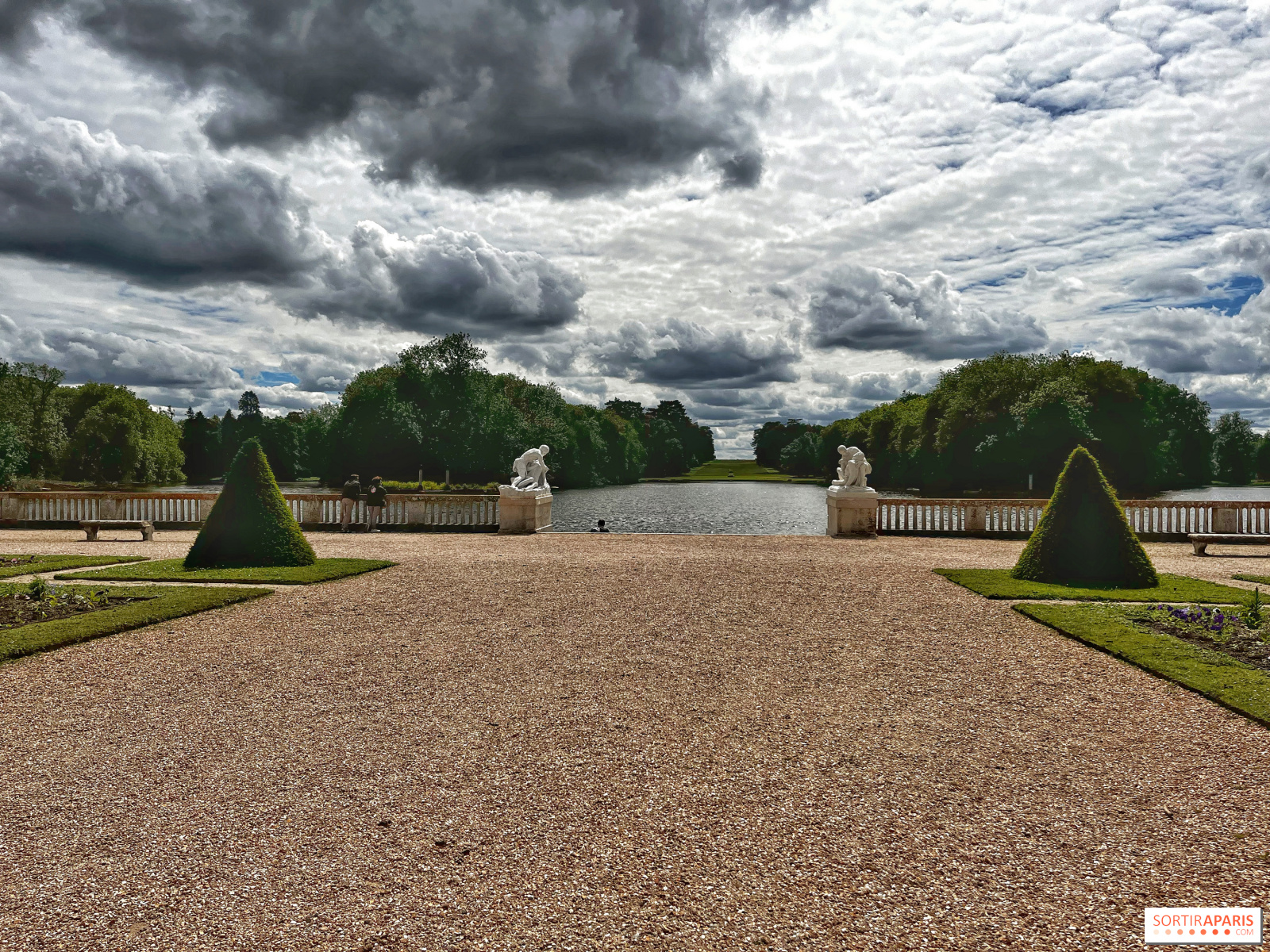
The estate's 150-hectare gardens and lake can be explored on foot or by bike, although a number of parking lots now provide access to the various tastefully landscaped areas. These include two astonishing and unique 18th-century monuments: the Chaumière aux coquillages and the Laiterie de la Reine.
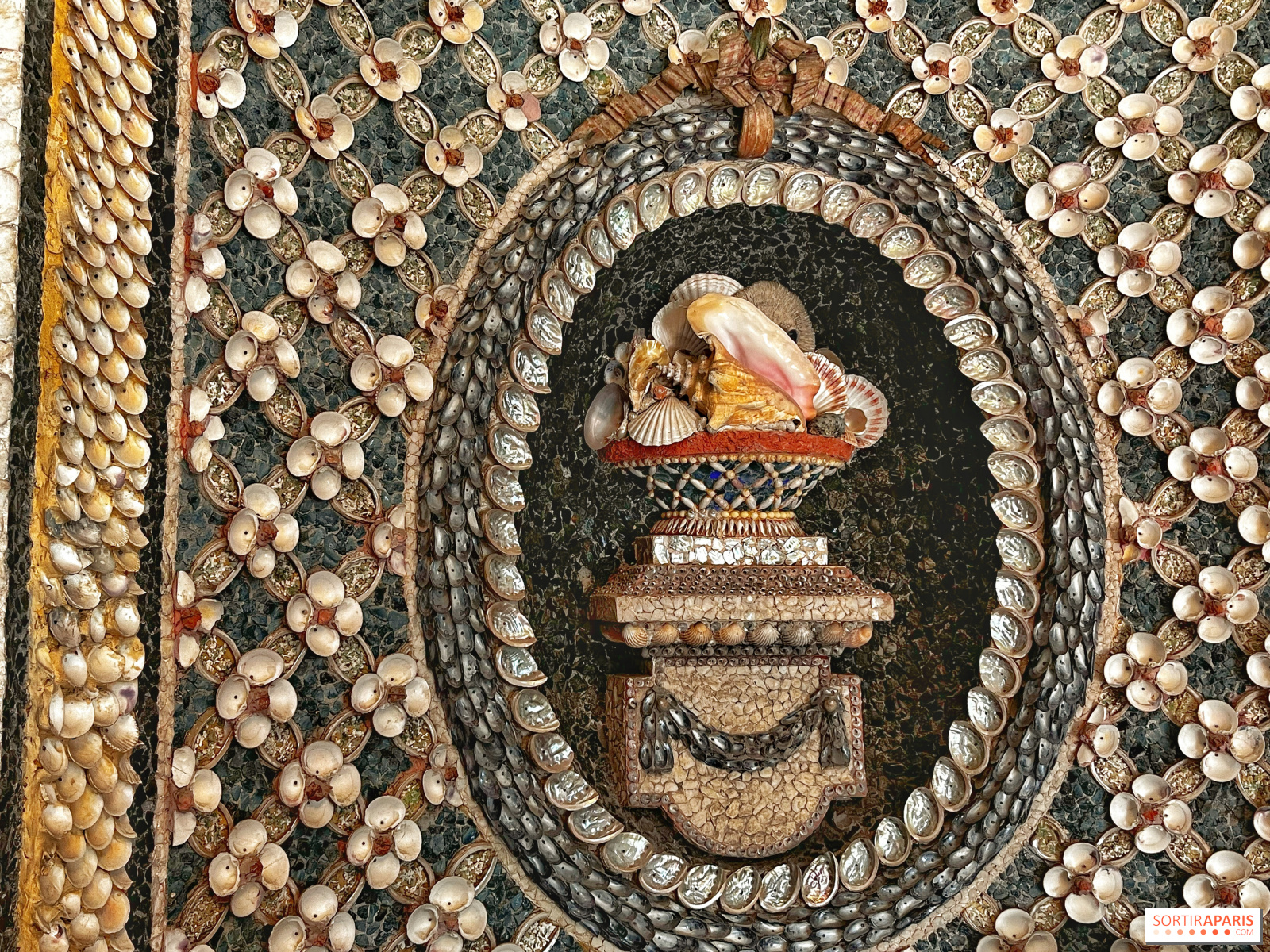
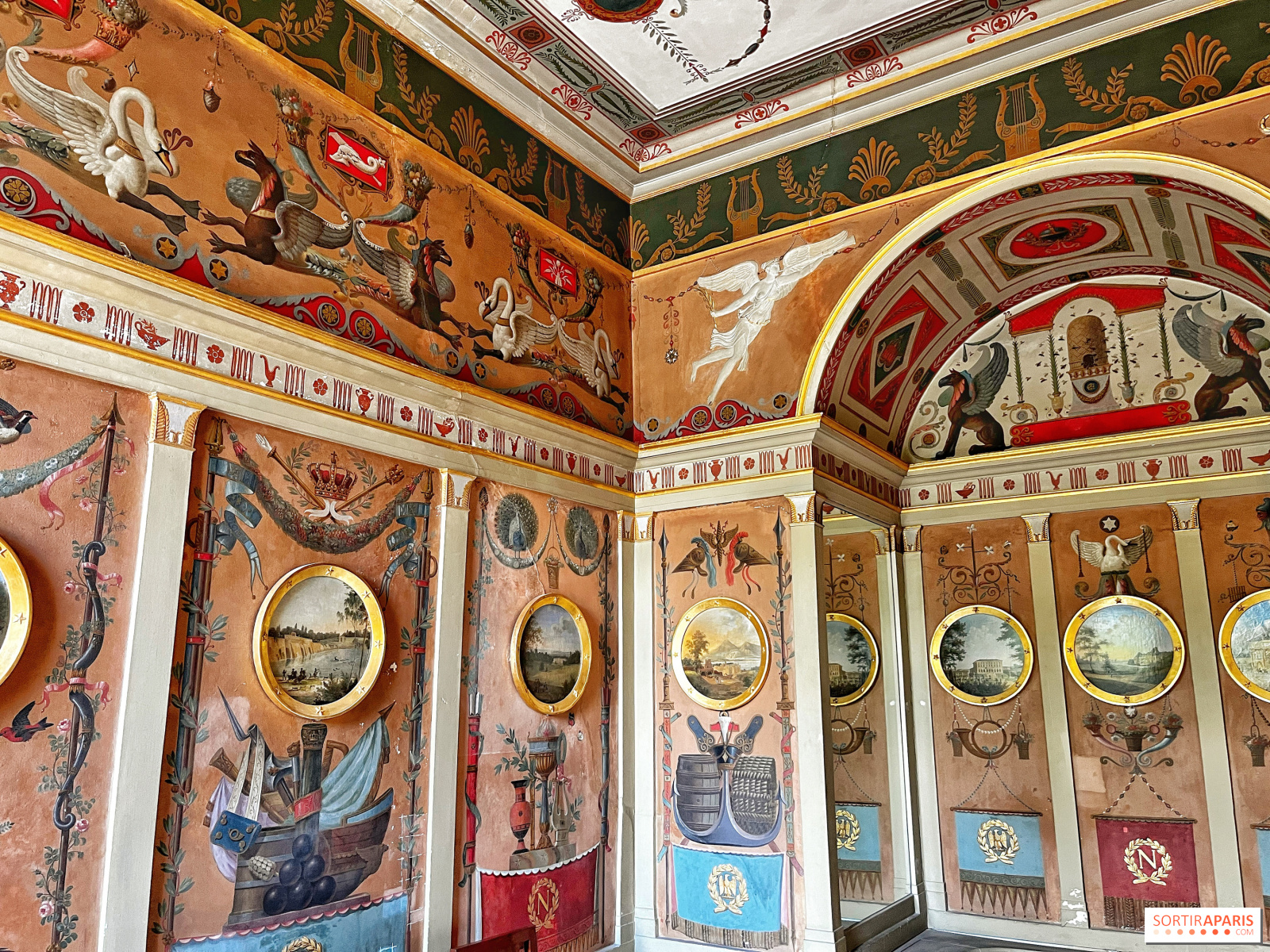
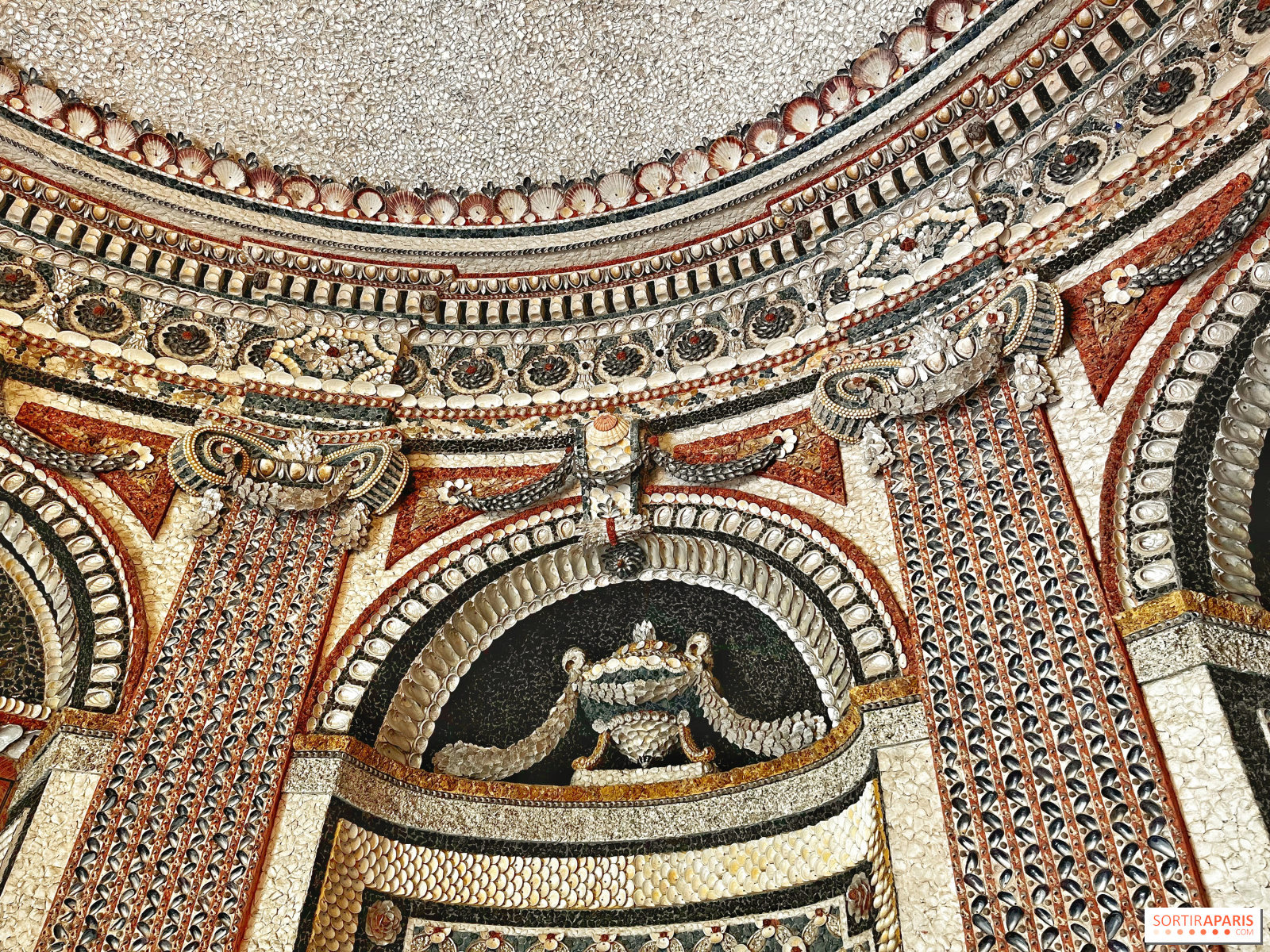
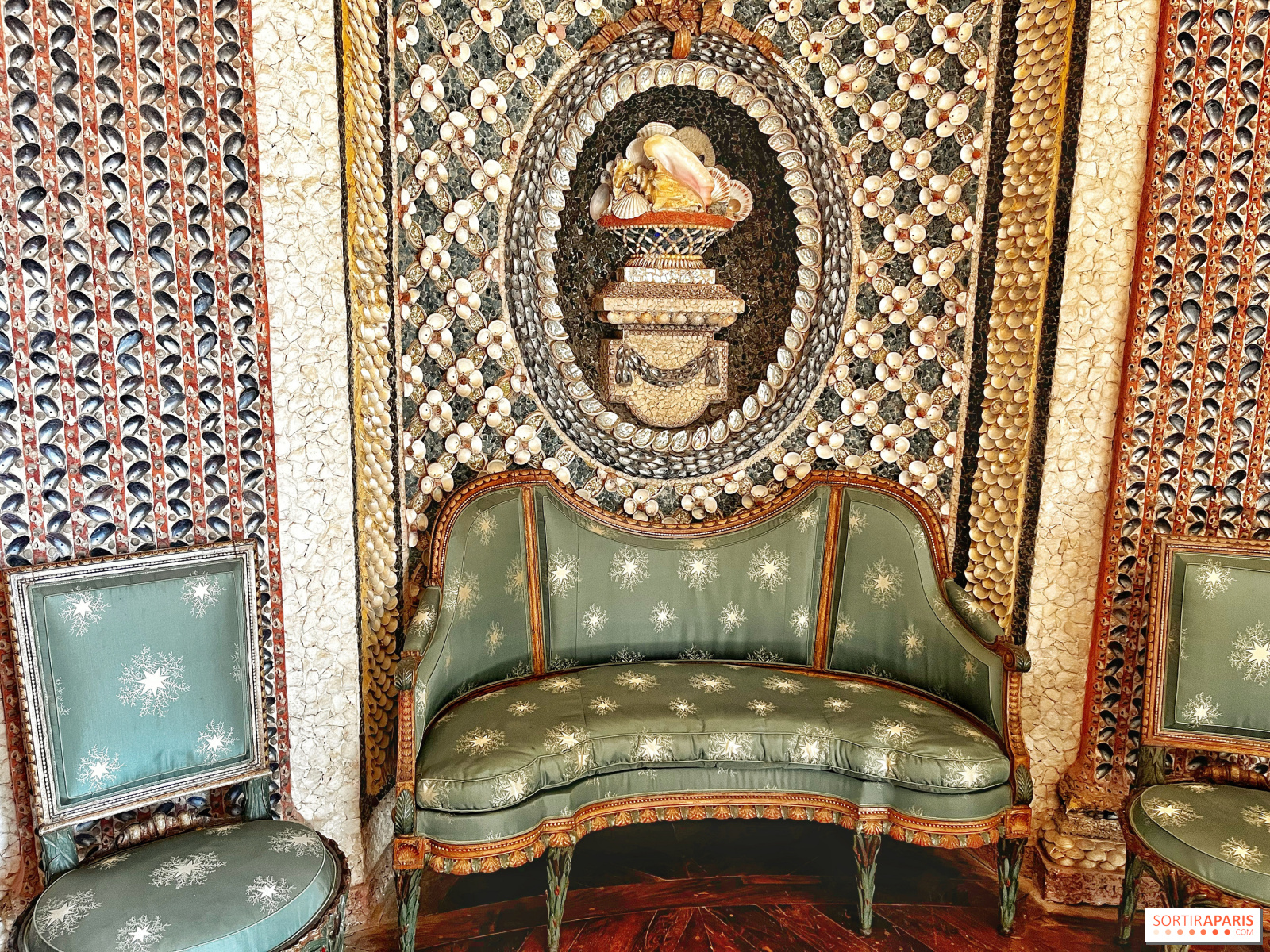
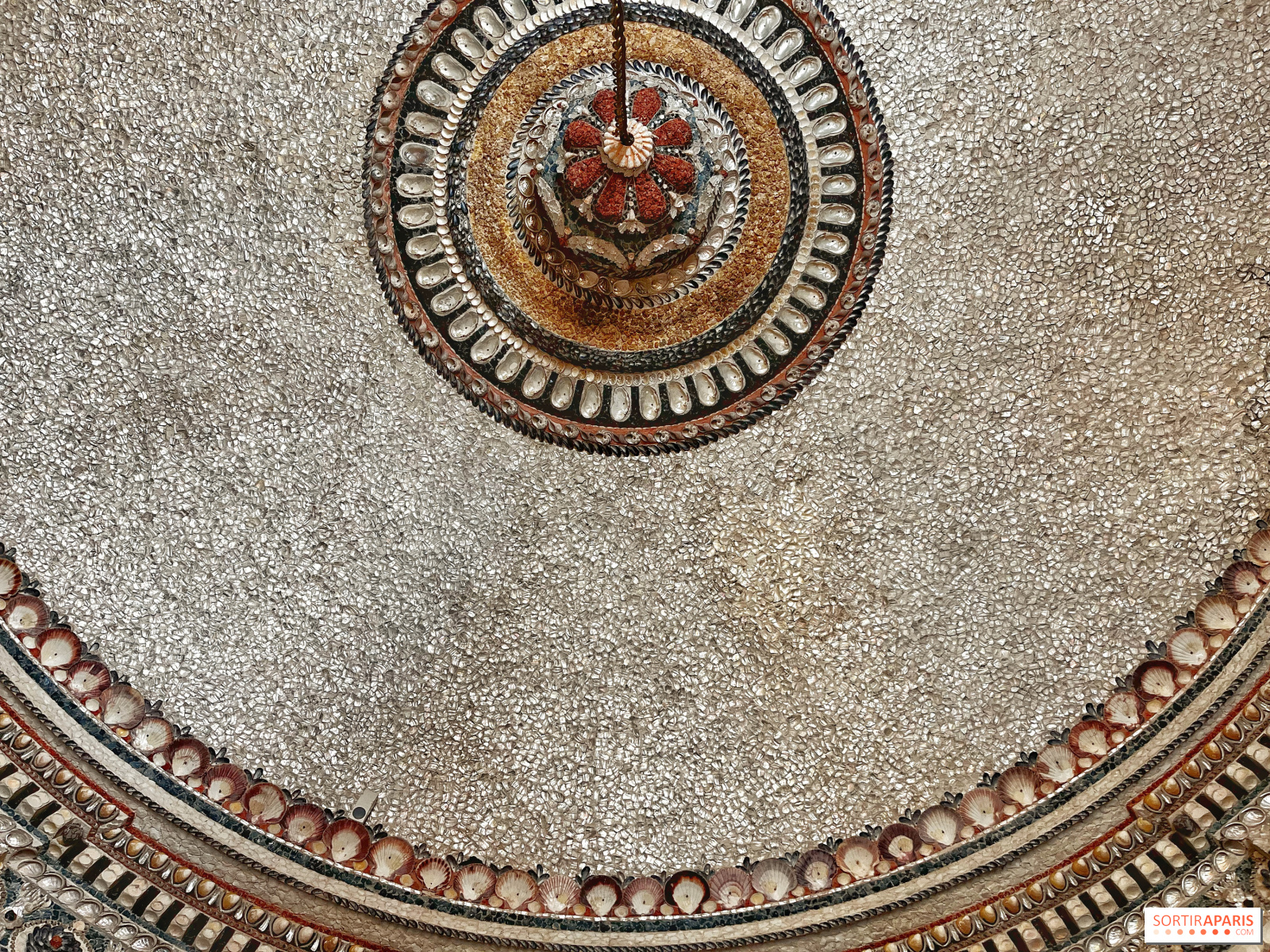
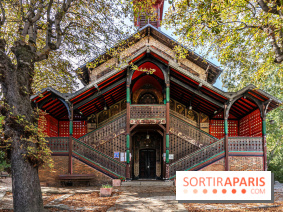
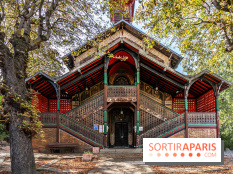
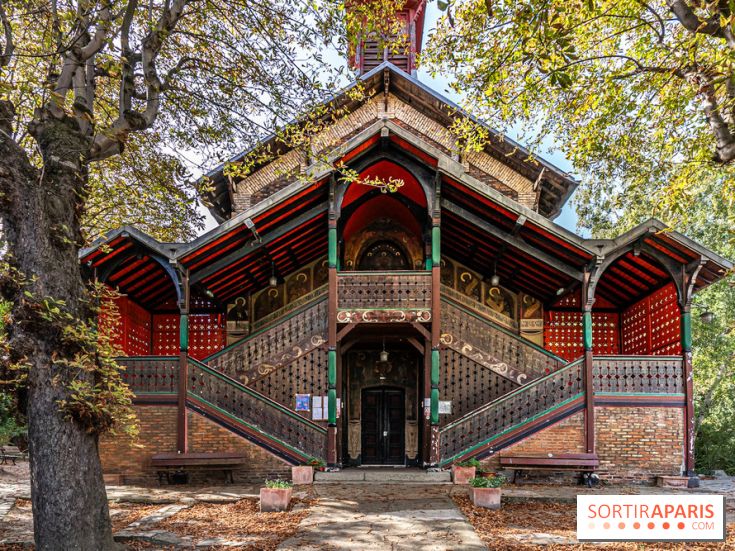
Built at the request of the Duc de Penthièvre for his daughter-in-law, the Princesse de Lamballe, the Chaumière aux coquillages boasts an impressive décor of thousands of different shells, glistening in the slightest ray of sunlight - a true marvel.
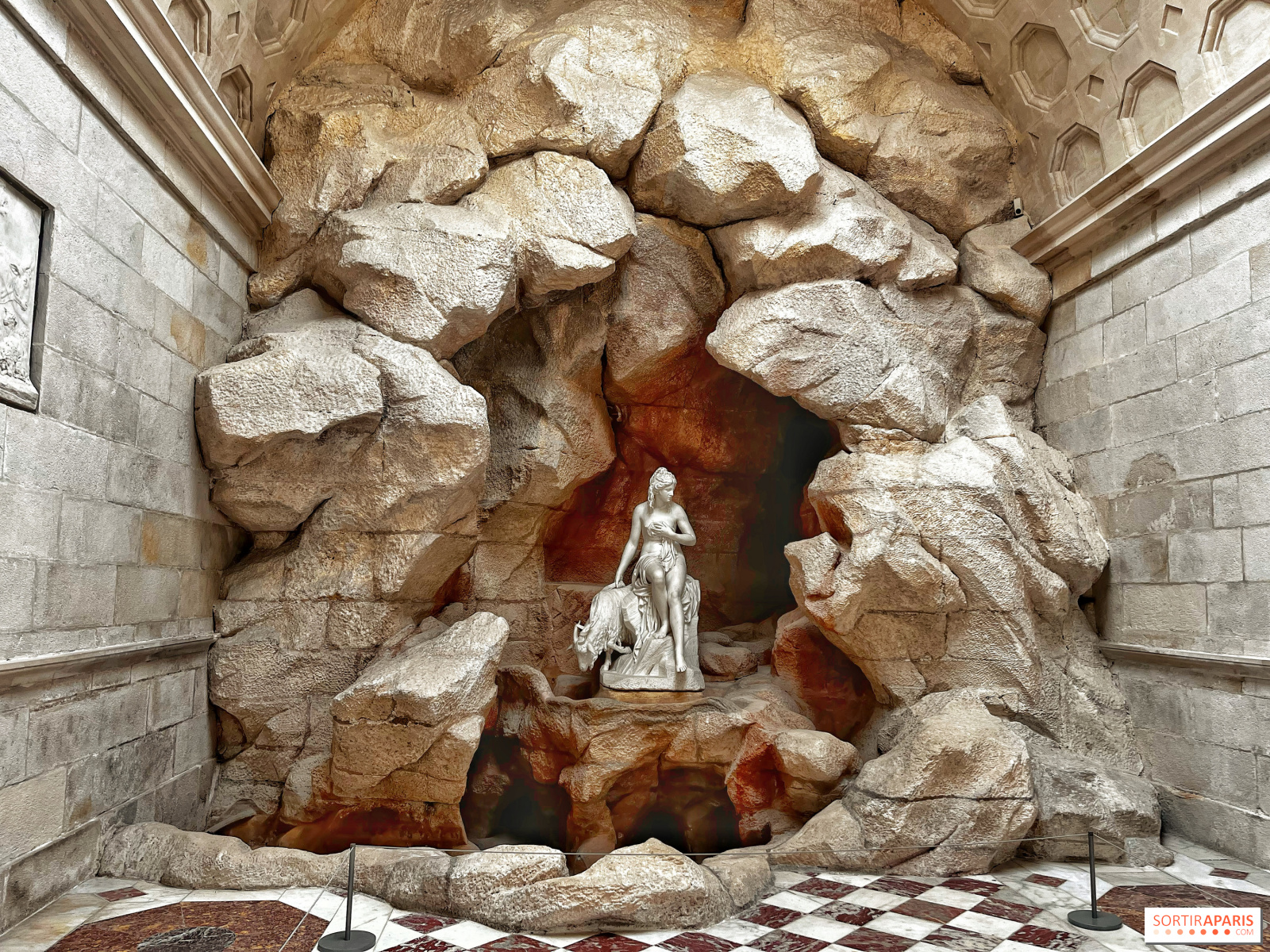
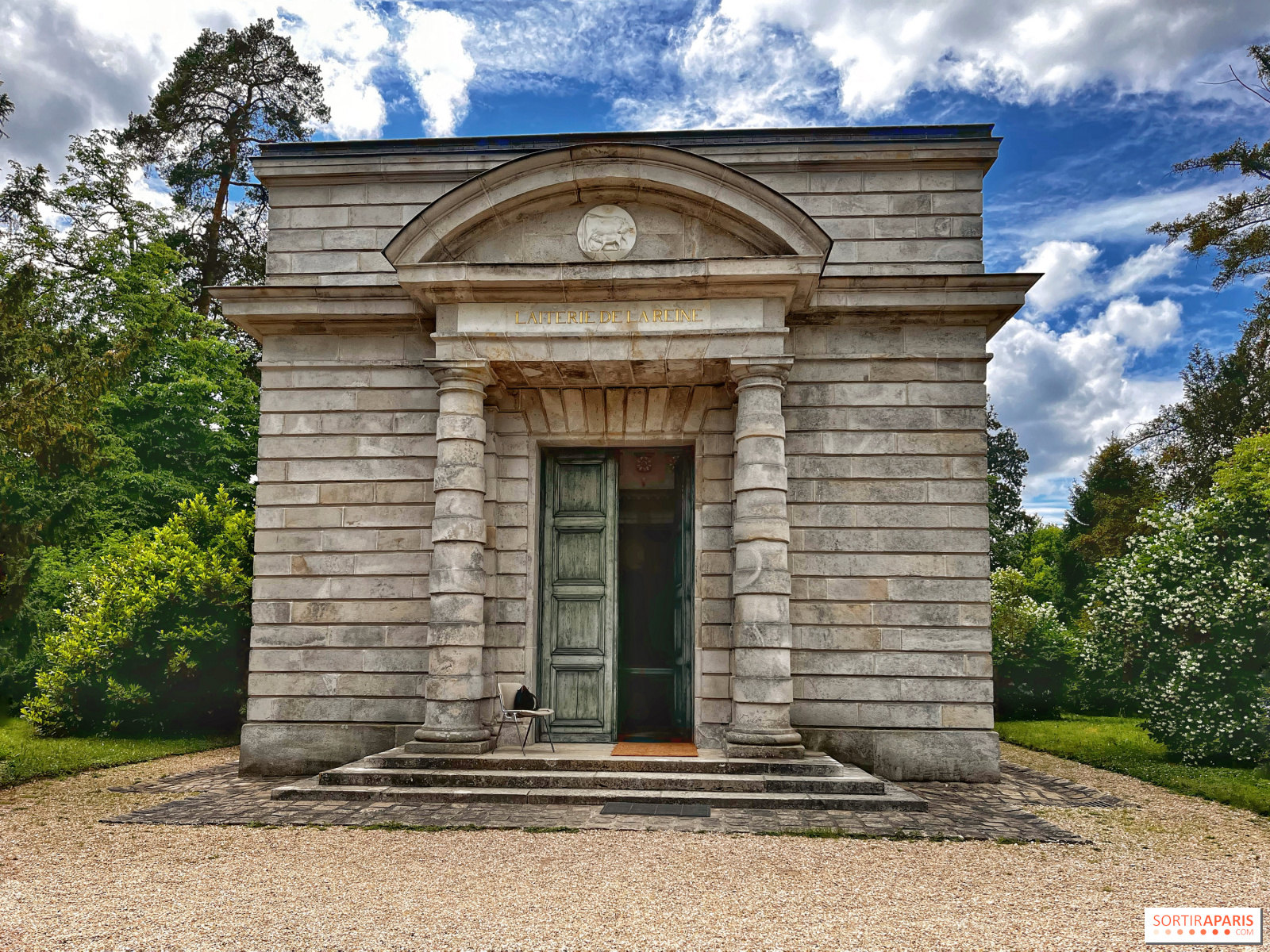
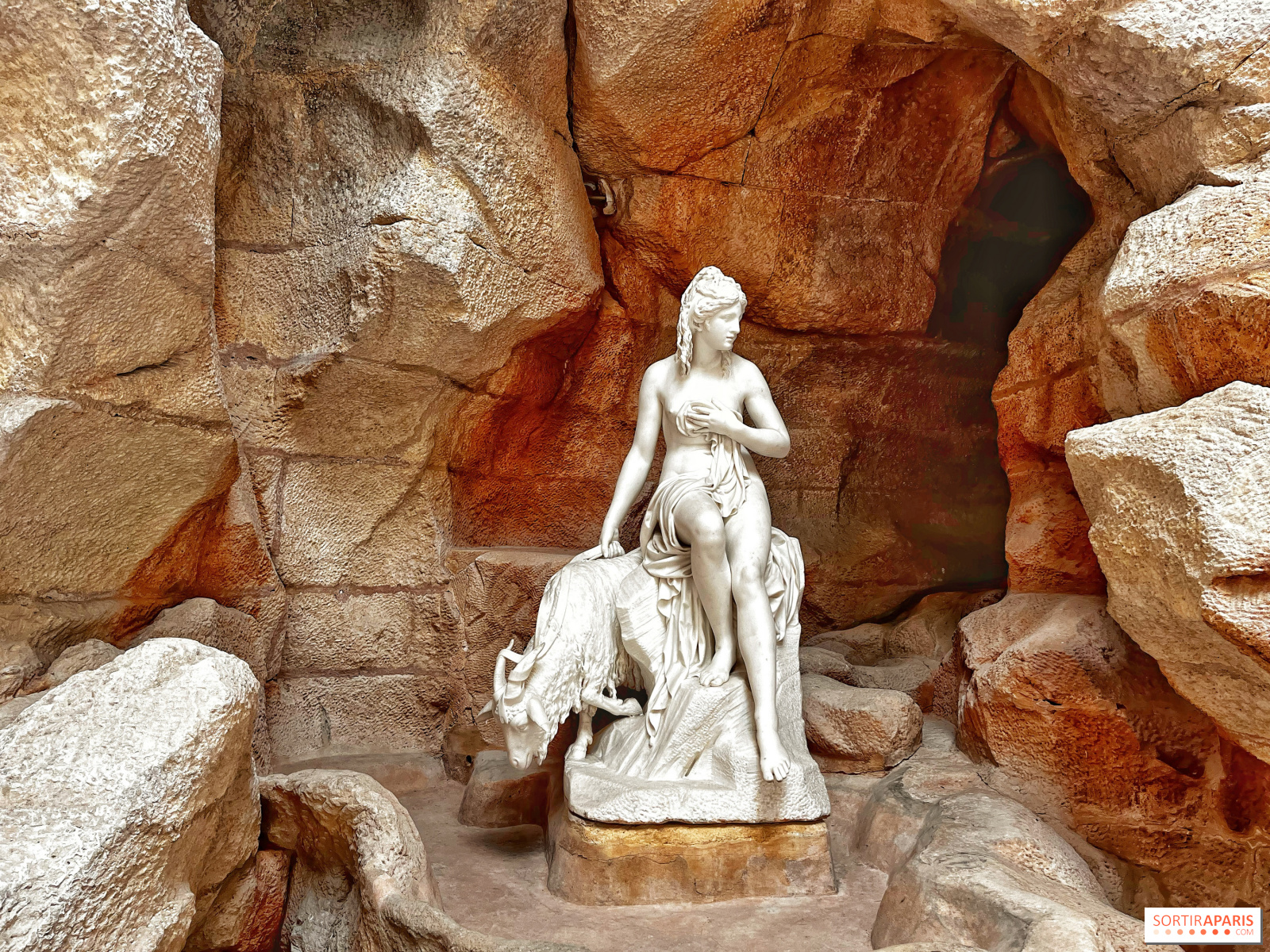
The Queen's Dairy was a gift from King Louis XVI to his wife Marie-Antoinette, who detested the Château de Rambouillet as being too"Gothic" for her. Inaugurated in 1787, the temple is reminiscent of the Queen's love affair with the Petit Trianon at Versailles, and features a masterly grotto with a statue of the nymph Amalthea and a goat. The factory was intended for tasting the dairy products prepared in the outbuildings, a return to nature advocated by the Age of Enlightenment.
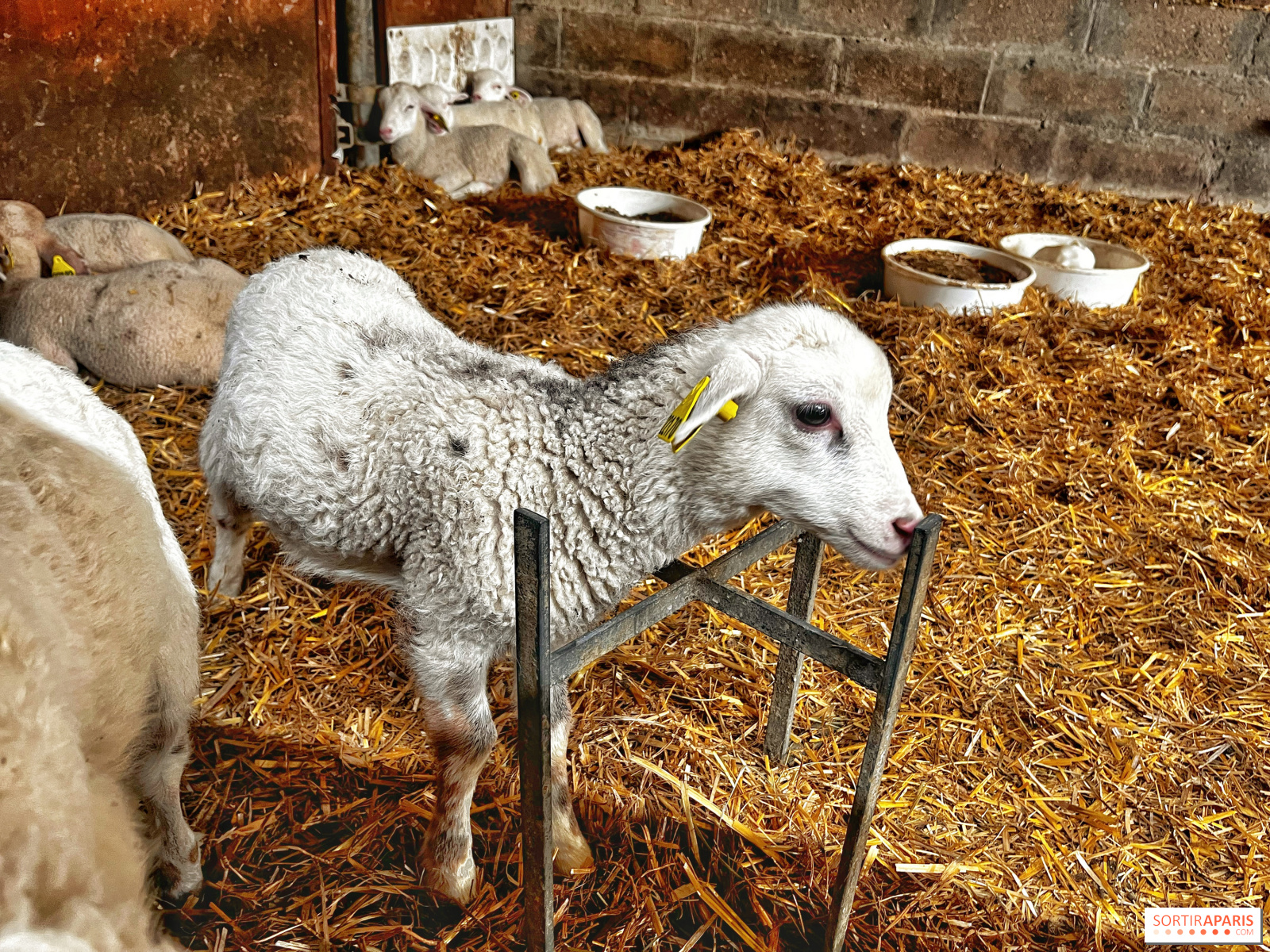
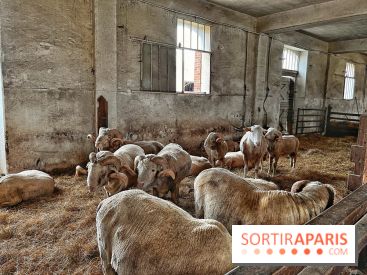
The last place of interest to visit at the Domaine de Rambouillet is the Bergerie Nationale, an experimental farm created by Louis XVI in 1785 to house a flock of Merino sheep. Subsequently, a number of other species settled in Rambouillet, including Swiss cows, Angora goats and pedigree horses. A shepherds' school was also opened, which became the National Sheep Breeding School. Today, the Bergerie is a real educational space, welcoming children with a tour circuit and numerous events and exhibitions.
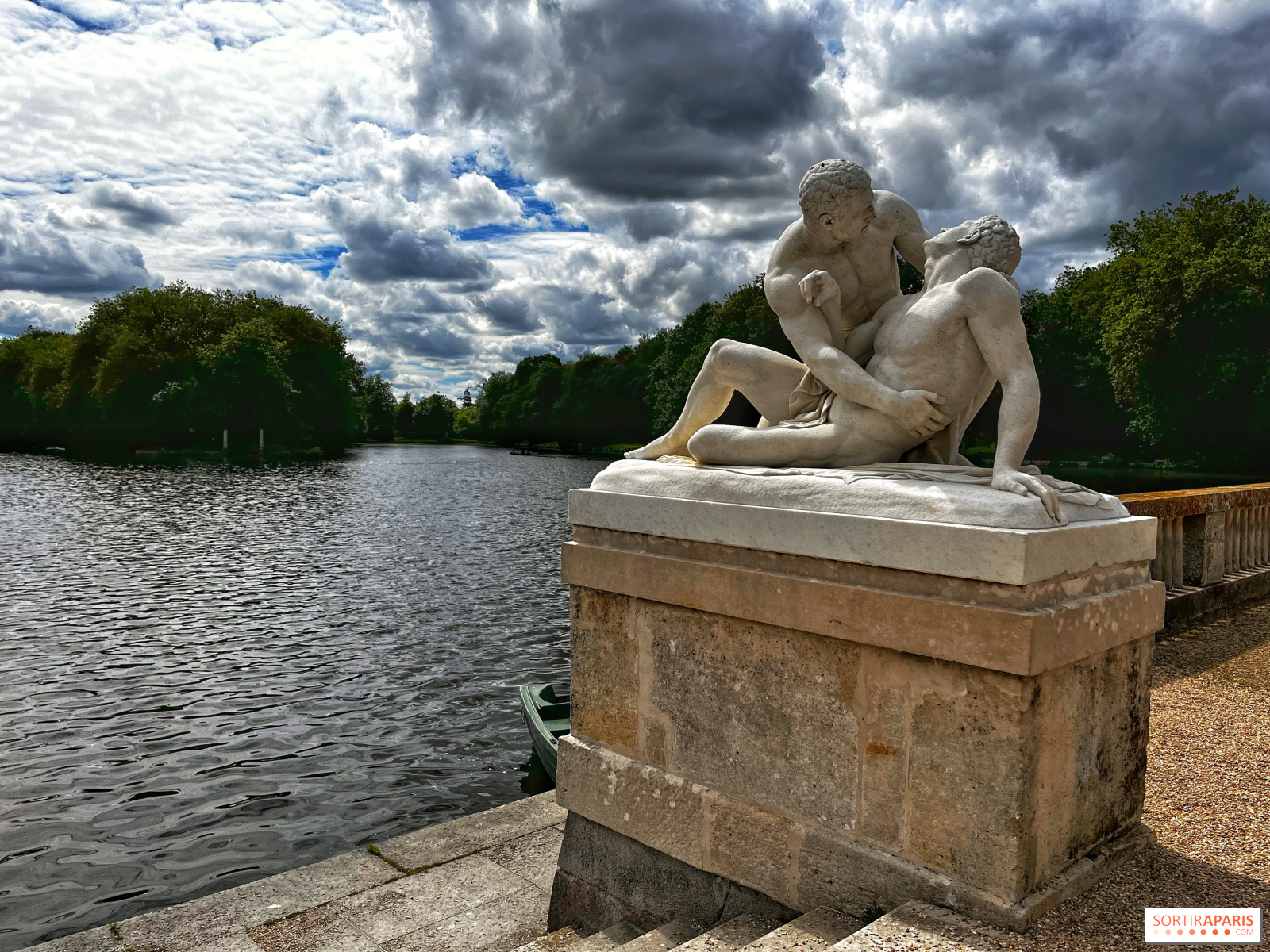
The Domaine de Rambouillet is open every day except Tuesday from 10am to 5pm. Access to the park is free of charge, but advance ticket purchase is strongly recommended for visits to the Queen's Dairy and the Chaumière aux coquillages, due to limited capacity. The full price is 7.5 euros, while under-26s are free. Visits are free on the first Sunday of January, February, March, November and December.
To get to Rambouillet, take the N line trains and get off at the terminus, then walk 15 minutes from the station to the château.
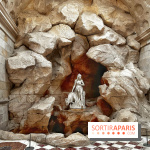
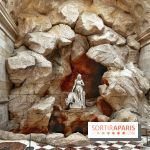 The Queen's Dairy: Marie-Antoinette's Grotto at Rambouillet Castle
At the edge of Rambouillet Castle Park, concealed behind a façade reminiscent of an ancient temple, lies one of the most daring sites of the 18th century. The Queen’s Dairy, a gift from Louis XVI to Marie-Antoinette, houses a monumental artificial grotto where marble and raw stone converge to celebrate nature and mythology. [Read more]
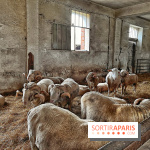
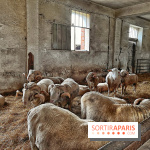
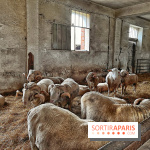
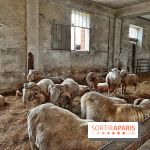 Shepherds' Festival, Shearing, and Wool Celebration: 2026 Schedule at the National Ranch of Rambouillet
On the weekend of March 28th and 29th, 2026, the National Sheepfold invites you to join in celebrating its annual event dedicated to shearing and wool. This traditional occasion showcases the Mérinos sheep as they reveal their fresh spring coats. [Read more]
Dates and Opening Time
Starts January 15, 2026
Location
Château de Rambouillet
château de rambouillet
78120 Rambouillet
Prices
- 26 ans: Free
Château + Laiterie: €7.5
Official website
www.chateau-rambouillet.fr