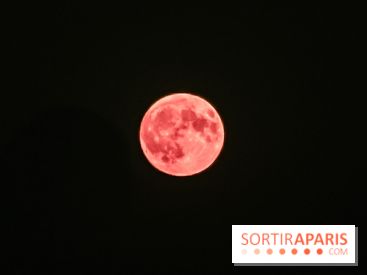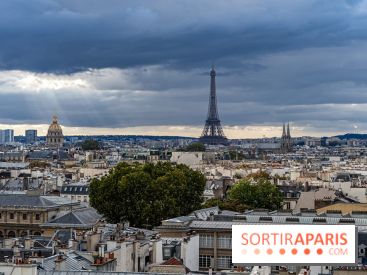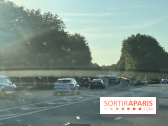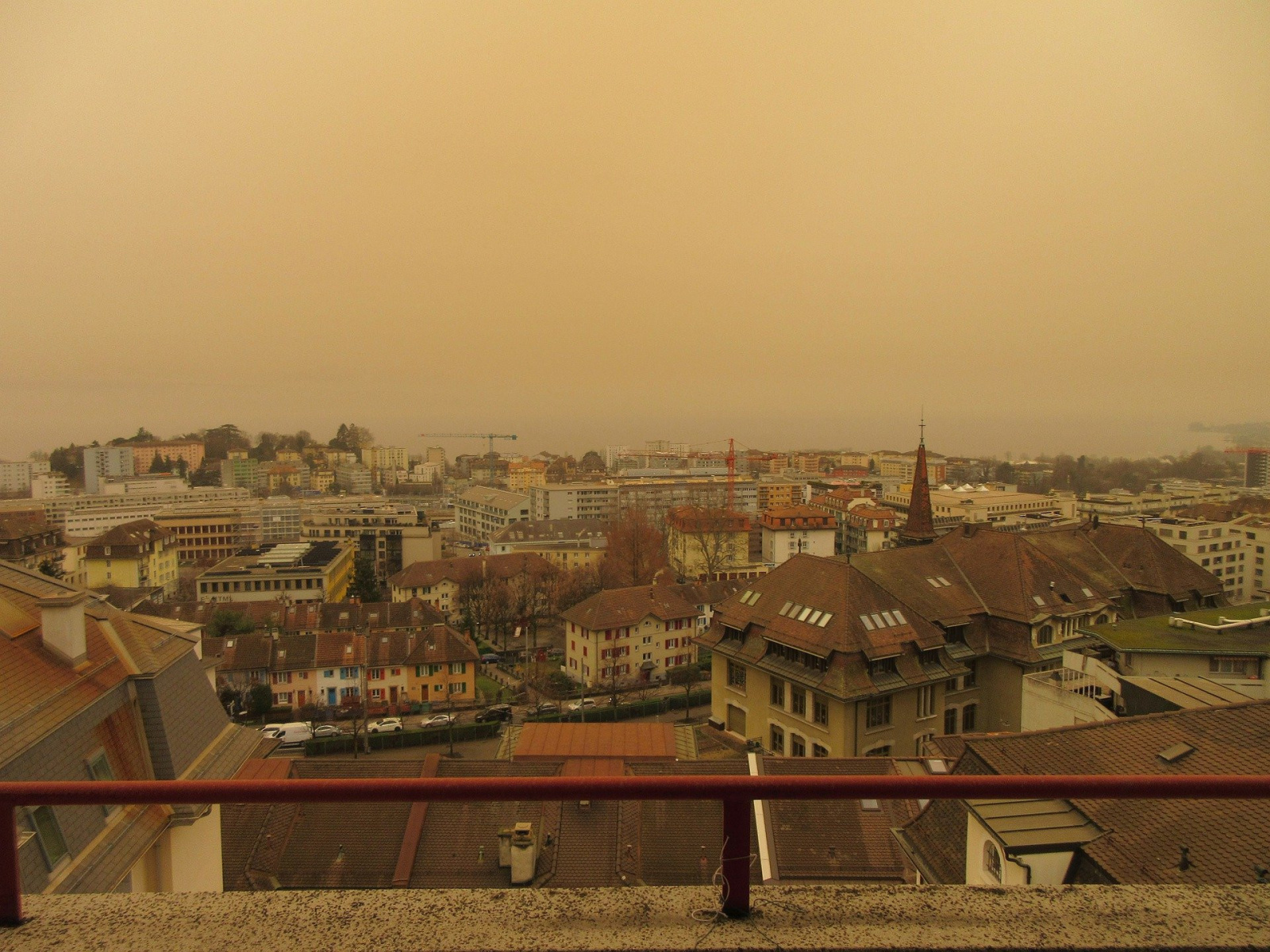
For several years now, Paris has been regularly shrouded in clouds of sand blowing into the city’s skies. Often during heatwaves that stretch boundaries and test the resilience of residents’ health, but also earlier in the year, such as in April 2024, when temperatures suddenly soared to 27°C alongside a significant spike in pollution. Now, this Sahara dust has made a surprising return in the middle of an unusually early spring, on Thursday, March 5, 2026.
This time, the depression located near Portugal is merging with a high-pressure system centered over northern Europe, accompanied by a southward wind flow that’s bringing in dust carried by the sirocco. So don’t be surprised if the sky looks a bit less blue tomorrow, with a hazy and yellowish appearance.
This Saharan sand cloud settles a thin layer of particles on numerous surfaces, including vehicles, often exceeding the alert threshold for PM10 airborne particles. This type of pollution directly affects air quality and could lead to respiratory discomfort, particularly for vulnerable individuals.
If you're planning to wash your car, it's best to wait until the cloud passes. Saharan dust particles will gradually settle after their arrival, which is expected to peak this Thursday. However, another episode could occur in the coming weeks. While such events can be striking in scale, they also serve as a fascinating example of the climate interactions between continents.
These Sahara dust storms, sweeping across thousands of kilometers, serve as a stark reminder of how interconnected our environment truly is. At the same time, they present health challenges — especially for individuals sensitive to fine particles. While the dust cloud lingers, it’s advisable for vulnerable populations to reduce outdoor activities to protect their respiratory health.