Off-peak hours will undergo a major transformation from this November 1, 2025. This reform, implemented by Enedis and the Commission de Régulation de l'Energie (CRE), particularly concerns Ile-de-France residents and Parisians who have opted for the Peak/Off-peak option in their electricity contract. As Service Public reports, around 11 million households are affected by this major change. If you live in the Paris region and have this tariff option, there's a good chance that your time slots will be modified in the coming months. TheParis ADIL also helps Parisians understand these changes.
At present, you may have off-peak hours early in the morning, between 7am and 11am, or in the early evening, between 5pm and 11pm. These slots will gradually disappear. But why? Because they no longer correspond to the reality of today's electricity network. With the development of telecommuting and, above all, the boom in solar production, we need to rethink the distribution of consumption. Electricity is now plentiful in the middle of the day, thanks to photovoltaic panels, and not only at night as it was when this system was created in the 60s.
You'll still have your 8 daily off-peak hours, but they'll be distributed differently. At night, you'll have at least 5 consecutive hours between 11pm and 7am. What's new is that up to 3 off-peak hours will also be available during the day, between 11am and 5pm. This will allow you to take advantage of the electricity generated by your solar installations, particularly in summer.
From November 2026 onwards, time slots will vary according to the season. In summer, from April 1 to October 31, moreoff-peak hours will be set in the afternoon to coincide with peak solar production. In winter, from November 1 to March 31, they will be concentrated mainly at night, when the sun shines less brightly.
Of the 14.5 million households that currently have the Peak/Off-peak option with all suppliers, 11 million will see their schedules changed. The remaining 3.5 million already have schedules that comply with the new rules, notably those whose 8 off-peak hours are positioned solely between 11pm and 7am.
Deployment will take place gradually between November 2025 and the end of 2027. Enedis will notify your electricity supplier of the new time slots six months before they come into effect. Your supplier, whether EDF, Engie or TotalEnergies, will then notify you at least one month before the effective change. You will receive this information by post, e-mail or via your online customer area. Remember to check your account regularly to make sure you don't miss this notification.
To find out if this applies to you, check your current off-peak periods on your electricity bill. If they include periods between 7 and 11 a.m. or between 5 and 11 p.m., you'll be one of the households whose hours will change. This is particularly the case for many residents of Paris and the Ile-de-France region, who currently benefit from these morning or evening slots.
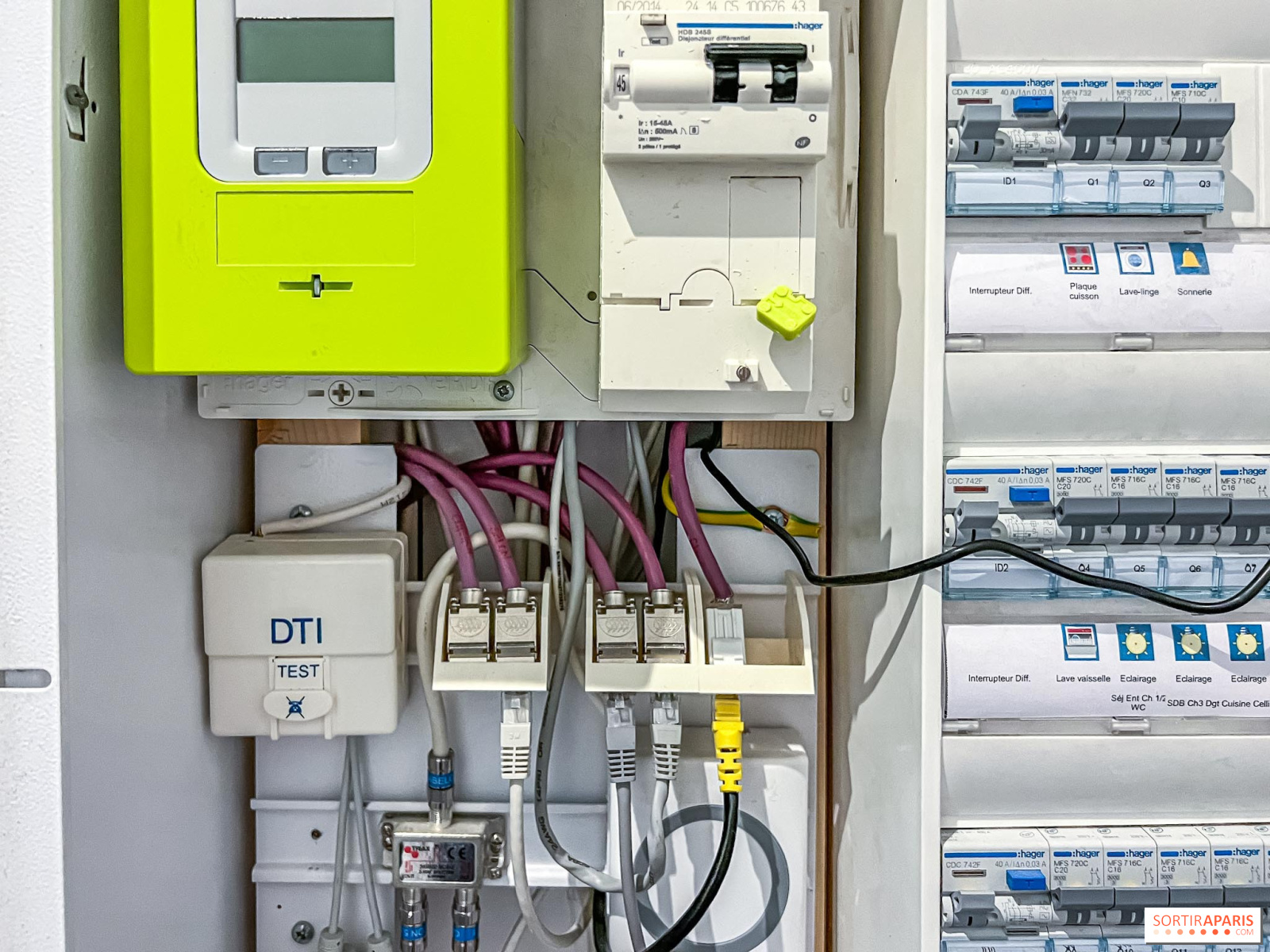
The good news is that if you have a Linky meter, the change will be made automatically by remote control for appliances directly connected to the meter, such as your water heater. For your other equipment, however, you'll need to manually reprogram your energy-hungry appliances. These include washing machines, dishwashers, tumble dryers and even the charging of your electric vehicle, if you own one.
To continue saving money, the trick is to program these appliances during the new off-peak periods. Connected plugs and programmers become your best allies for easily controlling your equipment. You can even run your washing machine in the afternoon, between 11am and 5pm, without worrying about disturbing your neighbors, as was sometimes the case with night-time off-peak hours.
This reform responds to changes in the French electricity mix and new consumption habits. With more than a million electric vehicles on the road, the spread of telecommuting, which keeps us at home more often during the day, and the massive development of solar energy, peak consumption no longer resembles that of 60 years ago. The aim is to smooth out demand for electricity, to avoid straining the grid at the wrong times, and to take advantage of renewable energy when it's most abundant.
For Parisians with solar panels, this change can even be advantageous. In summer, your panels produce most of their electricity between 11am and 5pm, a period that now corresponds to the new off-peak hours. You'll be able to maximize your self-consumption by scheduling your electricity use during these periods, thereby reducing your electricity purchases at the grid rate.
To support this transition, the Commission de Régulation de l'Energie is providing a comprehensive FAQ to answer consumers' practical questions. The énergie-info website, a service provided by the French national energy ombudsman, also offers detailed information on these changes. Don't hesitate to consult these resources to better understand the implications of this change on your daily life and your electricity bill. If in doubt, contact your supplier, who will be able to advise you on your personal situation.
In short, if you're looking to control your electricity budget while adopting more grid-friendly practices, this change to off-peak hours is an opportunity. All you need to do is reprogram a few appliances and adapt your habits slightly to continue enjoying advantageous rates. And don't worry, you've got plenty of time to prepare: your supplier will give you plenty of notice.