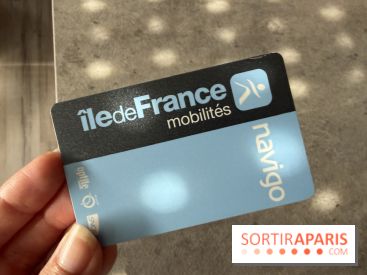
Users in the Paris region will have to dig a little deeper into their pockets for their daily commute. Île-de-France Mobilités has just announced a general increase in public transport fares for 2026, which will affect all transport tickets in the region. This 2.3% increase, which still needs to be approved by theIDFM board of directors on December 10, will apply from January 1, 2026, andwill affect both regular subscribers and occasional travelers.
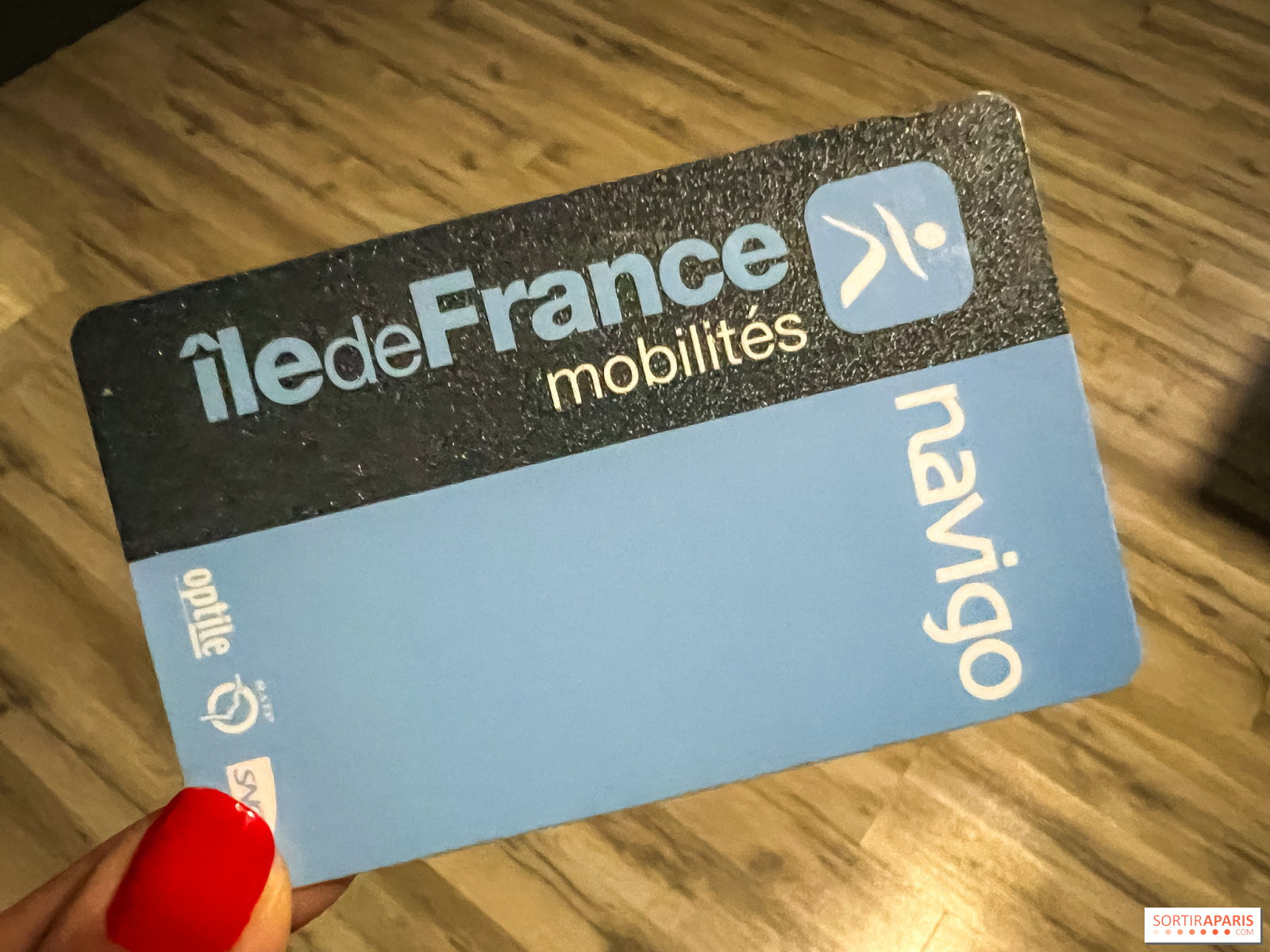
The monthly Navigo pass for all zones will increase from €88.80 to €90.80, crossing the symbolic €90 mark. Meanwhile, a single metro-train-RER ticket will rise to €2.55, up from €2.50 currently. Passengers who prefer buses and trams will not be spared, as their tickets will increase to €2.05. This fare increase is part of the annual reassessment that has been carried out for the past three years to finance major changes to the Île-de-France transport network.
The fare increase is based on an agreement reached between the French government and Île-de-France Mobilités in September 2023. This financing protocol authorizes the organizing authority to raise its prices in line with the inflation rate recorded over the past year, plus an additional one percentage point. With an average inflation rate of 1.3% recorded in 2025 by INSEE, IDFM is therefore applying a maximum increase of 2.3% across all its transport tickets. This mechanism, often referred to as a "price shield" by Valérie Pécresse, president of IDFM, makes it possible to contain price increases while ensuring the financing of the investments necessary to modernize the network.
The proposed fare schedule for 2026 includes several adjustments. The annual Navigo pass will cost €998.80, €22 more than in 2025, bringing it close to the €1,000 mark. The Navigo Week pass will increase to €32.40. For young people, the Imagine R pass will cost €393.30 excluding administrative fees, an increase of €9, while the Imagine R junior pass will rise to €17.20 from the current €16.80.
Single tickets will also see a change: €2.55 for a metro, train, or RER journey, and €2.05 for bus and tram journeys. Passengers traveling to Orly or Charles de Gaulle airports will have to pay €14, which is €1 more than today. These fares apply to digital tickets, available on the Navigo Easy pass,the Île-de-France Mobilités app or via contactless payment, with paper tickets having been phased out completely since November 2025. You can also find all ticket types and fares on the RATP website.
Transport in the Île-de-France region is financed on a shared basis between various stakeholders. Companies with more than 11 employees contribute 52.5% of the system's funding through mobility payments, while local authorities and users finance 47.5%. For the monthly Navigo pass, this €2 increase will be covered between 50% and 100% by employers as part of their mandatory contribution to their employees' transportation costs. The Île-de-France region and the eight departments in the Paris region will contribute an amount equal to inflation to absorb part of the increase.
Without these public and private contributions, the actual cost of the monthly Navigo pass would be around €280, according to IDFM. This distribution aims to maintain the accessibility of public transport while enabling the financing of infrastructure.
IDFM justifies these recurring increases by the massive investments made to transform the Île-de-France transport network. Since 2016, more than 1,400 trains, metros, RER trains, and trams have been replaced or renovated. The bus and coach fleet is also being gradually replaced. The upcoming arrival of new infrastructure such as Cable 1, Tzen 4 and, above all, the future metro lines 15, 16, 17 and 18 as part of the Grand Paris Express represents a considerable cost for the community.
These large-scale projects aim to double the length of the Île-de-France metro by 2031 and significantly improve service to the suburbs, which have long been less well connected than central Paris. The extension and modernization of the network also involves better passenger information, facilities for people with reduced mobility, and an overall improvement in service quality.
In the space of six years, the price of the Navigo monthly pass will have increased by more than 20%, from €75.20 in 2020 to €90.80 in 2026. This development raises questions about the accessibility of public transport for low-income households in the Paris region, especially as single tickets are following the same trend. For occasional travelers who use the metro or RER from time to time, the €2.55 ticket represents a significant expense, especially for families.
Some user associations, such as the FNAUT (National Federation of Transport User Associations), have criticized a pricing policy that they consider "out of touch with the daily lives of workers in the Paris region." While the price cap limits increases, it does not prevent a continuous rise that erodes users' purchasing power year after year.
For regular subscribers who want to temporarily avoid the increase, there is a workaround: sign up for an annual Navigo pass and pay for it in a single installment before the end of December 2025. This technique allows you to benefit from 2025 fares throughout 2026, saving €22 over the year. The increase will only apply when the pass is renewed in December 2026.