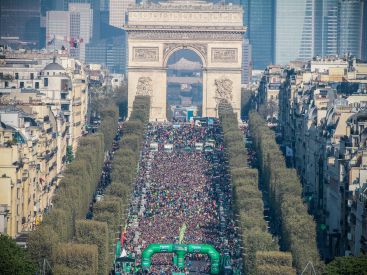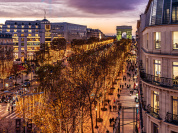
The Swiss chocolatier Lindt & Sprüngli has just suffered a major legal defeat in a high-profile case against the Champs-Élysées Committee. In a ruling issued on February 6, 2026, the Court of Appeal of Paris ordered the company to pay 500,000 euros in damages for including footage of the Champs-Élysées Christmas lights in a television ad without permission. The decision has sparked considerable debate within the advertising industry and the realm of intellectual property law.
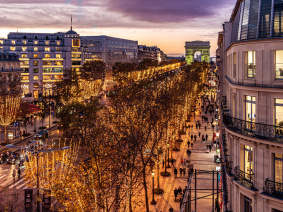
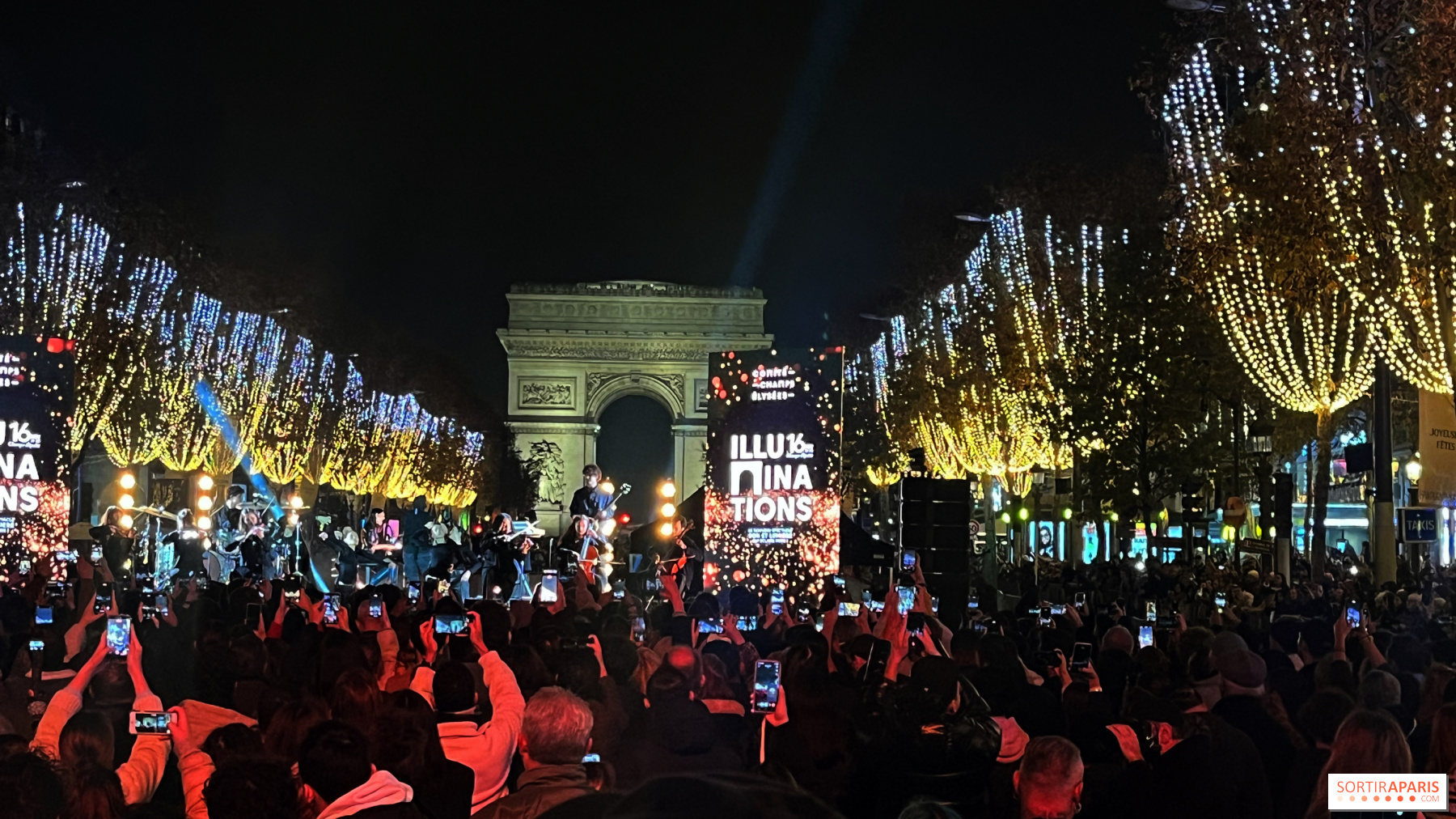
The controversy originates from a commercial aired in 2018 and 2019. In these ads, the chocolatier recreated highly realistic images and scenes resembling the decorations displayed on the Champs-Élysées during the holiday season between 2014 and 2017. The disputed element appeared only at the 11th and 27th seconds of the commercial, but that was enough for the Champs-Élysées Committee to claim an unauthorized use of its work. The Committee has been responsible for organizing these Christmas illuminations since 1980—a key event in Paris’s festive calendar that attracts significant investments each year, with over 1.5 million euros spent on the 2018 edition alone.
What the Committee is primarily defending here is a copyright over the dazzling version of the Champs-Élysées holiday lights, along with the principle of commercial parasitism: the idea that a brand should not be able to freely appropriate the image of a well-known event to profit without offering something in return. These spectacular illuminations generate numerous partnerships and royalties paid by companies that go through official channels.
This is where the subtlety of the case lies. Lindt did indeed register the name "Champs-Élysées" decades ago for its line of chocolates — a fully legal move overseen by the INPI. However, the dispute isn't about the name itself; it concerns the use of the visual elements from the holiday illuminations, meaning original artistic creations protected by copyright law. The court of appeal determined that the sequences in question didn't simply film a public avenue or monument, but rather reproduced visual elements distinctive of a recognizable and copyrighted event.
Commercial parasitism is a legal concept that penalizes a company's strategy of piggybacking on another player's efforts to benefit from their investments without contributing anything themselves. Governed by the French Civil Code, this principle safeguards businesses against unfair exploitation of their hard work. In this case, the court was unmistakably clear: Lindt's intention to unduly profit from the efforts, expertise, and investments of the Committee was a deliberate choice. This is evidenced by the decision to include realistic scenes of the illuminations in their advertising—an intentional addition rather than a coincidence. In other words, the staging was no accident.
The €500,000 seized by the judges is roughly equivalent to the cost of two advertising campaigns, according to their estimates. This symbolic yet significant amount sends a clear message to advertisers tempted to capitalize on the iconic image of the Champs-Élysées without proper authorization. The case was first uncovered by the investigative economic website L'Informé, which obtained the court ruling. It’s worth noting that the Comité had previously sued Lindt and lost in an initial trial in 2024, only to secure this victory on appeal. Contacted for comment, Lindt has not yet responded.
In short, this incident serves as a reminder that even the most iconic streets in the world, such as the Champs-Élysées, can enjoy legal protection when they feature original artistic work. Food for thought...
Recommended age
For all