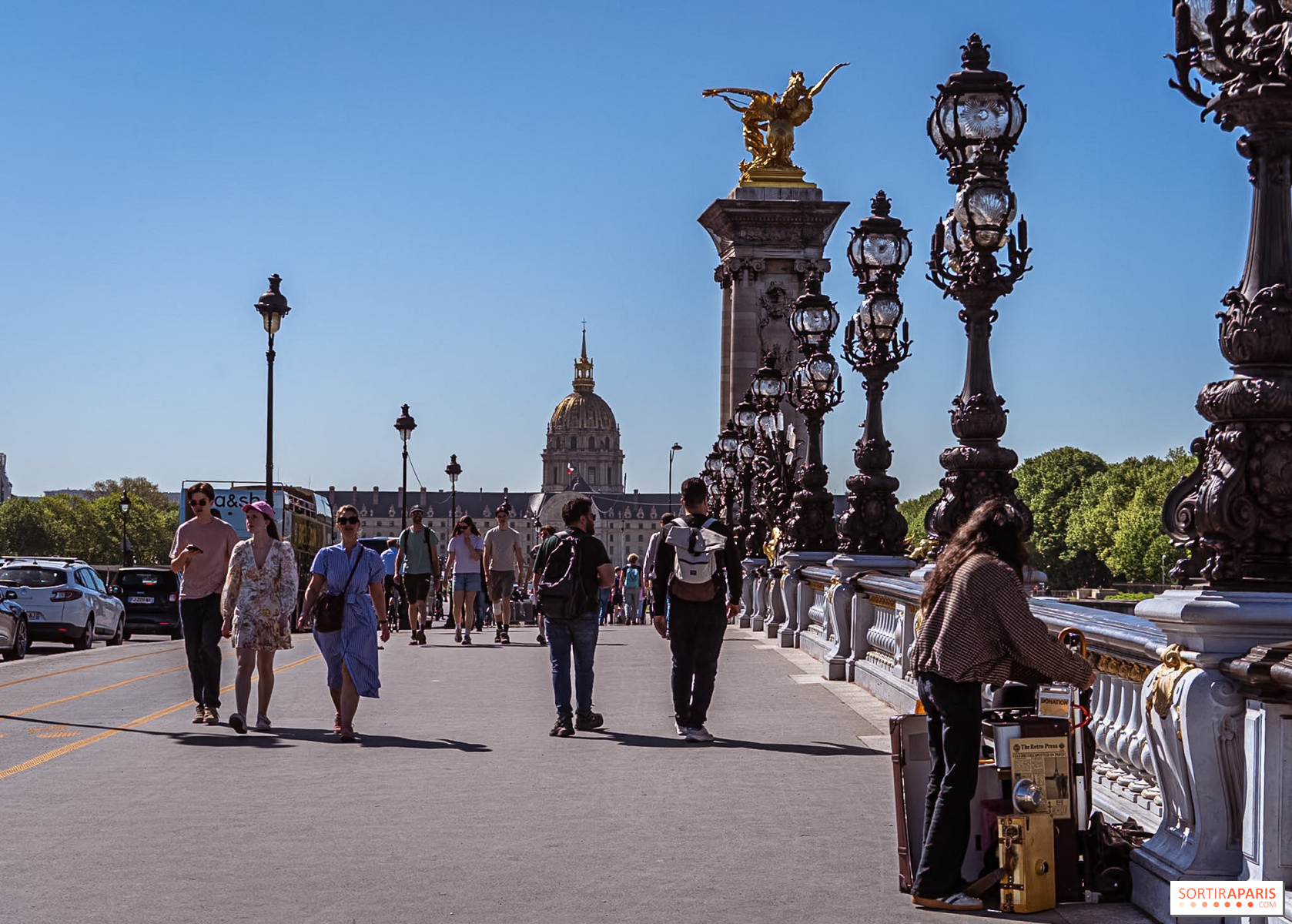
The 2026 heatwave passes a new threshold this Tuesday, June 23, in Paris and across the entire Île-de-France. After a weekend that was already extremely testing, this heat episode is reaching its peak: high temperatures could reach or exceed 41°C locally, from Centre-Val de Loire to the Paris region, and into the west of the country. The region remains under red heatwave alert from Météo-France, the highest level of warning. The effects are piling up after several days of intense heat, and there is still no end in sight for the episode.
The red heatwave alert isn’t just one more notch above orange. It’s an exceptional alert level triggered when the heat becomes potentially dangerous for the entire population, including healthy people. At this stage, health risks are serious, and the consequences can disrupt the way many activities are organized.
Older adults, young children, pregnant women, people with chronic illnesses, isolated individuals and workers exposed to heat remain the most vulnerable. But during a heat spike at 41°C, no one is truly safe from heatstroke if precautions aren't taken.
This Tuesday, June 23, 2026, is likely the peak of the heat wave across the Île-de-France region. Temperatures could climb to or exceed 41°C in Paris, a level rarely seen in the capital. Several other parts of France are in the same boat: Centre-Val de Loire, the Rhône Valley, and much of the western regions could also surpass 40°C.
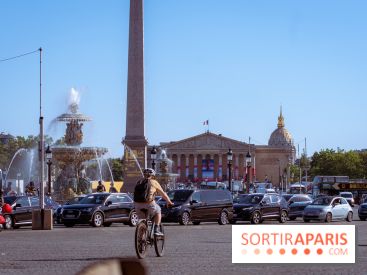
In the city, the heat is even harder to bear. Asphalt, the density of buildings, and the scant greenery in certain Parisian districts create an urban heat island that keeps temperatures noticeably higher than in rural areas. In the metro, the RER, or apartments without air conditioning, the heat can quickly become suffocating.
What makes this episode especially hard to get through isn’t just the daytime heat. It’s the nights as well. tropical nights (when temperatures don’t drop below 20°C) are hitting a large swath of France this Tuesday, and Île-de-France is among the hardest hit.
In major urban centers such as Paris, early-morning temperatures hover between 24°C and 27°C according to Météo-France. The same pattern is seen in the Rhône Valley, the southwest and around the Mediterranean. These sweltering nights prevent the body from recovering. Heat builds day by day in people, walls and public spaces, and health risks rise accordingly. To curb indoor overheating, authorities still advise airing out homes in the early morning or late evening and shading sun-exposed windows during the day.
The heatwave is set to last at least until Friday, June 27, 2026. A gradual drop in temperatures is forecast for the western part of the country this weekend, bringing more stormy weather. But for Île-de-France and the eastern regions of France, the heat could well endure into early next week.
In other words, don’t expect things to return to normal for several days. And it’s precisely the length of the episode that heightens the risk: unlike a single-day heat spike, a multi-day heatwave leaves health services and authorities with less and less room to maneuver, especially for the vulnerable populations.
Three factors are conspired to make this June 2026 heatwave particularly hard to handle. First, daytime highs are pushing past unprecedented thresholds. Second, the nights fail to provide any cooling relief. Finally, the spell of heat drags on for days, with temperatures accumulating in buildings, streets, and transport as time goes by.
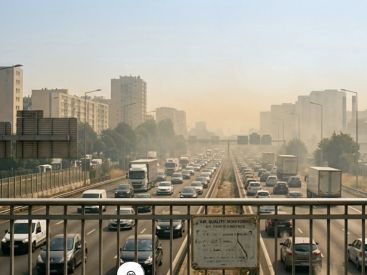
This heatwave red alert also comes amid ozone pollution in Île-de-France. The heat and bright sunshine promote ozone formation, a pollutant that irritates the eyes and airways, worsening symptoms for children, people with asthma, and all vulnerable individuals.
The guidelines are simple but must be followed closely: drink water regularly without waiting to feel thirsty, cool down several times a day (face, forearms, neck), eat enough even if your appetite is reduced, avoid alcohol, and stay as much as possible in a cool or air-conditioned place.
We must also limit physical exertion and avoid prolonged sun exposure between 11 a.m. and 9 p.m. Outdoor activities should be reserved for early morning or evening, when the heat is less intense. It remains essential to check in on loved ones and neighbors who are elderly, isolated, or ill. If you feel unwell or notice signs of heat stroke (dry, hot skin, confusion, severe headaches), call 15 (SAMU) without delay.
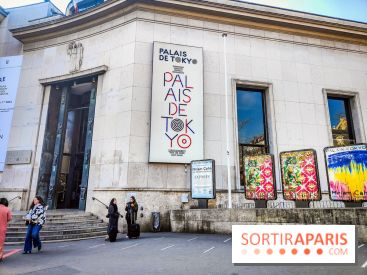
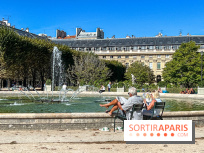
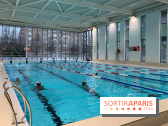
To beat the heat, the City of Paris lists more than 1,400 free cooling spots across the capital: shaded parks, gardens, libraries, air‑conditioned museums, swimming pools and spaces open to all. A map also lists free drinking-water points at train stations, handy for travelers passing through Paris’s major stations.
The Canicule Info Service number remains available at 0 800 06 66 66 (toll-free, 24/7). The ARS Île-de-France continually updates its health guidance. The Météo-France vigilance map lets you track the evolution of the alert in real time.
With the red alert still in effect, certain outdoor activities must be postponed or seriously adjusted: sports events, school trips, strenuous physical work, and occupations with high heat exposure. Organizers of outdoor events have been urged to bolster their safety measures.
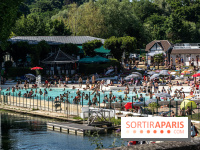
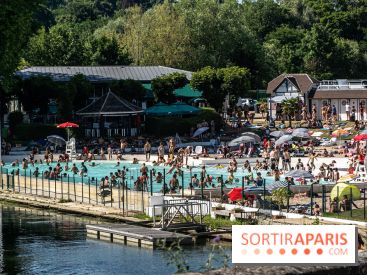
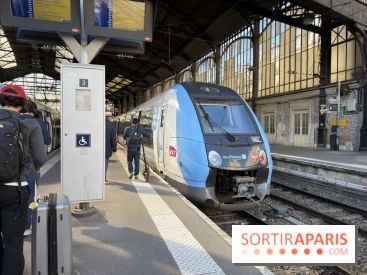
First and foremost before you travel, it’s wise to check the transport conditions: the heatwave has already caused disruptions to several rail links departing from Paris. You’ll also find all the tips and heatwave recommendations in Paris on Sortiraparis, with ideas for outings that suit the heat, and our bathing spots in Île-de-France to cool off without straying too far from Paris.
Dates and Opening Time
From June 17, 2026 to June 22, 2026
Location
Paris
75 Paris