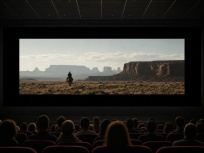
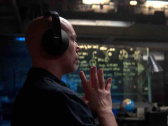
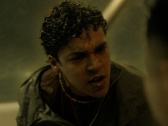
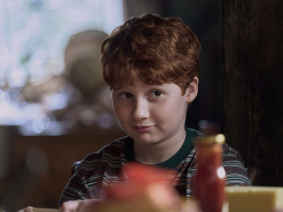
A character moves through several rooms, the camera follows, and the scene continues without interruption: a sequence shot unfolds in a single shot. It preserves the continuity of the action rather than splitting it across several edited shots. But a film that seems never to cut was not necessarily filmed in one go.
Within this shot, the staging continues to shape what we see. Characters move closer together or farther apart, enter the frame or leave it; the point of view can shift with the camera’s movement. A single take can thus take the viewer from a wide shot to a close-up of a face, without a cut.
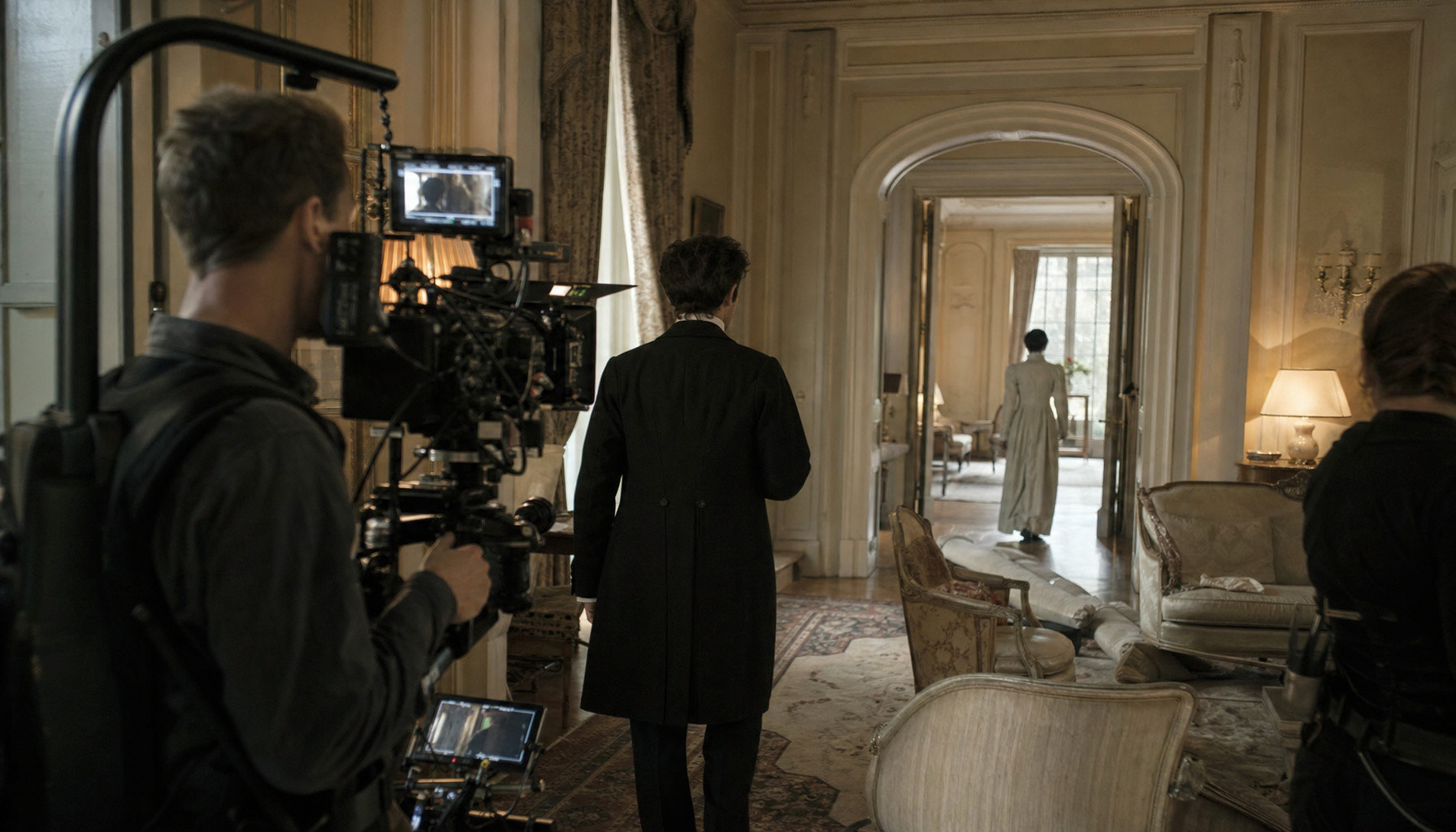
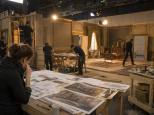
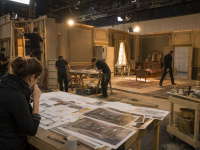
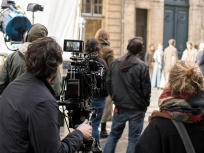
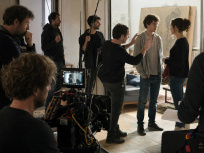
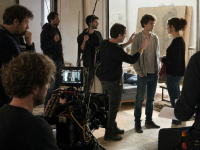
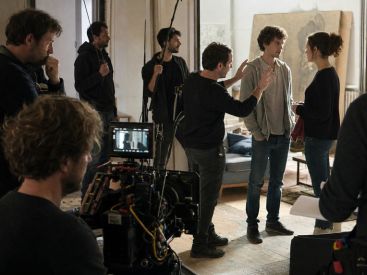
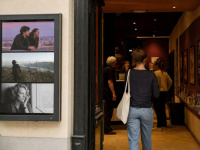
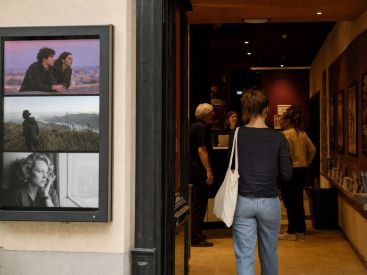
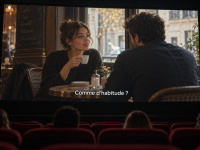
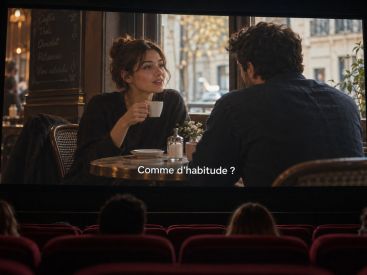
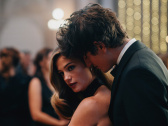
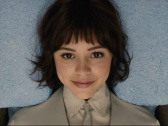
This continuity requires careful preparation. Speaking about Chronicle of a Fleeting Affair, Emmanuel Mouret tells the CNC that the characters’ movements determined the camera’s. The actors had several pages of dialogue and positions to stick to. Entrances, exits and changes in framing were therefore worked out within the take: the director describes a true choreography.
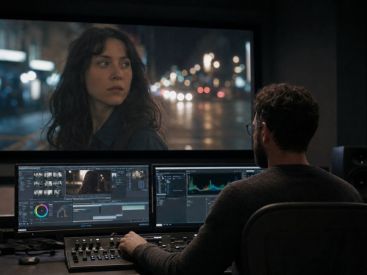
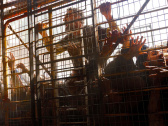
The continuous, uninterrupted long take should also be distinguished from continuity created in the edit. In 1917, by Sam Mendes, long takes are joined by concealed cuts. The BFI points in particular to passages in darkness and close-up framing that help hide these joins. The impression of uninterrupted movement can therefore be created through editing.
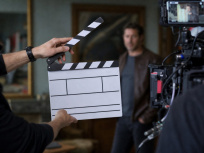
To identify the technique, the key question is therefore whether the sequence unfolds in a continuous take or whether several takes are stitched together to create that impression. A scene’s spectacular length alone is not enough to answer the question. A long take is also defined by how it guides our gaze, as the action and framing evolve within the same shot.
This page may contain AI-assisted elements, more information here.