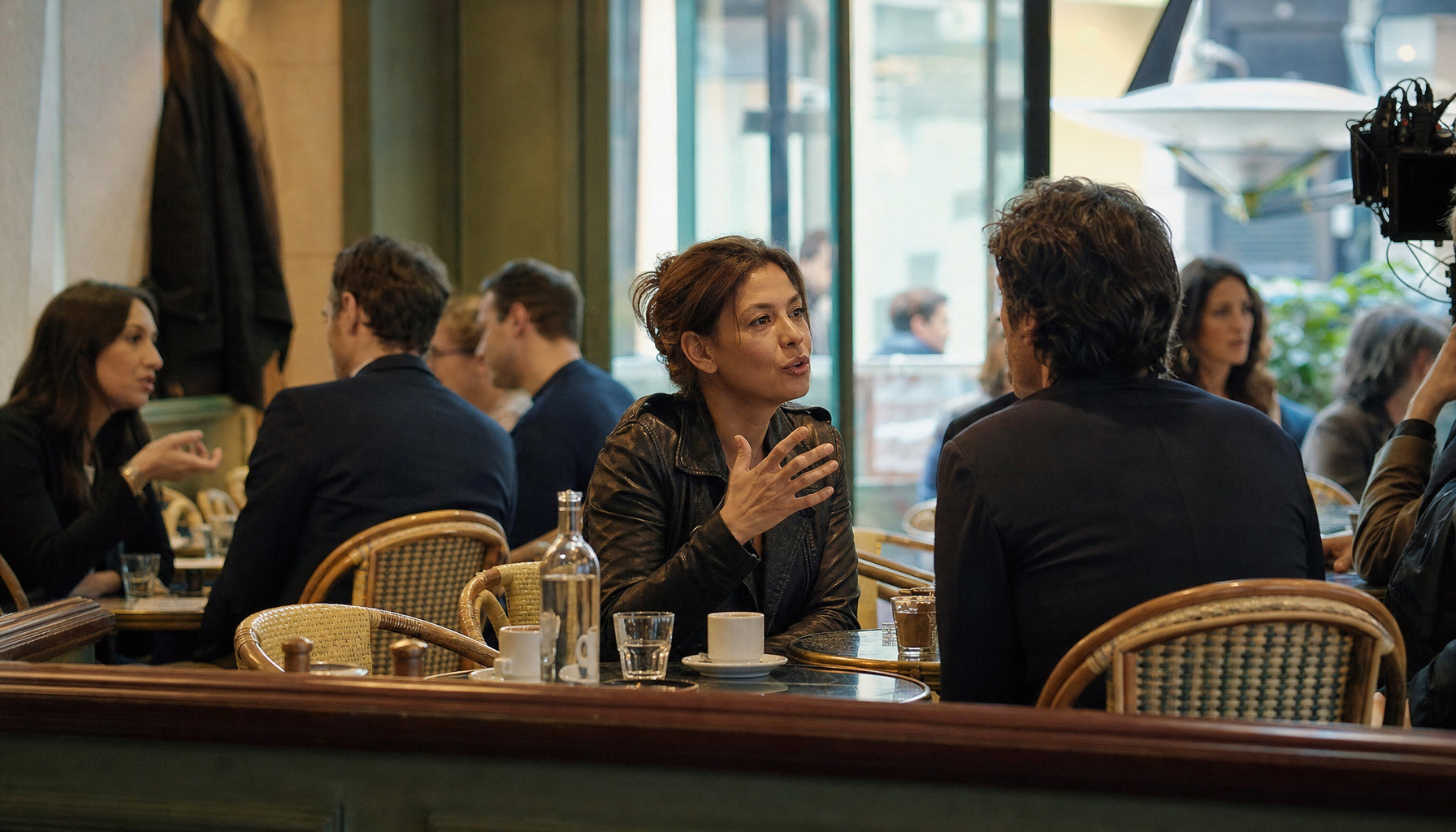
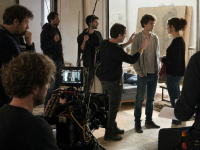
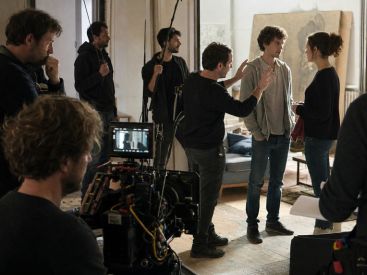
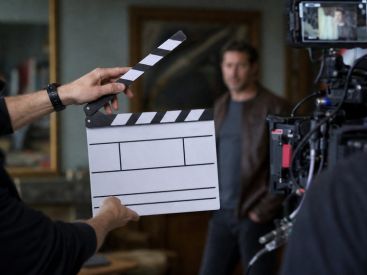
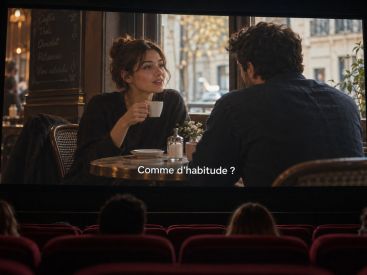
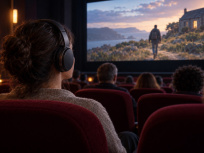
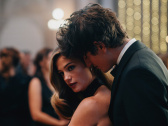
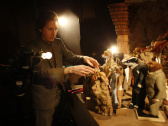
On screen, a café seems full of conversation. Yet during a take, people seated at nearby tables may silently mime their conversations. This allows the dialogue of the characters in the foreground to be recorded without mixing in voices that would be difficult to separate later.
The American casting agency Central Casting describes the practice in its tips for background actors: it involves making a conversation look real without disrupting the recording of dialogue. Moving their lips, reacting to a scene partner and continuing an action bring the set to life, even when the exchanges remain silent.
The work also requires continuity. Assistant directors cue movements and actions; extras must be able to repeat them from one take to the next. A conversation in the background is thus part of an organized scene, with a rhythm and a place in the frame. Its apparent spontaneity relies on gestures that can be repeated.
The hubub heard in the film can be recorded separately. Central Casting explains that groups are sometimes brought together in post-production to improvise conversations that create a crowd atmosphere. In English-speaking industry jargon, these groups are called walla groups. The background voices can then be combined with the other elements of the soundtrack, without having been recorded at the same time as the dialogue heard on screen.
Background crowd sounds can also be recorded on set. In an account published by the French Association of Sound in Film and Audiovisual Media on the sound production of 5ème Set, a film by Quentin Reynaud, the crew describes placing microphones in the stands to capture applause, reactions and conversations. Long stretches of ambient sound were also recorded with extras, who were given hand signals to vary the energy of the crowd. This material was then used in the sound edit.
Silence therefore depends on what the crew is trying to record at any given moment. A dialogue-driven scene and a take focused on a crowd’s reactions don’t call for the same instructions. Extras help create this effect: their performances bring the image to life, while their voices may be recorded separately.
This page may contain AI-assisted elements, more information here.