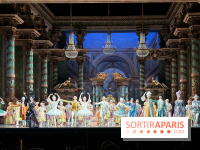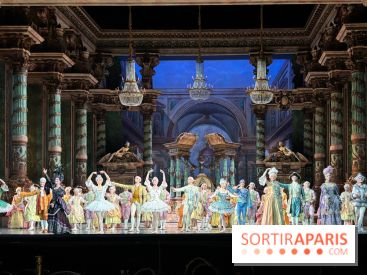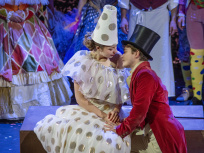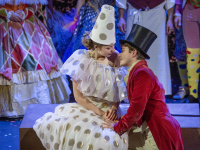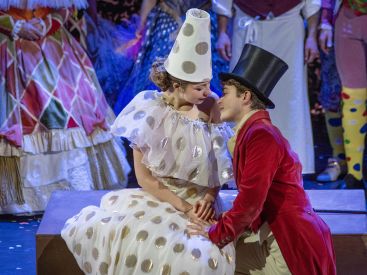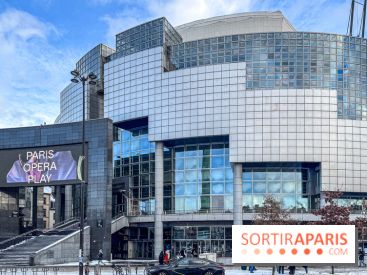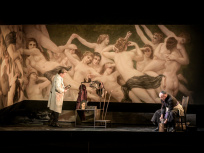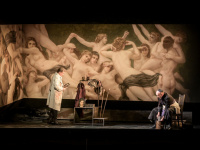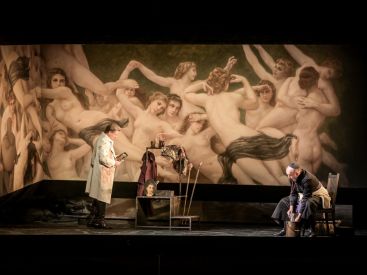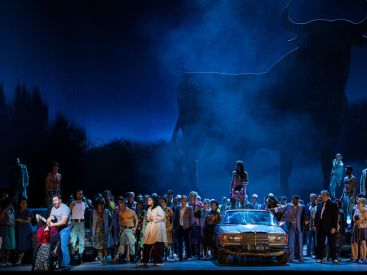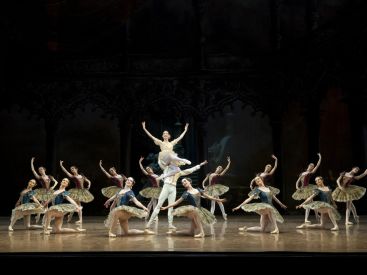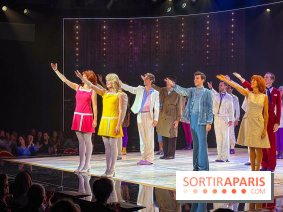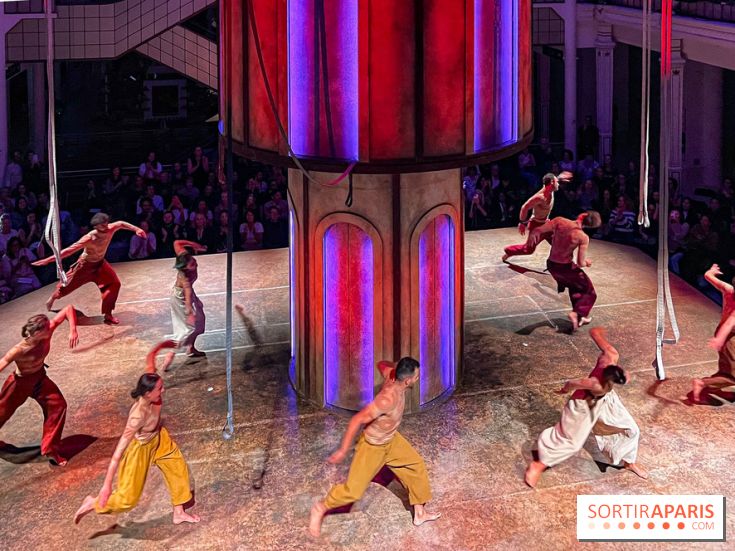
La Bayadère returns to the stage of the Opéra Bastille, from the June 17 to July 14, 2026, in the renowned Rudolf Noureev version, a cornerstone of the 20th‑century choreographer and a historic figure of the house. Created in Paris in 1992, this production marks Noureev’s final bow to his audience and stands as one of the most brilliant reimaginings of the classical ballet inherited from Marius Petipa.
This sweeping ballet, set in a dreamlike India, has become a cornerstone of the repertoire, weaving together grand ensemble scenes, a romance, and boundless grace. In an opulent, symbolic setting, La Bayadère tells the tragic story of Nikiya, a sacred dancer, and Solor, a warrior pledged to the rajah’s daughter. Deceptions, jealousy and broken vows pile up, culminating in the famed Acte des Ombres, a peak of lyricism and precision.
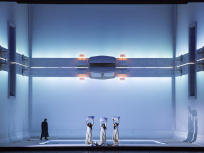
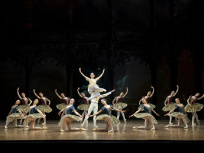
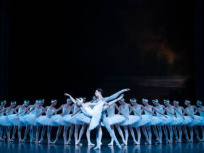
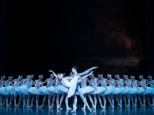
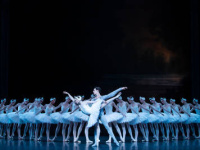
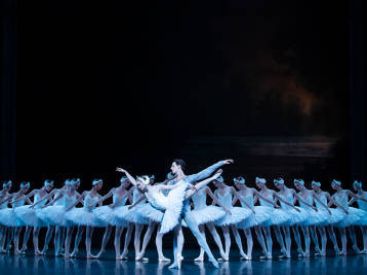
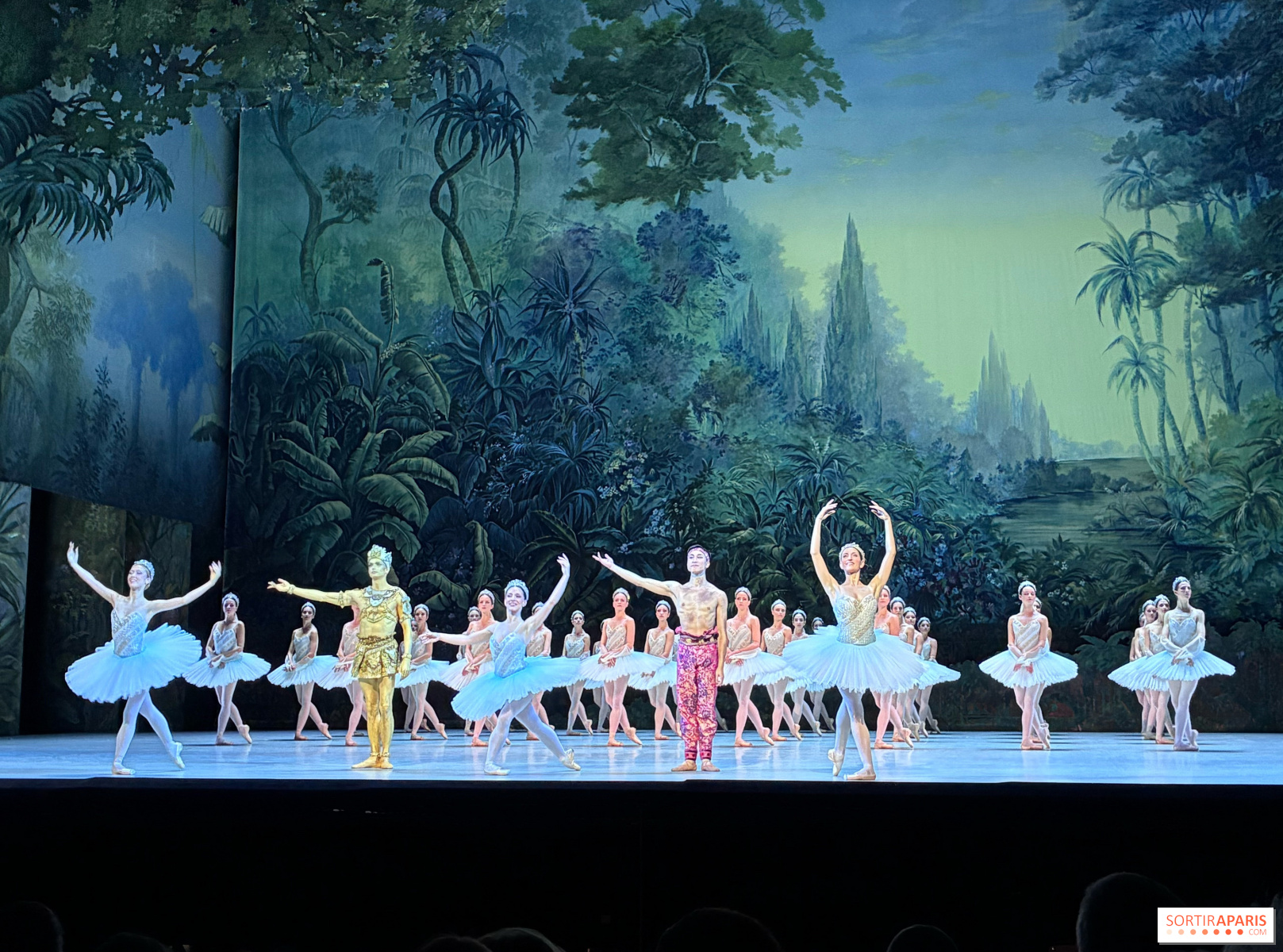
This scene, where 32 dancers in white tutus mirror each other to draw flawless lines in a misty, moody half-light, remains one of classical ballet’s most iconic moments. Through dazzling costumes, evocative sets and virtuosic variations, the piece unfolds a whole imagined world with orientalizing echoes, elevated by the music of Ludwig Minkus.
The Bayadère speaks to everyone, from the regulars of the Opera to ballet newcomers. Classical-dance lovers will detect the scholarly rigor and sweeping grandeur that define Noureev’s style, while those attracted to grand visual storytelling will be captivated by the work’s narrative depth and aesthetic scope.
Our Take
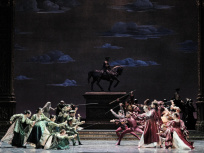
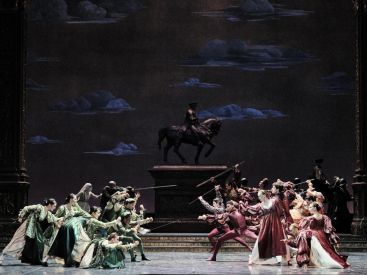
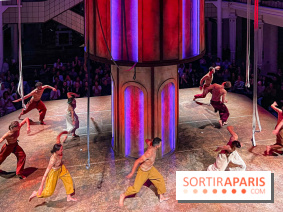
From the very first act, the tone is set: total immersion. Visually, the production showcases exceptional sets by Ezio Frigerio, transporting us from a mystic Indian temple where flames flare to the rhythm of live music, to the opulent interiors of an Oriental palace.
The costumes by Franca Squarciapino, ranging from radiant saris to vividly striped skirts, expertly delineate social status and character while granting the movements a glorious fluidity. A wardrobe that honors the grand work of the Paris Opera workshops.
Without a single spoken word, the dancers’ expressiveness—carried that evening by principal dancer Sae Eun Park (Nikiya) and premier danseur Paul Marque (Solor)—translates into an emotional charge of astonishing clarity, enhancing the beauty of the tableaux and the richness of the roles, especially the female ones.
Act II raises the stakes with a spectacular entrance by the hero on a articulated elephant, paving the way for a sequence of celebratory dances and gift-giving. Here the virtuosi revel in their craft: Solor’s dizzying pirouettes and Gamzatti’s whip-fast fouettés (Inès Mcintosh), executed with razor precision, literally took the breath away from the audience.
Clever use of objects (fans, veils) infuses the choreography with a feverish energy before the dramatic apex: the Bayadère’s heart-wrenching solo, continuing to dance gracefully despite the venomous bite of the serpent.
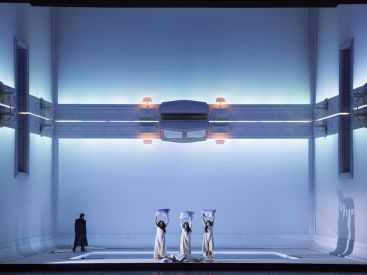
The final act plunges us into a markedly different mood—more melancholic and dreamlike. Against a backdrop reminiscent of a winter garden or a mysterious jungle, the famed Shadow Act unfolds, a true白 Act of whiteness. The perfect alignment of white tutus cascading down the ramp instantly evokes the magic of Swan Lake.
While the absolute elegance of this tableau is a marvel to behold, this very classic finale may feel a touch longer and more demanding for general audiences. The absence of color and the geometric repetition of the shadows’ variations stretch the tempo and require concentration to fully appreciate the performance. Still, the show closes on a note of rare poetry, after 2h55 of a memorable journey to the far reaches of romantic Orient, a sublime suspended moment.
Two intermissions split the three acts, giving the audience a chance to relax and better savor the three hours of ballet, which may feel eternal to those unused to this kind of classical spectacle. Not all dates are listed yet, seize the opportunity to snag the last tickets, The Bayadère running until July 14.
In this heatwave period, the Opéra Bastille’s main hall is well air-conditioned; bring a small scarf if you’re sensitive to chilly air! Also, given the length of the ballet, it’s wise to have eaten beforehand, though a small snacks stand is available on site.
This test was conducted as part of a professional invitation. If your experience differs from ours, please let us know.
Dates and Opening Time
From June 17, 2026 to July 14, 2026
Location
Opera Bastille
Place de la Bastille
75012 Paris 12
Access
Metro lines 1, 5 and 8, "Bastille" station
Prices
€15 - €170
Official website
www.operadeparis.fr