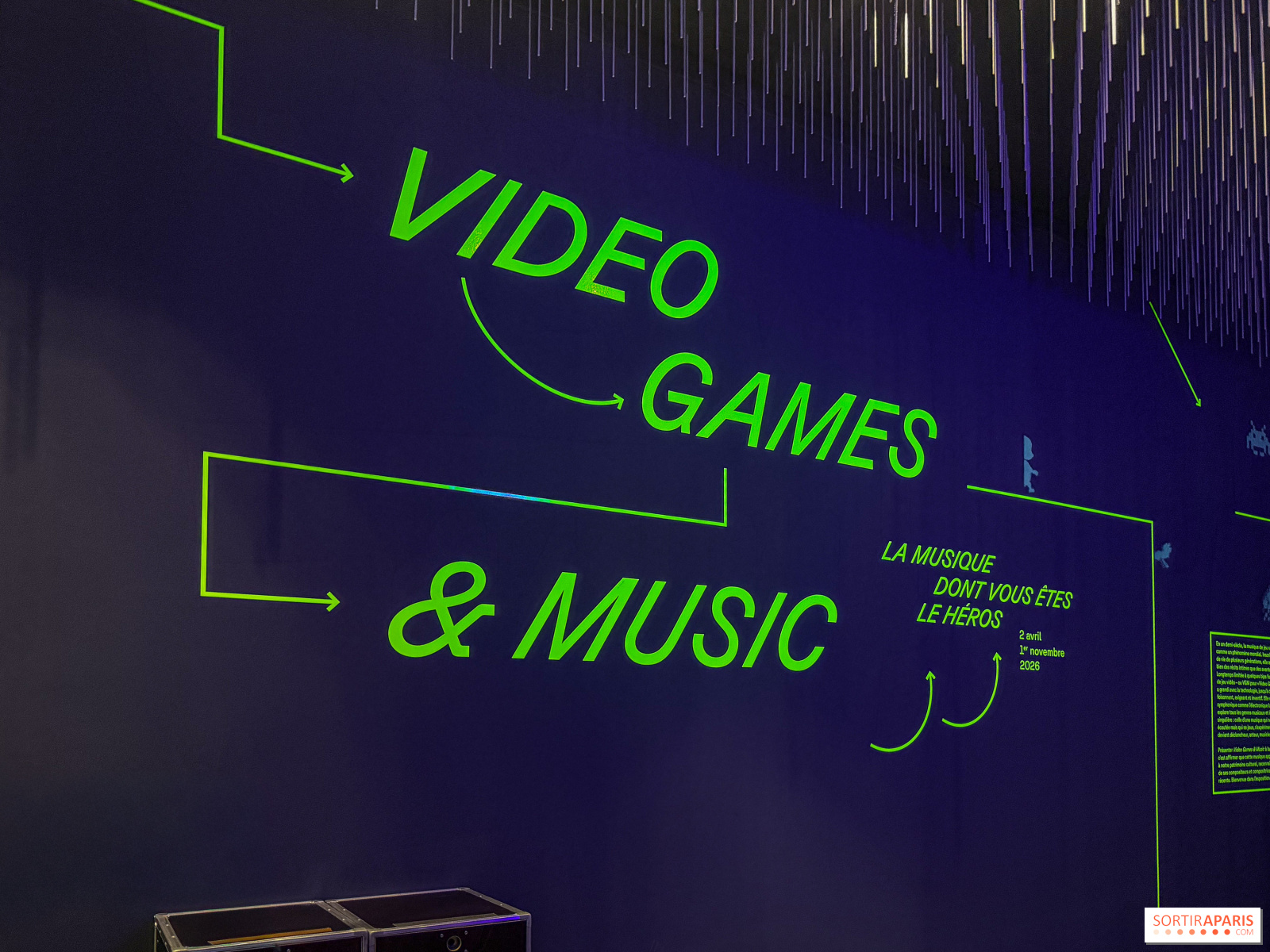
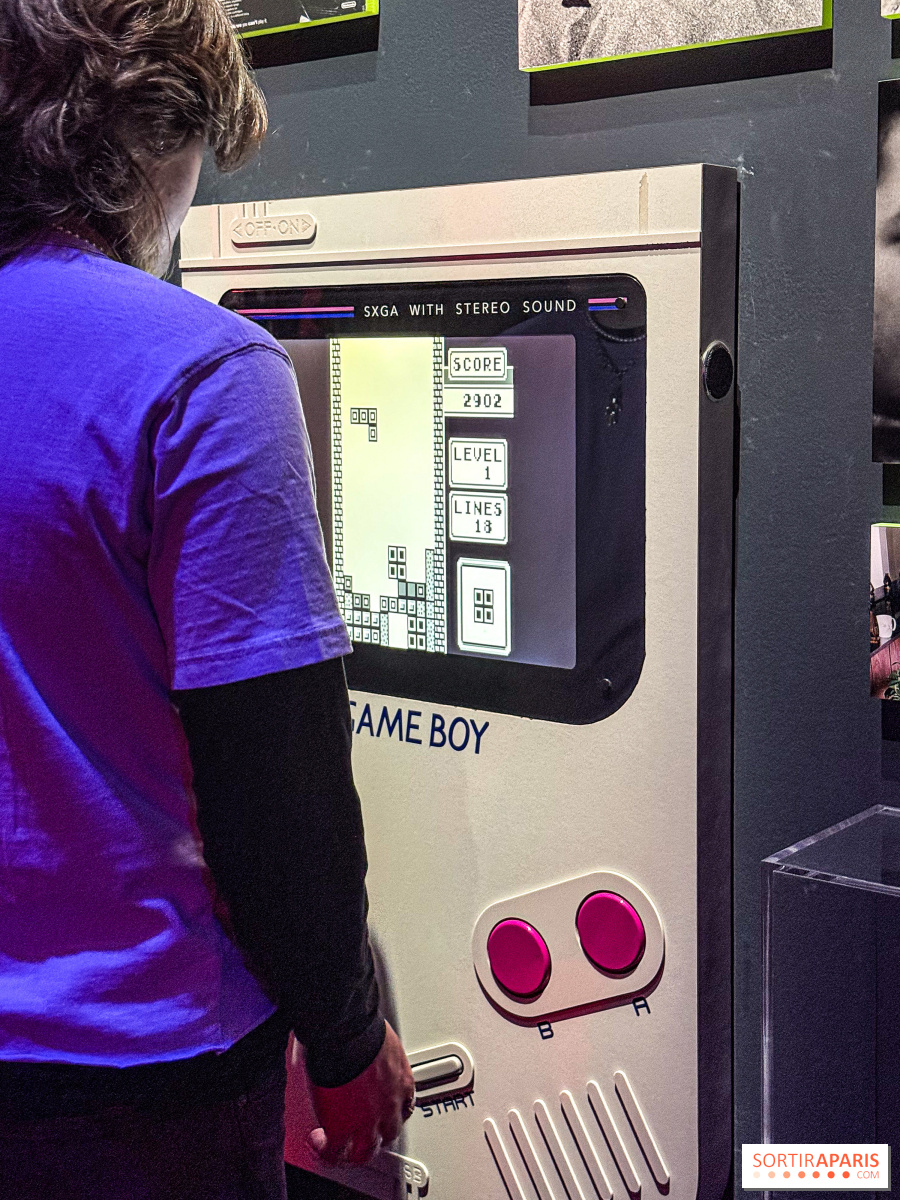
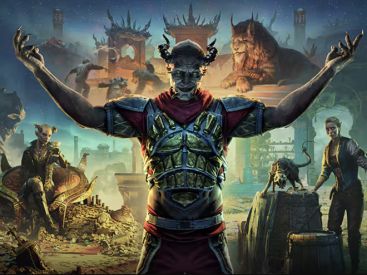
Attention to video game fans... The Philharmonie de Paris presents an exhibition devoted to video game music with Video Games & Music, from April 2 to November 1, 2026. From Pong to Final Fantasy, including Super Mario, Zelda or Pac-Man and Sonic, the journey traces the soundtracks that have marked the history of video games. Thanks to 29 playable games and several interactive installations, the exhibition shows how these scores became a genuine element of popular culture.
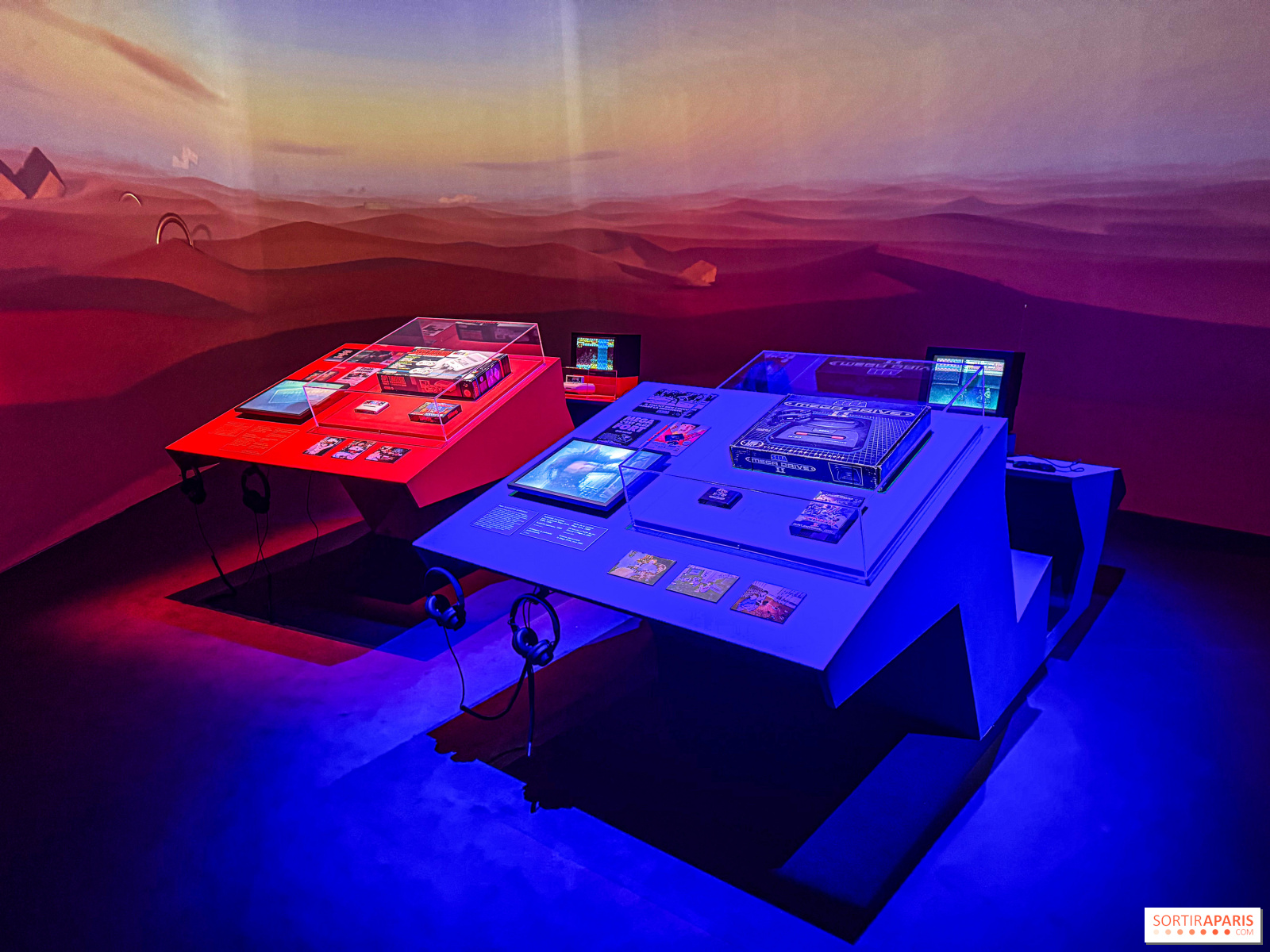
Paced as an immersive journey, the exhibition invites visitors to rediscover melodies familiar to generations of players. A Zelda tune, a few notes from Final Fantasy, or the 8-bit sounds of the earliest games are often enough to spark a flood of memories. Between vintage consoles, archives, instruments, images and audiovisual installations, Video Games & Music highlights the essential role of music in the world of video games.
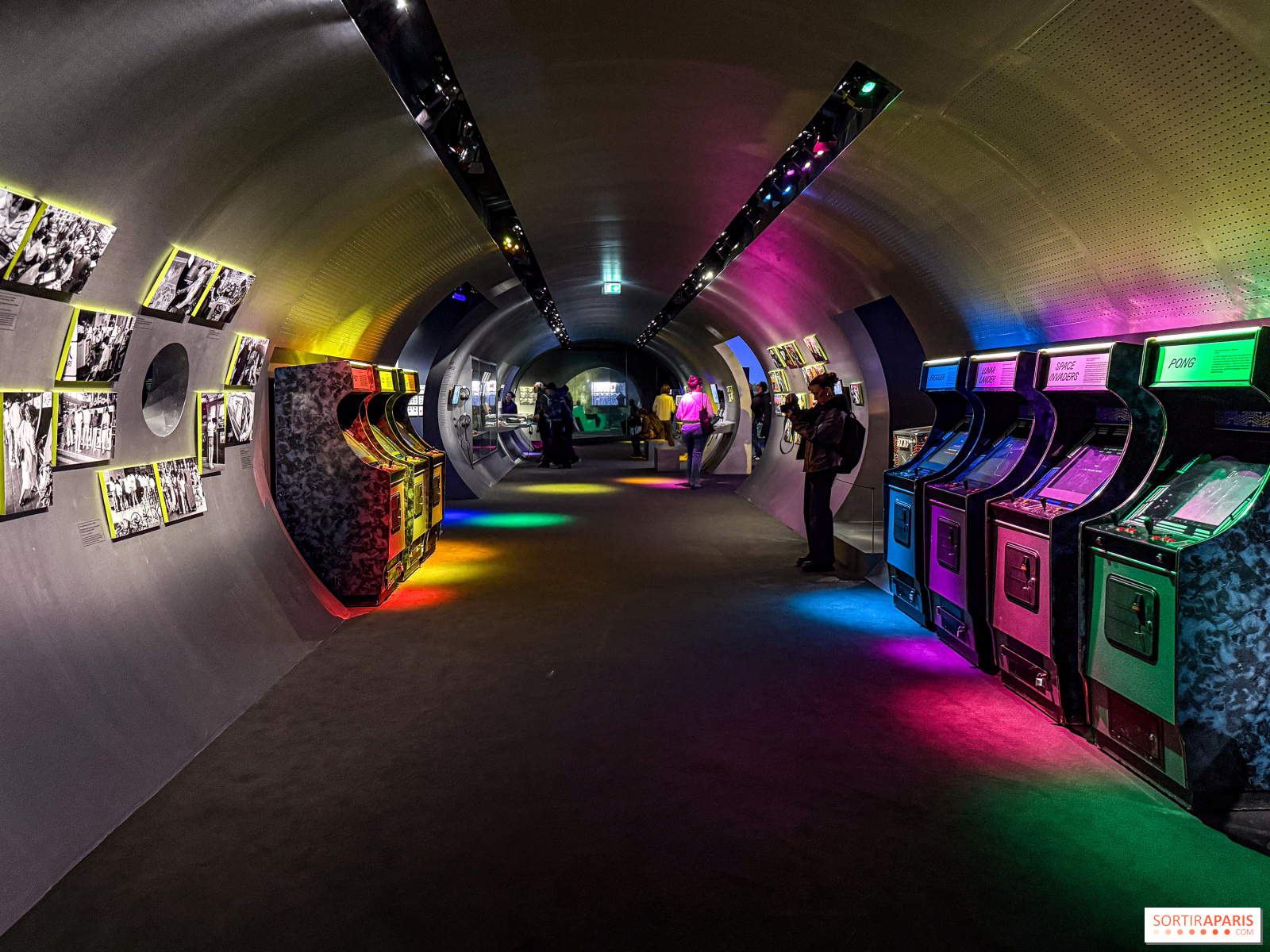
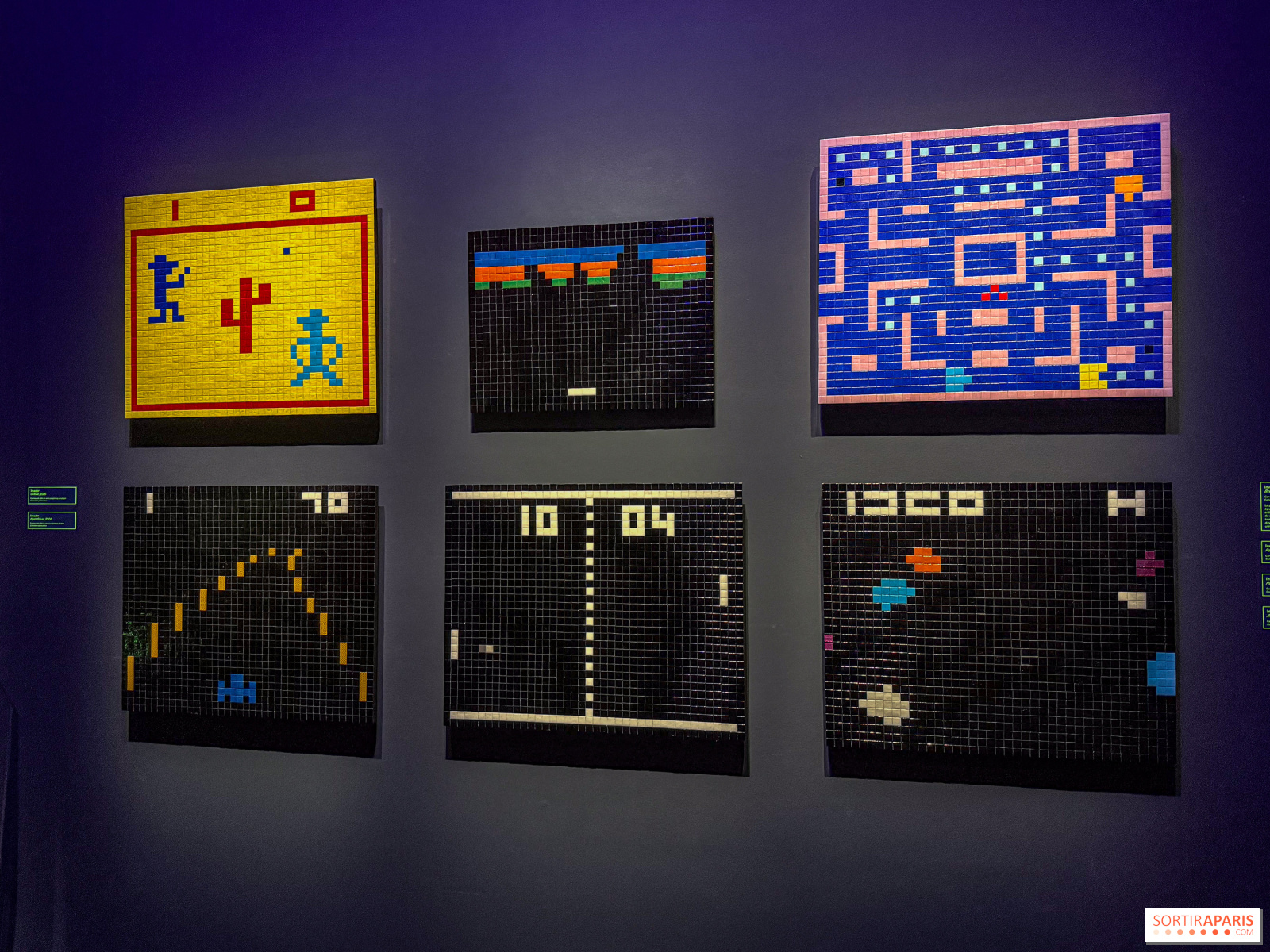
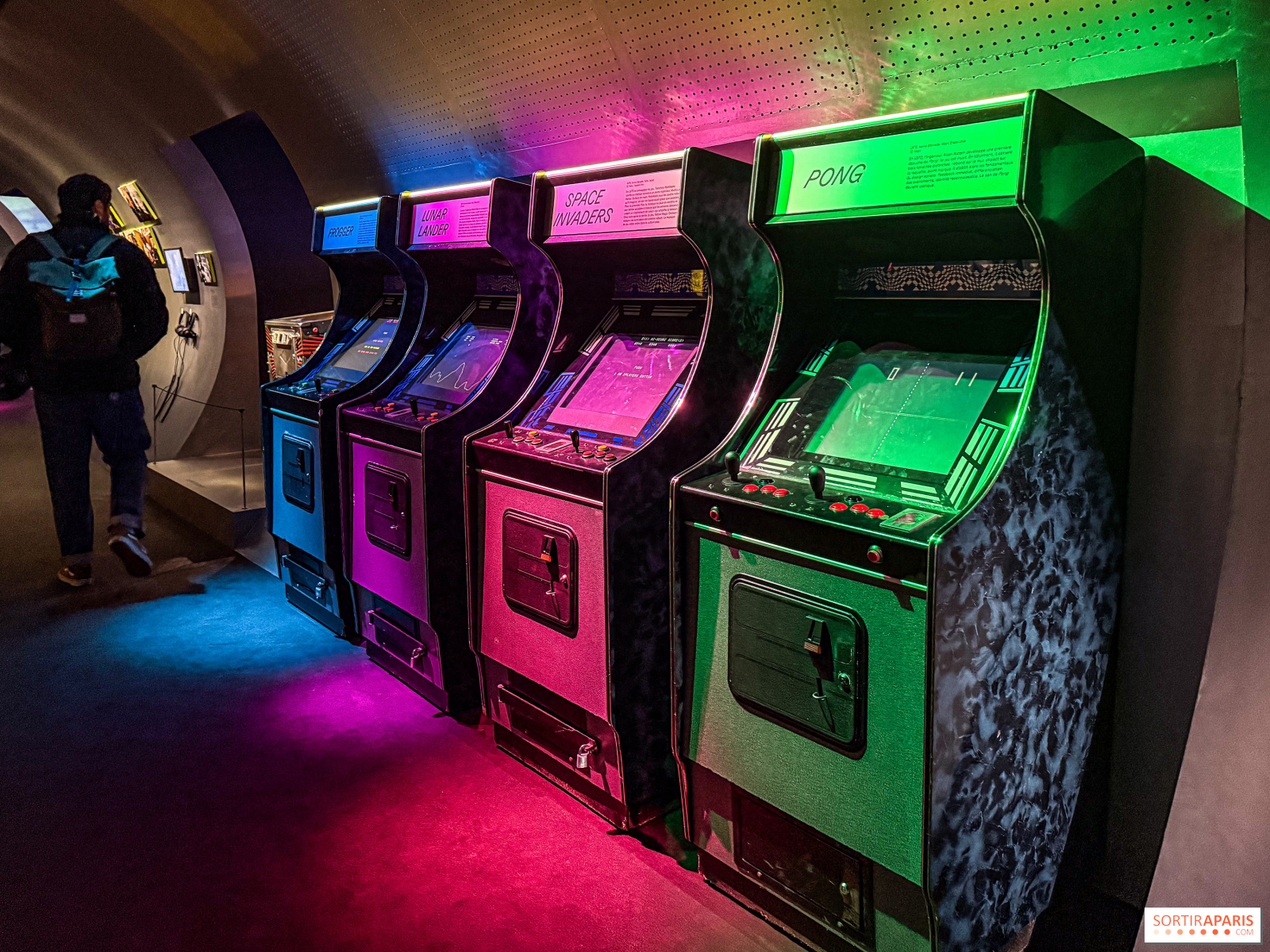
The journey begins at the origins, in the laboratories of the 1960s and the first arcade rooms of the 1970s. During the era of Pong (1972), technical limitations led to a minimalist design: a few electronic signals were enough to evoke a particular atmosphere. Yet, these constraints gave rise to a distinctive, cult aesthetic that today is synonymous with the 8-bit universe and arcade culture.
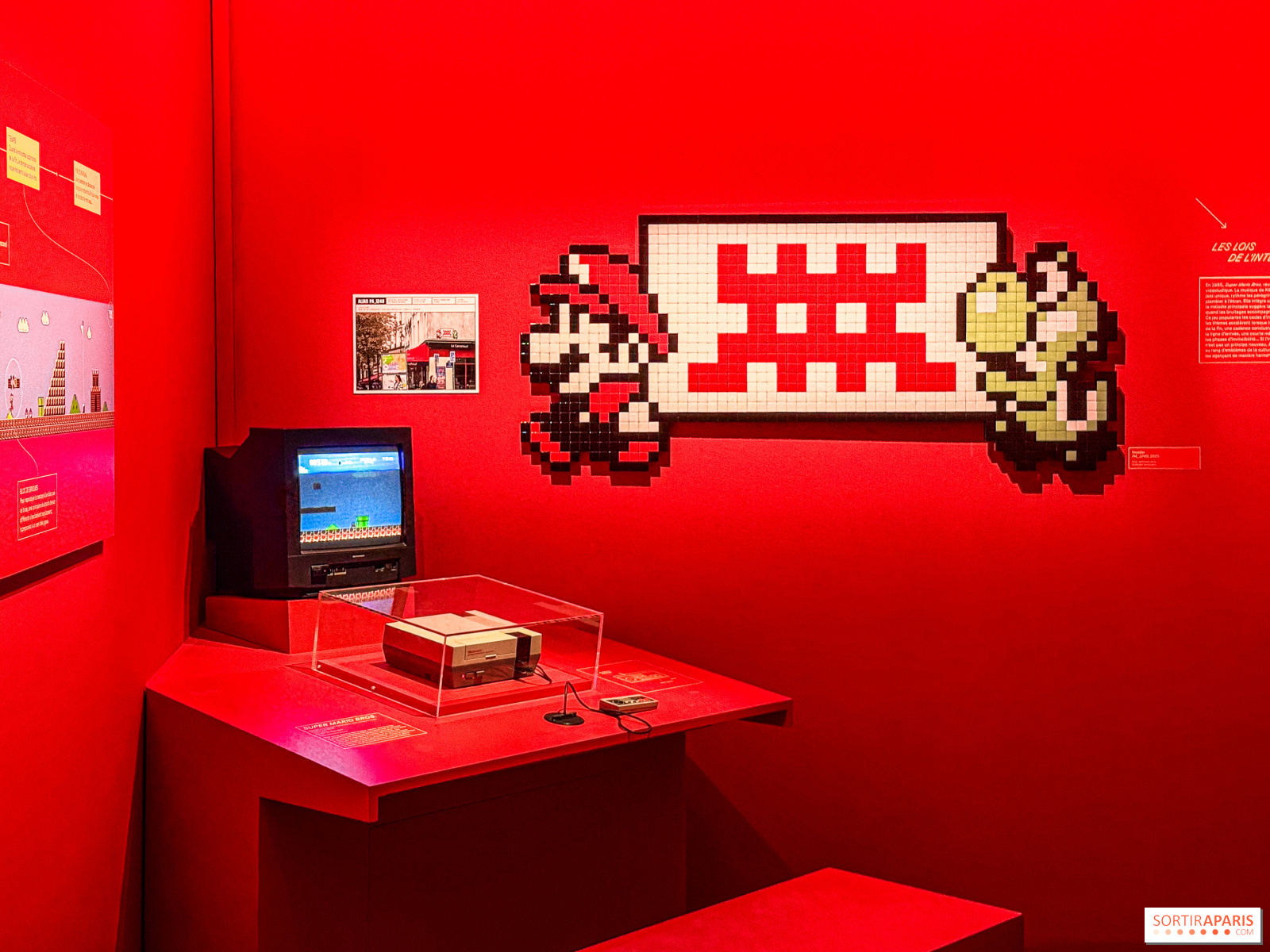
The exhibition illustrates how, through ongoing technological advances—most notably the advent of the CD-ROM in the mid-1990s—video game music has evolved and expanded. Orchestral recordings, electronic influences, rock, jazz, and urban styles: VGM (Video Game Music) has become a true playground for experimentation. Renowned composers like Kōji Kondō (Super Mario, Zelda), Nobuo Uematsu (Final Fantasy), and Masato Nakamura (Sonic) have helped shape a shared sonic universe that resonates on a global scale.
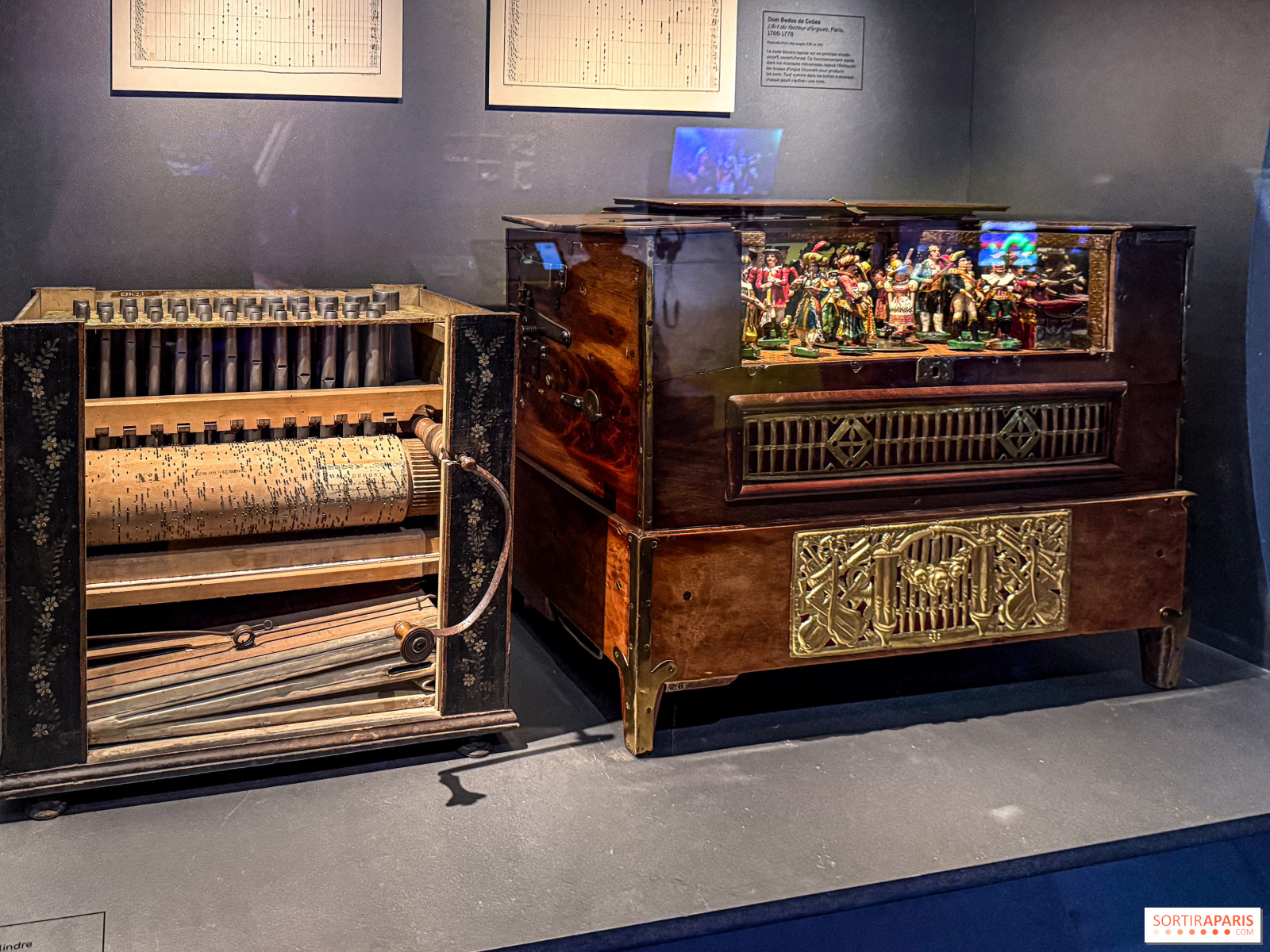
However, what sets this music apart is its interactivity: here, the player actively shapes the rhythm, intensity, and sometimes even the composition. The code becomes a living score, akin to a musical box or a mechanical organ, where every action alters the soundscape.

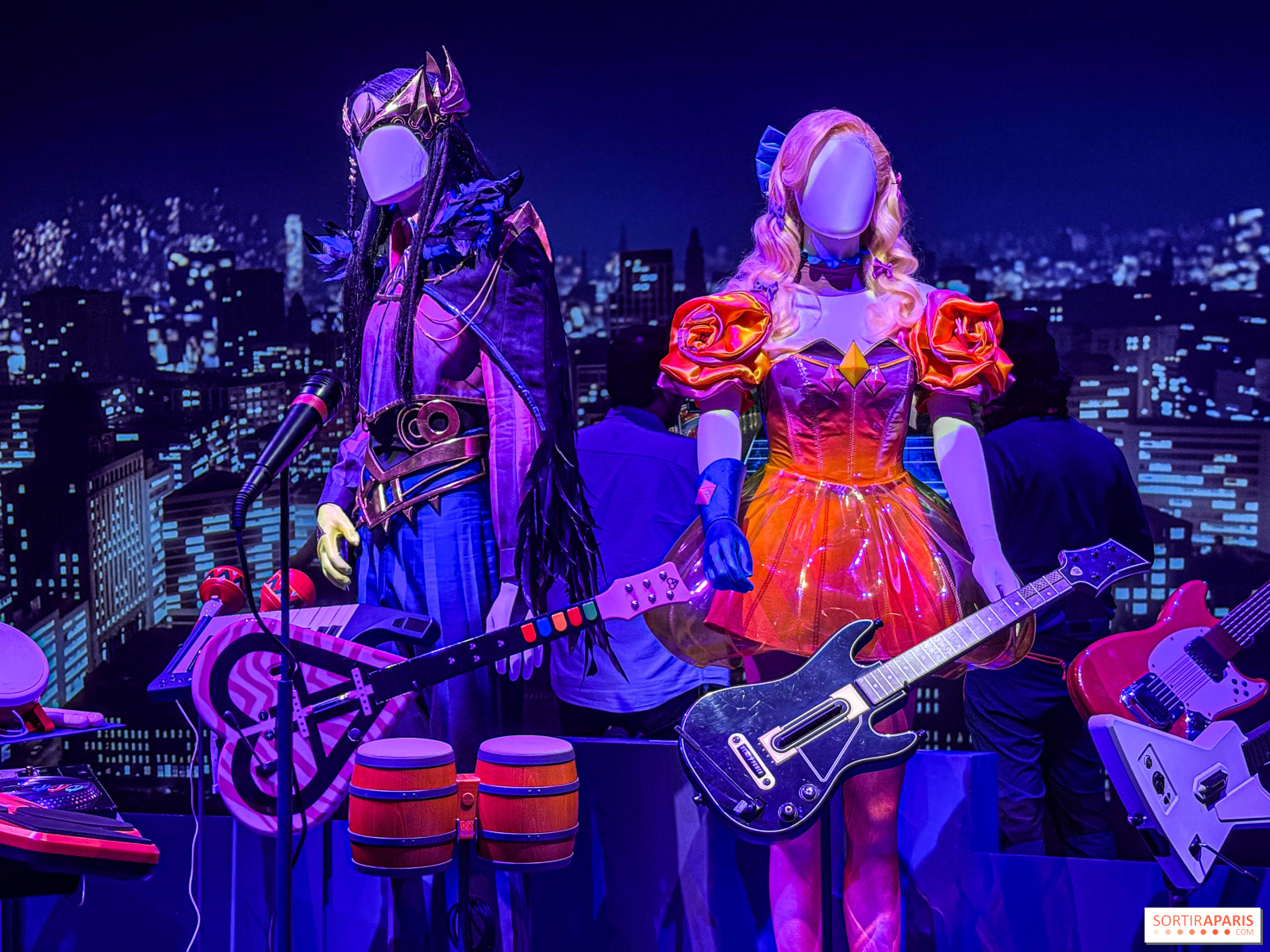
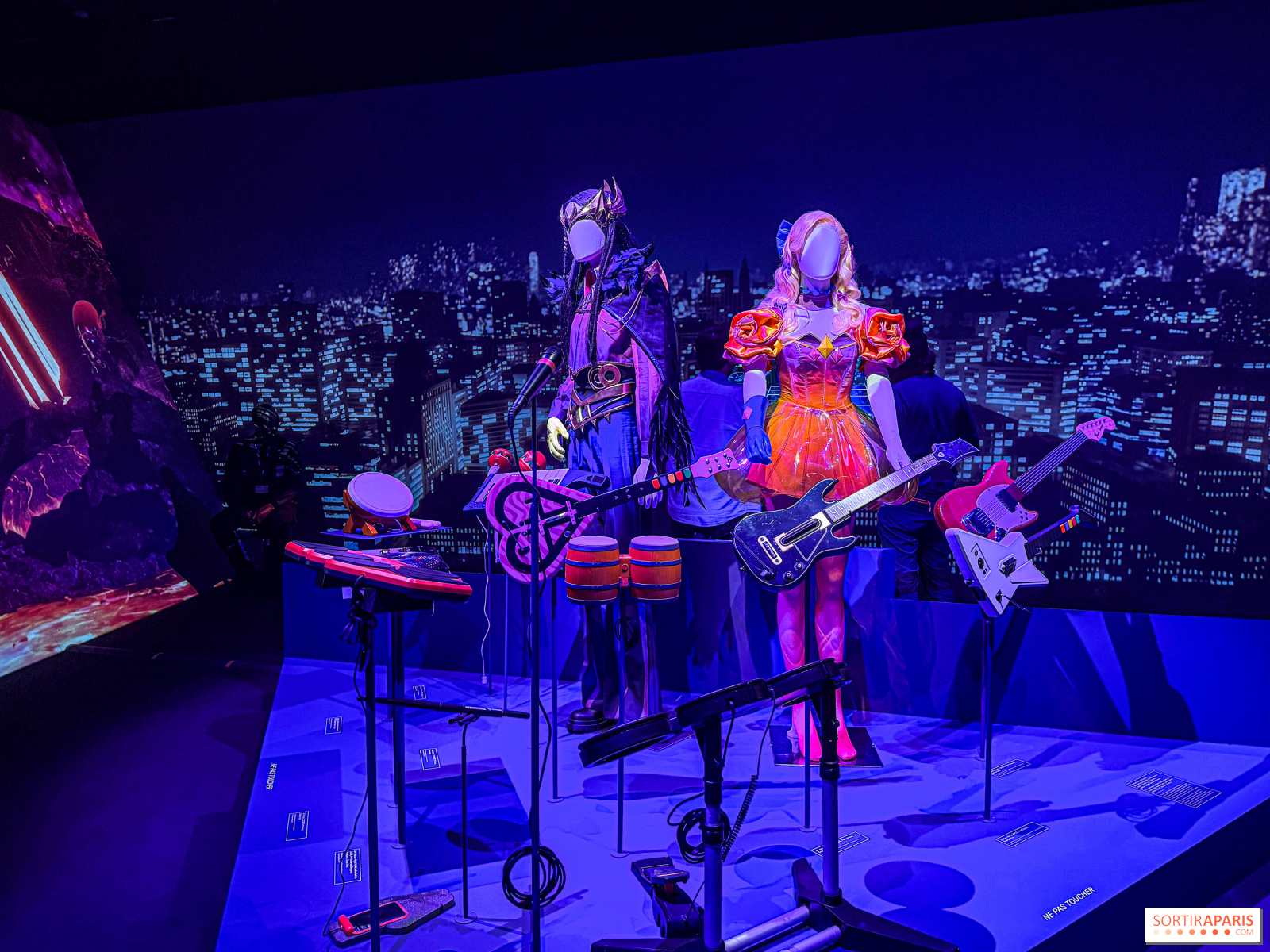
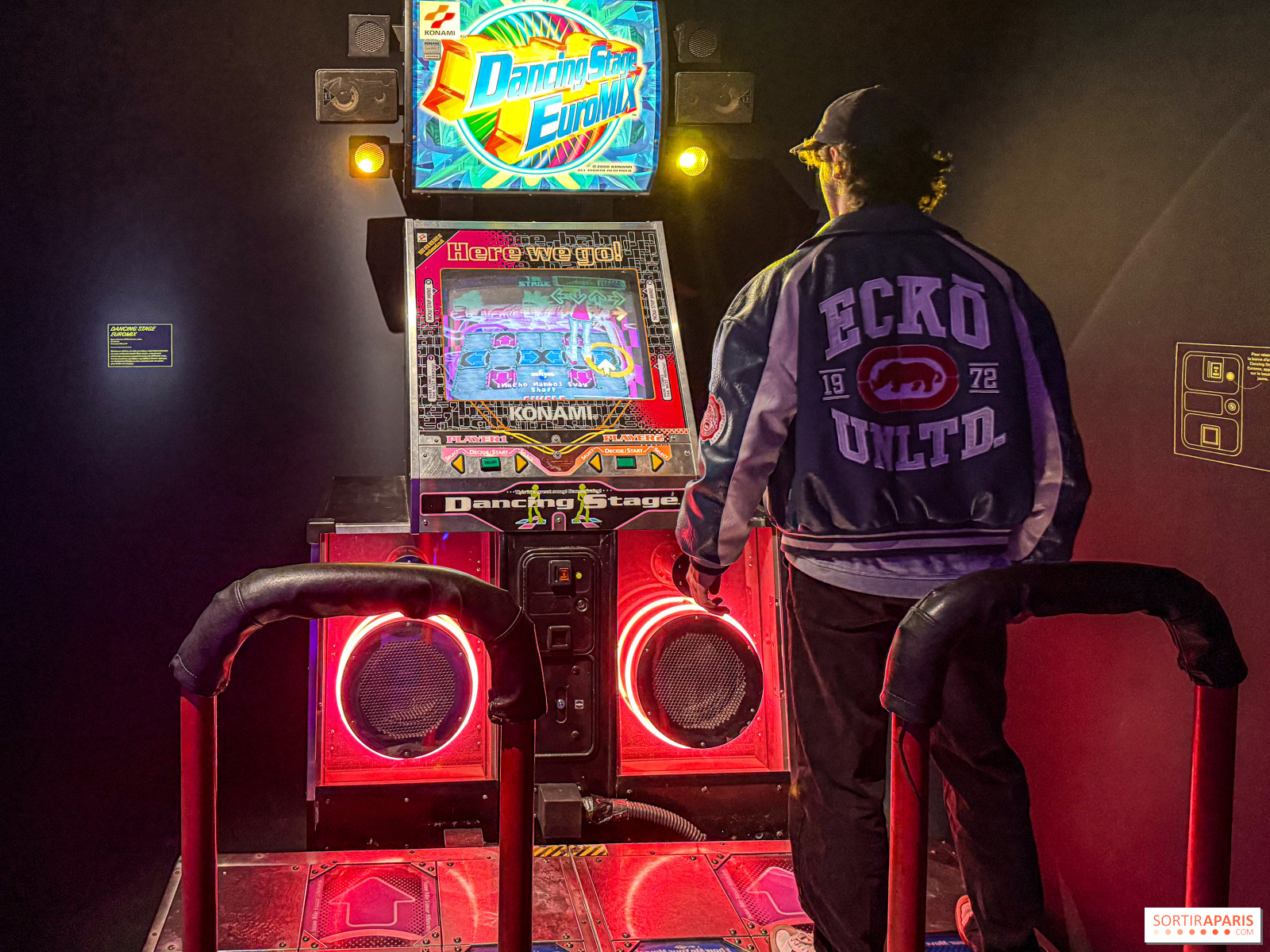
Whether you're a fan of 1980s arcades, a Just Dance enthusiast, or curious about immersive experiences like the one offered in Omikron with David Bowie, each room in the exhibition is designed to let you experience music with your body as well as your ears. Motion sensors, collaborative music games, and sensory installations invite visitors to engage in a true sound choreography. The diversity of the worlds presented illustrates the extraordinary visual and musical richness of the video game medium, which has become a privileged field of experimentation for composers.
At the same time, the big names in contemporary music—from Jean-Michel Jarre to Nine Inch Nails, Radiohead, and the Wu-Tang Clan— are honored to show how the language of video games has infiltrated the global music scene. Not to mention the spaces dedicated to the demoscene and chiptune, which extend the 8-bit aesthetic into a universe that is both retro and futuristic. It's a way of illustrating how video game culture interacts with major artistic trends today.
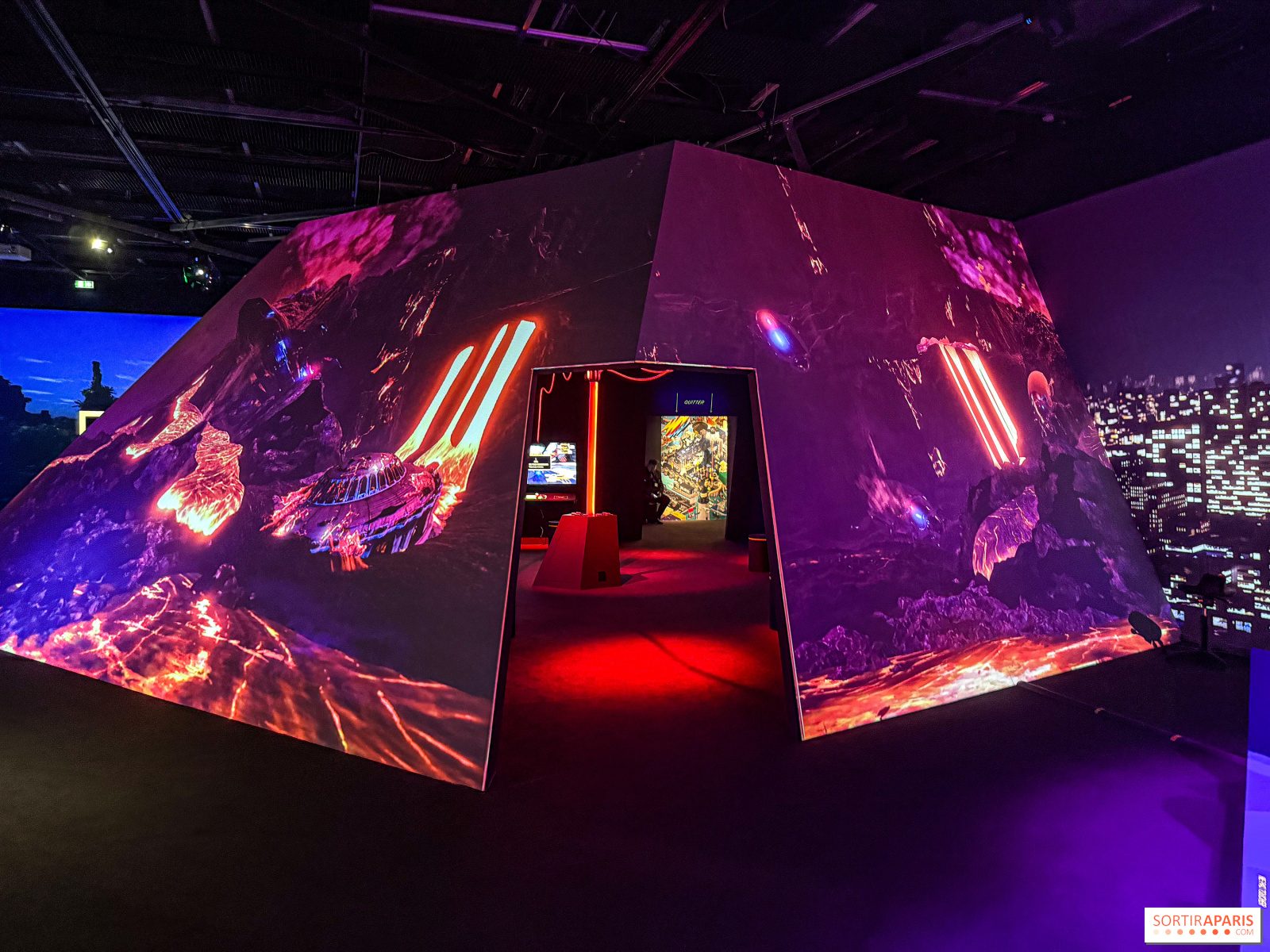
Drawn from the very structure of video games, the exhibition unfolds across five immersive "biome" settings, expertly designed by La Sagna & Racine. Collaborating with artist Mounir Ayache and the graphic duo E+K, each space offers a unique visual and auditory atmosphere, encouraging visitors to explore freely.
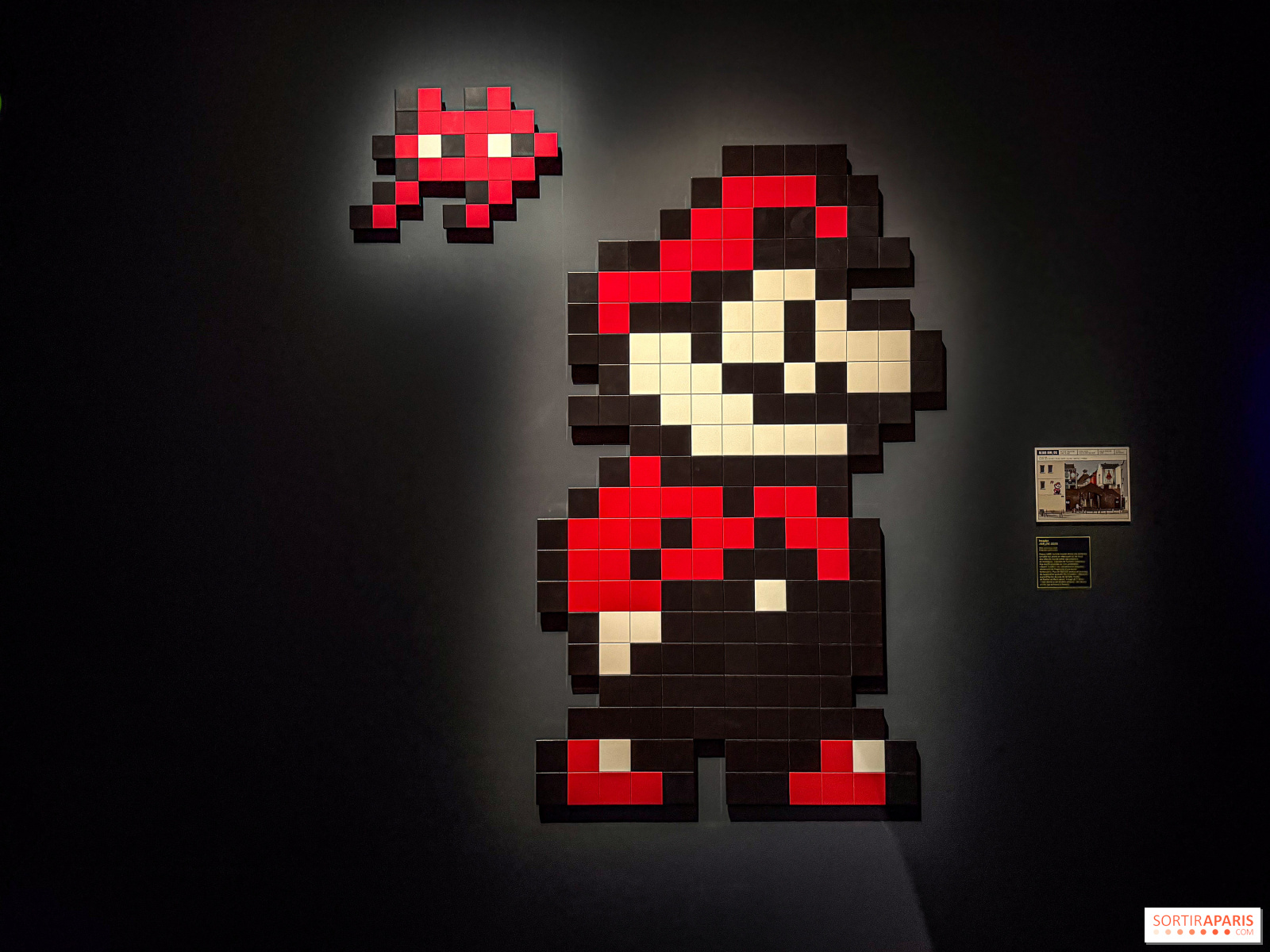
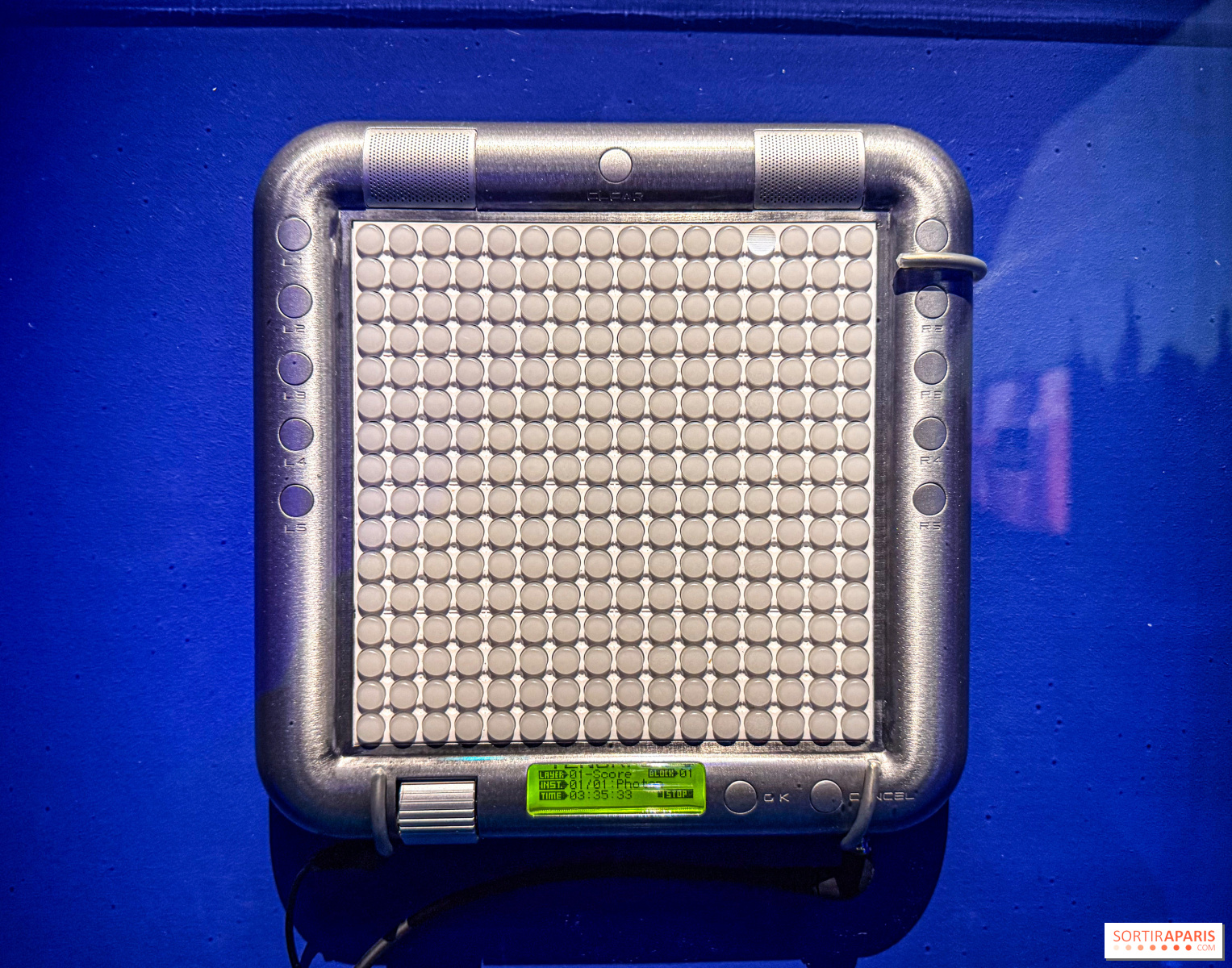
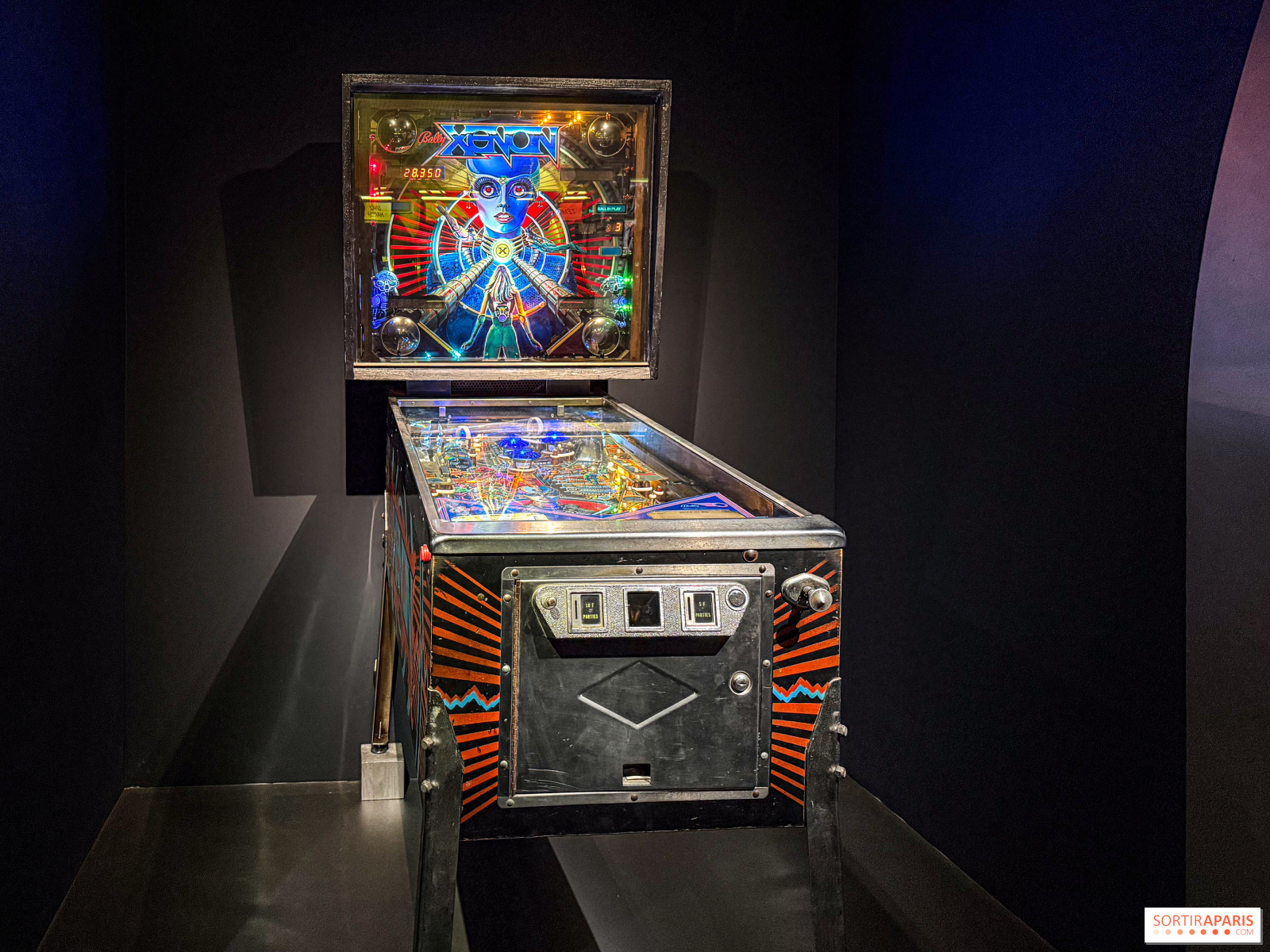
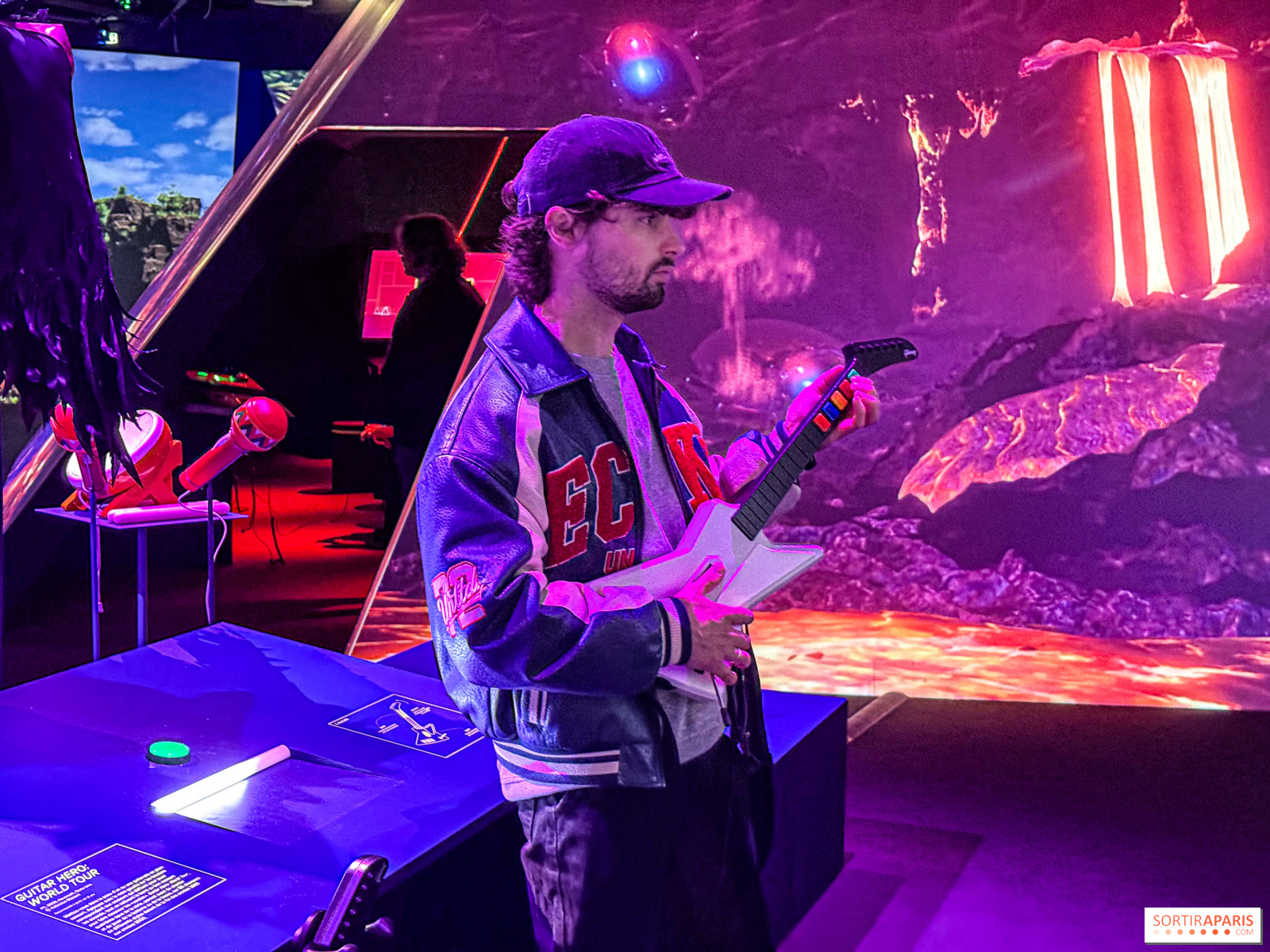
Overall, 29 playable video games line the exhibition route. From pioneers like Simon (1978) to popular hits such as Guitar Hero, Dance Dance Revolution, PaRappa the Rapper, The Legend of Zelda: Ocarina of Time, and Just Dance, the exhibition highlights the physical and social aspects of music in video games. It also features original artworks, vintage consoles, photographs documenting arcade culture, and works by artists like Invader and eBoy.
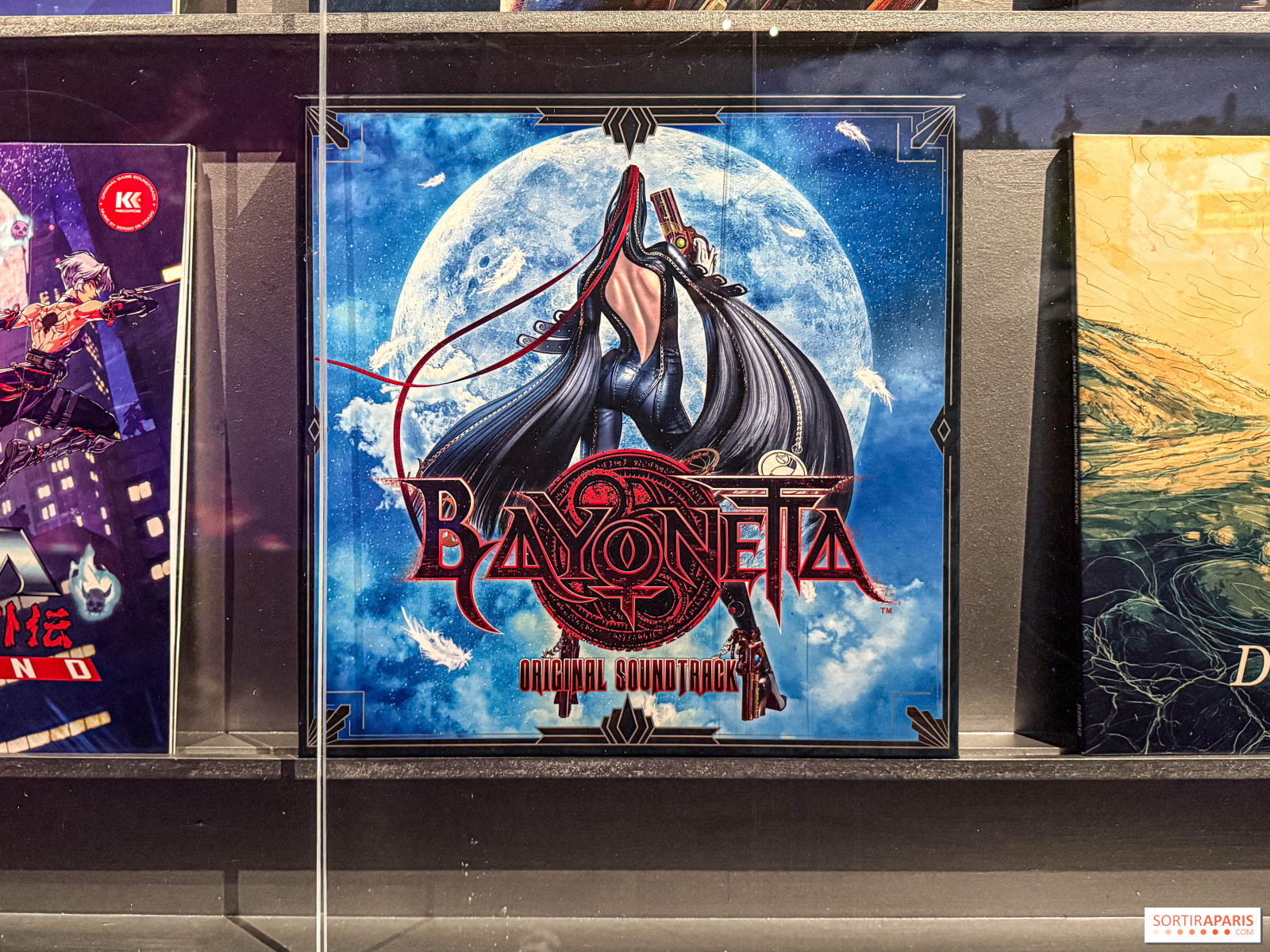
Curated by musicologist Fanny Rebillard and video game journalist Jean Zeid, the exhibition asserts that video game music is now a vital component of contemporary cultural heritage. From symphonic concerts and dedicated albums to remixes and collaborations with artists from rap and electronic music scenes—down to the presence of Daft Punk in Fortnite— it demonstrates how video game soundtracks have transcended the boundaries of gaming to become a significant part of today's musical landscape.
Our take on the Video Games & Music exhibition at the Philharmonie:
A show we were able to preview ahead of its opening. On the set design: you begin in a room the Philharmonie calls a "presentation" space—think a tutorial in a video game—then you step into a tunnel that opens up into a sprawling, open world housing the various sections.
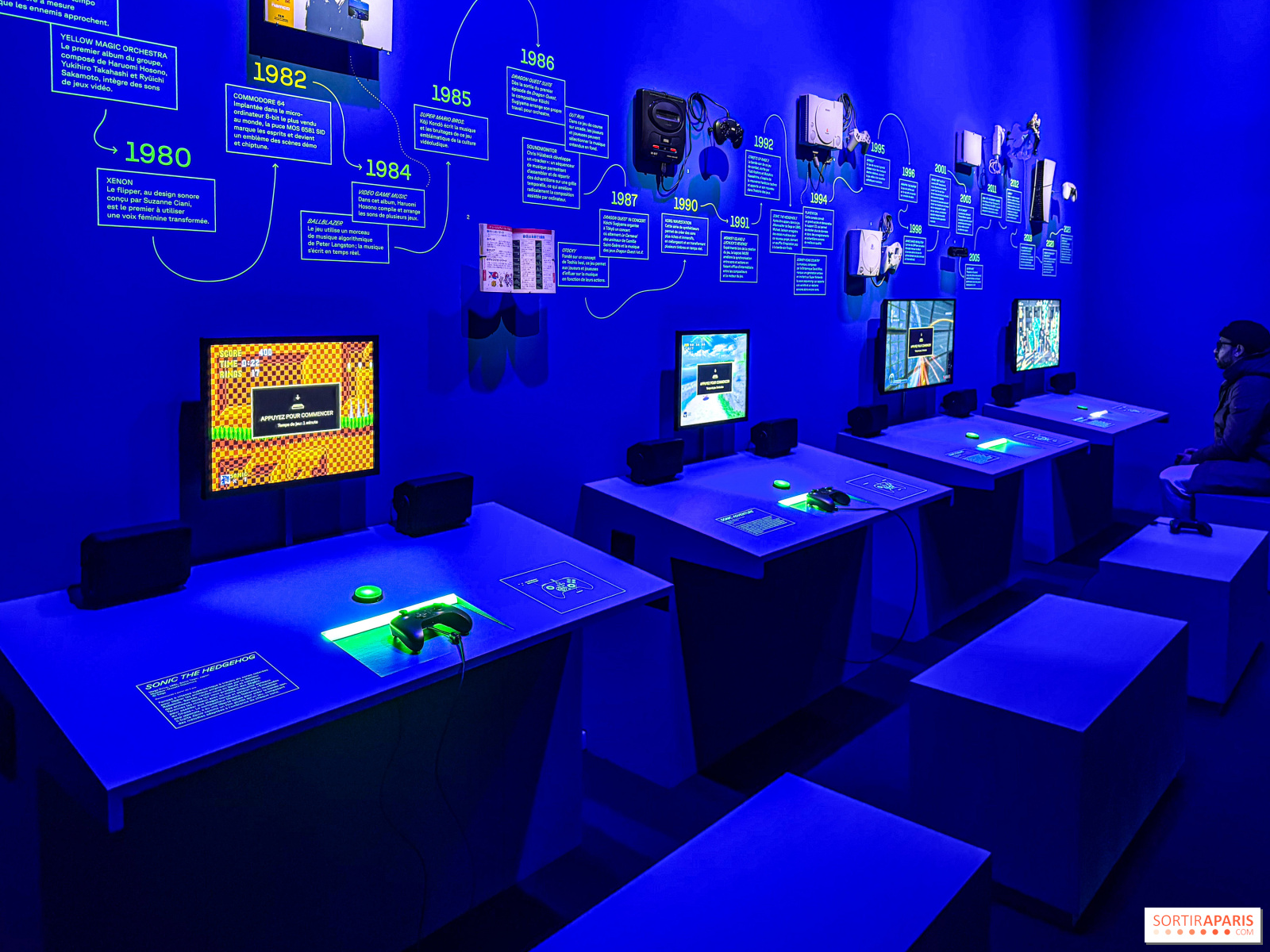
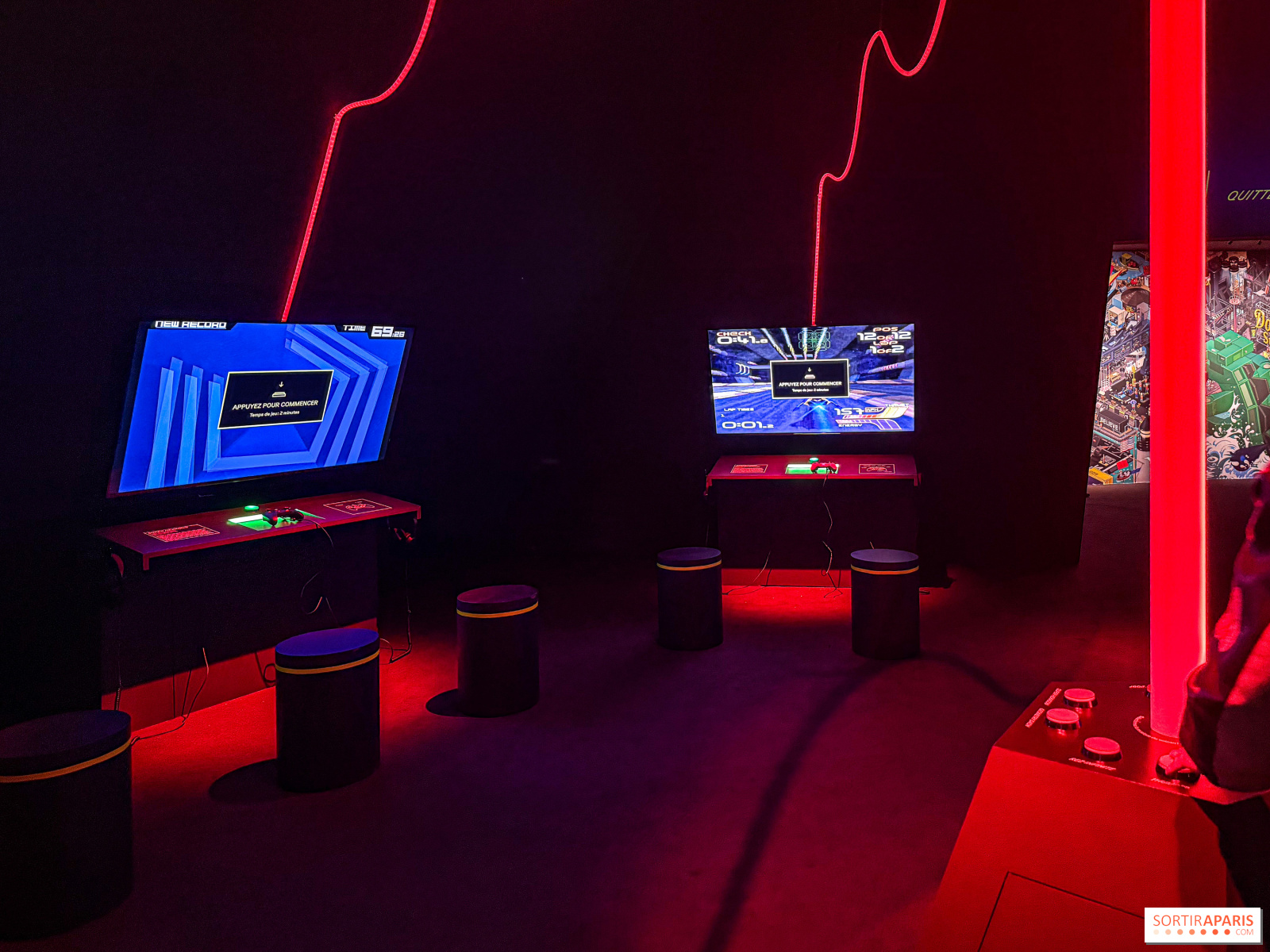
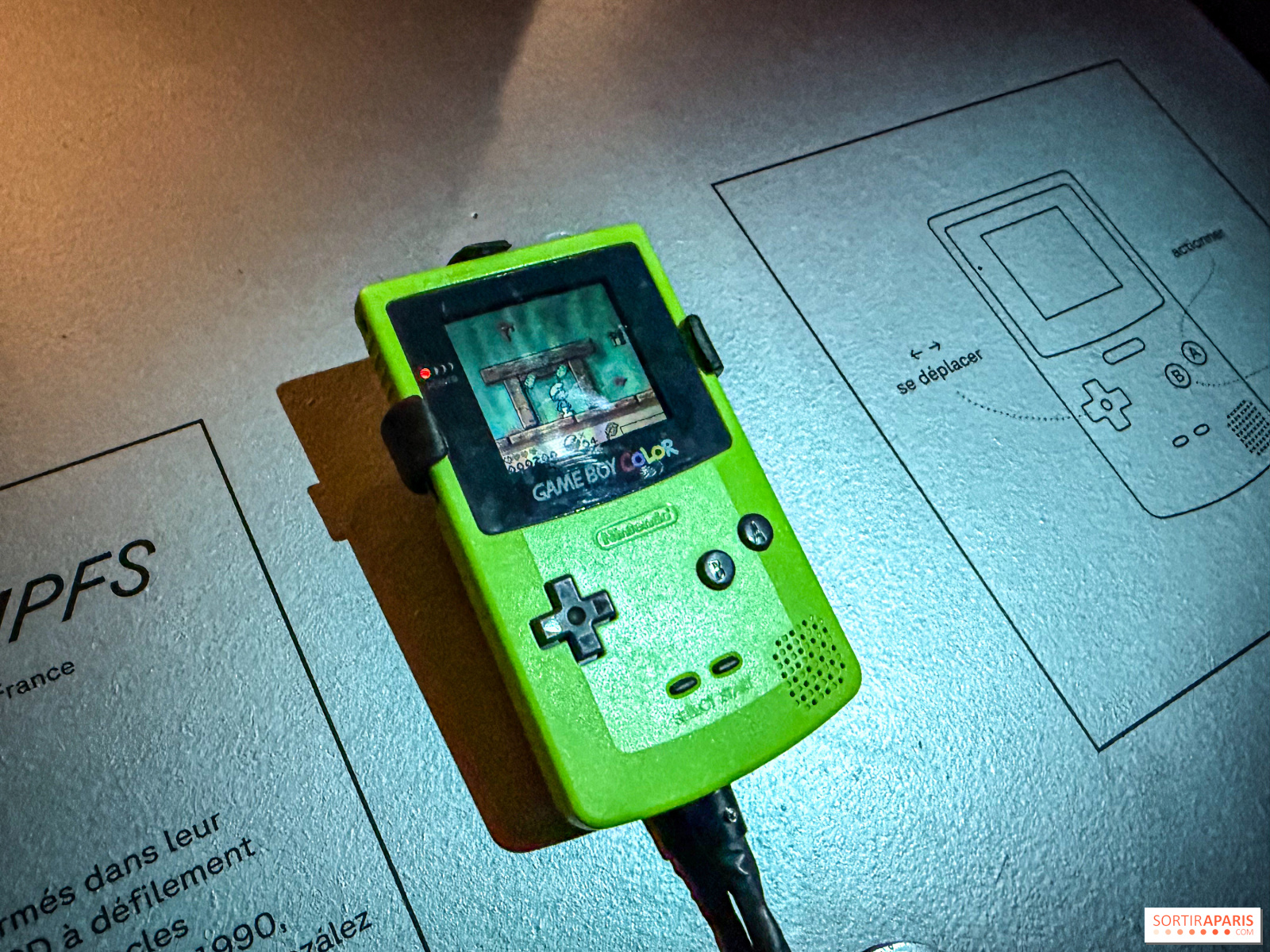
You trace the history of video games and their soundtracks, from 8-bit bleeps to orchestral scores made possible by the CD-ROM era’s bigger data capacity. There are also many short playable demos, ranging from one to five minutes, so you can experience in-game music and grasp its role in storytelling and in the rush of action (shout-out to The Tidal Wave in Smurfs’ Nightmare...).
There’s also a nostalgic revisit of many titles we nearly forgot—a real madeleine de Proust for anyone who grew up in the 1990s.
Our recommendations:
First, the exhibition is on the ground floor and accessible to visitors with mobility needs. It is a touch dark, so come prepared: no flashy lighting or explosive colors, though there are ultraviolet accents to give the whole space a retro vibe.
Also keep an eye out for the many easter eggs and other hidden passages leading to rooms that unveil music and game worlds, from Sonic to Just Dance. And above all, take your time exploring the games on offer and reading the panels—you’ll learn a lot about how music, sound effects, and their significance evolved in video games over the years.
Throughout June 2026, a variety of events will complement the exhibition: a free-entry forum, concerts such as Assassin’s Creed Symphonic Adventure, orchestral showcases featuring Final Fantasy, a lively Chiptunes Night, and a family-friendly experience centered around Just Dance.
By blending technology, music creation, and pop culture, the Philharmonie de Paris offers an immersive, interactive experience that highlights how these melodies—now enjoyed by over three billion players worldwide—have become an integral part of our collective memory. Want to take a look?
Dates and Opening Time
From April 2, 2026 to November 8, 2026
Location
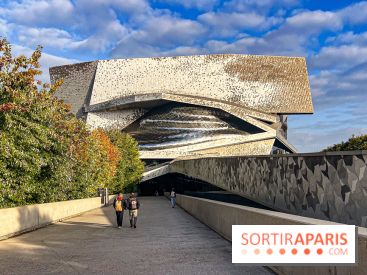
Philharmonie de Paris
221 Avenue Jean Jaurès
75019 Paris 19
Access
Metro line 5 "Porte de Pantin" station
Official website
philharmoniedeparis.fr
More information
Tuesday to Thursday, 12pm to 7pm, Friday, 12pm to 9pm, Saturday and Sunday, 10am to 7pm. During school vacations (zone C): Tuesday to Sunday, 10am to 8pm (7pm during summer vacations). Closed on May 1st, December 25th and January 1st.