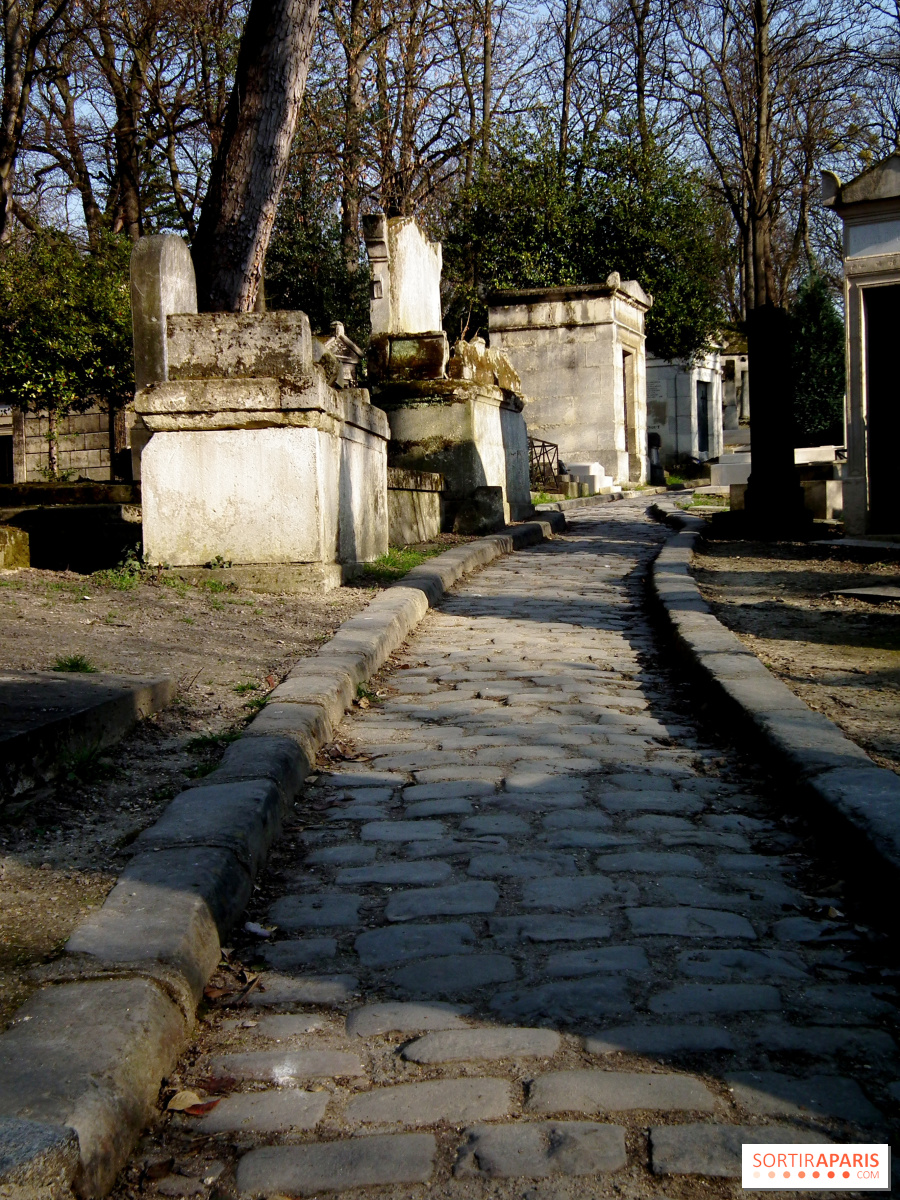
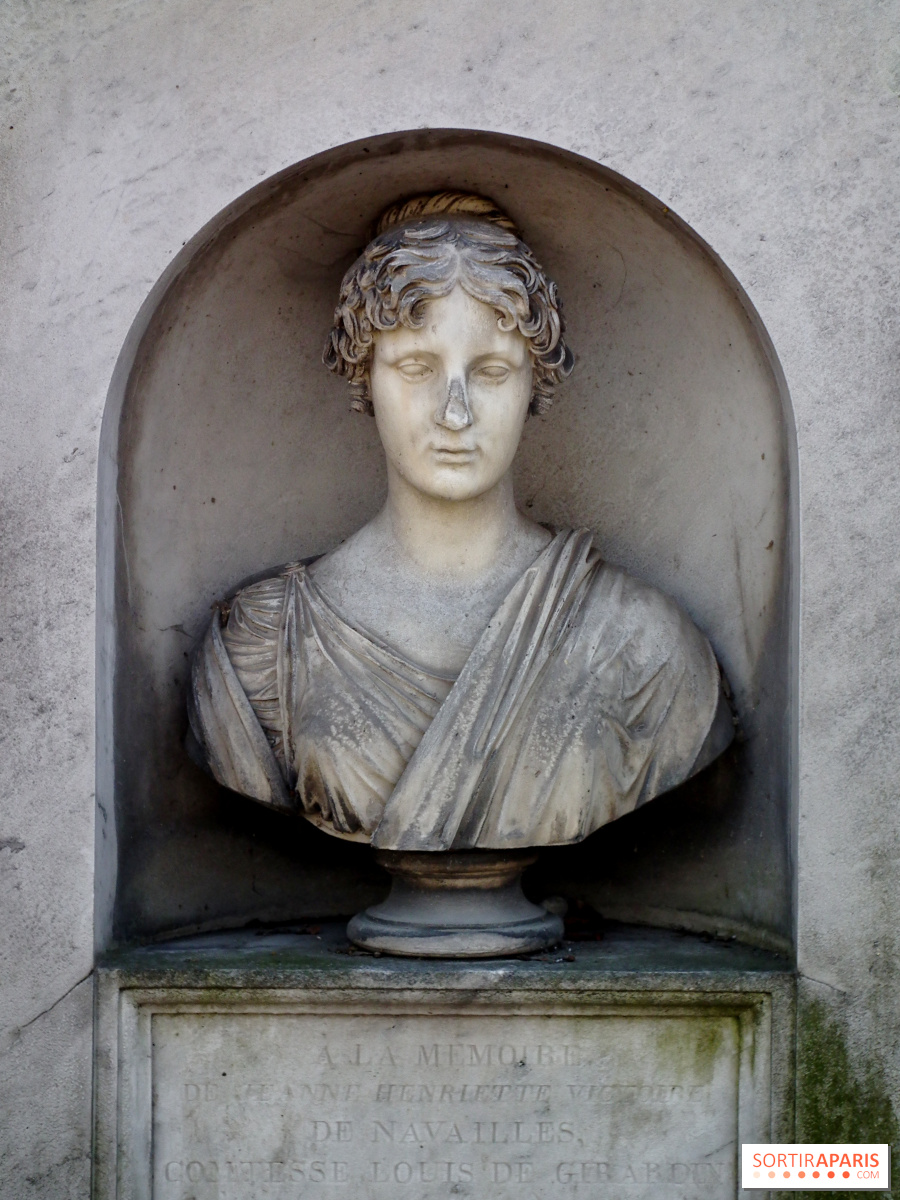
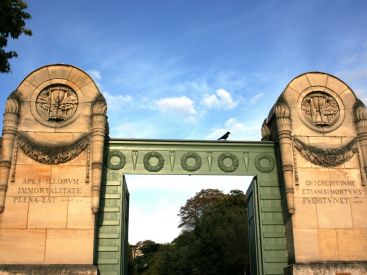
Although Père Lachaise Cemetery is known the world over, it hasn't always been a popular place for many Parisians to be buried. In fact, its beginnings were rather difficult.
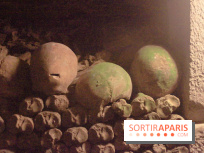
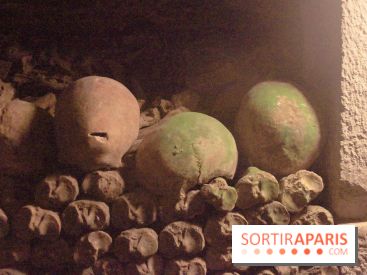
December 1, 1780 marked the closure of the Cimetière des Innocents, now known as Les Halles. This followed the application of a law dating back to 1765, which banned cemeteries inside cities for reasons of insalubrity. Bodies from the Innocents cemetery were transferred to the Paris catacombs.
The problem was that, after the closure of the Cimetière des Innocents, there was a shortage of burial sites in the capital. This led to the creation of several cemeteries in the early 19th century: the Montparnasse cemetery, the Montmartre cemetery, the Passy cemetery and, finally, the Père Lachaise cemetery.
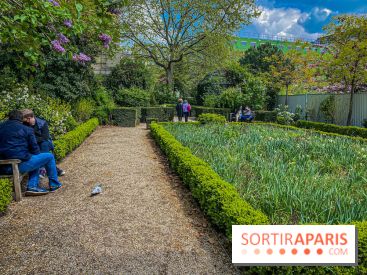
It was designed by thearchitect Alexandre-Théodore Brongniart (yes, like the Palais Brongniart), who imagined it as an English garden. 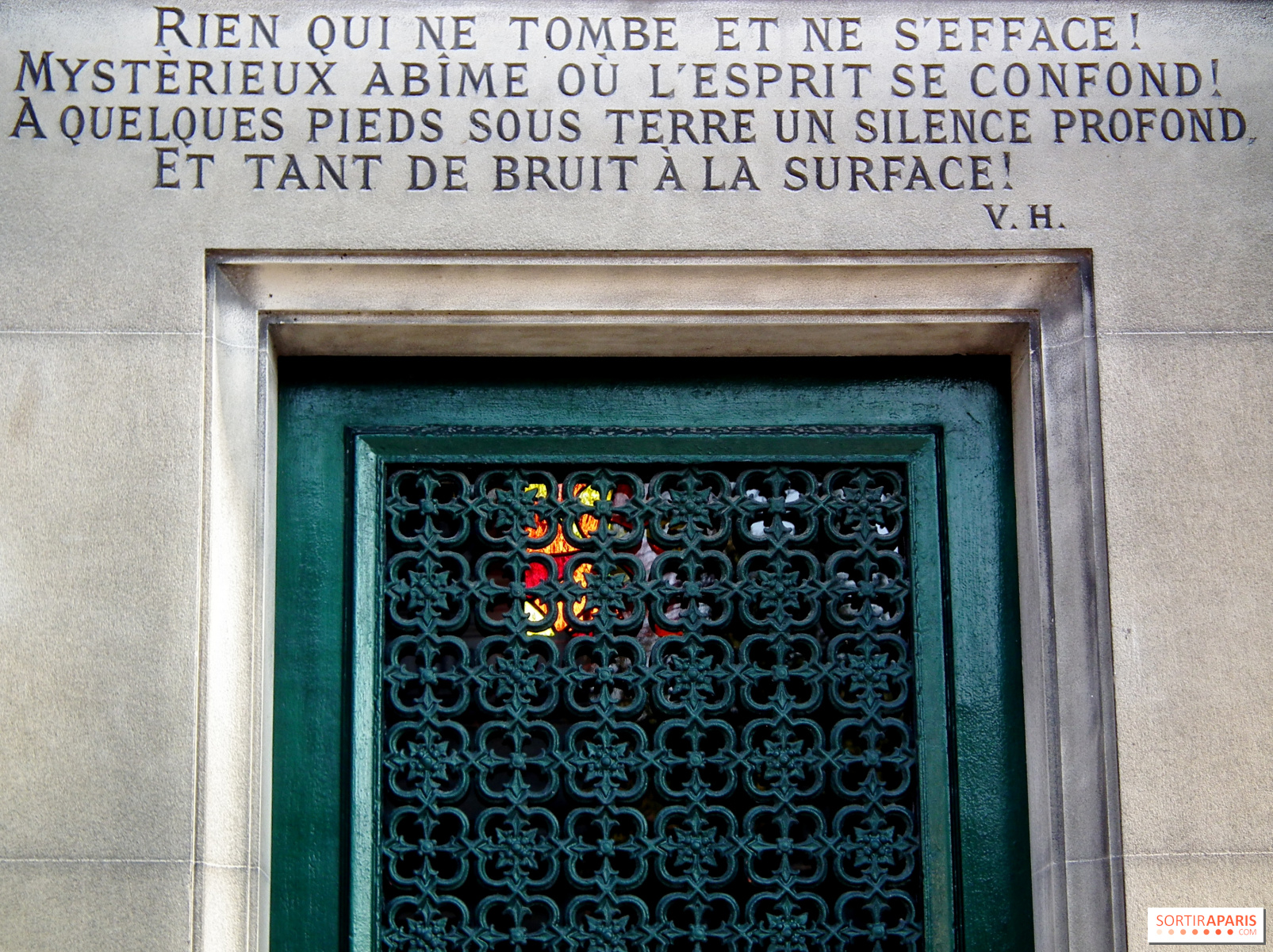
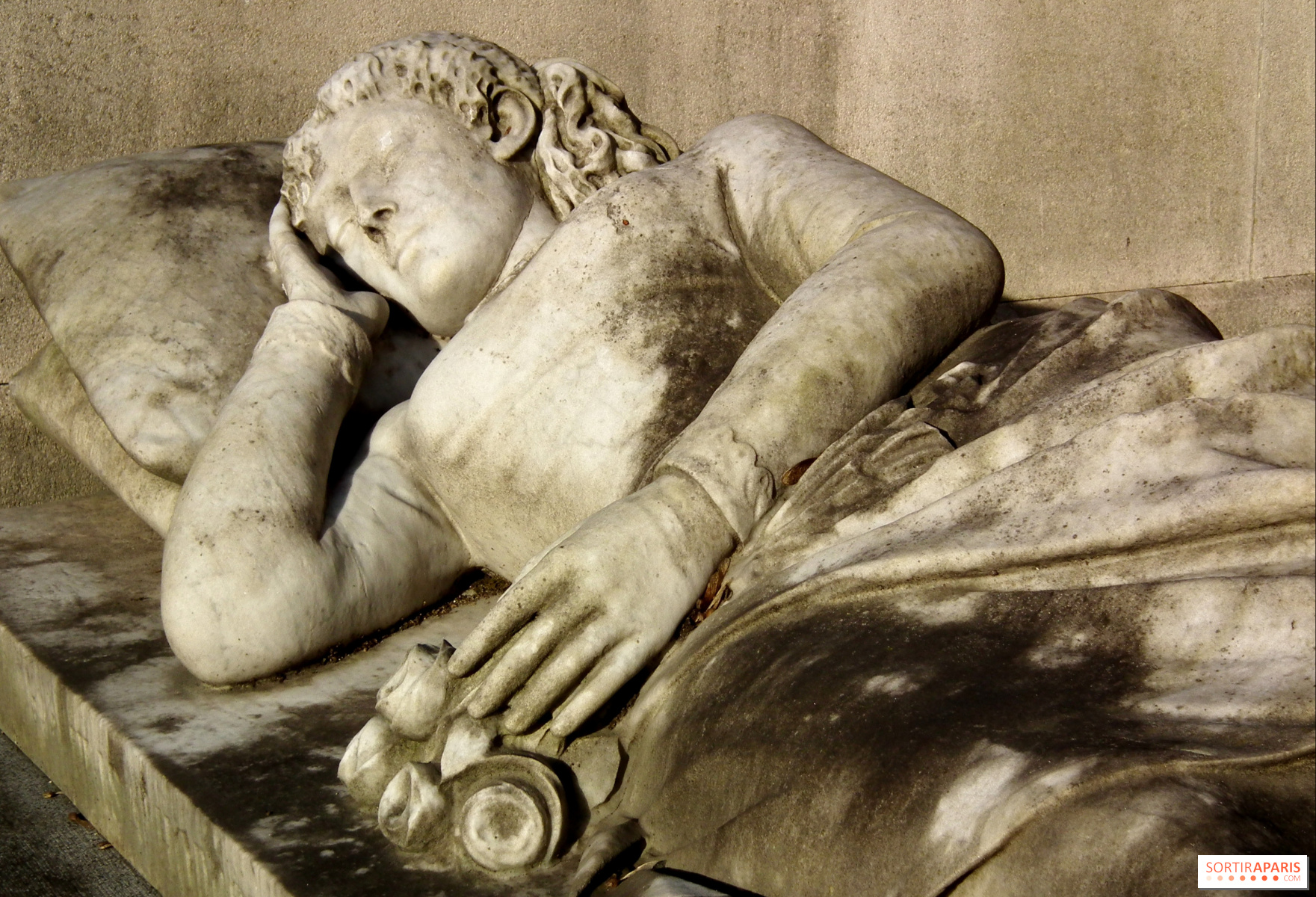
On June 18, 1804, the Père Lachaise cemetery welcomed its first inhabitant, a little girl aged 5 at the time of death:Adélaïde Paillard. She was soon joined by Reine Févez. However, most Parisians on the right bank, for whom the cemetery was intended, refused to be buried outside the capital's walls, and even more so in an area considered to be poor and working-class.
In its first year of operation, the cemetery housed just 13 tombs, rising to 44 by 1805. Two years later, there were just 5 more graves, a far cry from the gigantic necropolis we know today!
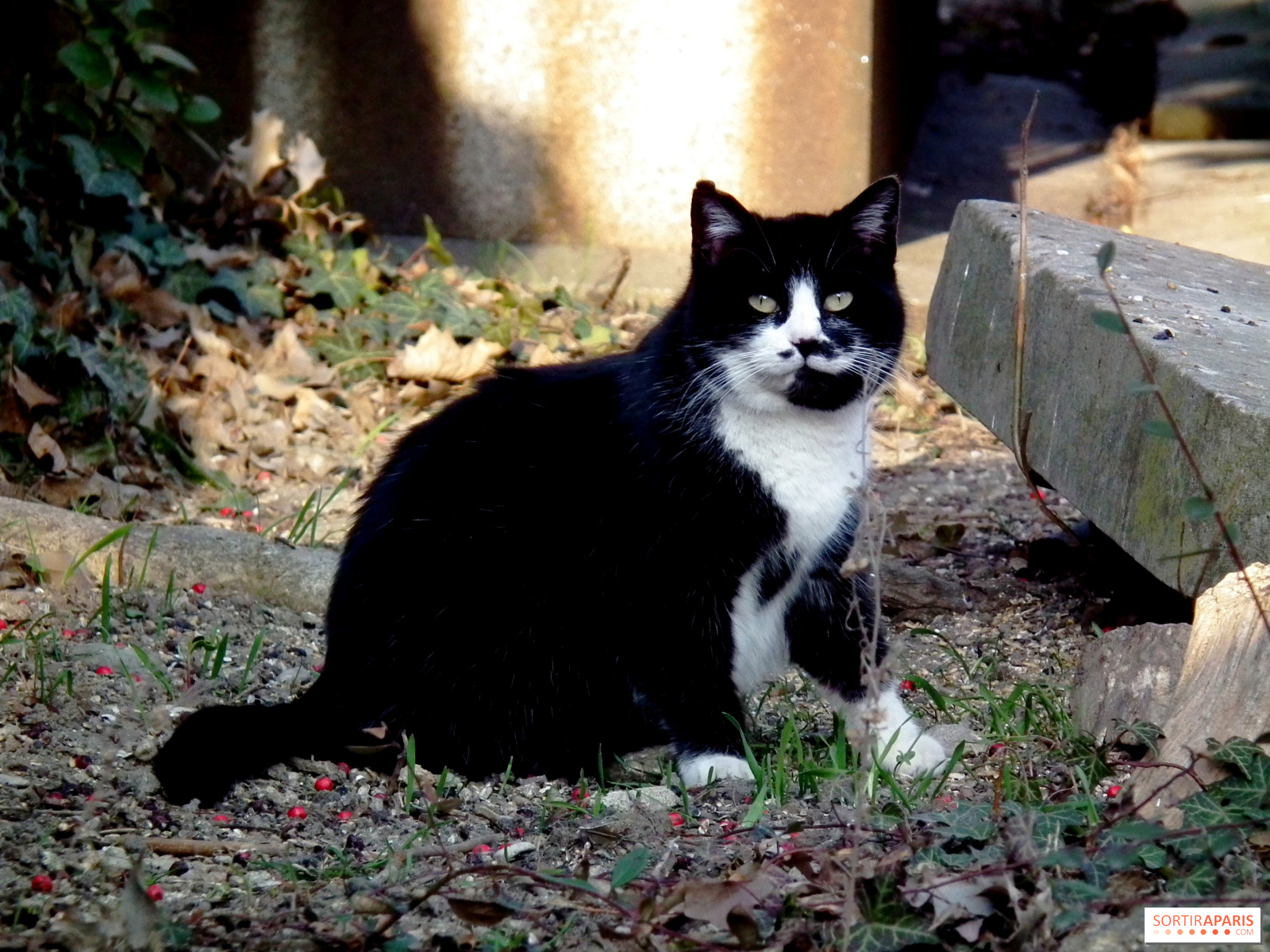
So, how did the Père Lachaise cemetery become the cult site it is today? Thanks to a great communications coup! To make the cemetery more attractive to Parisians, the Prefect of Paris took a decision that completely changed the game: to transfer the remains of well-known and admired personalities to Père Lachaise.
Thus, the presumed bodies of the famous writer Molière and the famous fabulist Jean de La Fontaine are found side by side in this cemetery. The remains ofHéloïse and Abélard, a famous couple with a tumultuous history, are also transferred here.
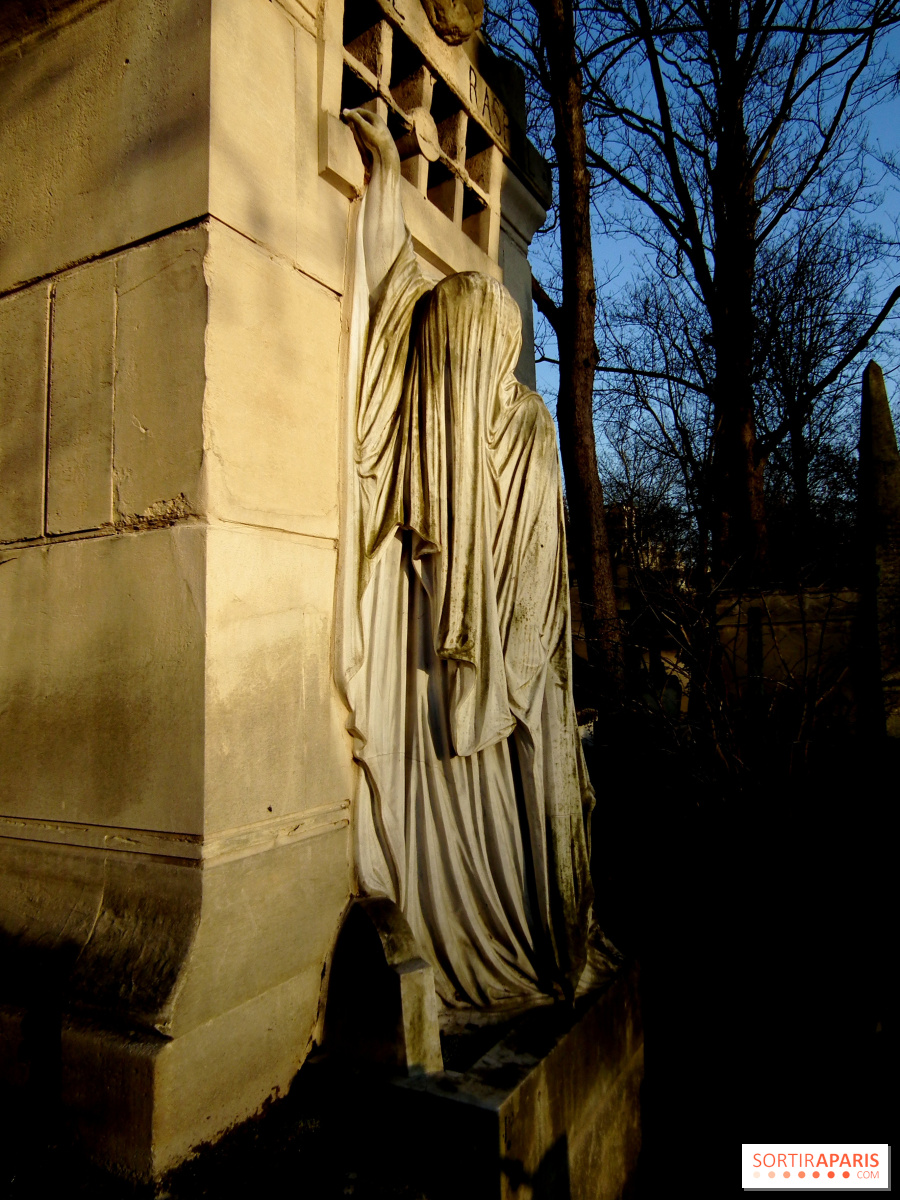
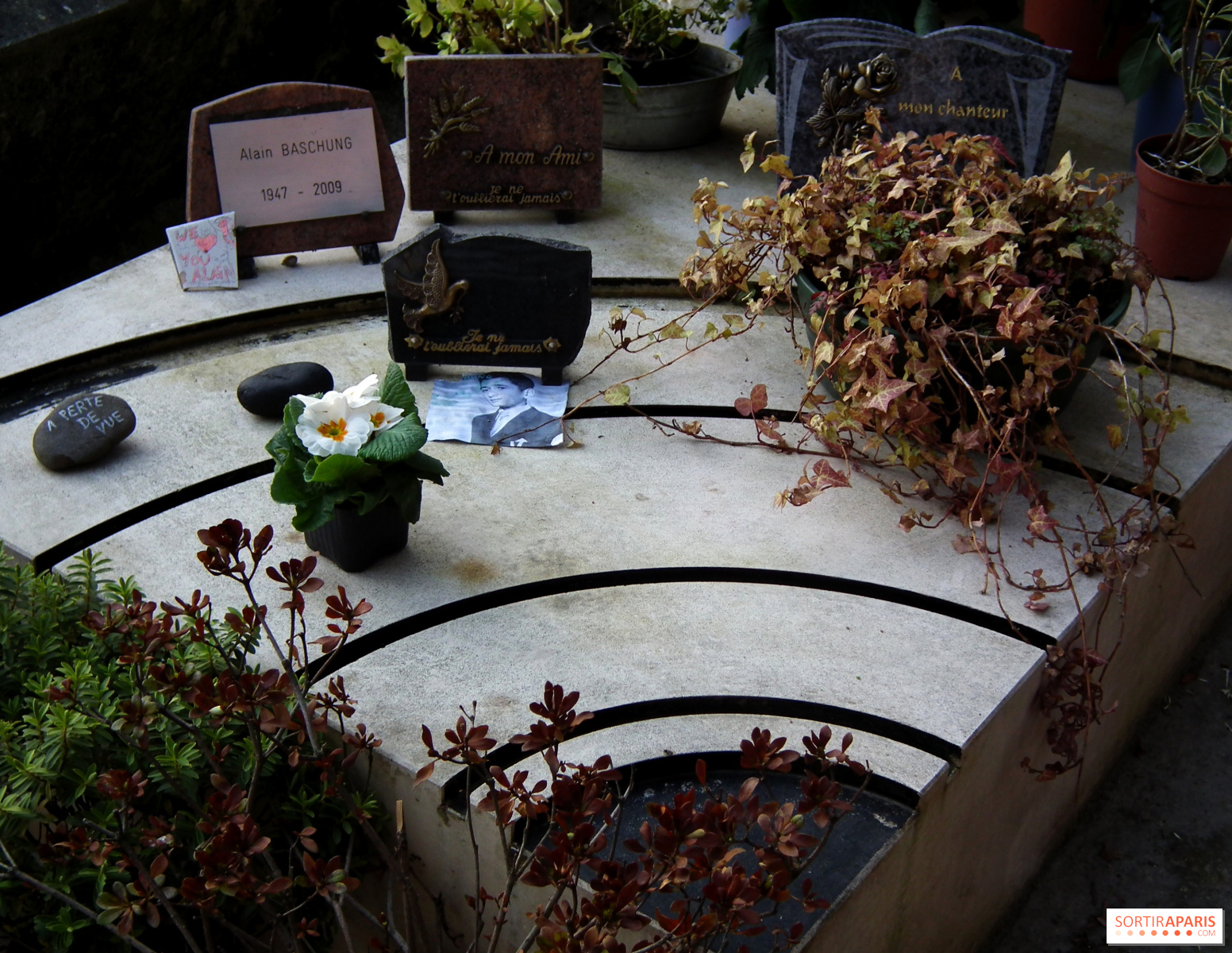
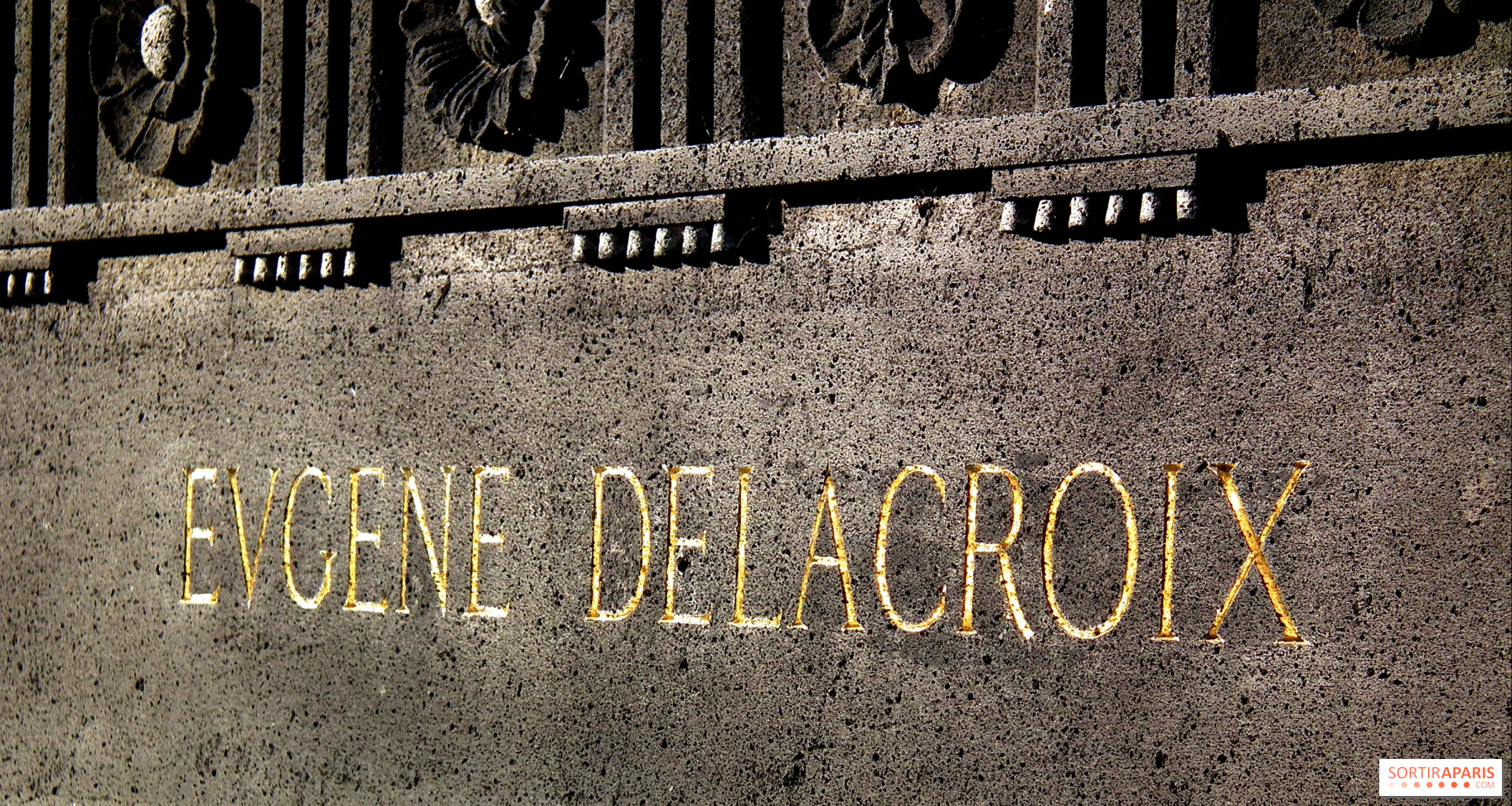
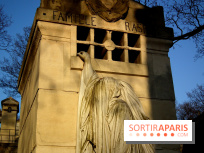
A successful gamble! In 1815, the cemetery was home to just 2,000 graves, but by 1830 it had grown to 33,000! Père Lachaise soon expanded to become the gigantic cemetery with 70,000 graves we know today, including those ofOscar Wilde, Proust, Balzac, Delacroix, Chopin, Edith Piaf and, more recently, Alain Bashung.
Opening hours:
November to mid-March:
8am to 5:30pm Monday to Friday, 8:30am to 5:30pm Saturday, and 9am to 5:30pm Sunday and public holidays.
Mid-March to October:
8am to 6pm Monday to Friday, 8:30am to 6pm Saturday, 9am to 6pm Sunday and public holidays.
Prices:
Free admission
Access:
Métro Philippe Auguste (line 2)
Métro Gambetta (lines 3, 3bis)
Bus 26, 60, 61, 69, 102
 Things to do in the Belleville, Ménilmontant, Père-Lachaise neighborhood: Ideas for outings and great places to visit
Are you strolling around Belleville, Ménilmontant, and Père-Lachaise, in the heart of Paris's 20th arrondissement? There's no time to get bored in these lively and cosmopolitan neighborhoods. Follow the guide! [Read more]
 Discovering the popular beliefs of Paris
A fountain that promises fidelity, a tomb that grants wishes or an evil rock... Paris is also a capital marked by popular beliefs and urban legends that have left their mark on its history. Here are some of the most surprising. [Read more]



 Q Bar, the excellent Thai restaurant and cocktail bar in the 11th arrondissement.
We'd like to take you on a tour of Q Bar, a Thai restaurant featuring homemade dishes made with fresh ingredients, and historically the first Thai bistro to open in Paris. Exotic cocktails, astonishing pad thai and superb, flavorful plates await you in a pretty, unique decor. [Read more]
Please note that it's been over 4 years since our last visit, so the place and experience may have changed.
Dates and Opening Time
Next days
Sunday:
from 09:00 a.m. to 05:30 p.m.
Monday:
from 08:00 a.m. to 05:30 p.m.
Tuesday:
from 08:00 a.m. to 05:30 p.m.
Wednesday:
from 08:00 a.m. to 05:30 p.m.
Thursday:
from 08:00 a.m. to 05:30 p.m.
Friday:
from 08:00 a.m. to 05:30 p.m.
Saturday:
from 08:30 a.m. to 05:30 p.m.
Location
Père-Lachaise Cemetery
Cimetière du Père-Lachaise
75020 Paris 20
Official website
pere-lachaise.com