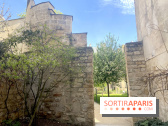
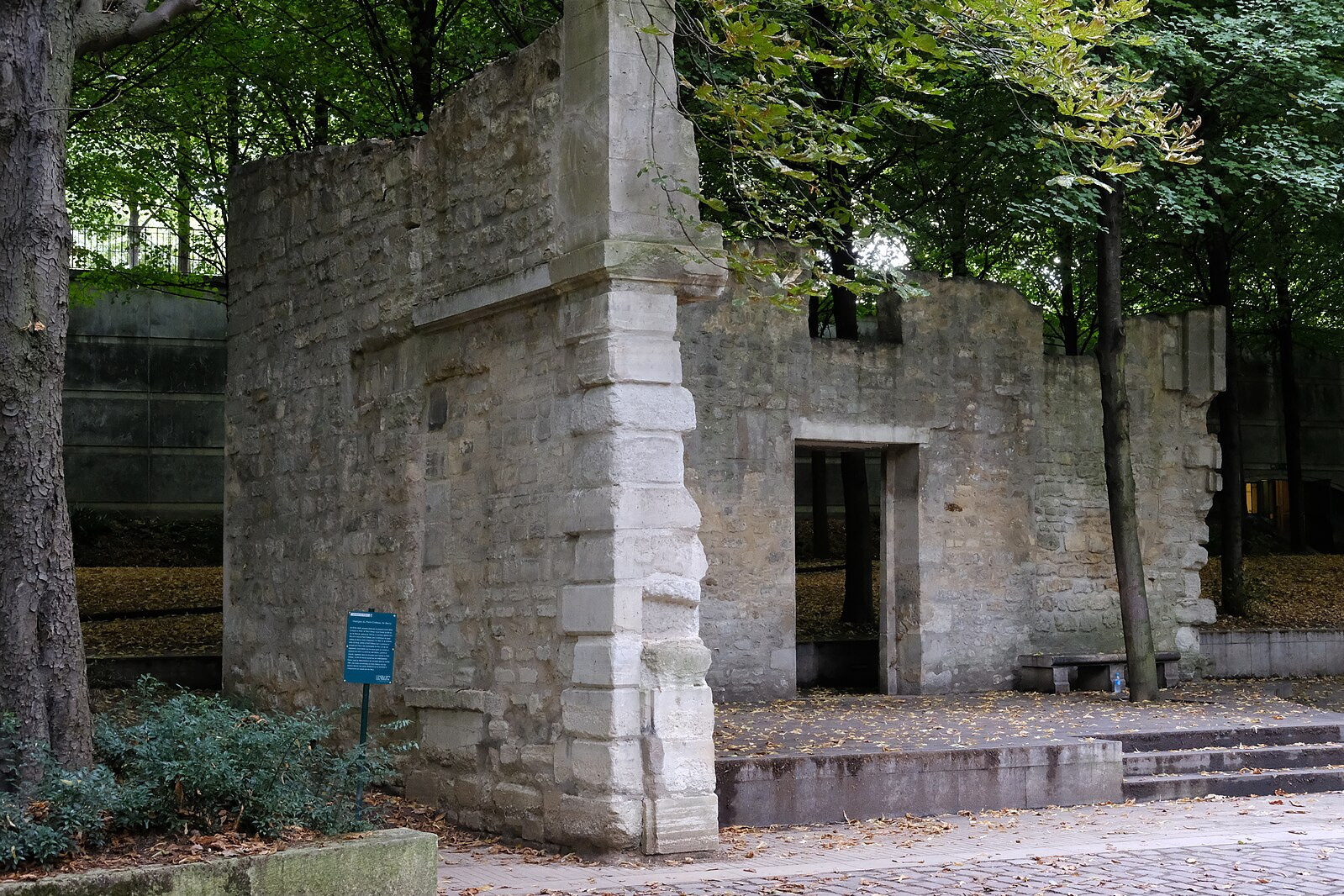
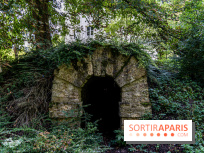
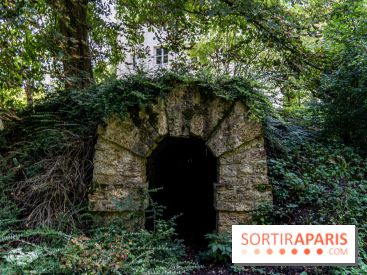
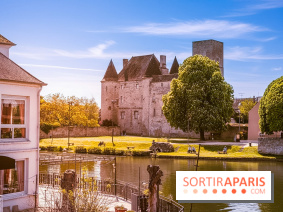
In the heart of the Parc de Bercy, between lawns, pergolas and old rails, you can still come across... the ruins of a small, forgotten château. These are the ruins of the Pâté-Pâris, also known as the Petit Château de Bercy. At first glance, they appear to be just two stone walls, a little lost in the greenery. But behind these tired bricks and stones, there's a whole story - and a lot of charm for those who like urban exploration (legal, of course!).
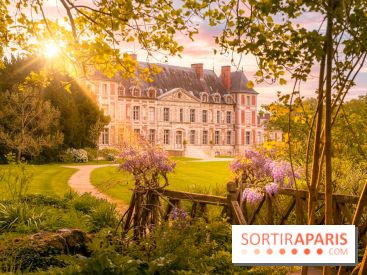
The pavilion is believed to have been built around 1730, in the era of aristocratic "follies" - pleasure residences where people came to enjoy themselves far from the hustle and bustle of Paris. Its first known owner? Philippe Orry, Louis XV's Controller General of Finances. It then passed into the hands of the Duc de Gesvres, Governor of Paris. All in all, a fine bunch of people for a small château not far from the banks of the Seine.
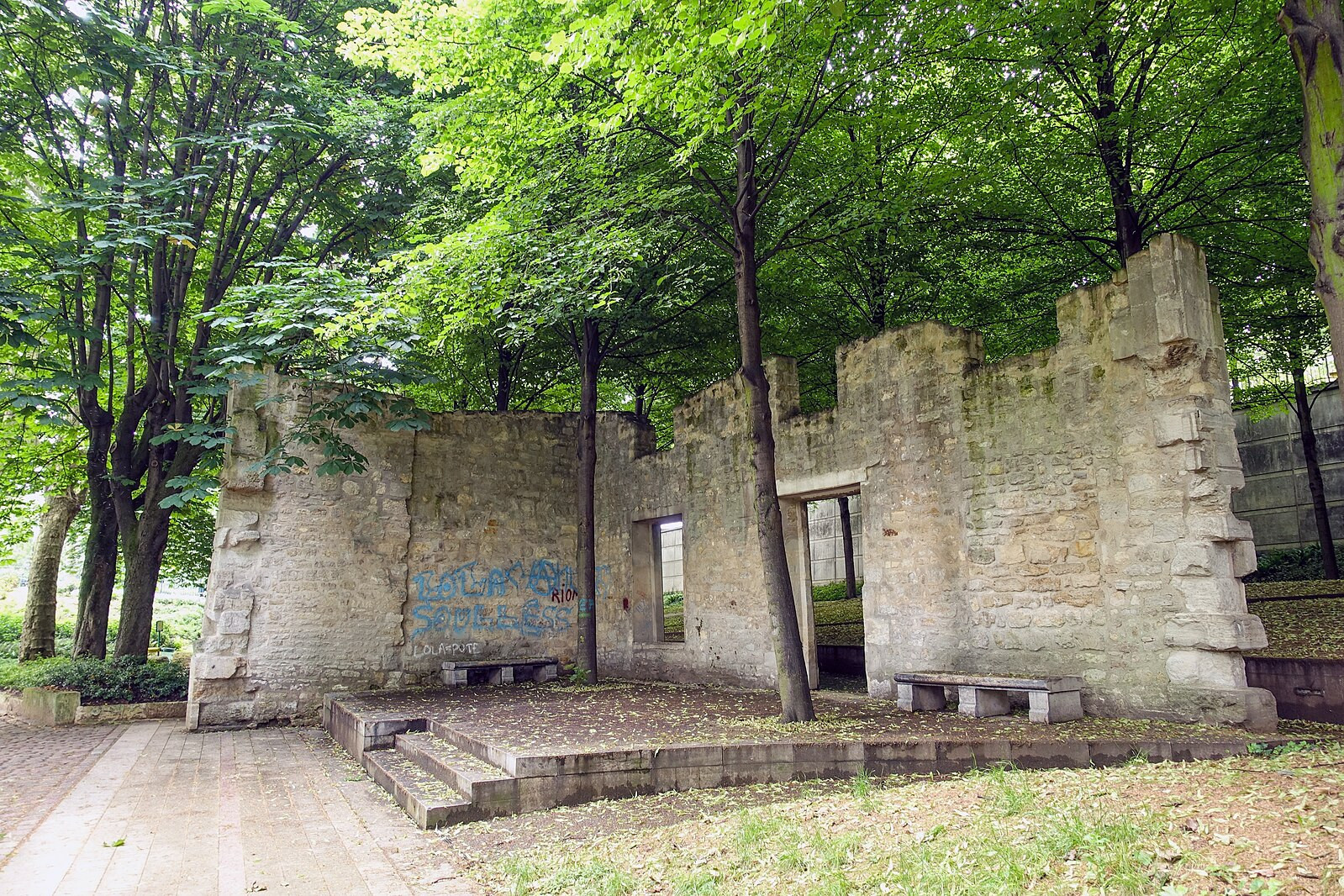
But as is often the case, the city eventually swallowed up these elegant retreats. In the XIXᵉ century, Bercy became the realm of wine warehouses and industrial activities. The little château didn't survive: it would have been demolished around 1877. All that remains today are a few pieces of wall, rediscovered and integrated into the setting when the park was created in the 1990s.
Walking around Bercy and coming across these ruins is like coming across a ghost from the past. You don't expect them, yet there they are: ancient stones, soft shade from the trees. The contrast with the modern architecture of the surrounding area makes the place all the more intriguing. Some like to imagine that it may have been a secret pavilion, a hideaway for trysts or discreet parties. There's no proof, but the décor is an invitation to tell stories.
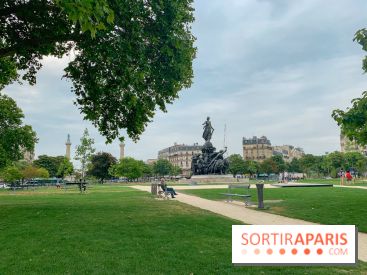
The Petit Château de Bercy is now just a ruin, but what a ruin! It's a reminder that Paris is full of hidden pieces of history, sometimes tiny, sometimes unexpected, always fascinating. In its own way, it tells the story of Bercy's evolution: from the aristocratic pleasures of the XVIIIᵉ to the wine warehouses of the XIXᵉ, to the landscaped park of today. It's a curiosity within everyone's reach, free, accessible, and gives a stroll a little taste of heritage adventure. So next time you walk through Parc de Bercy, look up: you just might come across a little piece of the XVIIIᵉ century left there, as if by accident.
This page may contain AI-assisted elements, more information here.
Location
Parc de Bercy
128 quai de Bercy
75012 Paris 12
Route planner