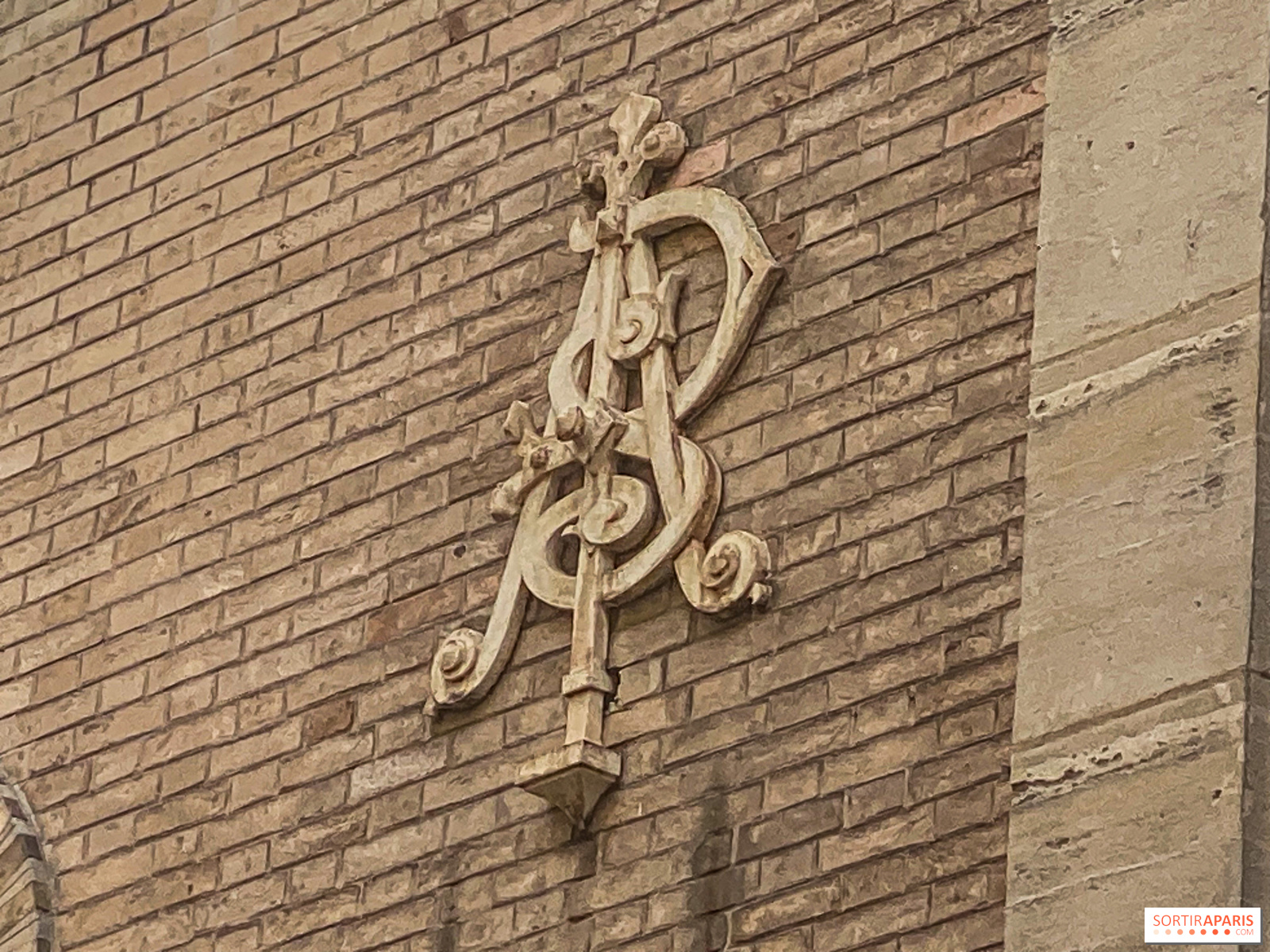
In Paris, it's sometimes enough to look up to see symbols you'd think reserved for esoteric novels. A square here, a compass there, a mysterious star forgotten on a façade... Behind these architectural details lies a parallel history, discreet but deeply rooted in the capital: that of the Freemasons.
For almost three centuries, Freemasonry has shaped theintellectual, political and architectural history of Paris. Invisible to some, omnipresent to others, it expresses itself through hidden lodges, tombs adorned with enigmatic symbols and public monuments that conceal more than they reveal.
This journey in the footsteps of the Freemasons in the City of Light is an invitation to decipher an often little-known heritage, through the traces left by the builders of a humanist and republican ideal.
But first, we need to understand theorigins of Freemasonry, its evolution through the ages, its principles and its roots in thehistory of Paris. Modern Freemasonry traces its roots back to Great Britain in the early 18th century, with the founding of the Grand Lodge of London in 1717.
In France, it took root in the wake of the Enlightenment, developing from 1720-1730 onwards. The first French Grand Lodge was founded in 1728, before the emergence of the Grand Orient de France in 1773, which adopted a committed, republican and humanist orientation.
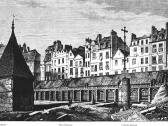
The principles of Freemasonry (freedom of conscience, fraternity, symbolic quest) quickly won over the intellectual, political and artistic elites of Paris, where it soon took root. In 1732, the Duc d'Aumont founded a lodge in a rue de Buci cabaret, marking an important milestone in its local establishment.
Over the centuries, Parisian masonry has taken part in major debates, supporting reforms, secularism and the Republic. The Grand Orient de France played a significant political role in the 19th and 20th centuries, notably when the 1905 law on the separation of Church and State was passed.
Many Parisian personalities were Freemasons. Among them were Émile Zola, Léon Gambetta and Pierre Brossolette , whose graves are today in the Panthéon. Rouget de Lisle, author of La Marseillaise, is also said to have been a Freemason, linking Masonry to the French Revolution.
In 1871, during the Paris Commune, Parisian Freemasons organized a peaceful march towards the fortifications at Porte Maillot, displaying their banners to demand an end to the fighting.
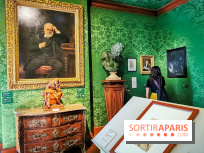
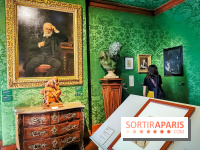
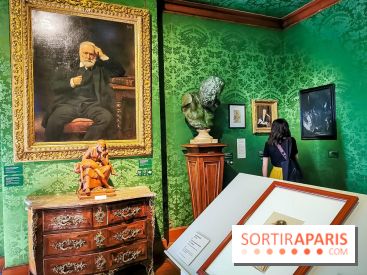
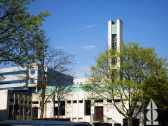
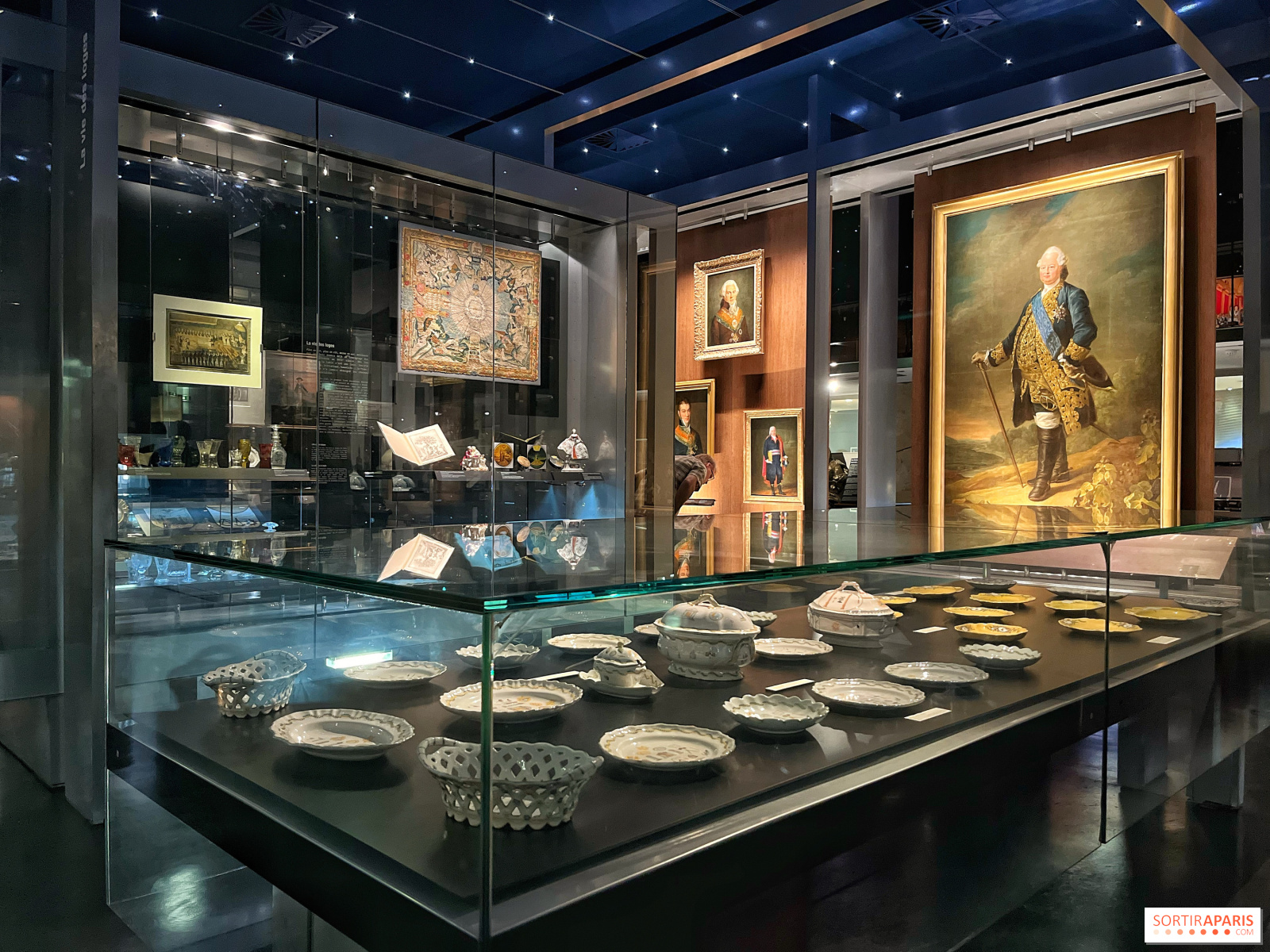
The headquarters of the Grand Orient de France, France's leading Masonic movement, is on rue Cadet in the 9th arrondissement. This private mansion also houses the Freemasonry Museum, which is open to the public. Here you'll discover archives, symbolic objects, ritual dress and a rare insight into theworld of Freemasonry.
While most Masonic temples in Paris are not open to the public, some do open their doors from time to time, notably during the European Heritage Days.
Squares, compasses, columns, luminous deltas, eyes, friezes, geometric motifs... Discreetly engraved Masonic symbols betray an ancestral symbolic language in the streets and monuments of the capital.
While there are not always public documents or rigorous surveys describing the exactlocation of every Masonic symbol in Paris (many rely on the keen observation of certain guides and symbolic readings), it is nevertheless possible to explore the City of Light in the footsteps of the Freemasons, through places recognized and often cited by enthusiasts and historical works.
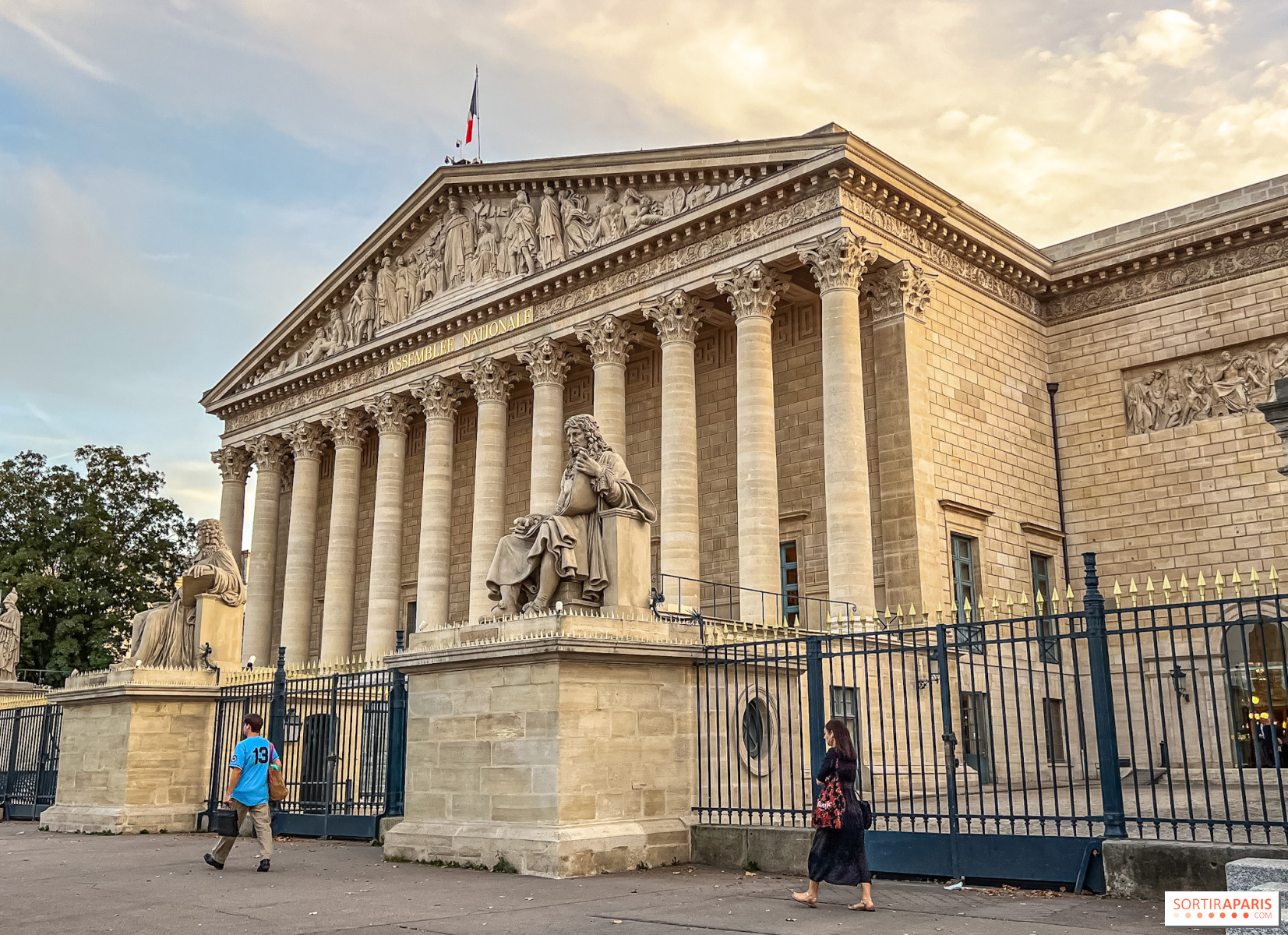
In the neighborhoods of Saint-Germain-des-Prés and the Palais Bourbon, which housesthe National Assembly, some facades reveal discreet but evocative signs, and several are regularly mentioned for their Masonic ornamentation. At 12 rue de Buci (6th arrondissement), a "flamboyant" star above a door indicates the presumed location of the first Parisian lodge, the Saint-Thomas lodge.
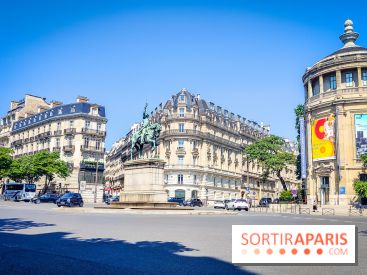
At 117 Boulevard Saint-Germain (6th arrondissement), headquarters of the Cercle de la Librairie, there is a "level" and a stylized beehive (often interpreted as Masonic symbols) associated with a sword. This decoration is part of an ornamental tradition that combines symbolism and classical decorative motifs. At 244 Boulevard Saint-Germain (former Hôtel de Roquelaure, now the headquarters of the Ministry of Ecological Transition; 7th arrondissement), certain decorative elements—geometric reliefs, interlacing patterns, classical motifs—are believed to bear witness to this discreet influence.
Crossing to the Palais Bourbon, in the adjacent streets, some strolls dedicated to Freemasons evoke lintels, pilasters and friezes with triangular, lozenge or lattice motifs that could be interpreted as allusions to the compass and square, two major symbols of Freemasonry. These clues are more diffuse than localized: the idea is to scrutinize the facades of private mansions, 19thᵉ century buildings and the sculpted pediments that line the lanes around the National Assembly.

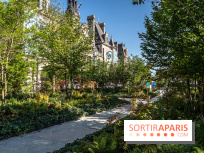
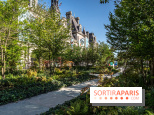
Square Paul Langevin (5ᵉ arr.) is often cited as a place where a mural frieze is interpreted as Masonic. We're talking about a continuous decoration on a garden wall featuring alternating geometric motifs (squares, triangles, chevron and guilloche patterns) likely to evoke symbols of order, regularity, alignment. This frieze is a motif that can be "read" if you're familiar with symbolic language. It is often referred to as a "Masonic" frieze, but beware: the term is often the result of a symbolic interpretation.
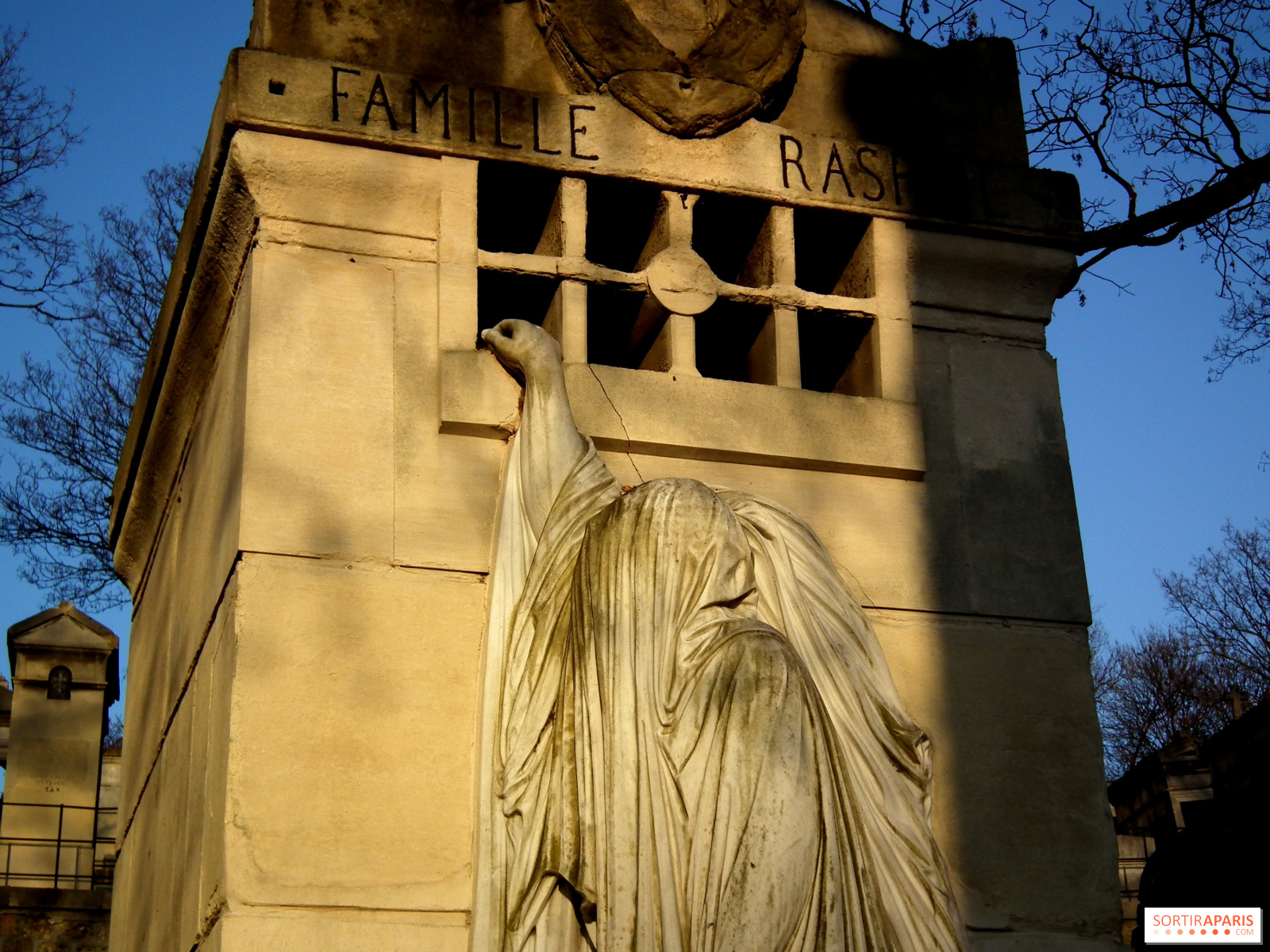
Parisian cemeteries are also rich in clues. At Père-Lachaise and Montparnasse, several tombs bear Masonic symbols, testifying to a claimed affiliation. The Père Lachaise cemetery (20th arrondissement) is one of the most documented sites in terms of Masonic symbols. Several famous graves display recognizable elements, such as the tomb of astronomer François Arago, which features a compass, a square, five-pointed stars, and cryptic inscriptions.
Other tombs feature engraved squares and compasses, five-pointed stars, acacia branches, oak leaf motifs and numerical or symbolic inscriptions. It is said that some 400 Freemasons, famous or anonymous, are buried in Père Lachaise. Their graves can often be identified by the combination of these symbolic motifs, or by the layout of the obelisk, pyramid or triangular stone grave marker. However, it's important to note that not all 19ᵉ and 20ᵉ century funerary decorations are necessarily Masonic, many simply belonging to the general vocabulary of funerary architecture.
Every year, however, the Grand Orient pays tribute to the Freemasons who died during the Commune, in front of the Mur des Fédérés in Père-Lachaise cemetery.
The Montparnasse cemetery (14ᵉ arr.) is less documented than Père Lachaise from a Masonic point of view, but observers mention the presence of personalities who were Freemasons and discreet symbols on some tombs.
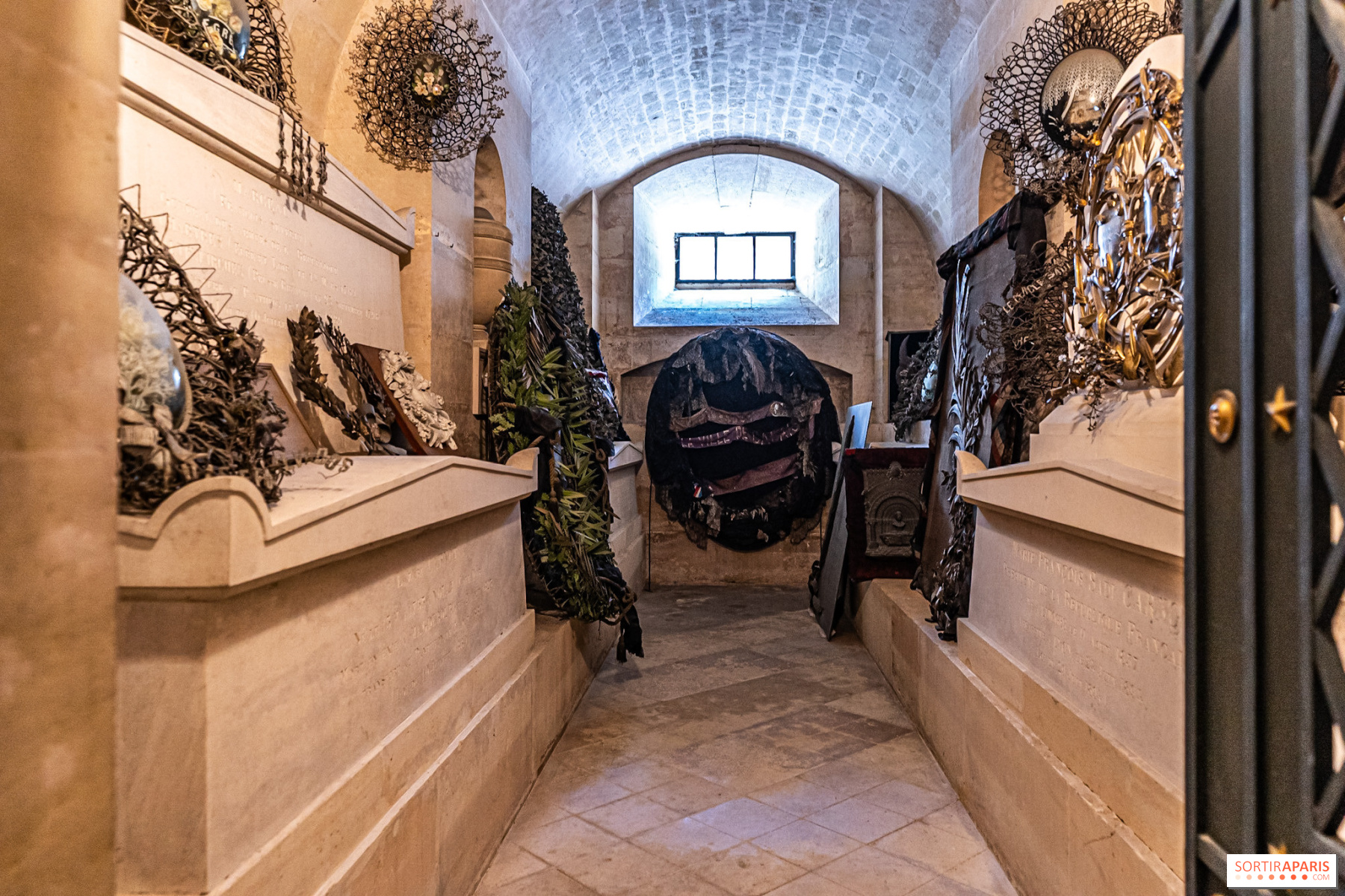
The crypt of the Pantheon (5th arrondissement), where Zola, Gambetta, and Brossolette are buried, is a major memorial site that extends the Masonic presence into stone. But above all pantheonic (with its solemn architecture, vaults, slabs, and commemorative inscriptions), the Pantheon has no ostentatious or official Masonic decor. What is highlighted here is the presence of the tombs of Masonic figures, without any ritual symbols being displayed in the crypt itself.
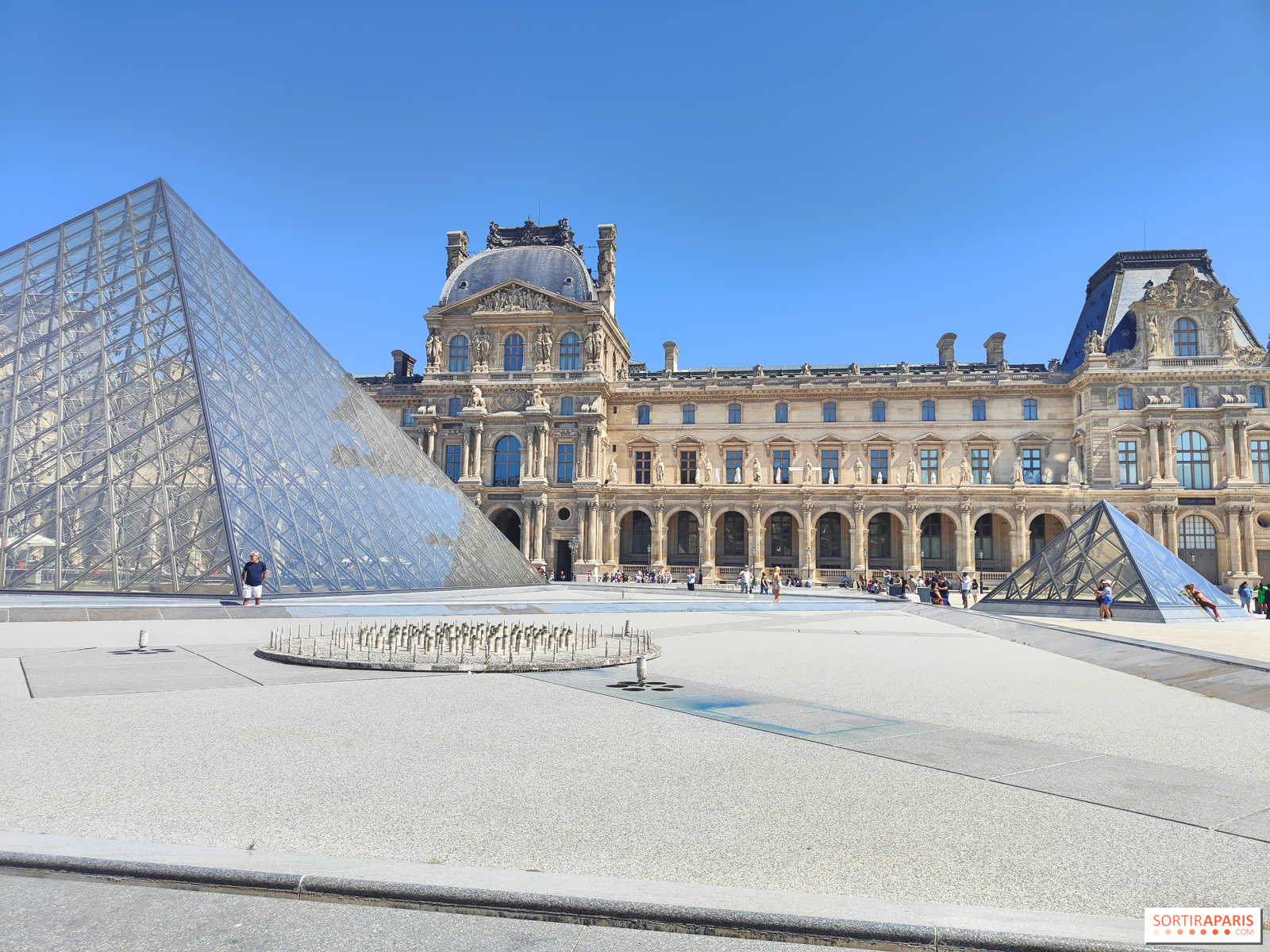
We might also mention the Louvre (1ᵉ arr.) and its facades with ornamentation (sculpted pediments, tympanums, bas-relief friezes, interlacing, ornamental geometries, stylized columns) sometimes interpreted as Masonic or inspired by Masonic symbolic vocabulary, in particular the sculptures and triangular, diamond-shaped and geometric motifs on the facades facing the interior courtyards and on the main and side pediments.
However, art historians do not systematically confirm that these motifs are intentionally Masonic, many falling within the classical architectural language. A few steps away, at the eastern end of the Quai de Malaquais (6ᵉ arr.), the statue La République, sculpted by Jean-François Soitoux in 1848, incorporates several Masonic symbols such as the beehive at the foot of the statue, the sword, the level and the triumphal crown closed by a star.
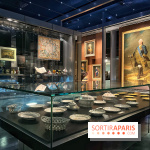
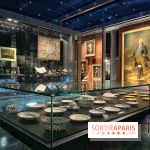 The Freemasonry Museum: an organization steeped in history and mystery
Discover the influence of Freemasonry on French society and history over the centuries, at the heart of the Grand Orient de France. Learn all about the mysteries of this organization! [Read more]
Cultural walks: Our ideas for original walks and themed tours in Paris
Discover the capital from an original angle with our ideas for cultural and themed walks in Paris! [Read more]



 Cultural walks: Our ideas for original walks and themed tours in Paris