July 1, 2020, marks a turning point in the administrative organization of Paris. The city’s four most central districts merged to form Paris-Centre. The goal was clear: streamlining local governance in a relatively small population area but one rich in heritage.
Four town halls for a single district—that no longer makes any sense. Yet, none of these historic city halls are shutting their doors. In Paris, public buildings rarely change ownership without a reason, and even less so without a clear plan in place.
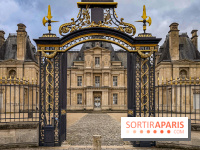
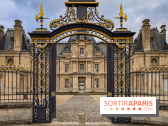
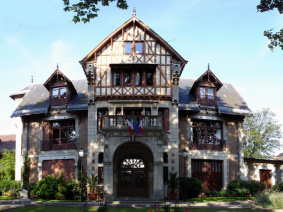
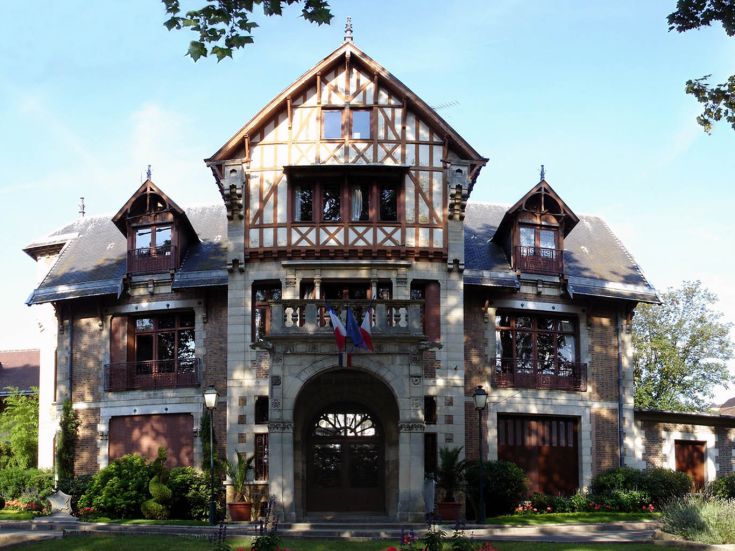
Among the four landmarks, the former town hall of the 3rd arrondissement naturally becomes the political hub of the newly defined district. It now hosts the Mayor of Paris-Center, the arrondissement councils, and key local decision-makers. While its role has expanded, it remains a familiar symbol of local governance.
But what was the reasoning behind this choice? Primarily, it was a geographical consideration: the 3rd arrondissement holds a fairly central spot within the heart of Paris. Its town hall is more easily reachable from other neighborhoods in the area than those in the 1st or 4th arrondissements, for instance.
Then, for functional reasons: the 3rd arrondissement's town hall had larger spaces, rooms, and facilities better suited for hosting a wider council and shared services. It facilitated a smoother transition to a unified administration, without the need for major restructuring.
Just a few streets away, the former town hall of the 1st arrondissement has undergone a striking transformation. Facing the Louvre, the building has shifted from its traditional administrative role to become the QJ – Youth Hub, a space dedicated to young adults aged 16 to 30. From civil registrations to guidance on careers, housing, and civic engagement, what was once a place for official paperwork now serves as a resource center helping young people transition into adulthood.
At the 4th arrondissement town hall, the transition is more gradual. The building still serves municipal functions but has become an annex town hall for Paris-Centre. It continues to host local services, administrative procedures, and wedding ceremonies.
The City Hall of the 2nd arrondissement continues to maintain its administrative existence. Today, it houses municipal services that have been repurposed to serve a more functional yet still public role.
This page may contain AI-assisted elements, more information here.