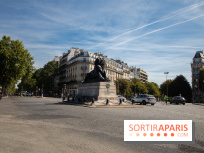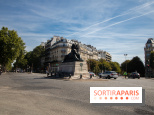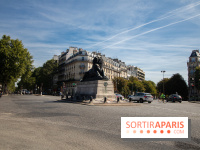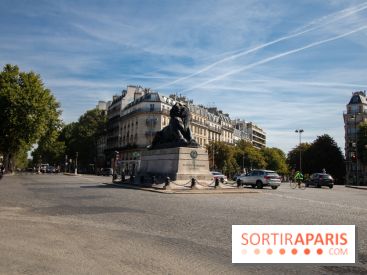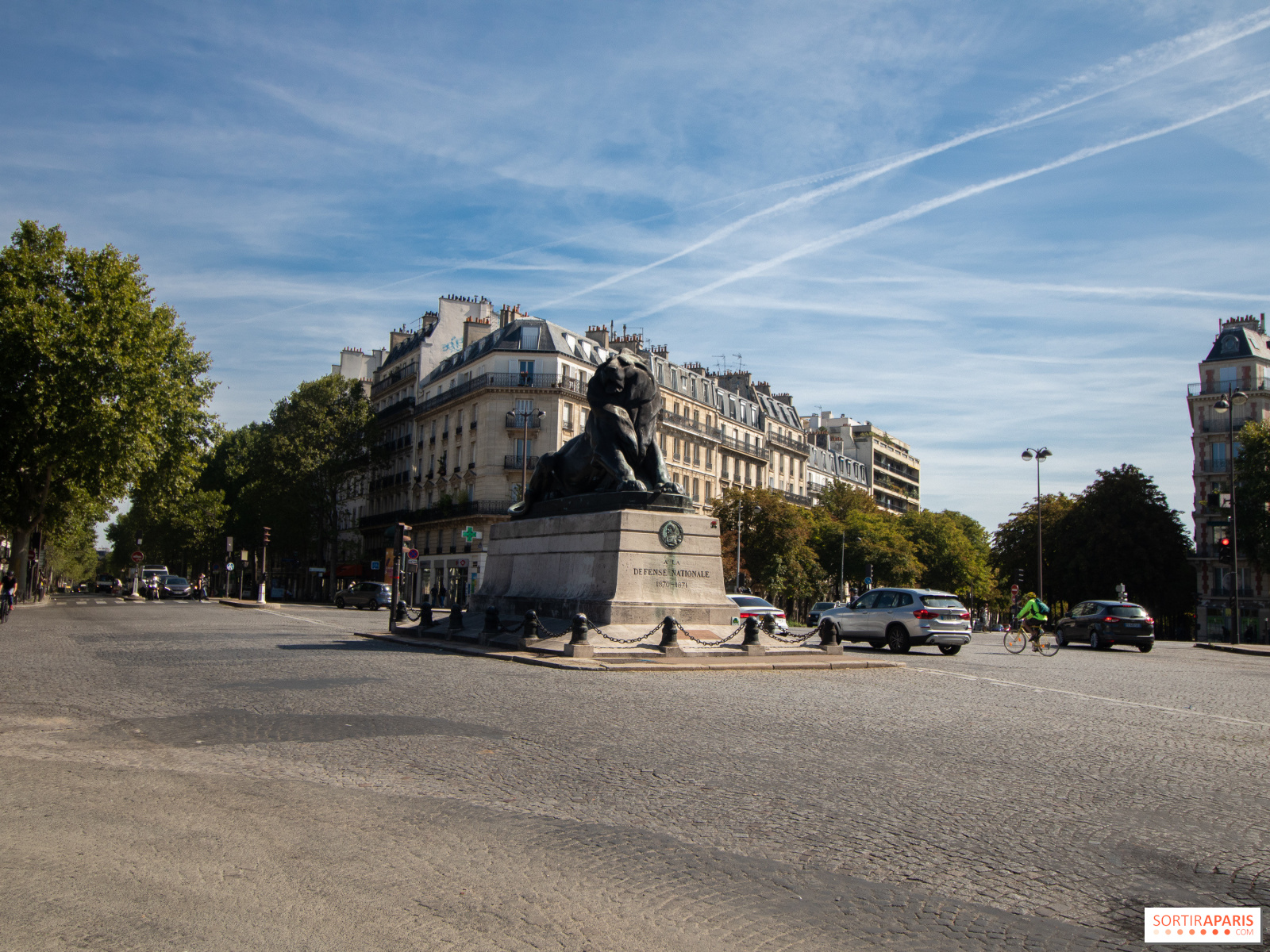
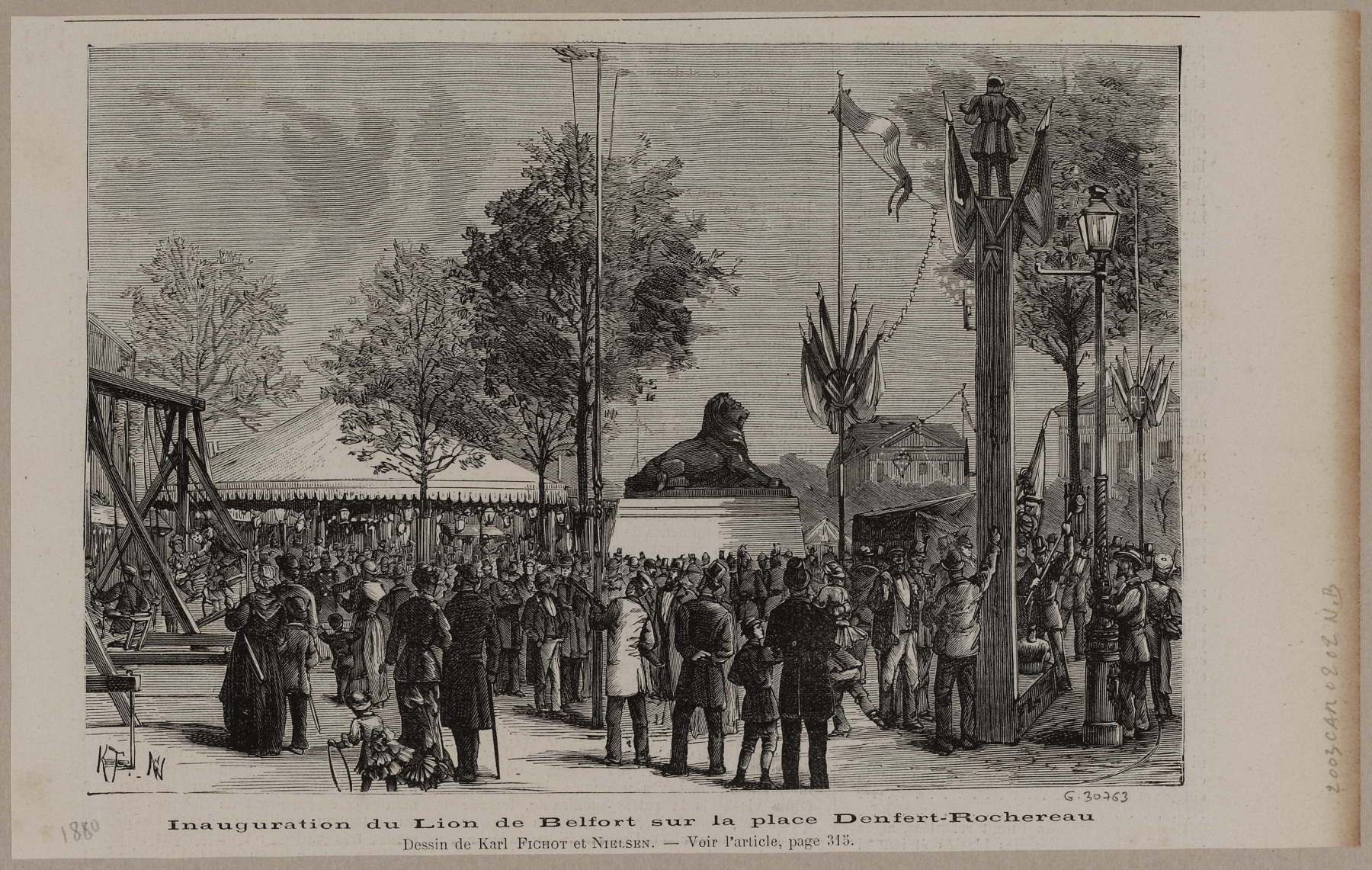
On September 21, 1880, Parisians discover at the heart of the Place Denfert-Rochereau a new monument: a copper lion more than seven meters long, perched on its stone plinth. Its creator, Frédéric Auguste Bartholdi, is not yet globally tied to the Statue of Liberty—which would be inaugurated in New York six years later—but the Lion is already laden with a powerful political charge. Behind the animal lies, indeed, the memory still burning from the war of 1870, the siege of Paris, and the loss of Alsace-Lorraine.
To understand Belfort’s place in the history of the 14th arrondissement, you need to travel about 500 kilometers from Paris. Between November 1870 and February 1871, Belfort held out for more than three months against the Prussian troops. The city was led by Colonel Aristide Denfert-Rochereau, who refused to surrender despite bombardment and a brutal siege. When the garrison finally evacuated the place, it did so on orders from the French government and with the honors of war. This resistance helped the Territory of Belfort remain French as the conflict was settled.
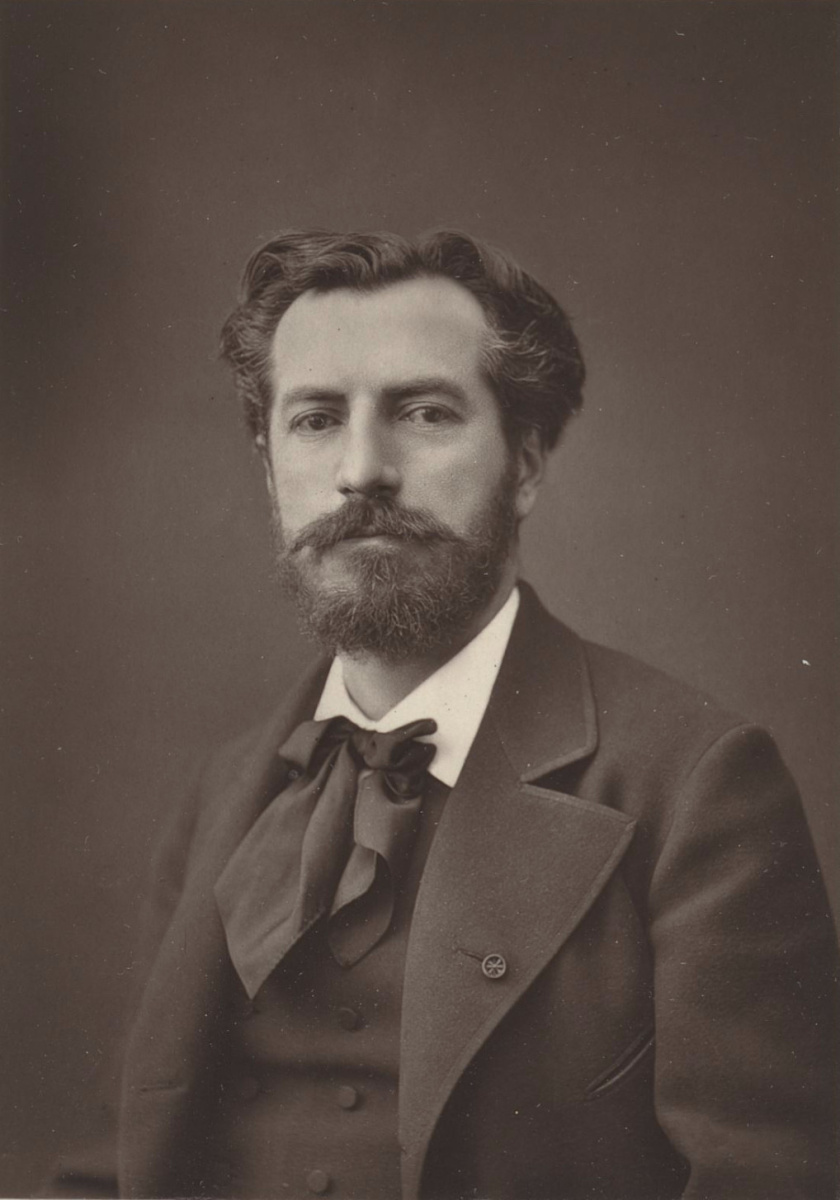
A few years later, Belfort decides to give a monumental form to this memory. Auguste Bartholdi, Alsatian born in Colmar in 1834, imagines a colossal lion leaning against the cliff beneath the citadel of Belfort. The sculptor does not seek to depict a leaping or victorious animal. His lion is lying down, massive, on the defensive, its head raised to face the foe. The monumental work, carved from pink sandstone blocks, measures about 22 meters in length and 11 meters in height.
Bartholdi spends a long time studying the anatomy of the animal. It is said he will watch the lions of the Jardin des Plantes to study their postures and proportions. The result should embody less a military victory—the war France had lost—than a resistance: that of a city that held out until the order to lay down its arms.
In Paris, this memory carries a distinctive resonance. The capital itself endured a siege from September 1870 to January 1871. In the following decade, the young Third Republic spread monuments and street names aimed at preserving the memory of the conflict and its figures. The former Place d'Enfer, laid out around the octroi barrier designed by Claude-Nicolas Ledoux, then offered an almost perfect occasion.
In 1879, it became the Place Denfert-Rochereau, in tribute to the defender of Belfort. The wordplay between "d'Enfer" and "Denfert" makes for a particularly deft transformation of Parisian toponymy, the new name barely altering the pronunciation of the old one! And then, a few months later, installing a Lion of Belfort in the middle of this very square gives the name change a truly monumental translation.
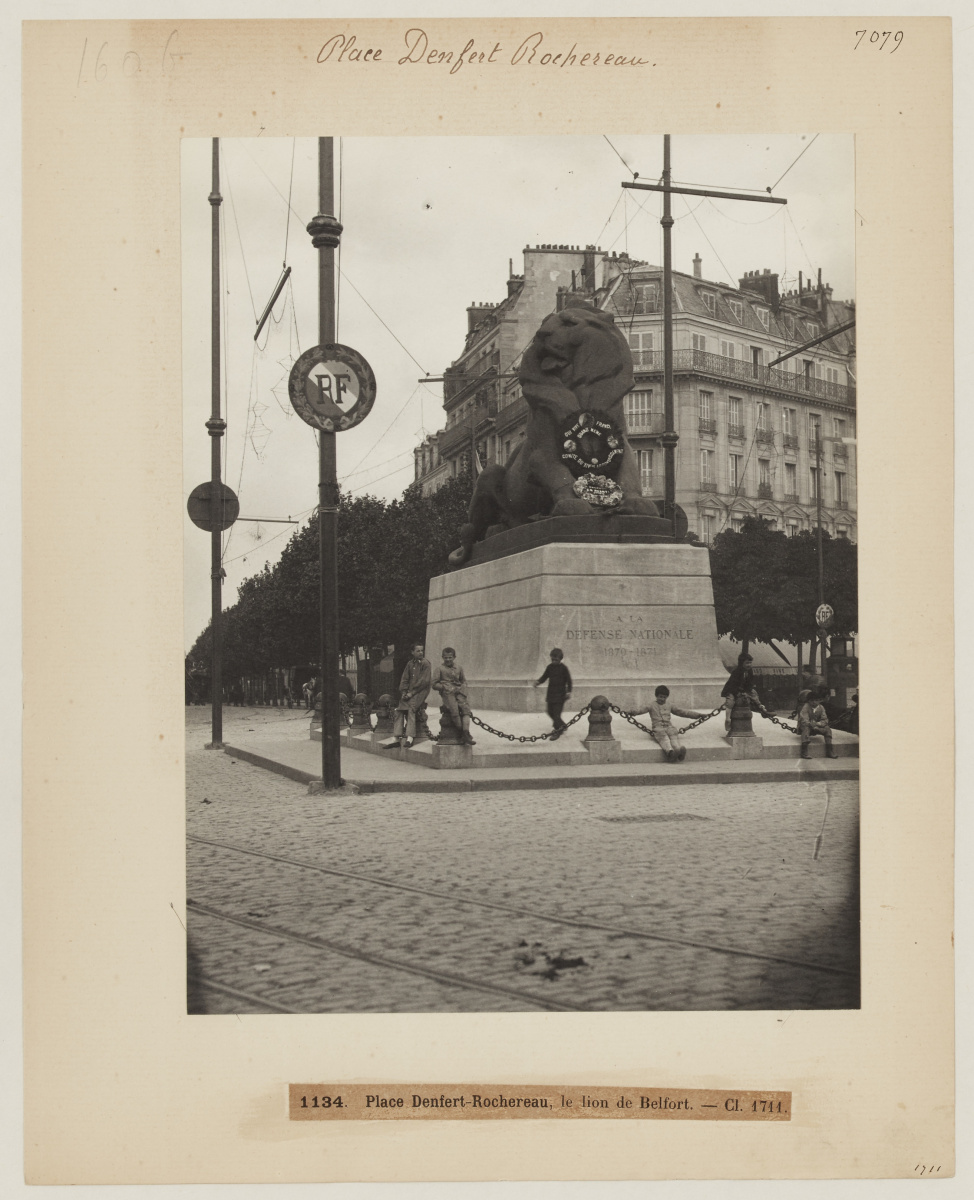
The Parisian work, however, is not a mere miniature copy carved in stone. It is a reduced replica roughly one third the size, created using a radically different technique. The Parisian lion is made of repoussé copper on a metal frame, crafted in the workshops of Mesureur & Monduit fils. It stands about 3.30 meters tall, just over 7 meters long, and weighs nearly 2 tons. The material is not incidental: a few years later, the repoussé copper on a metal structure would also be used for the colossal Statue of Liberty by Bartholdi!
The Paris project hesitated for a while before settling on its final site. When the municipality acquired the model presented by Bartholdi, the idea of installing it at the Buttes-Chaumont was considered, but the choice ultimately fell on the newly named Denfert-Rochereau square, where the link between the monument, the colonel’s name, and Belfort’s memory becomes immediately evident.
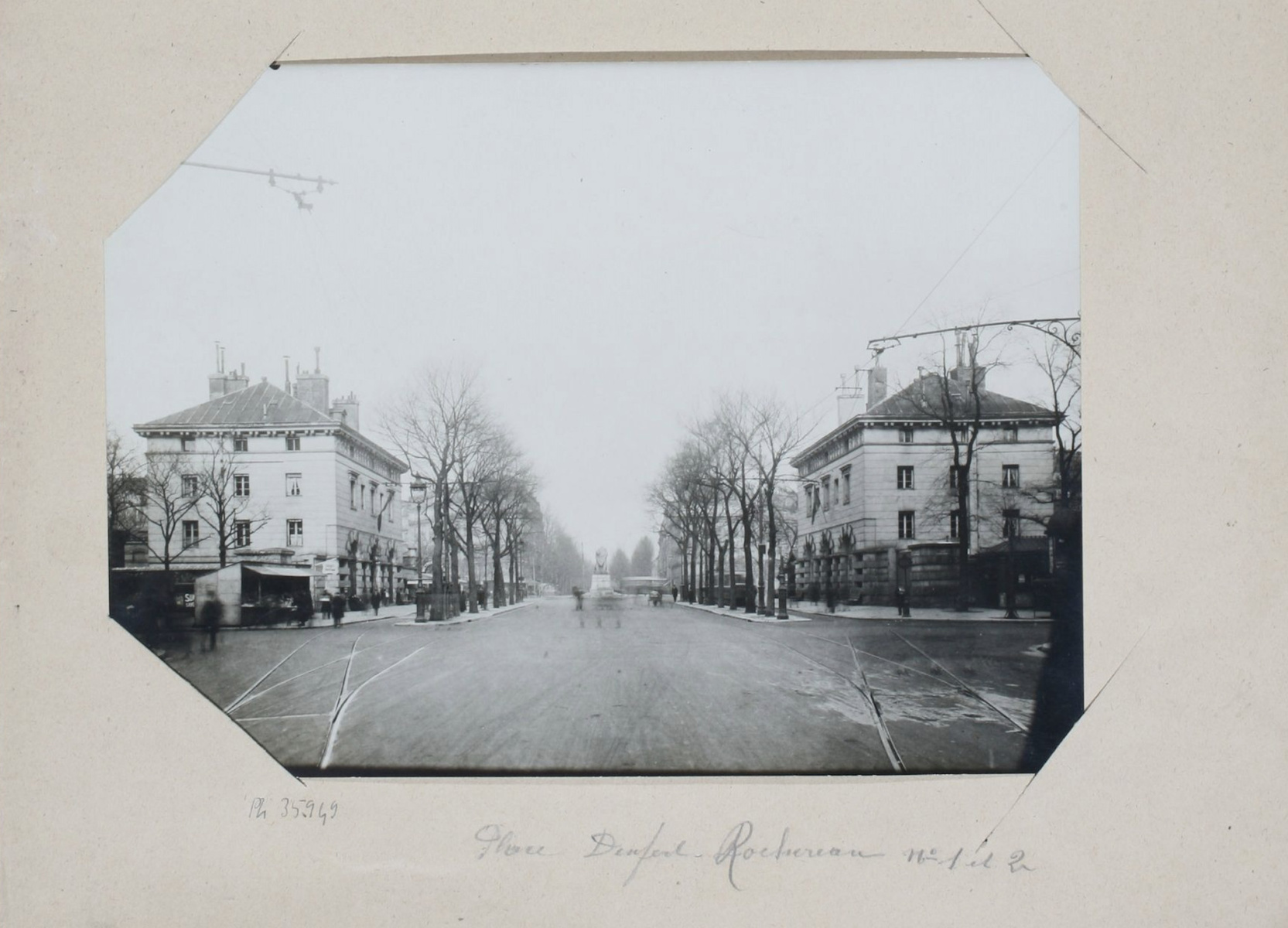
The inauguration on September 21, 1880 remains fairly low-key. We are only ten years after the fall of the Second Empire, and the Franco-Prussian War remains a sensitive topic. The Lion, however, quickly becomes one of southern Paris’s landmarks! Its massive silhouette contrasts with Ledoux’s two neoclassical pavilions flanking the square, remnants of the old Barrière d’Enfer.
The homage to Denfert-Rochereau was later made even more explicit. In 1920, a medallion depicting the colonel was added to the pedestal, accompanied by the dedication to the National Defense of 1870-1871. But the bronze disappeared during the Occupation, a casualty of the campaigns to recover non-ferrous metals conducted under the Vichy regime, and it would be until 1979 before a new medallion took its place!
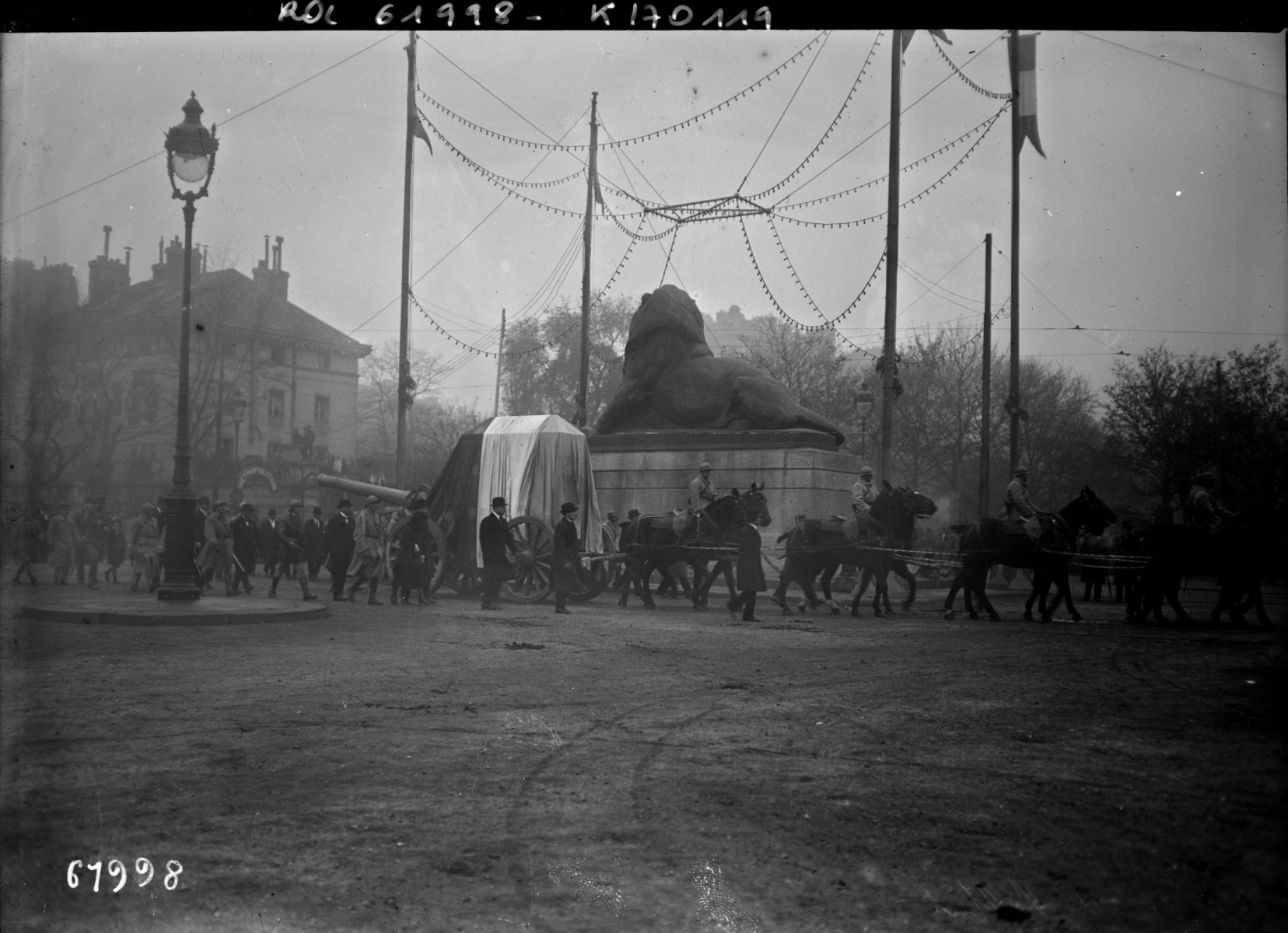
History will mainly give the Lion a second symbolic life. On August 25, 1944, the tanks of General Leclerc's 2nd Armoured Division roll through Place Denfert-Rochereau during the Liberation of Paris. Photographs show the armour and the crowds with, in the background, the Lion of Bartholdi. A monument built to commemorate the resistance to the Prussian army in 1870 ends up, 64 years later, serving as the backdrop to another liberation of the capital.
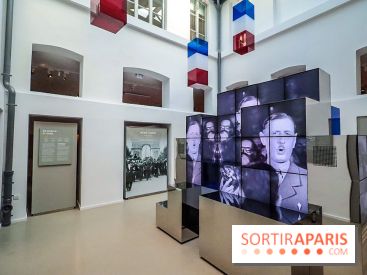
The Lion, for its part, has hardly moved. Restored, notably in 2001, it remains at the heart of a crossroads that thousands of Parisians cross daily, between the Liberation Museum, the Catacombs, General Leclerc Avenue and Raspail Boulevard!
Further reading:
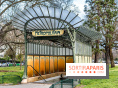
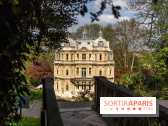
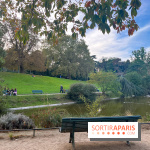
Things to do in the Denfert-Rochereau and Parc Montsouris neighborhood: Ideas for outings and great places to visit
For walking, eating, and learning, there's nothing like a stroll around Place Denfert-Rochereau, Rue Daguerre, and Parc Montsouris in Paris's 14th arrondissement! [Read more]
This page may contain AI-assisted elements, more information here.
Dates and Opening Time
On September 21, 2026
Location
Place Denfert-Rochereau
Place Denfert-Rochereau
75014 Paris 14
Route planner
Accessibility info














 Things to do in the Denfert-Rochereau and Parc Montsouris neighborhood: Ideas for outings and great places to visit