Building an opera in just a few weeks? Paris rises to the challenge in 1781! On October 27, a crowd packs into a brand-new hall on Boulevard Saint-Martin to see Adèle de Ponthieu, Niccolò Piccinni’s lyrical tragedy. The building, designed by architect Nicolas Lenoir, has sprung from the ground at remarkable speed: construction began at the start of August and proceeded around the clock to relocate the Royal Academy of Music as quickly as possible. This hall is the direct ancestor of today’s Théâtre de la Porte Saint-Martin, even though the building we know today was rebuilt after the fire of 1871.
The urgency dates back to June 8, 1781. On that day, a violent fire ravaged the Opera Hall housed at the Palais-Royal. The venue had already burned once in 1763 and was rebuilt; this second catastrophe sealed its fate. Twelve people died and the sets of the Royal Academy of Music disappeared in the flames. Paris then lost one of its principal lyric stages overnight.
But the troupe must keep performing! They take temporary refuge at the Hôtel des Menus-Plaisirs, where a small auditorium opens on August 14 with Le Devin du village by Rousseau and Myrtil et Lycoris by Desormery. In the meantime, the authorities search for a site capable of quickly hosting a real theatre. Several projects are being considered before Nicolas Lenoir’s plan, near the Porte Saint-Martin, is finally chosen. The architect then promises a feat: delivering a complete hall in 3 months!
The construction site kicks off in early August 1781 on a plot nestled between the boulevard and the then-renamed Rue René-Boulanger. To meet the deadline, Lenoir secures extraordinary permissions: materials could be hauled at night and workers toiled by torchlight, including Sundays and holidays! Two crews then took turns without a break. Old sources disagree on the exact number of days required (65, 75, or a little over 80 depending on the starting point chosen), but one thing is clear: less than three months separate the actual start of work from the hall’s opening!
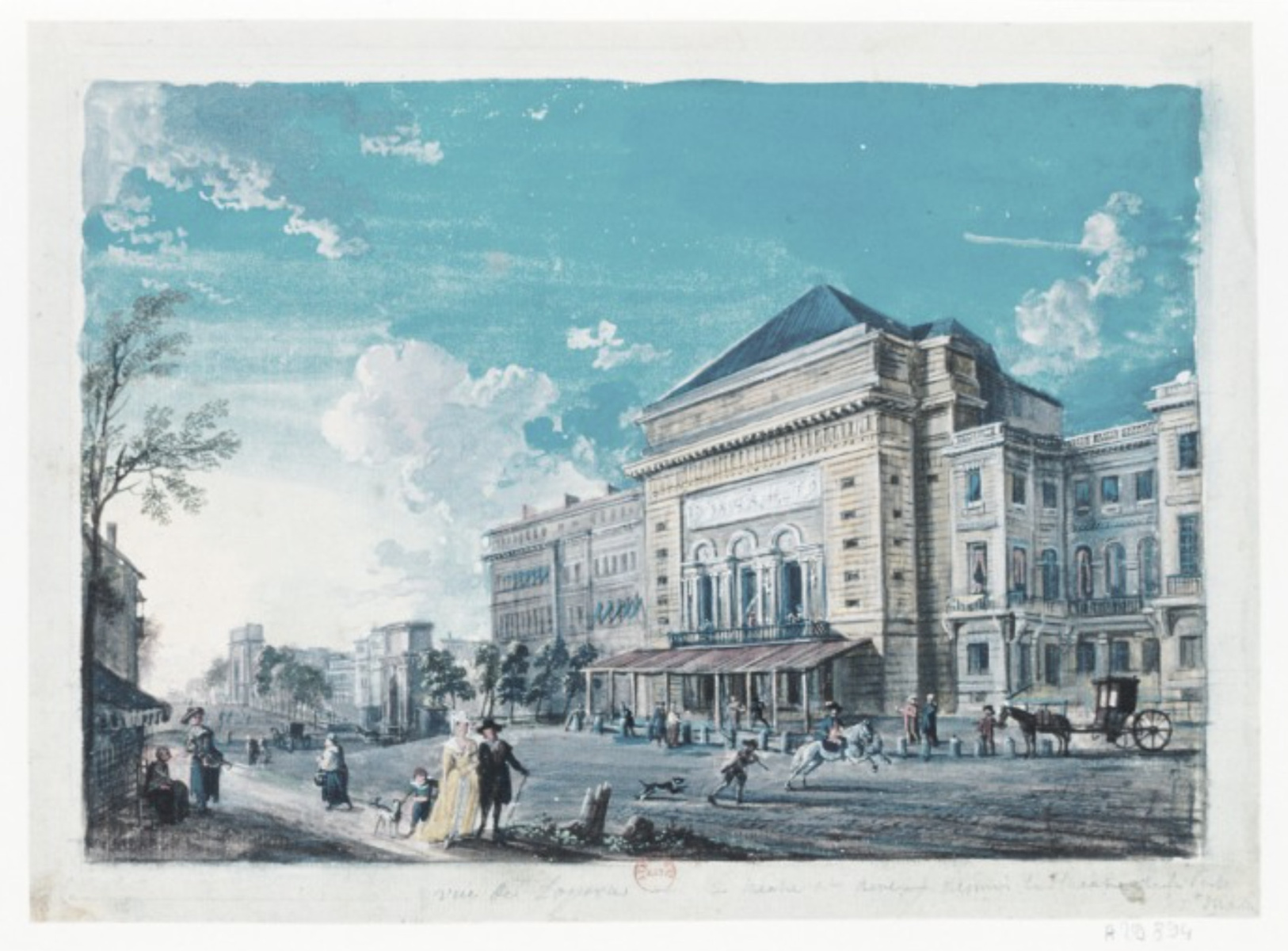
And yet the result is far from a makeshift shed! The new theater can seat about 1,800 spectators, spread across, notably, four tiers of boxes. Its façade borrows some of the monumental codes of the nearby Porte Saint-Martin, while the interior is designed to improve sightlines from the auditorium. Lenoir installs, in particular, a raked floor so that those seated at the back can better glimpse the stage.
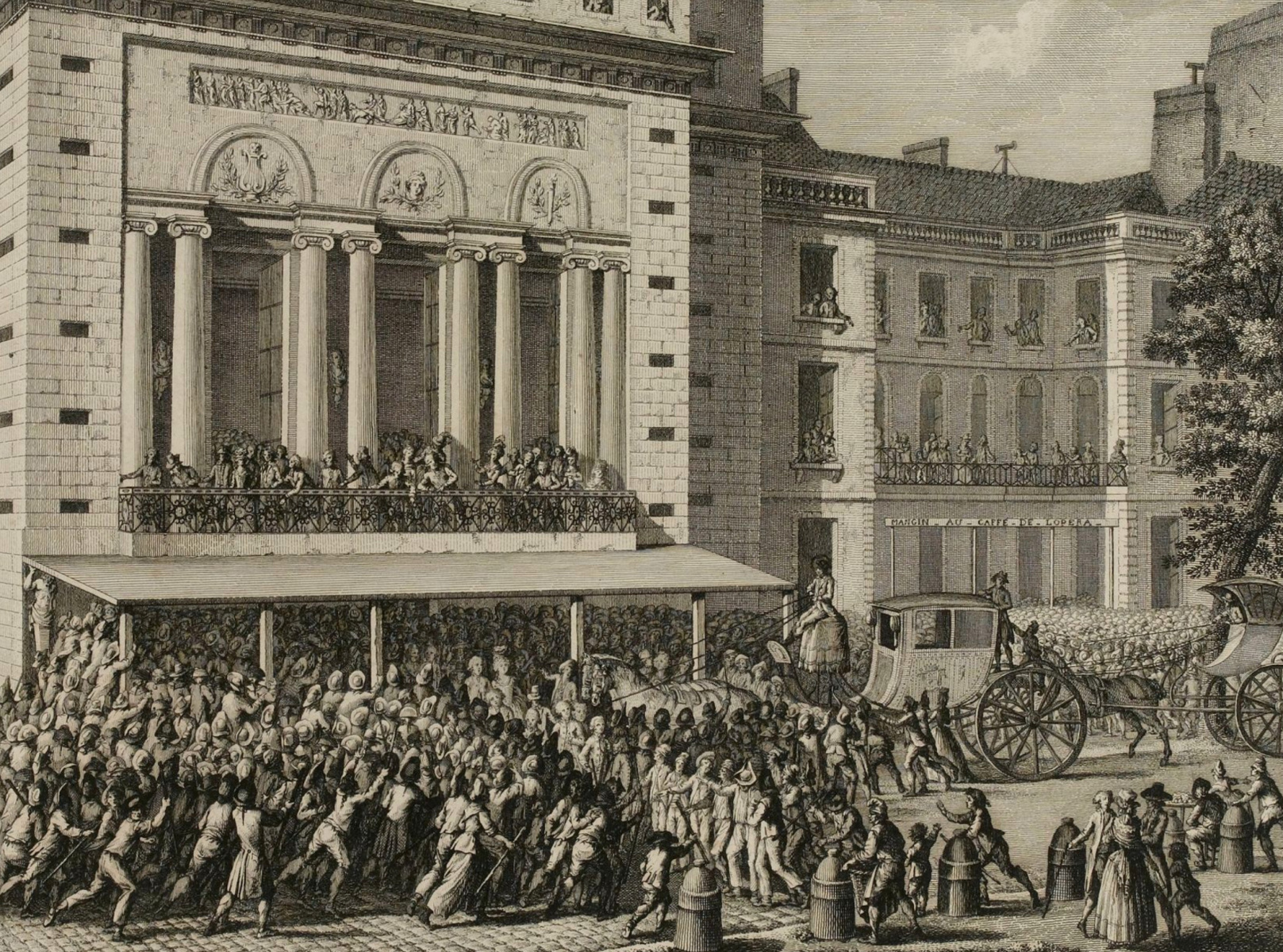
On October 22, 1781, five days before the opening, Marie-Antoinette gave birth to the Dauphin Louis-Joseph, the royal couple's first son to survive infancy. The inauguration of the new Opéra thus becomes a célébration dynastique. A free performance is organized on October 27 and the crowd is substantial: nearly 6,000 people seek to attend the festivités, well beyond the hall's normal capacity!
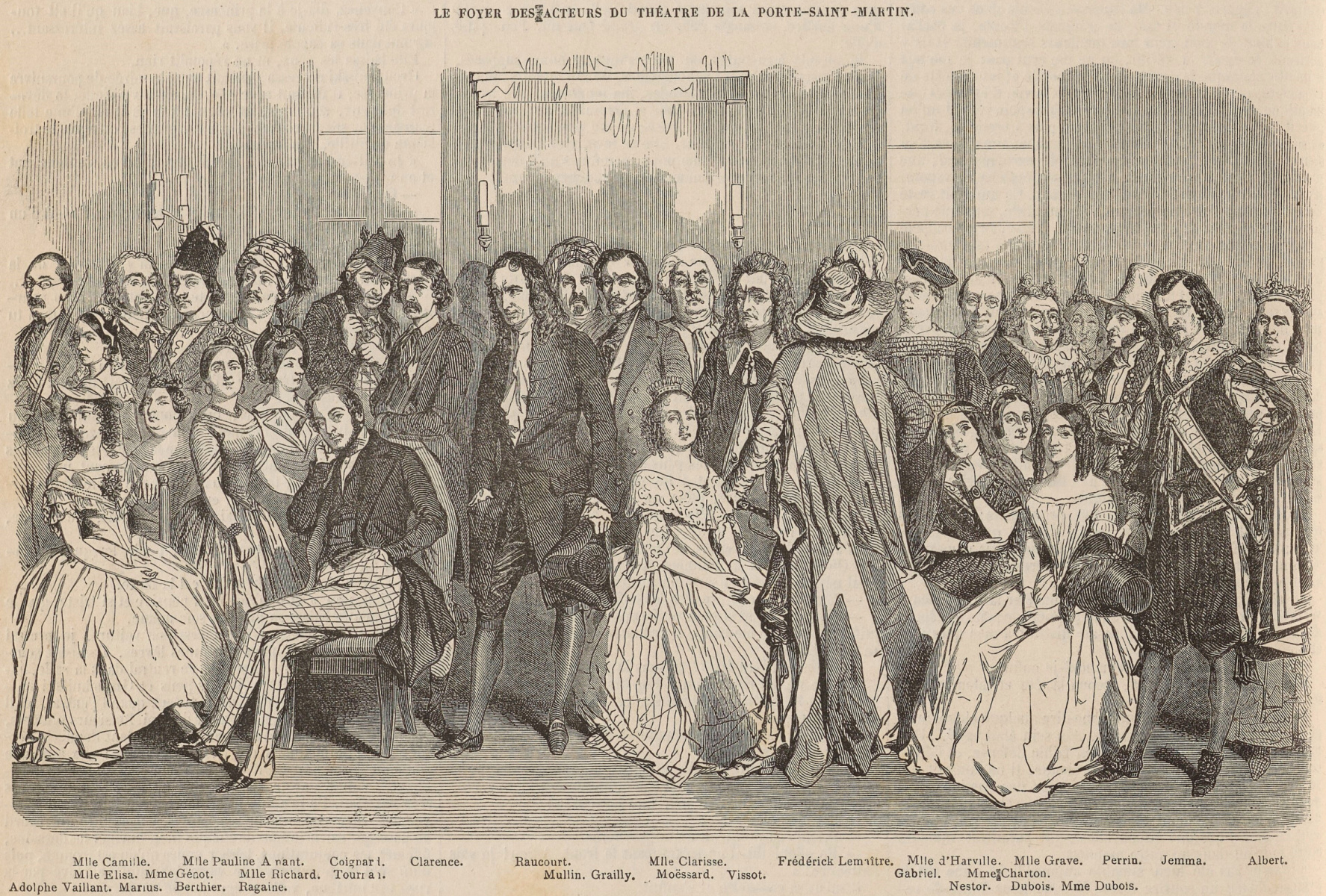
On stage, audiences encounter Adèle de Ponthieu, a lyric tragedy in three acts based on a libretto by Jean-Paul-André de Razins de Saint-Marc, set to music by the Italian Niccolò Piccinni. For about a dozen years, productions follow one another there, featuring works by Grétry, Sacchini, Philidor, or Salieri. In 1784, the venue also presents Tibulle et Délie by Mademoiselle de Beaumesnil, billed by the Opéra de Paris as the first opera composed by a woman staged by the institution.
But the Revolution would soon redraw the fate of the place. The Opéra ultimately moves from Boulevard Saint-Martin to a new hall on Rue de Richelieu in 1794. The old building then serves several uses before gradually becoming one of the great popular theatres of the boulevard. In the 19th century, Porte Saint-Martin becomes, notably, a cradle of Romantic drama, but one must avoid anachronism: in 1781, Parisians do not yet flock to the "Théâtre de la Porte Saint-Martin" as it is known today.
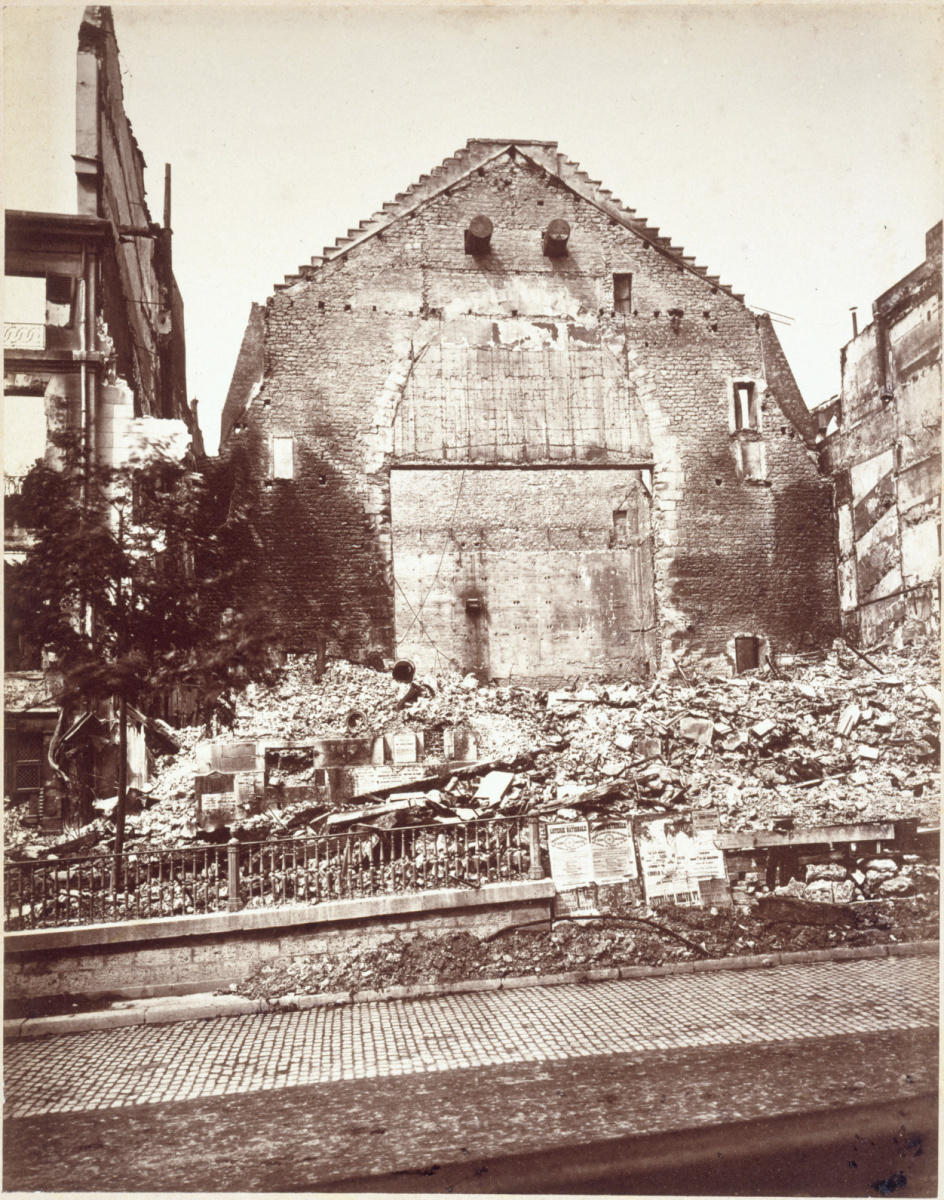
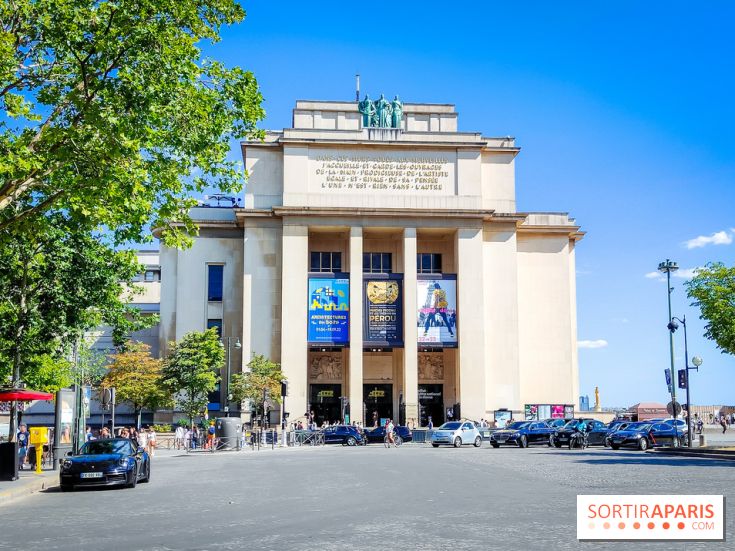
Indeed, the Nicolas Lenoir building did not survive intact. In the night of May 25, 1871, during the Commune de Paris, the theatre is burned and almost entirely destroyed. It is rebuilt two years later by the architect Oscar de La Chardonnière. Its current silhouette thus evokes its ancestor from 1781 without being a conservation to the exact replica.
For further reading:
Théâtre de la Porte Saint-Martin: an iconic venue for theater lovers in Paris
The Théâtre de la Porte Saint-Martin is one of the oldest theaters in Paris, offering a varied program in an exceptional historic setting. Located in the lively 10th arrondissement, it attracts theater lovers in search of excitement and discovery. [Read more]
Paris is packed with iconic theaters, each with its own history, architecture and unique programming. Here are a few must-sees, whether for their heritage, ambience or cultural offerings! [Read more]
This page may contain AI-assisted elements, more information here.
Dates and Opening Time
On October 27, 2026
Location
Théâtre de la Porte Saint-Martin
18 Boulevard Saint-Martin
75010 Paris 10
Route planner
Accessibility info
Access
Strasbourg Saint-Denis metro station (lines 8 and 9)
Official website
www.portestmartin.com





























 Théâtre de la Porte Saint-Martin: an iconic venue for theater lovers in Paris



 What theaters can you visit in Paris?