Following Candlemas at the start of February, Mardi Gras arrives just a few days later. Often confused due to their timing and festivities, these celebrations are actually quite different, each with its own history and origins. So, what exactly are we celebrating on this day?
It's the apotheosis of Carnival, marking the end of the "week of seven fat days" before Lent, the liturgical period of devotion to God during which people fast. A day of festivities during which rich foods are eaten in abundance, before deprivation. A celebration that originated in Roman antiquity.
More precisely, it was a pagan festival celebrating the end of winter, the Calendes of March, during which people could dress up and"the forbidden were transgressed", as our colleagues in Le Figaro explain. The festival evolved with the spread of Christianity, and Carnival was celebrated on the last day of the festival.
The word comes from the Latin carne levare, meaning "to removethe meat", and here refers to the last "fatty" meal (hence the name Mardi Gras, since rich foods such as meat, butter and sugar were eaten for the occasion) enjoyed before the start of Lent. Mardi Gras also precedes Ash Wednesday, the first day of Lent when meat is banned.
Why choose a Tuesday?
Since this celebration is held 47 days before Easter Sunday, which commemorates the 40 days that Christ spent in the desert, it is always linked to the Easter holiday. Because Easter always falls on a Sunday, this particular festival inevitably takes place on a Tuesday.
Are there any traditional specialties eaten for Mardi Gras?
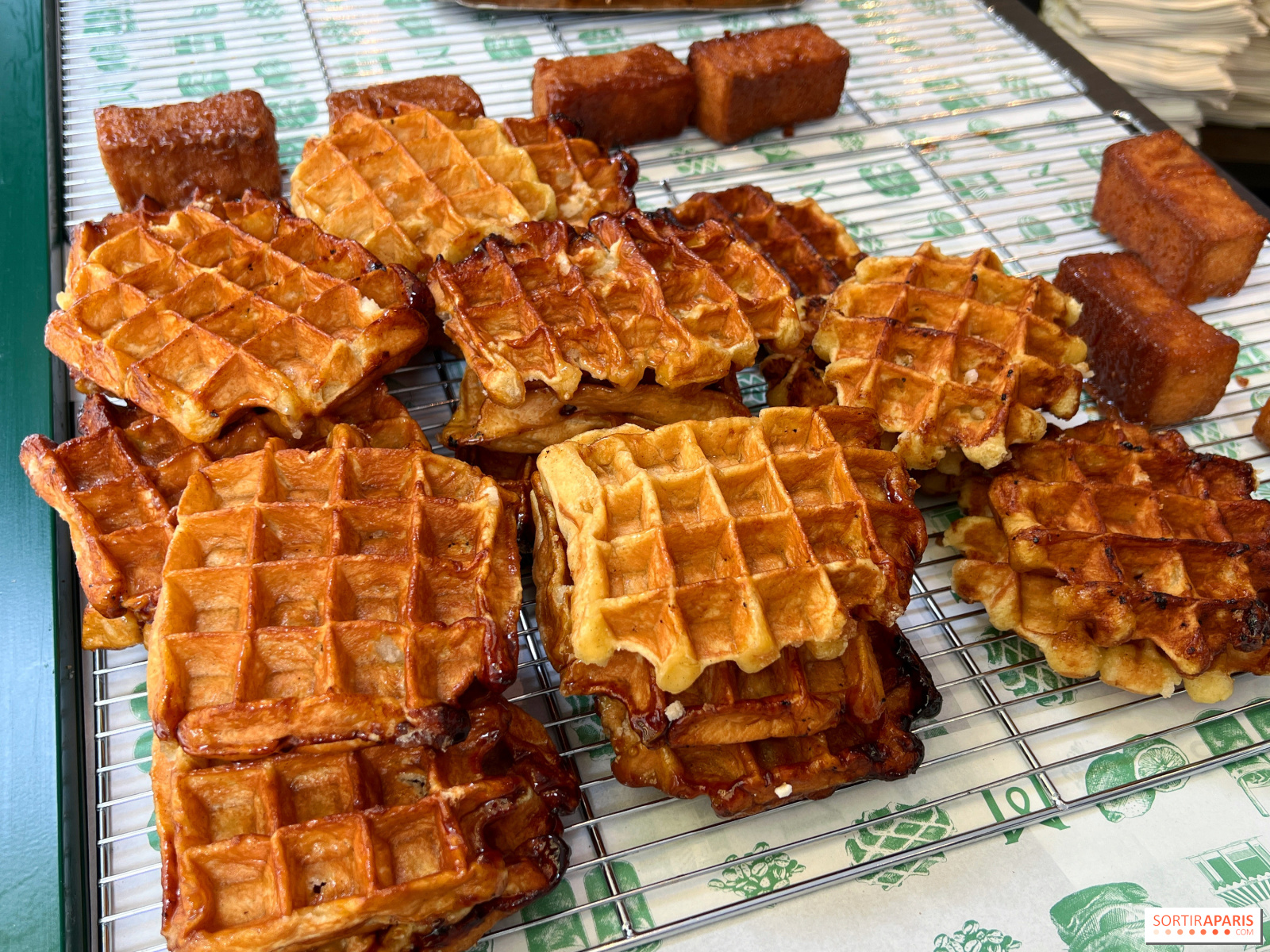
Today, it's traditional to eat pancakes (hence the confusion with Chandeleur), but also waffles, doughnuts and other bugnes.
These delicacies are primarily made of eggs and butter — ingredients traditionally avoided during Lent. To prevent waste, it was necessary to use up these supplies quickly. If you're on the hunt for recipes or want to buy some from a pastry chef, here are some great addresses to check out:
What’s on the menu for Mardi Gras 2026? A look at traditional donuts across France's regions
It would be fair to say that the number of recipes and names for these sweet treats matches the variety of regions across France. So, let's take a quick tour of the different types of beignets in France, just in time for Mardi Gras 2026 on February 17th! [Read more]
It’s time to head into the kitchen and whip up some delicious, fluffy doughnuts—perfect for celebrating Mardi Gras 2026 on February 17th! Whether for your kids or yourself, these treats are sure to delight. [Read more]
Do you love plump sugar-coated donuts and beignets filled with chocolate or jam? You're sure to find something to tempt you at these great places! [Read more]
What is the origin of Carnival tradition?
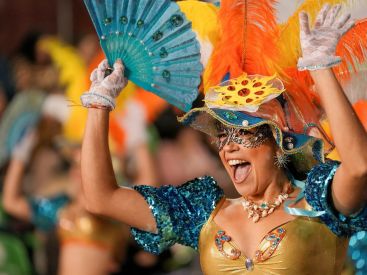
Carnival originated in Italy, where it is said that the Carnival as we celebrate it today originated in several Italian towns. The best-known of these was Venice, which organized lavish celebrations as early as the 11th century. Disguises, and masks in particular, became more widespread in the 13th century, the idea being to preserve anonymity during these outrageous celebrations.
Today, every city around the globe has its own traditions: vibrant float parades in Nice, herring throwings in Dunkerque, wild dance parties in Rio... All of them united by one common thread — the art of dressing up. And to indulge a little imagination:
Carnaval de Paris is back for another edition. We look forward to seeing you on Sunday, March 2, 2025, at this not-to-be-missed Mardi Gras event in the capital. [Read more]







 What’s on the menu for Mardi Gras 2026? A look at traditional donuts across France's regions


 Mardi Gras 2026: Easy Recipes for Donuts, Waffles, and Bugnes


 Where to eat good donuts and beignets in Paris? Our top spots


 Carnaval de Paris 2025 returns this Sunday: program and route!