Celebrated annually between January 13 and 14, the Orthodox New Year is a traditional celebration marking the arrival of the new year in Orthodox countries. Although countries like Russia, as well as Ukraine, Georgia, Serbia, and Montenegro officially adopted the Gregorian calendar in 1918, the Orthodox Church still follows the Julian calendar.
With their families, these communities celebrate the Orthodox New Year by sharing a variety of traditional dishes that they've painstakingly prepared over several days—dishes that might seem quite surprising to outsiders. Here's a quick overview of
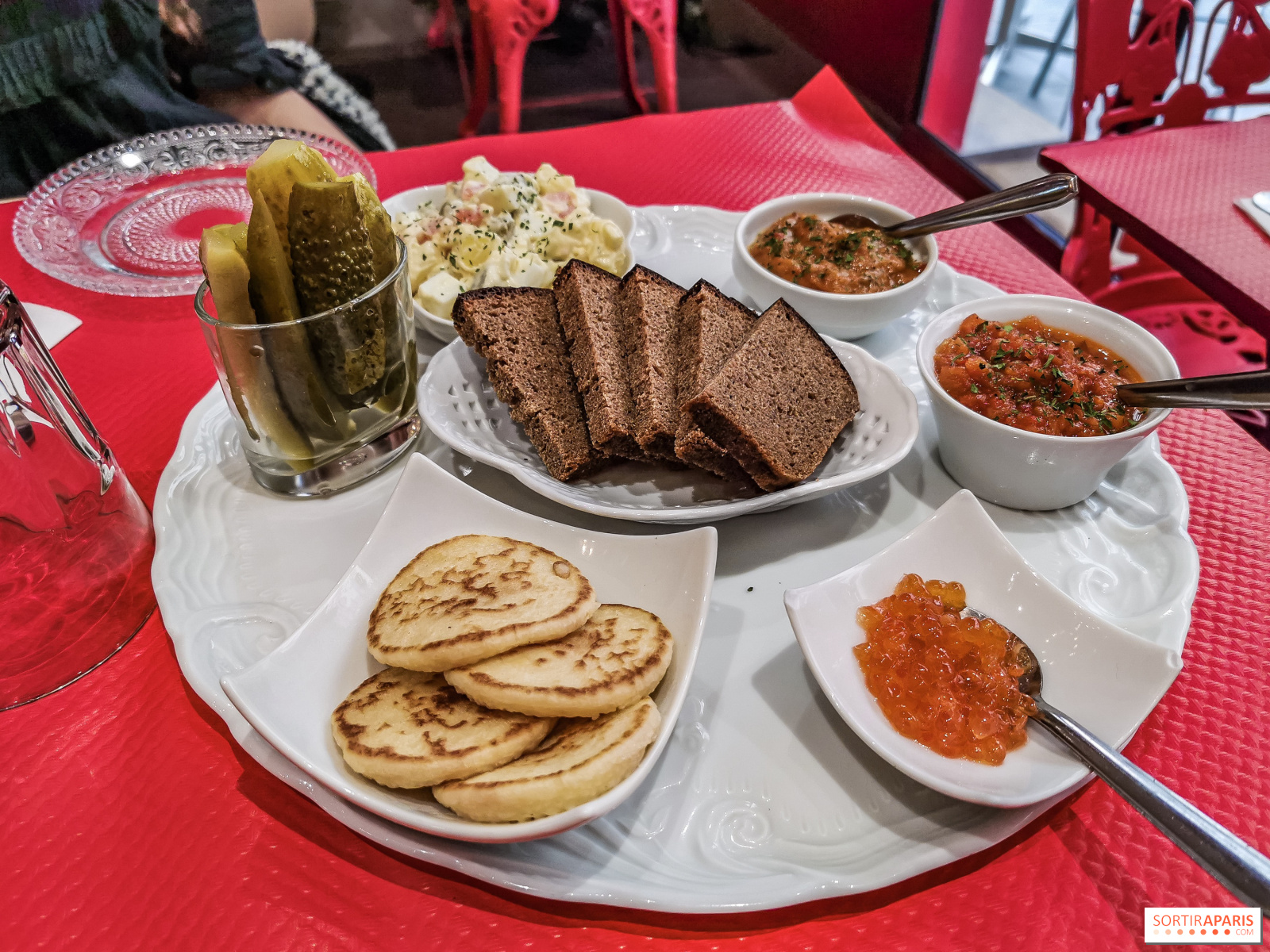
To kick things off, families gather for drinks around a hearty spread of zakouski, featuring traditional starters that are as diverse as they are plentiful. Among the staples are vegetables and mushrooms that are naturally fermented; slices of smoked salmon and trout served atop buttered white or black bread; and sprats, small fish similar to tiny herring, lightly smoked in oil—a delicacy dating back to the Soviet era. Meanwhile, everyone bites into tangy, pickled cucumbers known as ogourtsi, prepared in the malossol style with plenty of aromatic herbs and spices.
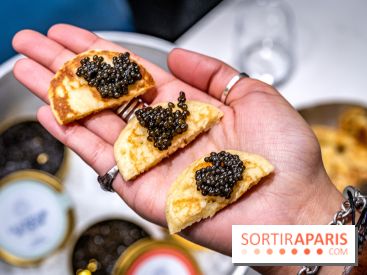
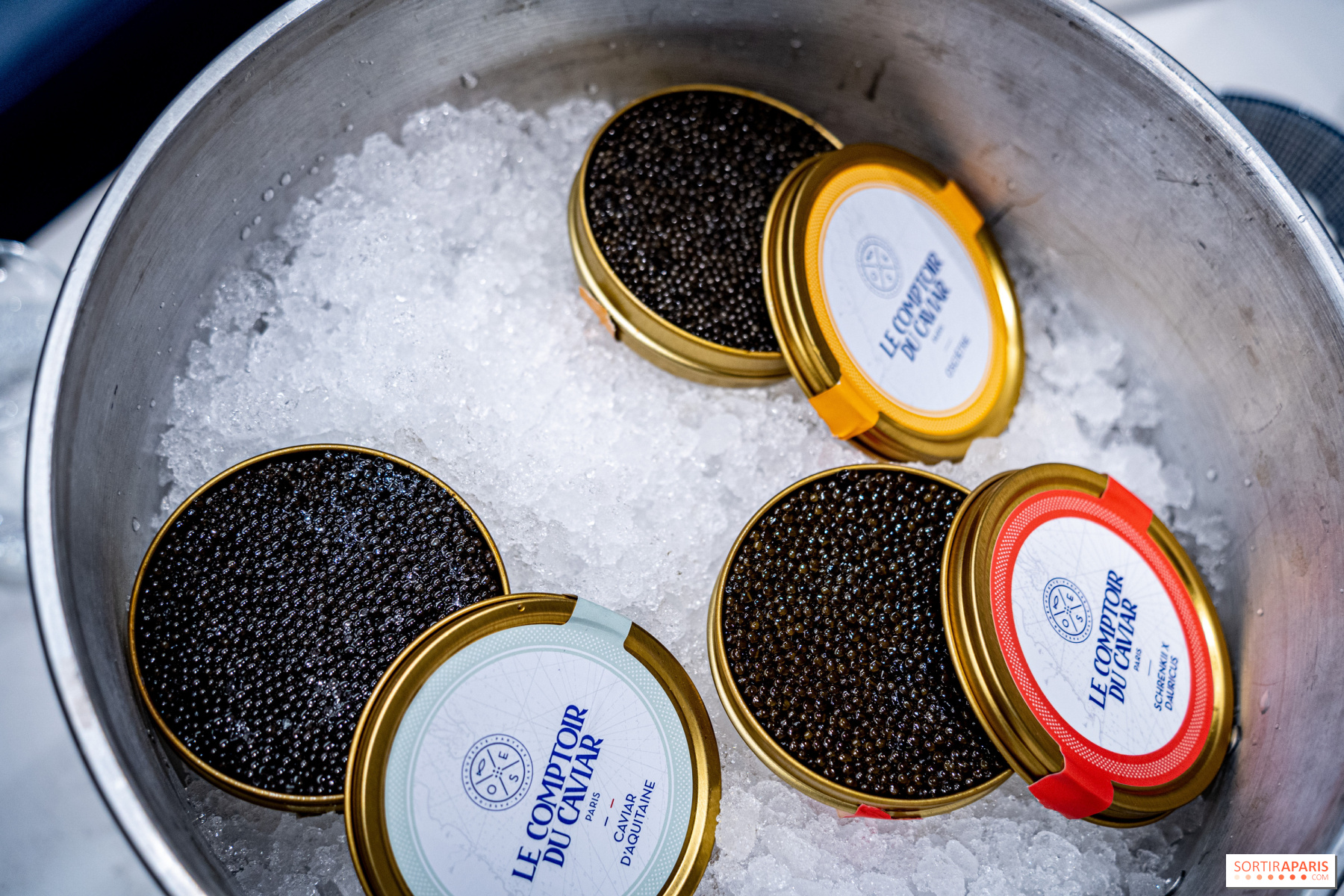
Of course, no festive dinner would be complete without a few grains of black sturgeon caviar or Beluga gray caviar served on crushed ice—both local delicacies—or even red caviar, known as salmon roe. A flavorful treat that’s fairly pricey and highly sought after.

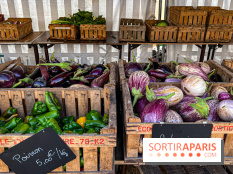
On the holiday dinner table, you'll also find a variety of many salads; traditionalists are particularly passionate about them, and they are considered a core element of any feast. Among the most popular is the Olivier salad. Similar to a vegetable medley, this classic dish was created by Lucien Olivier, a Franco-Belgian chef who ran a Moscow restaurant in the 19th century. It typically features boiled eggs and vegetables—such as cabbage, beetroot, white beans, and cucumber—cut into small cubes and generously coated with mayonnaise.
Another classic in the world of salads, invented by Soviet women in the 1970s, is the seledka pod chuboy, or, in other words, the "herring in a fur coat." Don't be fooled—there's no actual fur involved! The salted fish is chopped into cubes and layered under a "coat" made up of several visible layers: grated vegetables (potatoes, beets, carrots), hard-boiled eggs, onions, fresh green apple slices, and, once again, a generous amount of mayonnaise. Among other traditional salads, there's the "vinaigrette" salad, a tangy beetroot salad seasoned with vinegar and topped with salted herring fillets and spices; or the Mimosa salad, which features smoked sprats, potatoes, carrots, and grated egg whites and yolks arranged in layers to resemble a mimosa flower.
Before diving into the hot dishes, food lovers often take a moment to enjoy other specialties like pirojki. You might be familiar with these plump little dumplings, quite popular and filled with minced meat, cheese, vegetables — or even a combination of all three. The kholodets, which resemble our French aspics or even our head cheese, are also a delicacy. These appetizers typically feature pieces of meat, often pork ears and feet or beef tail, suspended in a savory meat broth gelée.
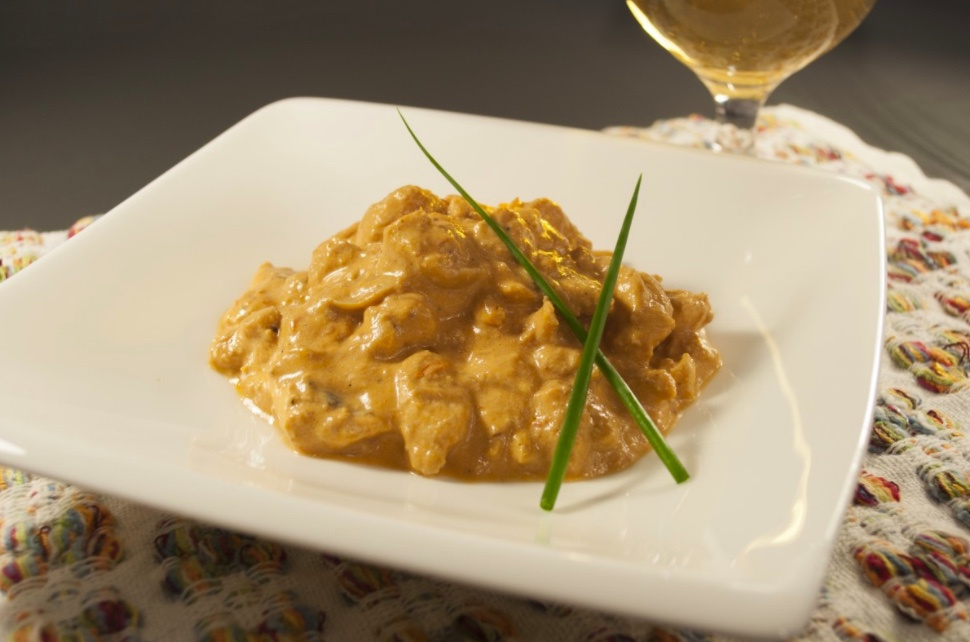
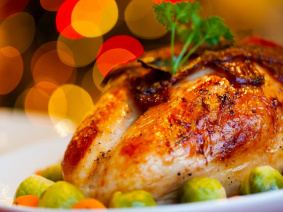
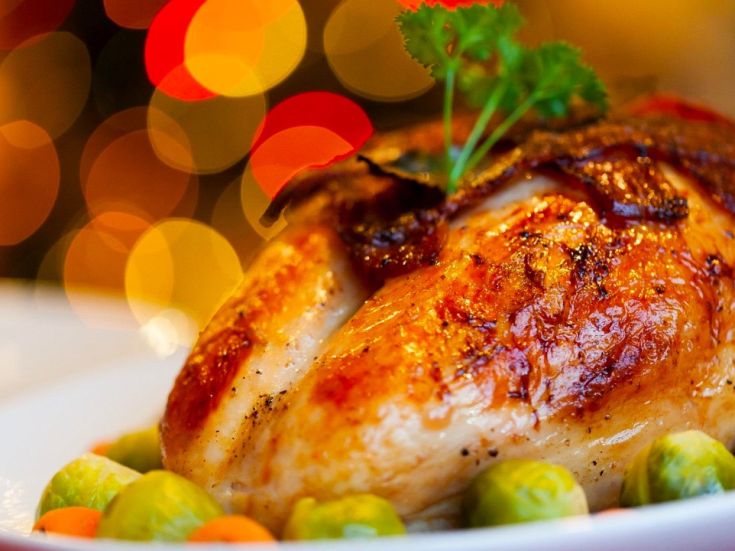
If you thought it was all over by then… think again; ringing in the New Year is the perfect excuse to indulge without restraint! It’s time to move on to the main courses! While some families opt for a whole stuffed suckling pig with buckwheat, oven-roasted, served with horseradish and a glass of vodka, others choose the classic Beef Stroganoff to take pride of place at their holiday table. This dish is arguably one of the most renowned in Slavic cuisine. Created in the 17th century by French chef to Count Pavel Stroganoff, this saucy dish features thin slices of beef, cream, paprika, mushrooms, and onions. If you haven't tried it yet, now’s the perfect time to take the plunge!
A hearty borscht, this beetroot soup featuring meat and vegetables, is truly comforting and hits the spot; it’s just as satisfying as a selection of various pies, filled with chicken, fish, or meat, often made from recipes kept closely guarded and passed down through generations.
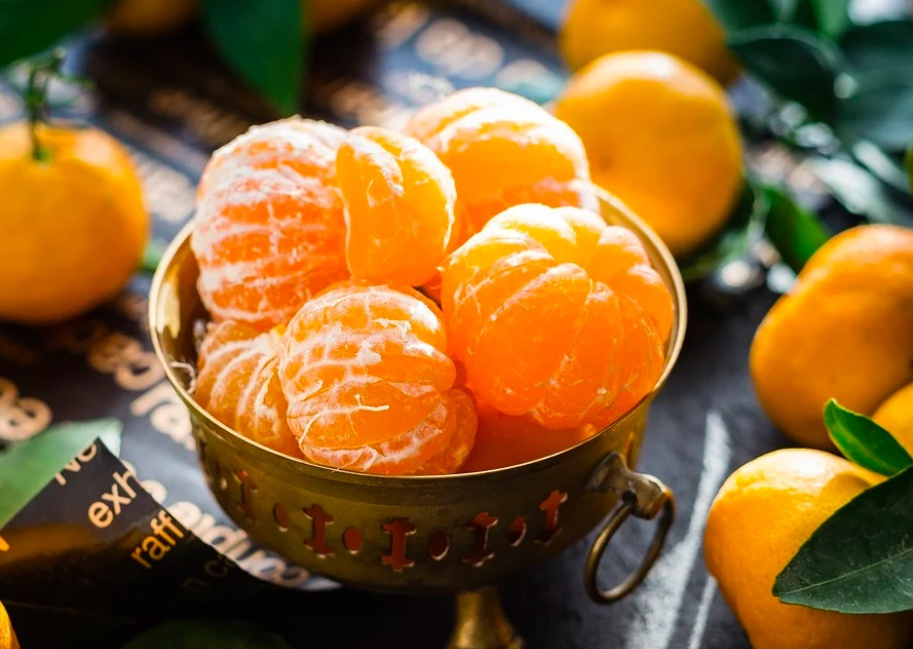
Let’s move on to desserts! Why complicate things when simplicity often wins? One of the most popular family favorites to end a festive meal on a sweet note is none other than the mandarin! This citrus fruit has been a holiday staple since Soviet times. It’s impossible to imagine a New Year’s Eve celebration without its fragrant aroma filling the room. Of course, other desserts also make an appearance on the table.
One of the most classic and beloved desserts is the vatrouchka, a brioched tart made with tvorog, an intriguing ingredient that sits somewhere between fresh cheese and fermented cheese. Similar to a cheesecake, vatrouchka is often flavored with lemon and enhanced with honey and jam. The smetannik, a soft tart with sour cream and jam, often spiced with cinnamon or almonds; as well as the syrnikis, small pancakes-like fritters that are somewhere between pancakes and doughnuts, are also staple sweets — adored by children, but not only!
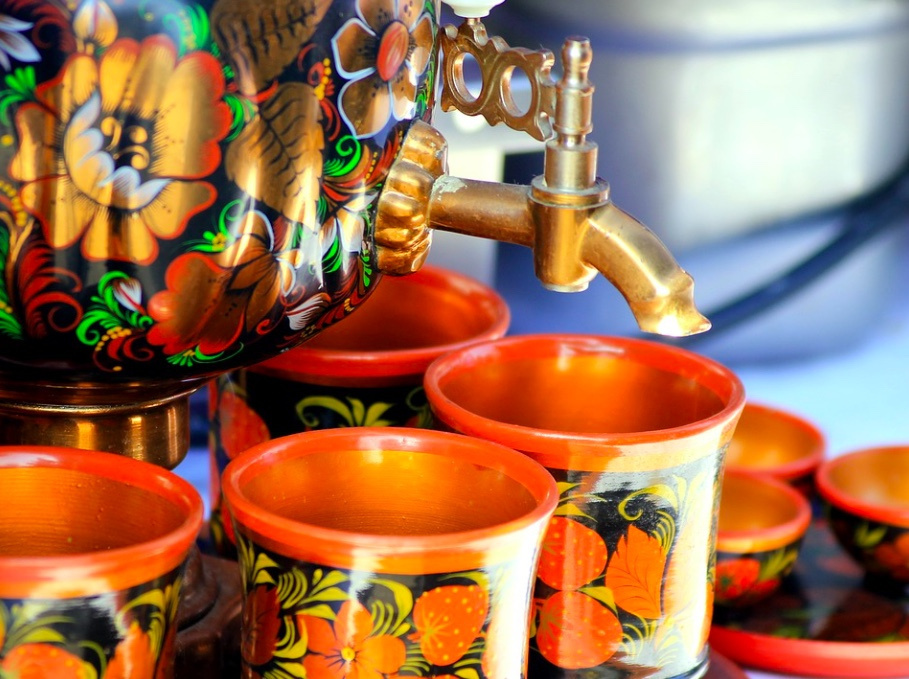
To end on a high note, indulge in a slice of prianik, the traditional gingerbread filled with walnuts, jam, condensed milk, or raisins—perfect for pairing with a cup of black tea served in a samovar. Alternatively, savor tchak-tchak, small fried dough sticks arranged in a dome shape, glazed with burning honey, allowing Orthodox faithful to patiently await midnight and the arrival of the New Year—handy with a glass of sbitène — warm mead — in hand!