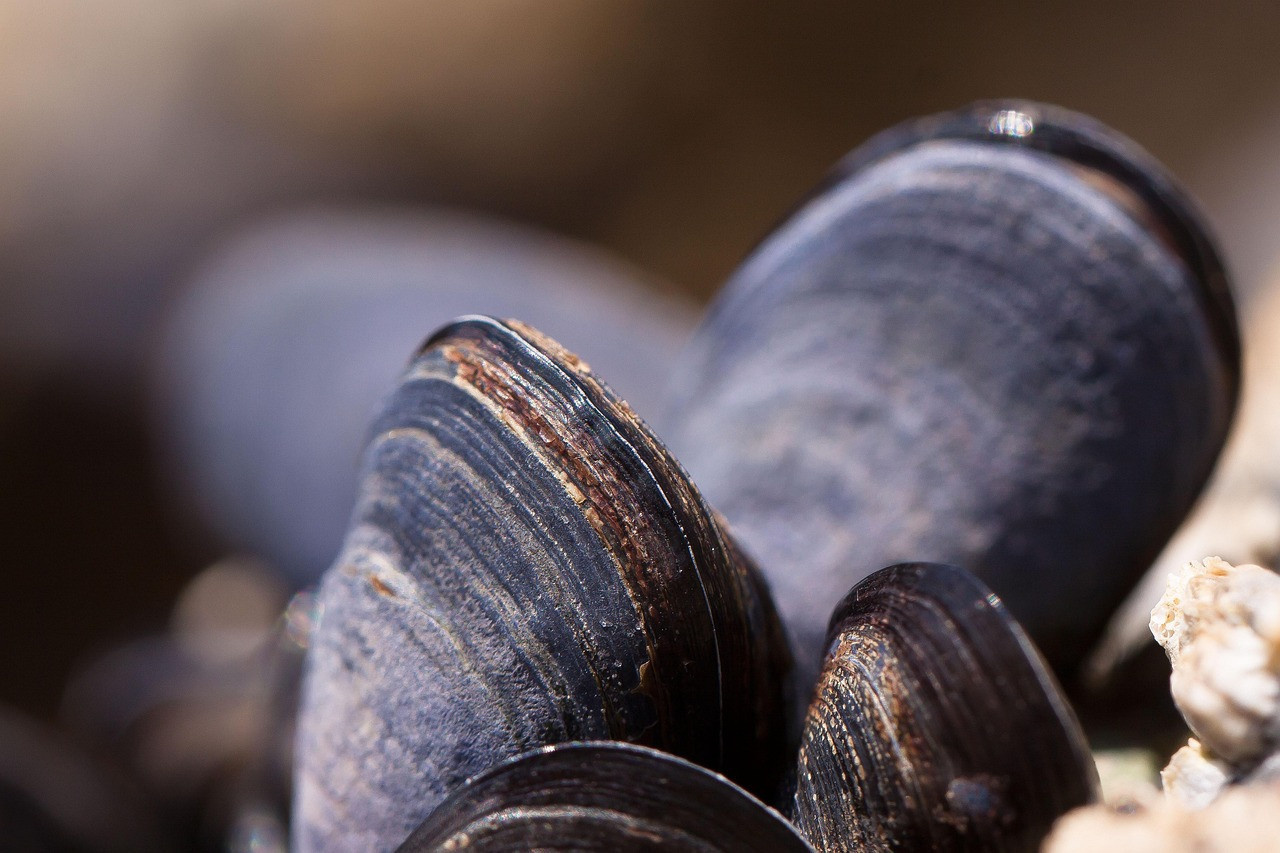
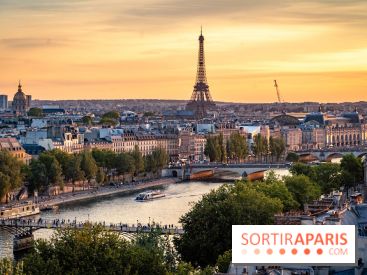
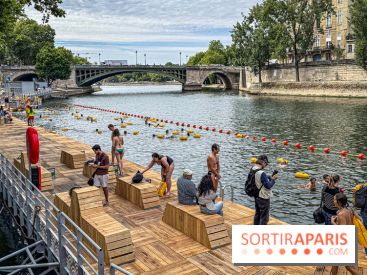
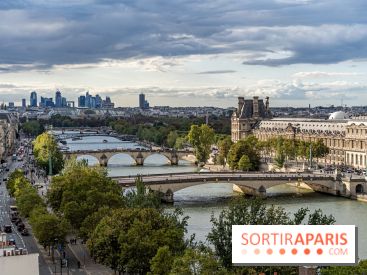
They had disappeared since the 60s, when the Seine was an open-air sewer. Today, three endangered species of freshwater mussels - the thick-water mussel, the river mussel and the compressed anodont - are reclaiming the river. Their presence is a precious indicator: they only live in quality water.
In the summer of 2024, scientists carried out a sampling operation in eight areas of the river. Twenty liters of water were filtered and analyzed using environmental DNA, revealing a spectacular leap in biodiversity: 36 species of fish were identified, ten times more than in the 1960s, and 23 species of mussels, twice as many as 30 years ago.
Each mussel is a mini-water treatment plant, capable of filtering up to 40 liters of water per day. The return of certain species, extinct for over half a century, confirms the effectiveness of our efforts.
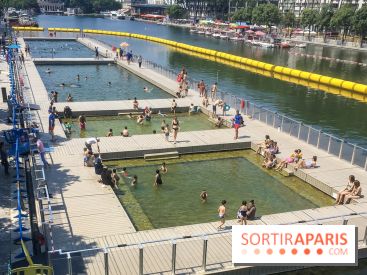
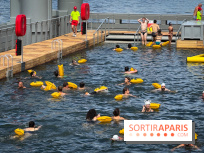
This progress is the fruit of colossal investment: almost 1.4 billion euros to clean up the Seine, including the construction of the Austerlitz storage basin. Wastewater discharges remain a danger, however. But for now, the river is reborn... and its new filtering residents are making sure it stays that way!