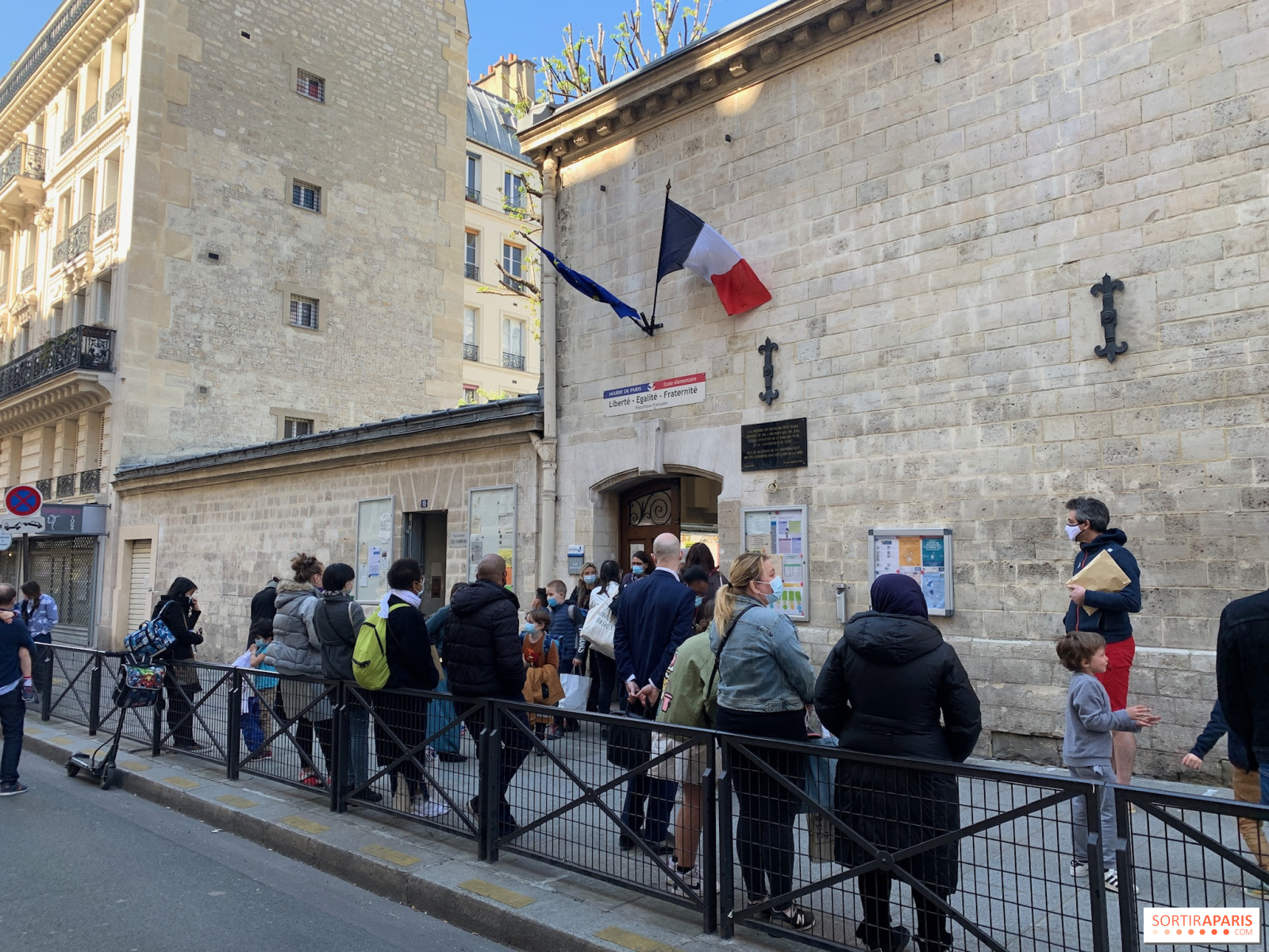
From the start of the 2025 school year, France'scollèges and lycées will undergo a series of major transformations. At a press conference on Wednesday August 27, Elisabeth Borne, the French Minister of State forEducation, presented the ten key measures that will shape the school year for the country's 12 million students. These changes affect schools in Paris and throughout the Île-de-France region, and specifically middle and high school students.
From the start of the new school year, all secondary school pupils will be required to leave their cell phones in lockers, cases or pockets during lessons. This "digital break" measure is becoming more widespread, following a successful experiment in around 100 schools. Each school will set its own implementation procedures, but the objective remains the same: to enable students to concentrate fully on their learning without distraction.
A systematic disconnection from ENT (digital workspaces) is planned after 8pm and at weekends. Platforms such as Pronote, where students consult their timetables and homework, will no longer be accessible in the evening. This measure is aimed directly at combating screen abuse and preserving young people's family and rest time.
Artificial intelligence training courses will be offered to middle and high school students, and will be compulsory for 4th, 2nd and 1st year CAP students. The aim is to make young people aware of good practices and the limits of AI. Teachers will also benefit from specialized training and an artificial intelligence tool in the coming months to support them in their teaching methods.
A new program foreducation in emotional, relational and sexual life comes into effect in September. Three sessions a year will now be compulsory from kindergarten through to the final year of secondary school in all schools, whether public or private under contract. The Evars program covers essential topics such as consent, emotions and gender identity, and is tailored to each age group.
Pupils entering 6th grade will be required to take physical fitness tests in PE lessons from the start of the new school year. The tests will focus on endurance, muscular strength and speed. This measure is part of the school's drive to improve knowledge of young people's physical condition, and to personalize their sports career at secondary school.
Grading for the brevet is changing, with a new breakdown: continuous assessment will now account for 40% of the final grade, while the final tests will represent 60%. Until now, the split was 50/50. The aim of this change is to enhance the value of the final tests and reinforce the high standards of this first national diploma.
An early mathematics test will be introduced in première from June 2026, modelled on the French test. Lasting two hours and with a coefficient of 2, it will concern all high school students in the general and technological streams. Students who have chosen the mathematics speciality will sit a second exam the following year in the final year.
The rules for the baccalauréat have been tightened: students who obtain less than 9.5/20 after the rattrapages will no longer be able to benefit from the jury points that previously enabled them to obtain their diploma. The aim of this measure is to guarantee a minimum standard for the baccalauréat and to raise the profile of this national diploma.
With regard to the fight against weapons in schools, any student who enters the school with a weapon will henceforth be systematically brought before a disciplinary board. This zero-tolerance measure follows the 400 edged weapons seized since March during the 6,200 searches carried out in French schools. Security is becoming an absolute priority.
A new compulsoryorientation program is introduced from 5th grade to the end of secondary school. All students will be required to attend four half-days a year dedicated to discovering careers and training. They will be able to visit companies and take part in trade fairs and forums. This measure is part of the "Plan Avenir" presented by Elisabeth Borne to better prepare young people for their career choices.
These ten measures will profoundly transform the French educational landscape. They will apply from the start of the 2025 school year in all schools in the Paris region and nationwide. Elisabeth Borne has taken these reforms on board despite the political uncertainty, asserting that she wants to "stay the course" to improve educational success. The teachers' unions are keeping a close eye on the practical application of these changes, which will affect millions of French pupils throughout the school year.
Recommended age
For all